Red Pepper Flakes (Crushed)
The Crunchy Heat
What is this ingredient?
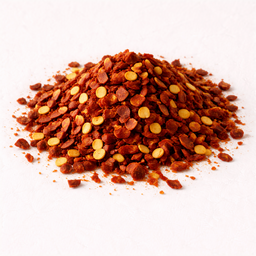
Red pepper flakes differ from chili powder: flakes are coarser, often blended, and keep more of the oils that create a slow-bloom heat. The seeds aren’t the heat source by themselves, but they carry capsaicin oil; most heat sits in the ribs. That’s why flakes build gradually and linger longer. In Italian cooking they’re known as peperoncino—perfect for finishing a dish without overpowering it.
How does it taste?
Spicy with a dry, slightly smoky heat and fruity undertone.
Pairs well with:
Pairs well with pizzapastaolive oilgarlic and honey.
Did you know...?
- Red pepper flakes are usually made from cayenne peppers or a mix of dried peppers.
- The seeds in red pepper flakes carry oil that adds extra heat, while most heat comes from the ribs.
Nutritional Value & Energy
Per 100g
Red Pepper Flakes (Crushed) provides energy thanks to natural nutrients , buffered by fiber.
Per 100g
Minerals
Vitamins
Omega-3 fatty acids
More nutrients
B-Vitamins
Trace Minerals
What's in a serving?
Red pepper flakes naturally contain vitamin A (2081 mcg per 100 g dried flakes). At typical spice usage (3–9 g), the contribution is limited.
Red pepper flakes naturally contain vitamin E (29.8 mg per 100 g dried flakes). At typical spice usage (3–9 g), the contribution is limited.
Red pepper flakes naturally contain iron (17.3 mg per 100 g dried flakes). At typical spice usage (3–9 g), the contribution is limited.
Red pepper flakes naturally contain potassium (1870 mg per 100 g dried flakes). At typical spice usage (3–9 g), the contribution is limited.
Red pepper flakes naturally contain vitamin C (76 mg per 100 g dried flakes). At typical spice usage (3–9 g), the contribution is limited.
Red pepper flakes naturally contain manganese (2 mg per 100 g dried flakes). At typical spice usage (3–9 g), the contribution is limited.
Red pepper flakes naturally contain vitamin B6 (2.5 mg per 100 g dried flakes). At typical spice usage (3–9 g), the contribution is limited.
Red pepper flakes naturally contain vitamin A (2081 mcg per 100 g dried flakes). At typical spice usage (3–9 g), the contribution is limited.
Red pepper flakes naturally contain vitamin E (29.8 mg per 100 g dried flakes). At typical spice usage (3–9 g), the contribution is limited.
Red pepper flakes naturally contain iron (17.3 mg per 100 g dried flakes). At typical spice usage (3–9 g), the contribution is limited.
Red pepper flakes naturally contain potassium (1870 mg per 100 g dried flakes). At typical spice usage (3–9 g), the contribution is limited.
Red pepper flakes naturally contain vitamin C (76 mg per 100 g dried flakes). At typical spice usage (3–9 g), the contribution is limited.
Red pepper flakes naturally contain magnesium (152 mg per 100 g dried flakes). At typical spice usage (3–9 g), the contribution is limited.
Red pepper flakes naturally contain phosphorus (293 mg per 100 g dried flakes). At typical spice usage (3–9 g), the contribution is limited.
Red pepper flakes naturally contain manganese (2 mg per 100 g dried flakes). At typical spice usage (3–9 g), the contribution is limited.
Red pepper flakes naturally contain vitamin B6 (2.5 mg per 100 g dried flakes). At typical spice usage (3–9 g), the contribution is limited.
Red pepper flakes naturally contain copper (0.4 mg per 100 g dried flakes). At typical spice usage (3–9 g), the contribution is limited.
Red pepper flakes naturally contain folate (100 mcg per 100 g dried flakes). At typical spice usage (3–9 g), the contribution is limited.
% of daily reference intake (DRI)
EU-approved nutrition claims
This ingredient contains nutrients for which EFSA-authorized health claims exist at nutrient level, not ingredient-specific level.
Approved health claims (EU)
Vitamin_a EU 432/2012
Vitamin A contributes to the normal function of the immune system
Contains 2081mcg/100g (threshold: ≥120mcg/100g)
Vitamin_a EU 432/2012
Vitamin A contributes to the maintenance of normal skin
Contains 2081mcg/100g (threshold: ≥120mcg/100g)
Vitamin_a EU 432/2012
Vitamin A contributes to the maintenance of normal mucous membranes
Contains 2081mcg/100g (threshold: ≥120mcg/100g)
Vitamin_a EU 432/2012
Vitamin A contributes to the maintenance of normal vision
Contains 2081mcg/100g (threshold: ≥120mcg/100g)
Vitamin_a EU 432/2012
Vitamin A contributes to normal iron metabolism
Contains 2081mcg/100g (threshold: ≥120mcg/100g)
Vitamin_a EU 432/2012
Vitamin A has a role in the process of cell specialisation
Contains 2081mcg/100g (threshold: ≥120mcg/100g)
Vitamin_b6 EU 432/2012
Vitamin B6 contributes to normal cysteine synthesis
Contains 2.5mg/100g (threshold: ≥0.21mg/100g)
Vitamin_b6 EU 432/2012
Vitamin B6 contributes to normal energy-yielding metabolism
Contains 2.5mg/100g (threshold: ≥0.21mg/100g)
Vitamin_b6 EU 432/2012
Vitamin B6 contributes to normal functioning of the nervous system
Contains 2.5mg/100g (threshold: ≥0.21mg/100g)
Vitamin_b6 EU 432/2012
Vitamin B6 contributes to normal homocysteine metabolism
Contains 2.5mg/100g (threshold: ≥0.21mg/100g)
Vitamin_b6 EU 432/2012
Vitamin B6 contributes to normal protein and glycogen metabolism
Contains 2.5mg/100g (threshold: ≥0.21mg/100g)
Vitamin_b6 EU 432/2012
Vitamin B6 contributes to normal psychological function
Contains 2.5mg/100g (threshold: ≥0.21mg/100g)
Vitamin_b6 EU 432/2012
Vitamin B6 contributes to normal red blood cell formation
Contains 2.5mg/100g (threshold: ≥0.21mg/100g)
Vitamin_b6 EU 432/2012
Vitamin B6 contributes to the normal function of the immune system
Contains 2.5mg/100g (threshold: ≥0.21mg/100g)
Vitamin_b6 EU 432/2012
Vitamin B6 contributes to the regulation of hormonal activity
Contains 2.5mg/100g (threshold: ≥0.21mg/100g)
Vitamin_b6 EU 432/2012
Vitamin B6 contributes to the reduction of tiredness and fatigue
Contains 2.5mg/100g (threshold: ≥0.21mg/100g)
Vitamin_e EU 432/2012
Vitamin E contributes to the protection of cells from oxidative stress
Contains 29.8mg/100g (threshold: ≥1.8mg/100g)
Comparison
vsspinazie
Red pepper flakes contain about 6× more iron per 100 g than spinach — but you use much less per serving.
vsbanaan
Red pepper flakes contain about 5× more potassium per 100 g than banana — but you use much less per serving.
What's being researched?
Red pepper flakes and heat production
Capsaicin in red pepper flakes is studied in research on energy expenditure, appetite, and heat production. The findings fit within broader research on capsaicin from chili peppers.
Supported by: [1] Janssens PL (2013)
Good Combinations (Synergy)
Combine red pepper flakes (crushed) smartly to enhance the effect:
Red Pepper Flakes (Crushed) 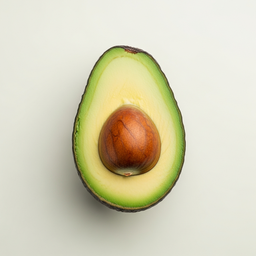 Avocado
 Fats dampen burning and increase capsaicin absorption
Technical: Capsaicin from red pepper flakes binds to fat molecules in avocado and olive oil, reducing burning on the stomach lining (casein in milk works the same way). Simultaneously, fat increases capsaicin bioavailability 2-3x, enhancing thermogenic action via TRPV1 activation.
What does this mean for you? Sprinkle avocado toast with red pepper flakes. The avocado fat dampens the burning but strengthens the thermogenic effect — less heat, more results.
Red Pepper Flakes (Crushed) 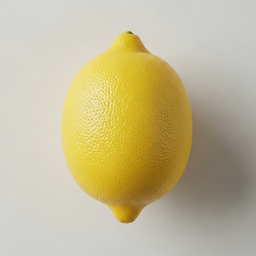 Lemon
Lemon Capsaicin + vitamin C for metabolism and immunity
Technical: Red pepper flakes contain capsaicin (0.5-1.5%) that activates TRPV1 receptors for thermogenesis (+10% energy expenditure) and endorphin release. Lemon's vitamin C (53mg) neutralizes capsaicin-induced oxidative stress and supports the adrenal gland in the thermogenic response. Capsaicin also increases vitamin C bioavailability through temporary intestinal permeability increase. The combination maximizes thermogenesis + immune support.
What does this mean for you? Sprinkle red pepper flakes with lemon juice over fish, salad or pasta. The 'burning' sensation is your metabolism speeding up — the lemon makes it lighter and fresher.
Red Pepper Flakes (Crushed) 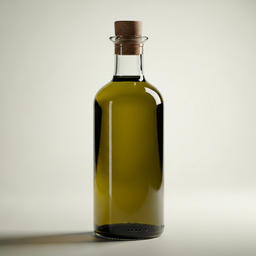 Olive Oil
 Capsaicin dissolved in fat for prolonged thermogenesis
Technical: Capsaicin is fat-soluble and is absorbed 3x better in olive oil than without fat. Dissolved in oil, capsaicin is released more gradually in the GI tract, extending the thermogenic response from 30 minutes to 2-3 hours. Olive oil's oleocanthal enhances capsaicin's analgesic effect via shared TRPV1 pathway activation. This is the basis of 'olio al peperoncino' — Italian chili flake oil.
What does this mean for you? Make your own peperoncino oil: steep red pepper flakes in extra virgin olive oil. Use as finishing oil over pizza, pasta or soup for prolonged thermogenic action.
Recipes with Red Pepper Flakes (Crushed)
Discover delicious recipes featuring red pepper flakes (crushed):
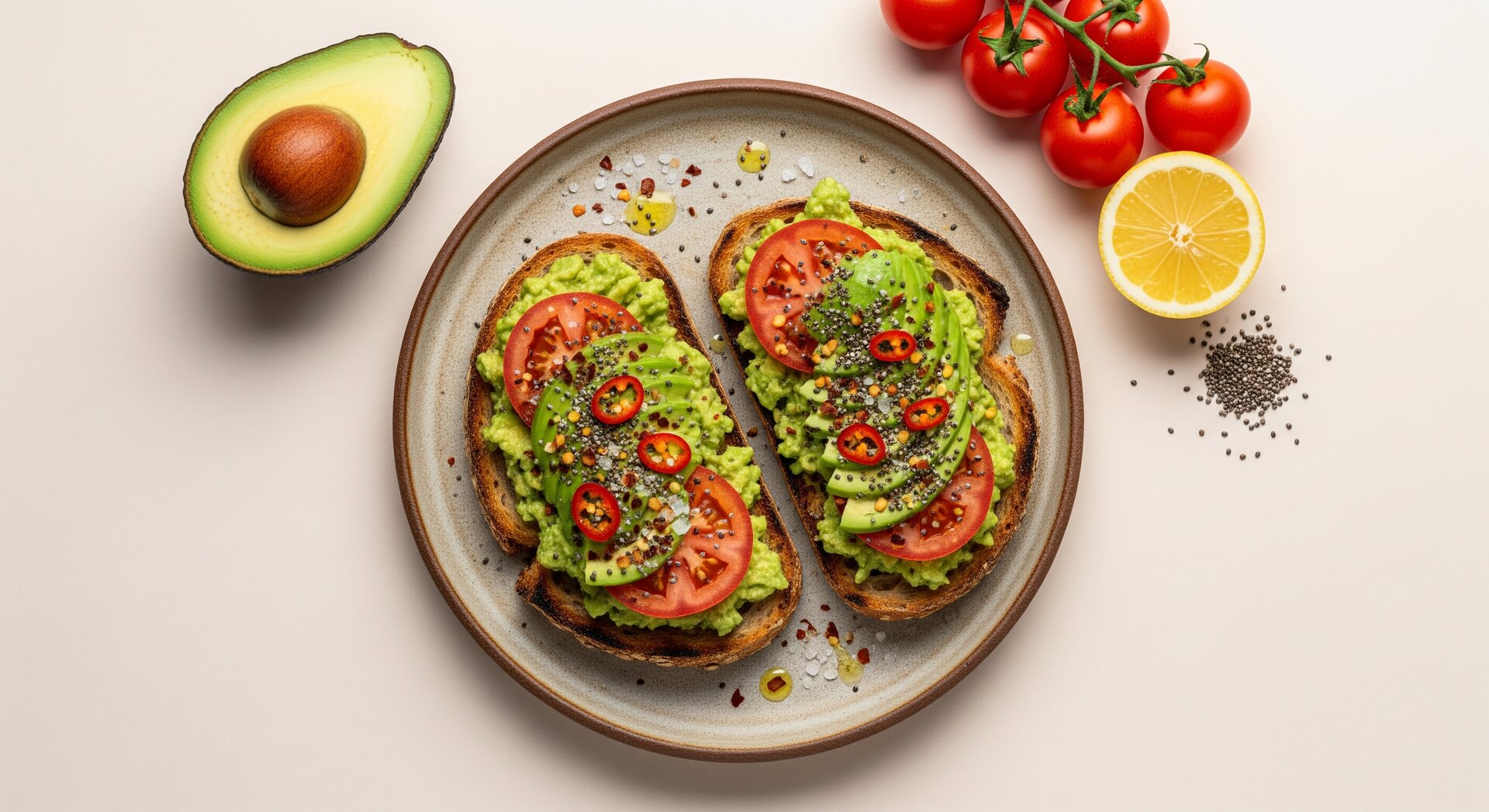 Avocado Toast with Chia Seeds 10 min Whole grain toast with creamy avocado, tomato and chia seeds
  340 kcal
  8g protein 1 synergies
 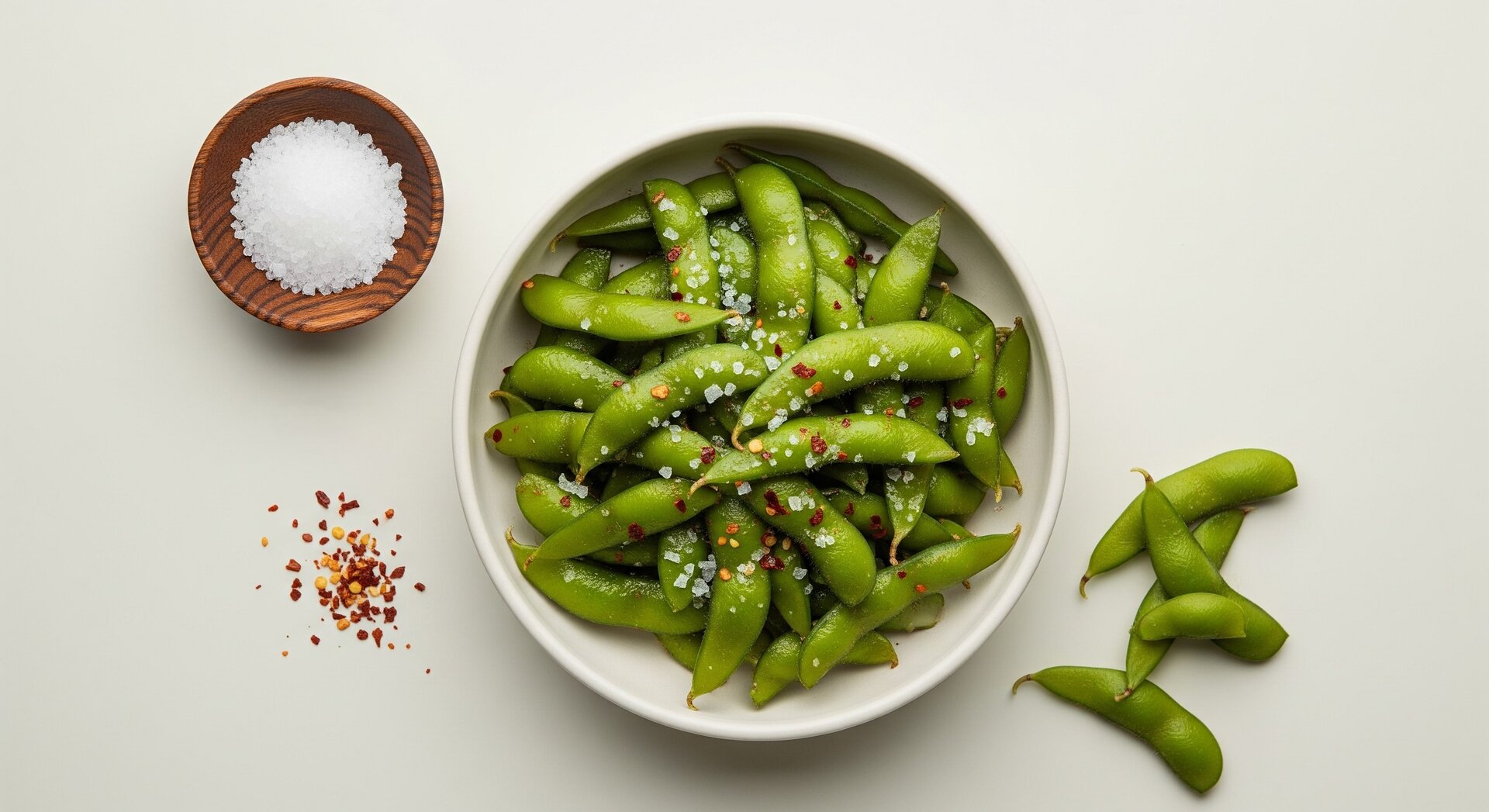 Edamame Bowl with Sea Salt and Chili 15 min Plant-based snack with sea salt, chili and a splash of olive oil 205 kcal 17g protein 1 synergies
  Roasted Broccoli with Garlic and Pine Nuts 30 min Crispy from the oven with lemon and chilli flakes 285 kcal 10g protein 2 synergies
 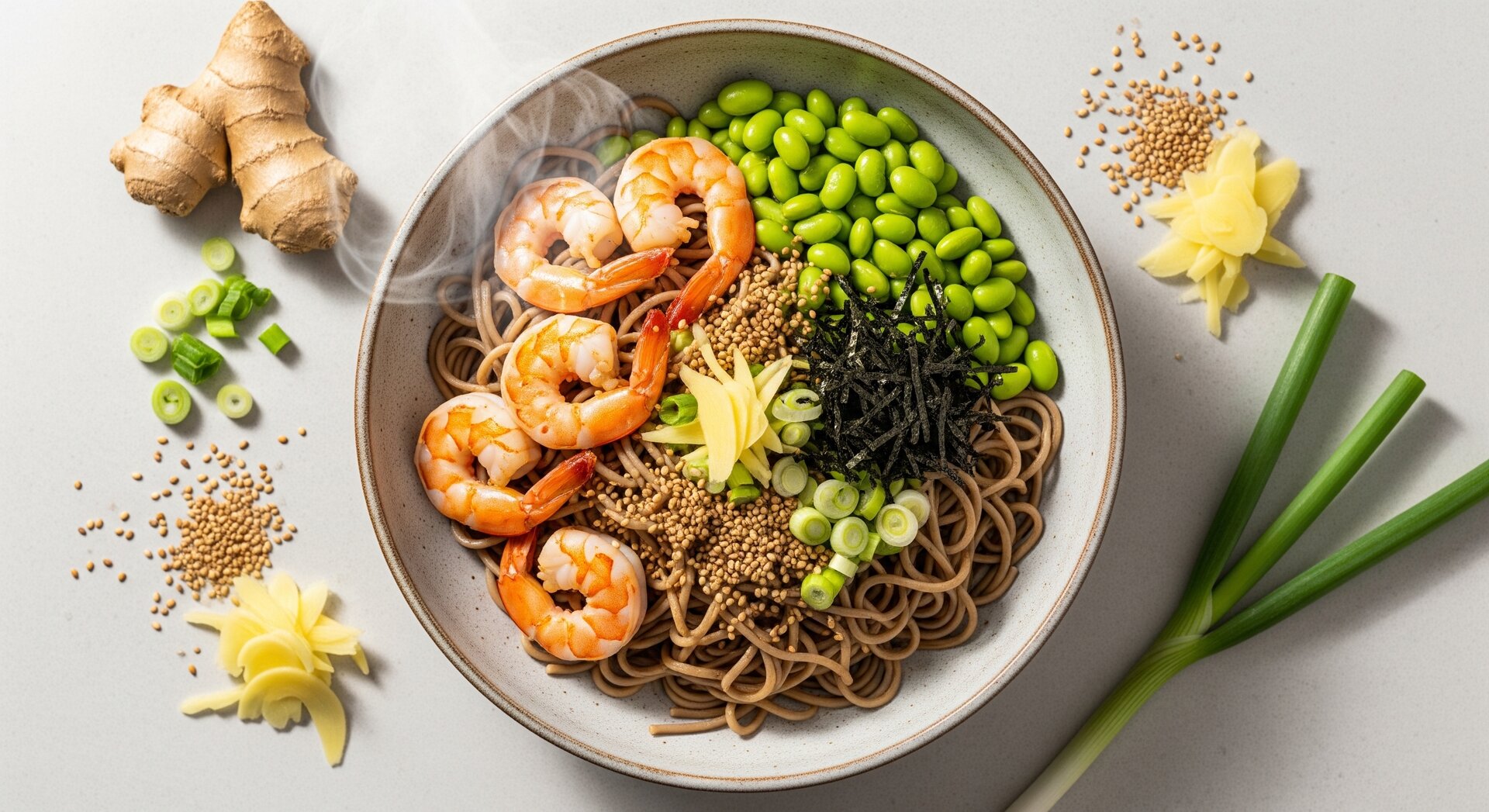 Japanese Teriyaki Salmon Bowl with Edamame and Sesame Rice 40 min Glazed salmon with edamame, avocado and fresh vegetables 920 kcal 45g protein 2 synergies
 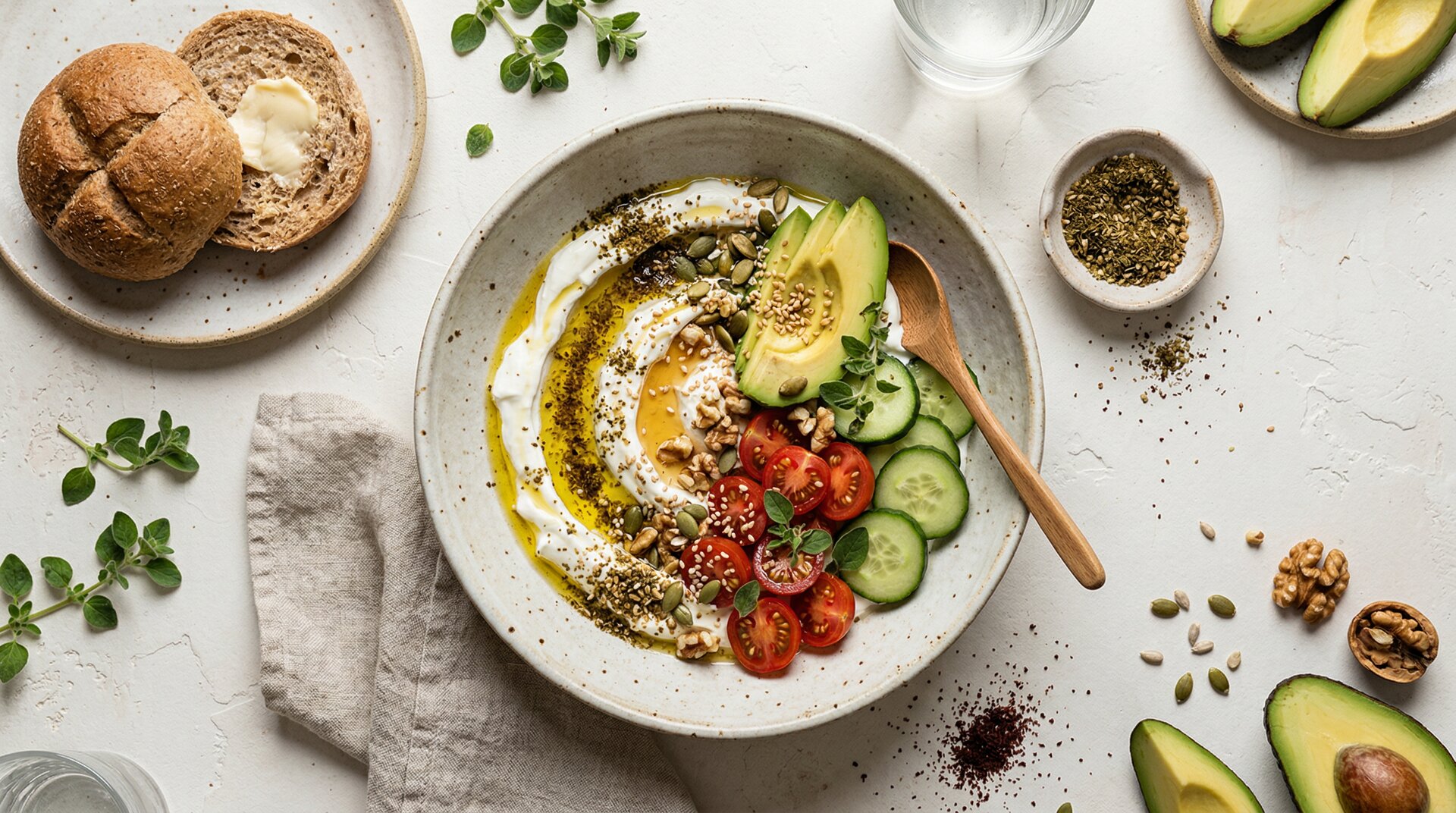 Labneh Breakfast Bowl with Za'atar, Olive Oil & Seeds 10 min Savory breakfast with ingredients that may contribute to digestive and nutritional properties widely studied 718 kcal 18g protein 2 synergies
 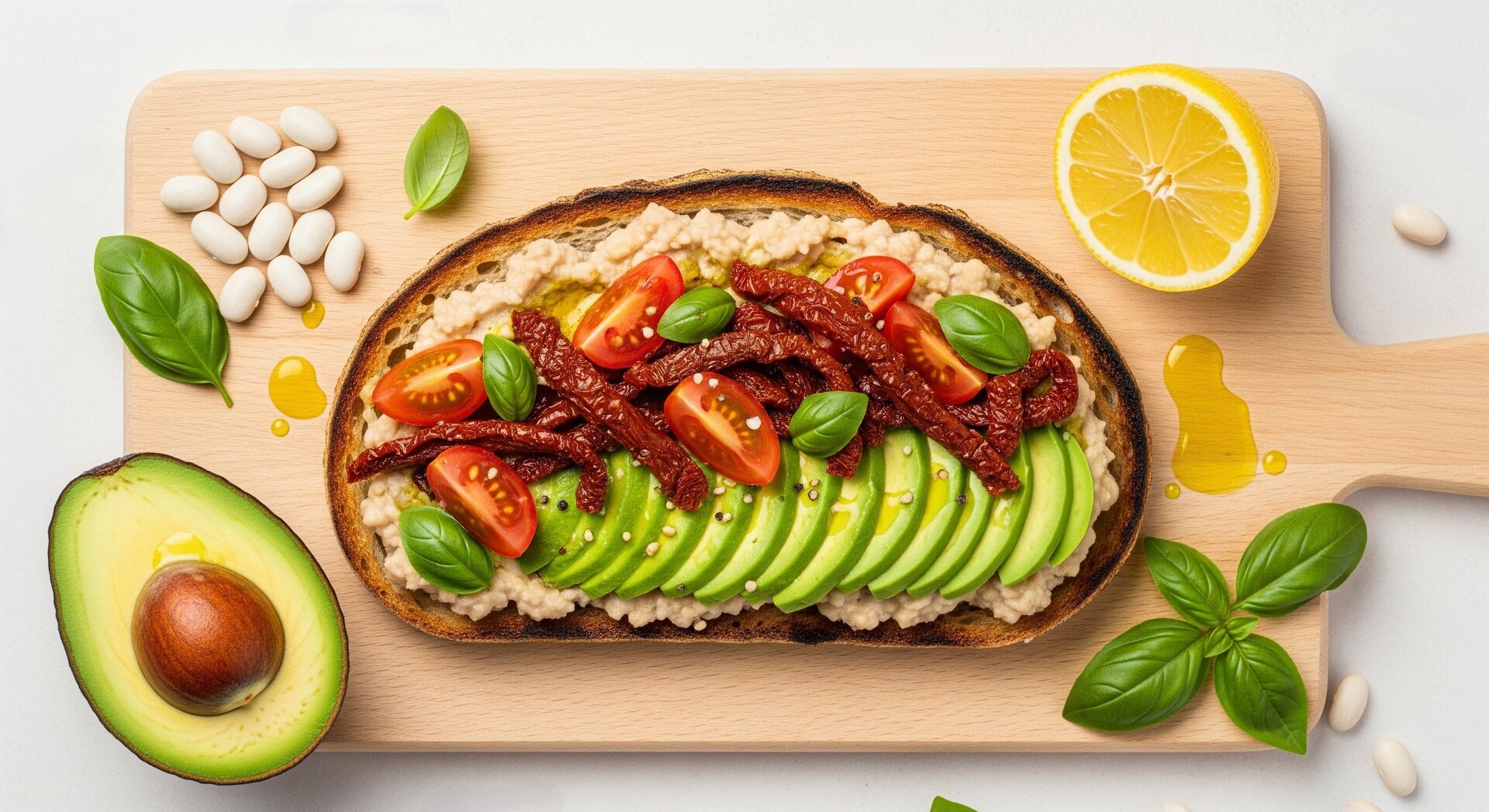 Mediterranean Avocado Toast with White Beans 13 min Mashed white beans with avocado on sourdough 485 kcal 18g protein 1 synergies
  In the Kitchen
Storage
Location:Pantry
Shelf life:1-2 jaar
Store airtight and away from light. They rarely spoil, but aroma and kick fade over time.
Preparation
Sprinkle right before serving for crunch. Or bloom them for 10–20 seconds in warm oil without burning for maximum flavor dispersion.
Conversions
Substitutes
Smart preparation
1Add red pepper flakes to warm oil for a spicy base.
Why?
Capsaicin dissolves in oil and distributes evenly.
2Sprinkle pepper flakes as a finishing touch over pizza, pasta, or soup.
3Store pepper flakes cool and dark; light breaks down color and flavor.
Caution / Warnings
Red Pepper Flakes (Crushed) is very safe, but there are scientific considerations:
Heartburn / Reflux Moderate
Spicy foods can trigger symptoms in sensitive individuals
Advice:
Use small amounts or bloom briefly in oil for a gentler, more even heat
Skin/Eye Irritation Mild
Capsaicin can sting on contact, especially if you rub your eyes
Advice:
Wash your hands after use and avoid touching your eyes
Traditional use
Other
Turkish and Korean culinary tradition
Dried red pepper flakes, such as pul biber, have been a staple spice in Turkish cuisine for centuries, while gochugaru plays a similar role in Korean cuisine.
Summary
For when you want heat and texture. Perfect on pizza, pasta, or avocado toast. Start with a pinch—heat varies a lot by brand.