- Easy
- 30 min
- 2 serv.
- 9 synergies
- Now at its best: Broccoli
Broccoli that transforms in the oven: the florets turn golden and crispy at the edges, while the stem becomes soft and sweet. Garlic goes in late — just long enough to become fragrant without burning. Lemon juice and zest provide a bright acid note, pine nuts the crunch.
Some dishes are so simple they feel almost insultingly easy — and that's exactly why they're so good. One sheet pan, one oven, five minutes of prep. The broccoli develops that deep, nutty flavour that only happens when the florets truly darken in the heat. Not pale and limp like boiled broccoli, but crispy, caramelised, with charred edges your teeth want to sink into. The garlic — roughly chopped, not pressed — goes in five minutes before the end, just long enough to turn fragrant and soft. Chilli flakes prickle subtly, lemon juice cuts through the richness, and toasted pine nuts add a creamy crunch you wouldn't expect. Make this as a side, or pile it over quinoa and call it dinner.
- 10
- min prep
- 20
- min cook
- 30
- min total
Nutritional Synergies
This recipe combines ingredients that enhance each other:
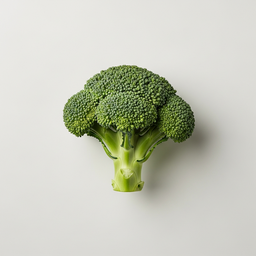 Broccoli
 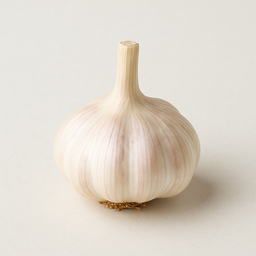 Garlic
 Double sulfur compounds for Nrf2 activation and phase-II enzymes
Technical: Broccoli contains sulforaphane (isothiocyanate) activating the Nrf2 pathway and inducing phase-II enzymes (glutathione S-transferase, quinone reductase). Garlic contains allicin and diallyl sulfide — also sulfur compounds activating the same Nrf2 pathway via thiol reaction. Both are sulfur-containing compounds working synergistically.
What does this mean for you? Briefly sauté garlic and add broccoli — a classic stir-fry base. Two sulfur-rich ingredients each activating the same Nrf2 pathway through their own route. Cut garlic 10 minutes before heating for maximum allicin.
AntioxidantsImmune SystemAnti-inflammatory
Broccoli 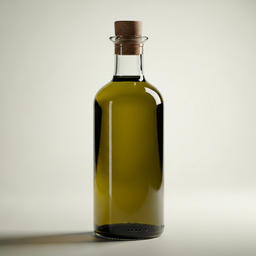 Extra virgin olive oil
 Improves absorption of fat-soluble vitamins
Technical: Broccoli contains 102μg vitamin K per 100g (85% RDI) and 623 IU vitamin A (provitamin A as beta-carotene). Both are fat-soluble — without fat only 5-10% is absorbed. Olive oil's unsaturated fats stimulate micelle formation in the small intestine, increasing absorption up to 5x.
What does this mean for you? A drizzle of olive oil on broccoli isn't luxury but necessity. Without fat you barely absorb vitamin K — essential for blood clotting. Good to know: vitamin K contributes to normal blood clotting (EFSA-approved).
Joints
Extra virgin olive oil 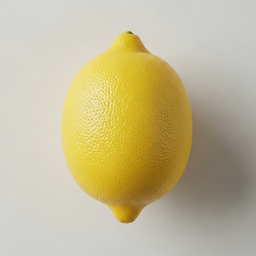 Lemon
Lemon Oleic acid + citric acid: complementary pathways for glycemic response
Technical: Lemon contains citric acid that slows gastric emptying, causing carbohydrates from the meal to be absorbed more slowly. Olive oil's fats reinforce this effect by further influencing glycemic response. Together they influence the postprandial glucose response via two complementary mechanisms. Olive oil's oleocanthal and lemon's vitamin C additionally provide complementary antioxidant action.
What does this mean for you? A simple dressing of olive oil and lemon juice over your salad is one of the smartest combinations you can make. The two mechanisms (delayed gastric emptying + fat slowing) work together to influence the glucose response after your meal.
EnergyDigestion
Extra virgin olive oil Garlic Aglio e olio: allicin + oleocanthal via complementary biochemical pathways
Technical: Garlic contains allicin (formed when cutting/crushing) that influences HMG-CoA reductase (involved in lipid metabolism). Olive oil contains oleocanthal that modulates COX-1/2 enzymes. Together they influence lipid metabolism and prostaglandin cascade via complementary biochemical pathways. The fat also helps absorb fat-soluble garlic compounds.
What does this mean for you? Gently warm garlic in olive oil (don't burn!) as the base for many dishes. This is why 'aglio e olio' pasta is so beloved — two bioactive compounds that reinforce each other.
HeartImmune System
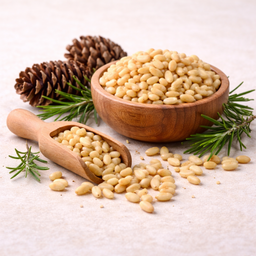 Pine nuts Extra virgin olive oil
 Pinolenic acid + oleic acid for extreme appetite suppression
Technical: Pine nuts contain 14-19% pinolenic acid that increases CCK (cholecystokinin, satiety hormone) release by 60%. Olive oil's oleic acid stimulates OEA (oleoylethanolamide) production triggering a satiety signal via PPARα. Two independent satiety pathways that together strongly suppress appetite.
What does this mean for you? Eat pesto (pine nuts + olive oil) with your meal. The two ingredients each activate a different satiety hormone, making you feel full faster and longer.
Weight LossDigestion
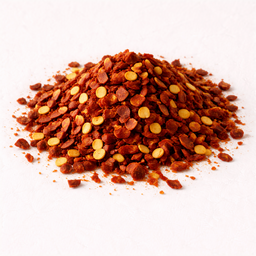 Chili flakes Lemon
 Capsaicin + vitamin C for metabolism and immunity
Technical: Red pepper flakes contain capsaicin (0.5-1.5%) that activates TRPV1 receptors for thermogenesis (+10% energy expenditure) and endorphin release. Lemon's vitamin C (53mg) neutralizes capsaicin-induced oxidative stress and supports the adrenal gland in the thermogenic response. Capsaicin also increases vitamin C bioavailability through temporary intestinal permeability increase. The combination maximizes thermogenesis + immune support.
What does this mean for you? Sprinkle red pepper flakes with lemon juice over fish, salad or pasta. The 'burning' sensation is your metabolism speeding up — the lemon makes it lighter and fresher.
Weight LossImmune SystemEnergy
Chili flakes Extra virgin olive oil Capsaicin dissolved in fat for prolonged thermogenesis
Technical: Capsaicin is fat-soluble and is absorbed 3x better in olive oil than without fat. Dissolved in oil, capsaicin is released more gradually in the GI tract, extending the thermogenic response from 30 minutes to 2-3 hours. Olive oil's oleocanthal enhances capsaicin's analgesic effect via shared TRPV1 pathway activation. This is the basis of 'olio al peperoncino' — Italian chili flake oil.
What does this mean for you? Make your own peperoncino oil: steep red pepper flakes in extra virgin olive oil. Use as finishing oil over pizza, pasta or soup for prolonged thermogenic action.
Weight LossAnti-inflammatory
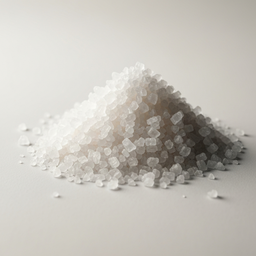 Sea salt Lemon
 Trace minerals + vitamin C for electrolytes and immune system
Technical: Unrefined sea salt contains 80+ trace elements (magnesium 0.5%, potassium 0.4%, calcium 0.1%, plus iodine, zinc, selenium in trace amounts) alongside sodium. Lemon's vitamin C improves absorption of non-heme iron and zinc from sea salt. Sodium + potassium together regulate cellular osmosis. Vitamin C is also essential for collagen synthesis where sea salt minerals serve as cofactors.
What does this mean for you? A glass of warm water with a pinch of unrefined sea salt and lemon juice in the morning is an effective hydration ritual. The minerals + vitamin C start your day with good electrolyte balance.
EnergyImmune System
Sea salt Extra virgin olive oil Minerals + polyphenols for cellular balance
Technical: Sea salt's sodium is essential for the sodium-potassium pump (Na+/K+-ATPase) that regulates every body cell. Olive oil's oleuropein and hydroxytyrosol provide antioxidant protection for cell membranes. The combination supports cell integrity: sea salt regulates ion balance, olive oil protects the membrane. In Mediterranean cuisine, coarse sea salt + olive oil is the most basic flavor profile.
What does this mean for you? Freshly ground sea salt with extra virgin olive oil is the simplest and most nutritious finishing of any dish. The combination provides the basic needs of your cells: minerals for function, polyphenols for protection.
HeartGeneral Wellness
Instructions
- 1 Preheat the oven to 200°C (top/bottom heat). Line a baking sheet with parchment paper.
- 2 Toss the broccoli florets with 2 tablespoons olive oil, sea salt and chilli flakes. Spread in a single layer on the baking sheet.
Nutrition per serving
Indicative values per serving.
Timing & Suitability
Shelf life: 3 days in fridge
Tags & Diet
Allergens: Nuts