- Easy
- 13 min
- 2 serv.
- 10 synergies
- Fully in season
A Mediterranean twist on avocado toast: sourdough bread topped with mashed white beans, avocado, cherry tomatoes and sun-dried tomato. White beans add protein and fiber, olive oil ties it all together.
Picture this: crisp toasted sourdough, still warm, spread thick with a creamy mash of white beans — soft, slightly earthy, brightened with a squeeze of lemon. On top, smashed avocado so ripe it spreads like butter. Halved cherry tomatoes, glossy and sweet, next to strips of concentrated sun-dried tomato. A drizzle of your best olive oil, a handful of torn basil leaves, and finally a flicker of heat from red pepper flakes. Every bite has that tension between creamy and crunchy, between soft and fresh.
- 10
- min prep
- 3
- min cook
- 13
- min total
Nutritional Synergies
This recipe combines ingredients that enhance each other:
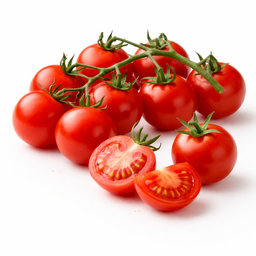 Cherry Tomatoes
 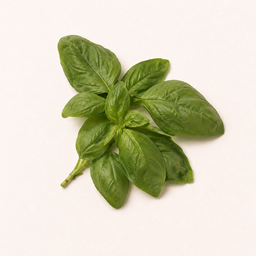 Basil
Basil Lycopene + eugenol: two complementary bioactive pathways
Technical: Cherry tomatoes contain lycopene (carotenoid) and basil contains eugenol and rosmarinic acid (phenol compounds). They work through different biochemical pathways: lycopene quenches singlet oxygen, eugenol neutralizes free radicals via electron donation.
What does this mean for you? Tomato with basil (caprese!) is not just a flavor classic — the combination delivers two entirely different categories of bioactive compounds. Each with its own mechanism. Add olive oil to better absorb the fat-soluble lycopene.
Anti-inflammatoryHeartSkin & Hair
Cherry Tomatoes 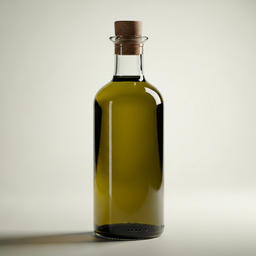 Olive Oil
 Olive oil increases lycopene absorption from cherry tomatoes 2-3x
Technical: Cherry tomatoes contain 2573μg lycopene per 100g. Lycopene is fat-soluble and only 2-3% absorbed without fat. Olive oil's oleic acid forms mixed micelles increasing lycopene absorption 2-3x. Cherry tomatoes contain relatively more skin (where lycopene concentrates) than regular tomatoes due to their small size.
What does this mean for you? Halve cherry tomatoes and roast in olive oil, or serve in salad with olive oil dressing. Their higher skin-to-flesh ratio means more concentrated lycopene.
HeartSkin & Hair
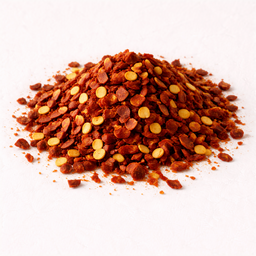 Red Pepper Flakes (Crushed)
 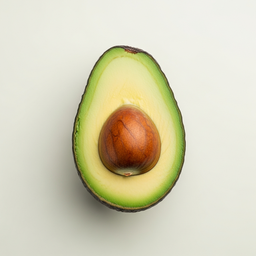 Avocado
 Fats dampen burning and increase capsaicin absorption
Technical: Capsaicin from red pepper flakes binds to fat molecules in avocado and olive oil, reducing burning on the stomach lining (casein in milk works the same way). Simultaneously, fat increases capsaicin bioavailability 2-3x, enhancing thermogenic action via TRPV1 activation.
What does this mean for you? Sprinkle avocado toast with red pepper flakes. The avocado fat dampens the burning but strengthens the thermogenic effect — less heat, more results.
Weight LossAnti-inflammatory
Red Pepper Flakes (Crushed) Olive Oil Capsaicin dissolved in fat for prolonged thermogenesis
Technical: Capsaicin is fat-soluble and is absorbed 3x better in olive oil than without fat. Dissolved in oil, capsaicin is released more gradually in the GI tract, extending the thermogenic response from 30 minutes to 2-3 hours. Olive oil's oleocanthal enhances capsaicin's analgesic effect via shared TRPV1 pathway activation. This is the basis of 'olio al peperoncino' — Italian chili flake oil.
What does this mean for you? Make your own peperoncino oil: steep red pepper flakes in extra virgin olive oil. Use as finishing oil over pizza, pasta or soup for prolonged thermogenic action.
Weight LossAnti-inflammatory
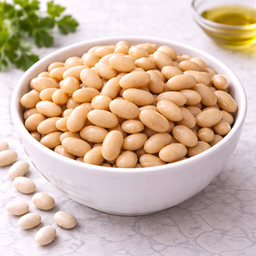 White Beans (Cannellini) Cherry Tomatoes
 Classic Tuscan combination: fiber + lycopene
Technical: White beans contain 7g soluble and insoluble fiber per 100g that bind LDL cholesterol and remove it via stool. Tomatoes contain lycopene (up to 15mg per 100g cooked), a carotenoid that as an antioxidant counteracts oxidation of LDL particles. Together they offer two complementary routes: fiber removes cholesterol, lycopene protects remaining LDL against oxidative damage.
What does this mean for you? White beans in tomato sauce (fagioli al pomodoro) is a Tuscan staple dish with impressive nutritional value. Cook the tomatoes at least 15 minutes for maximum lycopene — it's actually better absorbed when heated.
HeartDigestion
 Sea Salt Avocado
 Minerals improve flavor perception and electrolyte balance
Technical: Sea salt contains trace minerals (magnesium, potassium, calcium) besides sodium. Tomato is rich in potassium (237mg/100g) and lycopene. Avocado adds magnesium (29mg) and potassium (485mg). Together they form a broad electrolyte profile: sodium (salt) + potassium (tomato/avocado) + magnesium (avocado) — essential for fluid balance and nerve function.
What does this mean for you? Sprinkle tomato and avocado with a pinch of sea salt. This is more than flavor — the minerals complement each other for a complete electrolyte balance.
HeartEnergy
Sea Salt Olive Oil Minerals + polyphenols for cellular balance
Technical: Sea salt's sodium is essential for the sodium-potassium pump (Na+/K+-ATPase) that regulates every body cell. Olive oil's oleuropein and hydroxytyrosol provide antioxidant protection for cell membranes. The combination supports cell integrity: sea salt regulates ion balance, olive oil protects the membrane. In Mediterranean cuisine, coarse sea salt + olive oil is the most basic flavor profile.
What does this mean for you? Freshly ground sea salt with extra virgin olive oil is the simplest and most nutritious finishing of any dish. The combination provides the basic needs of your cells: minerals for function, polyphenols for protection.
HeartGeneral Wellness
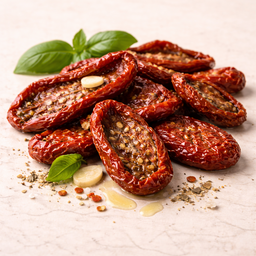 Sun-Dried Tomato Basil
 Concentrated lycopene + eugenol: complementary bioactive compounds
Technical: Sun-dried tomatoes contain up to 45mg lycopene per 100g — 10x more concentrated than fresh. Basil provides eugenol (0.5mg/100g) and rosmarinic acid. Lycopene quenches singlet oxygen, eugenol neutralizes hydroxyl radicals — complementary mechanisms. Cis-isomer of lycopene (dominant in dried tomato) is 2-3x more bioavailable.
What does this mean for you? Sun-dried tomato with basil (on bruschetta, in pasta) delivers the most concentrated lycopene dose with complementary bioactive compounds from basil. An Italian classic with scientific depth.
HeartAnti-inflammatory
Sun-Dried Tomato Olive Oil Concentrated lycopene + fat = maximum absorption
Technical: Sun-dried tomatoes contain up to 45mg lycopene per 100g — 10x more than fresh tomatoes (4.5mg/100g) due to water removal. The drying process also isomerizes trans-lycopene to cis-lycopene (2-3x more bioavailable). Storage in olive oil maximizes absorption since lycopene is fat-soluble.
What does this mean for you? Sun-dried tomatoes in olive oil are the ultimate lycopene source. Drying concentrates lycopene 10x and oil maximizes absorption. Use them on pasta, in salads or on bread.
HeartSkin & Hair
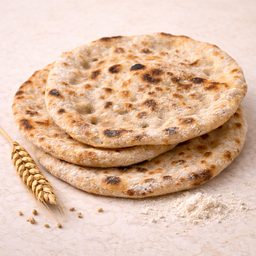 Sourdough Flatbread Olive Oil
 Fermentation metabolites + polyphenols for microbiome support
Technical: Sourdough fermentation produces organic acids (lactic acid, acetic acid) that act as prebiotics and lower gut pH for better mineral absorption. Olive oil contains oleocanthal and hydroxytyrosol (polyphenols) that modulate NF-kB signaling. The combination supports the gut microbiome via fermentation metabolites + polyphenolic nutrition.
What does this mean for you? Sourdough bread with olive oil is a Mediterranean tradition with proven nutritional benefits. The fermentation in the bread supports your gut microbiome, the polyphenols in the olive oil do so as well.
DigestionAnti-inflammatoryHeart
Ingredients (10)
- Sourdough Flatbread — 120 g 4 slices, toasted
- White Beans (Cannellini) — 200 g canned, rinsed and lightly mashed
Instructions
- 1 Toast the sourdough slices until golden brown.
Nutrition per serving
Indicative values per serving.
Timing & Suitability
Shelf life: 1 days in fridge
Tags & Diet
Allergens: Gluten