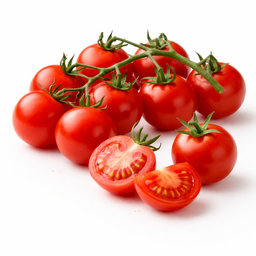
Cherry Tomatoes
The Sweet Lycopene Bombs
What is this ingredient?
Cherry tomatoes are genetically closer to the wild ancient tomato than large beefsteak tomatoes. As a result, they often contain more concentrated nutrients and flavors. Their deep red color comes from lycopene, a powerful pigment that is better absorbed when the tomato is heated. They have a perfect balance of acid and sugar, making them a favorite with both children and chefs.
How does it taste?
Brightly sweet and juicy with a fresh acidity. More intense and sweeter than regular tomatoes.
Pairs well with:
Pairs well with basilmozzarellaolive oilgarlic and balsamic vinegar.
Did you know...?
- Cherry tomatoes are likely the oldest tomato variety, close to the wild ancestor.
- The first cherry tomatoes were cultivated by the Aztecs in Central America.
Nutritional Value & Energy
Per 100g
Cherry Tomatoes is low in calories thanks to natural nutrients .
Per 100g
Minerals
Vitamins
More nutrients
B-Vitamins
Trace Minerals
What's in a serving?
1 serving
Cherry Tomatoes naturally contains vitamin c (21 mg per 100 g).
% of daily reference intake (DRI)
EU-approved nutrition claims
This ingredient contains nutrients for which EFSA-authorized health claims exist (at nutrient level, not ingredient-specific).
Approved health claims (EU)
Vitamin_c EU 432/2012
Vitamin C contributes to the normal function of the immune system
Contains 21mg/100g (threshold: ≥12mg/100g)
Vitamin_c EU 432/2012
Vitamin C contributes to the reduction of tiredness and fatigue
Contains 21mg/100g (threshold: ≥12mg/100g)
Vitamin_c EU 432/2012
Vitamin C contributes to normal collagen formation for the normal function of skin
Contains 21mg/100g (threshold: ≥12mg/100g)
Vitamin_c EU 432/2012
Vitamin C contributes to normal collagen formation for the normal function of blood vessels
Contains 21mg/100g (threshold: ≥12mg/100g)
Vitamin_c EU 432/2012
Vitamin C contributes to normal collagen formation for the normal function of bones
Contains 21mg/100g (threshold: ≥12mg/100g)
Vitamin_c EU 432/2012
Vitamin C contributes to normal collagen formation for the normal function of cartilage
Contains 21mg/100g (threshold: ≥12mg/100g)
Vitamin_c EU 432/2012
Vitamin C contributes to normal collagen formation for the normal function of gums
Contains 21mg/100g (threshold: ≥12mg/100g)
Vitamin_c EU 432/2012
Vitamin C contributes to normal collagen formation for the normal function of teeth
Contains 21mg/100g (threshold: ≥12mg/100g)
Vitamin_c EU 432/2012
Vitamin C contributes to normal energy-yielding metabolism
Contains 21mg/100g (threshold: ≥12mg/100g)
Vitamin_c EU 432/2012
Vitamin C contributes to normal functioning of the nervous system
Contains 21mg/100g (threshold: ≥12mg/100g)
Vitamin_c EU 432/2012
Vitamin C contributes to normal psychological function
Contains 21mg/100g (threshold: ≥12mg/100g)
Vitamin_c EU 432/2012
Vitamin C contributes to the protection of cells from oxidative stress
Contains 21mg/100g (threshold: ≥12mg/100g)
Vitamin_c EU 432/2012
Vitamin C contributes to the regeneration of the reduced form of vitamin E
Contains 21mg/100g (threshold: ≥12mg/100g)
Vitamin_c EU 432/2012
Vitamin C increases iron absorption
Contains 21mg/100g (threshold: ≥12mg/100g)
Vitamin_c EU 432/2012
Vitamin C contributes to maintain the normal function of the immune system during and after intense physical exercise
Contains 21mg/100g (threshold: ≥12mg/100g)
What's being researched?
Lycopene concentration and bioavailability
Cherry tomatoes contain high concentrations of lycopene being studied for antioxidant activity. Studies suggest smaller tomato varieties may have higher lycopene density.
Supported by: [2] Dewanto (2002) , [1] Müller L (2016)
Lycopene and vascular health
The relationship between lycopene-rich diets and vascular health is being studied. Observational studies show associations, but randomized evidence is still limited.
Supported by: [1] Müller L (2016)
Good Combinations (Synergy)
Combine cherry tomatoes smartly to enhance the effect:
Cherry Tomatoes 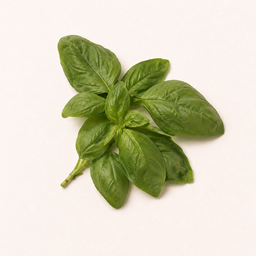 Basil
Basil Lycopene + eugenol: two complementary bioactive pathways
Technical: Cherry tomatoes contain lycopene (carotenoid) and basil contains eugenol and rosmarinic acid (phenol compounds). They work through different biochemical pathways: lycopene quenches singlet oxygen, eugenol neutralizes free radicals via electron donation.
What does this mean for you? Tomato with basil (caprese!) is not just a flavor classic — the combination delivers two entirely different categories of bioactive compounds. Each with its own mechanism. Add olive oil to better absorb the fat-soluble lycopene.
Cherry Tomatoes 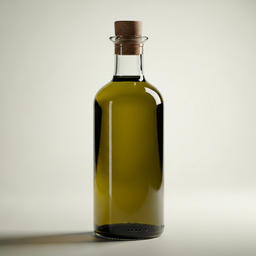 Olive Oil
 Olive oil increases lycopene absorption from cherry tomatoes 2-3x
Technical: Cherry tomatoes contain 2573μg lycopene per 100g. Lycopene is fat-soluble and only 2-3% absorbed without fat. Olive oil's oleic acid forms mixed micelles increasing lycopene absorption 2-3x. Cherry tomatoes contain relatively more skin (where lycopene concentrates) than regular tomatoes due to their small size.
What does this mean for you? Halve cherry tomatoes and roast in olive oil, or serve in salad with olive oil dressing. Their higher skin-to-flesh ratio means more concentrated lycopene.
Cherry Tomatoes 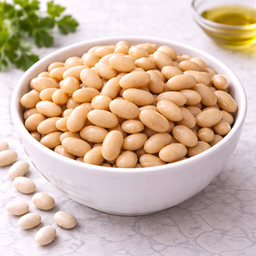 White Beans (Cannellini)
 Classic Tuscan combination: fiber + lycopene
Technical: White beans contain 7g soluble and insoluble fiber per 100g that bind LDL cholesterol and remove it via stool. Tomatoes contain lycopene (up to 15mg per 100g cooked), a carotenoid that as an antioxidant counteracts oxidation of LDL particles. Together they offer two complementary routes: fiber removes cholesterol, lycopene protects remaining LDL against oxidative damage.
What does this mean for you? White beans in tomato sauce (fagioli al pomodoro) is a Tuscan staple dish with impressive nutritional value. Cook the tomatoes at least 15 minutes for maximum lycopene — it's actually better absorbed when heated.
Recipes with Cherry Tomatoes
Discover delicious recipes featuring cherry tomatoes:
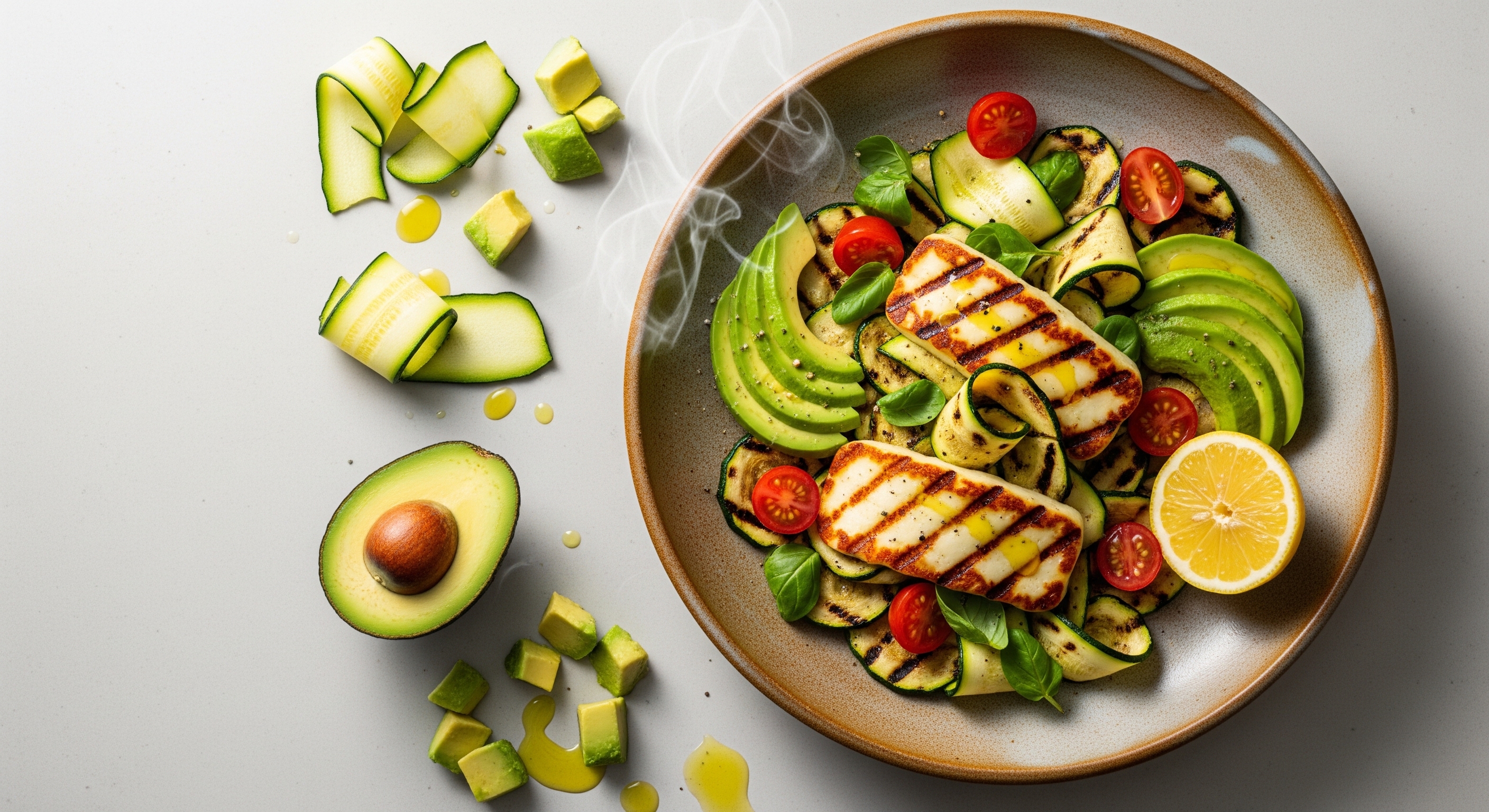 Grilled Halloumi with Zucchini and Avocado 25 min Salty, fresh and creamy from the grill
  465 kcal
  24g protein 2 synergies
 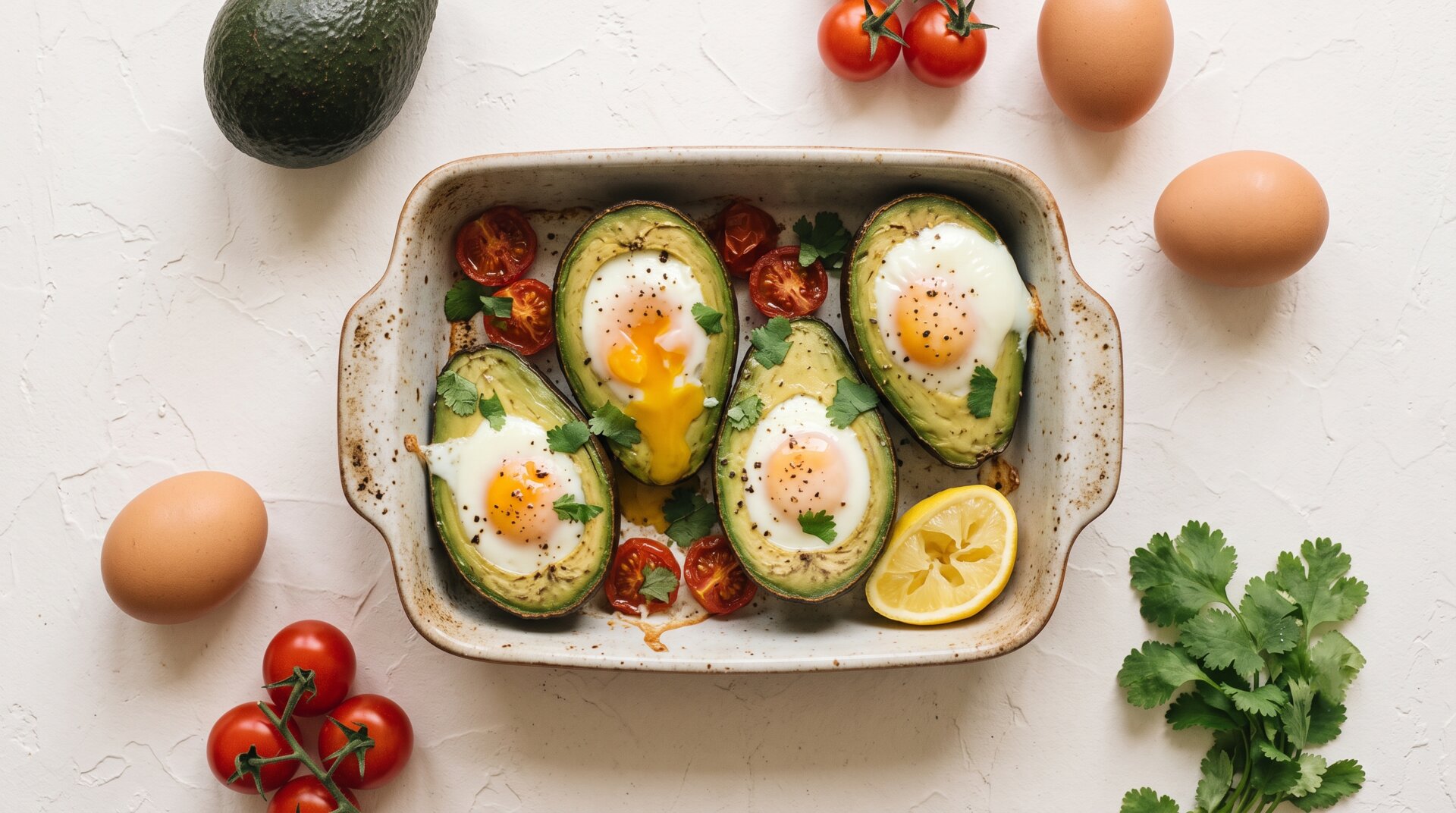 Baked Avocado with Egg and Cherry Tomatoes 20 min Golden yolk in creamy green with fresh cilantro 380 kcal 16g protein 2 synergies
 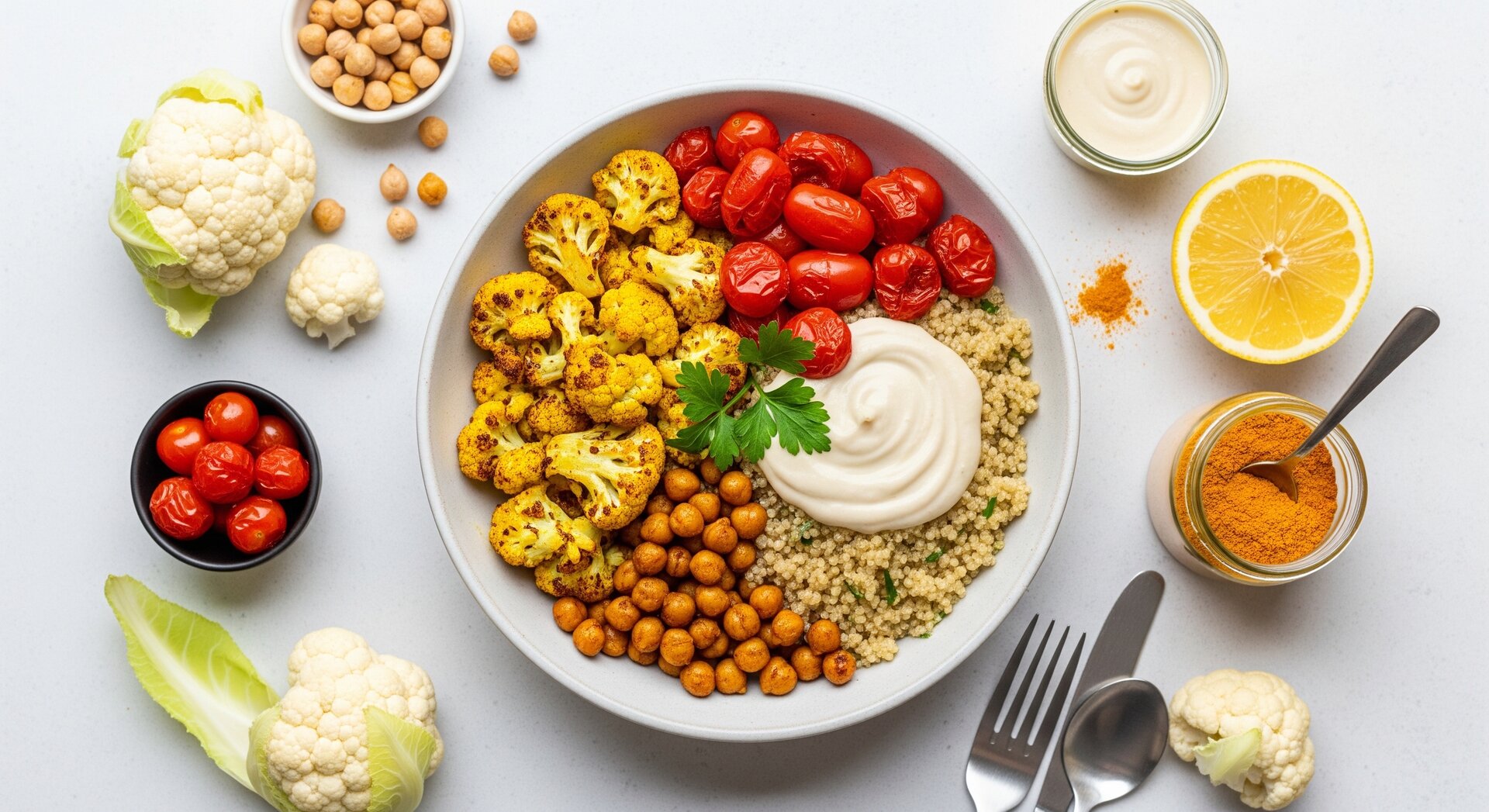 Roasted Cauliflower Bowl with Chickpeas and Tahini 45 min Crispy oven vegetables with spiced chickpeas 839 kcal 31g protein 2 synergies
 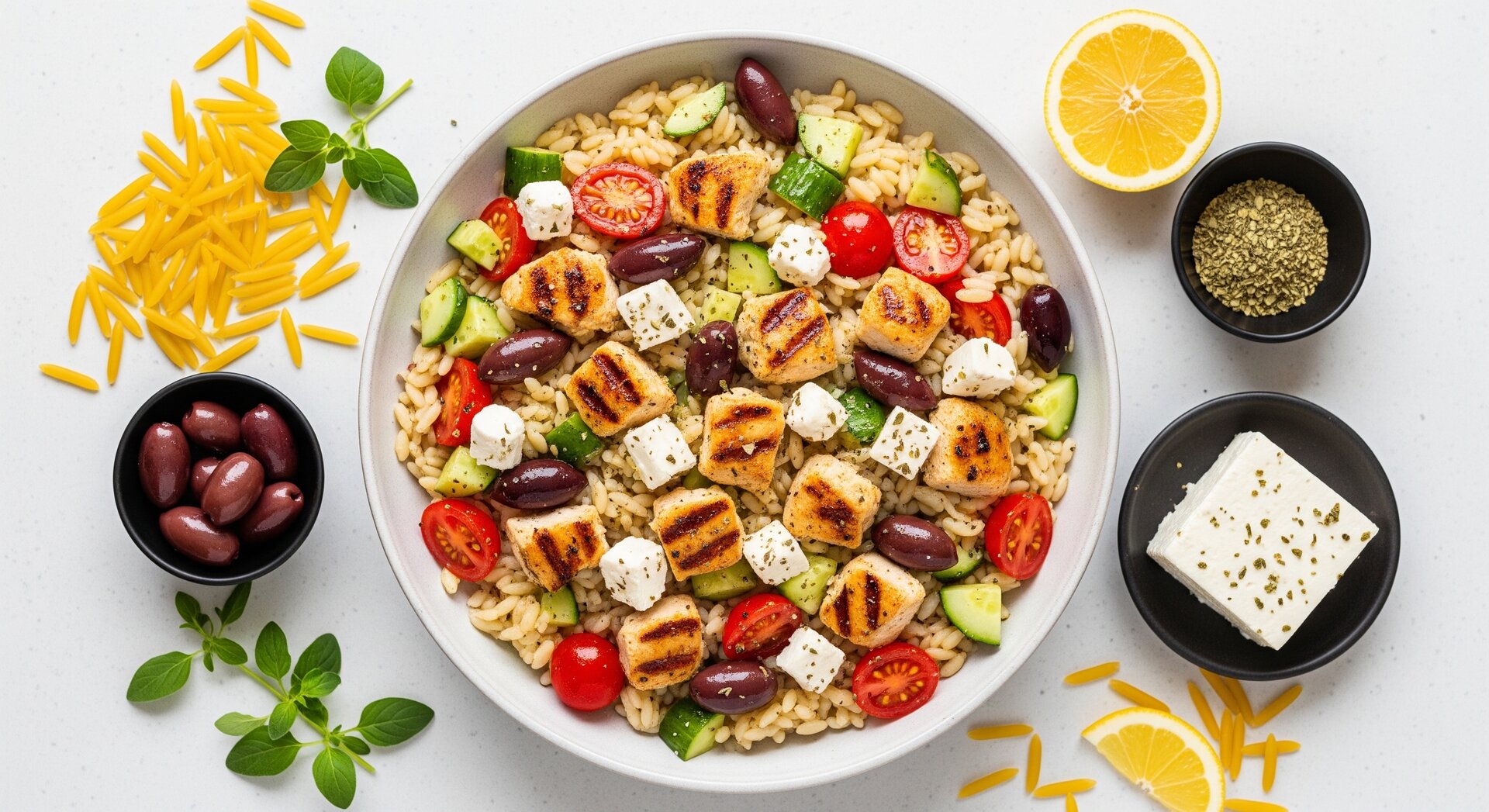 Greek Orzo Salad with Chicken Breast 35 min Mediterranean salad with feta and oregano 887 kcal 60g protein 1 synergies
 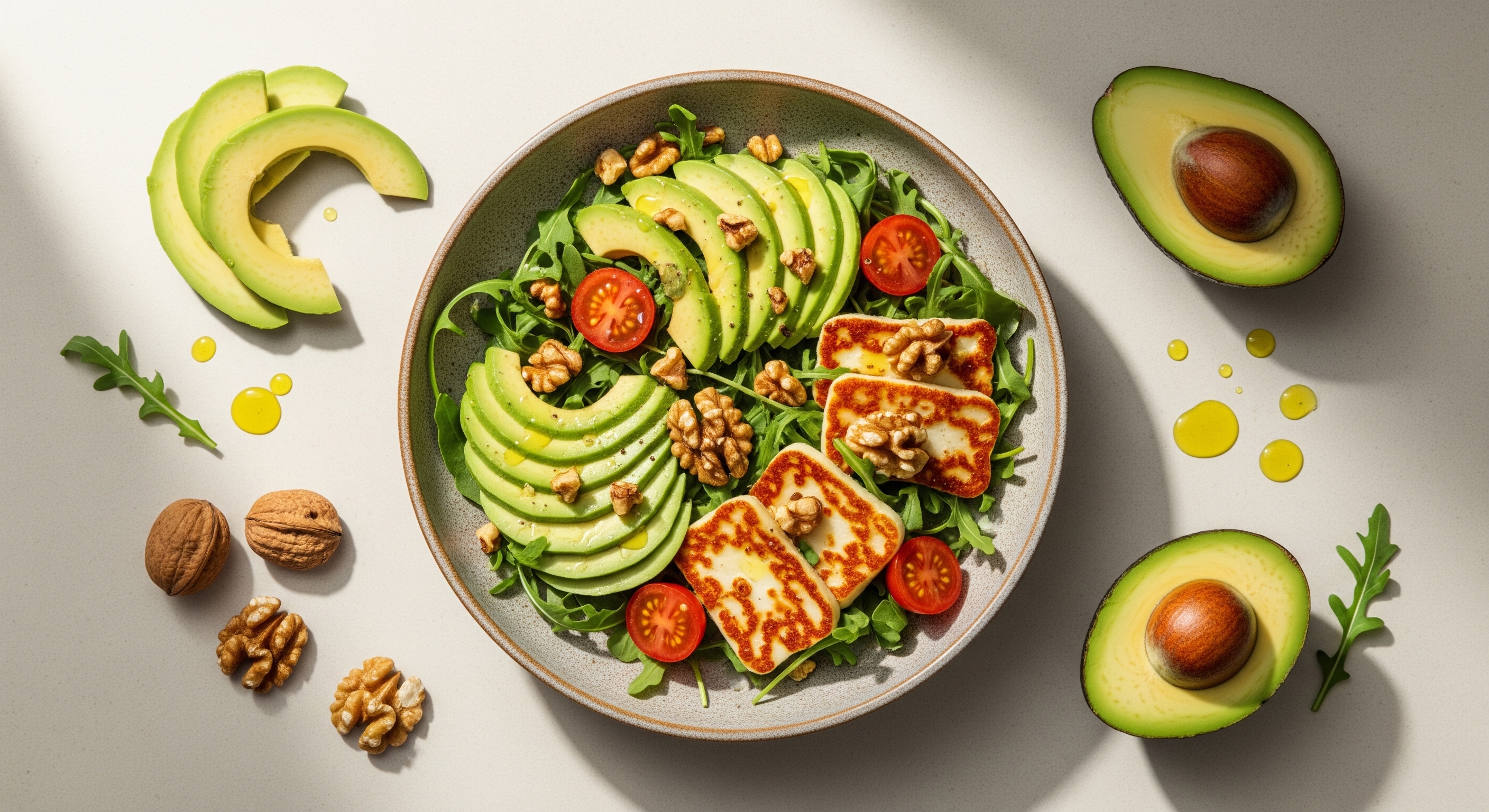 Halloumi Avocado Salad with Walnuts (Low-carb) 20 min Crispy pan-fried halloumi with avocado, walnuts and lemon-arugula bed 560 kcal 24g protein 2 synergies
 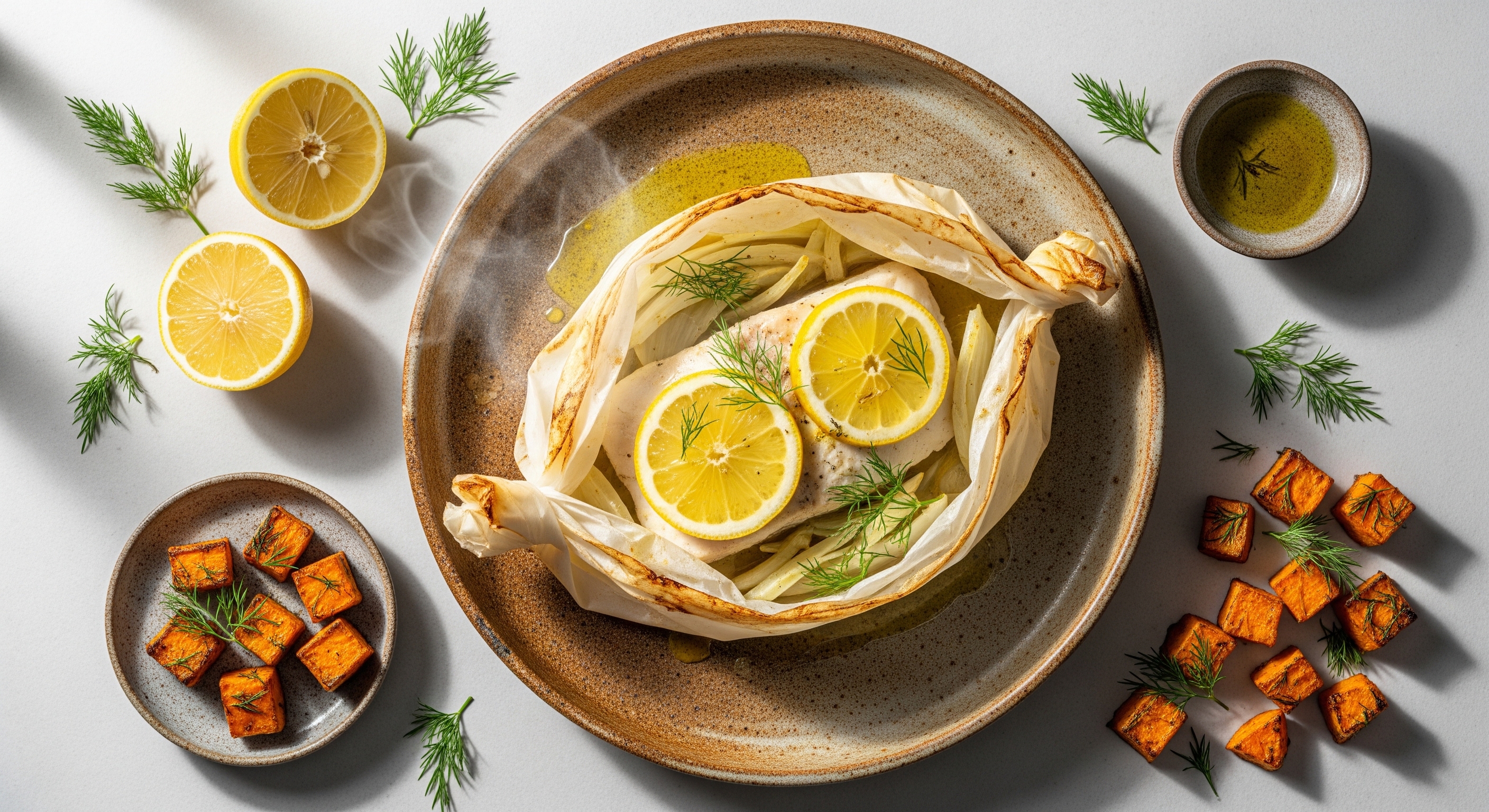 Halibut en Papillote with Lemon and Fennel 35 min Halibut steamed in parchment with fennel, dill and cherry tomatoes 600 kcal 40g protein 2 synergies
  In the Kitchen
Storage
Location:Pantry
Shelf life:1 week
NEVER store in the fridge, they lose flavor and become mealy.
Preparation
Delicious roasted in the oven with olive oil and salt (20 min at 200°C).
Substitutes
Smart preparation
1Halve cherry tomatoes between two flat plates for faster cutting.
2Roast cherry tomatoes in the oven until they burst for more intense flavor.
3Store cherry tomatoes at room temperature, not in the fridge.
Why?
Refrigeration reduces flavor and makes the texture mealy.
Caution / Warnings
Cherry Tomatoes is very safe, but there are scientific considerations:
Nightshade Sensitivity Mild
Some people get joint pain from solanine
Advice:
Listen to your body; cooking reduces solanine
Summary
Small vitamin bombs. Eat them raw for Vitamin C, or roast them in the oven for maximum lycopene absorption — a carotenoid studied in cardiovascular research.