- Easy
- 20 min
- 2 serv.
- 8 synergies
- Now at its best: Walnuts
Warm slices of golden pan-fried halloumi on a bed of peppery arugula and cherry tomatoes, with creamy avocado, crunchy walnuts and pumpkin seeds. A lemon dressing ties it all together.
There's a sound in the kitchen you're not prepared for the first time you pan-fry halloumi. A sizzling protest that turns into a golden crust — cheese that refuses to melt and becomes crispy instead. That's the moment this salad begins.
On a plate you lay the foundation: a handful of arugula so peppery your nose tingles. Cherry tomatoes, halved so their juice runs out. Thick slices of avocado just firm enough not to crumble. Walnuts you tossed into the warm pan after the halloumi came out.
The dressing is simple — lemon juice, olive oil, pepper. Nothing more. Because when the halloumi lands still warm on the cool greens, you already have that contrast. Crispy and soft. Warm and cool. Savory and fresh.
This is lunching on a terrace in October.
- 10
- min prep
- 10
- min cook
- 20
- min total
Nutritional Synergies
This recipe combines ingredients that enhance each other:
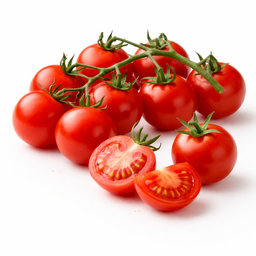 Cherry Tomatoes
 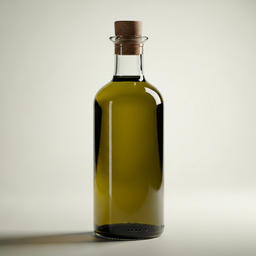 Olive Oil
 Olive oil increases lycopene absorption from cherry tomatoes 2-3x
Technical: Cherry tomatoes contain 2573μg lycopene per 100g. Lycopene is fat-soluble and only 2-3% absorbed without fat. Olive oil's oleic acid forms mixed micelles increasing lycopene absorption 2-3x. Cherry tomatoes contain relatively more skin (where lycopene concentrates) than regular tomatoes due to their small size.
What does this mean for you? Halve cherry tomatoes and roast in olive oil, or serve in salad with olive oil dressing. Their higher skin-to-flesh ratio means more concentrated lycopene.
HeartSkin & Hair
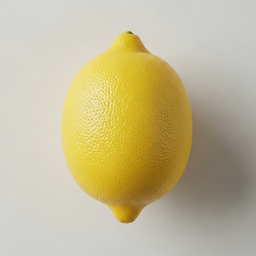 Lemon
Lemon 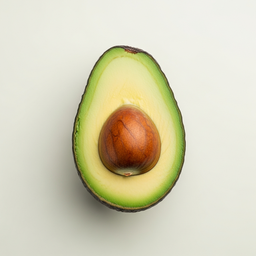 Avocado
 Prevents oxidation and preserves nutritional value
Technical: Avocado contains polyphenol oxidase (PPO) — an enzyme that upon oxygen exposure oxidizes polyphenols into brown melanins. Vitamin C from lemon (53mg per 100g) is a reductant that inhibits the PPO reaction by reducing quinones back to diphenols as electron donor. Additionally, the low pH (citric acid) protects unsaturated fats (oleic acid) against lipid peroxidation.
What does this mean for you? Always sprinkle cut avocado with lemon juice — this preserves not only the green color but also protects the healthy fats and antioxidants. Works in guacamole, salads and on toast.
Heart
Olive Oil Lemon Oleic acid + citric acid: complementary pathways for glycemic response
Technical: Lemon contains citric acid that slows gastric emptying, causing carbohydrates from the meal to be absorbed more slowly. Olive oil's fats reinforce this effect by further influencing glycemic response. Together they influence the postprandial glucose response via two complementary mechanisms. Olive oil's oleocanthal and lemon's vitamin C additionally provide complementary antioxidant action.
What does this mean for you? A simple dressing of olive oil and lemon juice over your salad is one of the smartest combinations you can make. The two mechanisms (delayed gastric emptying + fat slowing) work together to influence the glucose response after your meal.
EnergyDigestion
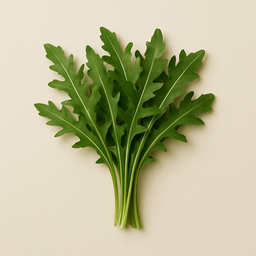 Arugula Olive Oil
 Fat increases absorption of arugula's beta-carotene and vitamin K
Technical: Arugula contains 3747μg beta-carotene and 109μg vitamin K per 100g — both fat-soluble. Olive oil forms mixed micelles increasing absorption 3-5x. Arugula also contains glucosinolates (glucoerucin) converted to sulforaphane — a hydrophobic molecule also better absorbed with fat.
What does this mean for you? Arugula with olive oil dressing isn't just tasty for its peppery character — the oil is necessary to properly absorb fat-soluble vitamins and glucosinolates.
Skin & HairImmune System
 Sea Salt Avocado
 Minerals improve flavor perception and electrolyte balance
Technical: Sea salt contains trace minerals (magnesium, potassium, calcium) besides sodium. Tomato is rich in potassium (237mg/100g) and lycopene. Avocado adds magnesium (29mg) and potassium (485mg). Together they form a broad electrolyte profile: sodium (salt) + potassium (tomato/avocado) + magnesium (avocado) — essential for fluid balance and nerve function.
What does this mean for you? Sprinkle tomato and avocado with a pinch of sea salt. This is more than flavor — the minerals complement each other for a complete electrolyte balance.
HeartEnergy
Sea Salt Lemon Trace minerals + vitamin C for electrolytes and immune system
Technical: Unrefined sea salt contains 80+ trace elements (magnesium 0.5%, potassium 0.4%, calcium 0.1%, plus iodine, zinc, selenium in trace amounts) alongside sodium. Lemon's vitamin C improves absorption of non-heme iron and zinc from sea salt. Sodium + potassium together regulate cellular osmosis. Vitamin C is also essential for collagen synthesis where sea salt minerals serve as cofactors.
What does this mean for you? A glass of warm water with a pinch of unrefined sea salt and lemon juice in the morning is an effective hydration ritual. The minerals + vitamin C start your day with good electrolyte balance.
EnergyImmune System
Sea Salt Olive Oil Minerals + polyphenols for cellular balance
Technical: Sea salt's sodium is essential for the sodium-potassium pump (Na+/K+-ATPase) that regulates every body cell. Olive oil's oleuropein and hydroxytyrosol provide antioxidant protection for cell membranes. The combination supports cell integrity: sea salt regulates ion balance, olive oil protects the membrane. In Mediterranean cuisine, coarse sea salt + olive oil is the most basic flavor profile.
What does this mean for you? Freshly ground sea salt with extra virgin olive oil is the simplest and most nutritious finishing of any dish. The combination provides the basic needs of your cells: minerals for function, polyphenols for protection.
HeartGeneral Wellness
 Black Pepper Olive Oil
 Fat increases piperine absorption and enhances polyphenols
Technical: Piperine is fat-soluble and absorbed 2-3x better with dietary fat. Olive oil's oleocanthal and piperine both modulate COX signal transduction through different mechanisms, providing additive bioactive effect.
What does this mean for you? Grind fresh pepper over salads with olive oil dressing. The combination enhances both pepper absorption and bioactive action.
Anti-inflammatoryHeartDigestion
Ingredients (10)
+8 more ingredients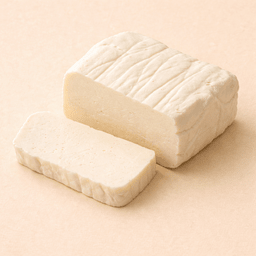
Instructions
- 1 Cut the halloumi into slices about 1 cm thick. Halve the cherry tomatoes. Slice the avocado.
- 2 Heat a dry frying pan over high heat. Fry the halloumi 2-3 minutes per side until golden and crispy. Remove from the pan and set aside.
Nutrition per serving
Indicative values per serving.
Timing & Suitability
Shelf life: 1 days in fridge
Tags & Diet
Allergens: Dairy, Nuts