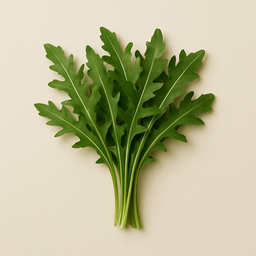
Arugula
The Peppery Nitrate Boost
What is this ingredient?
Arugula (Eruca vesicaria sativa), also known as rocket, is a cruciferous vegetable with a characteristic peppery, slightly bitter taste. What makes arugula unique is its extremely high nitrate content - higher than all other vegetables including spinach and beets. Nitrate is converted in the body to nitric oxide (NO), a molecule that dilates blood vessels, lowers blood pressure and improves athletic performance. The peppery taste comes from glucosinolates, the same compounds that give broccoli its characteristic bitter taste and that are being studied in laboratory research. Arugula also contains significant erucin, a unique isothiocyanate with strong antioxidant action.
How does it taste?
Peppery, spicy and slightly nutty with a pleasant bitterness.
Pairs well with:
Pairs well with parmesanpine nutslemonstrawberry and prosciutto.
Did you know...?
- The Romans considered arugula an aphrodisiac and it was often added to love potions.
- Arugula is not lettuce but belongs to the cruciferous family, related to mustard and cabbage.
Nutritional Value & Energy
Per 100g
Arugula is low in calories thanks to natural nutrients .
Per 100g
Minerals
Vitamins
Omega-3 fatty acids
More nutrients
B-Vitamins
Trace Minerals
What's in a serving?
1 serving
Arugula naturally contains folate (97 mcg per 100 g).
Arugula naturally contains vitamin c (25 mg per 100 g).
Arugula naturally contains vitamin k (136 mcg per 100 g).
% of daily reference intake (DRI)
EU-approved nutrition claims
This ingredient contains nutrients for which EFSA-authorized health claims exist (at nutrient level, not ingredient-specific).
Approved health claims (EU)
Vitamin_c EU 432/2012
Vitamin C contributes to the normal function of the immune system
Contains 25mg/100g (threshold: ≥12mg/100g)
Vitamin_c EU 432/2012
Vitamin C contributes to the reduction of tiredness and fatigue
Contains 25mg/100g (threshold: ≥12mg/100g)
Vitamin_c EU 432/2012
Vitamin C contributes to normal collagen formation for the normal function of skin
Contains 25mg/100g (threshold: ≥12mg/100g)
Folate EU 432/2012
Folate contributes to normal blood formation
Contains 97mcg/100g (threshold: ≥30mcg/100g)
Folate EU 432/2012
Folate contributes to normal amino acid synthesis
Contains 97mcg/100g (threshold: ≥30mcg/100g)
Folate EU 432/2012
Folate contributes to normal homocysteine metabolism
Contains 97mcg/100g (threshold: ≥30mcg/100g)
Folate EU 432/2012
Folate contributes to normal psychological function
Contains 97mcg/100g (threshold: ≥30mcg/100g)
Folate EU 432/2012
Folate contributes to the normal function of the immune system
Contains 97mcg/100g (threshold: ≥30mcg/100g)
Folate EU 432/2012
Folate has a role in the process of cell division
Contains 97mcg/100g (threshold: ≥30mcg/100g)
Folate EU 432/2012
Folate contributes to maternal tissue growth during pregnancy
Contains 97mcg/100g (threshold: ≥30mcg/100g)
Vitamin_c EU 432/2012
Vitamin C contributes to normal collagen formation for the normal function of blood vessels
Contains 25mg/100g (threshold: ≥12mg/100g)
Vitamin_c EU 432/2012
Vitamin C contributes to normal collagen formation for the normal function of bones
Contains 25mg/100g (threshold: ≥12mg/100g)
Vitamin_c EU 432/2012
Vitamin C contributes to normal collagen formation for the normal function of cartilage
Contains 25mg/100g (threshold: ≥12mg/100g)
Vitamin_c EU 432/2012
Vitamin C contributes to normal collagen formation for the normal function of gums
Contains 25mg/100g (threshold: ≥12mg/100g)
Vitamin_c EU 432/2012
Vitamin C contributes to normal collagen formation for the normal function of teeth
Contains 25mg/100g (threshold: ≥12mg/100g)
Vitamin_c EU 432/2012
Vitamin C contributes to normal energy-yielding metabolism
Contains 25mg/100g (threshold: ≥12mg/100g)
Vitamin_c EU 432/2012
Vitamin C contributes to normal functioning of the nervous system
Contains 25mg/100g (threshold: ≥12mg/100g)
Vitamin_c EU 432/2012
Vitamin C contributes to normal psychological function
Contains 25mg/100g (threshold: ≥12mg/100g)
Vitamin_c EU 432/2012
Vitamin C contributes to the protection of cells from oxidative stress
Contains 25mg/100g (threshold: ≥12mg/100g)
Vitamin_c EU 432/2012
Vitamin C contributes to the regeneration of the reduced form of vitamin E
Contains 25mg/100g (threshold: ≥12mg/100g)
Vitamin_c EU 432/2012
Vitamin C increases iron absorption
Contains 25mg/100g (threshold: ≥12mg/100g)
Vitamin_c EU 432/2012
Vitamin C contributes to maintain the normal function of the immune system during and after intense physical exercise
Contains 25mg/100g (threshold: ≥12mg/100g)
Vitamin_k EU 432/2012
Vitamin K contributes to normal blood clotting
Contains 136mcg/100g (threshold: ≥11.25mcg/100g)
Vitamin_k EU 432/2012
Vitamin K contributes to the maintenance of normal bones
Contains 136mcg/100g (threshold: ≥11.25mcg/100g)
What's being researched?
Erucin and cellular research
Erucin, an isothiocyanate in arugula, is being studied for potential protective effects at the cellular level. Laboratory studies show activity, but clinical translation is still early.
Supported by: [3] Melchini (2010)
Nitrate and vascular health
The high nitrate content in arugula is being studied in relation to nitric oxide production and effects on blood vessels. Similar to beetroot, but arugula-specific research is more limited.
Supported by: [1] Fan JL (2020)
Good Combinations (Synergy)
Combine arugula smartly to enhance the effect:
Arugula 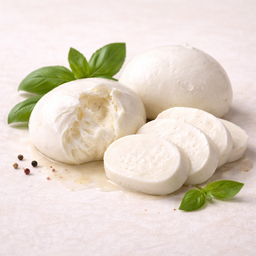 Mozzarella
 Mozzarella fat increases arugula nitrate and vitamin K absorption
Technical: Arugula contains 480mg nitrates per 100g converted to NO (nitric oxide) via nitrate→nitrite→NO pathway. NO dilates blood vessels through vasodilation. Mozzarella's fat (16-24g/100g) improves absorption of fat-soluble vitamin K from arugula (108.6μg/100g = 90% RDI). Studies show nitrates with fat are absorbed 20-30% better through improved intestinal transit and micelle formation.
What does this mean for you? Arugula-mozzarella salad is a smart combination. The arugula provides nitrates that relax blood vessels via NO, the mozzarella ensures you absorb vitamin K — vitamin K contributes to normal blood clotting (EFSA). Classic Italian combination with scientific foundation.
Arugula 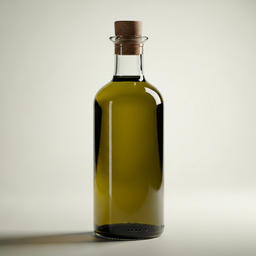 Olive Oil
 Fat increases absorption of arugula's beta-carotene and vitamin K
Technical: Arugula contains 3747μg beta-carotene and 109μg vitamin K per 100g — both fat-soluble. Olive oil forms mixed micelles increasing absorption 3-5x. Arugula also contains glucosinolates (glucoerucin) converted to sulforaphane — a hydrophobic molecule also better absorbed with fat.
What does this mean for you? Arugula with olive oil dressing isn't just tasty for its peppery character — the oil is necessary to properly absorb fat-soluble vitamins and glucosinolates.
Arugula 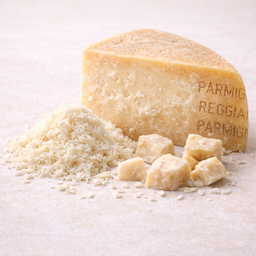 Parmesan (Parmigiano-Reggiano)
 Nitrate + calcium: NO pathway and mineral richness
Technical: Arugula contains 480mg nitrate per 100g (highest of all leafy greens) converted via the nitrate-nitrite-NO pathway to nitric oxide. Parmesan provides 1184mg calcium per 100g — calcium contributes to the maintenance of normal bones (EFSA-approved) — and 33g protein. Parmesan fats (29g/100g) also improve absorption of arugula's fat-soluble vitamins.
What does this mean for you? Arugula with Parmesan (classic Italian) combines the highest plant nitrate source with one of the most calcium-rich cheeses. Fat makes arugula's vitamins absorbable. Add olive oil and lemon for the perfect trio.
Arugula 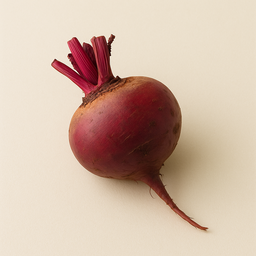 Beetroot
 Double nitrate source for maximum NO production
Technical: Arugula contains 480mg nitrate per 100g (highest of all leafy greens) and beetroot 250-300mg/100g. Nitrate is converted by oral bacteria to nitrite then nitric oxide (NO) via the nitrate-nitrite-NO pathway. NO is involved in vasodilation. The double nitrate dose delivers substantial NO production.
What does this mean for you? Arugula-beet salad is one of the richest nitrate combinations you can eat. Arugula actually contains more nitrate than beetroot! Popular in sports nutrition, ideal 2-3 hours before exercise.
Recipes with Arugula
Discover delicious recipes featuring arugula:
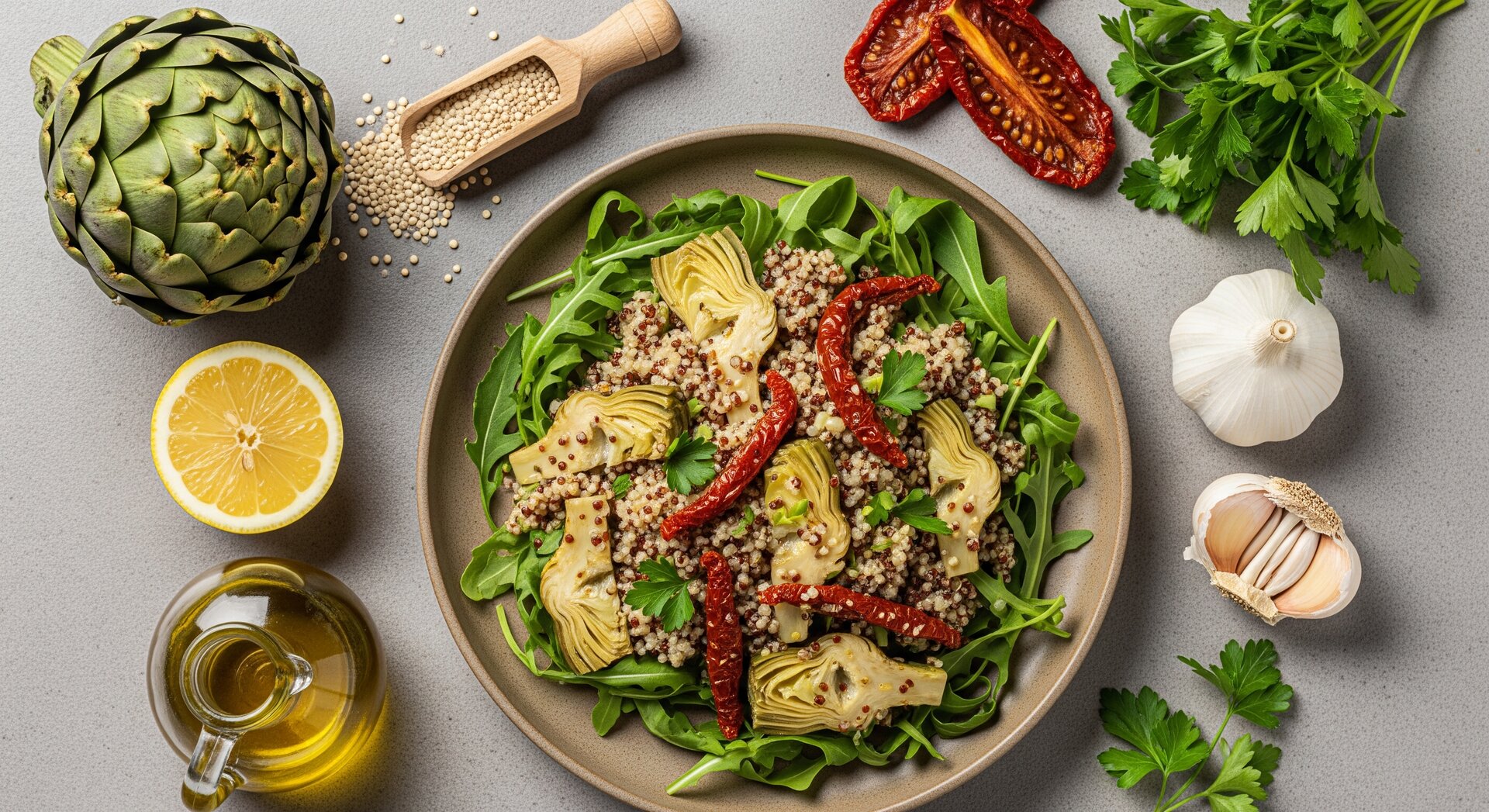 Artichoke Quinoa Lunch 25 min Mediterranean quinoa salad with artichoke
  340 kcal
  10g protein 2 synergies
 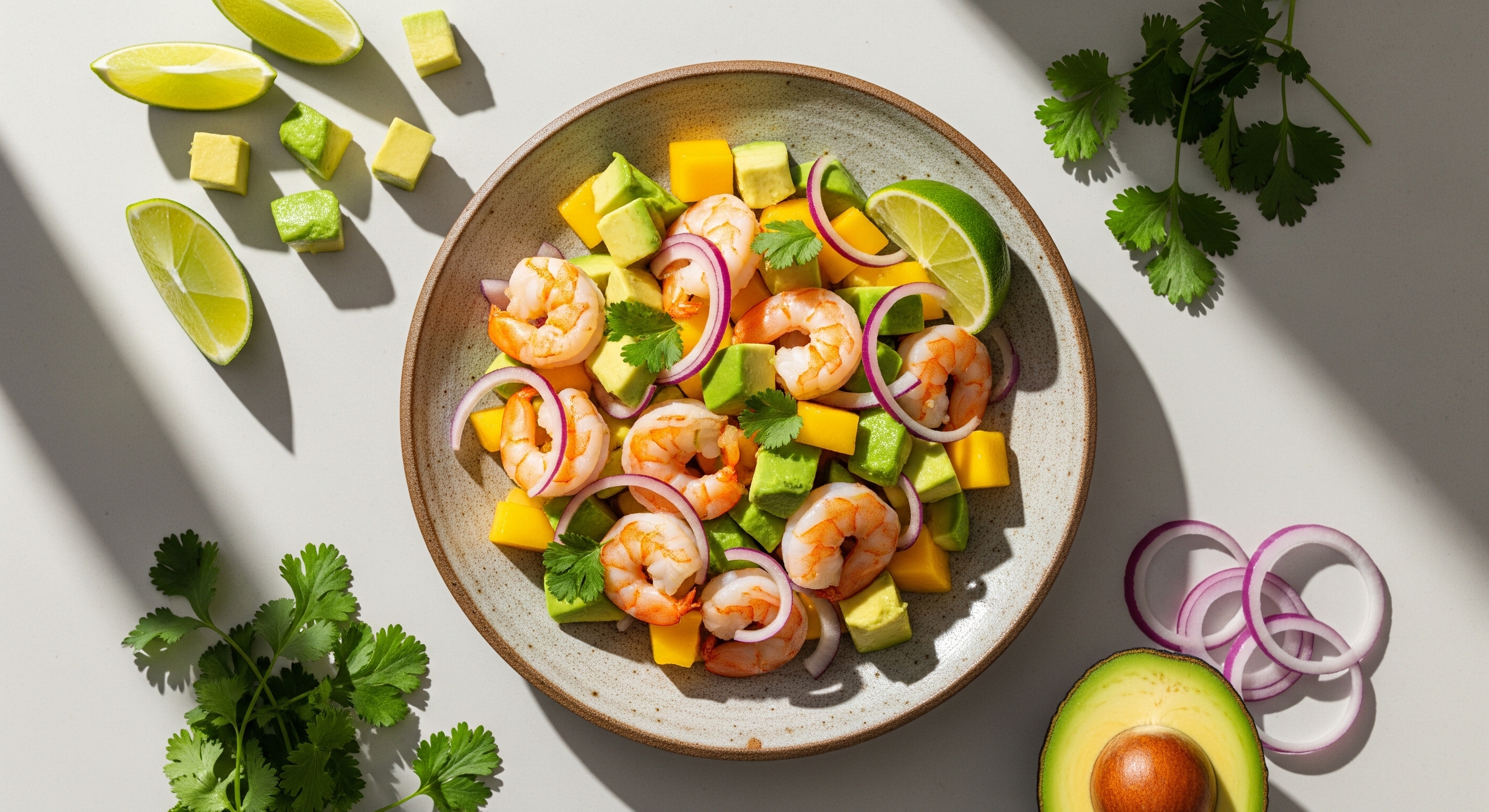 Shrimp Avocado Mango Salad with Lime 20 min Tropical salad with pan-fried shrimp, creamy avocado and sweet mango 520 kcal 28g protein 2 synergies
 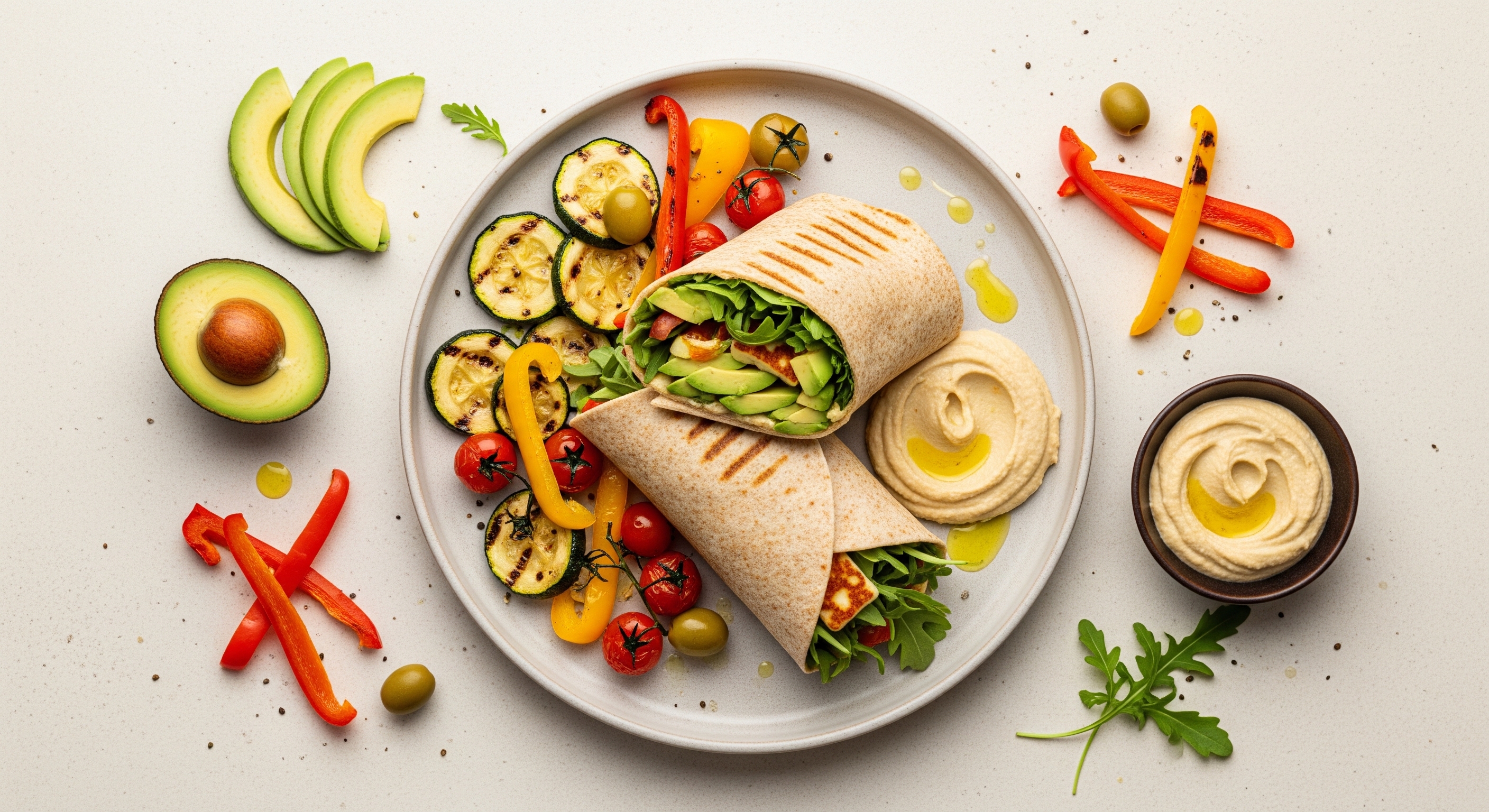 Halloumi & Avocado Wrap with Hummus & Roasted Vegetables 25 min Grilled halloumi and creamy avocado in a whole wheat wrap 712 kcal 28g protein 1 synergies
 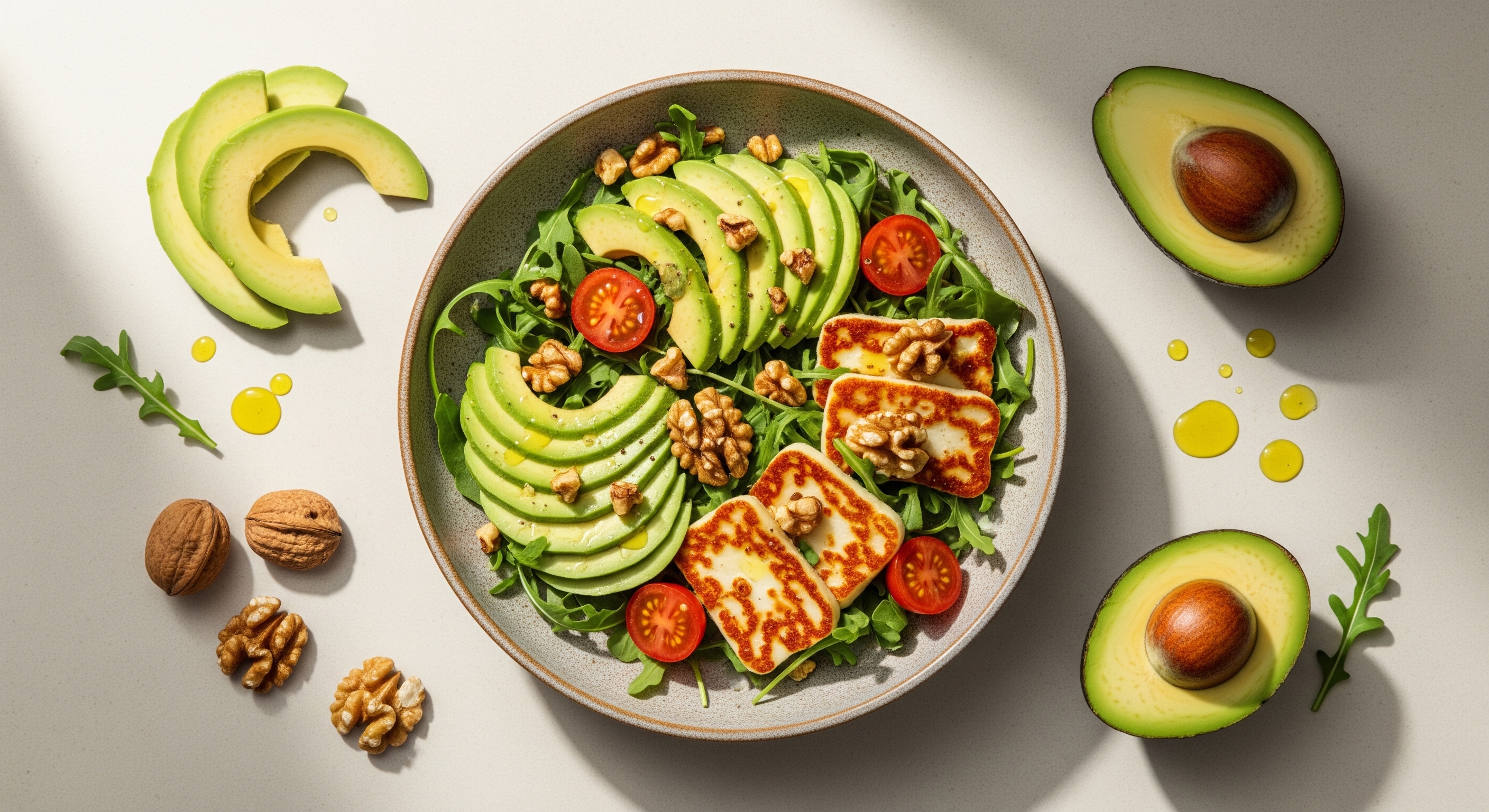 Halloumi Avocado Salad with Walnuts (Low-carb) 20 min Crispy pan-fried halloumi with avocado, walnuts and lemon-arugula bed 560 kcal 24g protein 2 synergies
 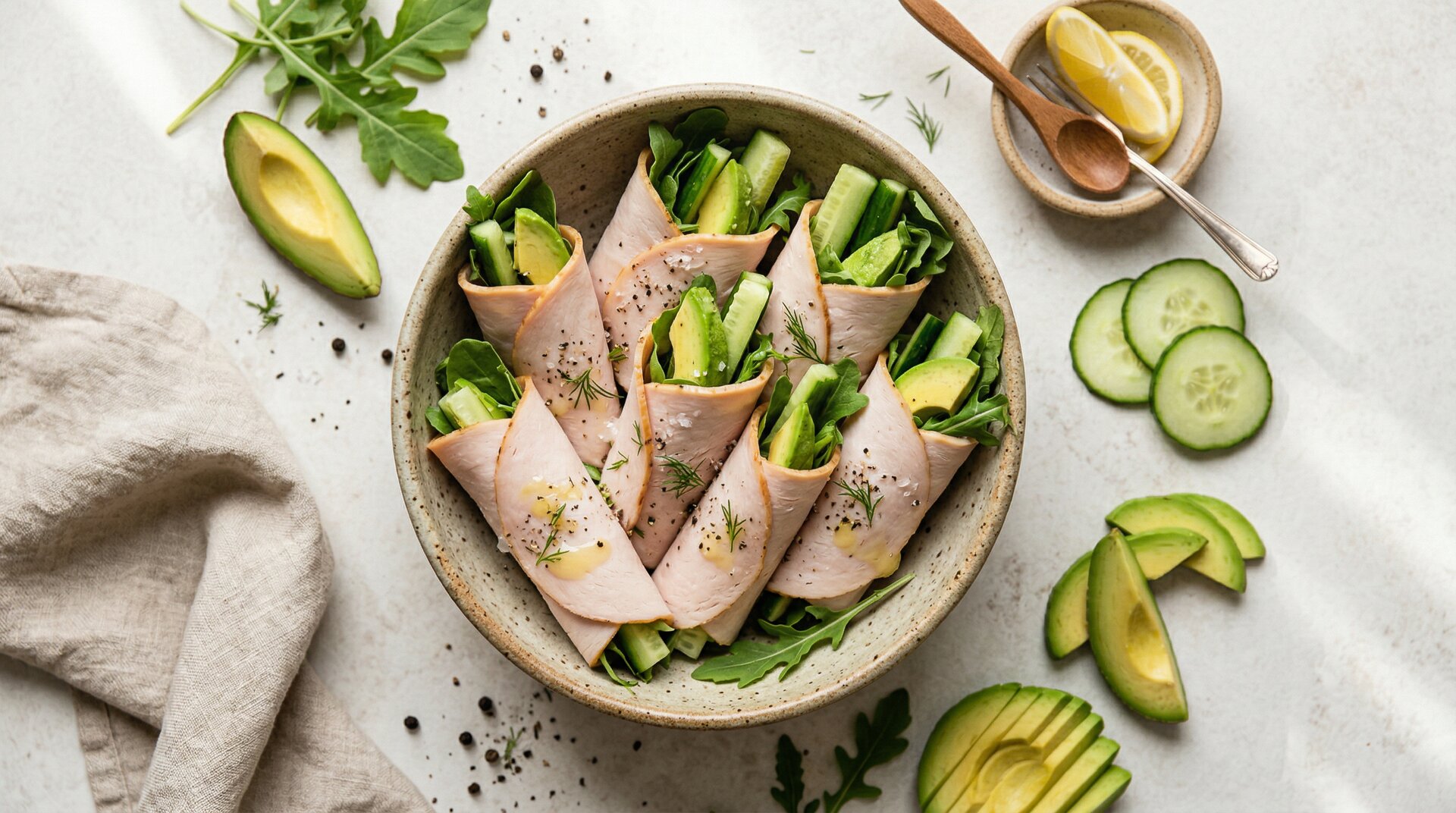 Turkey Rolls with Avocado, Cucumber and Arugula 10 min Fresh, creamy and crisp 260 kcal 25g protein 3 synergies
 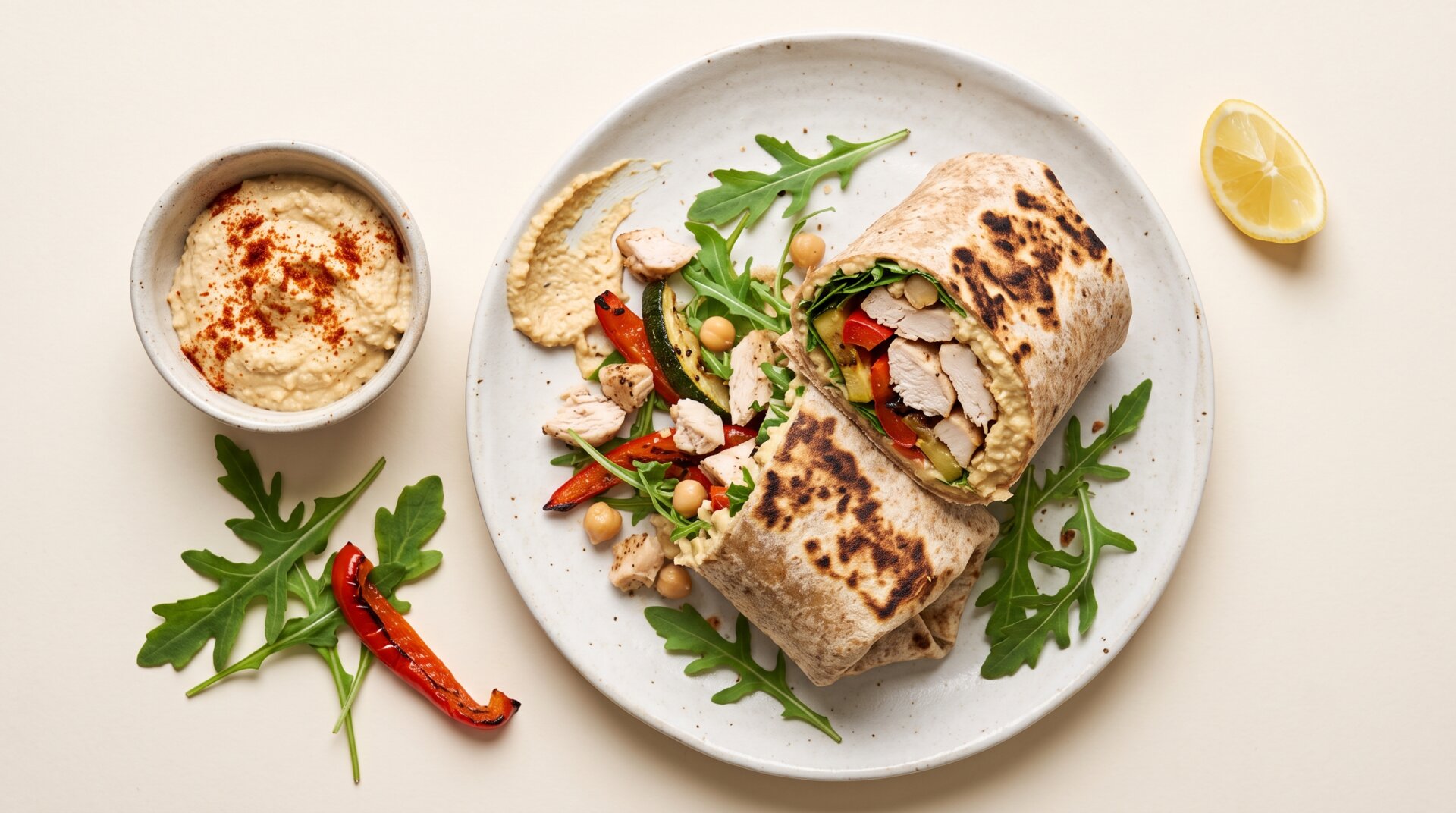 Chicken Breast Wrap with Hummus and Roasted Vegetables 35 min Protein-rich breakfast wrap with Middle Eastern flavors 537 kcal 49g protein 1 synergies
  In the Kitchen
Storage
Location:Refrigerator
Shelf life:3-5 dagen in plastic zak
Store in plastic bag with paper towel to absorb moisture. Wilts quickly, so use promptly.
Preparation
EAT RAW for maximum nitrate - cooking significantly reduces nitrate. Ideal as salad, on pizza or in sandwiches. BEST SYNERGY: balsamic vinegar enhances peppery flavor and adds polyphenols.
Conversions
Substitutes
Smart preparation
1Add arugula only after serving to pizza or pasta.
Why?
The heat wilts arugula quickly and it loses its peppery bite.
2Wash arugula gently and dry in a salad spinner.
3Combine arugula with sweet ingredients to balance the bitterness.
Caution / Warnings
Arugula is very safe, but there are scientific considerations:
Blood Thinners Moderate
High vitamin K can affect warfarin effectiveness
Advice:
Eat consistent amounts with warfarin use
Kidney Problems Mild
High oxalate content may be problematic with kidney stone history
Advice:
With oxalate kidney stones: limit raw consumption and drink extra water
Traditional use
Mediterranean
Roman aphrodisiac
Romans considered arugula a powerful aphrodisiac. It was grown near statues of Priapus and prescribed to kindle passion.
Summary
Arugula is the nitrate champion among vegetables - perfect for blood pressure regulation and athletic performance. The peppery taste signals powerful antioxidants. Eat raw for maximum nitrate - cooking reduces it. Pro-tip: combine with balsamic vinegar for the classic Italian salad with properties.