- Easy
- 35 min
- 2 serv.
- 15 synergies
- Now at its best: Red Onion
Meal salad with orzo pasta, golden pan-fried chicken breast, cherry tomatoes, Kalamata olives and crumbled feta. Finished with a dressing of olive oil, lemon juice and oregano.
If you think pasta salad is boring, you've had the wrong pasta salad. This Greek version with orzo — those small rice-shaped pasta grains that hold exactly the right amount of dressing — is the counter-argument.
The chicken goes into the pan in cubes with oregano, salt and pepper, golden on all sides. Just as easy: halving cherry tomatoes so they share their juice with the pasta. Cucumber cubed for cool crunch. Red onion in thin rings for that sharp bite that keeps every mouthful interesting.
The dressing is Greece in a bowl: lemon zest, fresh lemon juice, extra virgin olive oil and another pinch of oregano. It soaks into the orzo for ten minutes before the feta gets crumbled over — this way every grain has flavour.
Meal-prep friendly, just as good the next day, and substantial enough to be dinner. The Kalamata olives aren't garnish — they're the savoury anchor this salad revolves around.
- 15
- min prep
- 20
- min cook
- 35
- min total
Nutritional Synergies
This recipe combines ingredients that enhance each other:
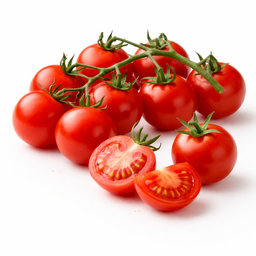 cherry tomatoes
 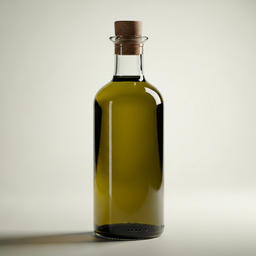 olive oil
 Olive oil increases lycopene absorption from cherry tomatoes 2-3x
Technical: Cherry tomatoes contain 2573μg lycopene per 100g. Lycopene is fat-soluble and only 2-3% absorbed without fat. Olive oil's oleic acid forms mixed micelles increasing lycopene absorption 2-3x. Cherry tomatoes contain relatively more skin (where lycopene concentrates) than regular tomatoes due to their small size.
What does this mean for you? Halve cherry tomatoes and roast in olive oil, or serve in salad with olive oil dressing. Their higher skin-to-flesh ratio means more concentrated lycopene.
HeartSkin & Hair
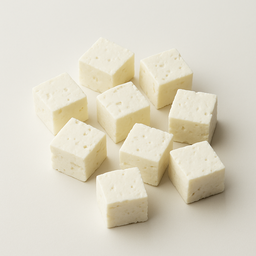 feta cheese olive oil
 Olive oil improves calcium absorption from feta
Technical: Feta contains 493mg calcium per 100g. Fat-soluble vitamins D and K2 are needed for calcium absorption. Olive oil contains mono-unsaturated fats that improve absorption of these vitamins and minerals. Olive oil also contains oleuropein involved in bone metabolism.
What does this mean for you? Always drizzle feta with olive oil — the Mediterranean tradition of feta with olive oil is scientifically smart.
JointsMuscle Gain
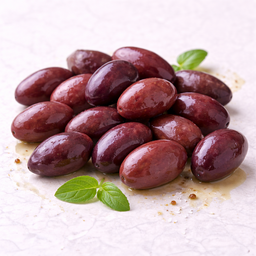 kalamata olives
 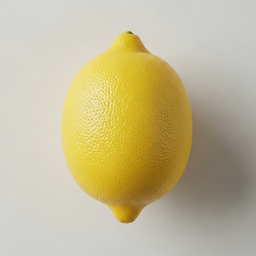 lemon
lemon Vitamin C protects olive polyphenols from oxidation
Technical: Hydroxytyrosol and oleuropein in Kalamata olives are susceptible to oxidative degradation. Vitamin C (ascorbic acid, 53mg/100g in lemon) acts as primary reductant keeping these polyphenols in their reduced, active form. Citric acid also chelates pro-oxidative metal ions (Fe²⁺, Cu²⁺).
What does this mean for you? Sprinkle Kalamata olives with lemon juice in salads or marinades. Vitamin C keeps polyphenols intact and adds a fresh taste balancing the olive's saltiness.
HeartAnti-inflammatory
kalamata olives feta cheese Polyphenols + calcium and protein in Greek combination
Technical: Kalamata olives contain hydroxytyrosol (3.5mg/100g) and oleuropein — polyphenols from the olive fruit. Feta provides 493mg calcium per 100g and 14g protein. Fats in feta (21g/100g) also increase bioavailability of fat-soluble polyphenols from olives.
What does this mean for you? Olives with feta is the foundation of Greek cuisine — and nutritionally a smart combination. Cheese fat makes olive polyphenols more absorbable. Add to salads or serve as mezze.
HeartJoints
kalamata olives 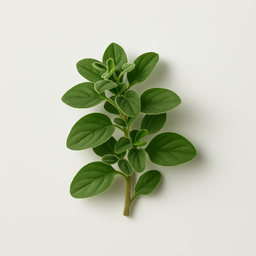 dried oregano
 Three polyphenol pathways in one Greek salad
Technical: Kalamata olives contain hydroxytyrosol (3.5mg/100g) and oleuropein — polyphenols from the phenol class. Tomato provides lycopene (2573μg/100g), a carotenoid. Oregano contains carvacrol and thymol, terpene compounds. This trio forms a polyphenol-carotenoid-terpene complex working through three different biochemical pathways.
What does this mean for you? Greek salad (tomato, olives, oregano) is a culinary classic combining three entirely different categories of bioactive compounds. Each ingredient delivers a different type of polyphenol — broader together than apart.
HeartAnti-inflammatory
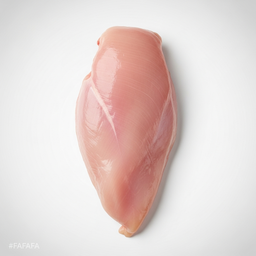 chicken breast lemon
 Citric acid improves protein digestion and flavor
Technical: The citric acid in lemon lowers stomach pH, improving the activation of pepsinogen to pepsin (proteolytic enzyme). This speeds up breakdown of chicken proteins to amino acids. The acidity also helps against bacteria and marinating with lemon tenderizes chicken.
What does this mean for you? Marinate chicken in lemon juice or serve with a lemon wedge. This is why lemon is a standard with poultry in many cuisines.
DigestionMuscle Gain
olive oil lemon Oleic acid + citric acid: complementary pathways for glycemic response
Technical: Lemon contains citric acid that slows gastric emptying, causing carbohydrates from the meal to be absorbed more slowly. Olive oil's fats reinforce this effect by further influencing glycemic response. Together they influence the postprandial glucose response via two complementary mechanisms. Olive oil's oleocanthal and lemon's vitamin C additionally provide complementary antioxidant action.
What does this mean for you? A simple dressing of olive oil and lemon juice over your salad is one of the smartest combinations you can make. The two mechanisms (delayed gastric emptying + fat slowing) work together to influence the glucose response after your meal.
EnergyDigestion
dried oregano olive oil Fat makes carvacol and thymol absorbable
Lambert JD et al. (2004) in Molecular Nutrition & Food Research showed that dietary fats enhance absorption of phenolic compounds from herbs.
Technical: Oregano contains carvacrol (60-74%) and thymol (1-5%) — potent phenolic compounds with broad bioactivity, traditionally valued in food preservation. These compounds are fat-soluble and poorly absorbed without fat. Olive oil dissolves them and significantly increases their bioavailability. This explains why oregano oil always comes in a carrier oil.
What does this mean for you? Cook oregano in olive oil or make oregano-olive oil dressing. The bioactive compounds in oregano are fat-soluble — without oil you barely absorb them.
Immune SystemDigestion
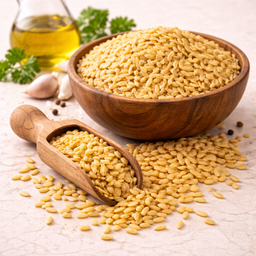 orzo pasta lemon
 Vitamin C enhances iron absorption from enriched pasta
Technical: Orzo (risoni) is enriched durum wheat semolina with non-heme iron (1.2mg/100g). Lemon contains 53mg vitamin C per 100g that reduces Fe³⁺ to the more absorbable Fe²⁺, increasing iron absorption by 3-6x. Citric acid also chelates iron into soluble complexes that pass the intestinal wall. The combination is particularly relevant for vegetarians dependent on non-heme iron.
What does this mean for you? Always squeeze lemon over your orzo salad or soup. This Greek tradition maximizes iron absorption from the pasta — important if you eat little meat.
EnergyImmune System
orzo pasta olive oil Retrograde starch + healthy fats for microbiome support
Technical: Cooked and cooled orzo forms retrograde starch (resistant starch type 3), a prebiotic fermented by gut bacteria into butyrate — the primary energy source for colonocytes. Olive oil (73% oleic acid) slows glycemic response and adds polyphenols (oleocanthal, hydroxytyrosol) that improve gut flora diversity. Together they lower the meal's GI by 30-40%.
What does this mean for you? Cold orzo salad with olive oil is healthier than warm orzo — cooling creates resistant starch that feeds your gut bacteria. The olive oil also lowers the blood sugar spike.
DigestionBlood SugarHeart
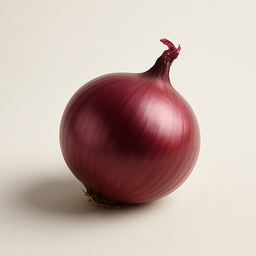 red onion lemon
 Vitamin C protects quercetin from oxidative degradation
Technical: Quercetin in red onion (32-65mg/100g) oxidizes rapidly when exposed to light, heat and oxygen. Ascorbic acid (vitamin C, 53mg/100g in lemon) regenerates oxidized quercetin back to its active form via electron transfer. This extends quercetin's half-life in food and in the body.
What does this mean for you? Red onion in salad with lemon dressing retains more active quercetin than without lemon. Vitamin C keeps this widely-studied flavonoid intact longer — a simple kitchen trick with scientific basis.
Anti-inflammatoryImmune System
red onion olive oil Fat increases bioavailability of quercetin from red onion
Technical: Red onion contains 32-65mg quercetin per 100g — the richest food source. Quercetin is poorly water-soluble (2μg/mL) but dissolves well in fats. Olive oil increases quercetin oral bioavailability by 50-70% through lipid-based lymphatic transport instead of the portal vein.
What does this mean for you? Sauté red onion in olive oil (soffritto) for maximum quercetin absorption. Oil dissolves quercetin and improves transport to your bloodstream. Caramelizing also enhances flavor.
Anti-inflammatoryHeart
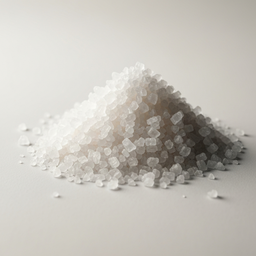 Sea Salt lemon
 Trace minerals + vitamin C for electrolytes and immune system
Technical: Unrefined sea salt contains 80+ trace elements (magnesium 0.5%, potassium 0.4%, calcium 0.1%, plus iodine, zinc, selenium in trace amounts) alongside sodium. Lemon's vitamin C improves absorption of non-heme iron and zinc from sea salt. Sodium + potassium together regulate cellular osmosis. Vitamin C is also essential for collagen synthesis where sea salt minerals serve as cofactors.
What does this mean for you? A glass of warm water with a pinch of unrefined sea salt and lemon juice in the morning is an effective hydration ritual. The minerals + vitamin C start your day with good electrolyte balance.
EnergyImmune System
Sea Salt olive oil Minerals + polyphenols for cellular balance
Technical: Sea salt's sodium is essential for the sodium-potassium pump (Na+/K+-ATPase) that regulates every body cell. Olive oil's oleuropein and hydroxytyrosol provide antioxidant protection for cell membranes. The combination supports cell integrity: sea salt regulates ion balance, olive oil protects the membrane. In Mediterranean cuisine, coarse sea salt + olive oil is the most basic flavor profile.
What does this mean for you? Freshly ground sea salt with extra virgin olive oil is the simplest and most nutritious finishing of any dish. The combination provides the basic needs of your cells: minerals for function, polyphenols for protection.
HeartGeneral Wellness
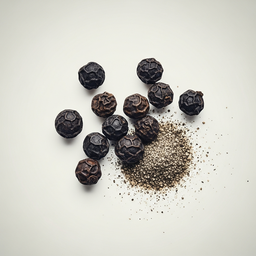 Black Pepper olive oil
 Fat increases piperine absorption and enhances polyphenols
Technical: Piperine is fat-soluble and absorbed 2-3x better with dietary fat. Olive oil's oleocanthal and piperine both modulate COX signal transduction through different mechanisms, providing additive bioactive effect.
What does this mean for you? Grind fresh pepper over salads with olive oil dressing. The combination enhances both pepper absorption and bioactive action.
Anti-inflammatoryHeartDigestion
Ingredients (12)
+9 more ingredientsInstructions
- 1 Cook the orzo pasta in plenty of salted water according to package instructions until al dente (approx. 8-10 minutes). Drain and rinse under cold water.
- 2 Cut the chicken breast into 2 cm cubes. Season with salt, pepper and half the oregano.
Nutrition per serving
Indicative values per serving.
Timing & Suitability
Shelf life: 2 days in fridge
Tags & Diet
Allergens: Gluten, Dairy