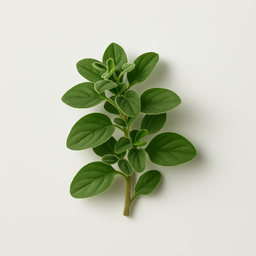
Oregano
Mediterranean herb with carvacrol and thymol
What is this ingredient?
Oregano is a boldly aromatic herb from Mediterranean culinary tradition. Its name means 'joy of the mountain' in Greek, referring to the places where wild oregano grows well. Its distinctive aroma and flavor come mainly from carvacrol and thymol, two phenolic compounds in the essential oil fraction. Dried oregano is often more intense than fresh oregano because the leaves become more concentrated and hold their aroma well. This makes it especially useful in tomato sauces, pizza, grilled vegetables, legumes, olive oil marinades and Greek salads.
How does it taste?
Robust, slightly bitter and peppery with warm, savory and camphor-like notes.
Pairs well with:
Pairs well with tomatoolive oilgarlicfeta and zucchini.
Did you know...?
- Oregano means 'joy of the mountain' in Greek (oros = mountain, ganos = joy).
- Oregano only became widely popular in the US after soldiers discovered it in Italy during World War II.
Nutritional Value & Energy
Per 100g
Oregano provides energy thanks to natural nutrients , buffered by fiber.
Per 100g
Minerals
Vitamins
Omega-3 fatty acids
More nutrients
Trace Minerals
What's in a serving?
Oregano naturally contains calcium (1597 mg per 100 g dried powder). At typical spice usage (3–9 g), the contribution is limited.
Oregano naturally contains iron (36.8 mg per 100 g dried powder). At typical spice usage (3–9 g), the contribution is limited.
Oregano naturally contains vitamin e (18.26 mg per 100 g dried powder). At typical spice usage (3–9 g), the contribution is limited.
Oregano naturally contains vitamin k (621.7 mcg per 100 g dried powder). At typical spice usage (3–9 g), the contribution is limited.
Oregano naturally contains folate (237 mcg per 100 g dried powder). At typical spice usage (3–9 g), the contribution is limited.
Oregano naturally contains calcium (1597 mg per 100 g dried powder). At typical spice usage (3–9 g), the contribution is limited.
Oregano naturally contains iron (36.8 mg per 100 g dried powder). At typical spice usage (3–9 g), the contribution is limited.
Oregano naturally contains magnesium (270 mg per 100 g dried powder). At typical spice usage (3–9 g), the contribution is limited.
Oregano naturally contains potassium (1260 mg per 100 g dried powder). At typical spice usage (3–9 g), the contribution is limited.
Oregano naturally contains vitamin e (18.26 mg per 100 g dried powder). At typical spice usage (3–9 g), the contribution is limited.
Oregano naturally contains vitamin k (621.7 mcg per 100 g dried powder). At typical spice usage (3–9 g), the contribution is limited.
Oregano naturally contains folate (237 mcg per 100 g dried powder). At typical spice usage (3–9 g), the contribution is limited.
% of daily reference intake (DRI)
EU-approved nutrition claims
This ingredient contains nutrients for which EFSA-authorized health claims exist at nutrient level, not specifically for oregano as an ingredient.
Approved health claims (EU)
Iron EU 432/2012
Iron contributes to normal energy-yielding metabolism
Contains 36.8mg/100g (threshold: ≥2.1mg/100g)
Iron EU 432/2012
Iron contributes to the reduction of tiredness and fatigue
Contains 36.8mg/100g (threshold: ≥2.1mg/100g)
Calcium EU 432/2012
Calcium is needed for the maintenance of normal bones
Contains 1597mg/100g (threshold: ≥120mg/100g)
Vitamin_k EU 432/2012
Vitamin K contributes to normal blood clotting
Contains 621.7mcg/100g (threshold: ≥11.25mcg/100g)
Vitamin_k EU 432/2012
Vitamin K contributes to the maintenance of normal bones
Contains 621.7mcg/100g (threshold: ≥11.25mcg/100g)
Calcium EU 432/2012
Calcium is needed for the maintenance of normal teeth
Contains 1597mg/100g (threshold: ≥120mg/100g)
Calcium EU 432/2012
Calcium contributes to normal blood clotting
Contains 1597mg/100g (threshold: ≥120mg/100g)
Calcium EU 432/2012
Calcium contributes to normal energy-yielding metabolism
Contains 1597mg/100g (threshold: ≥120mg/100g)
Calcium EU 432/2012
Calcium contributes to normal muscle function
Contains 1597mg/100g (threshold: ≥120mg/100g)
Calcium EU 432/2012
Calcium contributes to normal neurotransmission
Contains 1597mg/100g (threshold: ≥120mg/100g)
Calcium EU 432/2012
Calcium contributes to the normal function of digestive enzymes
Contains 1597mg/100g (threshold: ≥120mg/100g)
Calcium EU 432/2012
Calcium has a role in the process of cell division and specialisation
Contains 1597mg/100g (threshold: ≥120mg/100g)
Iron EU 432/2012
Iron contributes to normal cognitive function
Contains 36.8mg/100g (threshold: ≥2.1mg/100g)
Iron EU 432/2012
Iron contributes to normal formation of red blood cells and haemoglobin
Contains 36.8mg/100g (threshold: ≥2.1mg/100g)
Iron EU 432/2012
Iron contributes to normal oxygen transport in the body
Contains 36.8mg/100g (threshold: ≥2.1mg/100g)
Iron EU 432/2012
Iron contributes to the normal function of the immune system
Contains 36.8mg/100g (threshold: ≥2.1mg/100g)
Iron EU 432/2012
Iron has a role in the process of cell division
Contains 36.8mg/100g (threshold: ≥2.1mg/100g)
Comparison
vsspinazie
Oregano contains about 14× more iron per 100 g than spinach, but you usually use much less oregano per serving.
vsmelk
Oregano contains about 13× more calcium per 100 g than milk, but you usually use much less oregano per serving.
vsbanaan
Oregano contains about 4× more potassium per 100 g than banana, but you usually use much less oregano per serving.
What's being researched?
Oregano oil and carvacrol in laboratory research
Carvacrol and thymol from oregano are studied in in vitro models. These studies mainly examine how these phenolic compounds behave under controlled laboratory conditions.
Supported by: [1] Cattelan MG (2018) , [4] Harmati M (2017) , [3] Cantalapiedra A (2014)
Oregano and oxidative measurement models
Oregano extracts are analyzed in food research for their polyphenols, including rosmarinic acid and flavonoids. Laboratory measurements describe the capacity of these extracts within specific test models.
Supported by: [2] Cid-Pérez TS (2019)
Good Combinations (Synergy)
Combine oregano smartly to enhance the effect:
Oregano 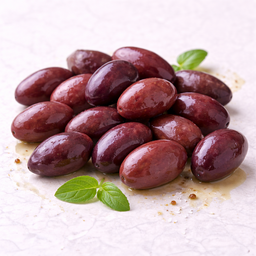 Kalamata Olives
 Three polyphenol pathways in one Greek salad
Technical: Kalamata olives contain hydroxytyrosol (3.5mg/100g) and oleuropein — polyphenols from the phenol class. Tomato provides lycopene (2573μg/100g), a carotenoid. Oregano contains carvacrol and thymol, terpene compounds. This trio forms a polyphenol-carotenoid-terpene complex working through three different biochemical pathways.
What does this mean for you? Greek salad (tomato, olives, oregano) is a culinary classic combining three entirely different categories of bioactive compounds. Each ingredient delivers a different type of polyphenol — broader together than apart.
Oregano 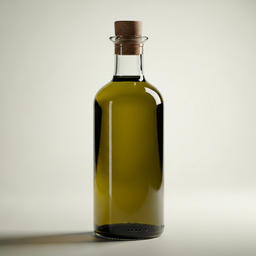 Olive Oil
 Fat makes carvacol and thymol absorbable
Lambert JD et al. (2004) in Molecular Nutrition & Food Research showed that dietary fats enhance absorption of phenolic compounds from herbs.
Technical: Oregano contains carvacrol (60-74%) and thymol (1-5%) — potent phenolic compounds with broad bioactivity, traditionally valued in food preservation. These compounds are fat-soluble and poorly absorbed without fat. Olive oil dissolves them and significantly increases their bioavailability. This explains why oregano oil always comes in a carrier oil.
What does this mean for you? Cook oregano in olive oil or make oregano-olive oil dressing. The bioactive compounds in oregano are fat-soluble — without oil you barely absorb them.
Oregano 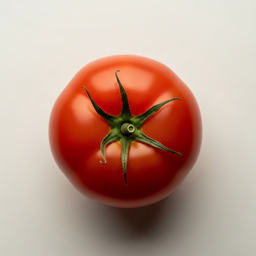 Tomato
 Mediterranean synergy - antioxidants stabilize lycopene
Böhm V et al. (2002) in Journal of Nutrition showed that antioxidants improve lycopene stability.
Technical: Oregano's antioxidants (rosmanol, carvacrol, thymol) protect lycopene from tomato against thermal degradation during cooking. Lycopene is heat-labile but released from cell walls by heating. The herbs act as an antioxidant shield: they scavenge free radicals that would break down lycopene.
What does this mean for you? Add oregano to tomato sauce during cooking. The oregano protects the lycopene while heat releases it — that's why Italian tomato sauce with oregano is so healthy.
Oregano 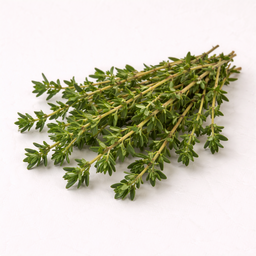 Thyme (Fresh)
 Thymol + carvacrol work synergistically as natural preservation
Technical: Thyme contains thymol (20-54%) and oregano contains carvacrol (60-74%). Both are phenolic compounds disrupting cell membranes of microorganisms but through different binding sites. Studies (Burt, 2004) show the combination works synergistically — bioactivity exceeds the sum of individual effects.
What does this mean for you? Use thyme and oregano together as herb mix on pizza, in sauces or as meat marinade. Two herbs with similar but complementary bioactive action — traditionally also valued for food preservation.
Recipes with Oregano
Discover delicious recipes featuring oregano:
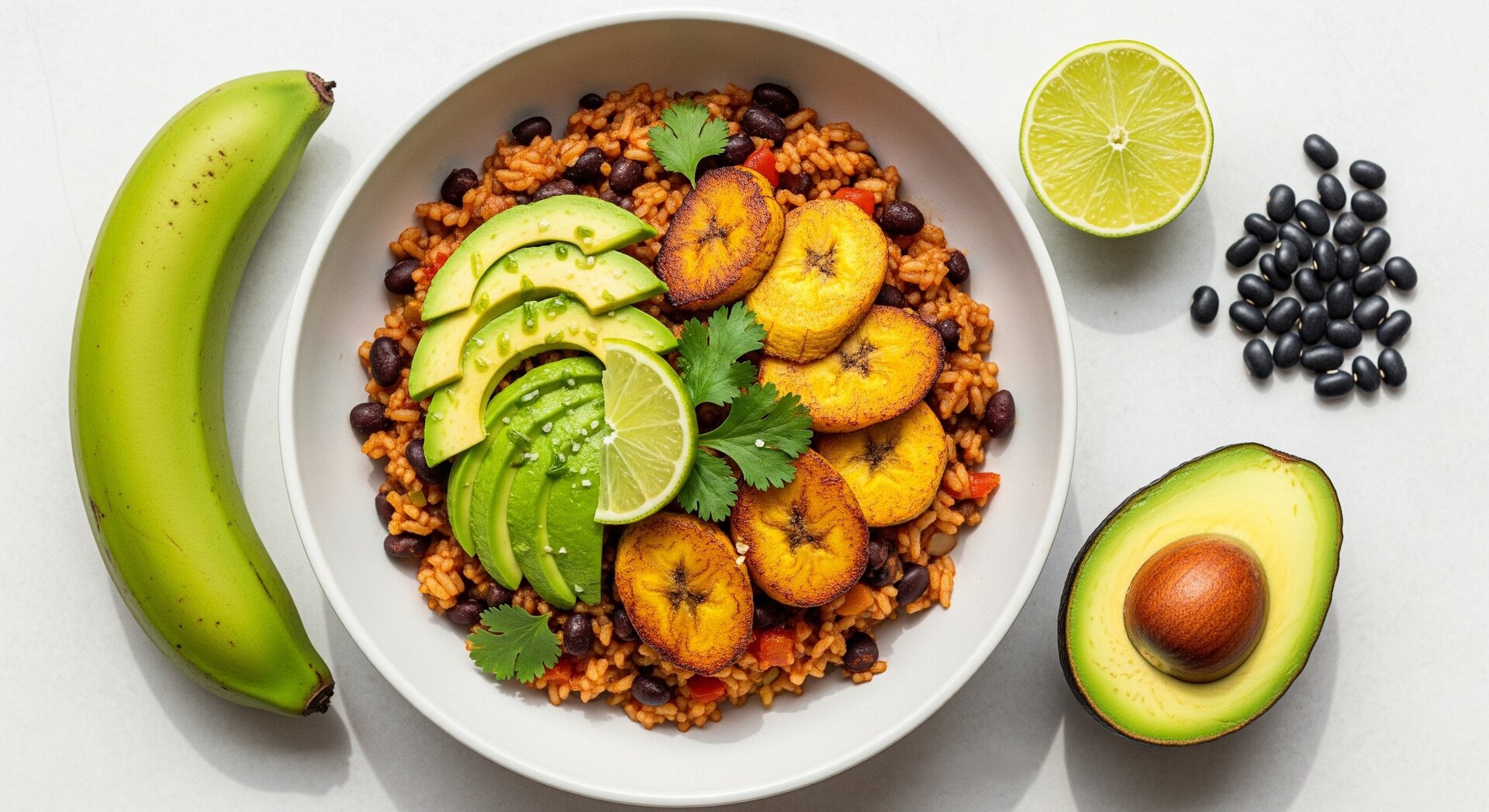 Cuban Moros y Cristianos Bowl 40 min Black beans and rice with sofrito, avocado and plantain
  750 kcal
  19g protein 2 synergies
 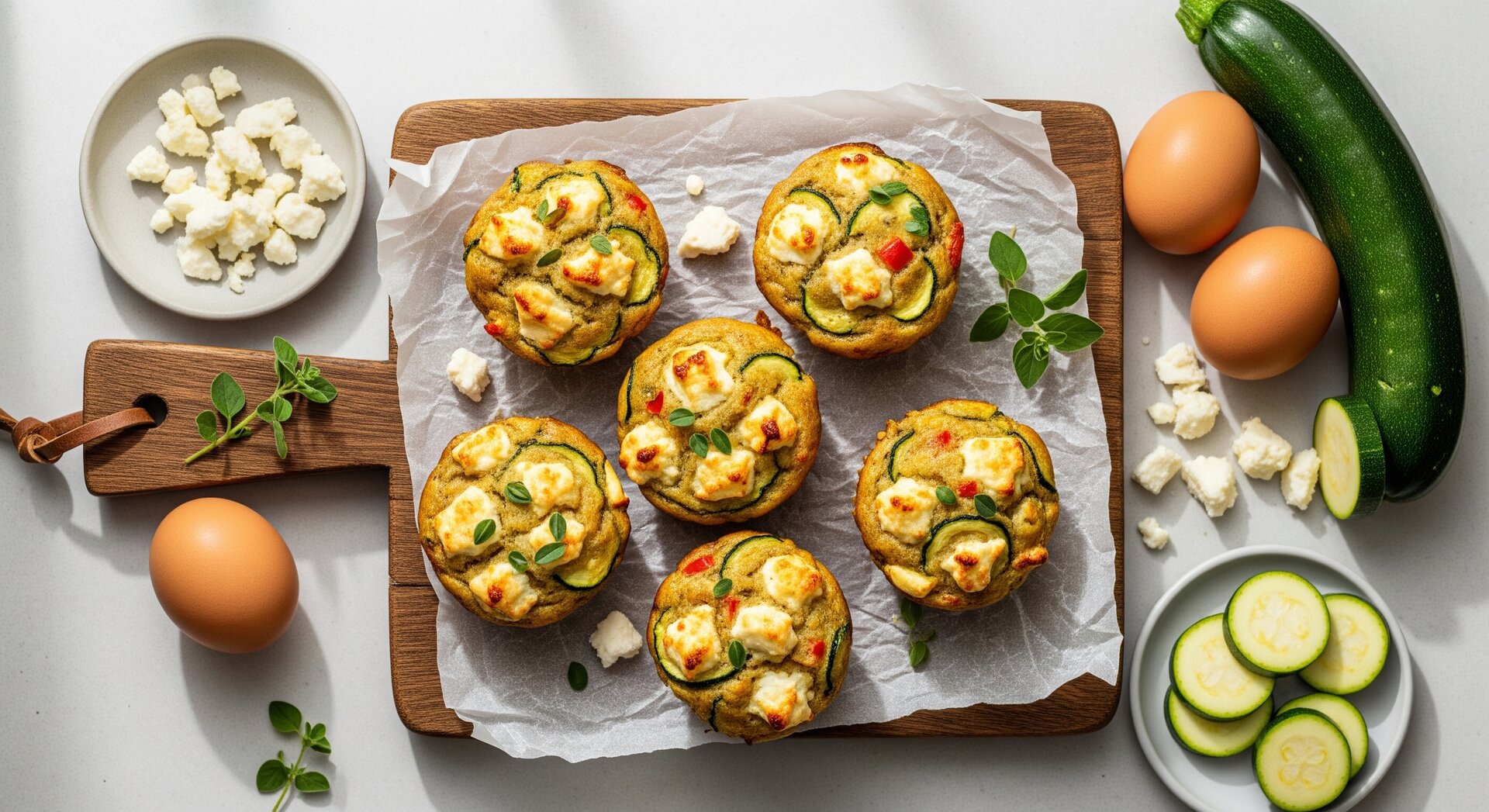 Egg Courgette Feta Muffins with Herbs 30 min Savoury low-carb muffins with grated courgette, crumbled feta and oregano 460 kcal 28g protein 2 synergies
 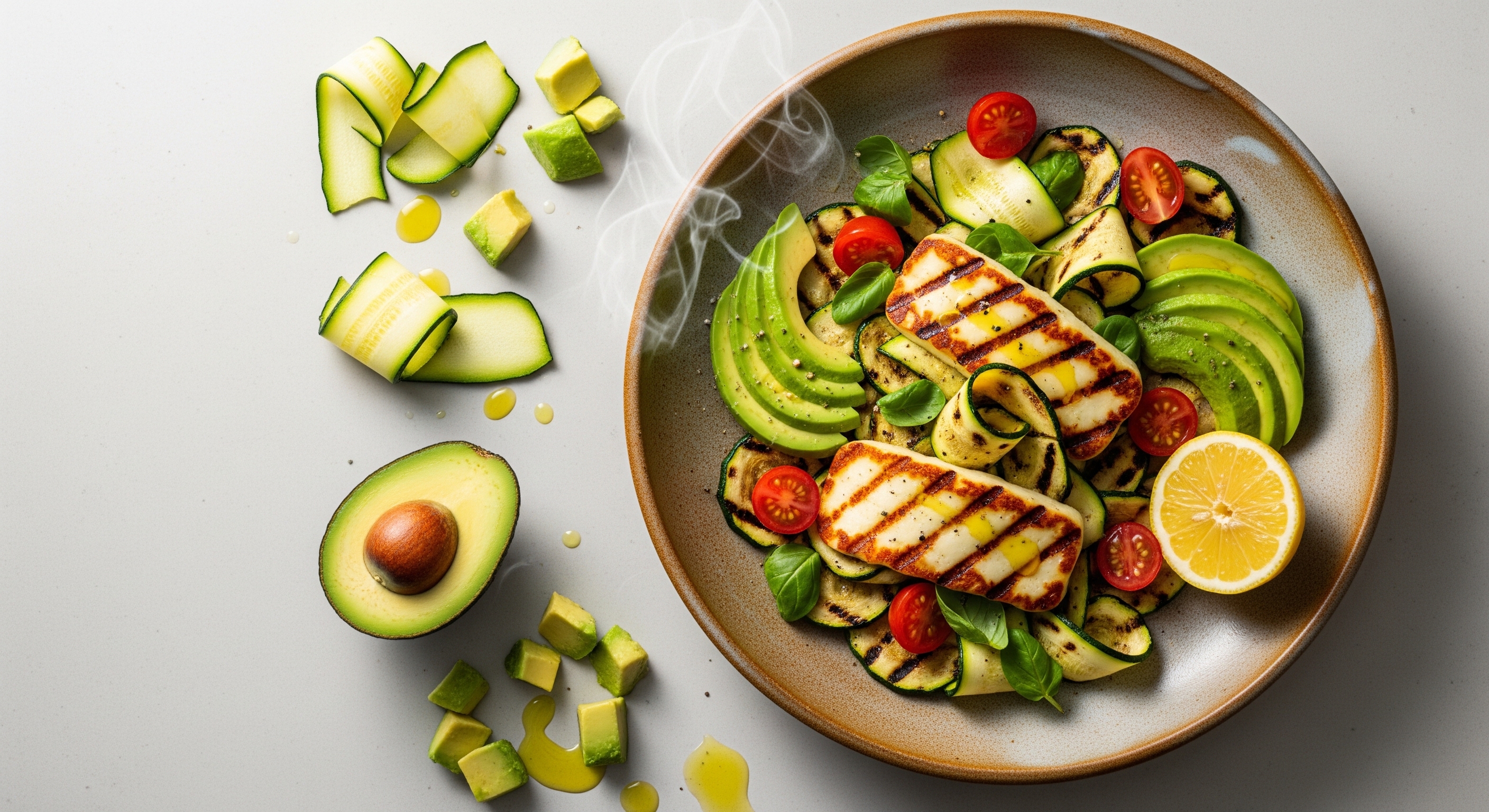 Grilled Halloumi with Zucchini and Avocado 25 min Salty, fresh and creamy from the grill 465 kcal 24g protein 2 synergies
 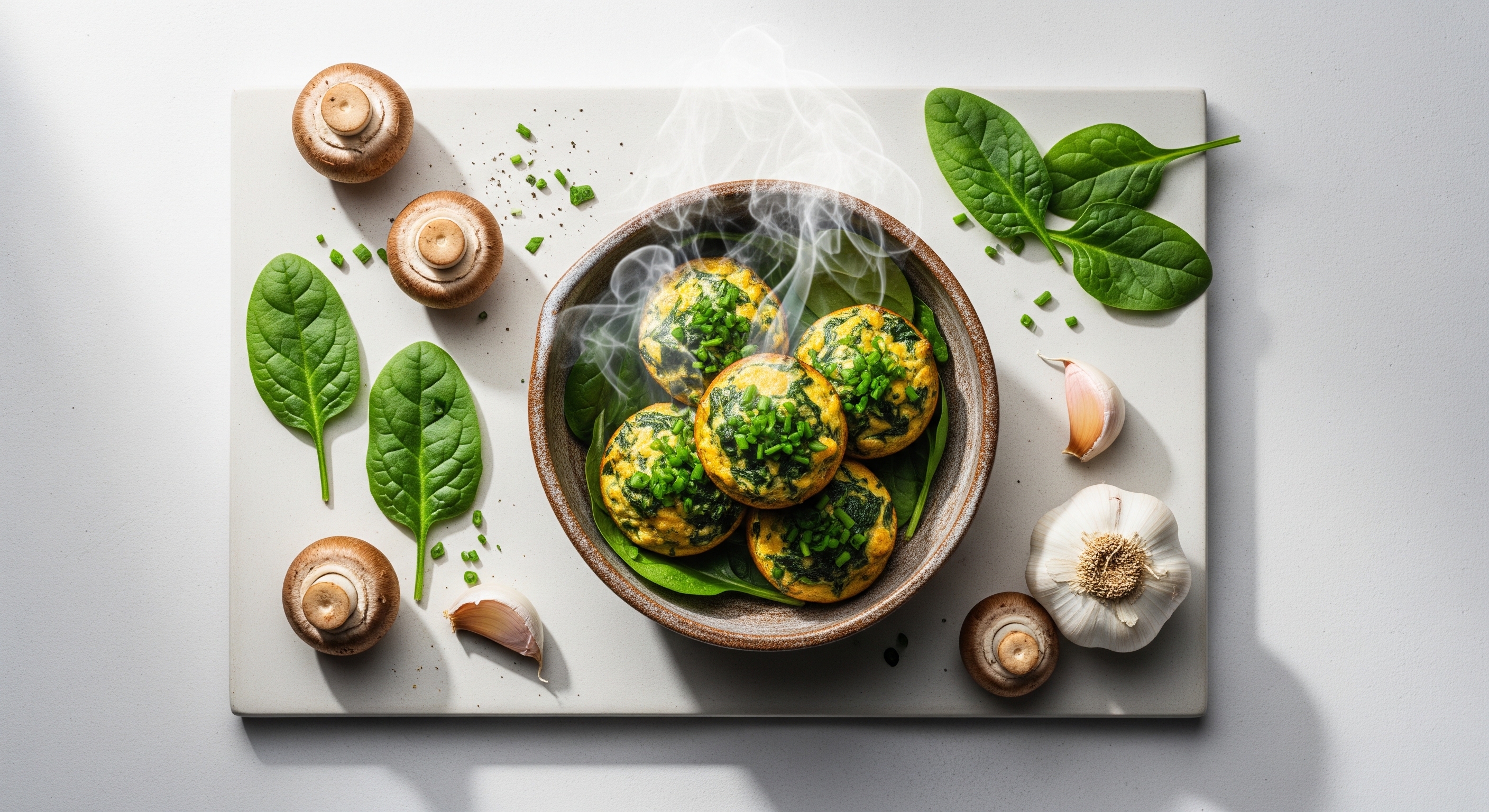 Stuffed Mushroom Spinach Bites 25 min Savoury oven snack with egg, spinach and turmeric 125 kcal 7g protein 1 synergies
 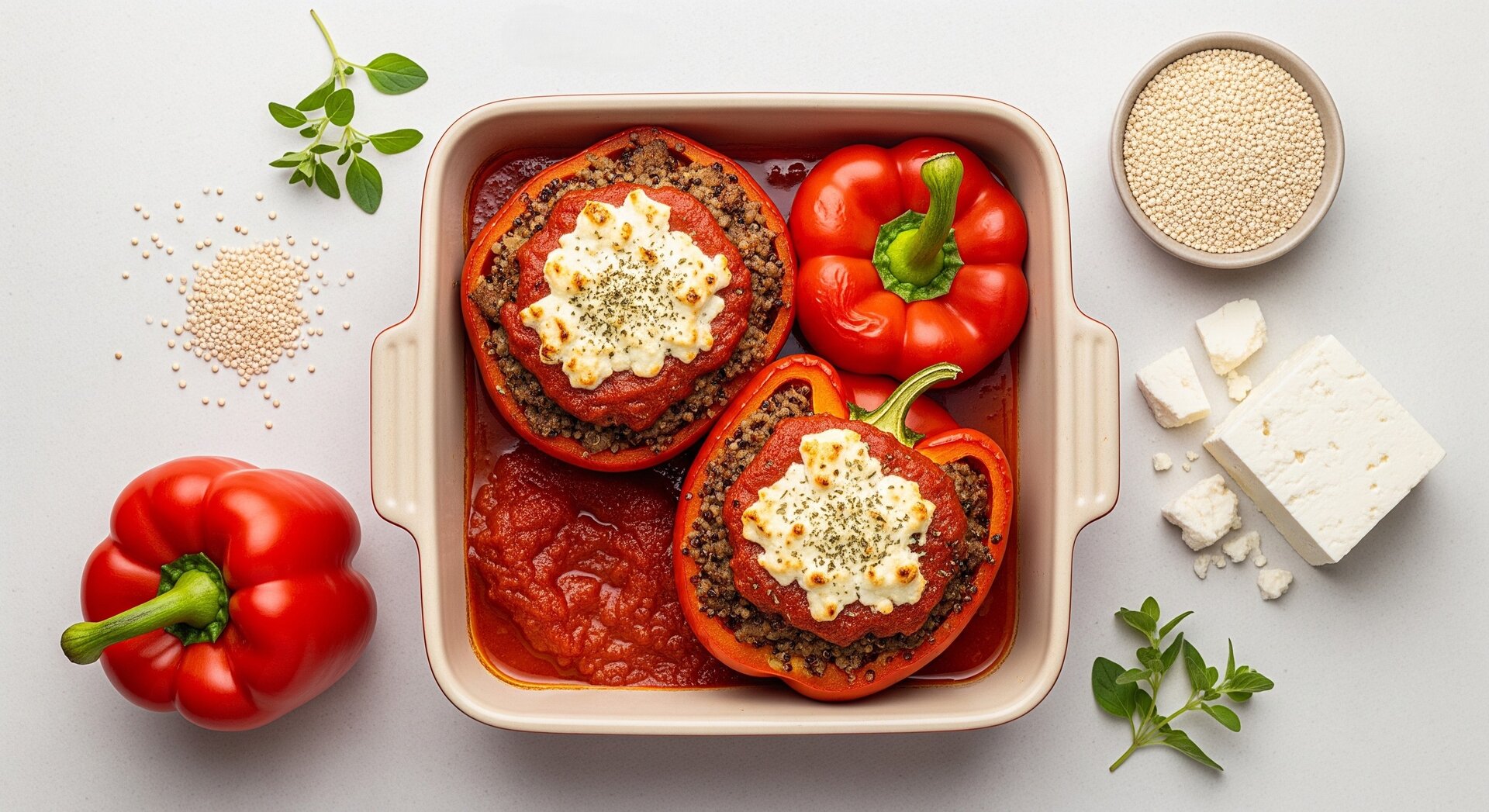 Stuffed Peppers with Ground Beef, Quinoa and Feta 50 min Colorful oven dish with spiced beef filling and crumbled feta 695 kcal 35g protein 2 synergies
 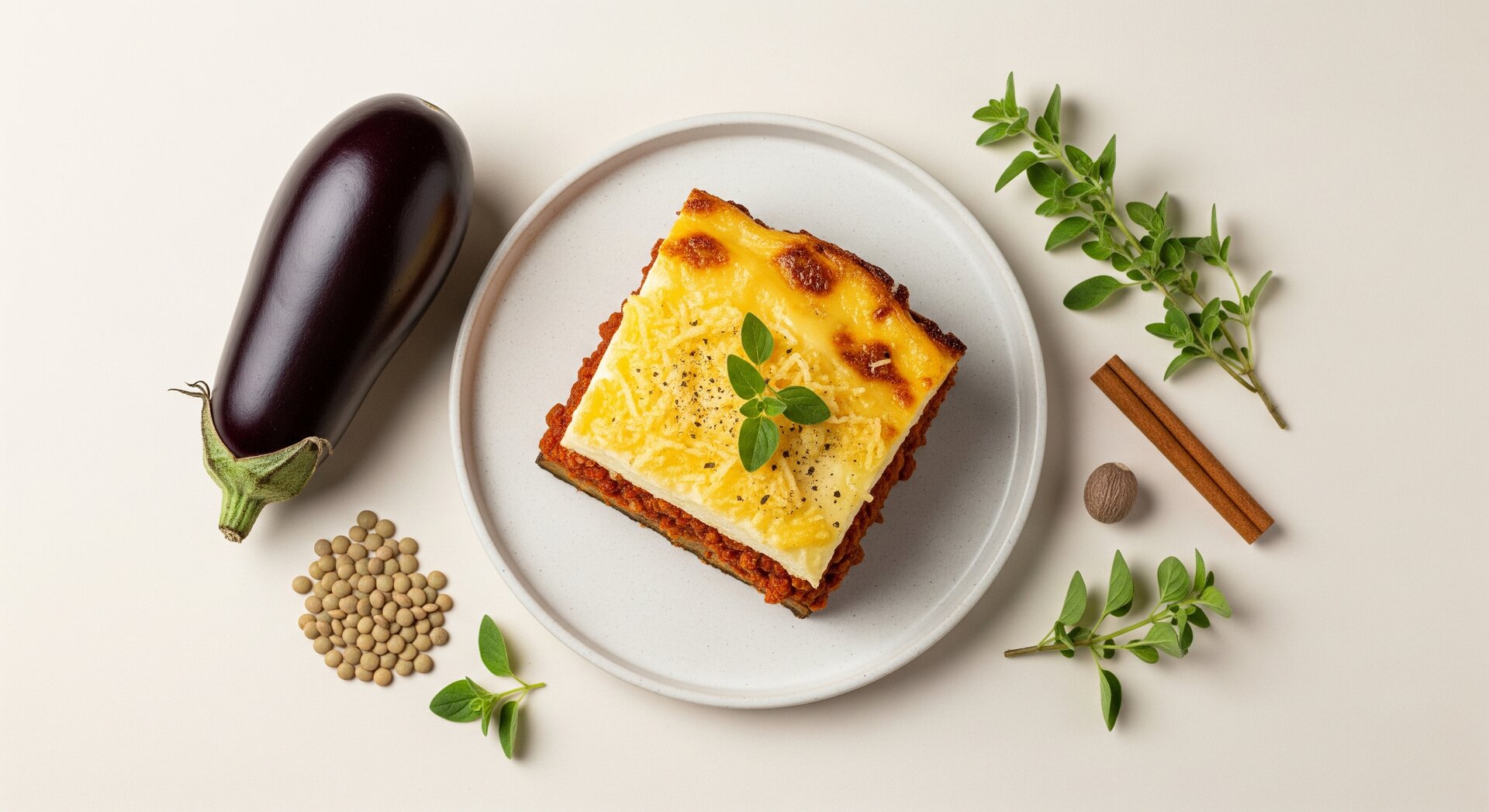 Greek-Cypriot Moussaka with Lentils 110 min Vegetarian moussaka with beluga lentils and cinnamon-tomato sauce 380 kcal 18g protein 2 synergies
  In the Kitchen
Storage
Location:Pantry
Shelf life:vers 1 week, gedroogd 1-3 jaar
Store dried oregano in an airtight jar in a dark, dry place. Wrap fresh oregano in a lightly damp cloth and keep it in the fridge.
Preparation
Dried oregano can be added early to tomato sauces, stews and baked dishes so its aroma spreads well. Add fresh oregano closer to the end. It is classic with pizza, pasta, grilled meat, grilled vegetables, Greek salad, feta and olive oil.
Substitutes
Smart preparation
1Dried oregano is more intense than fresh oregano; start with about half the amount.
2Rub dried oregano between your hands before adding it.
Why?
This breaks the leaves and releases the aroma faster into a sauce, dressing or marinade.
3Add dried oregano early to sauces; add fresh oregano closer to the end.
Caution / Warnings
Oregano is very safe, but there are scientific considerations:
Allergy to the Lamiaceae family Moderate
People allergic to basil, mint, lavender or thyme may also react to oregano.
Advice:
Avoid oregano with a known allergy to the Lamiaceae family.
Blood thinners Moderate
Dried oregano contains a high amount of vitamin K per 100 g; in normal culinary use, the portion is usually small.
Advice:
With blood thinners, use normal culinary amounts and avoid concentrated supplements without personal advice.
Traditional use
Mediterranean
Mountain herb of the Greeks
Oregano comes from the Greek 'oros ganos' (joy of the mountain). In Greek cooking, it has long been a staple herb for grilled meat, olive oil, lemon, feta, salads and tomato dishes.
Summary
Oregano gives dishes a deep Mediterranean flavor with warm, slightly bitter and peppery notes. Carvacrol and thymol largely shape oregano’s recognizable aroma, especially in dried form. Use it in tomato sauces, pizza, grilled vegetables, legumes and olive oil marinades. Dried oregano has a strong flavor, so a small amount is often enough.