- Easy
- 5 min
- 1 serv.
- 8 synergies
- Now at its best: Spinach
A creamy green smoothie with matcha, avocado and spinach. The mango and banana bring natural sweetness, the avocado makes everything velvety smooth, and the matcha adds a subtle earthy undertone.
That deep, forest-green color — that's the matcha blending with the spinach and avocado. You take a sip and first taste the sweetness of the mango, then the creaminess of the avocado, and only then that typical slightly bitter, grassy tone of the matcha. The pinch of sea salt pulls everything together, exactly how a good chef would. The frozen banana makes it thick and cold, almost like ice cream. No sugar bomb, no watery disappointment — just a smoothie that tastes like something you'd order at a juice bar for eight euros, but made at home in five minutes. Perfect for mornings, when you want something substantial that doesn't sit heavy.
- 5
- min prep
- 0
- min cook
- 5
- min total
Nutritional Synergies
This recipe combines ingredients that enhance each other:
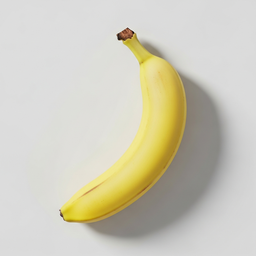 Banana
 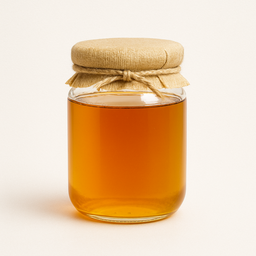 Honey
Honey Quick + slow sugars with potassium for sport and recovery
Technical: Banana contains 358mg potassium and 22g carbohydrates (mix of glucose, fructose, sucrose). Honey provides quick glucose + fructose plus prebiotic FOS. The combination offers immediate energy (honey) plus slower energy (banana starch) and electrolytes (potassium).
What does this mean for you? Banana with honey is an ideal pre- or post-workout snack. The potassium prevents muscle cramps, the sugars replenish glycogen.
EnergyMuscle GainDigestion
Banana 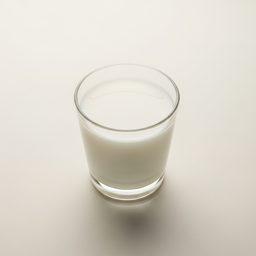 Coconut milk
 MCTs improve nutrient absorption, potassium + electrolytes
Technical: Banana contains 358mg potassium per 100g and quick carbohydrates. Coconut milk contains MCTs (medium-chain triglycerides) that go directly to the liver for energy and improve absorption of fat-soluble vitamins. The combination offers both immediate and sustained energy.
What does this mean for you? The perfect smoothie base: banana for creaminess and potassium, coconut milk for healthy fats and tropical flavor. Ideal as breakfast or post-workout.
EnergyMuscle GainDigestion
Coconut milk Honey MCTs + prebiotics for gut flora and energy
Technical: Coconut milk contains lauric acid (MCT) that is quickly converted to energy. Honey contains prebiotic oligosaccharides (FOS) feeding beneficial gut bacteria. The combination offers quick energy plus gut flora support.
What does this mean for you? Add honey to coconut milk-based smoothies, chia puddings or warm drinks. The MCTs provide quick energy while the prebiotics feed your gut flora.
EnergyDigestionImmune System
Coconut milk 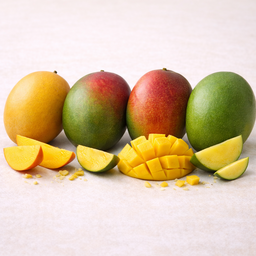 Mango
Mango Coconut fat increases beta-carotene absorption from mango
Technical: Mango is one of the richest sources of beta-carotene (provitamin A), which is fat-soluble. Coconut milk's MCTs (medium-chain triglycerides) are rapidly absorbed and form micelles that increase beta-carotene absorption up to 6x.
What does this mean for you? Mango with coconut milk (as in a smoothie or Thai dessert) is more than delicious — the coconut fat ensures you get up to 6x more vitamin A from the mango.
Skin & HairImmune SystemGeneral Wellness
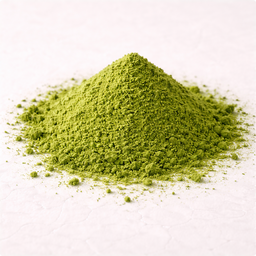 Matcha powder Honey
 Balanced energy without sugar crash
Technical: Matcha contains L-theanine (25-60mg per serving) that stimulates alpha brain waves — calm alertness without jitteriness. Honey provides quickly available glucose that directly fuels the brain. L-theanine tempers the caffeine effect (matcha contains ~70mg caffeine), while glucose ensures the brain functions optimally.
What does this mean for you? Drink matcha with a spoon of honey as morning ritual. The matcha gives calm focus, the honey provides direct brain energy — without the coffee crash.
EnergyFocus
Matcha powder Coconut milk Coconut fat dramatically increases EGCG absorption from matcha
Technical: Matcha's EGCG catechins are partially fat-soluble with low bioavailability (~5%). Coconut milk's MCTs form mixed micelles that significantly improve intestinal absorption of EGCG. Studies show up to 3x higher uptake with fats.
What does this mean for you? A matcha latte with coconut milk is more than a hipster drink — the coconut fat ensures you absorb up to 3x more of matcha's powerful antioxidants.
FocusAnti-inflammatoryWeight Loss
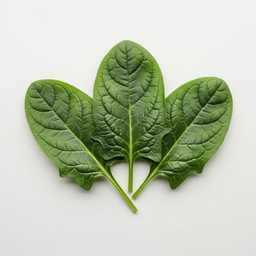 Spinach
 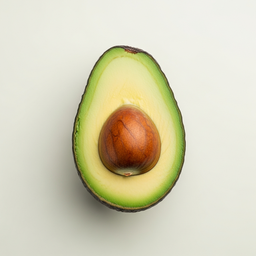 Avocado
 Fat source for better absorption of fat-soluble nutrients
Technical: Spinach contains 12.2mg lutein per 100g — highest of all vegetables. Avocado provides 15g monounsaturated fats per 100g that increase carotenoid bioavailability up to 15x (Molecular Nutrition & Food Research). Avocado's own lutein (0.27mg/100g) also contributes.
What does this mean for you? Spinach salad with avocado is an excellent combination for your eye pigments. Without fat you barely absorb lutein — with avocado up to 15x more. Lutein and zeaxanthin contribute to the maintenance of normal vision.
Skin & HairHeartFocus
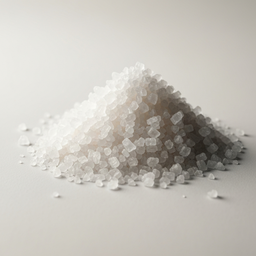 Sea salt Avocado
 Minerals improve flavor perception and electrolyte balance
Technical: Sea salt contains trace minerals (magnesium, potassium, calcium) besides sodium. Tomato is rich in potassium (237mg/100g) and lycopene. Avocado adds magnesium (29mg) and potassium (485mg). Together they form a broad electrolyte profile: sodium (salt) + potassium (tomato/avocado) + magnesium (avocado) — essential for fluid balance and nerve function.
What does this mean for you? Sprinkle tomato and avocado with a pinch of sea salt. This is more than flavor — the minerals complement each other for a complete electrolyte balance.
HeartEnergy
Instructions
- 1 Pour the coconut milk into the blender.
Nutrition per serving
Indicative values per serving.