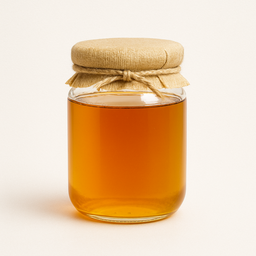
Honey
Floral natural sweetener made by bees
What is this ingredient?
Honey is a sweet, viscous liquid made by bees from flower nectar. Bees collect nectar, enrich it with enzymes and evaporate much of the water by creating airflow inside the hive. The result is a concentrated sweetener with its own aroma, color and texture depending on the flower source.
## Raw, cold-extracted and heated
Raw honey, often called cold-extracted honey, comes directly from the comb and is not heavily heated. This preserves more natural components such as glucose oxidase, pollen, propolis particles and volatile aroma compounds. Pasteurized or heavily filtered honey is usually clearer and stays liquid for longer, but often has less of this natural variation.
## Flavor and varieties
Acacia honey is usually light, soft and floral; linden honey can be fresh and herbal; buckwheat honey is dark, bold and malty. Manuka honey from New Zealand contains methylglyoxal (MGO), a compound often listed separately on quality labels. Darker honeys generally contain more polyphenols than lighter types, but honey remains first and foremost a concentrated source of sugars.
## Culinary use
Honey pairs well with yogurt, nuts, fruit, oatmeal, marinades, dressings and warm drinks. Add honey only once tea or milk is warm enough to drink, so the delicate floral aromas are better preserved. In baking, honey can partly replace sugar, but because it contains moisture and has strong sweetness, you often need to reduce other liquids slightly.
## Portion awareness
Even raw honey consists mainly of glucose and fructose. Use it as a flavoring in small amounts, not as an unlimited daily sweetener. Honey is not suitable for children under 12 months because of the known risk of Clostridium botulinum spores.
How does it taste?
Richly sweet with floral nuances; flavor ranges from mild and light to dark, malty and spicy.
Pairs well with:
Pairs well with goat cheesewalnutlemongingerthymeyogurt and oatmeal.
Sunnah
There emerges from their bellies a drink of varying colors, in which there is healing for people. (Surah An-Nahl, The Bee)
Quran #Quran 16:69
Varieties
Raw honey (cold-extracted)
Directly from the comb and not heavily heated. Contains natural enzymes, pollen, propolis particles and often has a cloudy or crystallized texture.
Manuka honey
Honey from New Zealand with methylglyoxal (MGO). The MGO value on the jar indicates how much of this characteristic compound is present.
Supermarket honey (pasteurized)
Usually heavily heated and filtered. This makes it clear and liquid for longer, but with less natural variation in pollen, enzymes and aroma.
Did you know...?
- Honey keeps for a very long time when stored dry and tightly sealed; edible honey has been found in ancient Egyptian tombs.
- Bees visit an average of about 2 million flowers to produce 450 grams of honey.
- The color and flavor of honey vary by flower type: acacia is light and mild, buckwheat is dark and bold.
Nutritional Value & Energy
Per 100ml
Honey provides energy thanks to natural nutrients .
Per 100g
Minerals
Vitamins
Omega-3 fatty acids
More nutrients
B-Vitamins
Trace Minerals
EU-approved nutrition claims
There are currently no EFSA-authorized health claims specific to honey.
What's being researched?
Honey in clinical wound care
Medical-grade honey, especially manuka honey, is studied in relation to wound care, moisture balance and microbial balance on the skin. Composition varies strongly by honey type and processing.
Supported by: [2] Jull (2015) , [1] Mandal (2011)
Polyphenols in honey
Polyphenols in honey are studied in relation to oxidative processes. Darker honeys generally contain more polyphenols than lighter varieties.
Supported by: [5] Tanzi (2002)
Good Combinations (Synergy)
Combine honey smartly to enhance the effect:
Honey 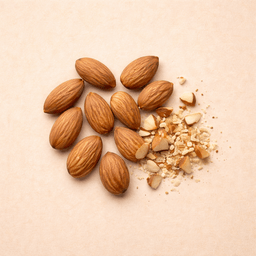 Almonds
 Vitamin E + flavonoids for enhanced antioxidant protection
Technical: Almonds are rich in alpha-tocopherol (vitamin E), a fat-soluble antioxidant. Honey's flavonoids (chrysin, pinocembrin) are water-soluble antioxidants. Together they provide protection in both lipid and aqueous compartments of cells.
What does this mean for you? Almonds with a bit of honey is not just a classic snack, but gives your cells double antioxidant protection — in fat and water.
Honey 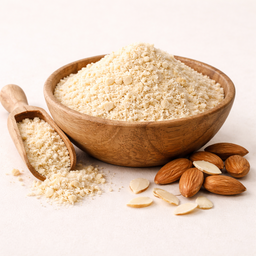 Almond Flour
 Vitamin E protects honey's antioxidants from oxidation
Technical: Almond flour contains 25mg vitamin E per 100g. Honey contains flavonoids and phenolic acids sensitive to oxidation. Vitamin E acts as an antioxidant protecting these compounds, especially during baking — the vitamin E preserves honey's bioactive compounds even after heating.
What does this mean for you? Use almond flour in your honey baked goods — the vitamin E from the almond protects honey's antioxidants during baking.
Honey 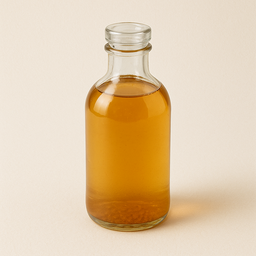 Apple Cider Vinegar
 Classic wellness drink: acetic acid + prebiotics + enzymes
Technical: Apple cider vinegar contains acetic acid that supports digestion. Honey contains prebiotic oligosaccharides and enzymes (amylase, invertase). The combination supports digestion and provides a broad spectrum of bioactive compounds.
What does this mean for you? Mix 1 tablespoon apple cider vinegar with 1 teaspoon raw honey in warm (not hot!) water. Drink 15-20 minutes before a meal. This is a traditional wellness drink found in many cultures.
Honey 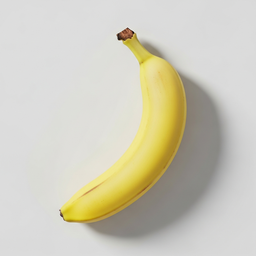 Banana
 Quick + slow sugars with potassium for sport and recovery
Technical: Banana contains 358mg potassium and 22g carbohydrates (mix of glucose, fructose, sucrose). Honey provides quick glucose + fructose plus prebiotic FOS. The combination offers immediate energy (honey) plus slower energy (banana starch) and electrolytes (potassium).
What does this mean for you? Banana with honey is an ideal pre- or post-workout snack. The potassium prevents muscle cramps, the sugars replenish glycogen.
Honey 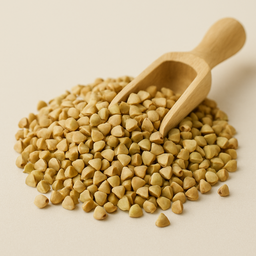 Buckwheat
 Rutin from buckwheat + antioxidants from honey for capillary support
Technical: Buckwheat is uniquely rich in rutin (36mg/100g), a flavonoid that reduces capillary fragility and improves venous insufficiency. Buckwheat honey has the highest antioxidant activity of all honey types (ORAC 3x higher than light honey). Together rutin + honey polyphenols offer synergistic vascular protection: rutin strengthens capillary walls while honey antioxidants protect endothelial cells from oxidative damage.
What does this mean for you? Buckwheat pancakes with (preferably buckwheat) honey is a traditional Russian combination with proven vascular protective action. Extra benefit: buckwheat is gluten-free despite its name.
Honey 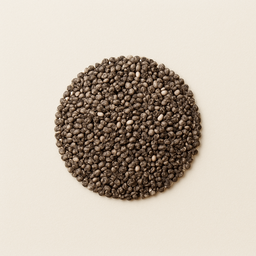 Chia Seeds
 Fiber + prebiotics for the microbiome and satiety
Technical: Chia seeds contain 34g fiber per 100g forming a gel in the gut promoting satiety. Honey contains prebiotic oligosaccharides (FOS) feeding beneficial gut bacteria. Together they support the microbiome.
What does this mean for you? Mix chia pudding with a spoonful of raw honey. The honey sweetens and feeds your good gut bacteria.
Honey 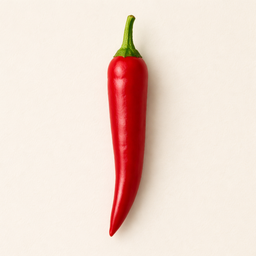 Chili Pepper (Fresh)
 Capsaicin + bee defensin: complementary bioactive action
Technical: Capsaicin has bioactive action against H. pylori and promotes mucus production in the GI tract. Raw honey contains hydrogen peroxide and bee defensin-1 — bioactive compounds working through broad-spectrum pathways. Capsaicin also stimulates mucosal blood flow, accelerating release of honey's bioactive compounds.
What does this mean for you? Honey-chili combination (hot honey) is tasty and functional. Honey soothes capsaicin's burn while both ingredients provide complementary bioactive compounds. Try on goat cheese or in tea.
Honey 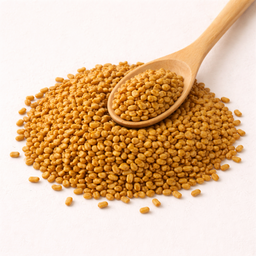 Fenugreek
 Galactomannan + honey enzymes: Ayurvedic combination
Technical: Fenugreek contains galactomannan fibers (50% of seed) that slow gastric emptying and meaningfully reduce glucose absorption. 4-Hydroxy-isoleucine stimulates insulin release from the pancreas. Honey provides quickly available energy (fructose GI 19) that compensates for the blood sugar dip from fenugreek's delayed absorption. Fenugreek also stimulates prolactin for breastfeeding.
What does this mean for you? Fenugreek in warm honey-milk is an Ayurvedic combination, studied in research in relation to glucose metabolism. Fenugreek is traditionally used by breastfeeding mothers.
Honey 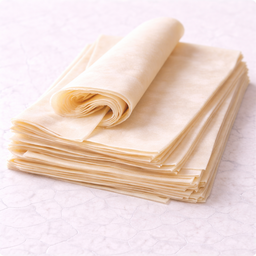 Filo Pastry
 Crispy pastry + enzymatic honey in classic baklava synergy
Technical: Filo dough contains thin layers of wheat flour (10g protein/100g) that undergo a Maillard reaction when baked. Raw honey contains diastase and invertase enzymes plus antioxidants (pinocembrin, chrysin). The enzymes in honey help digest the baked starch. Honey's fructose (38%) has a lower GI (19) than sucrose (65), moderating the glycemic impact of the dough.
What does this mean for you? Baklava (filo dough + nuts + honey) is healthier in moderate portions than you'd think. Choose raw honey for the most enzymes and use organic filo dough for fewer additives.
Honey 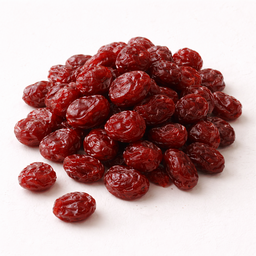 Dried cherries
 Cherry melatonin + honey tryptophan for nighttime rest
Technical: Dried cherries (especially tart cherries) contain natural melatonin. Honey's fructose stimulates insulin release, which transports tryptophan to the brain for serotonin/melatonin production. Two independent pathways to nighttime rest: direct melatonin from cherries + indirect via tryptophan transport by honey.
What does this mean for you? A handful of dried cherries with some honey as evening snack provides two natural sources supporting nighttime rest. The cherries supply direct melatonin, the honey facilitates tryptophan transport. Tasty, simple and nutritionally smart.
Honey 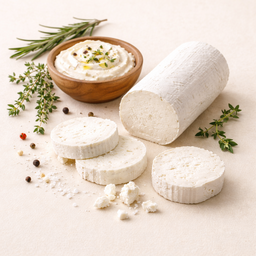 Goat Cheese (Chèvre)
 MCFAs from goat cheese + prebiotics from honey for quick energy and gut flora
Technical: Goat cheese contains 30-35% medium-chain fatty acids (MCFAs) that go directly to the liver and are quickly converted to energy, without being stored in fat tissue. Honey contains oligosaccharides and fructo-oligosaccharides (FOS) acting as prebiotics feeding beneficial gut bacteria. Together: quick energy within 30 minutes plus nourishment for your gut flora.
What does this mean for you? Spread goat cheese with honey on toast as breakfast or pre-workout snack. The cheese gives quick energy, the honey feeds your good gut bacteria.
Honey 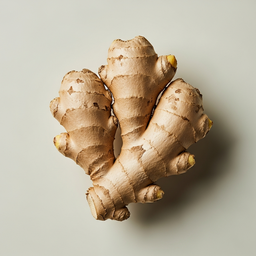 Ginger
 Classic combination: warming herbal drink with honey
Technical: Ginger's gingerol modulates COX-2 and has antiemetic action (suppresses nausea via 5-HT3 receptor blockade). Honey's glucose oxidase produces hydrogen peroxide with bioactive action, while honey physically coats and soothes the throat. Together: bioactive modulation + throat protection.
What does this mean for you? Ginger tea with honey is a classic, warming combination. The ginger provides gingerol, the honey a smooth, sweet layer.
Honey 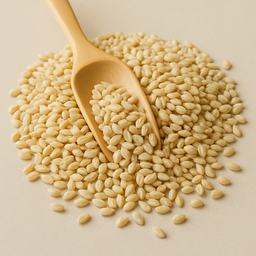 Barley
 Talbina variant: tryptophan + prebiotics for restful nights
Technical: Barley contains tryptophan (precursor of serotonin/melatonin) and beta-glucans. Raw honey contains prebiotic oligosaccharides that feed gut bacteria, which in turn influence tryptophan metabolism via the gut-brain axis. The combination calms and nourishes simultaneously.
What does this mean for you? Cook barley porridge and stir in raw honey (after cooking, so enzymes are preserved). This is a variant of the Prophetic recipe 'Talbina', traditionally recommended for grief and stress.
Honey 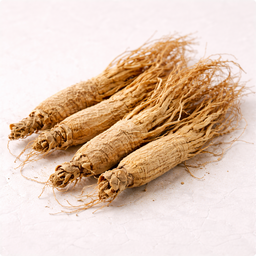 Ginseng
 Adaptogen + quick energy for endurance
Technical: Ginseng modulates neuroendocrine signaling and increases ATP production. Honey provides glucose and fructose for immediate energy. Together they enhance physical and mental performance.
What does this mean for you? Mix ginseng powder with honey as pre-workout or take before long workdays. Traditional Korean energy booster.
Honey 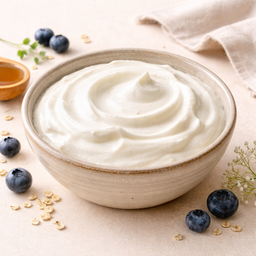 Greek Yogurt
 Prebiotic honey feeds probiotic bacteria in yogurt (synbiotic effect)
Synbiotics improve probiotic survival (PMID: 16633129)
Technical: Greek yogurt contains live probiotics (Lactobacillus, Streptococcus). Honey contains oligosaccharides and FOS acting as prebiotics. This 'synbiotic' — pre- and probiotics together — increases survival and colonization of probiotic bacteria in the gut by 10-100x. The prebiotic fibers give bacteria nutrition to multiply.
What does this mean for you? Add raw honey to your Greek yogurt. The honey doesn't just sweeten — it literally feeds the good bacteria from the yogurt so they survive in your gut.
Honey 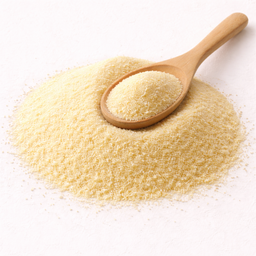 Semolina
 Gluten protein + enzymatic honey for digestion
Technical: Semolina contains gluten protein (11-13g protein/100g). Raw honey contains proteases and diastase enzymes that support protein digestion. Fructo-oligosaccharides in honey feed gut bacteria. Glucose oxidase in honey produces hydrogen peroxide with bioactive effects in the digestive tract.
What does this mean for you? Semolina porridge with honey is a traditional breakfast or dessert in many cultures — and that is no coincidence. The honey adds not only sweetness but also digestive enzymes. Use raw honey for maximum effect.
Honey 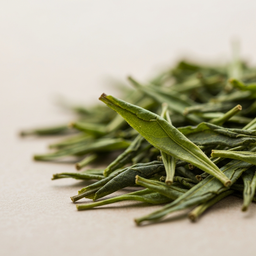 Green Tea
 Honey stabilizes catechins and extends antioxidant action
Technical: Green tea's EGCG (epigallocatechin gallate) is unstable at higher pH and degrades quickly. Honey's slightly acidic pH (3.2-4.5) and natural antioxidants stabilize the catechins, keeping them active longer in the stomach.
What does this mean for you? Add a spoon of honey to your green tea (let it cool to ~70°C first) — the honey protects the healthy compounds so you absorb more.
Honey 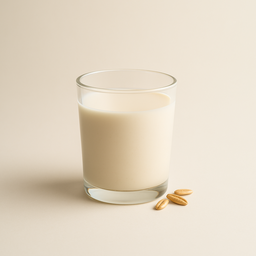 Oat Milk
 Beta-glucans + prebiotics for gut flora and lipid profile
Technical: Oat milk contains beta-glucans that work as prebiotics and bind bile acids in the gut. Honey contains FOS (fructo-oligosaccharides) feeding Bifidobacterium and Lactobacillus. Together they support the gut microbiome from two angles: prebiotic fiber + prebiotic sugars.
What does this mean for you? Oat milk with a spoon of honey is a double prebiotic combination. The beta-glucans from the oats and the FOS from the honey both feed your beneficial gut bacteria.
Honey 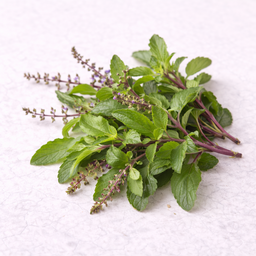 Holy basil
 Tulsi antioxidants + honey enzymes: aromatic combination
Technical: Holy basil contains camphene and eugenol. Raw honey coats the throat with a protective film and delivers glucose oxidase for local bioactive action. The combination provides aromatic plant compounds (tulsi) + energy (honey).
What does this mean for you? Brew tulsi tea and add a teaspoon of raw honey. This Indian combination tastes warm and aromatic.
Honey 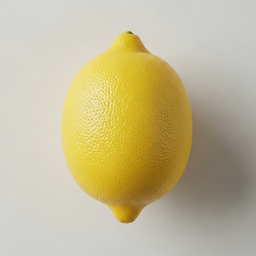 Lemon
Lemon Classic combination for sore throat and colds
Technical: Honey forms a physical protective layer on irritated mucous membranes (demulcent effect) and contains glucose oxidase producing hydrogen peroxide with bioactive action. Lemon provides vitamin C (53mg/100ml) that activates immune cells (neutrophils, lymphocytes). Together: local mucosal protection + systemic immune activation.
What does this mean for you? Drink warm water with honey and lemon for sore throat or cold. The honey protects your throat like a coating, the lemon activates your immune system.
Honey 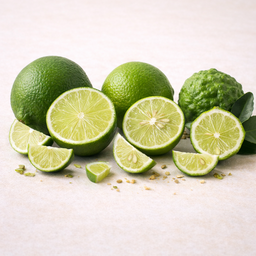 Lime
Lime Honey enzymes + vitamin C for dual immune support
Technical: Honey's glucose oxidase generates hydrogen peroxide with bioactive action. Lime's vitamin C (ascorbic acid) is a powerful antioxidant that directly supports immune cells. Together they provide both direct bioactive action and immune cell activation.
What does this mean for you? Honey-lime drink is a classic combination for good reason — it works through two different pathways for your immune support.
Honey  Olive Oil
 Dual bioactive action via chrysin + oleocanthal
Technical: Honey contains chrysin and olive oil oleocanthal — bioactive phenolic compounds studied in research in connection with NF-κB and COX signaling. Together they provide plant compounds through two independent routes.
What does this mean for you? A dressing of honey and olive oil is not just tasty — the chrysin and oleocanthal work through two different routes in your body.
Honey 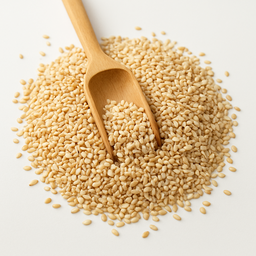 Sesame Seeds
 Honey antioxidants + sesame lignans for antioxidant support
Technical: Honey's water-soluble antioxidants (phenolic acids, flavonoids) and sesame seed's fat-soluble lignans (sesamin) provide antioxidant support in different compartments. Honey's fructose provides quick energy, sesame's fats and proteins give sustained satiety.
What does this mean for you? Sesame seeds with honey (as in Japanese dishes) combines quick energy with sustained satiety and broad antioxidant support.
Honey 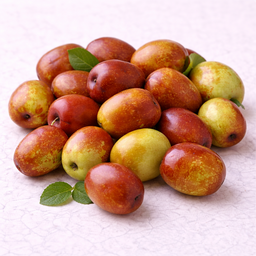 Jujubes
 GABAergic alkaloids + glucose for sleep and nocturnal glycemic balance
Technical: Jujubes contain sanjoinine and spinosin — isoquinoline alkaloids that inhibit GABA transaminase, increasing GABA concentration in CNS by 20-30%. Honey provides glucose (35g/100g) for tryptophan transport across blood-brain barrier plus prebiotic oligosaccharides (4-5%). Glucose from honey stabilizes blood sugar during sleep preventing nocturnal awakening from hypoglycemia. Honey's enzymes (glucose oxidase, diastase) are bioactive components.
What does this mean for you? Dissolve 2-3 jujubes in warm water with a teaspoon of honey as evening drink. The jujubes promote GABA for relaxation, the honey stabilizes your blood sugar all night. Traditional Chinese sleep recipe.
Honey 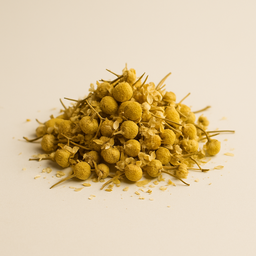 Chamomile Tea
 Apigenin + glucose enhances relaxing effect
Technical: Chamomile contains apigenin — a flavonoid that binds to GABA-A benzodiazepine receptors giving a calming/sedative-like effect. Honey contains glucose that increases tryptophan uptake in the brain (via insulin directing competing amino acids to muscles). More tryptophan → more serotonin → more melatonin.
What does this mean for you? Drink chamomile tea with honey before bed. The chamomile calms via GABA receptors, the honey helps tryptophan reach your brain — two sleep-promoting routes.
Honey 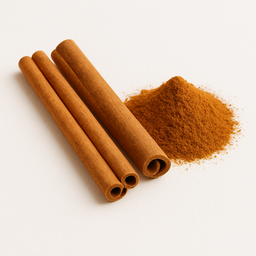 Cinnamon
 Traditional warm combination of cinnamon and honey
Technical: Cinnamon contains cinnamaldehyde and proanthocyanidins with bioactive action via cell wall disruption. Honey's glucose oxidase produces hydrogen peroxide with bioactive action, while honey's high viscosity forms a physical barrier. Two independent bioactive mechanisms that work more broadly together.
What does this mean for you? Cinnamon + honey in warm tea — a classic combination. Both have bioactive action via different pathways — broader together than alone.
Honey 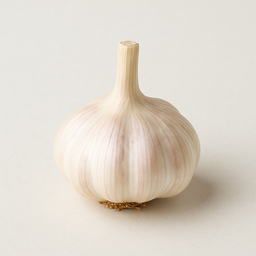 Garlic
 Fermented: allicin + bee defensin in traditional condiment
Technical: Raw garlic contains alliin converted by alliinase to allicin — an organosulfur compound with bioactive properties — when cut. Raw honey contains hydrogen peroxide, bee defensin-1 and methylglyoxal. Fermenting garlic in honey increases bioavailability of S-allylcysteine (SAC), a more stable bioactive metabolite.
What does this mean for you? Submerge raw garlic cloves in raw honey and ferment for 2-4 weeks. You get a traditional condiment with concentrated bioactive compounds — an ancient fermentation technique that increases bioavailability.
Honey 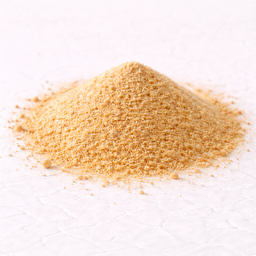 Garlic Powder
 Bioactive synergy of garlic and honey
Technical: Garlic's allicin + honey's hydrogen peroxide (from glucose oxidase) work synergistically as broad-spectrum bioactive compounds against diverse microorganisms.
What does this mean for you? Mix garlic powder with raw honey into a pungent, sweet paste. A traditional combination.
Honey 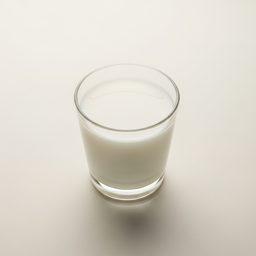 Coconut Milk
 MCTs + prebiotics for gut flora and energy
Technical: Coconut milk contains lauric acid (MCT) that is quickly converted to energy. Honey contains prebiotic oligosaccharides (FOS) feeding beneficial gut bacteria. The combination offers quick energy plus gut flora support.
What does this mean for you? Add honey to coconut milk-based smoothies, chia puddings or warm drinks. The MCTs provide quick energy while the prebiotics feed your gut flora.
Honey 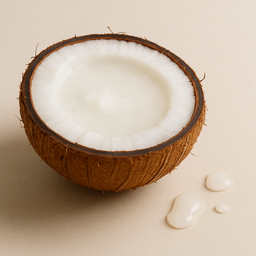 Coconut Oil
 MCTs protect honey enzymes — complementary bioactive compounds
Technical: Coconut oil contains lauric acid (48%), a medium-chain fatty acid (MCT). Honey contains glucose oxidase producing hydrogen peroxide. Together they provide complementary bioactive compounds. MCTs also help preserve fat-soluble compounds in honey.
What does this mean for you? Combine coconut oil with honey in energy balls, granola or as coating for snacks. The combination is both flavorful and functional.
Honey 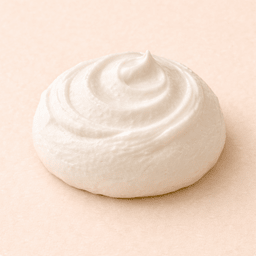 Labneh
 Synbiotic effect: probiotics + prebiotics support gut flora
Probiotics from yogurt + prebiotics from honey = synbiotic effect (PMID: 27865495)
Technical: Labneh contains concentrated probiotics (10⁸-10⁹ CFU/g) through the straining process. Honey provides prebiotic oligosaccharides feeding these bacteria. Together they form a synbiotic combination — probiotics are fed by prebiotic fibers, extending their survival in the gut.
What does this mean for you? Labneh with honey is a synbiotic dessert. The probiotics from labneh are fed by the prebiotics from honey — a Levantine tradition with scientific foundation.
Honey 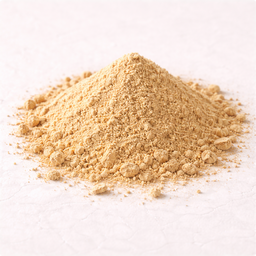 Maca Powder
 Adaptogens + theobromine for energy without stress
Technical: Maca contains macamides and macaenes — unique compounds supporting adrenal function and modulating the endocannabinoid system (adaptogenic effect). Cacao provides theobromine (mild stimulant without cortisol spike) and anandamide ('bliss molecule'). Honey adds quick glucose. Together: adaptogenic energy + gentle stimulation + mood.
What does this mean for you? Make a smoothie or latte with maca, cacao and honey. Energy without stress — the maca calms your adrenals while cacao gives gentle alertness.
Honey 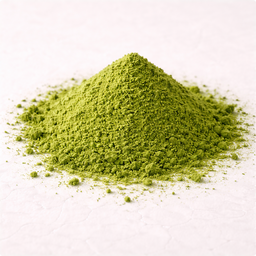 Matcha
 Balanced energy without sugar crash
Technical: Matcha contains L-theanine (25-60mg per serving) that stimulates alpha brain waves — calm alertness without jitteriness. Honey provides quickly available glucose that directly fuels the brain. L-theanine tempers the caffeine effect (matcha contains ~70mg caffeine), while glucose ensures the brain functions optimally.
What does this mean for you? Drink matcha with a spoon of honey as morning ritual. The matcha gives calm focus, the honey provides direct brain energy — without the coffee crash.
Honey 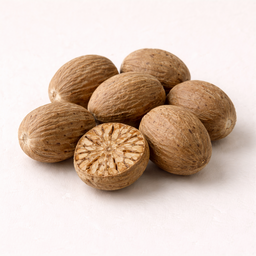 Nutmeg
 Myristicin + honey for sleep and relaxation
Technical: Nutmeg contains myristicin (4-12%) that after liver metabolism exhibits MAO-inhibiting properties, increasing serotonin and melatonin levels. Trimyristin in nutmeg induces sleep via GABA-A receptor modulation. Honey's tryptophan (amino acid) is the precursor of serotonin and melatonin. The combination stimulates melatonin production via two routes: MAO inhibition (nutmeg) + precursor delivery (honey). Traditional Indian sleep recipe.
What does this mean for you? A pinch of nutmeg in warm milk with honey is a proven sleep aid. Use just a small pinch — nutmeg is powerful and should be used in small quantities.
Honey 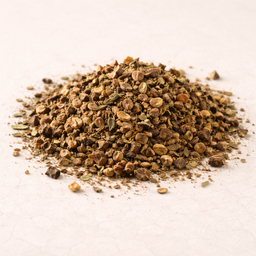 Dandelion Tea
 Diuretic dandelion + prebiotic honey for kidney support
Technical: Dandelion acts as a natural diuretic (nickname: 'pissenlit') by increasing kidney filtration without potassium loss — unique compared to pharmaceutical diuretics. Honey contains fructo-oligosaccharides (FOS) that are prebiotic and support gut flora. Honey's enzymes (glucose oxidase) also offer mild bioactive support.
What does this mean for you? Dandelion tea with honey is a traditional herbal drink for fluid retention. The dandelion supports kidney filtration, the honey feeds your gut.
Honey 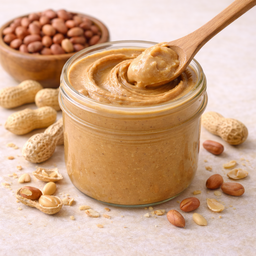 Peanut Butter
 Protein + fast carbohydrates for post-workout recovery
Technical: After training, glycogen stores are depleted. Honey provides fast sugars (glucose + fructose) that replenish glycogen and stimulate insulin. Insulin triggers amino acid transport to muscles via the mTOR pathway, making muscle protein synthesis 20-30% higher than with protein alone. Optimal ratio is 3-4:1 carbs:protein.
What does this mean for you? Eat 2 tablespoons peanut butter with 1 tablespoon honey within 30 minutes after training. The honey replenishes your energy stores, the insulin spike helps shuttle protein from the peanut butter to your muscles faster.
Honey 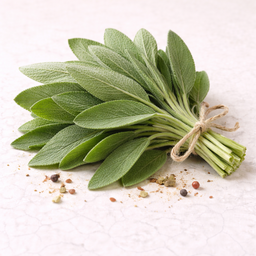 Sage
Sage Classic sage-honey tea with bioactive compounds
Technical: Sage contains thujone and carnosic acid — phenolic compounds with broad bioactivity against Gram-positive microorganisms (Streptococcus, Staphylococcus). Honey's glucose oxidase produces hydrogen peroxide, and honey's osmolality dehydrates microorganisms. Together they cover a broader bioactive spectrum than each ingredient alone.
What does this mean for you? Make sage-honey tea as a warm drink. The sage contains bioactive phenolic compounds, the honey a smooth, sweet layer — a traditional combination.
Honey 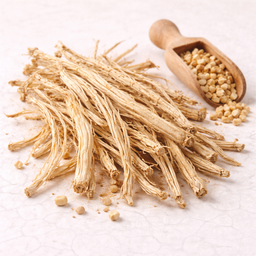 Shatavari
 Adaptogenic shatavari + honey as anupana (carrier) per Ayurveda
Technical: Shatavari (Asparagus racemosus) contains shatavaroside and racemosol — steroidal saponins that modulate estrogen receptors and stimulate prolactin. In Ayurveda, honey is used as 'anupana' (carrier) that increases bioavailability of herbal preparations. Honey's hygroscopic (moisture-attracting) properties help dissolve and transport shatavari's saponins. Studies show shatavari increases lactation milk by 30-50%.
What does this mean for you? Mix shatavari powder with raw honey and take it in the morning. The honey makes it easy to take and enhances absorption — an ancient Ayurvedic protocol.
Honey 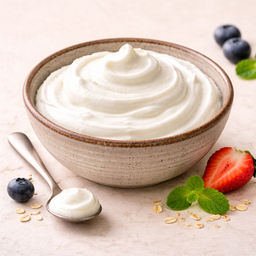 Skyr
Skyr Tri-phasic energy profile: fast + medium + slow for hours of energy
Technical: Skyr contains 10-11% casein protein that digests slowly (6-8 hours). Oatmeal provides beta-glucans (soluble fiber, 4g/100g, GI 55) that modulate glycemic response through delayed glucose absorption. Together they form a breakfast with sustained satiety: slow-digesting protein + slow carbs. Honey's prebiotic FOS feed the probiotics from skyr (synbiotic).
What does this mean for you? Oatmeal porridge with skyr and honey is a triple synbiotic breakfast bowl. The casein protein keeps you satiated for hours, the beta-glucans provide slow energy and the honey feeds the good bacteria from skyr.
Honey 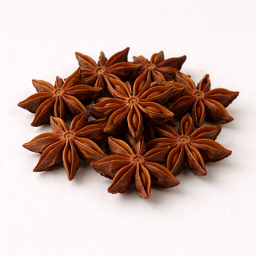 Star Anise
 Shikimic acid + bioactive honey: traditional herbal drink
Technical: Star anise is the primary source of shikimic acid. Shikimic acid is a plant compound with broad bioactivity. Honey contains glucose oxidase (bioactive) and physically coats the throat mucosa. Star anise-honey tea is a traditional Asian herbal drink.
What does this mean for you? Star anise-honey tea is a traditional Asian herbal drink. The star anise provides shikimic acid, the honey protects your throat and adds bioactive enzymes.
Honey 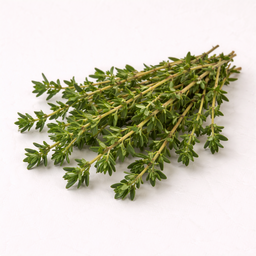 Thyme (Fresh)
 Traditional thyme-honey drink with thymol
Technical: Thyme contains thymol (20-54%) — a powerful antiseptic that disrupts cell walls of microorganisms and breaks down biofilms. Honey adds hydrogen peroxide production (via glucose oxidase) and coats throat mucosa as physical protective layer. Together: broad-spectrum bioactive action + a smooth, protective layer.
What does this mean for you? Make thyme-honey syrup as a warm drink. Steep fresh thyme in honey for a natural, herbal drink — used since antiquity.
Honey 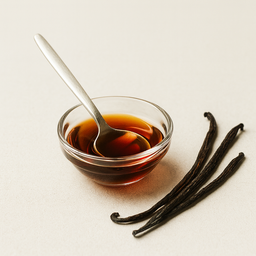 Vanilla Extract
 Vanillin antioxidant + honey enzymes for aroma and well-being
Technical: Vanilla extract contains vanillin (1-2%) — a powerful antioxidant 5x stronger than vitamin C in DPPH assay. Vanillin also has anxiolytic action via GABA-A receptor modulation and inhibits MAO-B (mood improvement). Honey's enzymes and prebiotic FOS enhance the well-being effect: gut bacteria produce 90% of serotonin. The combination is aromatic (vanillin + honey flavors) and therapeutic (antioxidant + prebiotic + anxiolytic).
What does this mean for you? Add a few drops of real vanilla extract to warm honey milk or tea. The vanilla calms your nervous system, the honey feeds your gut bacteria that produce serotonin — comfort food at a molecular level.
Honey 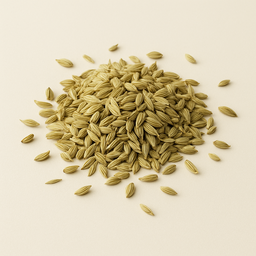 Fennel Seeds
 Anethole + honey enzymes: traditional drink
Technical: Fennel seed contains trans-anethole (60-80%) that reduces spasms in the digestive tract via calcium channel blockade and promotes bile flow. Honey coats the throat mucosa and contains glucose oxidase with bioactive action. Fennel seed-honey is a traditional Ayurvedic herbal drink.
What does this mean for you? Fennel seed-honey is a traditional Ayurvedic herbal drink. The fennel calms your digestive tract, the honey protects your throat — together a gentle combination.
Honey 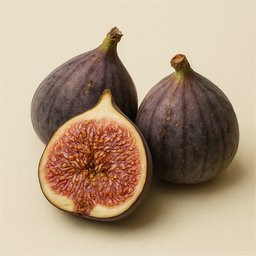 Figs
Figs Prebiotic FOS + enzymatic honey compounds for gut flora
Technical: Figs contain fructo-oligosaccharides (FOS, 3-5g/100g dried) selectively feeding Bifidobacterium and Lactobacillus. Studies show 40% increase in bifido population after 4 weeks fig consumption. Honey provides glucose oxidase producing H2O2, plus defensin-1 — bioactive peptides that influence the composition of the gut microbiome. FOS from figs stimulate growth of beneficial bacteria, while bioactive compounds from honey support microbiome balance.
What does this mean for you? Drizzle honey over fresh or dried figs as dessert or snack. This Middle Eastern combination is thousands of years old and offers powerful prebiotic action. The FOS in figs feed good gut bacteria, the bioactive compounds in honey support a healthy microbiome.
Honey 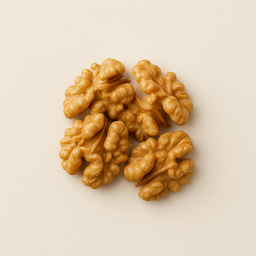 Walnuts
 ALA omega-3 + enzymatic honey: complementary bioactive pathways
Technical: Walnuts' ALA (omega-3) influences prostaglandin metabolism via complementary biochemical pathways. Honey's glucose oxidase produces hydrogen peroxide. Together they provide two complementary bioactive pathways: walnuts via the omega-3 → prostaglandin pathway, honey via enzymatic activity.
What does this mean for you? Walnuts with honey is a classic combination — the omega-3 fatty acids influence prostaglandin metabolism, honey provides enzymes such as glucose oxidase. Two complementary pathways in one snack.
Honey 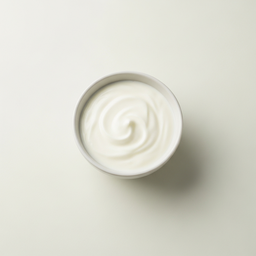 Yogurt
 Synbiotic duo: prebiotic honey feeds probiotics from yogurt
Technical: Yogurt contains live probiotics that support gut flora diversity. Raw honey contains prebiotic oligosaccharides serving as food for these probiotics, plus glucose oxidase producing hydrogen peroxide. This synbiotic effect — honey feeds beneficial bacteria — provides complementary action that neither ingredient offers alone.
What does this mean for you? Use raw (unheated) honey in your yogurt. The honey is more than a sweetener — it actively feeds the beneficial bacteria from the yogurt, forming a synbiotic combination.
Honey 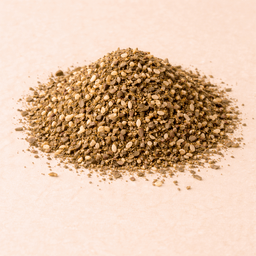 Za'atar
 Broad-spectrum bioactive action through complementary mechanisms
Thymol/carvacrol inhibit bacterial growth via membrane disruption (PMID: 31009261)
Technical: Thymol from zaatar perforates bacterial cell membranes via lipid disruption. Honey works osmotically bioactive (high sugar concentration) and produces hydrogen peroxide via glucose oxidase. Together they provide broad-spectrum bioactive protection, traditionally valued in food preservation.
What does this mean for you? Zaatar with honey (e.g., on yogurt) combines two powerful natural bioactive ingredients. Ideal for immune support and throat complaints.
Honey 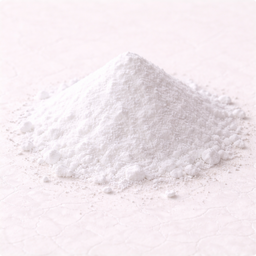 Baking Soda
 Alkalizing bicarbonate + bioactive honey for stomach
Technical: Baking soda (NaHCO3) neutralizes stomach acid (HCl + NaHCO3 -> NaCl + H2O + CO2) and temporarily raises stomach pH. Honey coats the esophagus and stomach wall with protective film and delivers glucose oxidase for local bioactive action. Together they offer: acid neutralization (baking soda) + mucosal protection (honey).
What does this mean for you? Mix half a teaspoon baking soda + a teaspoon honey in a glass of warm water. A traditional combination pairing acid neutralization with mucosal protection.
Honey 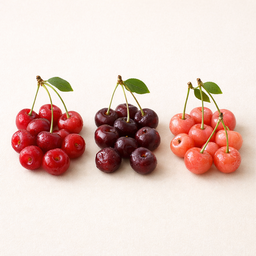 Tart cherries (Montmorency)
 Anthocyanins + glucose for bioactive support and sleep
Technical: Tart cherries contain 350-400mg anthocyanins per 100g (cyanidin-3-glucosylrutinoside) that interact with COX-1 and COX-2 enzymes. Honey provides glucose (35g/100g) for tryptophan transport across blood-brain barrier plus prebiotic oligosaccharides. Anthocyanins increase melatonin production by 40% through AANAT upregulation. Glucose from honey contributes to glycemic stability throughout the night.
What does this mean for you? Tart cherry compote with honey as evening dessert. The anthocyanins support muscle recovery after training, the honey contributes to nighttime rest. Cook 150g cherries with 2 tablespoons honey.
Honey 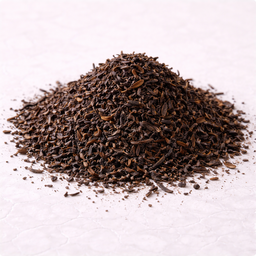 Black Tea
 Caffeine + honey enzymes for gradual energy release
Technical: Black tea contains caffeine (40-60mg per cup) and L-theanine (25mg) that together provide alertness without jitters. Honey provides fructose (38%) and glucose (31%) that release slower than sucrose (table sugar). L-theanine modulates caffeine's effect by stimulating α-brain waves (calm alertness). Honey's fructose is converted by the liver into glycogen that gradually releases glucose. The combination offers stable energy: caffeine + L-theanine + slow-release sugars.
What does this mean for you? Black tea with honey gives calmer energy than coffee with sugar. The L-theanine calms, the honey delivers gradual fuel — no spike-and-crash effect.
Honey 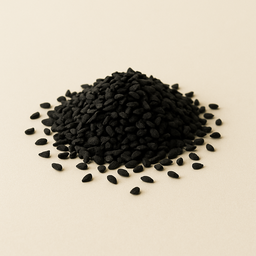 Black Seed
 Classic Prophetic combination with enhanced bioactive action
Technical: Black seed (nigella sativa) contains thymoquinone — a bioactive compound with immunomodulatory and antioxidant action, studied in relation to NF-κB signal transduction. Honey's glucose oxidase produces hydrogen peroxide (bioactive), and honey's flavonoids enhance thymoquinone's antioxidant action. Synergistic bioactive effect.
What does this mean for you? Mix black seed oil with raw honey as daily immune support. The two ingredients reinforce each other's bioactive and antioxidant effects.
Recipes with Honey
Discover delicious recipes featuring honey:
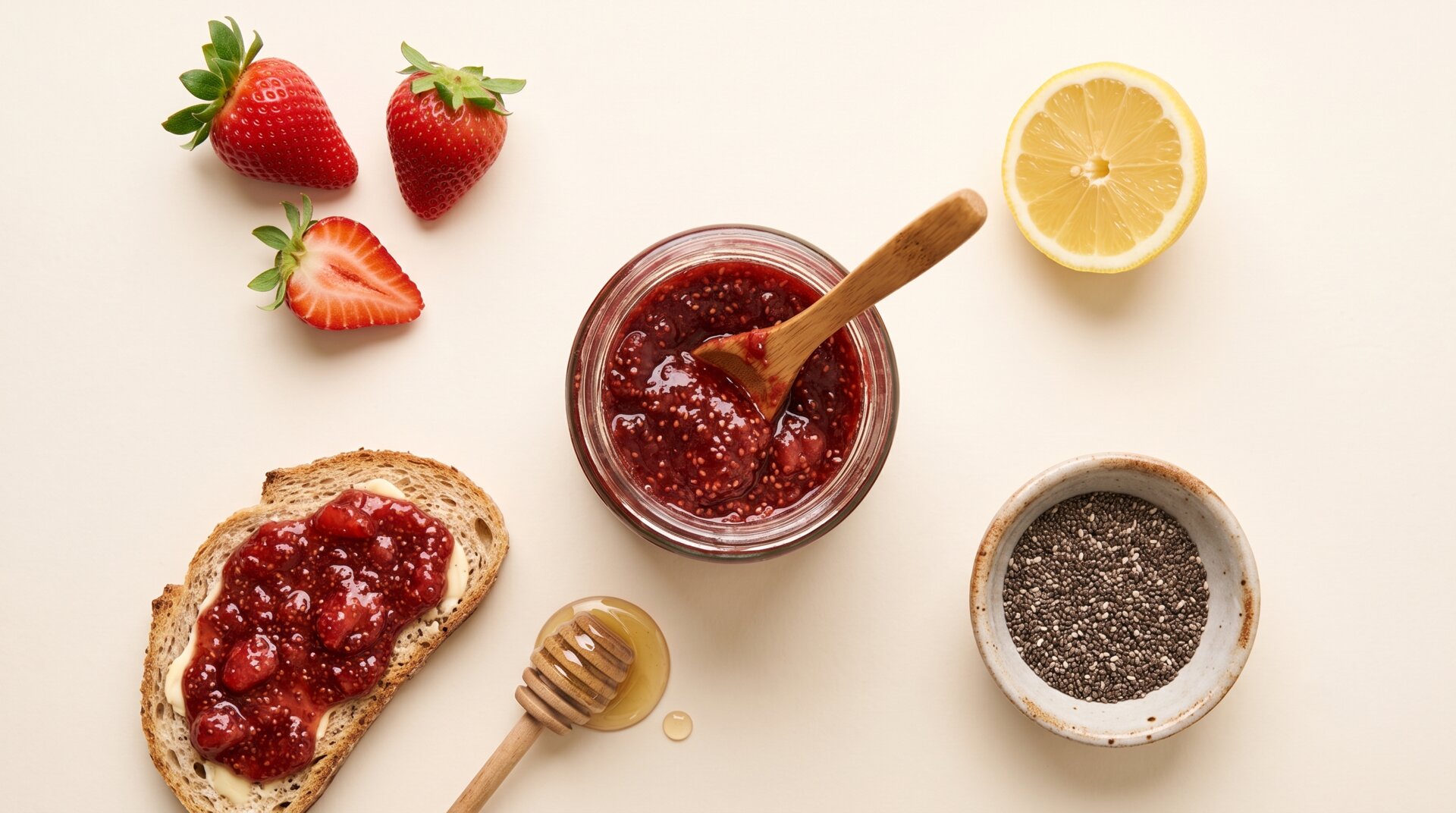 Strawberry chia jam 13 min Homemade jam from strawberries and chia seeds, sweetened only with honey
  34 kcal
  1g protein
 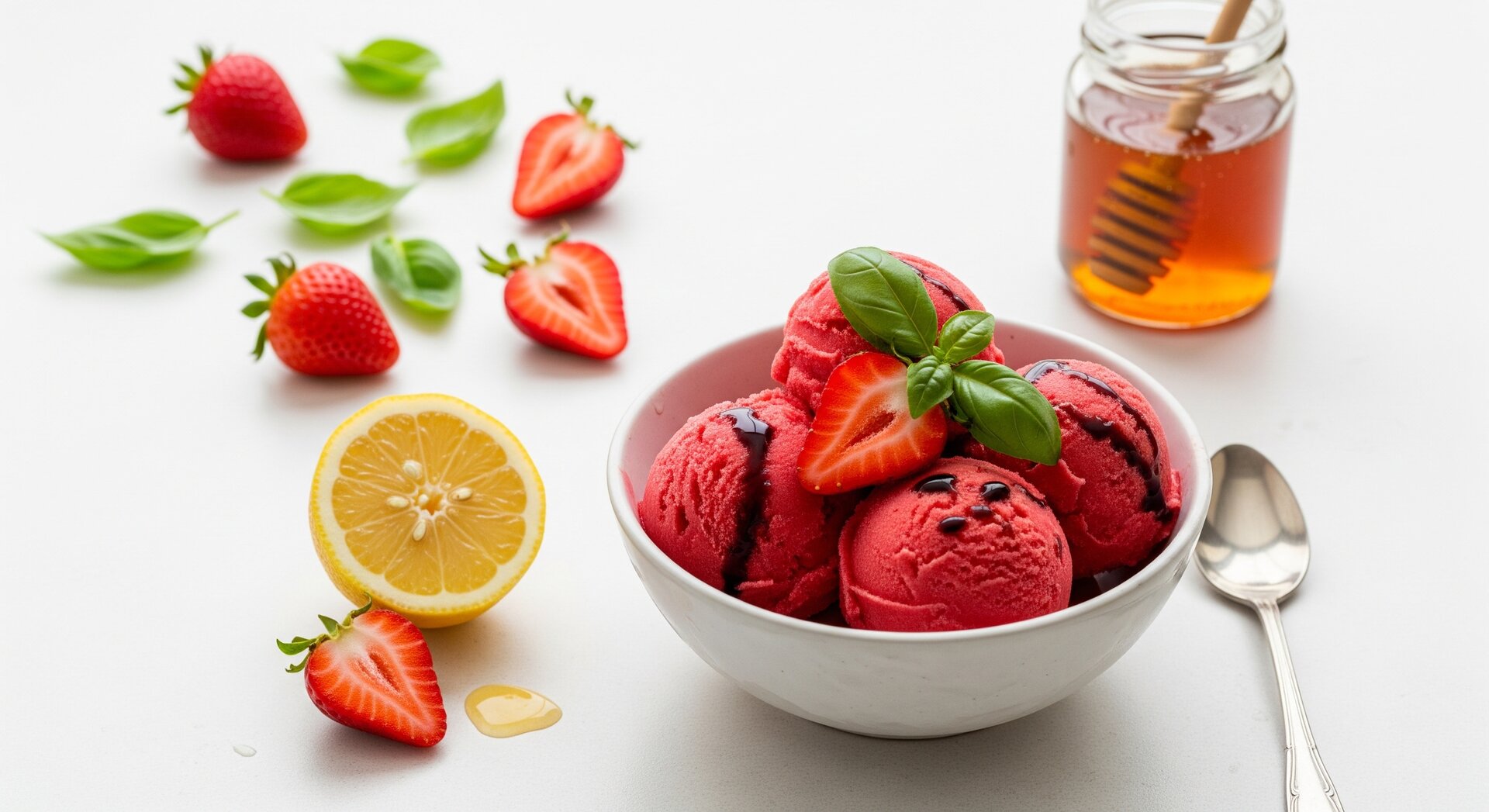 Strawberry-Basil Sorbet with Balsamic 255 min Refreshing sorbet with strawberries, basil and balsamic drizzle 76 kcal 1g protein 2 synergies
 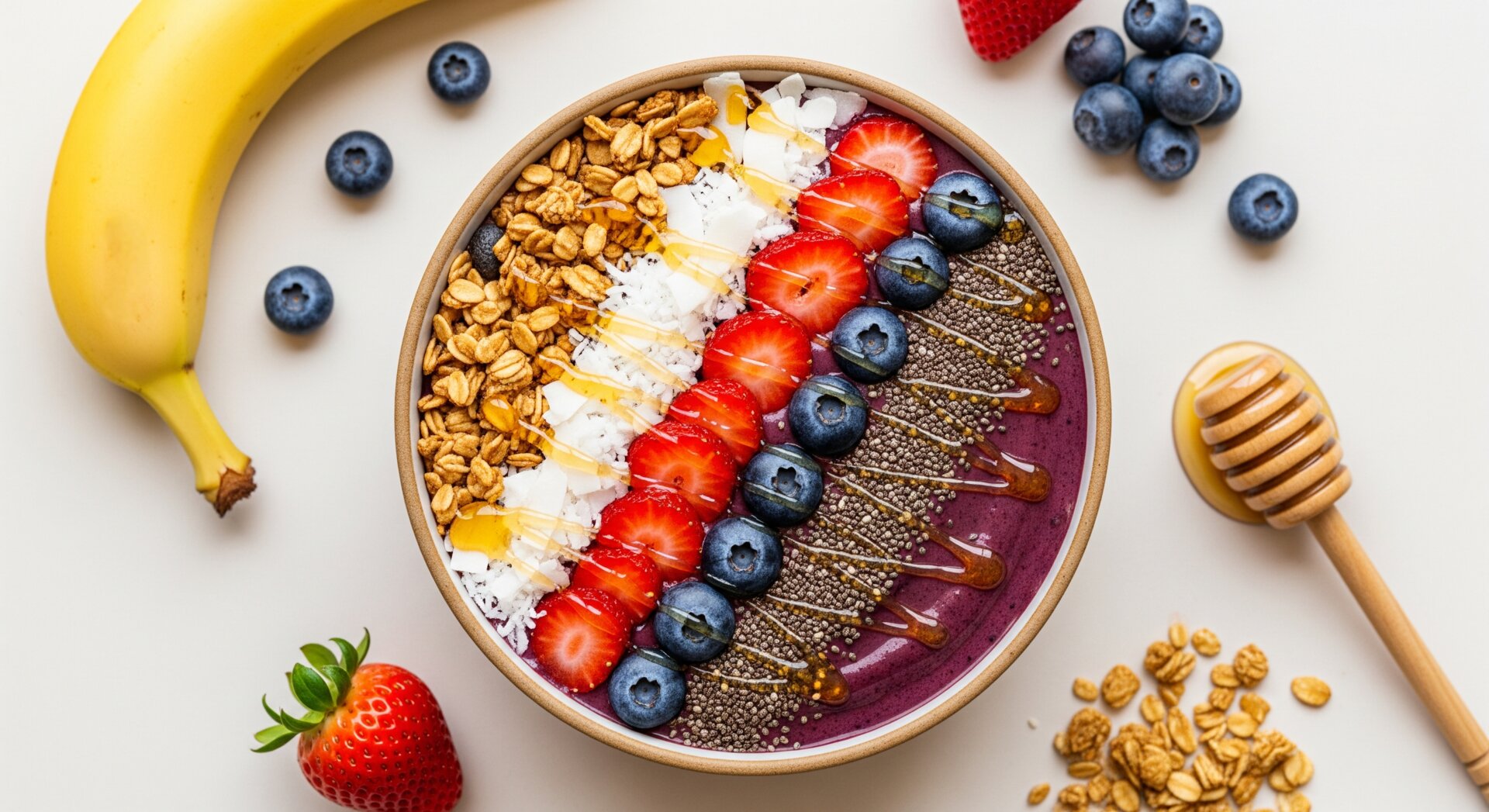 Acai Bowl with Banana, Berries and Oats 10 min Fresh berry bowl for fresh mornings 431 kcal 8g protein 2 synergies
 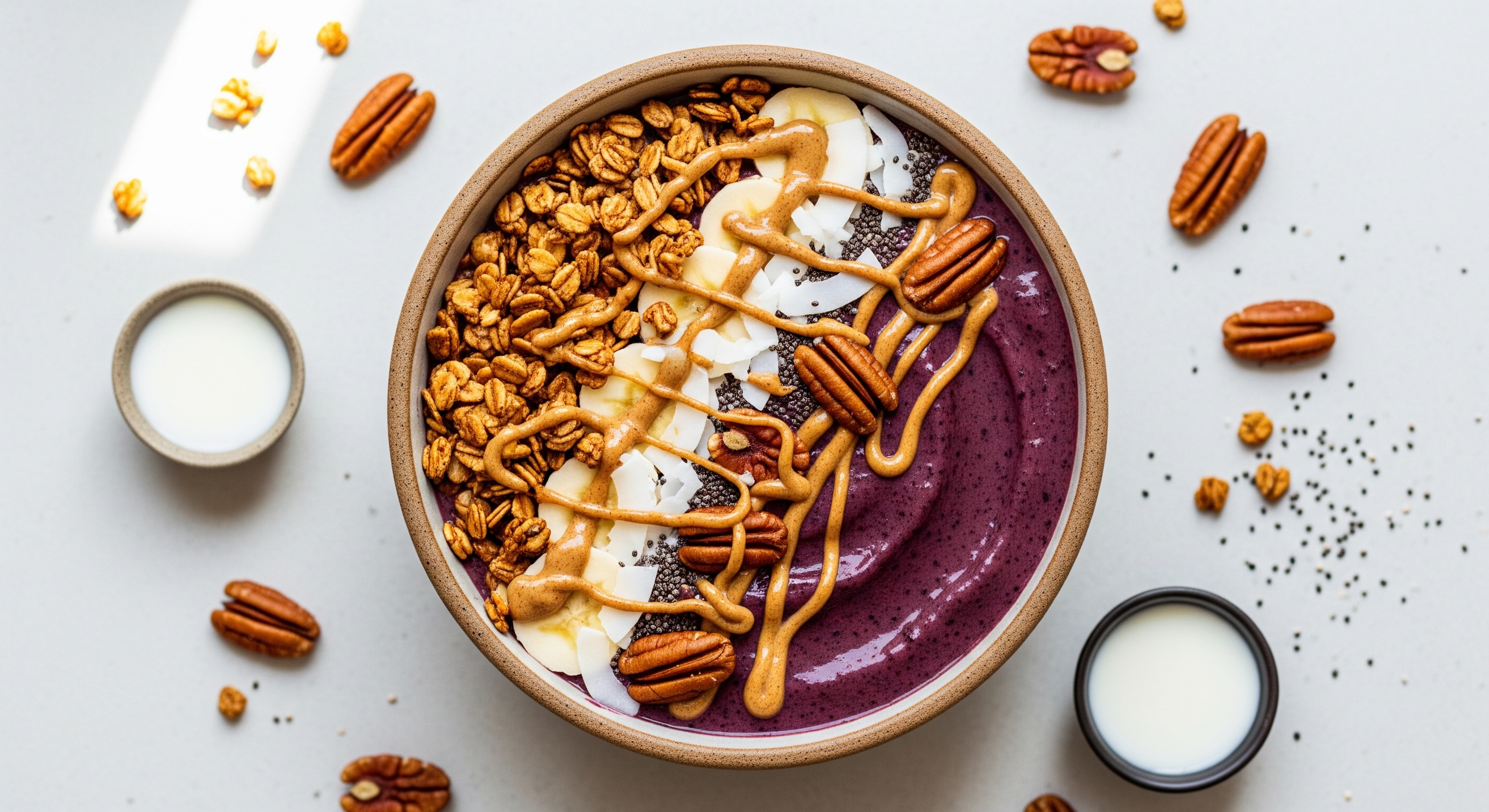 Açaí Bowl with Nuts, Granola & Coconut Base 10 min Colorful bowl with açaí, nuts and seeds on a creamy coconut-banana base 745 kcal 16g protein 2 synergies
 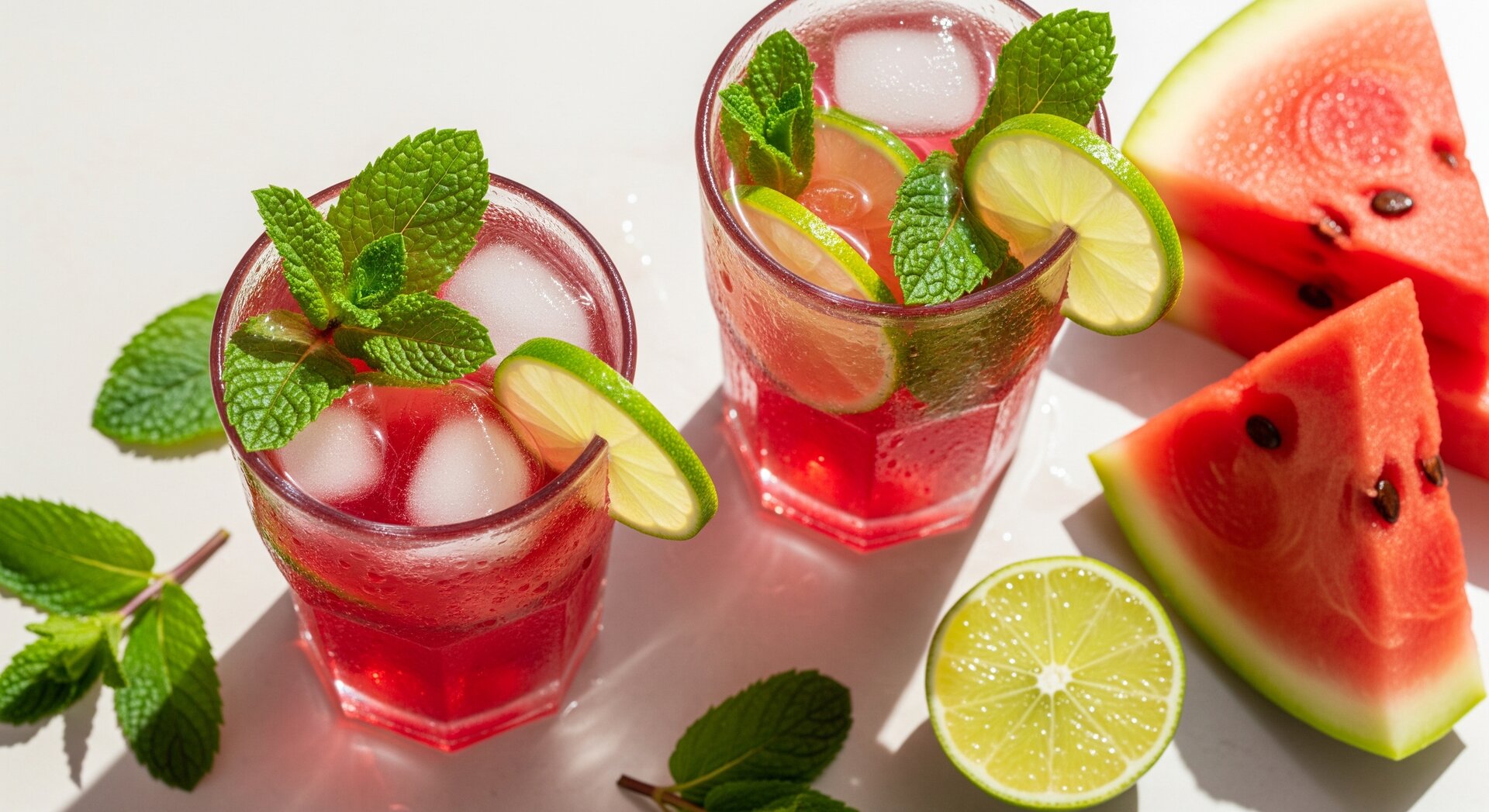 Watermelon Mint Agua Fresca 5 min Mexican refreshing fruit drink with watermelon and mint 110 kcal 2g protein 1 synergies
 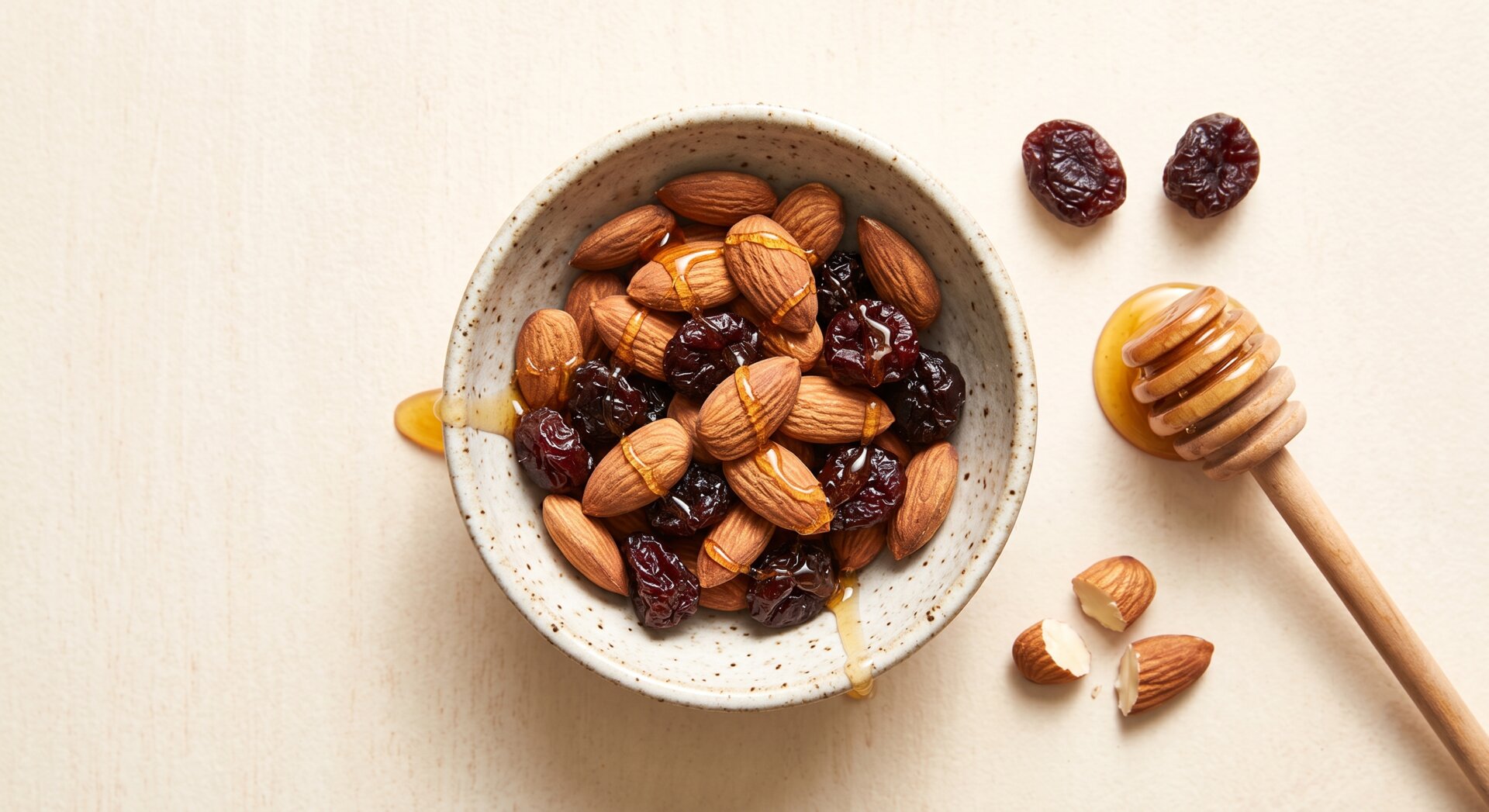 Almond Cherry Snack with Honey 2 min Sweet, nutty and ready in two minutes 215 kcal 6g protein 1 synergies
  In the Kitchen
Storage
Location:Pantry
Shelf life:Onbeperkt (kristallisatie is normaal)
Crystallization does not mean honey is spoiled. Gently warm the jar in a bain-marie below 45°C to make it liquid again. Store tightly closed and dry.
Preparation
Use honey raw in yogurt, dressings and tea that is already warm enough to drink. In baking, honey can partly replace sugar; reduce other liquids slightly and expect faster browning.
Conversions
Substitutes
Smart preparation
1Warm crystallized honey in a bain-marie below 45°C to make it liquid again.
Why?
Gentle heat preserves the floral aromas better than direct heat.
2Lightly grease a measuring spoon with oil before measuring.
Why?
The honey slides off more easily and measuring is more accurate.
3Use dark honey for baking and light honey for raw preparations.
Why?
Dark honey has more flavor depth; light honey keeps delicate dishes fresher tasting.
Caution / Warnings
Honey is very safe, but there are scientific considerations:
Infant botulism Severe
Raw honey can contain spores of Clostridium botulinum. In babies under 12 months, the gut flora is not yet developed enough to handle this safely.
Advice:
Do not give honey to children under 12 months. From 1 year onward, honey can normally be used as a food.
Diabetes Moderate
Honey is natural, but it consists mostly of sugars and counts toward total carbohydrate intake.
Advice:
Use small portions and include honey in meal planning. For personal carbohydrate targets, consult a doctor or dietitian.
Dental health Mild
Honey is sticky and sugar-rich. When it stays on the teeth for a long time, it can contribute to plaque formation.
Advice:
Rinse with water after use or brush your teeth later in the day as part of your normal routine.
Heat and aroma Severe
Above about 40-45°C, delicate enzymes and volatile aromas change more quickly. In boiling-hot drinks, mainly the sweetness remains.
Advice:
Add honey only once tea or milk is warm enough to drink, especially if you choose raw honey for its aroma and natural components.
Traditional use
Ayurveda
Honey in Ayurveda
In Ayurveda, honey has long been used as a sweetener and as a carrier (anupana) for herbal mixtures. Traditional practice emphasizes that honey should not be heavily heated.
Islamic tradition
Honey in Islamic tradition
Honey is mentioned in the Quran and therefore holds a special place in Islamic food culture, hospitality and classical writings about nourishment.
Other
Honey in ancient Egypt
The ancient Egyptians used honey as a sweetener, in ritual contexts and in embalming. Jars of honey have been found in tombs.
Summary
Honey is a floral, concentrated sweetener made by bees, with big flavor differences between acacia, linden, buckwheat and manuka. Choose raw honey if you want to retain more natural enzymes, pollen and aroma. Use small portions, add it only to drinkably warm tea, and never give honey to children under 12 months.