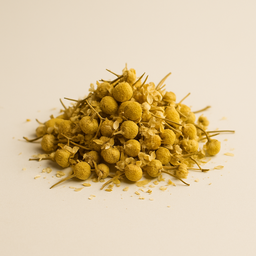
Chamomile Tea
Soft floral herbal tea for a calm evening moment
What is this ingredient?
Chamomile (Matricaria chamomilla) has been valued for thousands of years as an herbal tea, from ancient Egyptian rituals to Greek and Roman culinary traditions. The flower heads make a soft, floral infusion with honey-like and lightly apple-like notes.
A well-known plant compound in chamomile is apigenin, a flavonoid often discussed in nutrition research alongside other chamomile constituents such as bisabolol and chamazulene. In Tayb, chamomile is described mainly as a culinary and botanical infusion: a mild herbal tea for flavor, aroma and ritual use.
Note: people with an allergy to composite plants, such as ragweed, chrysanthemums or marigolds, may also be sensitive to chamomile.
How does it taste?
Softly floral with a honey-like sweetness and subtle apple note.
Pairs well with:
Pairs well with honeylemonlavendervanilla and pear.
Did you know...?
- The word chamomile comes from the Greek 'chamaimelon', literally meaning 'earth apple'.
- Chamomile is one of the oldest documented herbal plants and was already valued in ancient Egypt.
Nutritional Value & Energy
Per 100g
Chamomile Tea is low in calories thanks to natural nutrients .
Per 100g
Minerals
Vitamins
Omega-3 fatty acids
More nutrients
Trace Minerals
EU-approved nutrition claims
There are currently no EFSA-authorized health claims specific to chamomile tea. Various applications for herbs and spices have been submitted but have not yet been assessed (botanical 'on hold' list).
What's being researched?
Chamomile and evening-routine research
Apigenin in chamomile is discussed in nutrition and clinical research in relation to relaxation and reported sleep quality. Available studies mainly show modest and context-dependent findings.
Supported by: [2] Adib-Hajbaghery (2017)
Chamomile and herbal-tea use around meals
Chamomile is discussed in research within the broader use of herbal tea around meals. Traditional use is well documented; clinical support for specific applications remains limited.
Supported by: [2] Adib-Hajbaghery (2017) , [1] Srivastava (2010)
Good Combinations (Synergy)
Combine chamomile tea smartly to enhance the effect:
Chamomile Tea  Lemon
Lemon Apigenin + vitamin C for sleep and immune support
Technical: Chamomile contains apigenin that binds benzodiazepine receptors on GABA-A — calming without being addictive. Bisabolol in chamomile also has bioactive properties. Lemon's vitamin C (53mg) contributes to the normal function of the immune system (EFSA). Apigenin + vitamin C enhance immunomodulation: apigenin inhibits TNF-α, vitamin C stimulates neutrophils. The combination is ideal as an evening drink.
What does this mean for you? Chamomile tea with lemon before bed is scientifically supported for better sleep and nocturnal immune activity. The lemon adds vitamin C that your immune system uses overnight for repair.
Chamomile Tea 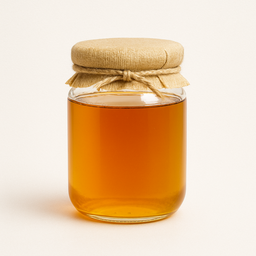 Honey
Honey Apigenin + glucose enhances relaxing effect
Technical: Chamomile contains apigenin — a flavonoid that binds to GABA-A benzodiazepine receptors giving a calming/sedative-like effect. Honey contains glucose that increases tryptophan uptake in the brain (via insulin directing competing amino acids to muscles). More tryptophan → more serotonin → more melatonin.
What does this mean for you? Drink chamomile tea with honey before bed. The chamomile calms via GABA receptors, the honey helps tryptophan reach your brain — two sleep-promoting routes.
Chamomile Tea Chamomile Tea Apigenin + glucose enhances relaxing effect
Technical: Chamomile contains apigenin — a flavonoid that binds to GABA-A benzodiazepine receptors giving a calming/sedative-like effect. Honey contains glucose that increases tryptophan uptake in the brain (via insulin directing competing amino acids to muscles). More tryptophan → more serotonin → more melatonin.
What does this mean for you? Drink chamomile tea with honey before bed. The chamomile calms via GABA receptors, the honey helps tryptophan reach your brain — two sleep-promoting routes.
Chamomile Tea Chamomile Tea Apigenin + glucose enhances relaxing effect
Technical: Chamomile contains apigenin — a flavonoid that binds to GABA-A benzodiazepine receptors giving a calming/sedative-like effect. Honey contains glucose that increases tryptophan uptake in the brain (via insulin directing competing amino acids to muscles). More tryptophan → more serotonin → more melatonin.
What does this mean for you? Drink chamomile tea with honey before bed. The chamomile calms via GABA receptors, the honey helps tryptophan reach your brain — two sleep-promoting routes.
Recipes with Chamomile Tea
Discover delicious recipes featuring chamomile tea:
 Chamomile Oatmeal 15 min Warm oatmeal cooked in chamomile tea with honey and almonds
  385 kcal
  11g protein 1 synergies
 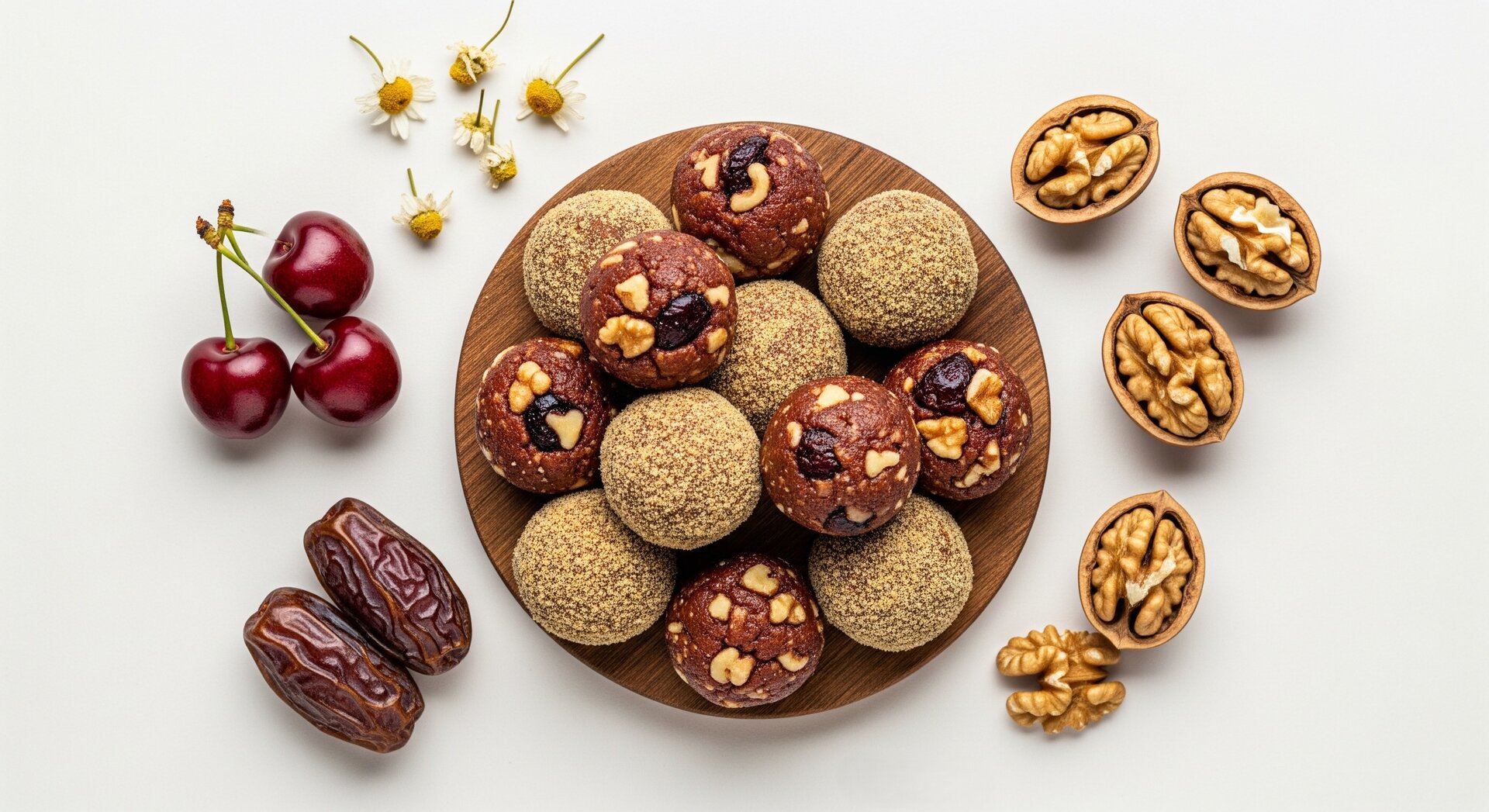 Cherry-Walnut Bites with Chamomile 10 min No-bake balls with cherries, walnuts, dates and chamomile tea 339 kcal 6g protein 1 synergies
  Creamy Passion Fruit Smoothie with Chamomile and Chia 10 min Floral, tropical and velvety 149 kcal 6g protein 2 synergies
  Warm Chamomile Honey Milk 10 min Gentle evening drink with chamomile tea, honey and a pinch of cinnamon 180 kcal 8g protein 1 synergies
  In the Kitchen
Storage
Location:Pantry
Shelf life:1-2 jaar droog en donker bewaard
Store in an airtight container away from light and moisture. Loose flowers often retain their soft aroma and flavor better than tea bags.
Preparation
Use 1–2 teaspoons of dried chamomile per cup. Pour over just-off-boiling water (about 90°C) and steep for 5–10 minutes with a lid.
Conversions
Substitutes
Smart preparation
1Steep chamomile for about 5 minutes for a gentle cup of tea; steep slightly longer if you want a fuller floral aroma.
Why?
Steeping too long can draw more bitter notes from the flowers.
2Use water at 90–95 degrees, not a rolling boil.
3Cover the cup while steeping to retain volatile oils and floral aromas.
Caution / Warnings
Chamomile Tea is very safe, but there are scientific considerations:
Composite plant allergy Moderate
Chamomile belongs to the composite plant family
Advice:
If allergic to ragweed, chrysanthemums or marigolds: avoid chamomile or test a small amount first
Blood thinners Moderate
Chamomile may enhance the effect of blood thinners
Advice:
When using warfarin or other blood thinners: consult a doctor
Traditional use
Mediterranean
Ancient Egyptian and Greek tradition
Chamomile was associated with the sun god Ra in ancient Egypt and later described by Greek and Roman authors. In European culinary traditions, chamomile remained best known as a fragrant herbal tea for quiet moments and after meals.
Summary
Use 1–2 teaspoons of dried chamomile per cup and steep for 5–10 minutes with a lid to preserve the floral aroma. Chamomile tea fits well into a calm evening moment. Not suitable for composite plant allergies.