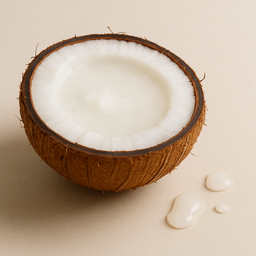
Coconut Oil
Tropical cooking fat with gentle coconut aroma and a high smoke point
What is this ingredient?
Coconut oil is extracted from the white flesh (copra) of the coconut (Cocos nucifera). At room temperature it is solid and white; above about 24°C it melts into a clear liquid. There are two main types: extra virgin coconut oil (VCO), cold-pressed from fresh flesh with a distinct coconut aroma and more natural aromatic compounds, and refined or deodorized coconut oil, which tastes more neutral, usually tolerates higher heat, and has a less pronounced coconut aroma.
How does it taste?
Softly sweet with a subtle tropical coconut aroma and creamy texture.
Pairs well with:
Pairs well with currybananachocolateginger and sweet potato.
Varieties
Extra Virgin (VCO)
Cold-pressed from fresh flesh. This oil clearly smells and tastes of coconut and contains more natural aromatic compounds than refined versions.
Refined (Deodorized)
Usually made from dried coconut and then filtered and deodorized. The taste is neutral, and the oil is useful when you do not want a pronounced coconut aroma.
Did you know...?
- Coconut oil solidifies below about 25°C and liquefies above it, so the same jar can look different from season to season.
- The Philippines and Indonesia are among the largest coconut oil producers and together supply a large share of global production.
Nutritional Value & Energy
Per 100ml
Coconut Oil provides energy thanks to natural nutrients .
Per 100g
Minerals
Vitamins
Omega-3 fatty acids
More nutrients
Trace Minerals
EU-approved nutrition claims
There are currently no EFSA-authorized health claims specific to coconut oil.
What's being researched?
Lauric acid in coconut oil
Lauric acid in coconut oil is studied in laboratory models. In-vitro studies describe activity against various microorganisms, but those results do not translate directly to everyday food use.
Supported by: [1] Ogbolu (2007) , [4] Shilling (2013)
MCTs in coconut oil and metabolism
Medium-chain triglycerides (MCTs) in coconut oil are studied in nutrition research. At the same time, coconut oil remains high in saturated fat, so amount and overall dietary context matter.
Supported by: [5] Eyres (2016)
Good Combinations (Synergy)
Combine coconut oil smartly to enhance the effect:
Coconut Oil 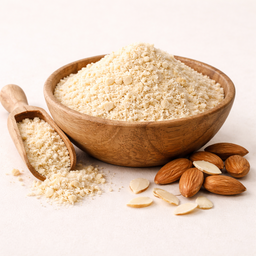 Almond Flour
 Almond protein + coconut MCTs for sustained energy and satiety
Technical: Almond flour provides plant protein and vitamin E, while coconut oil's MCTs (medium-chain triglycerides) are quickly converted to ketones for immediate energy. The combination of slow protein + fast MCT energy provides both immediate and sustained fuel.
What does this mean for you? Almond flour with coconut oil in cookies or pancakes provides more stable energy than regular flour with butter.
Coconut Oil 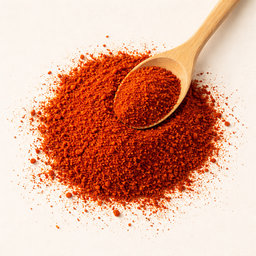 Chili Powder
 Capsaicin absorption increased by fats
Technical: Capsaicin in chili powder is fat-soluble. Fats (olive oil, coconut oil) increase bioavailability 2-3x by dissolving capsaicin in lipid micelles. Additionally, fats reduce direct capsaicin irritation on the stomach lining by forming a protective fat layer.
What does this mean for you? Fry chili powder in oil before adding other ingredients. The fat makes the chili milder for your stomach but more powerful for your metabolism.
Coconut Oil 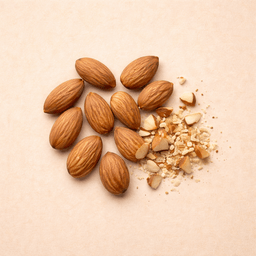 Almonds
 MCTs improve vitamin E absorption from almonds
Technical: Almonds contain 25mg vitamin E per 100g (167% RDI). Vitamin E is fat-soluble and better absorbed with MCTs that quickly pass the gut wall. Coconut oil contains 60% MCTs serving as transport.
What does this mean for you? Coat almonds with coconut oil and lightly roast for a crunchy snack with improved vitamin E absorption.
Coconut Oil 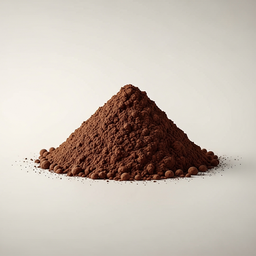 Raw cacao
 MCTs increase flavonoid absorption from cacao
Fats increase bioavailability of cocoa flavanols (PMID: 19628108)
Technical: Cacao contains flavanols (epicatechin, catechin) that are fat-soluble. Coconut oil contains 60% MCTs (Medium Chain Triglycerides) that are quickly absorbed and increase the absorption of polyphenols from cacao. MCTs go directly to the liver and are converted to ketones, while flavanols remain available.
What does this mean for you? Add a teaspoon of coconut oil to your hot cocoa or use it in chocolate recipes. This increases not only the creamy texture but also the bioavailability of cacao flavonoids.
Coconut Oil 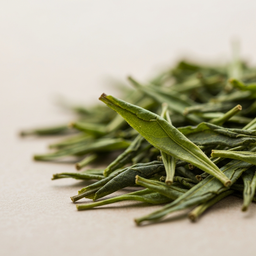 Green Tea
 Ketones + catechins: two complementary energy sources
Technical: MCTs from coconut oil are quickly converted to ketones (alternative cellular fuel). Green tea contains L-theanine and EGCG (catechin). The combination provides: glucose-independent cellular energy via ketones + L-theanine stimulating alpha brain waves + EGCG as polyphenol antioxidant.
What does this mean for you? Add a teaspoon of coconut oil to your green tea (blend for emulsion) or drink them together. The MCTs provide a quick energy source while L-theanine provides calm alertness.
Coconut Oil 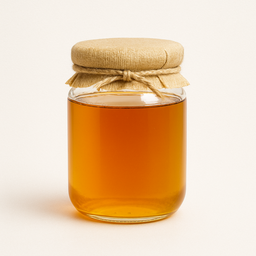 Honey
Honey MCTs protect honey enzymes — complementary bioactive compounds
Technical: Coconut oil contains lauric acid (48%), a medium-chain fatty acid (MCT). Honey contains glucose oxidase producing hydrogen peroxide. Together they provide complementary bioactive compounds. MCTs also help preserve fat-soluble compounds in honey.
What does this mean for you? Combine coconut oil with honey in energy balls, granola or as coating for snacks. The combination is both flavorful and functional.
Coconut Oil 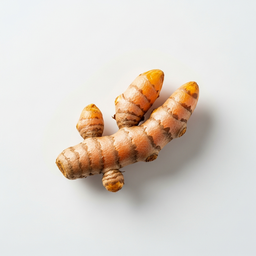 Turmeric
 Improves absorption because curcumin is fat-soluble
Technical: Curcumin is fat-soluble and must be bound to fat to pass through the intestinal wall — without fat, bioavailability is only ~1%. Coconut oil contains 60% MCTs (medium-chain triglycerides) that are absorbed very quickly and effectively carry curcumin through the gut wall. The lauric acid component (48%) works via a complementary biochemical pathway.
What does this mean for you? Add a teaspoon of coconut oil to your turmeric milk, curry or smoothie. Coconut oil is one of the best 'carriers' for curcumin thanks to rapid MCT absorption. Don't forget black pepper for an extra 2000% absorption boost.
Coconut Oil 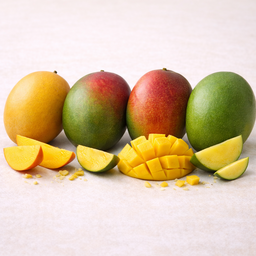 Mango
Mango Coconut fat improves beta-carotene absorption from mango by 3-6x
Fat-soluble carotenoids require fat for absorption (PMID: 15927929)
Technical: Mango contains 640ug beta-carotene per 100g plus other carotenoids — fat-soluble compounds. Coconut oil (MCT, 50% lauric acid) forms mixed micelles increasing intestinal absorption of carotenoids by 300-600%. Desiccated coconut provides the same fats in a fiber-rich matrix. Minimum 3-5g fat is needed for effective absorption.
What does this mean for you? Serve mango with desiccated coconut or a splash of coconut oil in a smoothie. The tropical combination is not just delicious but also functional: the coconut fat ensures you actually absorb the beta-carotene from the mango. Perfect in smoothie bowls, curries or as dessert.
Coconut Oil 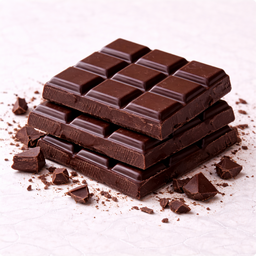 Dark Chocolate (>70%)
 MCTs increase flavanol absorption from dark chocolate
Technical: Dark chocolate contains flavanols (epicatechin, catechin) and theobromine. Coconut oil's MCTs are quickly absorbed and improve absorption of these fat-soluble polyphenols. The combination also gives a smooth texture.
What does this mean for you? Melt dark chocolate with coconut oil for chocolate coating, truffles or energy bites. The bioactive compounds of the chocolate are optimally utilized.
Recipes with Coconut Oil
Discover delicious recipes featuring coconut oil:
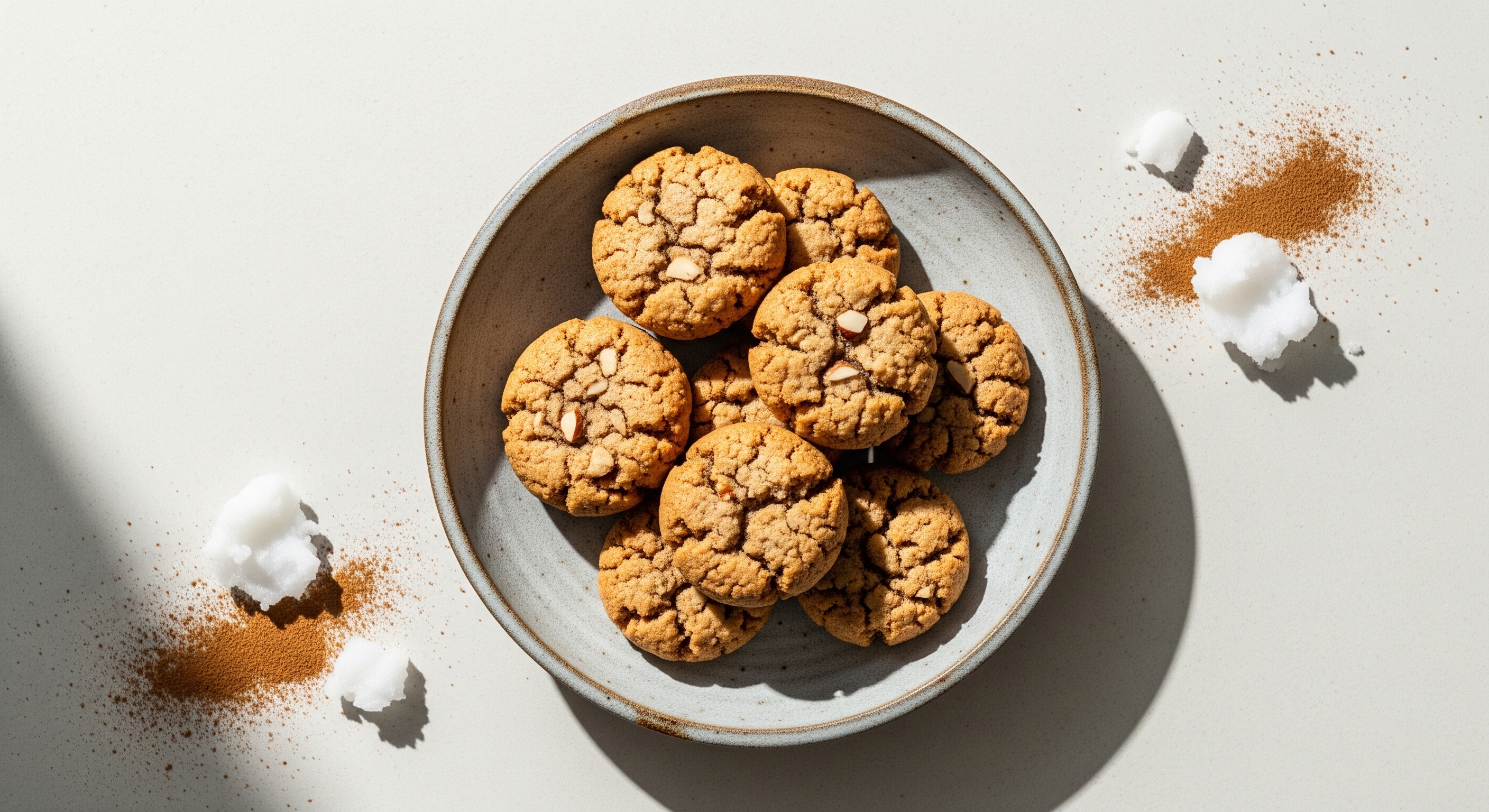 Almond Cinnamon Cookies (Keto) 22 min Crispy cookies with almond flour and warm cinnamon, ready in 20 minutes
  120 kcal
  4g protein 1 synergies
 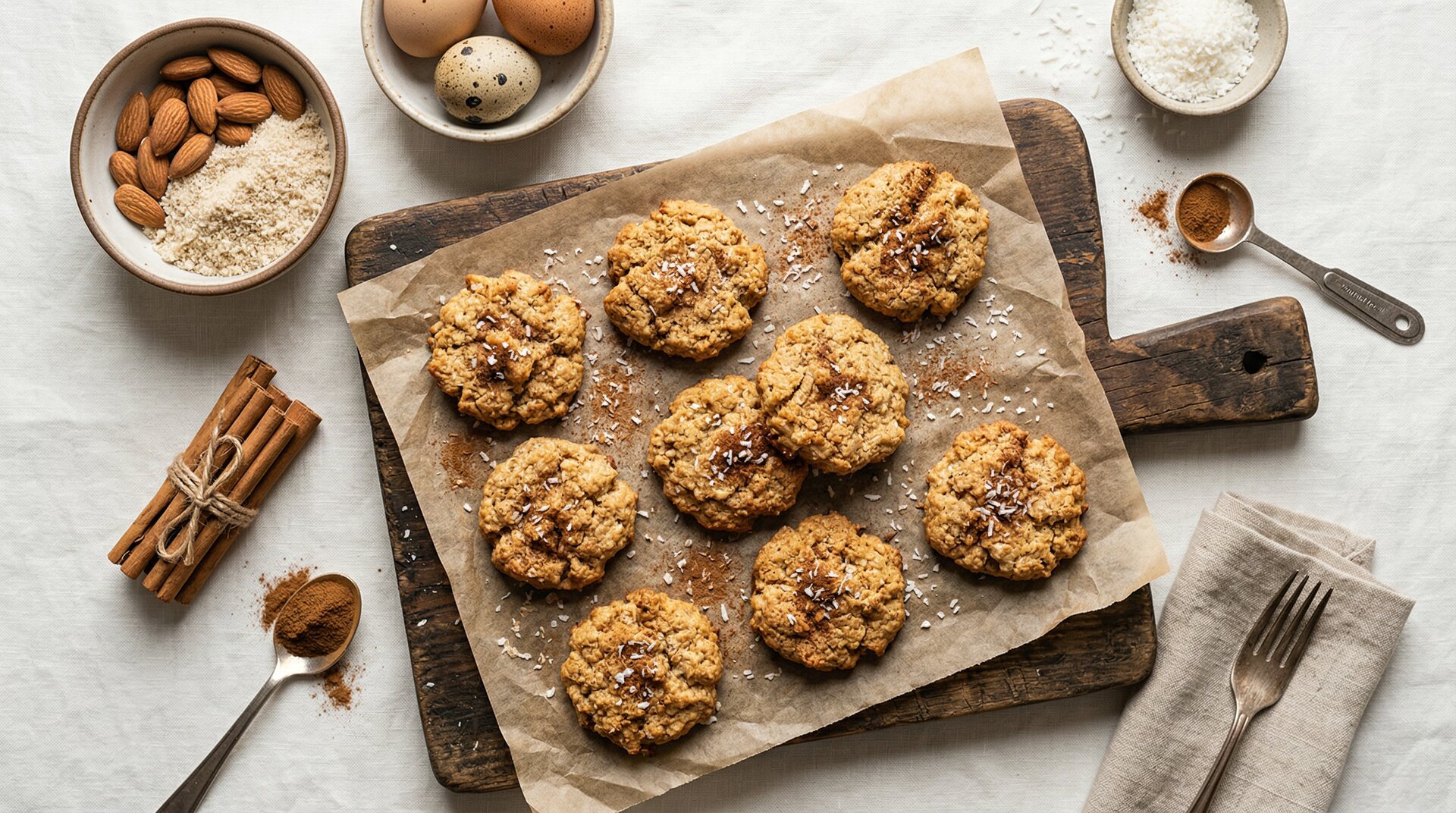 Almond Cinnamon Cookies with Coconut 22 min Crisp at the edges, soft inside 165 kcal 5g protein 2 synergies
 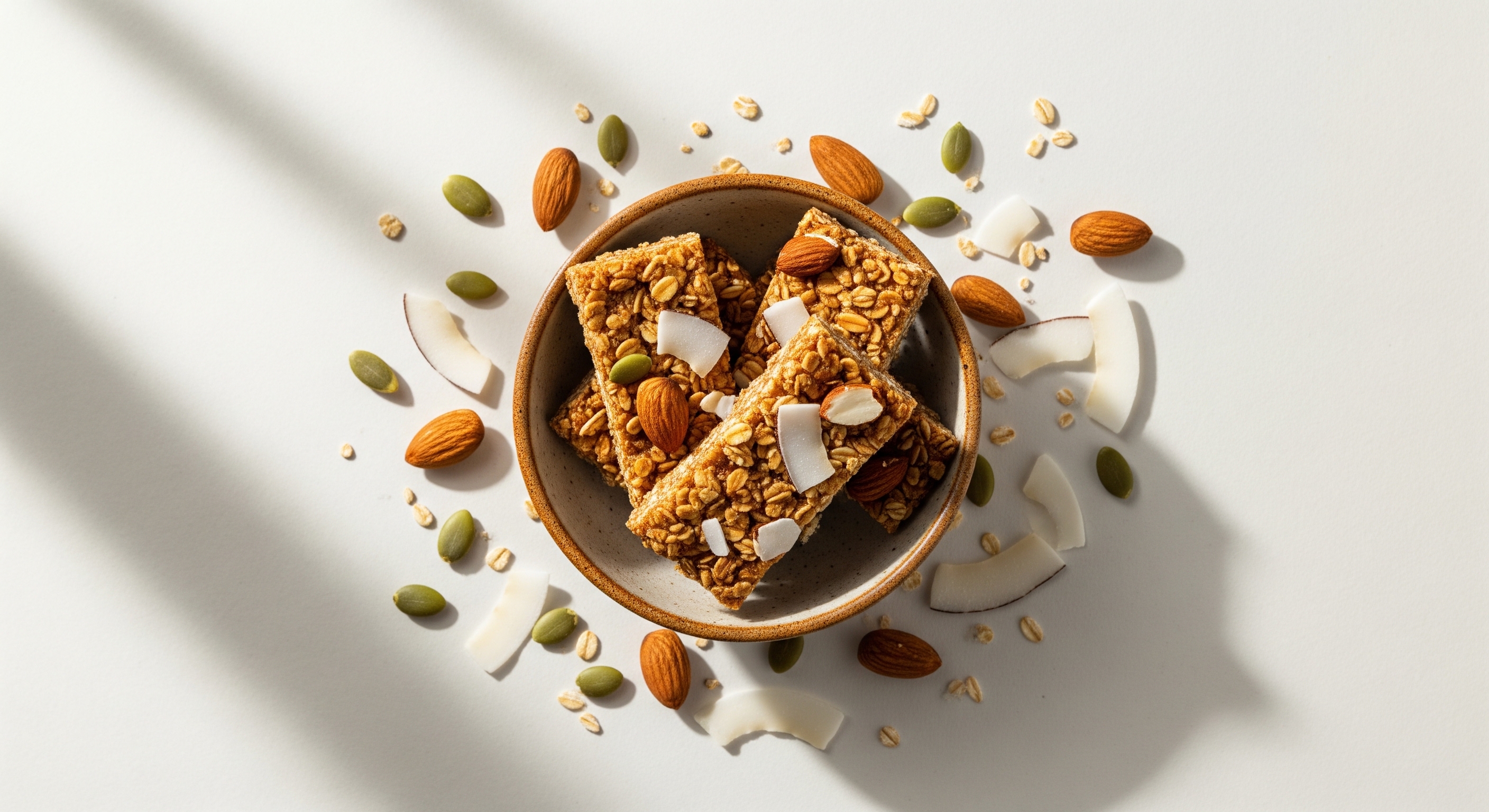 Almond-Coconut Granola Bars 40 min Crunchy, nutty and sweet from honey and apricots 412 kcal 10g protein 2 synergies
 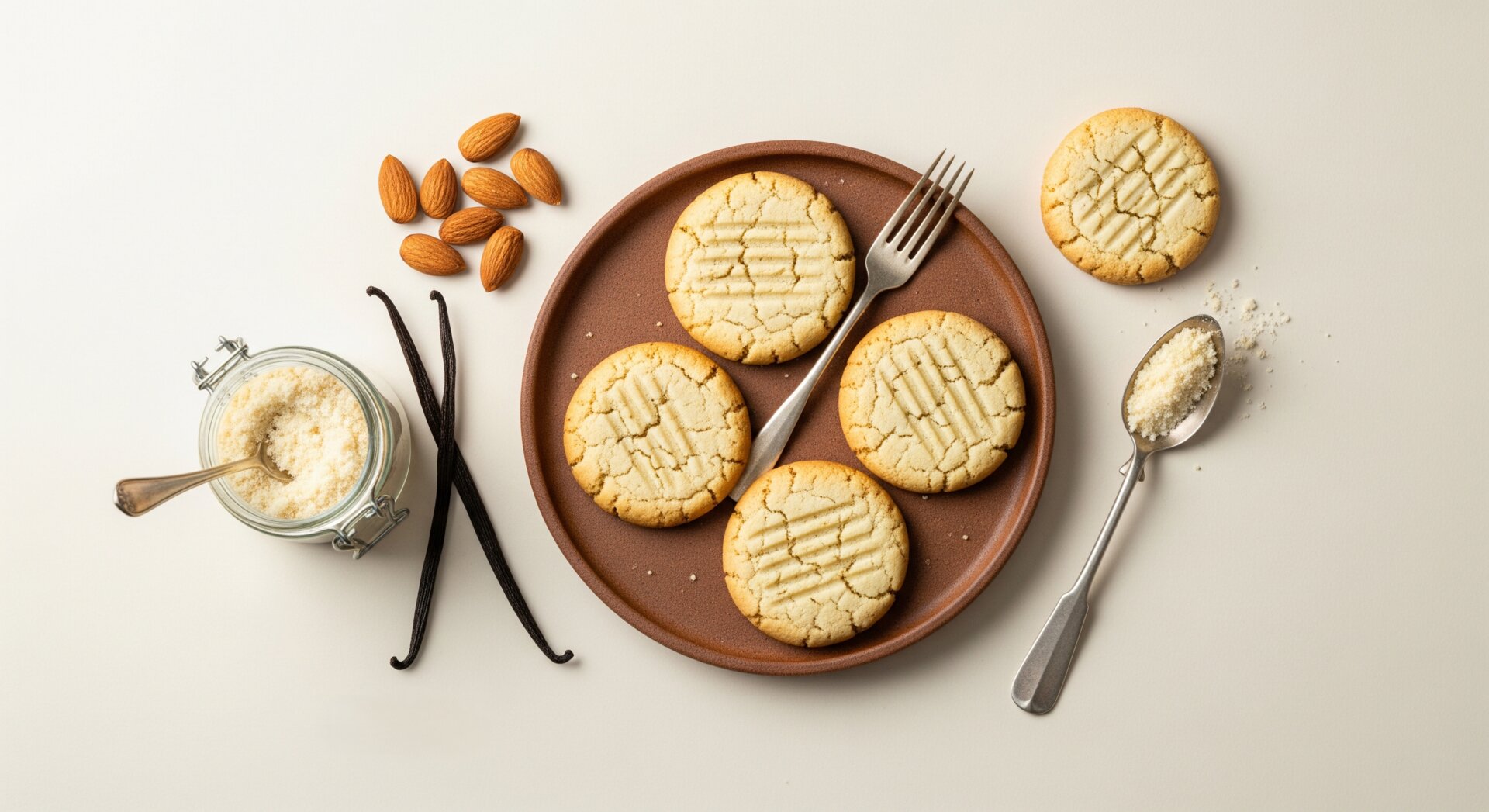 Almond Flour Vanilla Cookies 27 min Simple crumbly cookies made with almond flour, without gluten or dairy 95 kcal 2g protein 2 synergies
 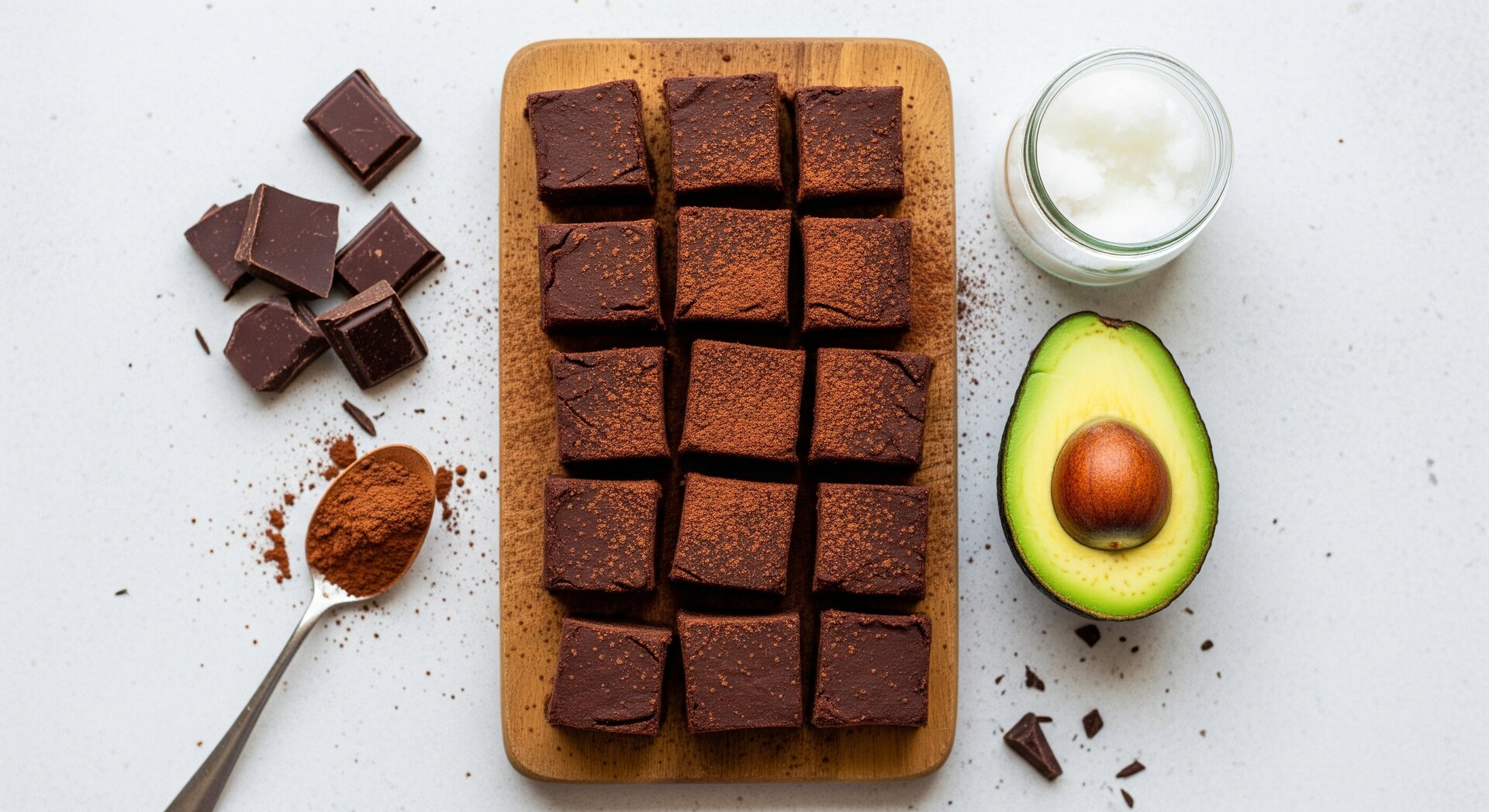 Avocado-Cacao Fudge 130 min Ultra-creamy chocolate fudge without butter or refined sugar — built on ripe avocado, raw cacao and honey 85 kcal 1g protein 2 synergies
 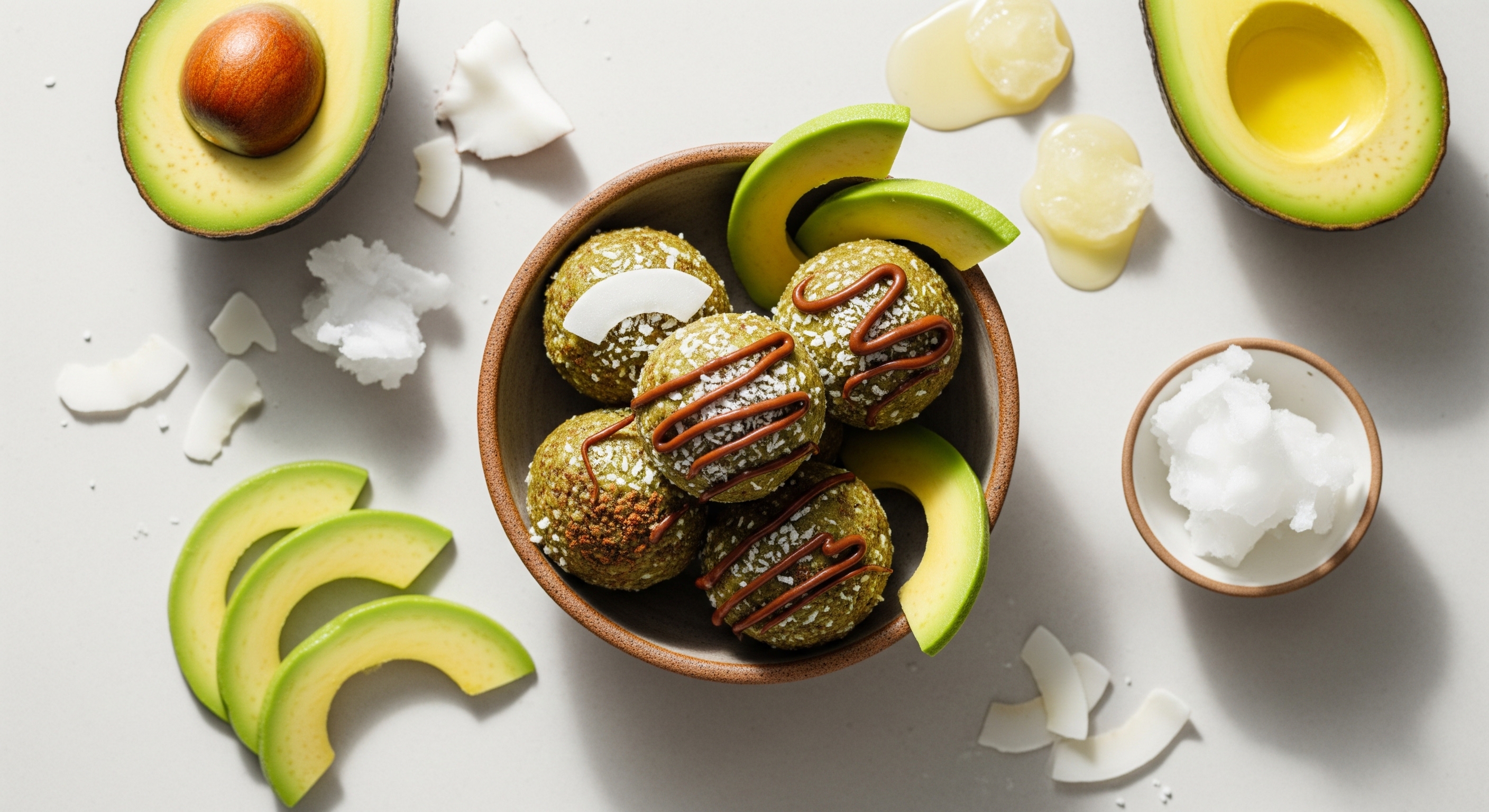 Avocado Coconut Fat Bombs 15 min Creamy, chocolatey and low in carbs 380 kcal 4g protein 1 synergies
  In the Kitchen
Storage
Location:Pantry
Shelf life:2 jaar (ongeopend), 1 jaar (geopend)
Can be solid or liquid depending on temperature. Melts above about 24°C. Choose extra virgin for a pronounced coconut taste and refined when you want a more neutral aroma.
Preparation
Suitable for baking, sautéing and curries thanks to a smoke point of about 232°C. Use small amounts and rotate with oils richer in unsaturated fats. Let solid coconut oil melt gently first for even distribution.
Conversions
Substitutes
Smart preparation
1Melt coconut oil over low heat; it quickly changes from solid to liquid.
2Use extra virgin coconut oil for coconut flavor and refined coconut oil for a more neutral taste.
3Measure coconut oil in solid form when you want more accurate amounts.
Why?
Liquid coconut oil can easily cling to the spoon or run off, making small portions less precise.
Caution / Warnings
Coconut Oil is very safe, but there are scientific considerations:
High LDL cholesterol Moderate
Because of its high saturated fat share (82-90%), coconut oil can raise LDL cholesterol. That makes portion size and overall fat choices important, especially when you want to manage fat intake carefully.
Advice:
Use coconut oil in moderation and not as your only fat source. Rotate it with oils richer in unsaturated fats, such as olive oil or rapeseed oil.
Weight management and calories Moderate
Coconut oil provides 862 kcal per 100 g. Because its energy content is high, small amounts quickly add to your daily total.
Advice:
Use small portions, for example by teaspoon or tablespoon, and take other fat sources in the same meal into account.
Sensitive digestion Mild
If your body is not used to larger amounts of medium-chain fats, a generous portion of coconut oil can feel heavy and cause discomfort.
Advice:
Increase the amount gradually and start with small portions in dishes rather than adding a large spoonful to a drink right away.
Traditional use
Ayurveda
Coconut oil in Ayurveda
In Ayurvedic traditions, coconut oil is often described as cooling and used in rituals around oil massage (abhyanga), hair care and skin care, especially in warm coastal regions where coconut is widely available.
Southeast Asian
Coconut oil in tropical culinary traditions
Coconut oil has been a familiar cooking fat in Southeast Asia, Sri Lanka and several Pacific islands for centuries. It is extracted by pressing coconut flesh and fits curries, rice dishes, baked goods and sweet preparations.
Summary
Coconut oil is a versatile tropical cooking fat for baking, stir-frying, curries and recipes where a creamy coconut note fits. It is heat-stable and becomes solid or liquid depending on temperature. Because it is high in saturated fat and energy, coconut oil is best used in moderation and rotated with oils richer in unsaturated fats.