Chili Powder
The Foundation of Warmth and Color
What is this ingredient?
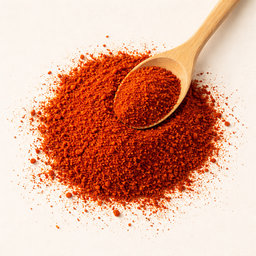
Chili powder is a versatile seasoning for depth, warmth and color. It is often made from milder pepper varieties, such as ancho or New Mexico chili, making it rounder and fruitier than sharper cayenne pepper. In stews, bean dishes, marinades and sauces, it adds an earthy, slightly smoky undertone without the heat immediately taking over.
Its composition varies by region and brand. In Europe, chili powder usually means ground dried chili; in the United States, “chili powder” is often a spice blend with ingredients such as cumin, garlic, oregano and paprika. Always check the label when you want to follow a recipe precisely.
Chili powder naturally contains carotenoid pigments, including beta-carotene, and small amounts of capsaicinoids that create its warming bite. Because it is usually used by the teaspoon, it is mainly a culinary seasoning: a simple way to give dishes more color, aroma and warm spice.
How does it taste?
Warm and spicy with earthy, slightly smoky undertones and mild to medium heat.
Pairs well with:
Pairs well with cumingarlicoreganobeanstomato and dark chocolate.
Did you know...?
- Chili comes from the Nahuatl word ‘chilli’, from the language of the Aztecs.
- Birds barely taste capsaicin and can spread chili seeds through their droppings.
Nutritional Value & Energy
Per 100g
Chili Powder provides energy thanks to natural nutrients , buffered by fiber.
Per 100g
Minerals
Vitamins
Omega-3 fatty acids
More nutrients
B-Vitamins
Trace Minerals
What's in a serving?
Chili powder naturally contains Vitamin A (1483 mcg per 100 g dried powder). At typical spice usage (3–9 g), the contribution is limited.
Chili powder naturally contains Potassium (1950 mg per 100 g dried powder). At typical spice usage (3–9 g), the contribution is limited.
Chili powder naturally contains Iron (17 mg per 100 g dried powder). At typical spice usage (3–9 g), the contribution is limited.
Chili powder naturally contains Vitamin E (23 mg per 100 g dried powder). At typical spice usage (3–9 g), the contribution is limited.
Chili powder naturally contains Manganese (4 mg per 100 g dried powder). At typical spice usage (3–9 g), the contribution is limited.
Chili powder naturally contains Vitamin B6 (2.1 mg per 100 g dried powder). At typical spice usage (3–9 g), the contribution is limited.
Chili powder naturally contains Vitamin A (1483 mcg per 100 g dried powder). At typical spice usage (3–9 g), the contribution is limited.
Chili powder naturally contains Potassium (1950 mg per 100 g dried powder). At typical spice usage (3–9 g), the contribution is limited.
Chili powder naturally contains Iron (17 mg per 100 g dried powder). At typical spice usage (3–9 g), the contribution is limited.
Chili powder naturally contains Vitamin C (64 mg per 100 g dried powder). At typical spice usage (3–9 g), the contribution is limited.
Chili powder naturally contains Vitamin E (23 mg per 100 g dried powder). At typical spice usage (3–9 g), the contribution is limited.
Chili powder naturally contains Magnesium (170 mg per 100 g dried powder). At typical spice usage (3–9 g), the contribution is limited.
Chili powder naturally contains Calcium (278 mg per 100 g dried powder). At typical spice usage (3–9 g), the contribution is limited.
Chili powder naturally contains Phosphorus (303 mg per 100 g dried powder). At typical spice usage (3–9 g), the contribution is limited.
Chili powder naturally contains Manganese (4 mg per 100 g dried powder). At typical spice usage (3–9 g), the contribution is limited.
Chili powder naturally contains Vitamin B6 (2.1 mg per 100 g dried powder). At typical spice usage (3–9 g), the contribution is limited.
Chili powder naturally contains Copper (0.5 mg per 100 g dried powder). At typical spice usage (3–9 g), the contribution is limited.
Chili powder naturally contains Folate (100 mcg per 100 g dried powder). At typical spice usage (3–9 g), the contribution is limited.
% of daily reference intake (DRI)
EU-approved nutrition claims
This ingredient contains nutrients for which EFSA-authorized health claims exist (at nutrient level, not ingredient-specific).
Approved health claims (EU)
Vitamin_a EU 432/2012
Vitamin A contributes to the normal function of the immune system
Contains 1483mcg/100g (threshold: ≥120mcg/100g)
Vitamin_a EU 432/2012
Vitamin A contributes to the maintenance of normal skin
Contains 1483mcg/100g (threshold: ≥120mcg/100g)
Vitamin_a EU 432/2012
Vitamin A contributes to the maintenance of normal mucous membranes
Contains 1483mcg/100g (threshold: ≥120mcg/100g)
Vitamin_a EU 432/2012
Vitamin A contributes to the maintenance of normal vision
Contains 1483mcg/100g (threshold: ≥120mcg/100g)
Vitamin_a EU 432/2012
Vitamin A contributes to normal iron metabolism
Contains 1483mcg/100g (threshold: ≥120mcg/100g)
Vitamin_a EU 432/2012
Vitamin A has a role in the process of cell specialisation
Contains 1483mcg/100g (threshold: ≥120mcg/100g)
Vitamin_e EU 432/2012
Vitamin E contributes to the protection of cells from oxidative stress
Contains 23mg/100g (threshold: ≥1.8mg/100g)
Manganese EU 432/2012
Manganese contributes to normal energy-yielding metabolism
Contains 4mg/100g (threshold: ≥0.3mg/100g)
Manganese EU 432/2012
Manganese contributes to the maintenance of normal bones
Contains 4mg/100g (threshold: ≥0.3mg/100g)
Manganese EU 432/2012
Manganese contributes to the normal formation of connective tissue
Contains 4mg/100g (threshold: ≥0.3mg/100g)
Manganese EU 432/2012
Manganese contributes to the protection of cells from oxidative stress
Contains 4mg/100g (threshold: ≥0.3mg/100g)
Comparison
vsspinazie
Chili powder contains about 6× more iron per 100 g than spinach — but you use much less chili powder per serving.
vsbanaan
Chili powder contains about 5× more potassium per 100 g than banana — but you use much less chili powder per serving.
vsmelk
Chili powder contains about 2× more calcium per 100 g than milk — but you use much less chili powder per serving.
What's being researched?
Chili powder and warming sensation
Capsaicinoids in chili peppers are studied in research on warming sensation, appetite and energy expenditure. For chili powder, the findings remain mainly linked to studies on capsaicin and other chili ingredients, not to one specific brand or blend.
Supported by: [2] Howard (2000) , [1] Mózsik (2005)
Good Combinations (Synergy)
Combine chili powder smartly to enhance the effect:
Chili Powder 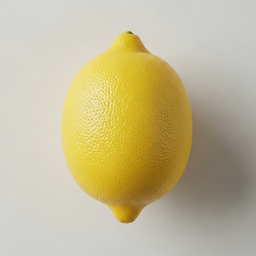 Lemon
Lemon Capsaicin + vitamin C for metabolism and immunity
Technical: Chili powder contains capsaicin (0.1-1%) that activates TRPV1 receptors for thermogenesis (+8-10% energy expenditure for 2 hours). Lemon's vitamin C (53mg/100g) is a powerful antioxidant that neutralizes capsaicin-induced oxidative stress. Capsaicin also improves vitamin C bioavailability by temporarily increasing intestinal permeability.
What does this mean for you? Chili-lime juice is popular in Mexican cuisine for good reason. Sprinkle chili powder with lemon juice over fruit, fish or salad for a bright, spicy kick.
Chili Powder 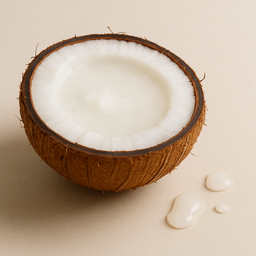 Coconut Oil
 Capsaicin absorption increased by fats
Technical: Capsaicin in chili powder is fat-soluble. Fats (olive oil, coconut oil) increase bioavailability 2-3x by dissolving capsaicin in lipid micelles. Additionally, fats reduce direct capsaicin irritation on the stomach lining by forming a protective fat layer.
What does this mean for you? Fry chili powder in oil before adding other ingredients. The fat makes the chili milder for your stomach but more powerful for your metabolism.
Chili Powder 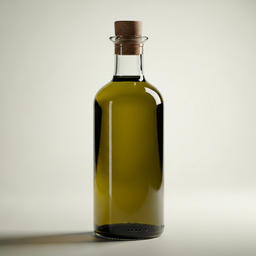 Olive Oil
 Capsaicin absorption increased by fats
Technical: Capsaicin in chili powder is fat-soluble. Fats (olive oil, coconut oil) increase bioavailability 2-3x by dissolving capsaicin in lipid micelles. Additionally, fats reduce direct capsaicin irritation on the stomach lining by forming a protective fat layer.
What does this mean for you? Fry chili powder in oil before adding other ingredients. The fat makes the chili milder for your stomach but more powerful for your metabolism.
Chili Powder 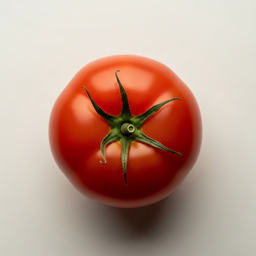 Tomato
 Capsaicin increases lycopene absorption and enhances antioxidant action
Technical: Chili powder's capsaicin temporarily increases intestinal permeability, allowing lycopene (3-7mg/100g in tomato) to be better absorbed. Tomato's lycopene and chili's capsaicin are both carotenoid-like antioxidants that work synergistically: lycopene neutralizes singlet oxygen, capsaicin inhibits lipid peroxidation. The combination offers broader antioxidant protection than either alone. Salsa (tomato + chili) is botanically optimized.
What does this mean for you? Salsa, arrabbiata sauce or tomato soup with chili is scientifically a top combination. The chili makes lycopene from tomatoes more available to your body.
Recipes with Chili Powder
Discover delicious recipes featuring chili powder:
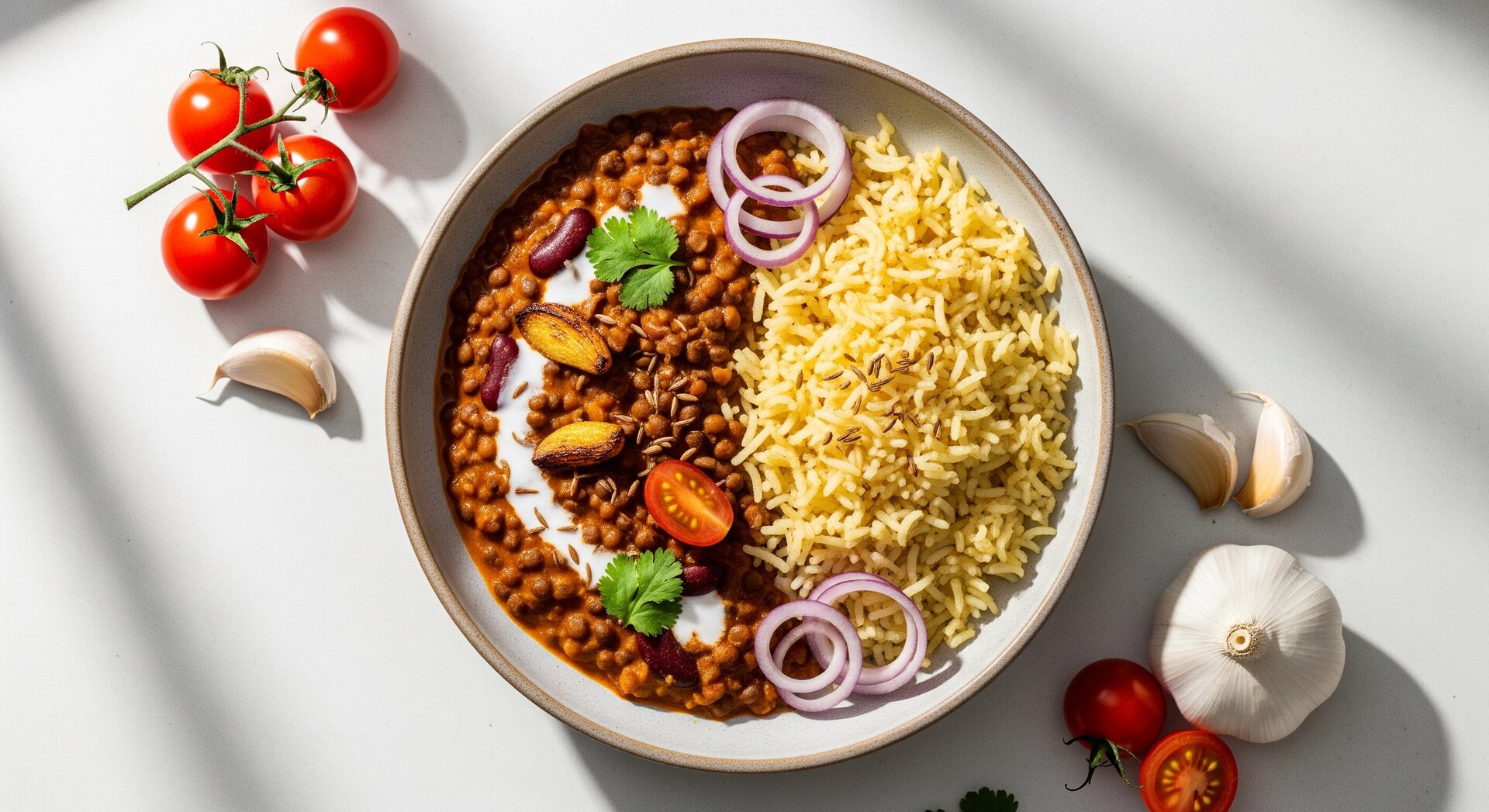 Indian Dal Makhani with Ghee Rice 75 min Creamy black lentil stew with kidney beans and ghee rice
  756 kcal
  28g protein 2 synergies
 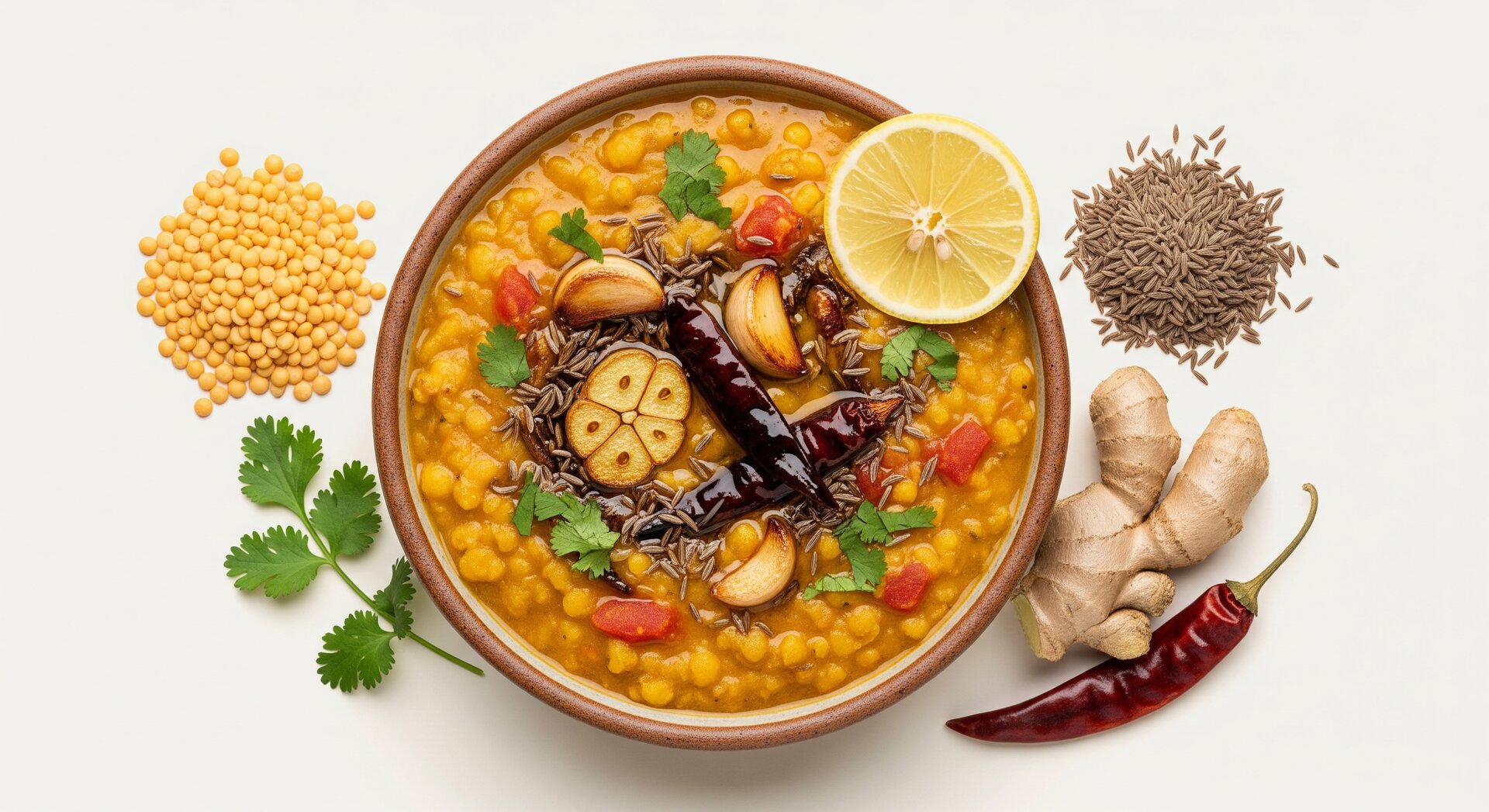 Indian Tarka Dal 40 min Creamy lentil curry with aromatic spice tempering 340 kcal 16g protein 1 synergies
 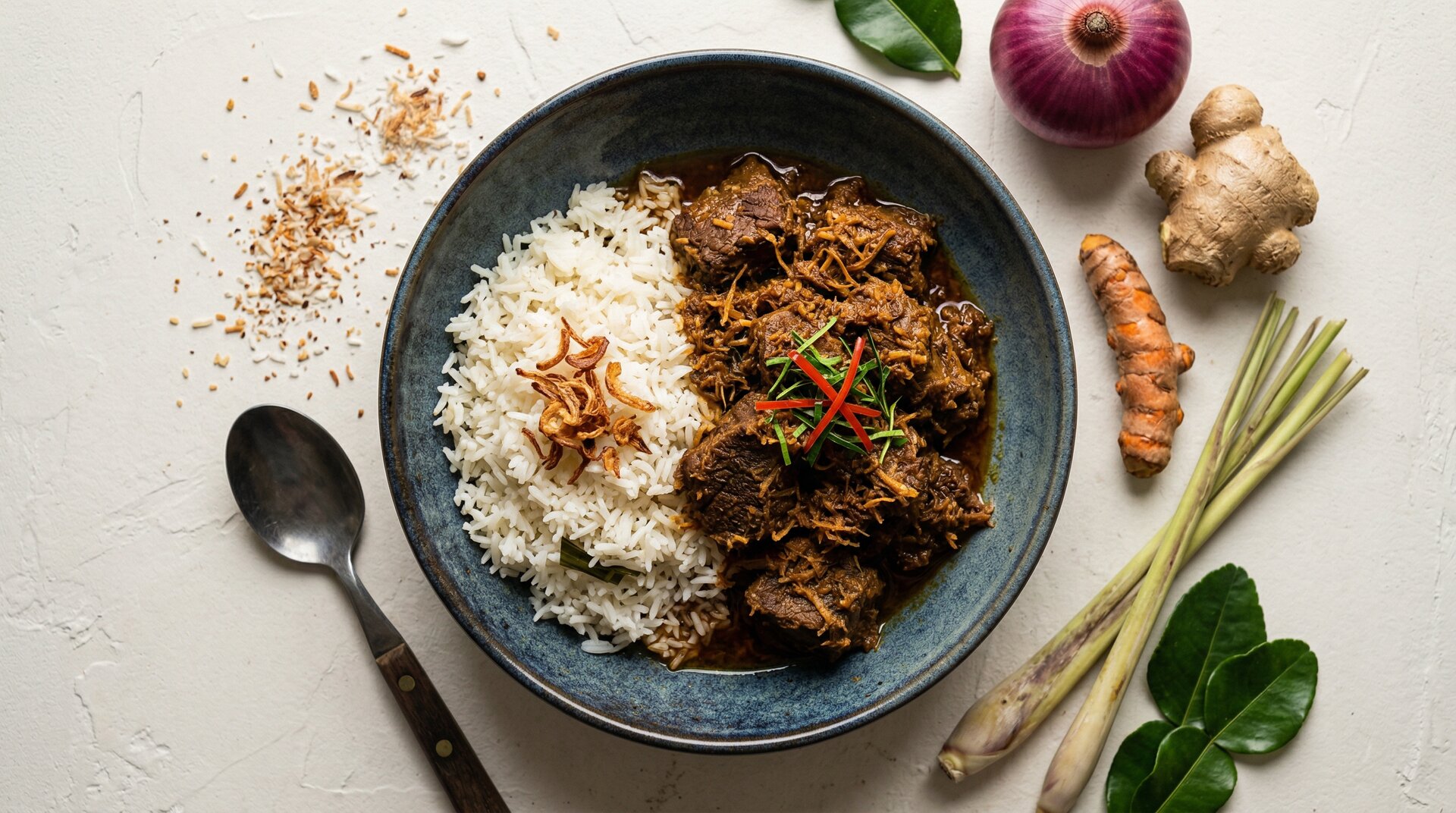 Malaysian Rendang with Coconut Rice 145 min Slow-braised beef with coconut, lemongrass and warm spices 1085 kcal 43g protein 2 synergies
 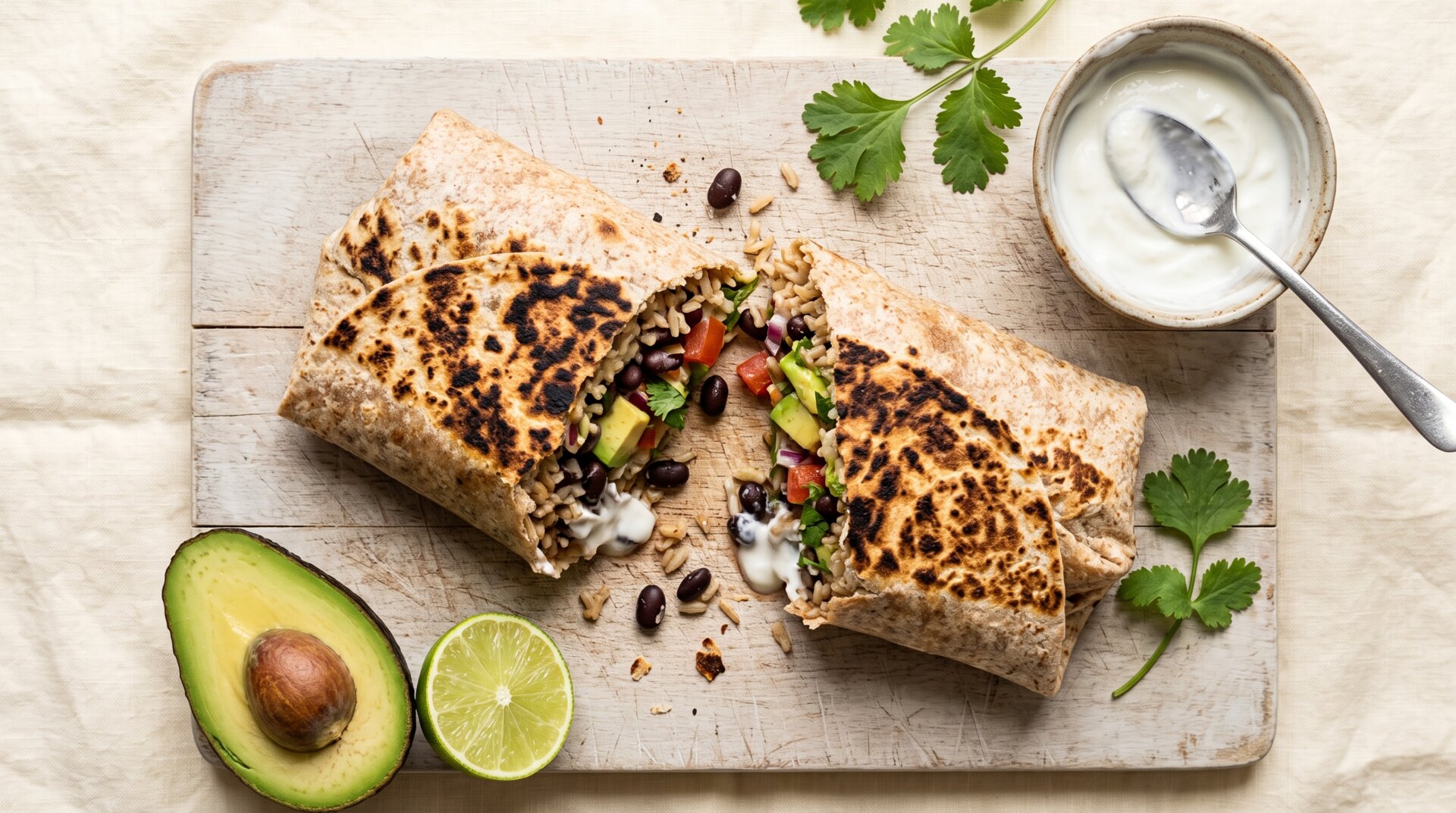 Mexican Burrito Wrap 20 min Spiced black beans with brown rice, fresh pico de gallo and mashed avocado 480 kcal 18g protein 1 synergies
 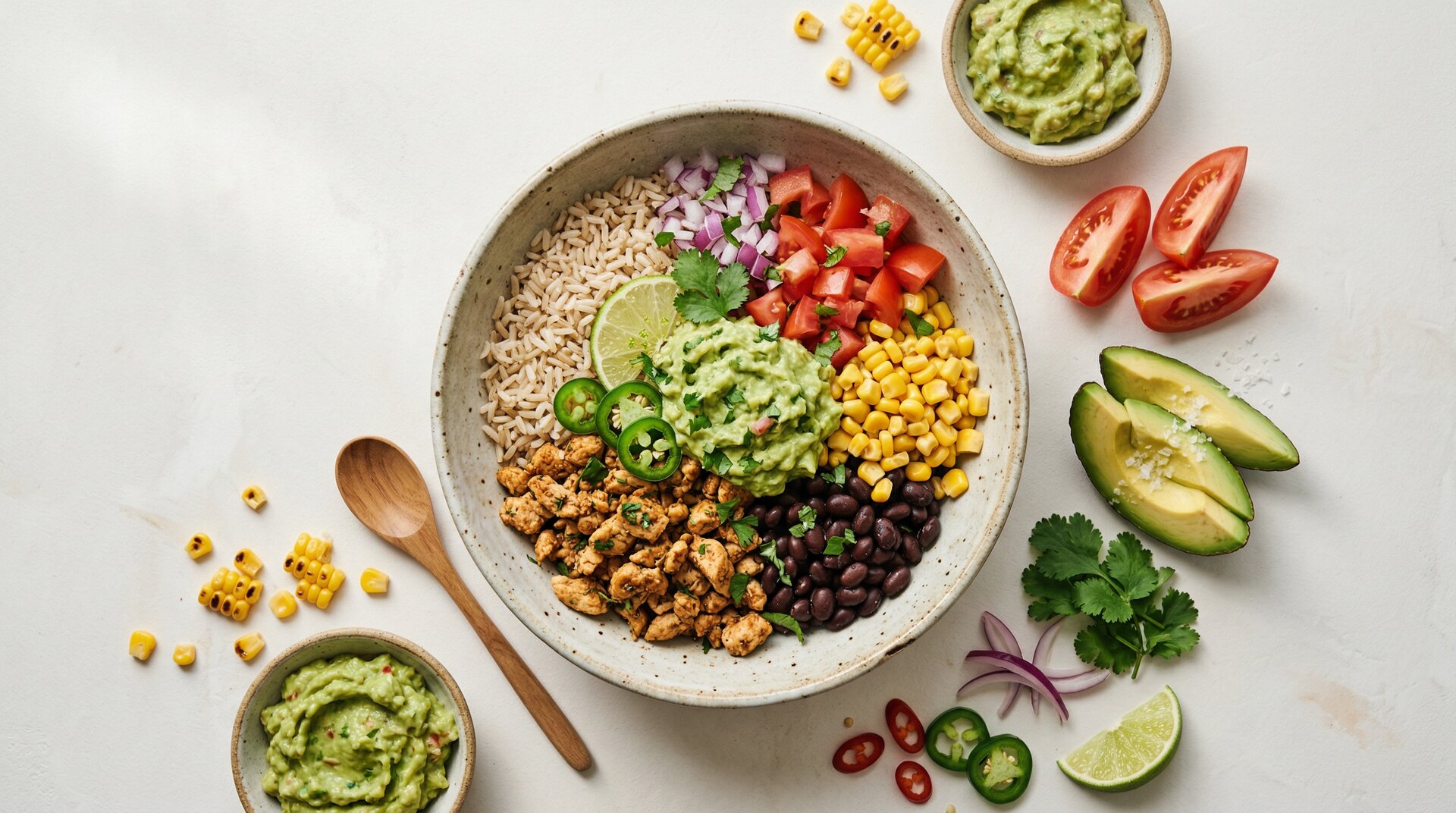 Mexican Burrito Bowl with Guacamole & Black Beans 35 min Nutritious dish with ingredients that may support muscle building and digestive health 802 kcal 38g protein 2 synergies
 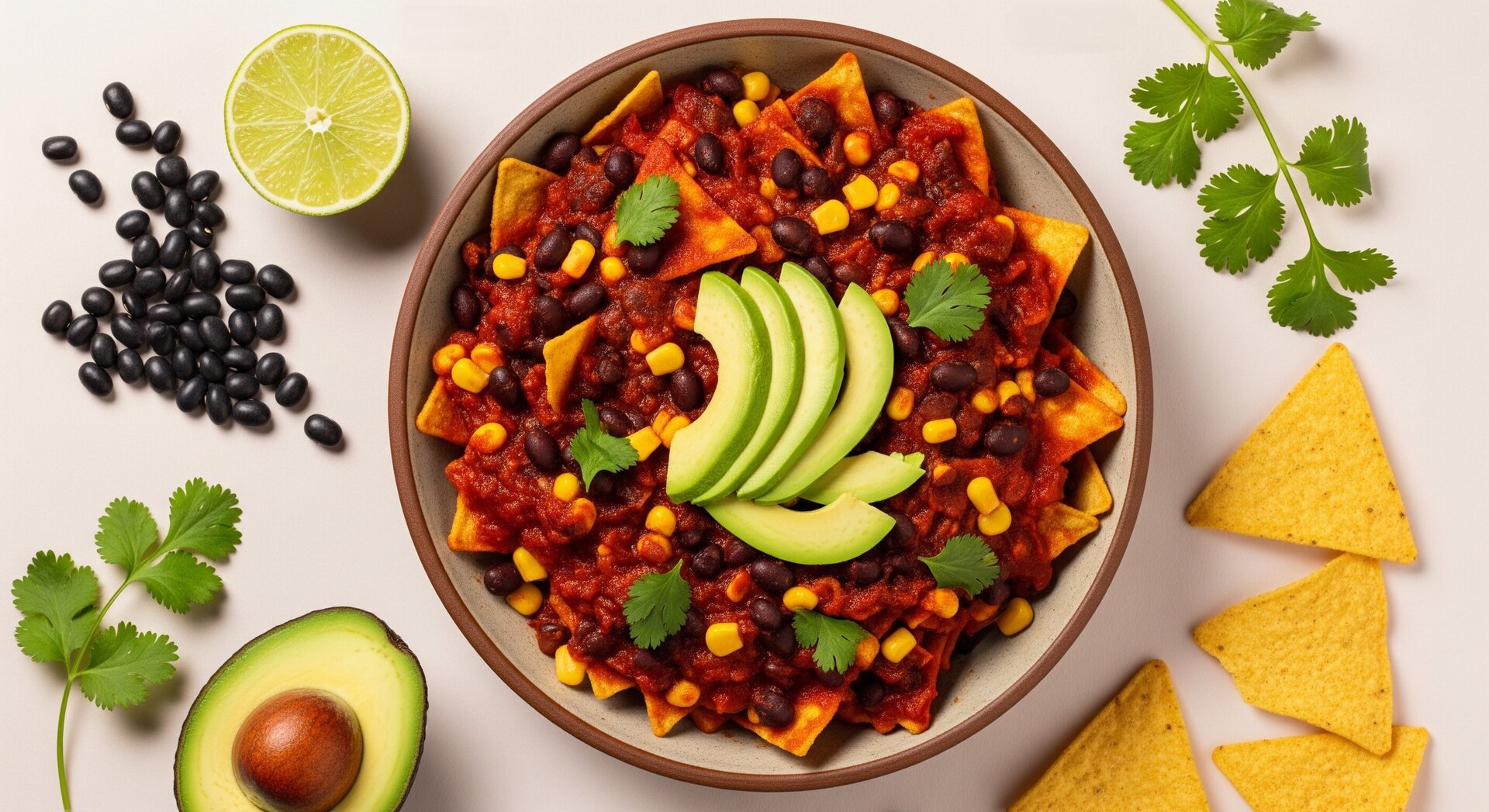 Mexican Chilaquiles with Black Beans 25 min Crispy tortilla chips in tomato salsa with beans 435 kcal 17g protein 2 synergies
  In the Kitchen
Storage
Location:Pantry
Shelf life:1-2 jaar
Store airtight, cool and dark. Light, heat and oxygen make the color and aroma fade more quickly.
Preparation
Briefly sauté chili powder with onion or oil at the start of cooking. This helps release fat-soluble aromas and the red color without burning the powder.
Substitutes
Smart preparation
1Dry-toast chili powder briefly in a pan to deepen the flavor.
Why?
Brief toasting makes the aromatic oils in the ground spices more noticeable.
2Stir chili powder into a little warm water or oil first for even distribution.
3Use chili powder within 6 months after opening for the best color and flavor.
Caution / Warnings
Chili Powder is very safe, but there are scientific considerations:
ACE inhibitors Mild
People taking ACE inhibitors may be more sensitive to the cough trigger from capsaicin. Use hot spices cautiously if you are prone to this reaction.
Traditional use
Indigenous
Aztecs and Maya
Chili was cultivated early in Mesoamerica. The Aztecs and Maya used chili as a flavoring and in ceremonial drinks, including chili-infused chocolate beverages.
Summary
Chili powder is not the same as hotter cayenne pepper. It is an aromatic base for color, earthy depth and warm, manageable heat in stews, bean dishes, marinades and sauces.