- Medium
- 75 min
- 2 serv.
- 16 synergies
- Now at its best: Tomato
Dal Makhani from Punjab: black lentils and kidney beans slowly simmered in a tomato sauce with garam masala, ginger and garlic. Coconut milk makes the sauce creamy. Served on ghee rice with fresh cilantro.
Dal Makhani is the dish that needs your whole kitchen: two pans going at once, a stack of spices, and above all — patience. Black lentils and kidney beans need to simmer long, at least three quarters of an hour, until soft yet just holding their shape. Meanwhile you build the masala: onions turning golden in ghee, garlic and ginger going through, then cumin, coriander seed, turmeric and a hint of chili.
The tomatoes go in when the spices are fragrant, and everything cooks together into a thick, dark sauce. The coconut milk at the end changes everything — the sauce turns velvety, the edges soften, the color deepens. A splash of extra ghee, a pinch of garam masala.
The rice is simple: basmati with a knob of ghee and a pinch of salt. It doesn't need more. The dal does the work.
- 15
- min prep
- 60
- min cook
- 75
- min total
Nutritional Synergies
This recipe combines ingredients that enhance each other:
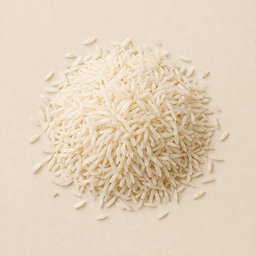 Basmati Rice
 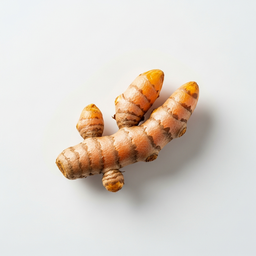 Turmeric
 High amylose + curcumin for glycemic balance
Technical: Basmati rice has a high amylose content (22-25%) resulting in slower starch digestion and a GI of 50-58 (vs. 68-80 for jasmine rice). Curcumin from turmeric activates AMPK (AMP-activated protein kinase), an enzyme that stimulates glucose uptake in muscles independently of insulin. This dual mechanism — slow release + improved uptake — minimizes blood sugar fluctuations.
What does this mean for you? Yellow rice (basmati with turmeric) isn't just beautiful on your plate — it's biochemically superior to plain white rice. The turmeric helps your body process glucose from rice more efficiently.
Blood SugarAnti-inflammatory
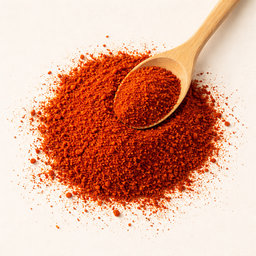 Chili Powder
 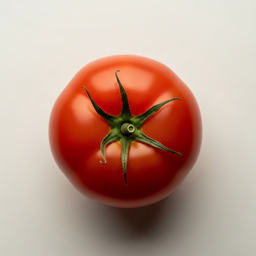 Tomato
 Capsaicin increases lycopene absorption and enhances antioxidant action
Technical: Chili powder's capsaicin temporarily increases intestinal permeability, allowing lycopene (3-7mg/100g in tomato) to be better absorbed. Tomato's lycopene and chili's capsaicin are both carotenoid-like antioxidants that work synergistically: lycopene neutralizes singlet oxygen, capsaicin inhibits lipid peroxidation. The combination offers broader antioxidant protection than either alone. Salsa (tomato + chili) is botanically optimized.
What does this mean for you? Salsa, arrabbiata sauce or tomato soup with chili is scientifically a top combination. The chili makes lycopene from tomatoes more available to your body.
HeartSkin & HairAnti-inflammatory
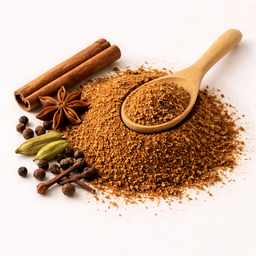 Garam Masala
  Onion
Onion Spice blend + quercetin for broad-spectrum bioactive action
Technical: Garam masala combines cinnamon (cinnamaldehyde), cardamom (1,8-cineole), cloves (eugenol) and cumin (cuminaldehyde) — each with its own bioactive signaling pathway. Onion contains quercetin (20mg/100g) that stabilizes mast cells and inhibits histamine release. Together they modulate 5+ independent signaling pathways: NF-κB cascades, COX-2, LOX, TNF-α and histamine. Studies show combined spices are stronger in combination than individual spices.
What does this mean for you? Fry onions with garam masala as the base of your curry — the traditional Indian soffritto. The onion enhances the bioactive action of every spice in the mix.
Anti-inflammatoryImmune SystemDigestion
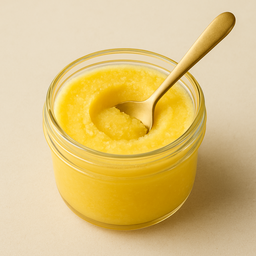 Ghee
Ghee 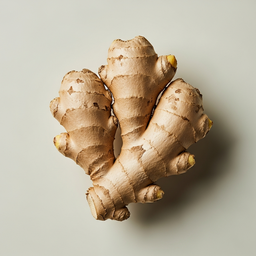 Ginger
 Ayurvedic digestive: gingerols + butyrate via complementary pathways
Technical: Ginger contains gingerols and shogaols that activate digestive enzymes and speed up gastric emptying. Ghee contains butyrate that nourishes gut epithelial cells. In the Ayurvedic tradition, this combination is used to activate 'agni' (digestive fire) and to better absorb fat-soluble gingerols.
What does this mean for you? Briefly sauté fresh ginger in ghee at the start of a meal, or add both to your rice or vegetables. This is a traditional Ayurvedic combination that combines two complementary pathways for your digestion.
DigestionAnti-inflammatory
Ghee Turmeric Traditional Ayurvedic combination for maximum curcumin absorption
Technical: Curcumin is fat-soluble with only ~1% bioavailability without dietary fat. Ghee contains short- and medium-chain fatty acids that are rapidly absorbed, plus butyrate that nourishes gut epithelial cells. The saturated fats in ghee form stable micelles that make curcumin 7-8x more absorbable. In the Ayurvedic tradition, turmeric has been combined with ghee for 3000+ years (haldi doodh).
What does this mean for you? Melt a teaspoon of ghee and stir in turmeric and black pepper — this is the basis of 'golden milk' and one of the oldest food combinations in the world. Without the fat, you absorb almost none of the curcumin.
Anti-inflammatoryJoints
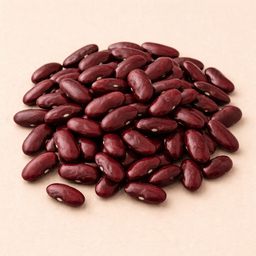 Kidney beans Onion
 Quercetin from onion inhibits phytate binding and increases iron absorption from beans
Quercetin chelates non-heme iron and improves absorption despite phytate (PMID: 15743017)
Technical: Kidney beans contain 6.7mg non-heme iron per 100g, but phytate binds 60-70% of it. Quercetin from onion (13mg/100g) chelates iron and makes it available for DMT-1 transporters, even in the presence of phytate. Sulfur compounds from onion (allyl propyl disulfide) also reduce Fe³⁺ to the better-absorbable Fe²⁺.
What does this mean for you? Kidney beans with sautéed onion (chili, rajma) is an iron-smart combination. The onion breaks through the phytate blockade so you absorb more iron from the beans.
EnergyImmune System
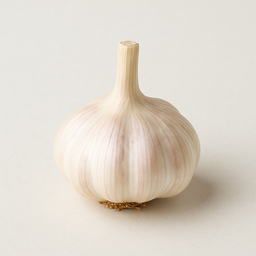 Garlic Ginger
 Allicin + gingerols: complementary bioactive action
Technical: Garlic's allicin works via thiol enzyme inhibition — effective against gram-positive bacteria (Staphylococcus, Streptococcus). Ginger's gingerols and shogaols influence viral replication and stimulate interferon production. Together they cover both bacterial and viral pathways.
What does this mean for you? Garlic-ginger tea is a classic combination. Garlic works via thiol enzymes, ginger via interferon pathways. Cut both fresh for maximum active compounds — allicin only forms after 10 minutes of air exposure.
Immune System
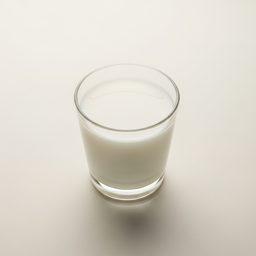 Coconut Milk Turmeric
 Golden Milk base - optimal curcumin absorption
Technical: Curcumin from turmeric is fat-soluble with bioavailability below 1% without fat. Coconut milk contains lauric acid and other MCTs that dissolve curcumin and significantly increase gut absorption. MCTs are also rapidly absorbed, efficiently transporting curcumin. This is the principle behind traditional Golden Milk.
What does this mean for you? Make golden milk with coconut milk as base — the coconut fat ensures your body actually absorbs the curcumin. Always add a pinch of black pepper for maximum effect.
Anti-inflammatoryJoints
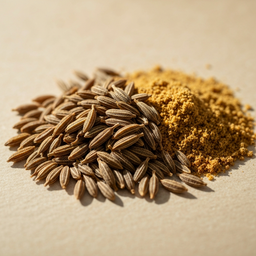 Cumin Garlic
 Double digestive support: enzymes + bioactive compounds
Technical: Cumin promotes digestive enzyme activity (amylase, lipase, protease) and increases bile flow. Garlic's allicin has broad bioactivity targeting pathogenic gut bacteria while sparing beneficial ones.
What does this mean for you? Fry garlic and cumin together as base for curries, soups and stews. Classic combination in virtually every cuisine in the world.
DigestionImmune System
Cumin Turmeric Classic curry base with enhanced digestion
Technical: Cumin promotes production of digestive enzymes (amylase, lipase, protease) and increases bile flow. Turmeric's curcumin modulates NF-κB and COX-2 signal transduction and supports hepatobiliary activity via bile stimulation. Together they provide enhanced digestion + bioactive action.
What does this mean for you? Cumin + turmeric is the base of every curry. The cumin promotes your digestion, the turmeric adds bioactive action — the perfect combination for a nutritious curry.
DigestionAnti-inflammatory
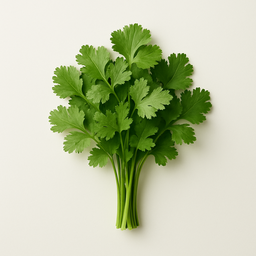 Cilantro Turmeric
 Linalool + curcumin for enhanced bioactive action
Technical: Coriander's linalool and coriander oil are studied in relation to lipoxygenase modulation. Turmeric's curcumin modulates NF-κB and COX-2 signal transduction. Together they cover more bioactive signaling pathways than each herb alone.
What does this mean for you? Use coriander and turmeric together in curries and Indian dishes — a traditional combination that is scientifically supported.
Anti-inflammatoryDigestionAntioxidants
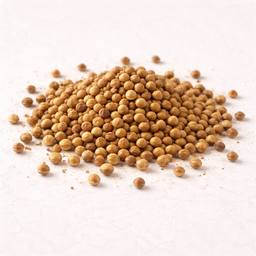 Coriander Seeds Cumin
 Linalool + cuminaldehyde for digestion and biotransformation
Technical: Coriander seed contains linalool (60-80% of oil) that acts antispasmodically on the GI tract and promotes bile flow. Cumin's cuminaldehyde (25-35%) promotes pancreatic enzyme activity (amylase, lipase, protease) by 20-30%. Together they promote the complete digestive cascade: coriander seed promotes bile flow (fat digestion), cumin activates pancreatic enzymes (protein/starch digestion). Studies show the combination meaningfully reduces gas formation.
What does this mean for you? Coriander seed + cumin is the Indian digestive duo (jeera-dhaniya). Dry toast both seeds in a pan for maximum aroma development and add to dal, curry or rice.
DigestionAntioxidants
Turmeric Ginger Enhanced bioactive action via two pathways
Technical: Turmeric and ginger belong to the same plant family (Zingiberaceae). Curcumin (turmeric) modulates NF-kB, while gingerol (ginger) modulates COX-2 and LOX (lipoxygenase). Because they target different signaling pathways, they enhance each other's bioactive action.
What does this mean for you? Turmeric + ginger in curry, soup or tea — two related spices that work bioactively via different pathways. Broader together than alone.
Anti-inflammatoryJoints
Onion Garlic More than 20 organosulfur compounds in one soffritto
Technical: Onion contains diallyl disulfide and quercetin (20-40mg/100g). Garlic contains allicin, ajoene and S-allylcysteine. Together they provide more than 20 different organosulfur compounds that modulate NF-κB. Allium crops are intensively studied in nutrition science for their unique sulfur chemistry.
What does this mean for you? Start every dish with sautéed onion and garlic — not just for flavor, but for the unique concentration of organosulfur compounds. Cut garlic 10 minutes before heating to allow allicin formation.
DigestionImmune System
Onion Tomato Quercetin + lycopene: synergistic polyphenol-carotenoid combination
Technical: Quercetin from onion (20-40mg/100g) and lycopene from tomato (2573μg/100g) work through different mechanisms. Quercetin chelates metal ions and modulates lipid peroxidation, lycopene quenches singlet oxygen. Combined polyphenols and carotenoids work synergistically — the combination works through complementary mechanisms.
What does this mean for you? Tomato sauce with onion is the base of nearly every Mediterranean cuisine — and rightly so. Quercetin and lycopene enhance each other's action through complementary biochemical pathways. Cooking in olive oil makes carotenoids more absorbable.
HeartAnti-inflammatory
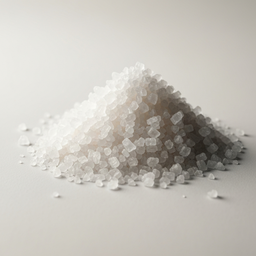 Sea Salt Tomato
 Minerals improve flavor perception and electrolyte balance
Technical: Sea salt contains trace minerals (magnesium, potassium, calcium) besides sodium. Tomato is rich in potassium (237mg/100g) and lycopene. Avocado adds magnesium (29mg) and potassium (485mg). Together they form a broad electrolyte profile: sodium (salt) + potassium (tomato/avocado) + magnesium (avocado) — essential for fluid balance and nerve function.
What does this mean for you? Sprinkle tomato and avocado with a pinch of sea salt. This is more than flavor — the minerals complement each other for a complete electrolyte balance.
HeartEnergy
Ingredients (17)
-
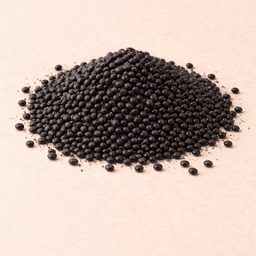 Black lentils — 200 g urad dal, dried
 - Kidney beans — 100 g rajma, dried, or 200g canned
- Tomato — 400 g canned
- Coconut Milk — 200 ml or 80ml cream
Instructions
- 1 Soak black lentils and kidney beans for at least 8 hours in plenty of water. Drain and rinse. If using canned beans, skip the soaking.
- 2 Cook lentils and beans in 800ml water on low heat, 40-45 min until soft but still whole. Drain and reserve 200ml cooking liquid.
Nutrition per serving
Indicative values per serving.
Timing & Suitability
Shelf life: 3 days in fridge
Tags & Diet
Allergens: Dairy