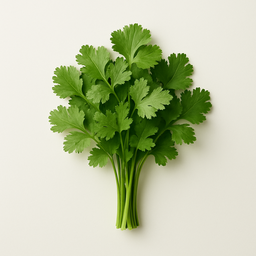
Cilantro
Fresh aromatic leafy herb for salsa, curry and garnish
What is this ingredient?
Cilantro is one of the oldest culinary herbs in the world. The fresh leaves, known in many places as cilantro, taste bright, citrusy and slightly floral, while coriander seed is warmer, spicier and more orange-like. For that reason, the leaf and the seed are usually not direct substitutes in recipes.
Some people experience cilantro as soapy. This is linked to aroma perception and genetic variation around aldehydes, the same aromatic compounds that also contribute to the leaf’s fresh profile.
In cooking, cilantro is best used as a finishing herb: over tacos, curries, pho, chutneys, salsas and salads. The stems are often more intense than the leaves and can be finely chopped into marinades, sauces and curry pastes.
How does it taste?
Fresh, citrusy and slightly floral, with a green herbal note that some people perceive as soapy.
Pairs well with:
Pairs well with limechiliavocadogarlictomatococonut milk and cumin.
Did you know...?
- Whether you like cilantro is partly linked to how you smell aldehydes, which explains why some people experience a soapy taste.
- The word coriander comes from the Greek ‘koris’, a reference to the plant’s strong aroma.
Nutritional Value & Energy
Per 100g
Cilantro is low in calories thanks to natural nutrients , buffered by fiber.
Per 100g
Minerals
Vitamins
Omega-3 fatty acids
More nutrients
B-Vitamins
Trace Minerals
What's in a serving?
Cilantro naturally contains vitamin K (388 mcg per 100 g fresh leaves). At typical herb use (5–10 g), the contribution is limited.
Cilantro naturally contains vitamin C (45 mg per 100 g fresh leaves). At typical herb use (5–10 g), the contribution is limited.
Cilantro naturally contains vitamin K (388 mcg per 100 g fresh leaves). At typical herb use (5–10 g), the contribution is limited.
Cilantro naturally contains folate (62 mcg per 100 g fresh leaves). At typical herb use (5–10 g), the contribution is limited.
% of daily reference intake (DRI)
EU-approved nutrition claims
This ingredient contains nutrients for which EFSA-authorized health claims exist at nutrient level. Those claims apply to the relevant nutrients, not specifically to cilantro as an ingredient.
Approved health claims (EU)
Vitamin_k EU 432/2012
Vitamin K contributes to normal blood clotting
Contains 388mcg/100g (threshold: ≥11.25mcg/100g)
Vitamin_k EU 432/2012
Vitamin K contributes to the maintenance of normal bones
Contains 388mcg/100g (threshold: ≥11.25mcg/100g)
What's being researched?
Cilantro in nutrition and aroma studies
Cilantro leaves and coriander seeds are studied for their aromatic terpenes, polyphenols and traditional culinary uses. Many findings come from preclinical or experimental research, so translation to everyday use should be cautious.
Supported by: [6] Al-Mofleh (2006)
Good Combinations (Synergy)
Combine cilantro smartly to enhance the effect:
Cilantro 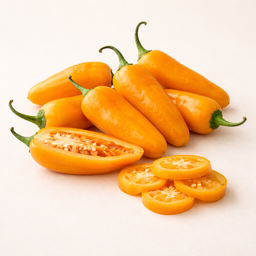 Aji Amarillo
 Vitamin C increases capsaicin bioavailability
Technical: Aji amarillo contains capsaicin and beta-carotene (the orange color). Lime provides vitamin C acting as antioxidant protecting capsaicin from oxidation and increasing beta-carotene absorption through reduction. Cilantro adds linalool with bioactive properties. Base of Peruvian ceviche sauces.
What does this mean for you? Combine aji amarillo with lime and cilantro in Peruvian dishes. The lime protects the healthy compounds in the pepper and helps you absorb them better.
Cilantro 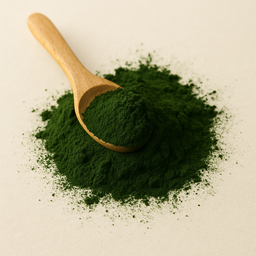 Chlorella
 Chelation combination: sporopollenin + aromatic compounds
Technical: Cilantro contains compounds (such as citronellol and linalool) that are studied in research in connection with the mobilization of heavy metals from tissues. Chlorella's cell wall contains sporopollenin that forms strong bonds with mercury, lead and cadmium in the gastrointestinal tract, excreting them via stool.
What does this mean for you? Add chlorella and cilantro together to a green smoothie. Cilantro adds freshness and flavour, while chlorella's fibrous cell wall acts like a sponge in the digestive tract.
Cilantro  Preserved Lemons
 Fresh cilantro balances intense saltiness
Technical: Preserved lemons contain concentrated citric acids and probiotics from lactic fermentation. Coriander contains linalool and coriandrol with carminative (gas reduction) and antispasmodic effects on the intestines. The citric acids support fat digestion, coriander oils relax smooth intestinal muscles.
What does this mean for you? Combine chopped preserved lemon with fresh coriander in tagines, couscous or salad dressings. The fresh coriander not only balances the intense saltiness flavor-wise, but also supports your digestion through two complementary pathways.
Cilantro 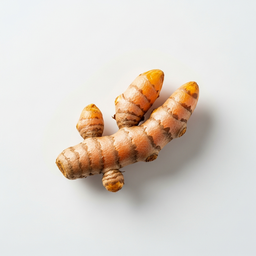 Turmeric
 Linalool + curcumin for enhanced bioactive action
Technical: Coriander's linalool and coriander oil are studied in relation to lipoxygenase modulation. Turmeric's curcumin modulates NF-κB and COX-2 signal transduction. Together they cover more bioactive signaling pathways than each herb alone.
What does this mean for you? Use coriander and turmeric together in curries and Indian dishes — a traditional combination that is scientifically supported.
Cilantro 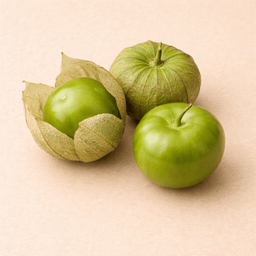 Tomatillo
 Withanolides + linalool: complementary NF-κB and COX-2 modulation
Tomatillo withanolides activate Nrf2 detox pathway, cilantro linalool inhibits COX-2 (PMID: 25765539)
Technical: Tomatillo (Physalis ixocarpa) contains withanolides (4β-hydroxywithanolide E) that modulate NF-κB and activate phase-II enzymes via the Nrf2 pathway. Linalool from fresh cilantro modulates COX-2 and has anxiolytic properties via GABA modulation. Together they provide complementary bioactive pathways: tomatillo via Nrf2/NF-κB, cilantro via COX-2/GABA.
What does this mean for you? Tomatillo salsa verde with fresh cilantro is the classic Mexican combination — two bioactive plant compounds each working through their own pathway. Tomatillo's withanolides activate the Nrf2 pathway, cilantro's linalool modulates COX-2.
Cilantro 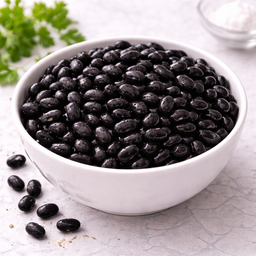 Black Beans
 Latin American combination: vitamin C increases iron absorption
Technical: Black beans contain 2.1mg iron per 100g cooked plus anthocyanins (same antioxidants as blueberries). Fresh cilantro contains 27mg vitamin C per 100g that increases iron absorption. The polyphenols in both ingredients enhance each other's antioxidant action.
What does this mean for you? Always garnish your black bean dish with fresh cilantro — this is why it's a staple in Mexican cuisine.
Recipes with Cilantro
Discover delicious recipes featuring cilantro:
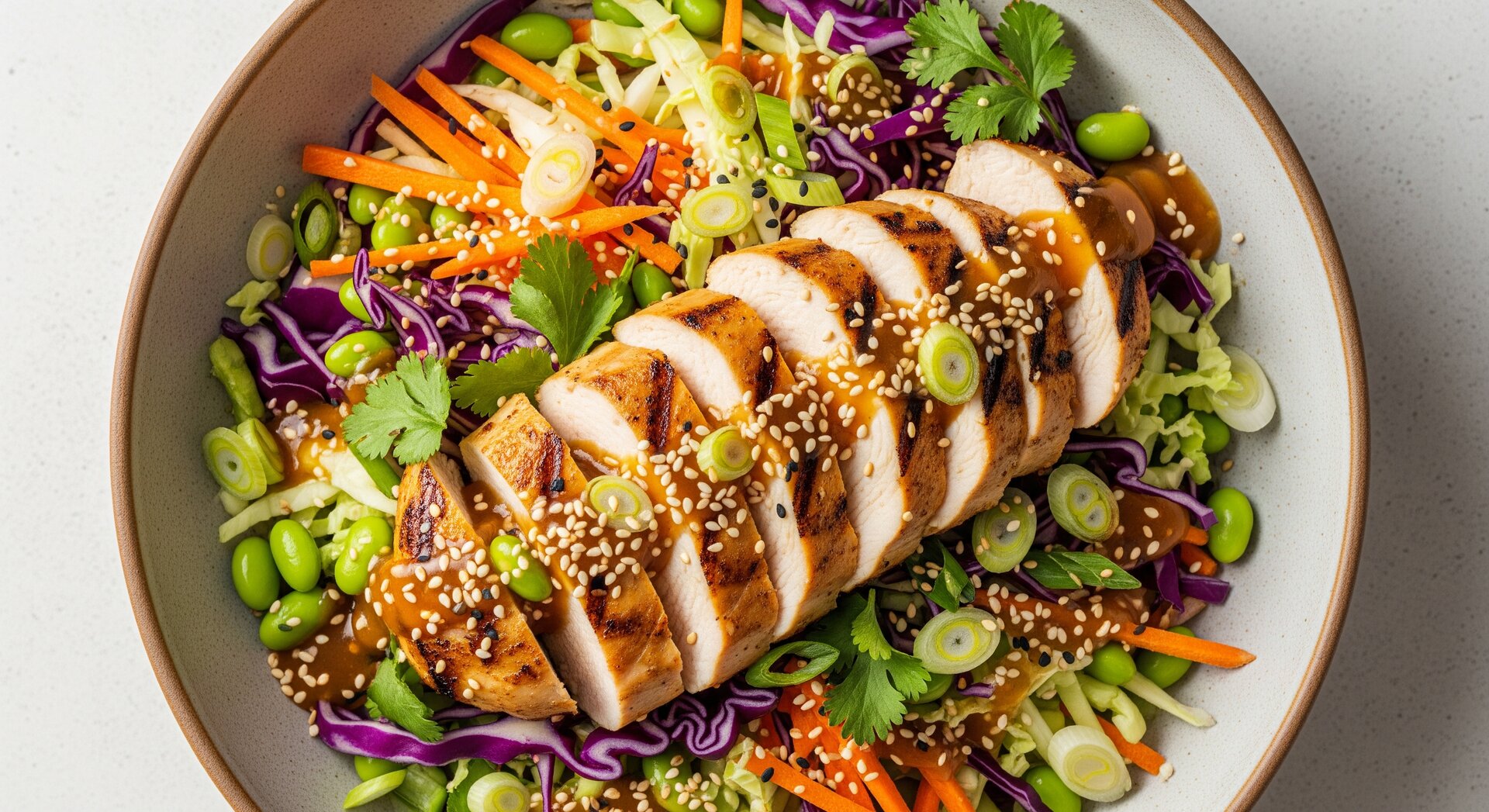 Asian Sesame Chicken Salad 25 min Crispy salad with grilled chicken and ginger-sesame dressing
  320 kcal
  28g protein 1 synergies
 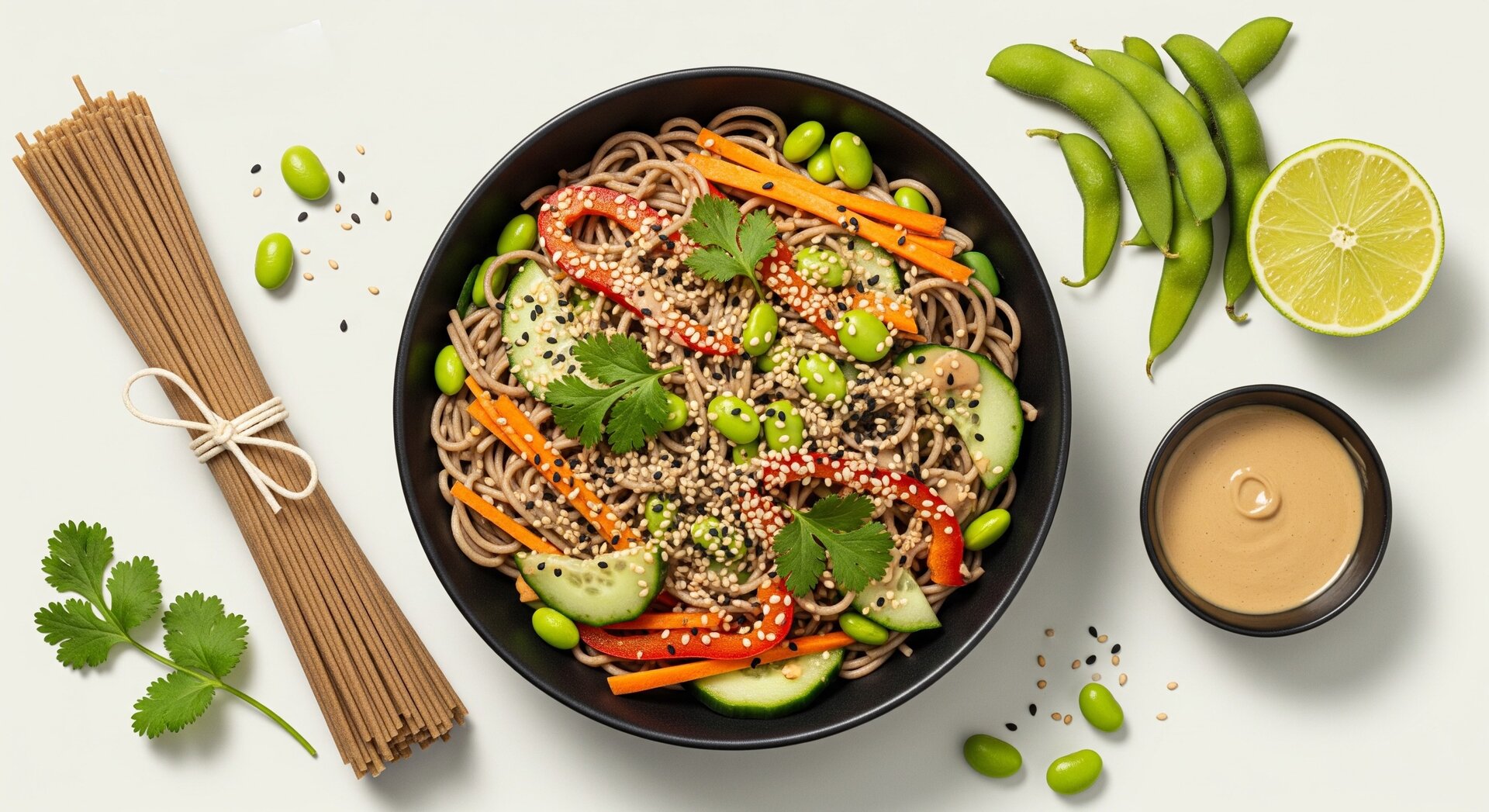 Asian Sesame-Soba Noodle Salad with Edamame 25 min Cold noodle salad with sesame dressing and edamame 751 kcal 31g protein 1 synergies
 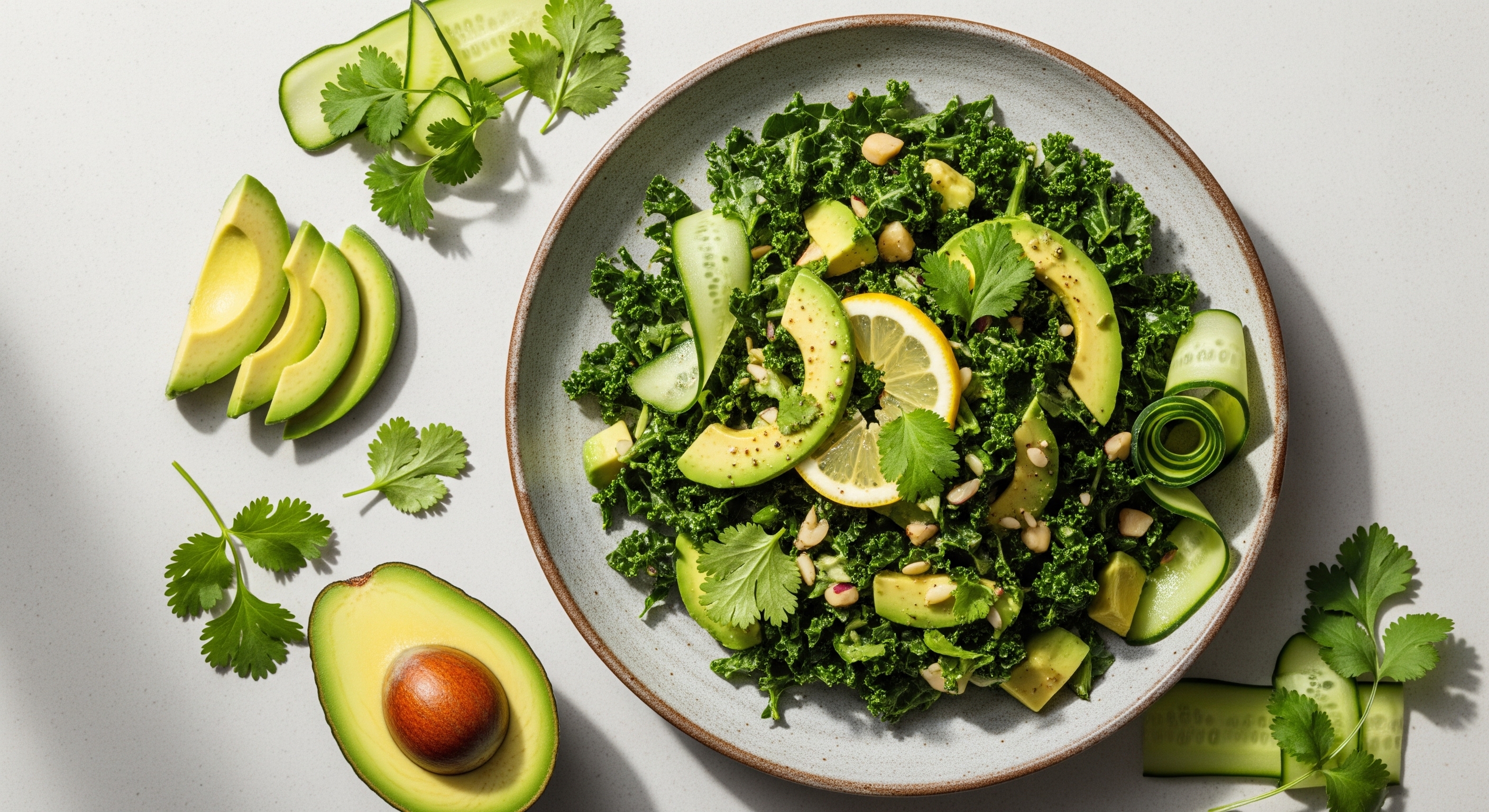 Kale Salad with Avocado, Cucumber and Coriander 15 min Fresh, green and creamy-crisp 344 kcal 8g protein 2 synergies
 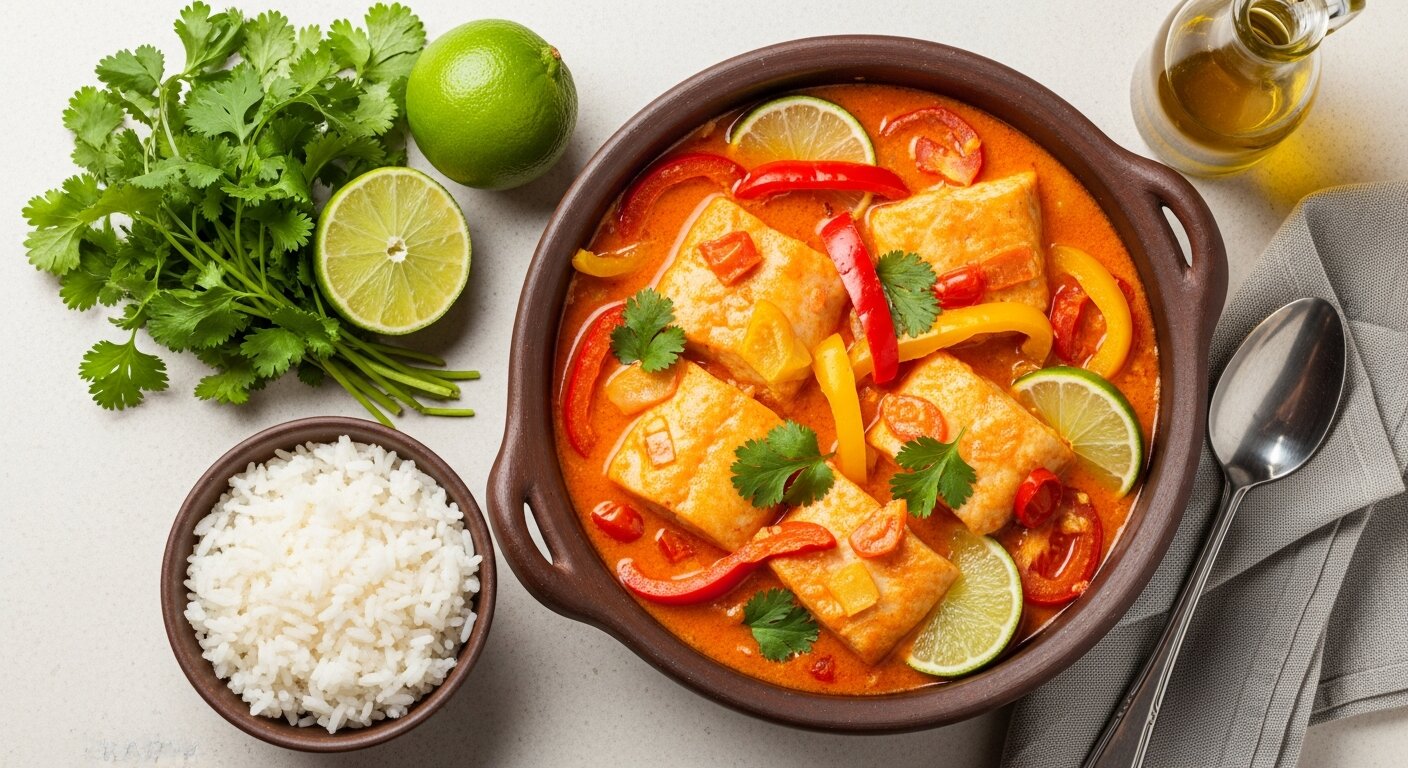 Brazilian Moqueca with White Fish 45 min Creamy coconut fish stew with bell peppers, tomato and lime 420 kcal 32g protein 2 synergies
 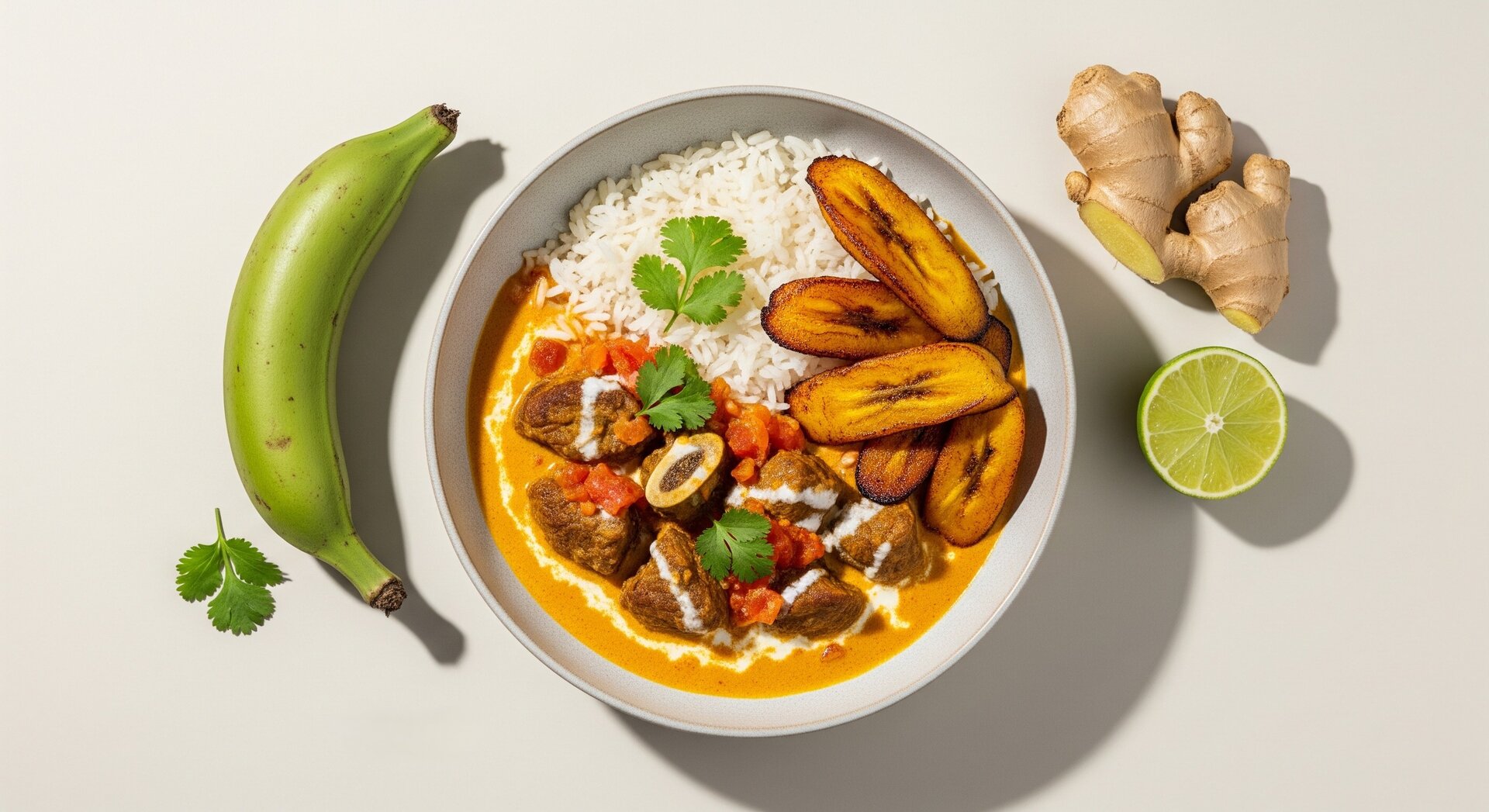 Caribbean Lamb Curry with Rice and Plantain 75 min Spicy curry with coconut milk and sweet plantain 934 kcal 48g protein 1 synergies
 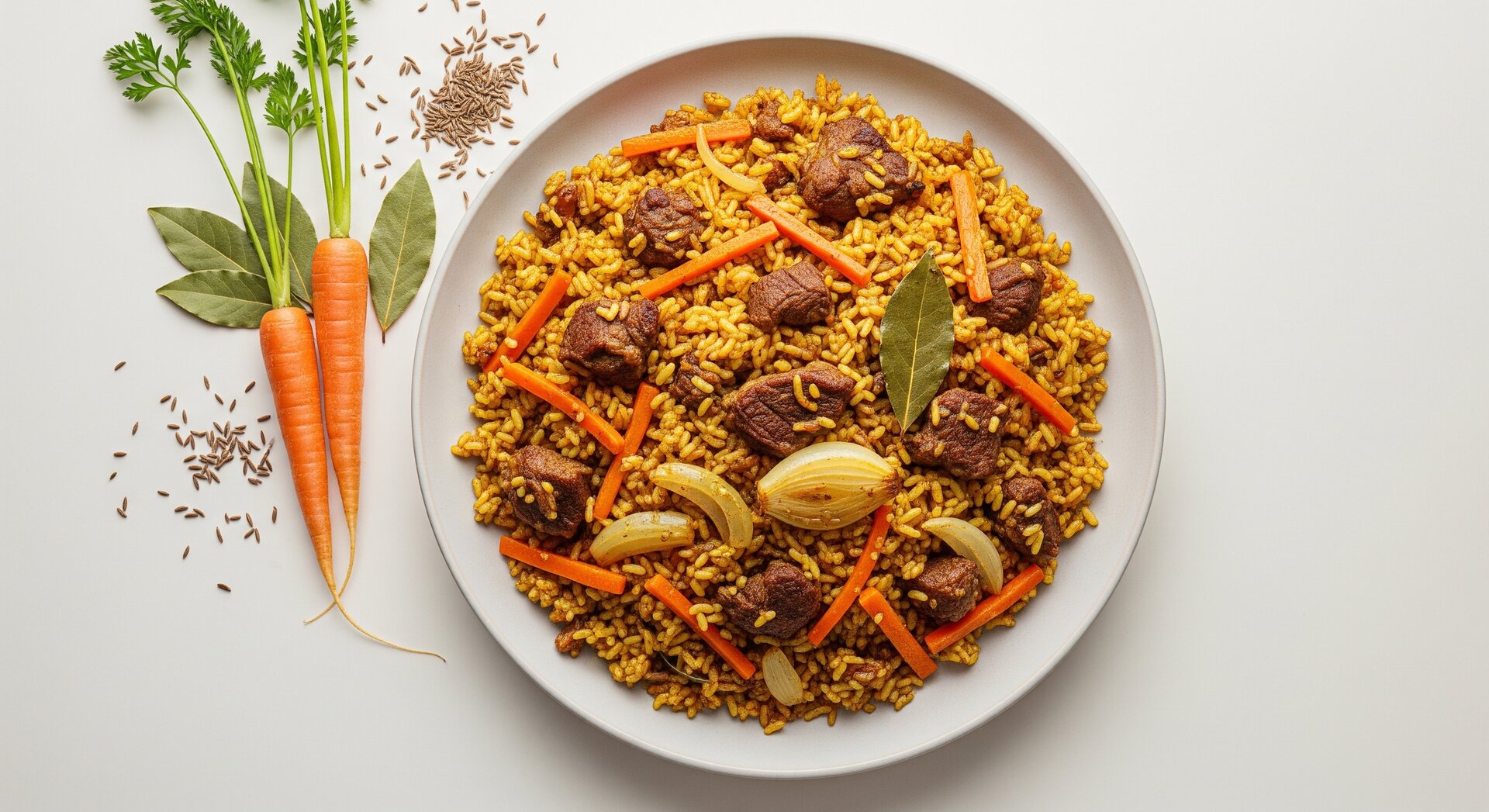 Central Asian Plov with Lamb 60 min Uzbek rice dish with lamb and carrot 679 kcal 43g protein 1 synergies
  In the Kitchen
Storage
Location:Refrigerator
Shelf life:tot 2 weken in water, maanden ingevroren
Store fresh cilantro with the stems in a glass of water in the fridge, loosely covered. Rinse only just before use and pat dry well, because moisture makes the leaves wilt faster.
Preparation
Add fresh cilantro mostly at the end so its bright citrusy flavor stays intact. Use finely chopped stems earlier in curry pastes, salsas, dressings or marinades; coriander seed can be cooked longer and has a warmer, spicier flavor.
Substitutes
Smart preparation
1Use both the leaves and the stems; the stems are often especially aromatic.
Why?
The stems have a firm texture and plenty of flavor, making them useful in sauces, marinades and curry pastes.
2Add cilantro leaves raw as a garnish after cooking.
Why?
This keeps the fresh aroma, color and citrusy flavor more noticeable.
3Store fresh cilantro with the stems in water in the fridge.
Caution / Warnings
Cilantro is very safe, but there are scientific considerations:
Allergy to the Apiaceae family Moderate
People allergic to carrot, celery, fennel or dill may also be sensitive to cilantro.
Advice:
Avoid cilantro with a known Apiaceae allergy, or test only carefully after personal advice.
OR6A2 gene variant and soapy taste Mild
Some people experience cilantro as soapy because of differences in aroma perception. This is harmless, but it can be unpleasant in food.
Advice:
If cilantro tastes soapy, use parsley, basil or mint as a fresher alternative.
Traditional use
Ayurveda
Dhania in Ayurveda
Coriander (dhania) has long been used in Ayurveda as a culinary herb with a cooling flavor profile. It appears in chutneys, spice blends, rice dishes and warm drinks.
Mediterranean
One of the oldest known culinary herbs
Coriander is among the oldest known culinary herbs. Archaeological finds and ancient texts show that both leaf and seed were used early in cuisines around the Mediterranean and the Middle East.
Summary
Cilantro adds a fresh, citrusy flavor to salsas, curries, soups and salads. Add the leaves at the end and finely chop the stems for extra aroma in sauces or marinades. Does cilantro taste soapy to you? Parsley, basil or mint is often a better alternative.