- Easy
- 25 min
- 4 serv.
- 15 synergies
- Now at its best: Napa Cabbage
A fresh Asian salad with grilled chicken, cabbage, edamame, carrot and a flavorful ginger-sesame dressing. Crunchy, protein-rich and full of flavor.
The first bite tells you right away why this salad works. It starts with the cabbage — two kinds, red and Chinese — that together create a bed that crunches under your teeth. Through it: the juiciness of julienned carrots, the soft bite of edamame, and strips of grilled chicken still warm from the grill.
But it's the dressing that takes this salad from ordinary to irresistible. Sesame oil and tamari as the base, the warmth of fresh ginger, the sweetness of a little honey, and just enough rice vinegar to wake everything up. Toasted sesame seeds as a finishing touch, cilantro you only smell when you lift your fork. This is the salad that teaches you healthy eating doesn't have to be boring.
- 15
- min prep
- 10
- min cook
- 25
- min total
Nutritional Synergies
This recipe combines ingredients that enhance each other:
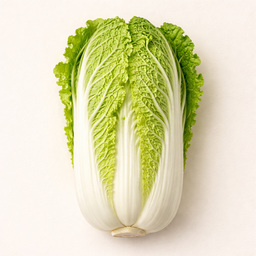 Napa Cabbage
 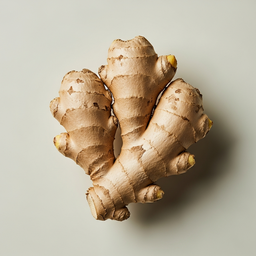 Ginger
 Glucosinolates + gingerols: complementary digestive support
Technical: Chinese cabbage contains glucosinolates (sulfur compounds) and 105mg vitamin C per 100g. Ginger's gingerols accelerate gastric emptying by 25% and act as 5-HT3 receptor antagonists. The combination provides both enzymatic support (glucosinolates) and motility promotion (gingerols).
What does this mean for you? Chinese cabbage with ginger (classic in kimchi and Asian soups) is a centuries-old digestive combination. Ginger promotes gastric motility, while Chinese cabbage provides vitamin C.
DigestionAnti-inflammatory
Napa Cabbage 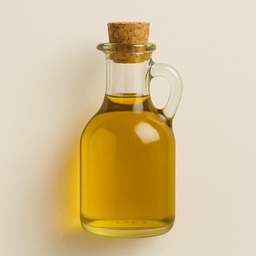 Sesame Oil
 Better absorption of fat-soluble vitamins
Technical: Chinese cabbage contains 46μg vitamin K per 100g (38% RDI) and beta-carotene (provitamin A). Sesame oil contains 40% linoleic acid and 42% oleic acid — fats that stimulate micelle formation for fat-soluble vitamin absorption. Sesamin (lignan) in sesame oil also has its own antioxidant action.
What does this mean for you? Stir-fry Chinese cabbage with sesame oil — an Asian tradition backed by science. The oil makes fat-soluble vitamins absorbable. Without oil you miss most of them.
Joints
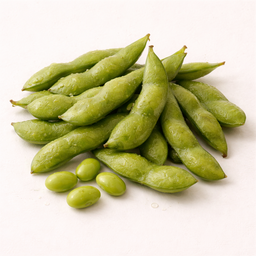 Edamame Sesame Oil
 Increased absorption of isoflavones
Technical: Edamame contains isoflavones (genistein and daidzein) — phytoestrogens that are lipophilic (fat-loving) and are significantly better absorbed in the presence of fats. Sesame oil contains sesamin, a lignan with its own antioxidant action. The fat in sesame oil increases isoflavone bioavailability by 2-3x.
What does this mean for you? Drizzle sesame oil over your edamame or briefly stir-fry them in sesame oil with sea salt. The nutty aroma of sesame pairs perfectly with edamame and your body absorbs the isoflavones much better.
Hormonal BalanceHeart
Ginger 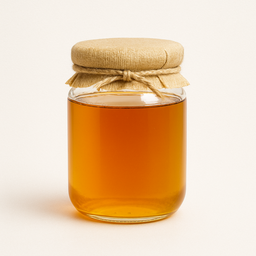 Honey
Honey Classic combination: warming herbal drink with honey
Technical: Ginger's gingerol modulates COX-2 and has antiemetic action (suppresses nausea via 5-HT3 receptor blockade). Honey's glucose oxidase produces hydrogen peroxide with bioactive action, while honey physically coats and soothes the throat. Together: bioactive modulation + throat protection.
What does this mean for you? Ginger tea with honey is a classic, warming combination. The ginger provides gingerol, the honey a smooth, sweet layer.
Immune System
Ginger 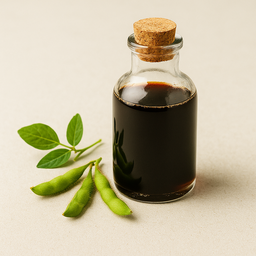 Tamari
 Asian umami base with bioactive action
Technical: Ginger contains gingerols and shogaols that modulate COX-2. Tamari (gluten-free soy sauce) provides umami flavor plus fermented compounds supporting gut flora. Together they form the base of many Asian dishes and offer both flavor and bioactive action.
What does this mean for you? Ginger + tamari is the base of stir-fries, marinades and dressings. Two ingredients that enhance each other's flavor and combine bioactive compounds.
DigestionAnti-inflammatory
Honey 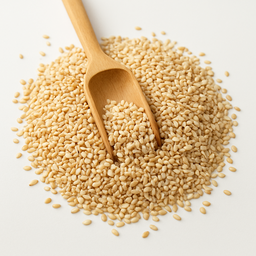 Sesame Seeds
 Honey antioxidants + sesame lignans for antioxidant support
Technical: Honey's water-soluble antioxidants (phenolic acids, flavonoids) and sesame seed's fat-soluble lignans (sesamin) provide antioxidant support in different compartments. Honey's fructose provides quick energy, sesame's fats and proteins give sustained satiety.
What does this mean for you? Sesame seeds with honey (as in Japanese dishes) combines quick energy with sustained satiety and broad antioxidant support.
EnergyAnti-inflammatorySkin & Hair
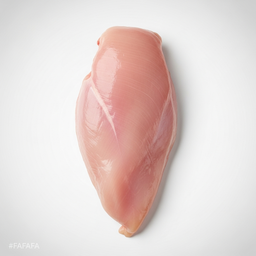 Chicken Breast Ginger
 Gingerols improve protein digestion and modulate the inflammatory response
Technical: Chicken breast contains 31g high-quality protein per 100g. Ginger contains gingerols that stimulate proteolytic enzymes (pepsin, trypsin), breaking down proteins more efficiently. Ginger also reduces formation of AGEs (Advanced Glycation End-products) when cooking meat.
What does this mean for you? Marinate chicken with fresh ginger or add ginger when cooking. This is the basis of many Asian chicken dishes (ginger chicken, congee) and improves both flavor and digestibility.
Muscle GainDigestionAnti-inflammatory
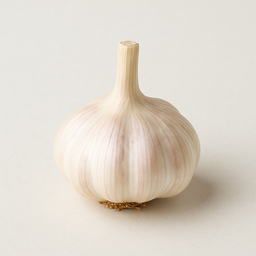 Garlic Ginger
 Allicin + gingerols: complementary bioactive action
Technical: Garlic's allicin works via thiol enzyme inhibition — effective against gram-positive bacteria (Staphylococcus, Streptococcus). Ginger's gingerols and shogaols influence viral replication and stimulate interferon production. Together they cover both bacterial and viral pathways.
What does this mean for you? Garlic-ginger tea is a classic combination. Garlic works via thiol enzymes, ginger via interferon pathways. Cut both fresh for maximum active compounds — allicin only forms after 10 minutes of air exposure.
Immune System
Garlic Honey Fermented: allicin + bee defensin in traditional condiment
Technical: Raw garlic contains alliin converted by alliinase to allicin — an organosulfur compound with bioactive properties — when cut. Raw honey contains hydrogen peroxide, bee defensin-1 and methylglyoxal. Fermenting garlic in honey increases bioavailability of S-allylcysteine (SAC), a more stable bioactive metabolite.
What does this mean for you? Submerge raw garlic cloves in raw honey and ferment for 2-4 weeks. You get a traditional condiment with concentrated bioactive compounds — an ancient fermentation technique that increases bioavailability.
Immune System
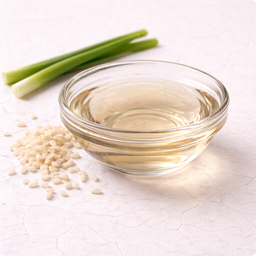 Rice Vinegar Ginger
 Acetic acid + gingerols for glycemic support and bioactive action
Technical: Rice vinegar contains 4-5% acetic acid that inhibits alpha-amylase (slows carbohydrate digestion) and dampens the postprandial glycemic response. Ginger's gingerols support insulin sensitivity via AMPK activation. Together they slow carbohydrate breakdown (vinegar) and support glucose uptake in cells (ginger). Rice vinegar also has a low pH (2.4-3.4) that preserves sushi rice.
What does this mean for you? Ginger-rice vinegar dressing (sunomono style) with rice dishes dampens the blood sugar spike. This is why sushi rice with gari (pickled ginger in rice vinegar) is so cleverly composed.
Blood SugarDigestion
Rice Vinegar Sesame Oil Acetic acid emulsion with sesame oil for mineral absorption
Technical: Rice vinegar's acetic acid (4-5%) chelates minerals (calcium, magnesium, iron) into soluble acetates that are more absorbable. Sesame oil contains sesamin (lignan) that improves intestinal calcium absorption via vitamin D receptor activation. The emulsion of vinegar + oil (vinaigrette principle) distributes fat-soluble compounds from sesame oil into small droplets offering larger absorption surface.
What does this mean for you? Rice vinegar + sesame oil is the base of Asian dressings and dipping sauces. Use this combination over salad, blanched vegetables or cold noodles for better mineral absorption.
General WellnessHeart
Sesame Oil Ginger Asian cooking base: lignans + gingerols via complementary pathways
Technical: Sesame oil contains sesamin and sesamolin (lignans) with antioxidant action. Ginger contains gingerols that modulate COX-2. Both compounds influence NF-κB via complementary mechanisms. The fat in sesame oil also improves absorption of fat-soluble gingerols.
What does this mean for you? Start Asian dishes with sesame oil + ginger as flavor base. This is the fundamental start of wok dishes and combines two bioactive compounds via complementary pathways.
Anti-inflammatoryDigestion
Sesame Oil Sesame Seeds Sesame oil fats enhance absorption of sesame seed lignans
Technical: Sesame seeds contain lignans (sesamin, sesamolin) that are fat-soluble. Sesame oil provides the ideal fat matrix for absorption. Additionally, the oil contains different bioactive forms (sesamol) that work complementarily to lignans in whole seeds.
What does this mean for you? Top dishes with both sesame seeds and a drizzle of sesame oil — you get the fiber and minerals from the seeds plus optimal lignan absorption.
HeartAnti-inflammatoryHormonal Balance
Tamari Sesame Oil Fermented soy isoflavones + sesamol for antioxidant protection
Technical: Tamari contains fermentation-released isoflavones (genistein, daidzein) that work synergistically with sesame oil's sesamol and sesaminol. Together they provide broader antioxidant protection via different radical scavenging mechanisms.
What does this mean for you? A splash of tamari with sesame oil as dressing or stir-fry sauce gives not only umami flavor but also a double antioxidant effect.
Anti-inflammatoryHeartSkin & Hair
Tamari Sesame Seeds Umami amino acids enhance mineral absorption from sesame seeds
Technical: Tamari's free glutamic acid and amino acids from fermentation promote absorption of zinc and iron from sesame seeds. The organic acids in fermented soy lower intestinal pH, making minerals more soluble.
What does this mean for you? Sprinkle dishes with tamari and sesame seeds together — a classic Asian combination that's not only delicious but also optimizes your mineral absorption.
EnergyImmune SystemGeneral Wellness
Ingredients (14)
- Chicken Breast — 300 g grilled, sliced
-
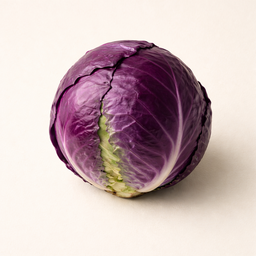 Red Cabbage — 200 g thinly sliced
 - Napa Cabbage — 200 g thinly sliced
Instructions
- 1 Grill the chicken breast over medium heat 5-6 minutes per side until cooked through. Let rest 5 minutes and slice into thin strips.
Nutrition per serving
Indicative values per serving.
Timing & Suitability
Shelf life: 2 days in fridge
Tags & Diet
Allergens: Soy, Sesame