Sesame Oil
Asian aroma oil with toasted, nutty depth
What is this ingredient?
## Two types of sesame oil
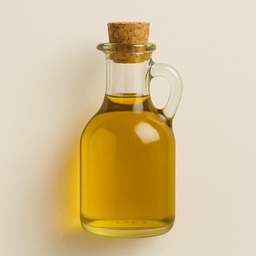
Sesame oil is mainly used in two culinary forms. Light sesame oil is pressed from untoasted sesame seeds and has a milder, more neutral taste; use it for quick frying, stir-frying, and marinades. Dark or toasted sesame oil is made from toasted seeds and is much more aromatic: a few drops give noodles, rice, dressings, dips, and soups a deep nutty note.
Sesame oil contains the characteristic sesame lignans sesamin and sesamolin, along with aromatic compounds that become more pronounced during roasting. It also naturally provides vitamin E and vitamin K. Vitamin E contributes to the protection of cells from oxidative stress, and vitamin K contributes to normal blood clotting and to the maintenance of normal bones.
In cooking, sesame oil is all about dosage and timing. Use light sesame oil when you want a subtle sesame flavor during cooking. Use toasted sesame oil more as a finishing oil: add it after cooking so the roasted aroma stays clear and does not turn bitter. Store the bottle in a cool, dark place and close it well after use.
How does it taste?
Intensely nutty and toasted with a warm, aromatic depth.
Pairs well with:
Pairs well with soy saucegingergarlicriceand noodles.
Did you know...?
- Sesame is one of the oldest oil crops and was cultivated in the Indus Valley thousands of years ago.
- The phrase 'Open Sesame!' from Ali Baba likely refers to sesame seed pods popping open.
Nutritional Value & Energy
Per 100ml
Sesame Oil provides energy thanks to natural nutrients .
Per 100g
Minerals
Vitamins
Omega-3 fatty acids
More nutrients
Trace Minerals
What's in a serving?
1 tablespoon
Sesame oil naturally contains vitamin E (9 mg per 100 g).
Sesame oil naturally contains vitamin K (18 mcg per 100 g).
% of daily reference intake (DRI)
EU-approved nutrition claims
This ingredient contains nutrients for which EFSA-authorized health claims exist (at nutrient level, not ingredient-specific).
Approved health claims (EU)
Vitamin_e EU 432/2012
Vitamin E contributes to the protection of cells from oxidative stress
Contains 9mg/100g (threshold: ≥1.8mg/100g)
Vitamin_k EU 432/2012
Vitamin K contributes to normal blood clotting
Contains 18mcg/100g (threshold: ≥11.25mcg/100g)
Vitamin_k EU 432/2012
Vitamin K contributes to the maintenance of normal bones
Contains 18mcg/100g (threshold: ≥11.25mcg/100g)
What's being researched?
Sesamol and sesamin
The lignans sesamol and sesamin in sesame oil are studied for their role as phenolic compounds and their influence on oxidative markers in nutrition research. The available studies are interesting, but not ingredient-specific enough for firm health promises.
Supported by: [3] Javed H (2024) , [2] Majdalawieh AF (2020)
Sesame oil and cardiovascular markers
Sesame oil is examined in nutrition research in relation to cardiovascular markers, especially when used as a daily cooking oil. Results depend on context and should be read as research background, not as a direct effect of one serving of sesame oil.
Supported by: [1] Farajbakhsh A (2019)
Good Combinations (Synergy)
Combine sesame oil smartly to enhance the effect:
Sesame Oil 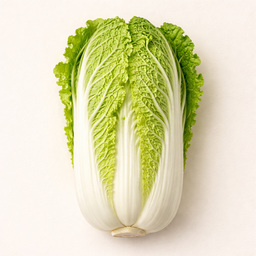 Napa Cabbage
 Better absorption of fat-soluble vitamins
Technical: Chinese cabbage contains 46μg vitamin K per 100g (38% RDI) and beta-carotene (provitamin A). Sesame oil contains 40% linoleic acid and 42% oleic acid — fats that stimulate micelle formation for fat-soluble vitamin absorption. Sesamin (lignan) in sesame oil also has its own antioxidant action.
What does this mean for you? Stir-fry Chinese cabbage with sesame oil — an Asian tradition backed by science. The oil makes fat-soluble vitamins absorbable. Without oil you miss most of them.
Sesame Oil 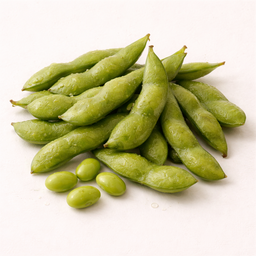 Edamame
 Increased absorption of isoflavones
Technical: Edamame contains isoflavones (genistein and daidzein) — phytoestrogens that are lipophilic (fat-loving) and are significantly better absorbed in the presence of fats. Sesame oil contains sesamin, a lignan with its own antioxidant action. The fat in sesame oil increases isoflavone bioavailability by 2-3x.
What does this mean for you? Drizzle sesame oil over your edamame or briefly stir-fry them in sesame oil with sea salt. The nutty aroma of sesame pairs perfectly with edamame and your body absorbs the isoflavones much better.
Sesame Oil  Eggs
Eggs Choline + sesamol for brain and liver support
Technical: Eggs contain 147mg choline per egg (27% RDI), essential as precursor for the neurotransmitter acetylcholine and for liver metabolism. Sesame oil contains sesamol and sesamin — bioactive lignan antioxidants with membrane-stabilizing properties. The fats in sesame oil also help absorb fat-soluble vitamins from eggs.
What does this mean for you? Fry your eggs in sesame oil for Asian dishes like tamagoyaki. The nutty flavor combines perfectly and the bioactive compounds complement each other.
Sesame Oil 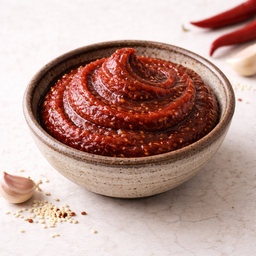 Gochujang
 Fermentation + fats maximize bioactive compounds
Technical: Gochujang is fermented chili-soybean paste containing both capsaicin (thermogenic) and probiotics (Lactobacillus). Sesame oil's sesamin and sesamol are antioxidants protecting capsaicin from oxidation. The fat also increases capsaicin bioavailability. Ginger enhances thermogenic action via gingerol.
What does this mean for you? Mix gochujang with sesame oil and ginger as sauce for Korean bowls. The fermentation, fat and ginger reinforce each other — the core of Korean cuisine.
Sesame Oil 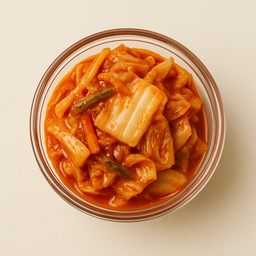 Kimchi
 Korean combination: fat increases carotenoid absorption from kimchi
Technical: Kimchi (from Chinese cabbage, radish, etc.) contains beta-carotene and other carotenoids plus Lactobacillus probiotics. Sesame oil contains lignans and increases absorption of fat-soluble carotenoids by 3-5x. In Korea, sesame oil is often added to bibimbap with kimchi.
What does this mean for you? Drizzle sesame oil over your kimchi or briefly stir-fry it in sesame oil. This increases both flavor and nutrient absorption.
Sesame Oil 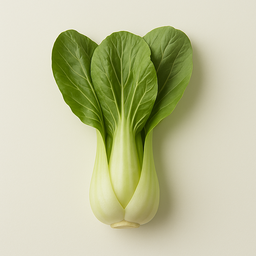 Pak Choi
 Asian combination: sulforaphane activation + vitamin absorption
Technical: Pak choi is rich in glucosinolates and calcium. Mustard provides myrosinase for sulforaphane activation, sesame oil contains sesamol that acts as antioxidant.
What does this mean for you? The classic Asian combination of pak choi with sesame oil isn't popular by accident — it works! Add mustard (fits well in an Asian dressing with soy sauce and ginger) for extra sulforaphane formation. Tip: stir-fry briefly to preserve vitamins.
Sesame Oil 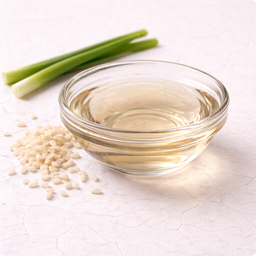 Rice Vinegar
 Acetic acid emulsion with sesame oil for mineral absorption
Technical: Rice vinegar's acetic acid (4-5%) chelates minerals (calcium, magnesium, iron) into soluble acetates that are more absorbable. Sesame oil contains sesamin (lignan) that improves intestinal calcium absorption via vitamin D receptor activation. The emulsion of vinegar + oil (vinaigrette principle) distributes fat-soluble compounds from sesame oil into small droplets offering larger absorption surface.
What does this mean for you? Rice vinegar + sesame oil is the base of Asian dressings and dipping sauces. Use this combination over salad, blanched vegetables or cold noodles for better mineral absorption.
Sesame Oil 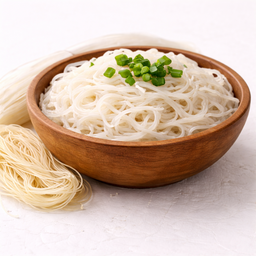 Rice Noodles
 Sesame + soy = complete amino acids + fats
Technical: Rice noodles (rice flour) are low in lysine — the limiting amino acid in rice protein. Soy sauce (fermented soybeans) is rich in lysine and provides free glutamate for umami. Sesame oil contains methionine (complementary amino acid) plus sesamin and sesamol — unique lignans with antioxidant action. Together they form an amino acid-complete profile.
What does this mean for you? Stir-fry rice noodles with sesame oil and soy sauce — this is the foundation of countless Asian dishes. The three together provide complete proteins, healthy fats AND intense umami flavor. Add vegetables for a complete meal.
Sesame Oil 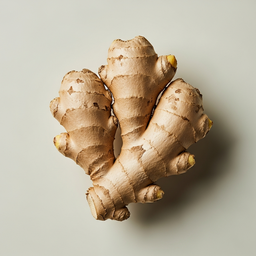 Ginger
 Asian cooking base: lignans + gingerols via complementary pathways
Technical: Sesame oil contains sesamin and sesamolin (lignans) with antioxidant action. Ginger contains gingerols that modulate COX-2. Both compounds influence NF-κB via complementary mechanisms. The fat in sesame oil also improves absorption of fat-soluble gingerols.
What does this mean for you? Start Asian dishes with sesame oil + ginger as flavor base. This is the fundamental start of wok dishes and combines two bioactive compounds via complementary pathways.
Sesame Oil 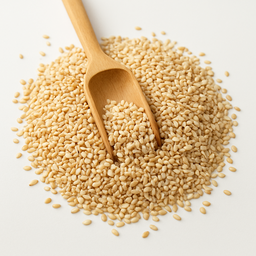 Sesame Seeds
 Sesame oil fats enhance absorption of sesame seed lignans
Technical: Sesame seeds contain lignans (sesamin, sesamolin) that are fat-soluble. Sesame oil provides the ideal fat matrix for absorption. Additionally, the oil contains different bioactive forms (sesamol) that work complementarily to lignans in whole seeds.
What does this mean for you? Top dishes with both sesame seeds and a drizzle of sesame oil — you get the fiber and minerals from the seeds plus optimal lignan absorption.
Sesame Oil  Spinach
 Sesame oil increases fat-soluble vitamin absorption from spinach 3-5x
Technical: Spinach contains vitamin K (483μg/100g, 400% RDI), beta-carotene and lutein - all fat-soluble. Sesame oil contains lignans (sesamin) that act as antioxidants and 50% monounsaturated fats that stimulate micelle formation.
What does this mean for you? Drizzle spinach with sesame oil (Korean/Japanese style) for maximum nutrient absorption. This is why namul (Korean spinach) is always made with sesame oil.
Sesame Oil 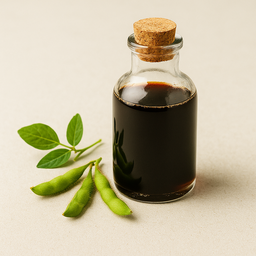 Tamari
 Fermented soy isoflavones + sesamol for antioxidant protection
Technical: Tamari contains fermentation-released isoflavones (genistein, daidzein) that work synergistically with sesame oil's sesamol and sesaminol. Together they provide broader antioxidant protection via different radical scavenging mechanisms.
What does this mean for you? A splash of tamari with sesame oil as dressing or stir-fry sauce gives not only umami flavor but also a double antioxidant effect.
Sesame Oil 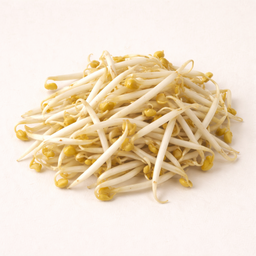 Bean Sprouts (Mung)
 Sesame oil improves vitamin absorption from bean sprouts
Technical: Bean sprouts (sprouted mung beans) contain 13μg vitamin K and 162μg folate per 100g. Sprouts also have elevated tocopherol (vitamin E family) levels. Sesame oil (42% oleic, 40% linoleic acid) forms micelles absorbing fat-soluble vitamins. Sesamin in sesame oil also inhibits PUFA oxidation.
What does this mean for you? Stir-fry bean sprouts with a splash of sesame oil — the classic Asian method. Sesame oil makes fat-soluble vitamins absorbable and adds a nutty flavor.
Sesame Oil 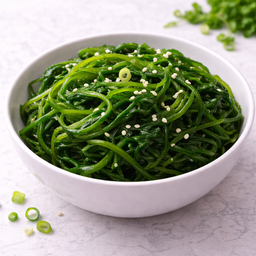 Wakame
 Better absorption of fat-soluble vitamins from seaweed
Technical: Wakame contains fat-soluble vitamins A (360μg RAE/100g), E, and K, plus fucoxanthin — a unique carotenoid. Without dietary fat, these are barely absorbed. Sesame oil's unsaturated fats (42% oleic acid, 40% linoleic acid) form micelles that increase absorption of these fat-soluble compounds up to 5x.
What does this mean for you? Make a Japanese wakame salad with sesame oil dressing — the oil ensures your body actually absorbs the vitamins and rare fucoxanthin. Without the oil, you eat wakame but miss most of it.
Recipes with Sesame Oil
Discover delicious recipes featuring sesame oil:
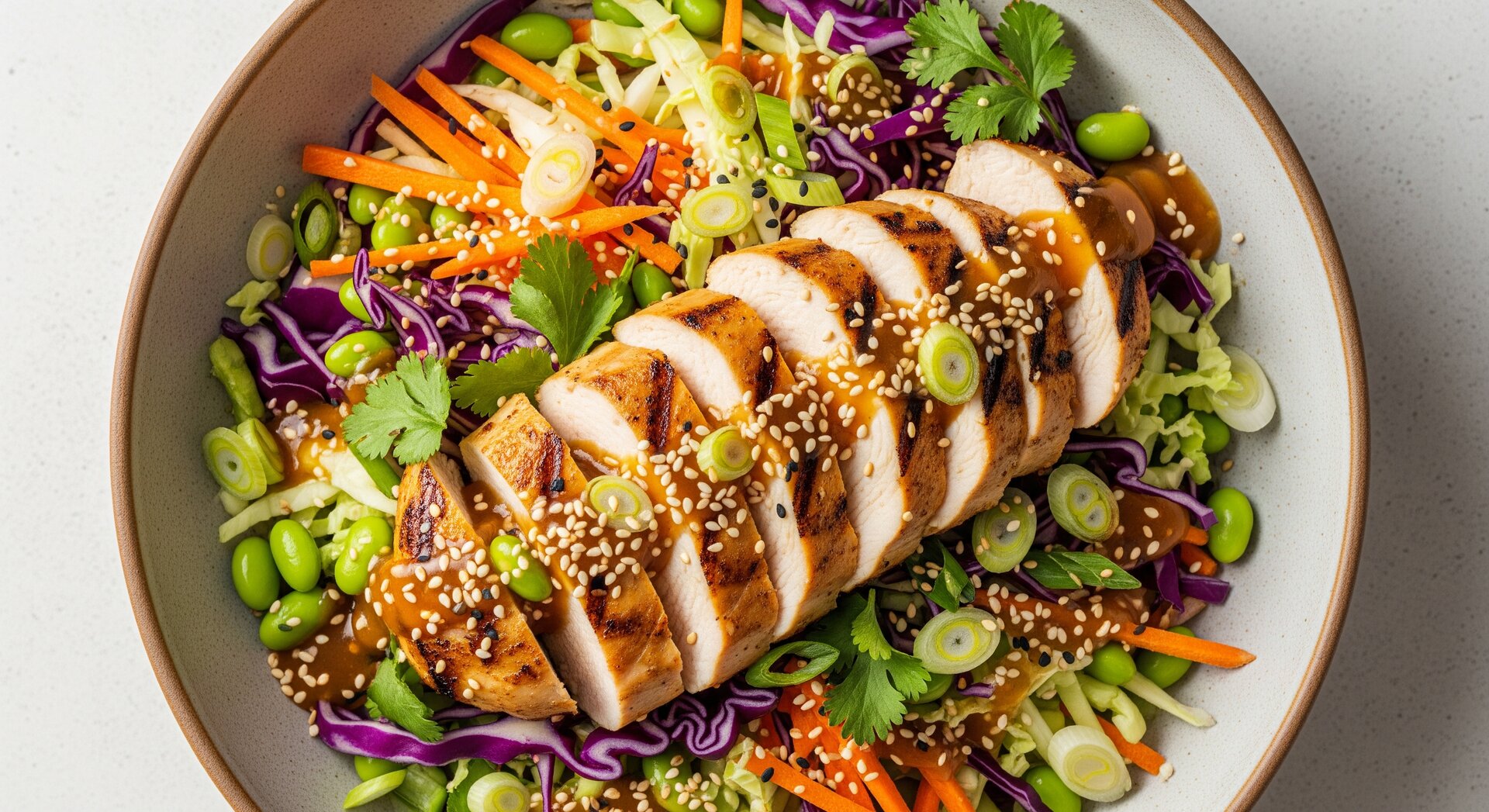 Asian Sesame Chicken Salad 25 min Crispy salad with grilled chicken and ginger-sesame dressing
  320 kcal
  28g protein 1 synergies
 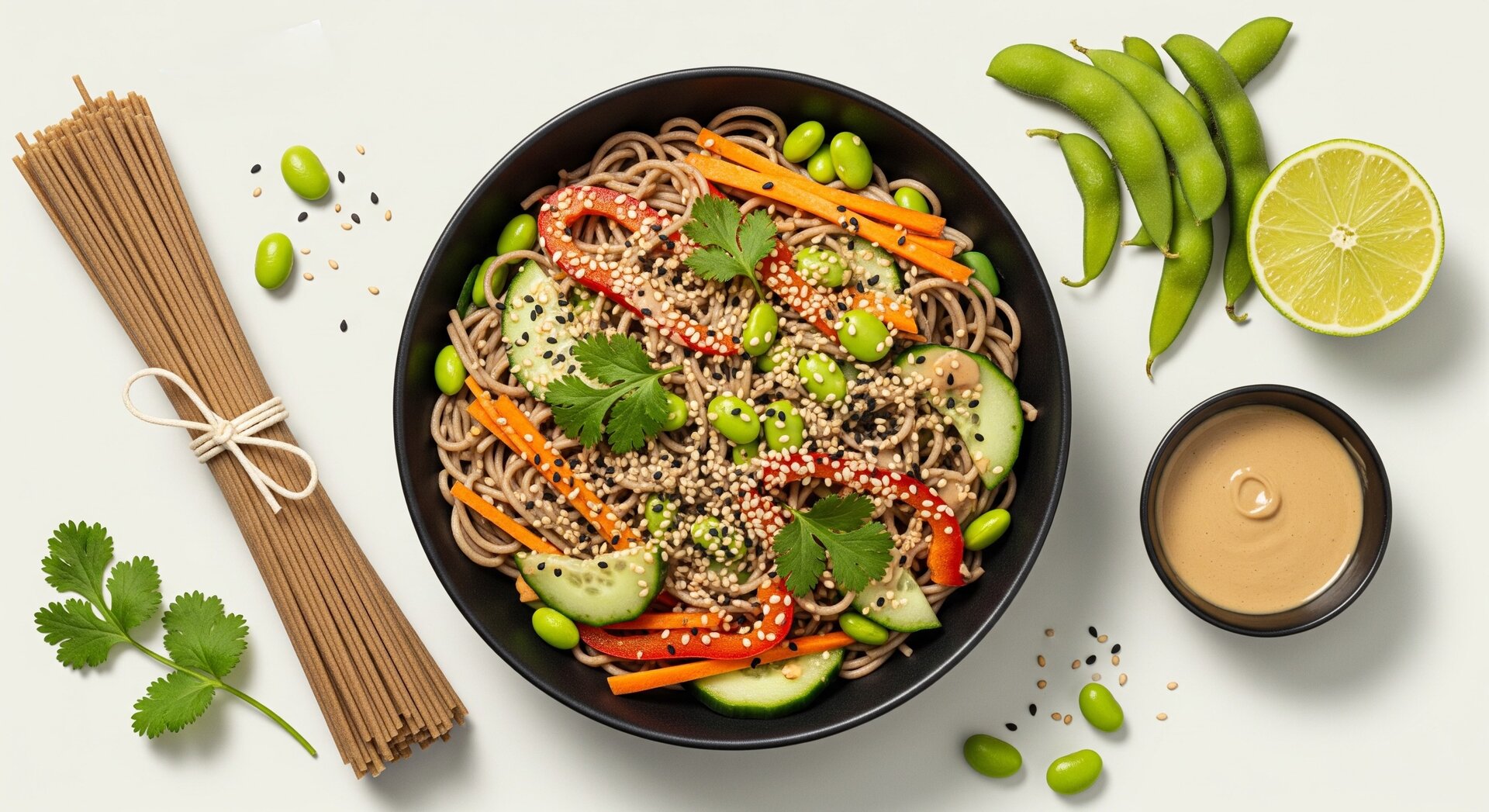 Asian Sesame-Soba Noodle Salad with Edamame 25 min Cold noodle salad with sesame dressing and edamame 751 kcal 31g protein 1 synergies
 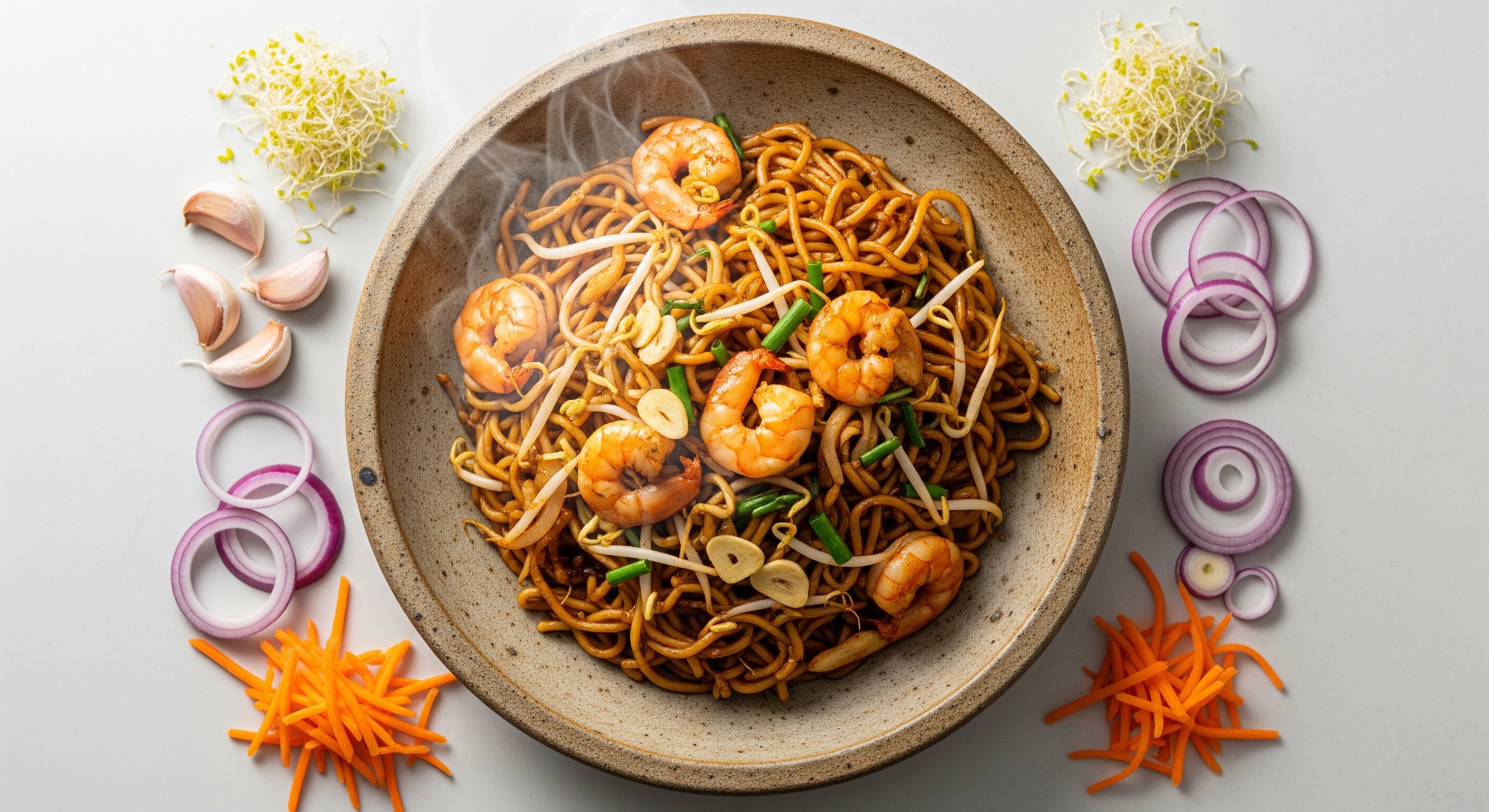 Bami Goreng with Shrimp and Bean Sprouts 30 min Indonesian stir-fry with crispy vegetables and sweet soy sauce 630 kcal 34g protein 2 synergies
 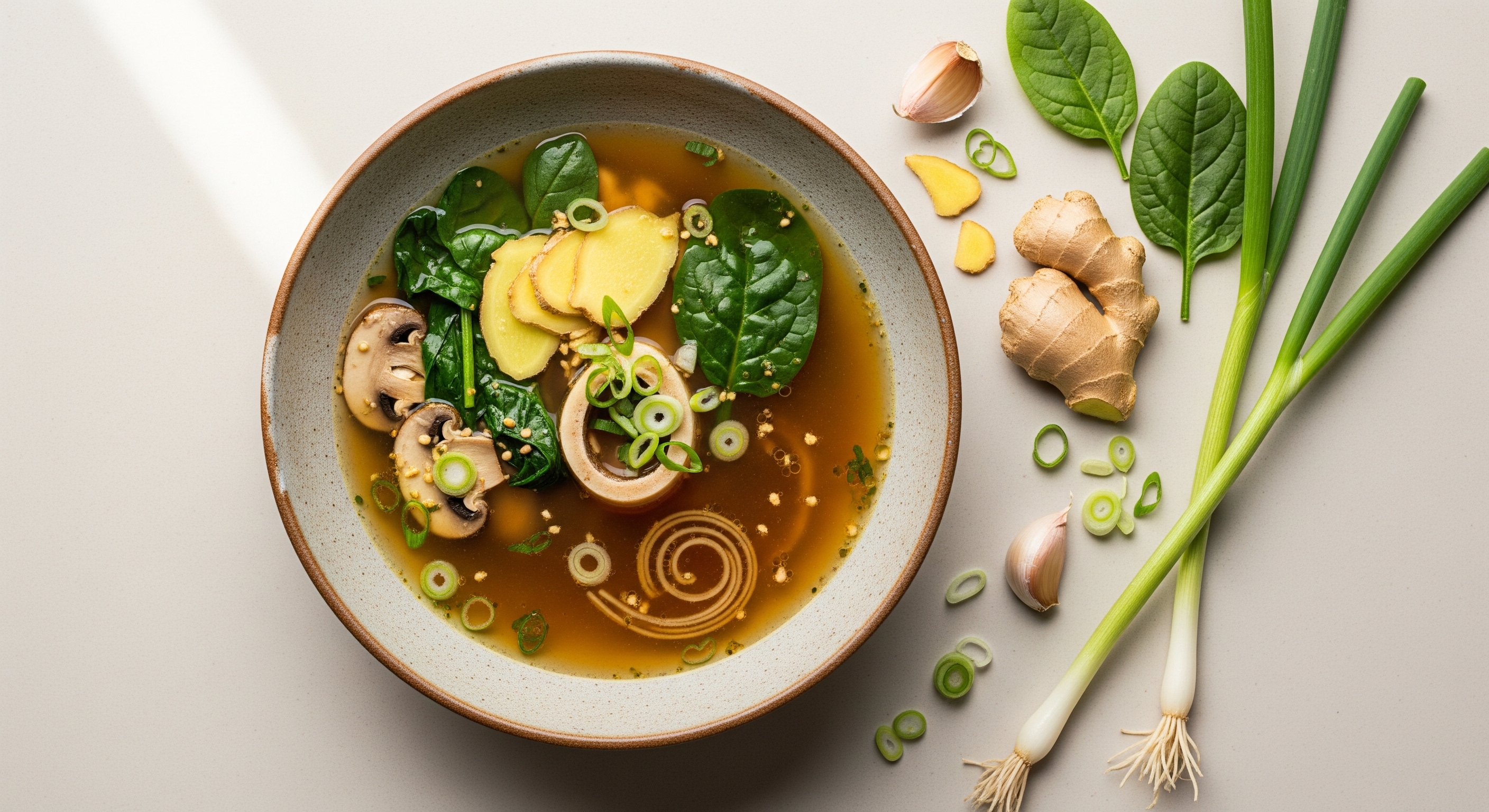 Bone Broth Soup with Ginger, Mushrooms and Spinach 22 min Light, savoury and gently warming 108 kcal 9g protein 2 synergies
 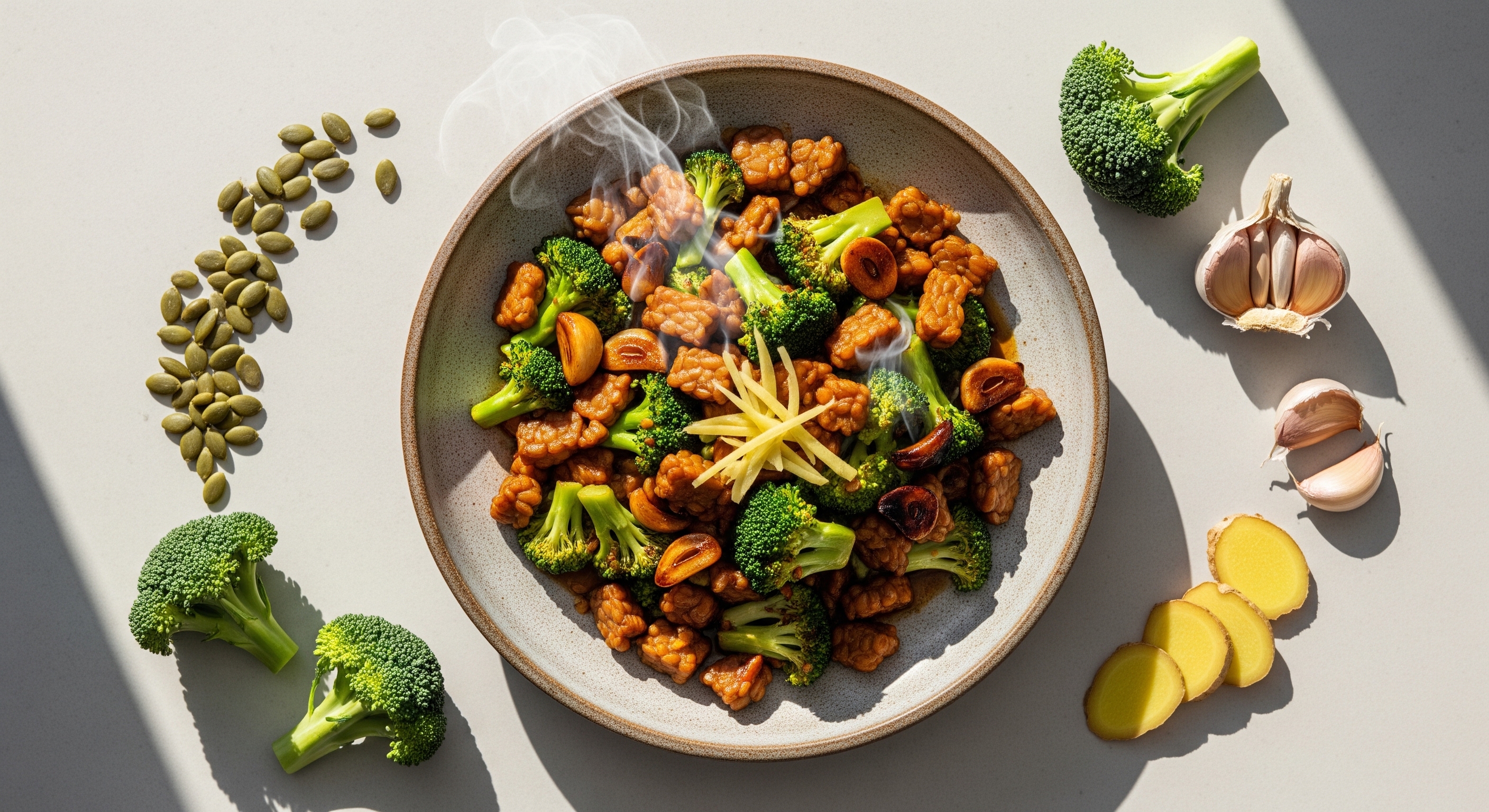 Broccoli Tempeh Stir-Fry with Sesame 30 min Savory, nutty and crisp from the wok 365 kcal 26g protein 2 synergies
 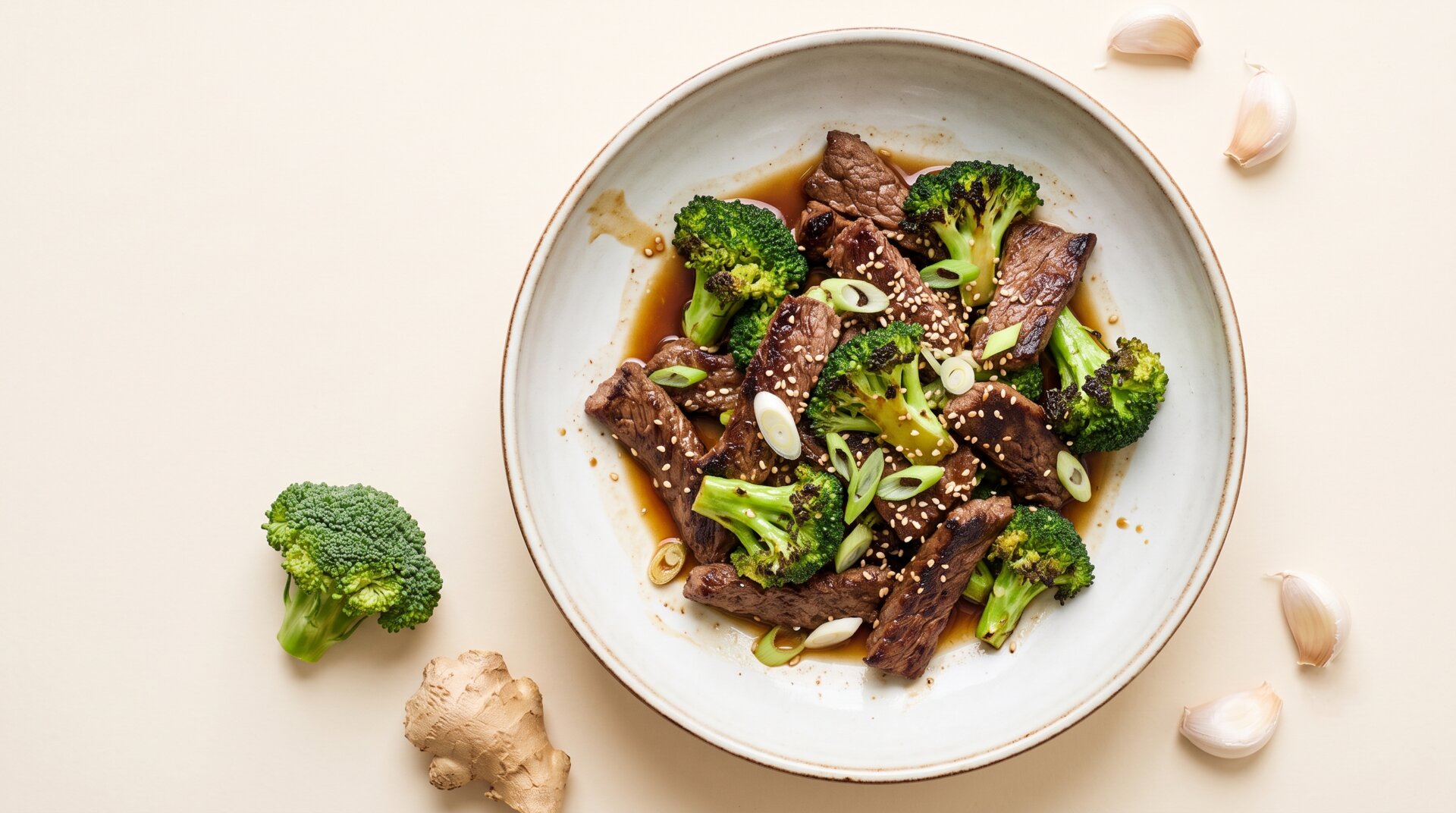 Chinese Beef & Broccoli 30 min Tender beef strips with crispy broccoli in oyster sauce 380 kcal 36g protein 1 synergies
  In the Kitchen
Storage
Location:Pantry
Shelf life:1-2 jaar ongeopend, 6 maanden geopend op koele plek
Protect sesame oil from light, heat, and oxygen. After opening, store toasted sesame oil preferably in a cool place and always close the cap well to preserve its aroma for longer.
Preparation
Light sesame oil can be used for quick frying and stir-frying (smoke point around 210°C). Toasted sesame oil is better not added early to the pan: use it as a finishing oil for maximum flavor. Delicious in dressings, over noodles, in dips, on rice, or as a final aromatic touch in soup.
Substitutes
Smart preparation
1Use toasted sesame oil as a flavor enhancer, not as the main oil for frying.
Why?
The toasted aroma is concentrated and can quickly turn bitter with too much heat.
2Add sesame oil at the very last moment for maximum aroma.
3Start with a few drops; toasted sesame oil has a very intense flavor.
Caution / Warnings
Sesame Oil is very safe, but there are scientific considerations:
Sesame allergy Severe
Sesame oil can cause severe allergic reactions, including anaphylaxis, in people with sesame allergy. Sesame is one of the 14 major allergens that must be declared on labels in the EU.
Advice:
Completely avoid sesame oil if you have a sesame allergy. Pay extra attention in Asian dishes, hummus, tahini, marinades, and ready-made sauces.
Blood pressure medication Mild
With regular and generous use of sesame oil, blood pressure readings may differ from expected values. This is especially relevant if you use medication and actively monitor your readings.
Advice:
Use sesame oil culinarily and in moderation. Discuss large daily amounts with your doctor or dietitian if you use blood pressure medication.
Traditional use
Ayurveda
Sesame oil in Ayurveda
Sesame oil is widely used in Ayurvedic rituals and daily care, including abhyanga, a traditional oil massage. In cooking, it is valued for its warm, nutty character and its role as a carrier of spice aromas.
Traditional Chinese Medicine
Sesame oil in Chinese cuisine
Sesame oil has been used in China for centuries as an aromatic finish for noodles, soups, rice dishes, dumplings, and cold salads. Toasted sesame oil in particular is used in small amounts because its flavor is strong and long-lasting.
Summary
Sesame oil gives Asian dishes instant depth: light sesame oil works well for quick frying and stir-frying, while toasted sesame oil shines mainly as a finishing oil. It contains characteristic sesame lignans such as sesamin and sesamolin, and naturally provides vitamin E and vitamin K. Use toasted sesame oil sparingly at the end for noodles, rice, dressings, dips, and soups.