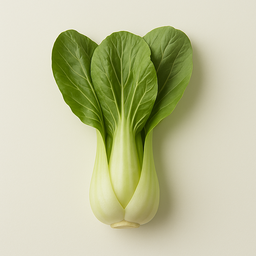
Pak Choi
Chinese Leaf Cabbage
What is this ingredient?
Pak choi (also spelled bok choy or pak choy) belongs to the cruciferous family (Brassicaceae). It's the same vegetable as bok choy - just a different spelling. This Asian leafy cabbage contains glucosinolates, the same protective compounds as in broccoli. The unique combination of calcium AND vitamin K makes it particularly valuable for bones, especially since it contains little oxalate that hinders calcium absorption.
How does it taste?
Mild, fresh and faintly mustardy with crisp, juicy stems.
Pairs well with:
Pairs well with soy saucegarlicgingeroyster sauce and sesame oil.
Did you know...?
- Paksoi and bok choy are often confused, but paksoi has wider, flatter stems.
- Paksoi is one of the fastest growing vegetables and can be harvested in 30 days.
Nutritional Value & Energy
Per 100g
Pak Choi is low in calories thanks to natural nutrients .
Per 100g
Minerals
Vitamins
Omega-3 fatty acids
More nutrients
B-Vitamins
Trace Minerals
What's in a serving?
1 serving
Pak Choi naturally contains vitamin c (75 mg per 100 g).
Pak Choi naturally contains vitamin k (57 mcg per 100 g).
Pak Choi naturally contains folate (66 mcg per 100 g).
% of daily reference intake (DRI)
EU-approved nutrition claims
This ingredient contains nutrients for which EFSA-authorized health claims exist (at nutrient level, not ingredient-specific).
Approved health claims (EU)
Vitamin_c EU 432/2012
Vitamin C contributes to the normal function of the immune system
Contains 75mg/100g (threshold: ≥12mg/100g)
Vitamin_c EU 432/2012
Vitamin C contributes to the reduction of tiredness and fatigue
Contains 75mg/100g (threshold: ≥12mg/100g)
Vitamin_c EU 432/2012
Vitamin C contributes to normal collagen formation for the normal function of skin
Contains 75mg/100g (threshold: ≥12mg/100g)
Folate EU 432/2012
Folate contributes to normal blood formation
Contains 66mcg/100g (threshold: ≥30mcg/100g)
Folate EU 432/2012
Folate contributes to normal amino acid synthesis
Contains 66mcg/100g (threshold: ≥30mcg/100g)
Folate EU 432/2012
Folate contributes to normal homocysteine metabolism
Contains 66mcg/100g (threshold: ≥30mcg/100g)
Folate EU 432/2012
Folate contributes to normal psychological function
Contains 66mcg/100g (threshold: ≥30mcg/100g)
Folate EU 432/2012
Folate contributes to the normal function of the immune system
Contains 66mcg/100g (threshold: ≥30mcg/100g)
Folate EU 432/2012
Folate has a role in the process of cell division
Contains 66mcg/100g (threshold: ≥30mcg/100g)
Folate EU 432/2012
Folate contributes to maternal tissue growth during pregnancy
Contains 66mcg/100g (threshold: ≥30mcg/100g)
Vitamin_c EU 432/2012
Vitamin C contributes to normal collagen formation for the normal function of blood vessels
Contains 75mg/100g (threshold: ≥12mg/100g)
Vitamin_c EU 432/2012
Vitamin C contributes to normal collagen formation for the normal function of bones
Contains 75mg/100g (threshold: ≥12mg/100g)
Vitamin_c EU 432/2012
Vitamin C contributes to normal collagen formation for the normal function of cartilage
Contains 75mg/100g (threshold: ≥12mg/100g)
Vitamin_c EU 432/2012
Vitamin C contributes to normal collagen formation for the normal function of gums
Contains 75mg/100g (threshold: ≥12mg/100g)
Vitamin_c EU 432/2012
Vitamin C contributes to normal collagen formation for the normal function of teeth
Contains 75mg/100g (threshold: ≥12mg/100g)
Vitamin_c EU 432/2012
Vitamin C contributes to normal energy-yielding metabolism
Contains 75mg/100g (threshold: ≥12mg/100g)
Vitamin_c EU 432/2012
Vitamin C contributes to normal functioning of the nervous system
Contains 75mg/100g (threshold: ≥12mg/100g)
Vitamin_c EU 432/2012
Vitamin C contributes to normal psychological function
Contains 75mg/100g (threshold: ≥12mg/100g)
Vitamin_c EU 432/2012
Vitamin C contributes to the protection of cells from oxidative stress
Contains 75mg/100g (threshold: ≥12mg/100g)
Vitamin_c EU 432/2012
Vitamin C contributes to the regeneration of the reduced form of vitamin E
Contains 75mg/100g (threshold: ≥12mg/100g)
Vitamin_c EU 432/2012
Vitamin C increases iron absorption
Contains 75mg/100g (threshold: ≥12mg/100g)
Vitamin_c EU 432/2012
Vitamin C contributes to maintain the normal function of the immune system during and after intense physical exercise
Contains 75mg/100g (threshold: ≥12mg/100g)
Vitamin_k EU 432/2012
Vitamin K contributes to normal blood clotting
Contains 57mcg/100g (threshold: ≥11.25mcg/100g)
Vitamin_k EU 432/2012
Vitamin K contributes to the maintenance of normal bones
Contains 57mcg/100g (threshold: ≥11.25mcg/100g)
What's being researched?
Calcium and vitamin K for bones
The combination of bioavailable calcium and vitamin K in pak choi is being studied in relation to bone health. Studies suggest that plant-based calcium from cruciferous vegetables is well absorbed.
Supported by: [3] Wang MY (2022) , [2] Vermeer (2012)
Glucosinolates and inflammation reduction
Glucosinolates in pak choi are being studied for their bioactive effects in relation to inflammatory processes. The breakdown products show activity in preclinical models.
Supported by: [1] Higdon (2007)
Good Combinations (Synergy)
Combine pak choi smartly to enhance the effect:
Pak Choi 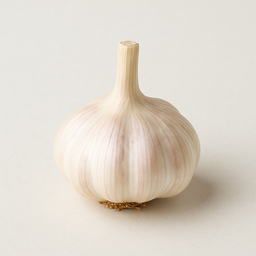 Garlic
 Glucosinolates + allicin for double Nrf2 activation
Technical: Pak choi contains glucosinolates forming sulforaphane and indole-3-carbinol — both activating the Nrf2 pathway for phase-II enzymes. Garlic's allicin and diallyl trisulfide activate the same Nrf2 pathway via a different mechanism (thiol reaction). Together they enhance induction of glutathione S-transferase and quinone reductase.
What does this mean for you? Stir-frying pak choi with garlic is an Asian base combining two sulfur-rich ingredients. Both activate the same Nrf2 pathway through their own route. Add ginger for a complete wok.
Pak Choi 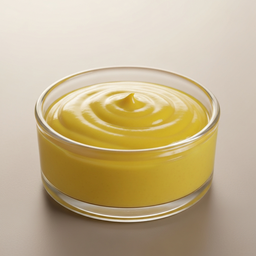 Mustard
 Asian combination: sulforaphane activation + vitamin absorption
Technical: Pak choi is rich in glucosinolates and calcium. Mustard provides myrosinase for sulforaphane activation, sesame oil contains sesamol that acts as antioxidant.
What does this mean for you? The classic Asian combination of pak choi with sesame oil isn't popular by accident — it works! Add mustard (fits well in an Asian dressing with soy sauce and ginger) for extra sulforaphane formation. Tip: stir-fry briefly to preserve vitamins.
Pak Choi 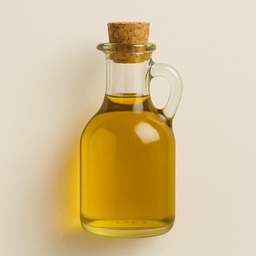 Sesame Oil
 Asian combination: sulforaphane activation + vitamin absorption
Technical: Pak choi is rich in glucosinolates and calcium. Mustard provides myrosinase for sulforaphane activation, sesame oil contains sesamol that acts as antioxidant.
What does this mean for you? The classic Asian combination of pak choi with sesame oil isn't popular by accident — it works! Add mustard (fits well in an Asian dressing with soy sauce and ginger) for extra sulforaphane formation. Tip: stir-fry briefly to preserve vitamins.
Pak Choi 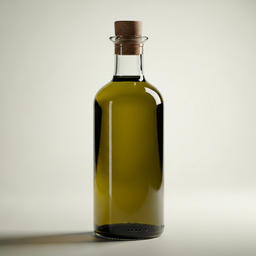 Olive Oil
 Fat improves absorption of pak choi's fat-soluble vitamins A and K
Technical: Pak choi contains 4468μg beta-carotene (provitamin A) and 46μg vitamin K per 100g — both fat-soluble. Without fat only 5% is absorbed. Olive oil's oleic acid forms mixed micelles increasing absorption to 20-25%. Pak choi also contains 105mg calcium per 100g with high bioavailability (low oxalate).
What does this mean for you? Always stir-fry pak choi with a splash of olive or sesame oil. Without fat you barely absorb the vitamins. Pak choi is also an excellent calcium source for those avoiding dairy.
Recipes with Pak Choi
Discover delicious recipes featuring pak choi:
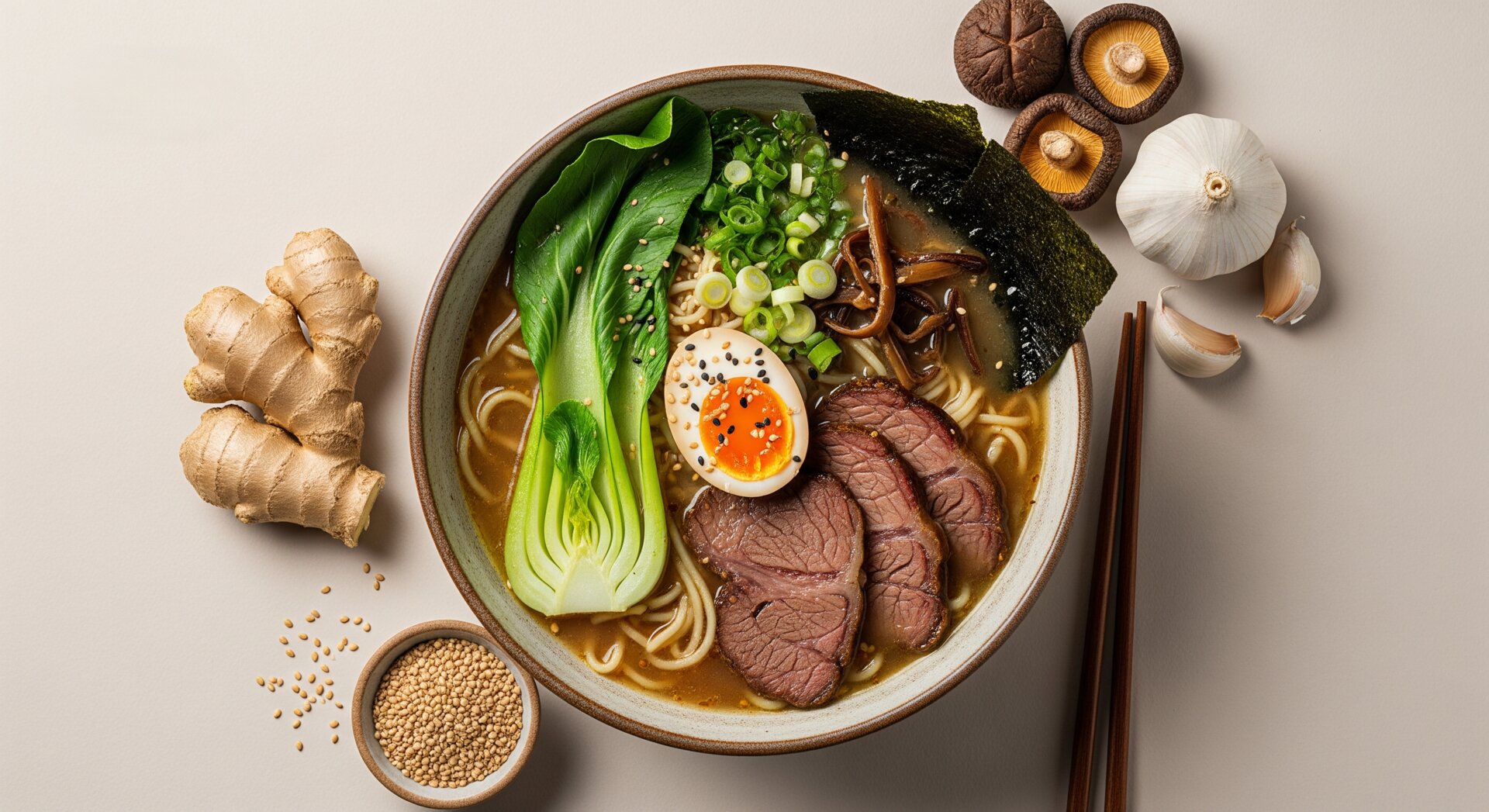 Beef Bone Broth Ramen 210 min Japanese-inspired ramen with braised beef, ajitama egg and bok choy
  520 kcal
  42g protein 3 synergies
 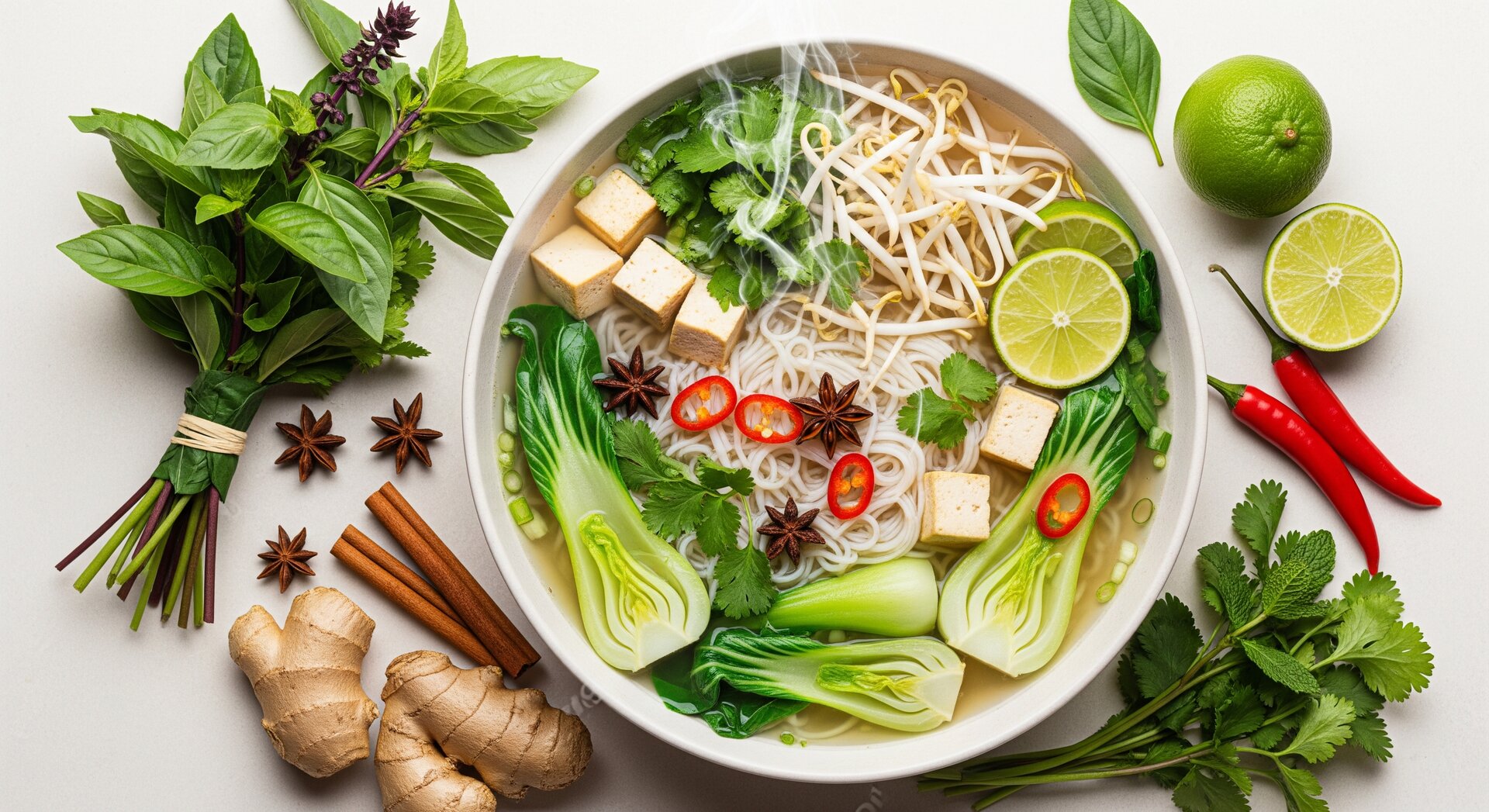 Vietnamese Pho with Tofu and Fresh Herbs 45 min Clear noodle soup with spiced broth, bok choy, lime and bean sprouts 320 kcal 14g protein 2 synergies
 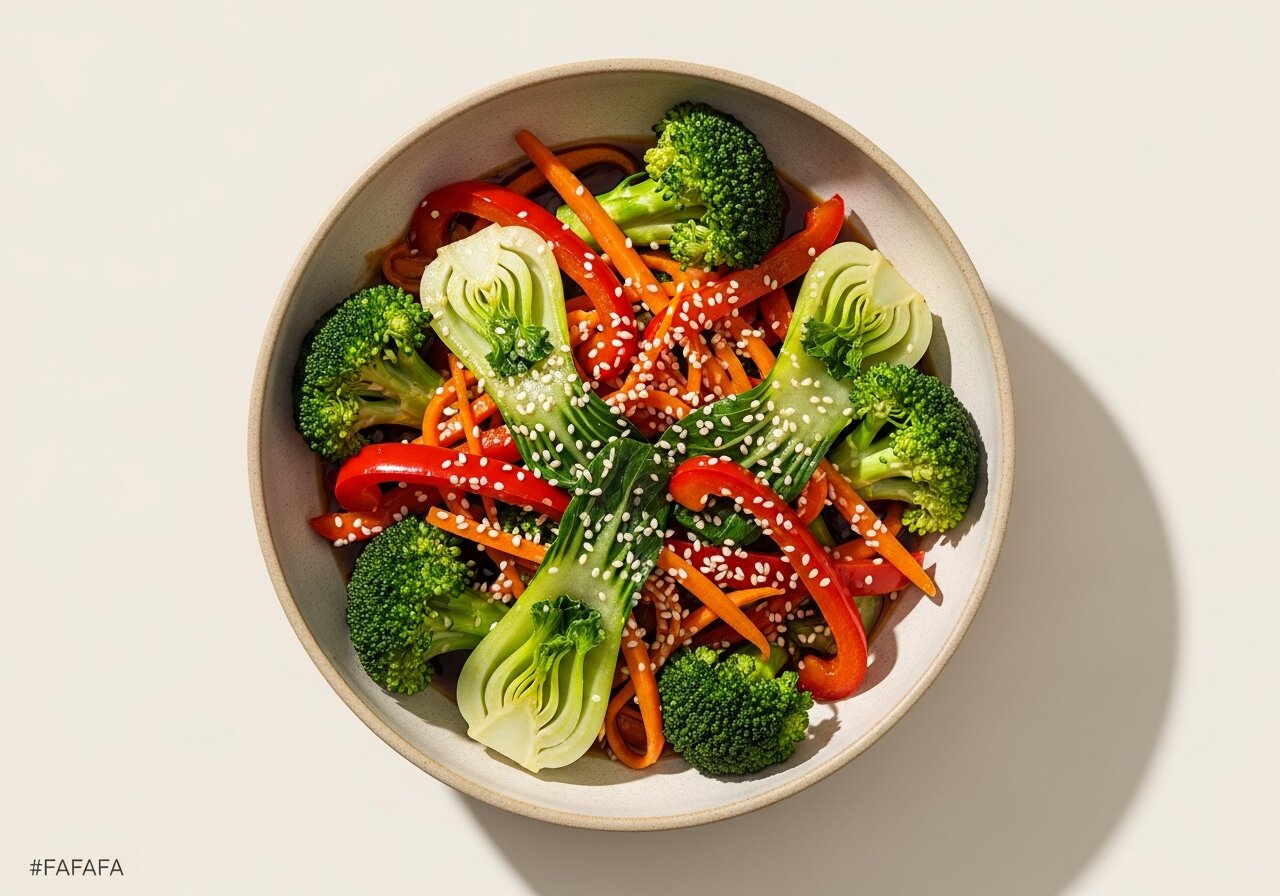 Stir-Fried Vegetables with Ginger and Garlic 18 min Quick Asian vegetable dish with sesame oil and tamari 180 kcal 6g protein 1 synergies
  In the Kitchen
Storage
Location:Refrigerator
Shelf life:5-7 dagen
Store unwashed in a plastic bag in the crisper. Wash just before use.
Preparation
Separate stems and leaves - stems need longer cooking. Stir-fry stems first 2-3 min, then add leaves for another 1-2 min. Can also be steamed or added to soup.
Conversions
Substitutes
Smart preparation
1Halve baby pak choi lengthwise and fry cut-side down.
2Wash pak choi thoroughly; soil often hides between the stems.
3Add the green leaves only in the last minute when stir-frying.
Why?
The leaves wilt quickly and become mushy if overcooked.
Caution / Warnings
Pak Choi is very safe, but there are scientific considerations:
Blood Thinners (Warfarin) Moderate
High vitamin K content can affect blood thinner effectiveness
Advice:
Maintain consistent intake and consult your doctor if using blood thinners
Thyroid Issues Mild
Cruciferous vegetables contain goitrogens that can affect thyroid at very high consumption
Advice:
Normal use is safe; cooking reduces goitrogens
Traditional use
Traditional Chinese Medicine
Chinese culinary vegetable with long history
Pak choi has been cultivated in China for over 5000 years and is valued in Chinese culinary tradition as a mildly cooling vegetable often served alongside warm dishes.
Summary
Pak choi (also known as bok choy) is an excellent choice for bone health: high calcium AND vitamin K, with little oxalate. The protective glucosinolates make it a valuable cruciferous vegetable. Ideal in stir-fries - the stems stay crunchy while the leaves soften. Brief stir-frying preserves most nutrients.