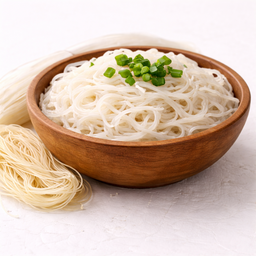
Rice Noodles
the gluten-free alternative
What is this ingredient?
Rice noodles are the heart of dishes like Pad Thai and Vietnamese Pho. Unlike Italian pasta or Chinese egg noodles, they contain no gluten and often no egg. This makes them extremely easily digestible and hypoallergenic. They range from paper-thin vermicelli to wide ribbons. Because they are steamed during production, they often only need soaking in hot water instead of long boiling.
How does it taste?
Neutral and soft with a smooth, slightly chewy texture.
Pairs well with:
Pairs well with fish saucelimechilibean sprouts and cilantro.
Did you know...?
- Rice noodles have been made in China for over 2,000 years, originating in the Qin dynasty.
- In Vietnam, rice noodles are traditionally dried on bamboo racks in the sun.
Nutritional Value & Energy
Per 100g
Rice Noodles provides energy thanks to natural nutrients .
Per 100g
Minerals
Vitamins
Omega-3 fatty acids
More nutrients
B-Vitamins
Trace Minerals
What's in a serving?
1 serving (dry)
Rice Noodles naturally contains selenium (15 mcg per 100 g).
Rice Noodles naturally contains manganese (0.5 mg per 100 g).
% of daily reference intake (DRI)
EU-approved nutrition claims
This ingredient contains nutrients for which EFSA-authorized health claims exist (at nutrient level, not ingredient-specific).
Approved health claims (EU)
Manganese EU 432/2012
Manganese contributes to normal energy-yielding metabolism
Contains 0.5mg/100g (threshold: ≥0.3mg/100g)
Manganese EU 432/2012
Manganese contributes to the maintenance of normal bones
Contains 0.5mg/100g (threshold: ≥0.3mg/100g)
Manganese EU 432/2012
Manganese contributes to the normal formation of connective tissue
Contains 0.5mg/100g (threshold: ≥0.3mg/100g)
Manganese EU 432/2012
Manganese contributes to the protection of cells from oxidative stress
Contains 0.5mg/100g (threshold: ≥0.3mg/100g)
Selenium EU 432/2012
Selenium contributes to the maintenance of normal hair
Contains 15mcg/100g (threshold: ≥8.25mcg/100g)
Selenium EU 432/2012
Selenium contributes to the maintenance of normal nails
Contains 15mcg/100g (threshold: ≥8.25mcg/100g)
Selenium EU 432/2012
Selenium contributes to the normal function of the immune system
Contains 15mcg/100g (threshold: ≥8.25mcg/100g)
Selenium EU 432/2012
Selenium contributes to normal thyroid function
Contains 15mcg/100g (threshold: ≥8.25mcg/100g)
Selenium EU 432/2012
Selenium contributes to normal spermatogenesis
Contains 15mcg/100g (threshold: ≥8.25mcg/100g)
Selenium EU 432/2012
Selenium contributes to the protection of cells from oxidative stress
Contains 15mcg/100g (threshold: ≥8.25mcg/100g)
What's being researched?
Rice noodles and glycemic index
The glycemic response to rice noodles is studied in comparison with wheat pasta. Preparation method and cooling affect resistant starch content and thereby glycemic index.
Supported by: [1] Cui C (2024)
Good Combinations (Synergy)
Combine rice noodles smartly to enhance the effect:
Rice Noodles 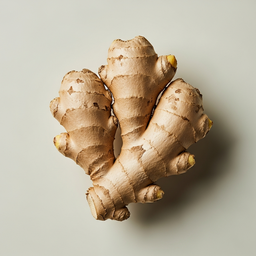 Ginger
 Mild carbohydrates + gingerols for digestion and warmth
Technical: Rice noodles are gluten-free and easily digestible with moderate starch (24g/100g cooked). Ginger contains gingerols and shogaols that promote gastric motility via 5-HT3 antagonism and prokinetic action. Gingerols increase production of digestive enzymes.
What does this mean for you? Rice noodles with ginger is a classic Asian combination that's easily digestible. The ginger keeps your digestion active while the noodles provide gentle energy.
Rice Noodles 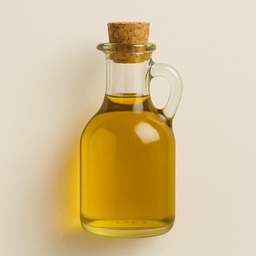 Sesame Oil
 Sesame + soy = complete amino acids + fats
Technical: Rice noodles (rice flour) are low in lysine — the limiting amino acid in rice protein. Soy sauce (fermented soybeans) is rich in lysine and provides free glutamate for umami. Sesame oil contains methionine (complementary amino acid) plus sesamin and sesamol — unique lignans with antioxidant action. Together they form an amino acid-complete profile.
What does this mean for you? Stir-fry rice noodles with sesame oil and soy sauce — this is the foundation of countless Asian dishes. The three together provide complete proteins, healthy fats AND intense umami flavor. Add vegetables for a complete meal.
Rice Noodles 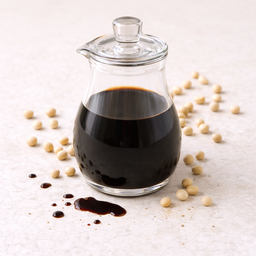 Soy Sauce
 Sesame + soy = complete amino acids + fats
Technical: Rice noodles (rice flour) are low in lysine — the limiting amino acid in rice protein. Soy sauce (fermented soybeans) is rich in lysine and provides free glutamate for umami. Sesame oil contains methionine (complementary amino acid) plus sesamin and sesamol — unique lignans with antioxidant action. Together they form an amino acid-complete profile.
What does this mean for you? Stir-fry rice noodles with sesame oil and soy sauce — this is the foundation of countless Asian dishes. The three together provide complete proteins, healthy fats AND intense umami flavor. Add vegetables for a complete meal.
Rice Noodles 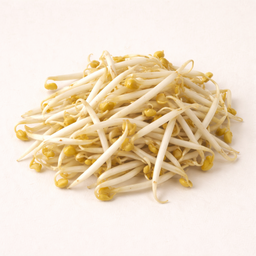 Bean Sprouts (Mung)
 Amylase enzymes from sprouts improve starch digestion
Technical: Bean sprouts (sprouted mung beans) contain active α-amylase and other hydrolytic enzymes activated during germination. These break starch chains (amylose and amylopectin) into maltose and glucose. This lowers the glycemic index of rice by 15-20% and slows the postprandial glycemic response.
What does this mean for you? Add bean sprouts to your rice dish (nasi goreng, fried rice). Sprout enzymes help break down rice starch, slowing the glycemic response. A classic Asian combination with nutritional backing.
Recipes with Rice Noodles
Discover delicious recipes featuring rice noodles:
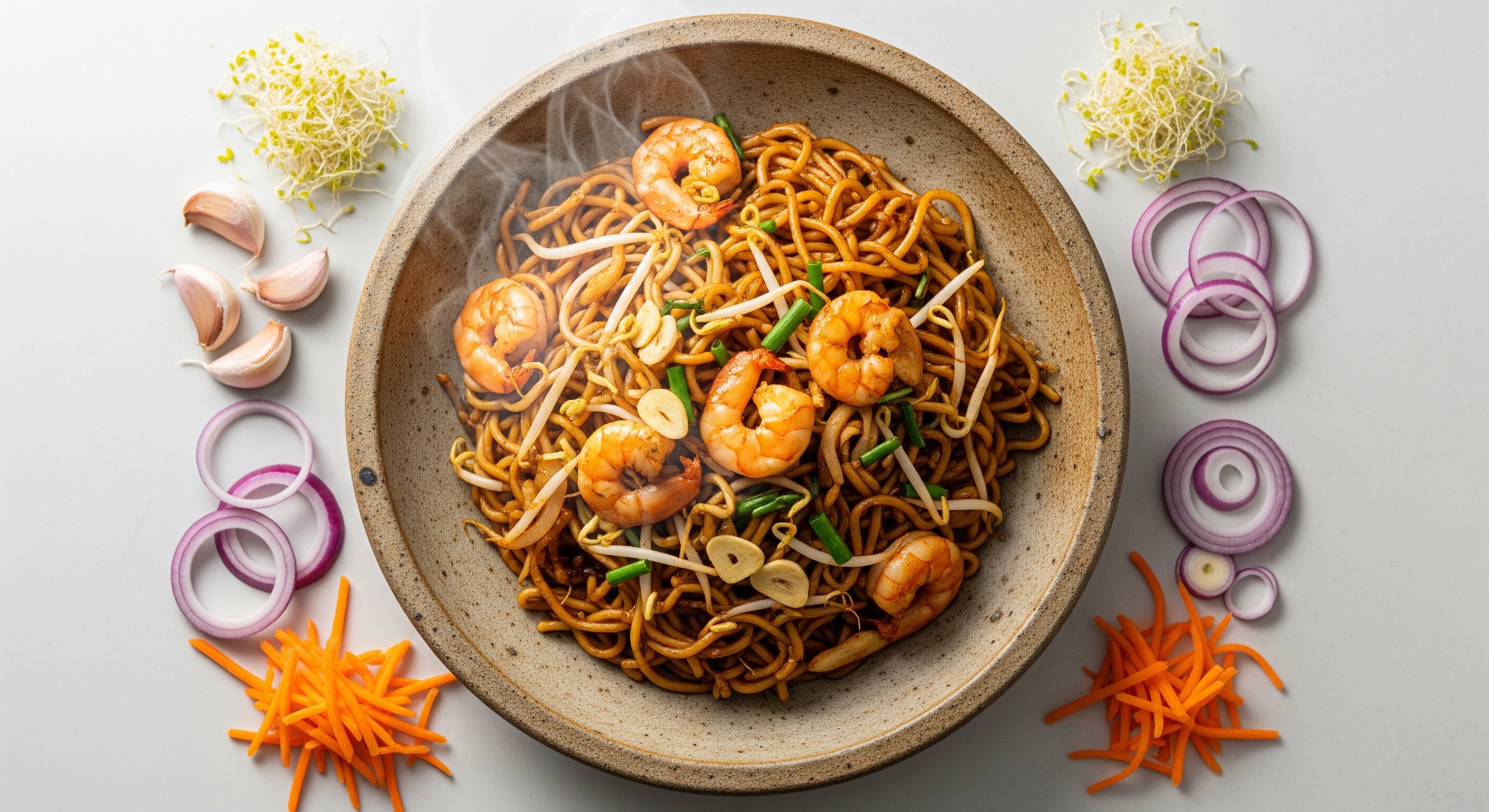 Bami Goreng with Shrimp and Bean Sprouts 30 min Indonesian stir-fry with crispy vegetables and sweet soy sauce
  630 kcal
  34g protein 2 synergies
 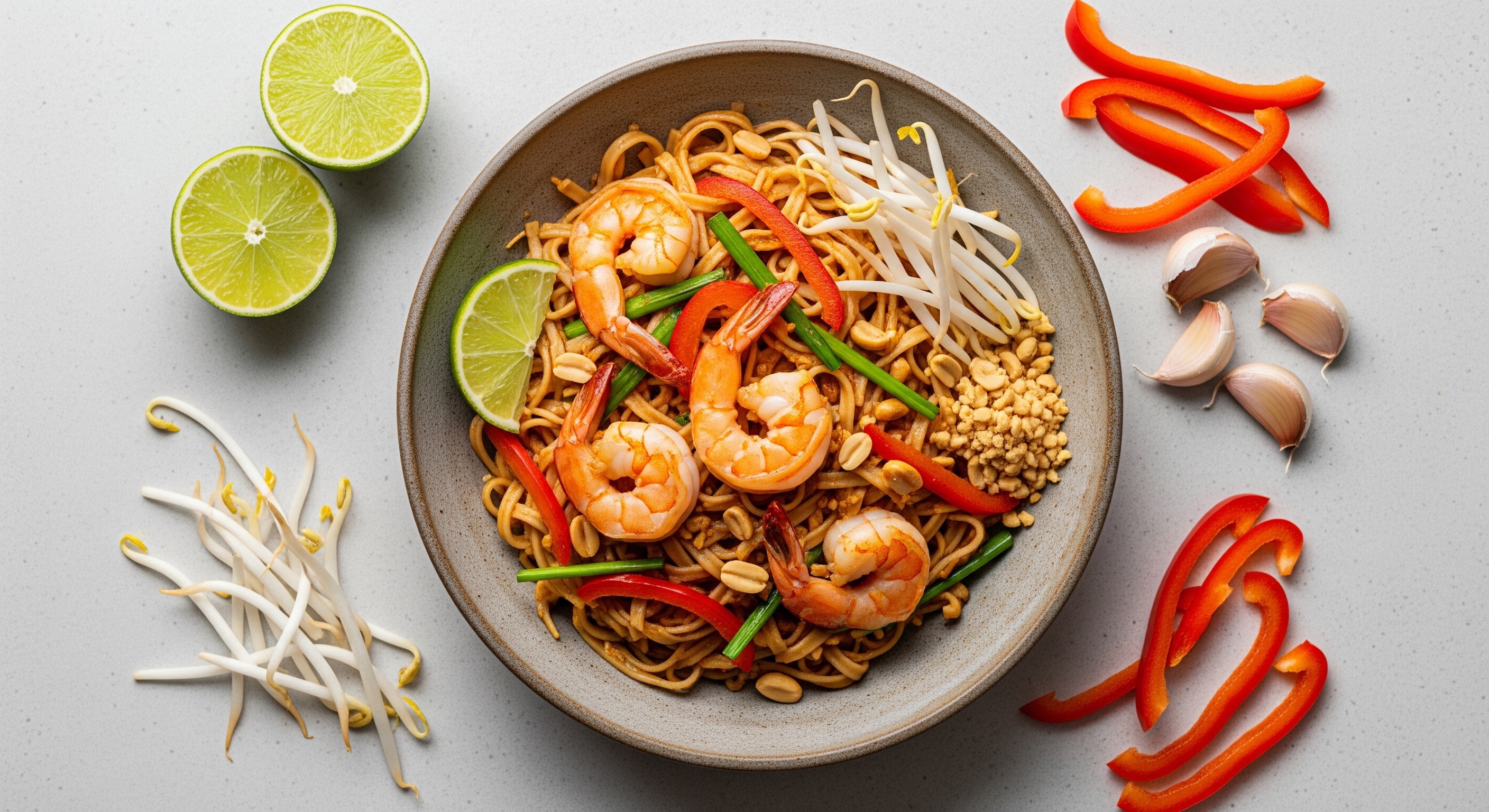 Shrimp Pad Thai with Rice Noodles 30 min Thai wok classic with tamarind, peanuts and lime 720 kcal 36g protein 2 synergies
 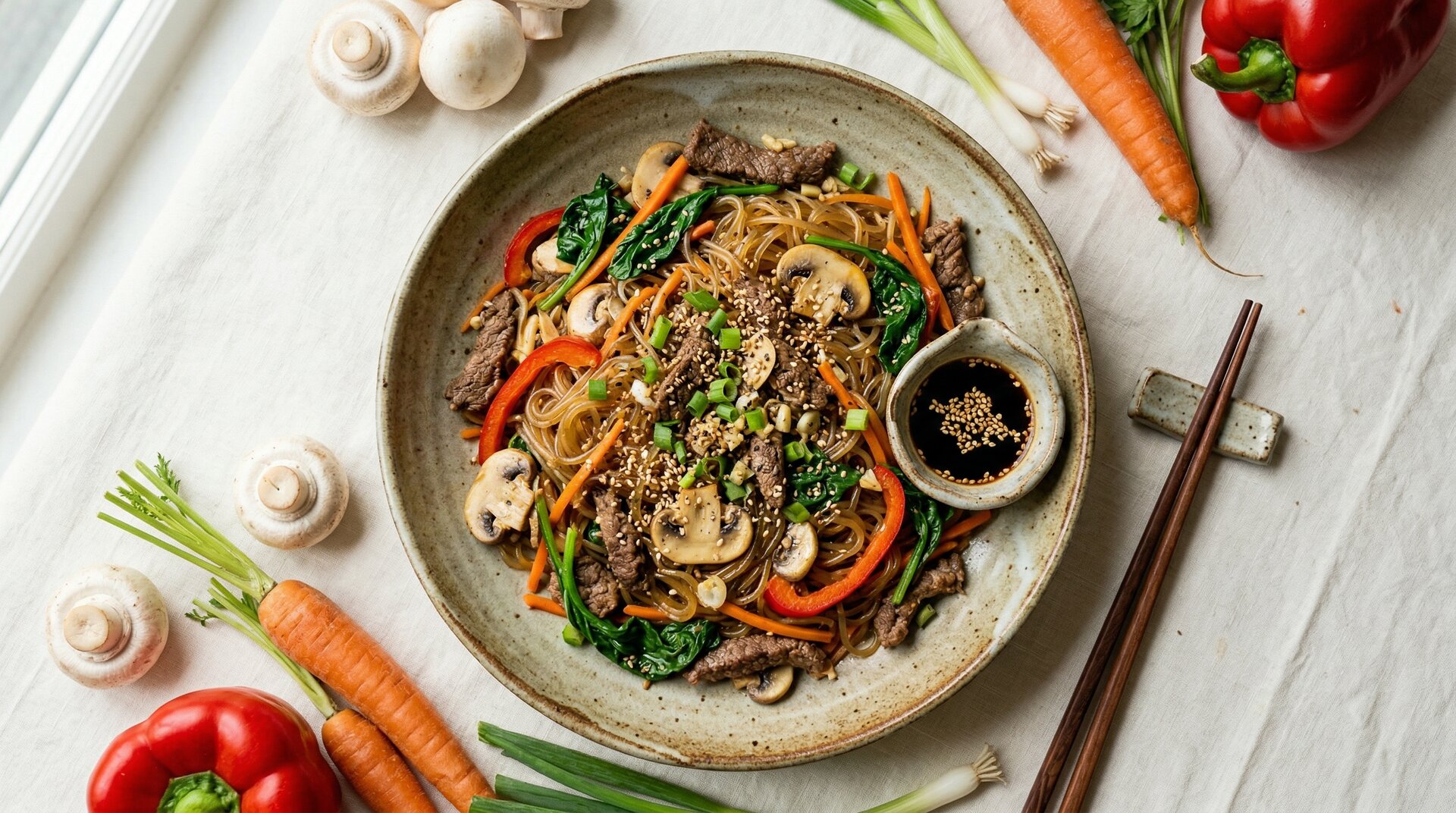 Korean Japchae with Beef and Vegetables 35 min Glossy Korean noodles with beef, spinach and sesame 720 kcal 40g protein 3 synergies
 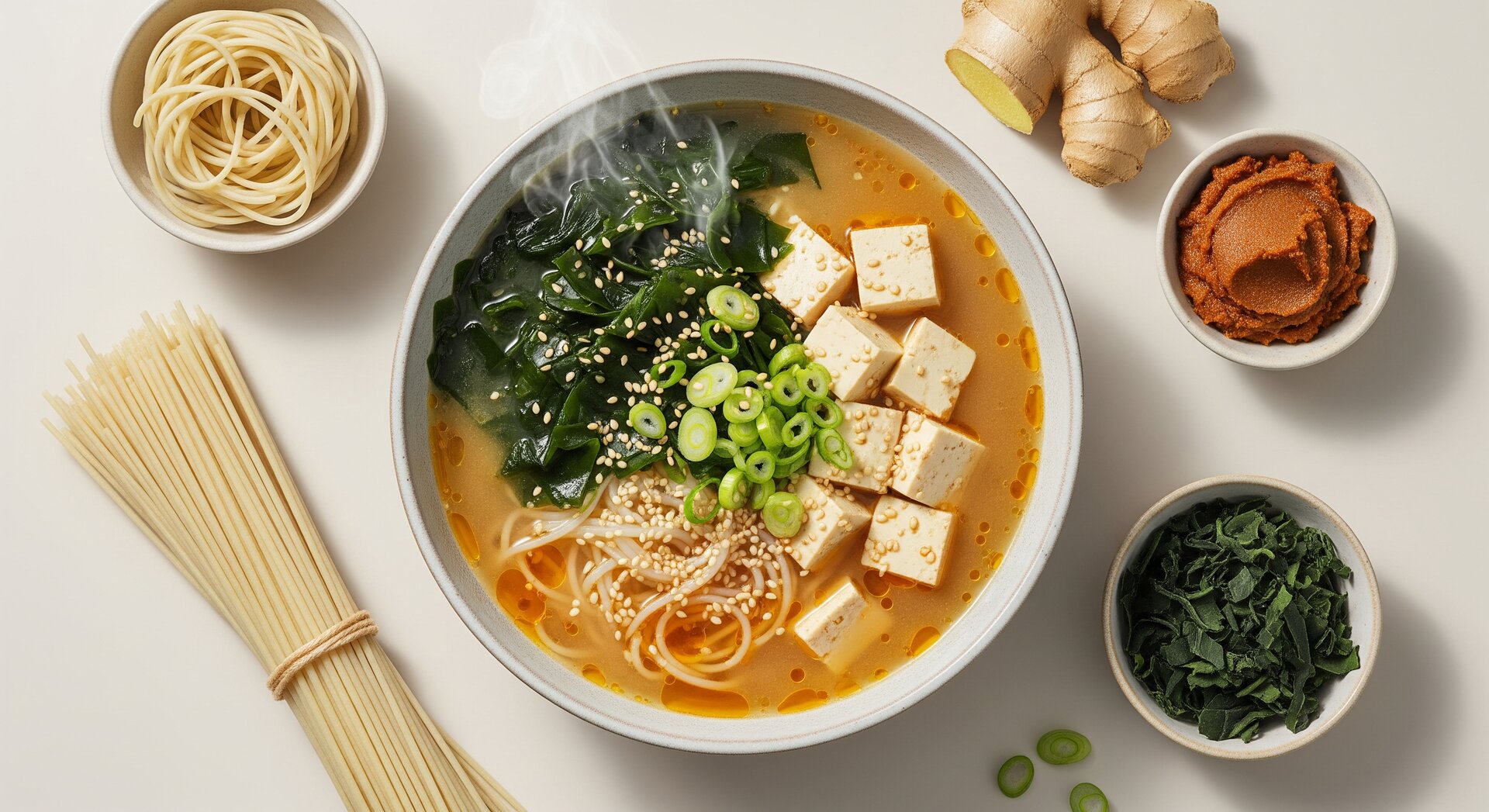 Miso Noodle Soup with Tofu and Wakame 25 min Light Japanese noodle soup with miso, silken tofu and sesame 320 kcal 14g protein 2 synergies
 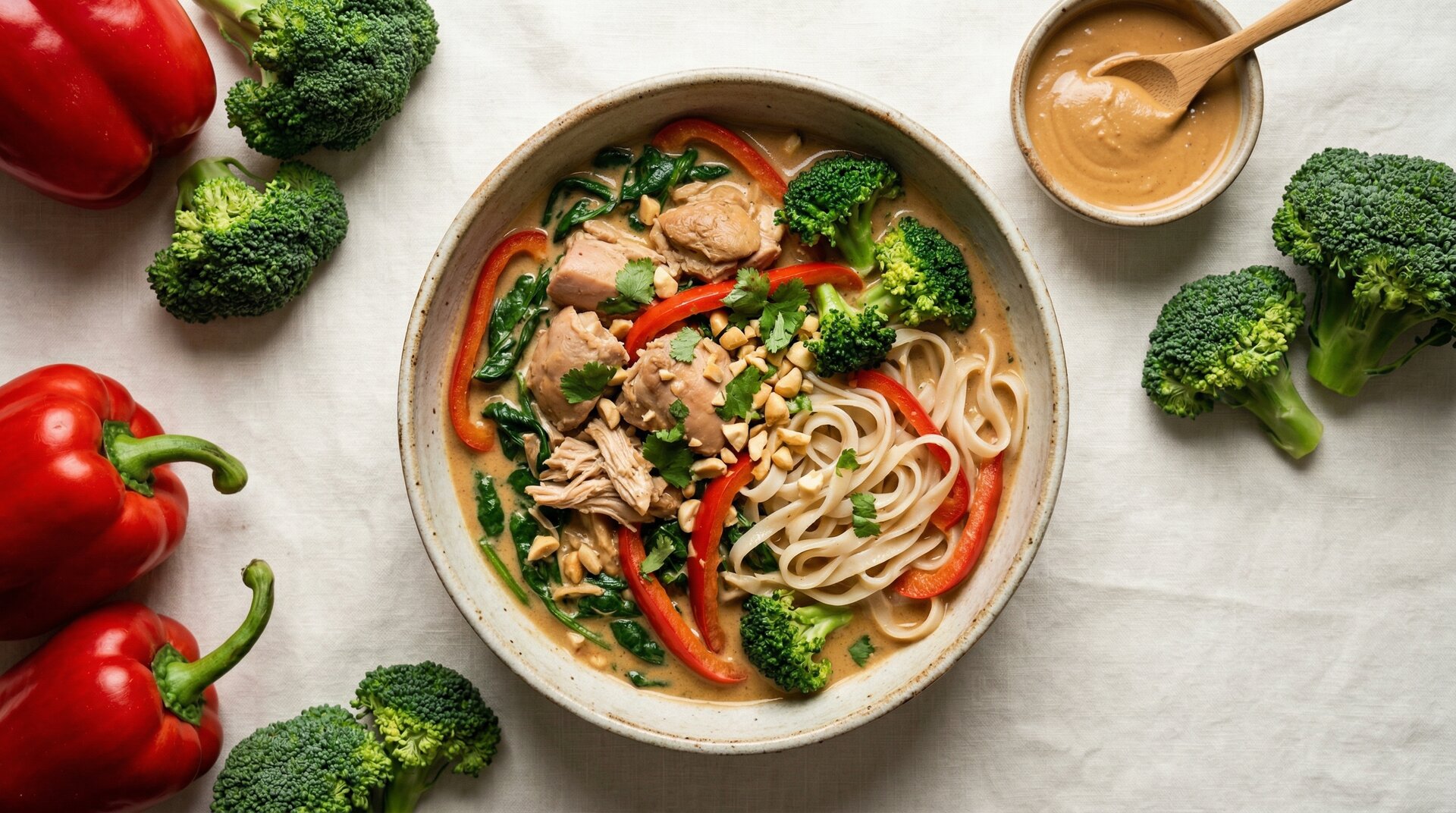 Peanut Chicken Noodle Bowl (West African-Inspired) 40 min Creamy peanut sauce with tender chicken, rice noodles and crisp vegetables 795 kcal 40g protein 3 synergies
 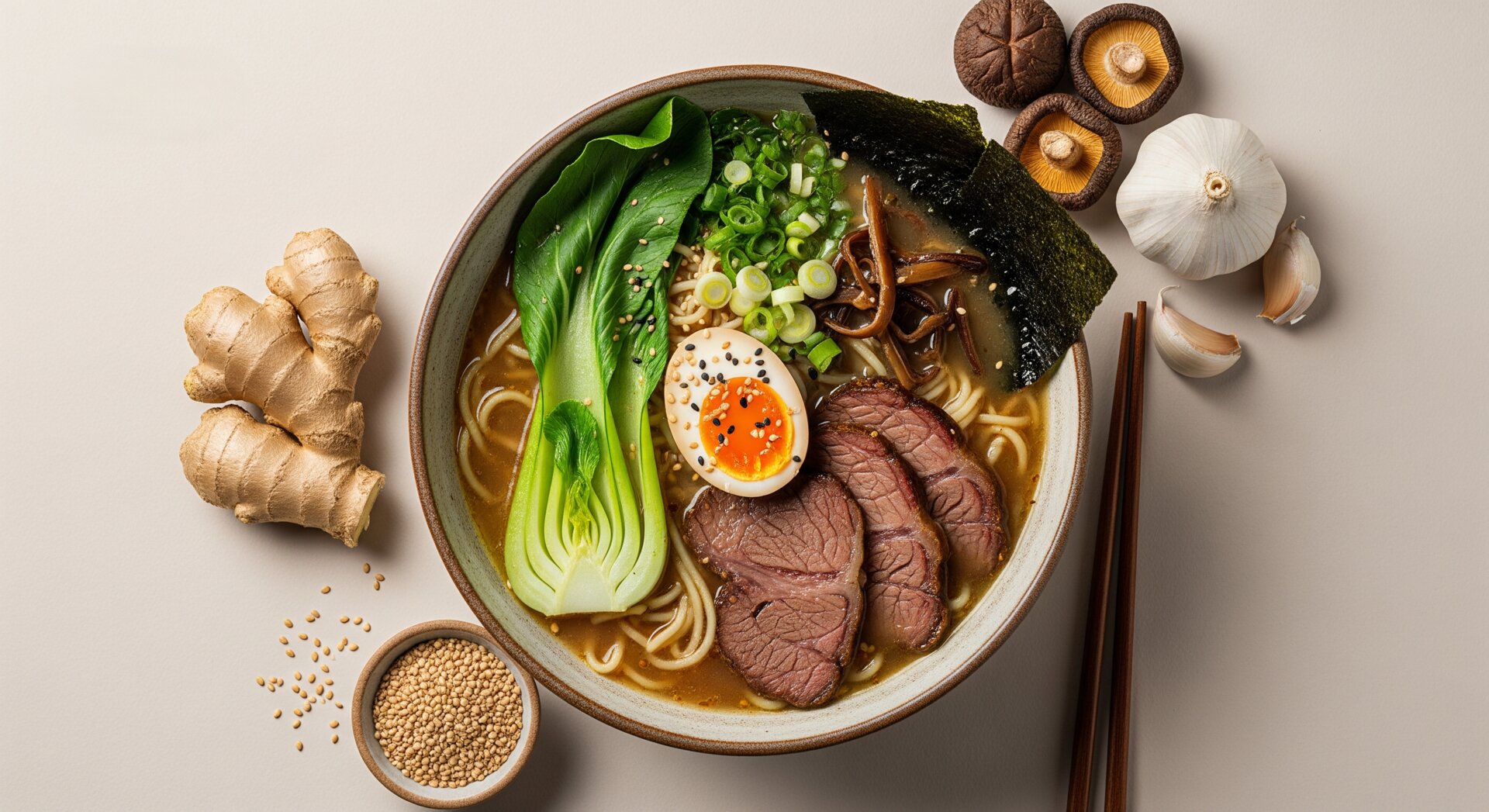 Beef Bone Broth Ramen 210 min Japanese-inspired ramen with braised beef, ajitama egg and bok choy 520 kcal 42g protein 3 synergies
  In the Kitchen
Storage
Location:Pantry
Shelf life:2 jaar
Store dry. Once soaked/cooked use immediately, they stick together quickly.
Preparation
Boiling is risky (becomes mush). Soak 5-10 min in hot water until soft, rinse cold to stop cooking.
Conversions
Substitutes
Smart preparation
1Soak thin rice noodles in hot water, do not boil them.
Why?
Boiling makes thin rice noodles quickly too soft and mushy.
2Rinse soaked rice noodles with cold water.
Why?
This stops the cooking process and prevents sticking.
3Briefly boil wide rice noodles (1-2 min) or stir-fry in the wok.
Caution / Warnings
Rice Noodles is very safe, but there are scientific considerations:
Type 2 Diabetes Moderate
Rice noodles have a high Glycemic Index (higher than pasta)
Advice:
Always combine with fiber-rich vegetables and proteins to dampen the sugar spike
Summary
Silky soft, light, and gluten-free. They soak up flavors like a sponge. Note: they hardly need cooking time, just soaking in hot water is often enough.