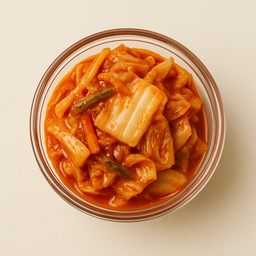
Kimchi
Korean fermented cabbage with spicy depth
What is this ingredient?
Kimchi has been a staple of Korean cuisine for more than 2,000 years. It is usually made from napa cabbage, salt, garlic, ginger, spring onion and gochugaru, then lactic fermentation turns the vegetable sour, spicy and rich in umami.
What makes kimchi distinctive is the combination of three culinary and nutritional elements: live fermentation cultures from the brining process, cruciferous plant compounds from cabbage, and capsaicin from Korean chili. Fermentation changes the texture: young kimchi is crunchy and bright-sour, while older kimchi becomes sharper and deeper in flavor.
Kimchi is traditionally served cold as banchan with rice, but it is also used warm in stews, pancakes and fried rice. Heating changes its character: live cultures decrease, while the savory, sour flavor becomes softer and rounder.
How does it taste?
Spicy-sour with crunchy cabbage, garlic, ginger and deep umami.
Pairs well with:
Pairs well with ricetofueggnoodlessesame oil and grilled meat.
Varieties
Baechu Kimchi
Classic version with napa cabbage, the most common type
Kkakdugi
Version with radish cubes, extra crunchy and fresh
Water Kimchi
Watery, usually milder version with a refreshing brine
Did you know...?
- Kimchi has existed in Korea for more than 2,000 years, with over 200 regional and seasonal varieties.
- In 2013, kimjang, the communal tradition of making kimchi, was recognized as UNESCO Intangible Cultural Heritage.
Nutritional Value & Energy
Per 100g
Kimchi is low in calories thanks to natural nutrients .
Per 100g
Minerals
Vitamins
Omega-3 fatty acids
More nutrients
Trace Minerals
What's in a serving?
1 serving
Kimchi naturally contains vitamin K (43.6 mcg per 100 g).
Kimchi naturally contains folate (52 mcg per 100 g).
% of daily reference intake (DRI)
EU-approved nutrition claims
This ingredient contains nutrients for which EFSA-authorized health claims exist (at nutrient level, not ingredient-specific).
Approved health claims (EU)
Folate EU 432/2012
Folate contributes to normal blood formation
Contains 52mcg/100g (threshold: ≥30mcg/100g)
Folate EU 432/2012
Folate contributes to normal amino acid synthesis
Contains 52mcg/100g (threshold: ≥30mcg/100g)
Folate EU 432/2012
Folate contributes to normal homocysteine metabolism
Contains 52mcg/100g (threshold: ≥30mcg/100g)
Folate EU 432/2012
Folate contributes to normal psychological function
Contains 52mcg/100g (threshold: ≥30mcg/100g)
Folate EU 432/2012
Folate contributes to the normal function of the immune system
Contains 52mcg/100g (threshold: ≥30mcg/100g)
Folate EU 432/2012
Folate has a role in the process of cell division
Contains 52mcg/100g (threshold: ≥30mcg/100g)
Folate EU 432/2012
Folate contributes to maternal tissue growth during pregnancy
Contains 52mcg/100g (threshold: ≥30mcg/100g)
Vitamin_k EU 432/2012
Vitamin K contributes to normal blood clotting
Contains 43.6mcg/100g (threshold: ≥11.25mcg/100g)
Vitamin_k EU 432/2012
Vitamin K contributes to the maintenance of normal bones
Contains 43.6mcg/100g (threshold: ≥11.25mcg/100g)
What's being researched?
Kimchi and fermentation microbiology
Kimchi is studied as a fermented food with lactic acid bacteria such as Lactobacillus species. Its composition varies by recipe, salt level, temperature and fermentation time.
Supported by: [1] Park (2014) , [3] Lim SM (2020)
Kimchi, cabbage and bioactive plant compounds
The combination of cabbage, garlic, ginger and chili in kimchi is researched for nutritional characteristics and fermentation products. Evidence is mainly ingredient- and process-focused, with variation between recipes.
Supported by: [1] Park (2014) , [3] Lim SM (2020)
Good Combinations (Synergy)
Combine kimchi smartly to enhance the effect:
Kimchi 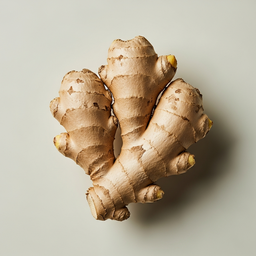 Ginger
 Probiotics + gingerols: centuries-old Korean combination
Technical: Kimchi contains Lactobacillus plantarum and L. brevis (10⁸-10⁹ CFU/g) strengthening the gut microbiome and producing short-chain fatty acids (butyrate). Ginger's gingerols speed up gastric emptying (+25%). Traditionally kimchi already contains ginger — the combination enhances both fermentation and digestion.
What does this mean for you? Kimchi with extra fresh ginger is a powerful combination for digestion. Probiotics from kimchi and gingerols from ginger work synergistically. Part of Korean cuisine for centuries.
Kimchi 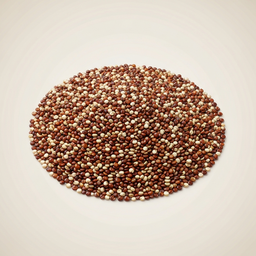 Quinoa
 Probiotics + prebiotic fibers: synbiotic combination
Technical: Kimchi contains live Lactobacillus strains (L. plantarum, L. brevis) with probiotic action. Quinoa contains resistant starch that reaches the large intestine undigested, serving as a prebiotic — food for the probiotic bacteria. This synbiotic combination increases lactobacilli survival in the gut by 2-4x compared to probiotics alone.
What does this mean for you? Serve kimchi over a quinoa bowl — the quinoa literally feeds the good bacteria from kimchi, so they survive longer in your gut.
Kimchi 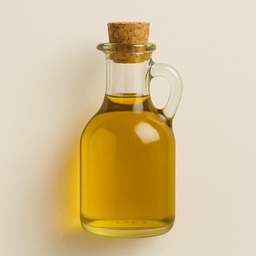 Sesame Oil
 Korean combination: fat increases carotenoid absorption from kimchi
Technical: Kimchi (from Chinese cabbage, radish, etc.) contains beta-carotene and other carotenoids plus Lactobacillus probiotics. Sesame oil contains lignans and increases absorption of fat-soluble carotenoids by 3-5x. In Korea, sesame oil is often added to bibimbap with kimchi.
What does this mean for you? Drizzle sesame oil over your kimchi or briefly stir-fry it in sesame oil. This increases both flavor and nutrient absorption.
Recipes with Kimchi
Discover delicious recipes featuring kimchi:
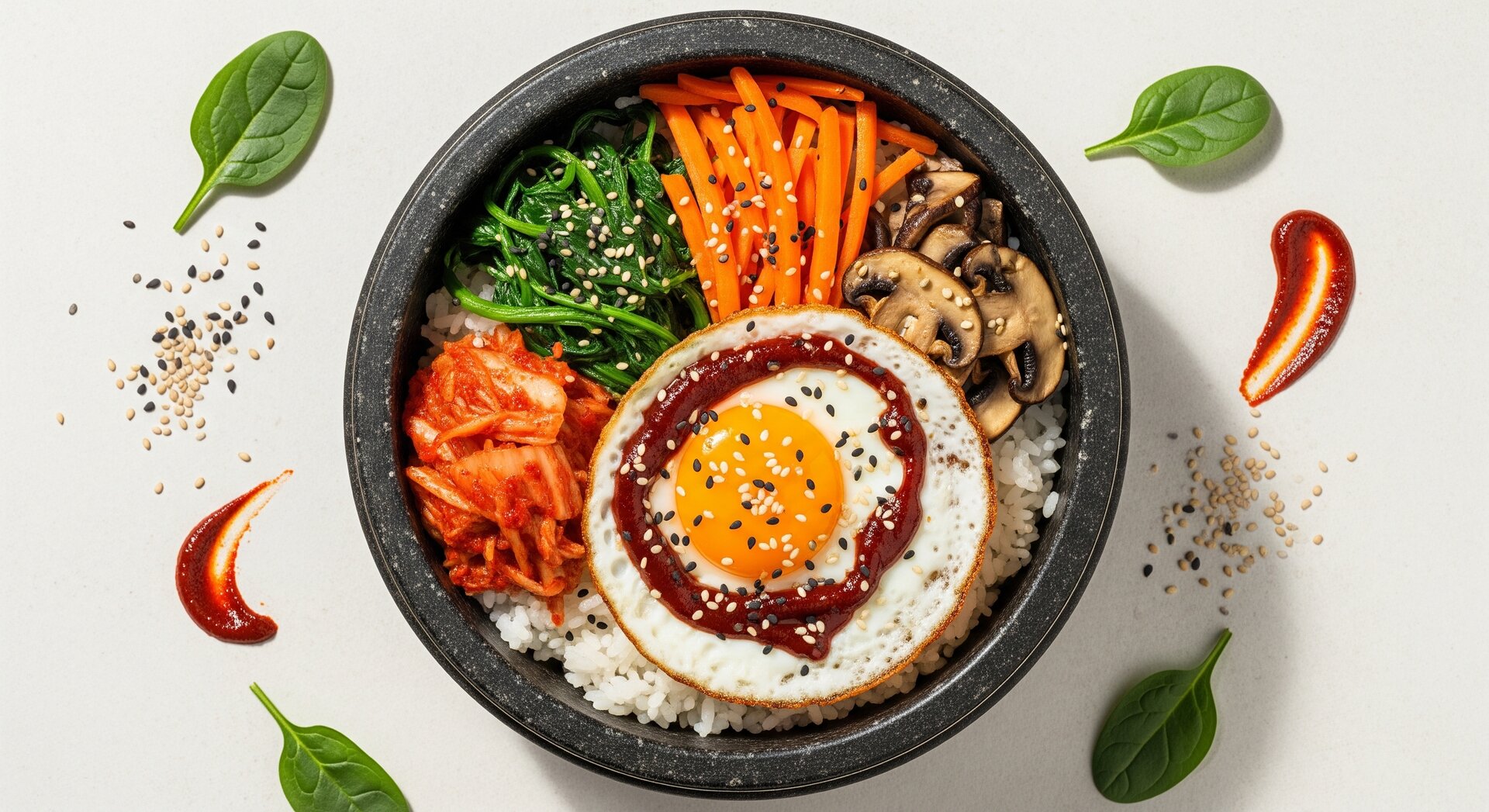 Korean Bibimbap Breakfast Bowl 40 min Savory rice bowl with egg, kimchi and gochujang
  429 kcal
  16g protein 2 synergies
 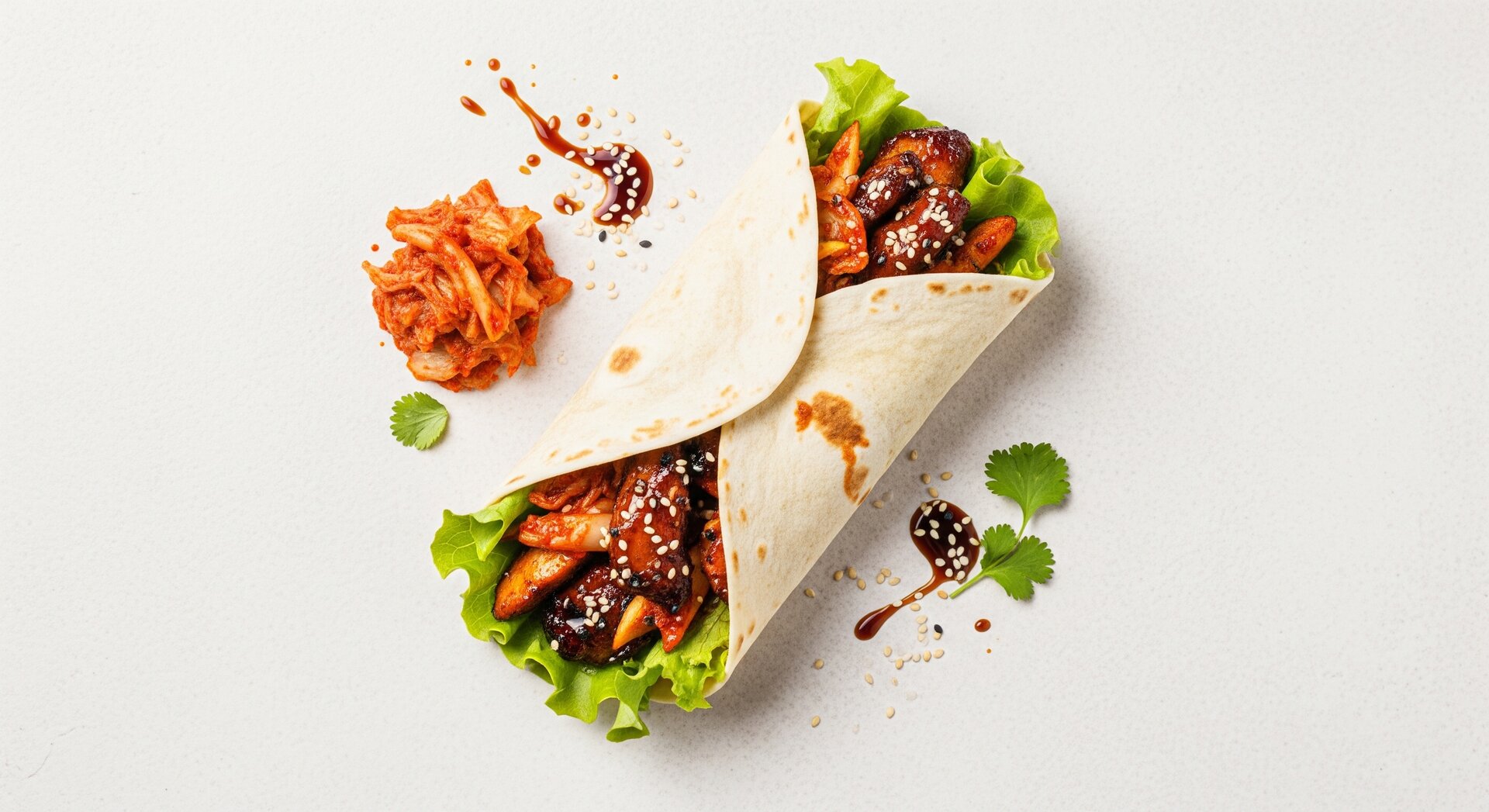 Korean Bulgogi Chicken Wrap with Kimchi 52 min Asian wrap with marinated chicken, spicy gochujang and kimchi 595 kcal 57g protein 1 synergies
 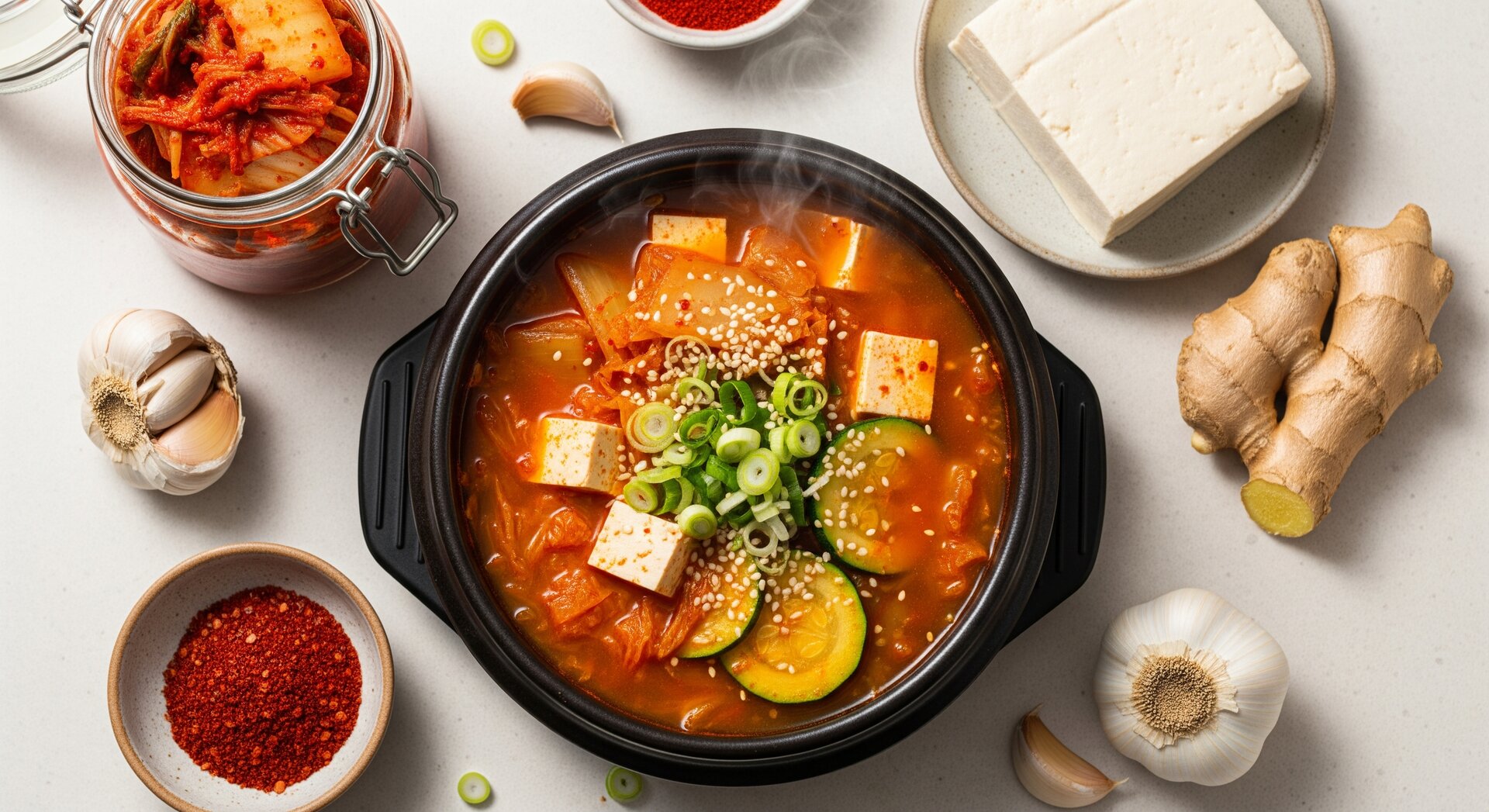 Korean Kimchi Soup 30 min Spicy Korean soup with kimchi, tofu, zucchini and sesame 285 kcal 16g protein 1 synergies
 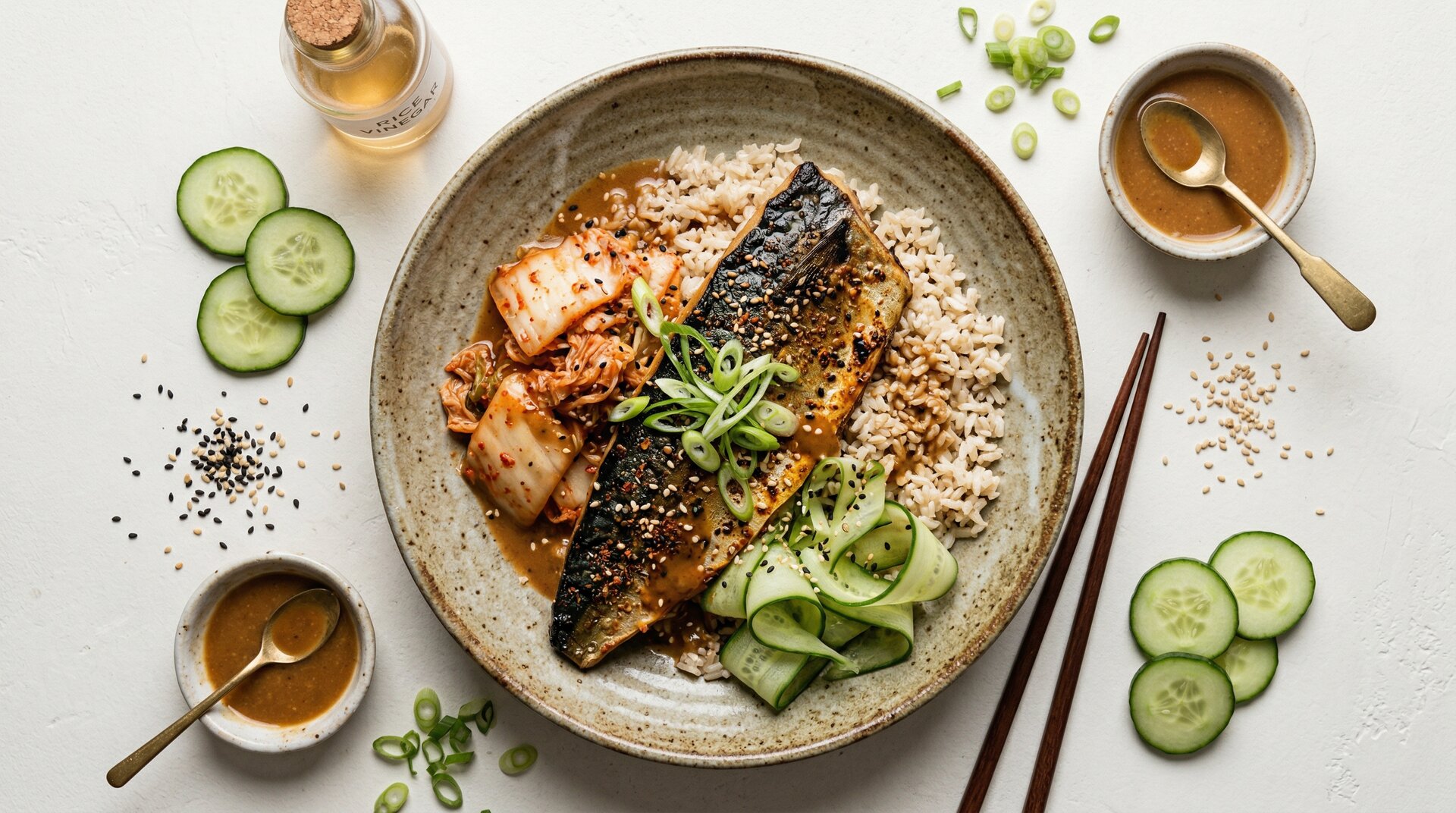 Mackerel with Kimchi and Miso Dressing 40 min Crispy pan-seared mackerel with brown rice, kimchi and creamy miso-sesame dressing 620 kcal 31g protein 2 synergies
 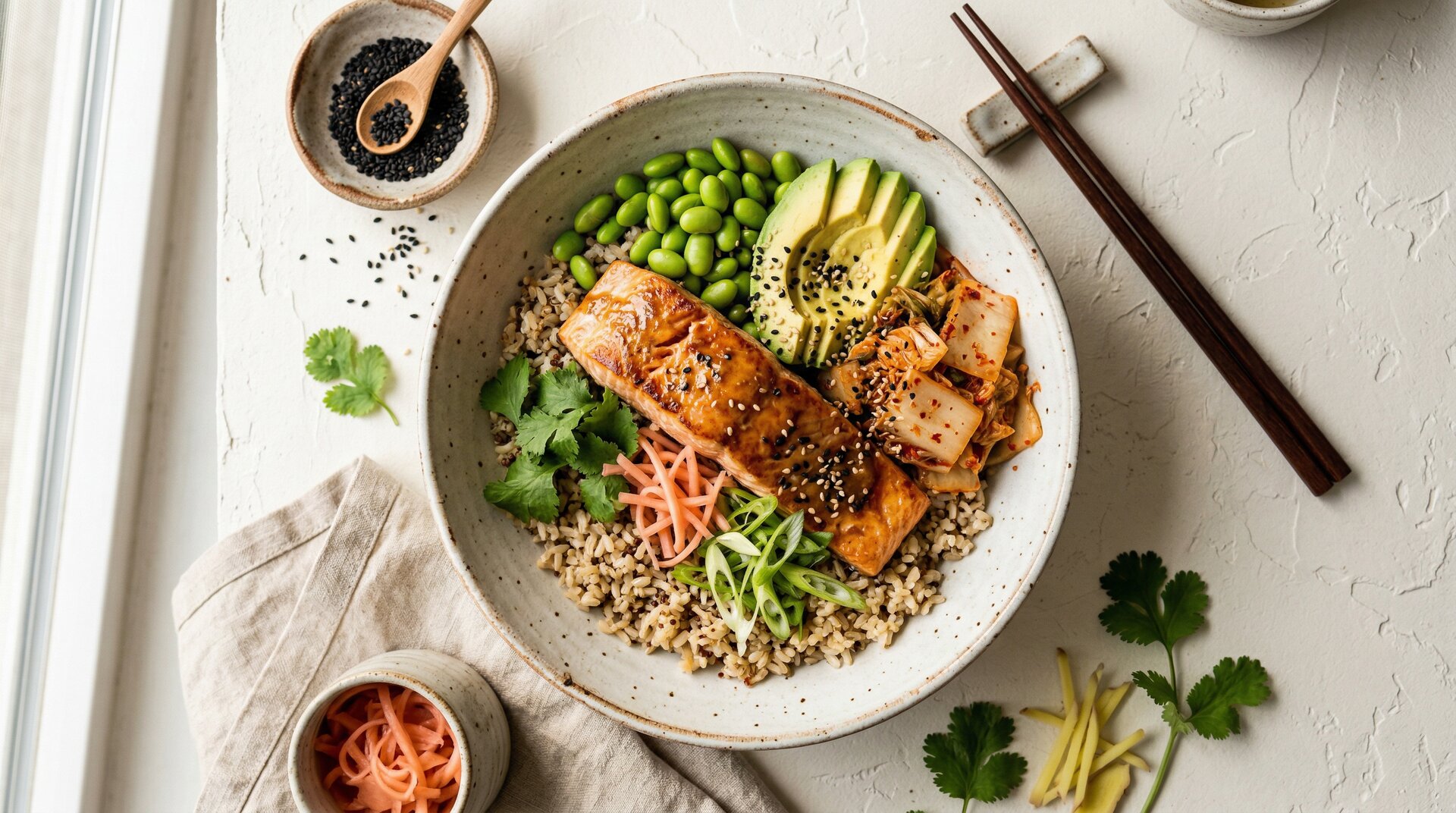 Salmon Miso Bowl with Kimchi and Edamame 40 min Umami-rich glaze with tangy kimchi and nutty sesame 545 kcal 35g protein 2 synergies
  In the Kitchen
Storage
Location:Refrigerator
Shelf life:3-6 maanden in koelkast, oneindig als goed afgesloten
Keep kimchi submerged in brine and always use clean utensils. Fermentation continues slowly in the refrigerator: young kimchi stays fresher and crunchier, while older kimchi becomes sourer and softer.
Preparation
Serving it cold as a side dish gives the freshest, liveliest flavor. For kimchi jjigae, kimchi pancakes or fried rice, use older, sourer kimchi; the flavor becomes rounder and more savory. Pair with rice, tofu, egg or noodles.
Conversions
Substitutes
Smart preparation
1Let kimchi sit briefly at room temperature if you want a sourer, more intense result.
2Use overripe kimchi for stews, pancakes and fried rice.
Why?
The deep, sour flavor of aged kimchi becomes softer and rounder when cooked.
3Cut kimchi with kitchen scissors directly over the bowl or pan for less mess.
Caution / Warnings
Kimchi is very safe, but there are scientific considerations:
Caution with high blood pressure Moderate
Kimchi is relatively high in sodium due to salting and fermentation (498 mg per 100 g).
Advice:
Use smaller portions, for example 30–50 g, or choose a lower-sodium version if you need to limit salt intake.
Histamine intolerance Moderate
Fermented foods can contain histamine, especially when they mature for longer.
Advice:
Start with a small amount or avoid kimchi if you clearly react to histamine-rich foods.
Traditional use
Other
Kimchi in Korean tradition
Kimchi has been a cornerstone of Korean cuisine for centuries. During kimjang, families and communities prepare large quantities of fermented vegetables for the colder months.
Summary
Kimchi combines Korean fermentation, spicy gochugaru and crunchy cabbage in one bold flavor accent. Serve it cold with rice, tofu or egg for bright acidity and deep umami, or use older kimchi in stews, pancakes and fried rice. Watch the sodium content and store it refrigerated, well sealed and submerged in brine.