- Medium
- 40 min
- 2 serv.
- 4 synergies
- Now at its best: Salmon
Salmon with a caramelized miso glaze, served on a bed of brown rice with tangy kimchi, tender edamame and creamy avocado. Fresh ginger and sesame seeds create a Japanese-Korean fusion that tastes both comforting and surprising.
The miso glaze starts caramelizing the moment the salmon hits the hot pan — the edges turn dark gold, almost lacquer-like, with a sweet-salty aroma that fills the entire kitchen. The brown rice underneath is nutty and firm, each grain with more character than its white cousin. The kimchi brings a fermented sharpness that balances the rich fish — sour, slightly spicy, with crunchy pieces of cabbage. Edamame sit scattered like bright green jewels, soft but with a firm bite. The avocado, in thick half-moons, is the resting point: creamy, cool, neutral enough to bind everything together. Grated ginger gives warmth without burning, sesame seeds an almost inaudible tick under your teeth. This is a bowl that tastes like sitting at a counter somewhere in Seoul-Tokyo, but just at home.
- 10
- min prep
- 30
- min cook
- 40
- min total
Nutritional Synergies
This recipe combines ingredients that enhance each other:
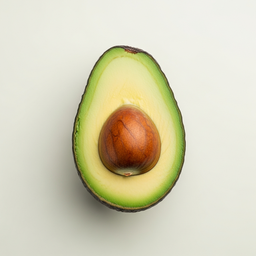 Avocado
 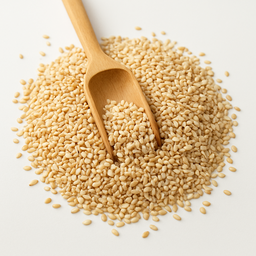 Sesame Seeds
 Healthy fats improve mineral absorption from sesame seeds
Technical: Avocado contains 15% mono-unsaturated fats and vitamin E. Sesame seeds are rich in calcium (975mg/100g), iron (14.5mg) and zinc. The fats from avocado improve absorption of these minerals and the fat-soluble lignans (sesamin, sesamolin) from sesame seeds.
What does this mean for you? Add sesame seeds to your avocado toast or poke bowl. The combination is not only delicious but also remarkably rich in minerals.
JointsEnergySkin & Hair
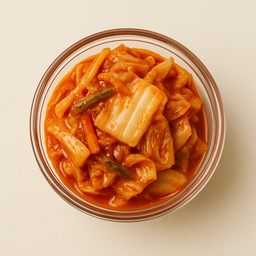 Kimchi
 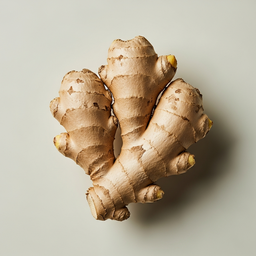 Ginger
 Probiotics + gingerols: centuries-old Korean combination
Technical: Kimchi contains Lactobacillus plantarum and L. brevis (10⁸-10⁹ CFU/g) strengthening the gut microbiome and producing short-chain fatty acids (butyrate). Ginger's gingerols speed up gastric emptying (+25%). Traditionally kimchi already contains ginger — the combination enhances both fermentation and digestion.
What does this mean for you? Kimchi with extra fresh ginger is a powerful combination for digestion. Probiotics from kimchi and gingerols from ginger work synergistically. Part of Korean cuisine for centuries.
DigestionImmune System
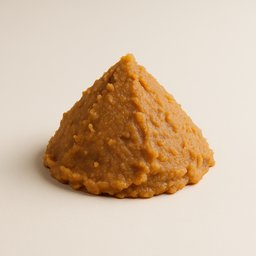 Miso Ginger
 Japanese soup base: enzymes + gingerols
Technical: Miso contains Aspergillus oryzae enzymes (amylase, protease) that support digestion, plus isoflavones. Ginger contains gingerols that speed up gastric emptying. Together they optimize digestion through complementary mechanisms: miso enzymes break down food components, gingerols promote gut transit.
What does this mean for you? Add grated ginger to your miso soup just before serving (don't boil with miso — this kills the enzymes). This is an authentic Japanese variation.
DigestionAnti-inflammatory
 Sea Salt Avocado
 Minerals improve flavor perception and electrolyte balance
Technical: Sea salt contains trace minerals (magnesium, potassium, calcium) besides sodium. Tomato is rich in potassium (237mg/100g) and lycopene. Avocado adds magnesium (29mg) and potassium (485mg). Together they form a broad electrolyte profile: sodium (salt) + potassium (tomato/avocado) + magnesium (avocado) — essential for fluid balance and nerve function.
What does this mean for you? Sprinkle tomato and avocado with a pinch of sea salt. This is more than flavor — the minerals complement each other for a complete electrolyte balance.
HeartEnergy
Ingredients (9)
-
 Salmon — 250 g fresh salmon fillet, in two pieces
 - Miso — 2 tbsp white (shiro) miso for milder flavor
Instructions
- 1 Cook the brown rice according to package instructions (usually 25 minutes in double the amount of water with a pinch of salt). Drain and keep warm.
Nutrition per serving
Indicative values per serving.
Timing & Suitability
Shelf life: 1 days in fridge
Tags & Diet
Allergens: Fish, Soy, Sesame