- Easy
- 22 min
- 2 serv.
- 7 synergies
- Now at its best: Garlic
A clear, savoury soup with bone broth, fresh ginger, garlic, mushrooms, spinach, tamari and spring onion.
There is something quietly settling about this soup without it ever becoming heavy. The broth is clear yet full, the ginger brings a gentle warmth that rises slowly, and the mushrooms add an earthy savouriness that makes the whole pot taste richer than its short ingredient list suggests. Right at the end, the spinach softens into the steaming broth while the spring onion stays fresh and green on top. It is the kind of bowl you hold with both hands: light, comforting and just spiced enough to round off a long day softly.
- 10
- min prep
- 12
- min cook
- 22
- min total
Nutritional Synergies
This recipe combines ingredients that enhance each other:
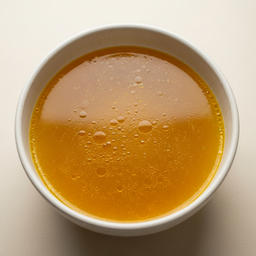 Bone broth
 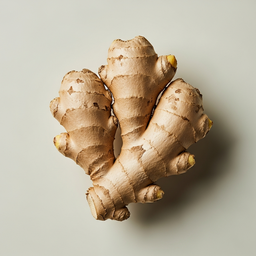 Fresh ginger
 Warming, nourishing broth
Technical: Bone broth contains gelatin, glycine and glutamine that support the gut wall. Ginger contains gingerols that modulate COX-2 and 5-LOX enzymes, plus zingibain — a proteolytic enzyme that improves protein digestion. Glycine from broth also has calming effects on the nervous system via NMDA receptors.
What does this mean for you? Cook fresh ginger slices in your bone broth — this is a beloved drink in many cultures. The combination soothes your gut, modulates the inflammatory response and supports recovery after exertion.
DigestionAnti-inflammatory
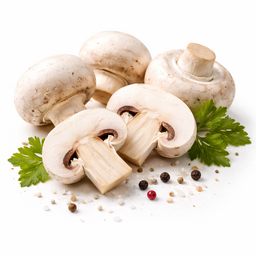 Button mushrooms
 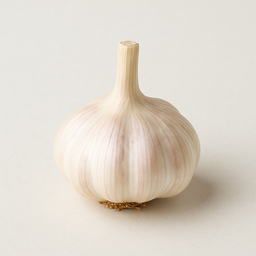 Garlic
 Beta-glucans + allicin activate complementary immune pathways
Technical: Mushrooms contain beta-glucans (polysaccharides) that activate macrophages and NK cells via Dectin-1 receptors — the innate immune system. Garlic's allicin stimulates T-cell proliferation and activates the Th1 response — the adaptive immune system. Together they activate two complementary branches of the immune system.
What does this mean for you? Sauté mushrooms with garlic — a combination that engages two different branches of the immune system. Cut garlic and wait 10 minutes before heating so allicin fully forms.
Immune System
Fresh ginger 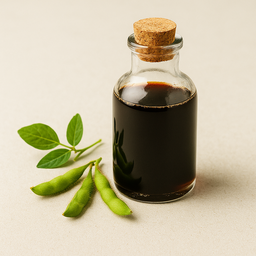 Tamari
 Asian umami base with bioactive action
Technical: Ginger contains gingerols and shogaols that modulate COX-2. Tamari (gluten-free soy sauce) provides umami flavor plus fermented compounds supporting gut flora. Together they form the base of many Asian dishes and offer both flavor and bioactive action.
What does this mean for you? Ginger + tamari is the base of stir-fries, marinades and dressings. Two ingredients that enhance each other's flavor and combine bioactive compounds.
DigestionAnti-inflammatory
Garlic Fresh ginger Allicin + gingerols: complementary bioactive action
Technical: Garlic's allicin works via thiol enzyme inhibition — effective against gram-positive bacteria (Staphylococcus, Streptococcus). Ginger's gingerols and shogaols influence viral replication and stimulate interferon production. Together they cover both bacterial and viral pathways.
What does this mean for you? Garlic-ginger tea is a classic combination. Garlic works via thiol enzymes, ginger via interferon pathways. Cut both fresh for maximum active compounds — allicin only forms after 10 minutes of air exposure.
Immune System
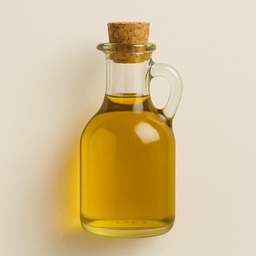 Sesame oil Fresh ginger
 Asian cooking base: lignans + gingerols via complementary pathways
Technical: Sesame oil contains sesamin and sesamolin (lignans) with antioxidant action. Ginger contains gingerols that modulate COX-2. Both compounds influence NF-κB via complementary mechanisms. The fat in sesame oil also improves absorption of fat-soluble gingerols.
What does this mean for you? Start Asian dishes with sesame oil + ginger as flavor base. This is the fundamental start of wok dishes and combines two bioactive compounds via complementary pathways.
Anti-inflammatoryDigestion
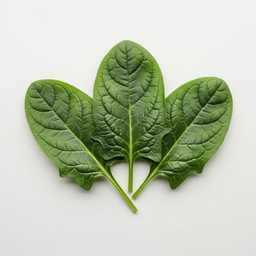 Fresh spinach Sesame oil
 Sesame oil increases fat-soluble vitamin absorption from spinach 3-5x
Technical: Spinach contains vitamin K (483μg/100g, 400% RDI), beta-carotene and lutein - all fat-soluble. Sesame oil contains lignans (sesamin) that act as antioxidants and 50% monounsaturated fats that stimulate micelle formation.
What does this mean for you? Drizzle spinach with sesame oil (Korean/Japanese style) for maximum nutrient absorption. This is why namul (Korean spinach) is always made with sesame oil.
EnergyGeneral WellnessSkin & Hair
Tamari Sesame oil Fermented soy isoflavones + sesamol for antioxidant protection
Technical: Tamari contains fermentation-released isoflavones (genistein, daidzein) that work synergistically with sesame oil's sesamol and sesaminol. Together they provide broader antioxidant protection via different radical scavenging mechanisms.
What does this mean for you? A splash of tamari with sesame oil as dressing or stir-fry sauce gives not only umami flavor but also a double antioxidant effect.
Anti-inflammatoryHeartSkin & Hair
Ingredients (9)
+7 more ingredientsInstructions
- 1 Finely grate the ginger, chop the garlic, slice the mushrooms and cut the spring onions into thin rings.
- 2 Heat the sesame oil in a saucepan over medium heat. Sauté the garlic and ginger for 30-60 seconds until fragrant but not coloured.
Nutrition per serving
Indicative values per serving.
Timing & Suitability
Shelf life: 3 days in fridge
Tags & Diet
Allergens: Soy, Sesame