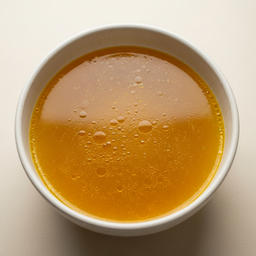
Bone Broth
Slow-simmered broth from bones and connective tissue
What is this ingredient?
Bone broth is broth made from animal bones (beef, chicken or fish) with connective tissue. The bones simmer for a long time, usually 12 to 48 hours, often with a splash of vinegar. Through this combination of time, heat and acid, flavor compounds, minerals and collagen-rich components slowly move into the water.
In kitchens around the world, bone broth fits the idea of 'nose to tail' cooking: using as much of the animal as possible, including bones, tendons and cartilage. This creates a full, savory broth with natural gelatin, especially when the broth sets after chilling.
Homemade bone broth can be enjoyed as a warm drink, used as a base for soup or sauce, or used as cooking liquid for grains, legumes and stews. Its flavor depends strongly on the type of bones, the water ratio, the simmering time and aromatics such as onion, carrot, thyme, bay leaf, ginger or garlic.
How does it taste?
Deeply umami, full-bodied and gelatinous with a rich, savory flavor.
Pairs well with:
Pairs well with gingergarlicturmericseaweed and scallion.
Did you know...?
- Bone broth has been prepared for thousands of years in kitchens around the world.
- A well-simmered bone broth can set after chilling because of natural gelatin from bones and connective tissue.
Nutritional Value & Energy
Per 100ml
Bone Broth is low in calories thanks to natural nutrients .
Per 100g
Minerals
Vitamins
Omega-3 fatty acids
More nutrients
B-Vitamins
Trace Minerals
What's in a serving?
1 serving
% of daily reference intake (DRI)
EU-approved nutrition claims
There are currently no EFSA-authorized health claims specific to bone broth.
What's being researched?
Bone broth and the intestinal barrier
Research on bone broth looks at gelatin, glycine and glutamine in relation to the intestinal barrier. Traditional use is widespread, but controlled clinical studies with bone broth itself are very limited.
Supported by: [1] Rao (2012)
Bone broth and collagen
The collagen content of bone broth is studied in relation to preparation, simmering time and the bones used. The actual content varies widely, making comparisons between studies difficult.
Supported by: [2] Proksch (2014) , [1] Rao (2012)
Good Combinations (Synergy)
Combine bone broth smartly to enhance the effect:
Bone Broth 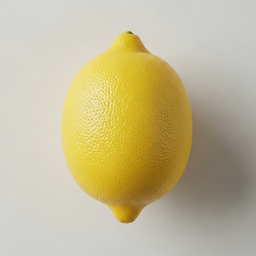 Lemon
Lemon CRUCIAL: Vitamin C needed for collagen synthesis
Technical: Bone broth provides collagen peptides (glycine, proline, hydroxyproline) — the building blocks for human collagen. But your body first breaks down these peptides and then must rebuild them. For that reconstruction, prolyl hydroxylase needs vitamin C as a co-factor. Without vitamin C, collagen synthesis literally stops — this is the mechanism behind scurvy.
What does this mean for you? Always drink your bone broth with a squeeze of lemon juice. Without vitamin C, your body cannot reuse the collagen you drink for your joints, skin or tendons. A simple addition that makes all the difference.
Bone Broth 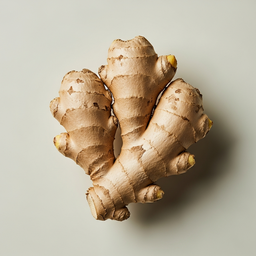 Ginger
 Warming, nourishing broth
Technical: Bone broth contains gelatin, glycine and glutamine that support the gut wall. Ginger contains gingerols that modulate COX-2 and 5-LOX enzymes, plus zingibain — a proteolytic enzyme that improves protein digestion. Glycine from broth also has calming effects on the nervous system via NMDA receptors.
What does this mean for you? Cook fresh ginger slices in your bone broth — this is a beloved drink in many cultures. The combination soothes your gut, modulates the inflammatory response and supports recovery after exertion.
Bone Broth 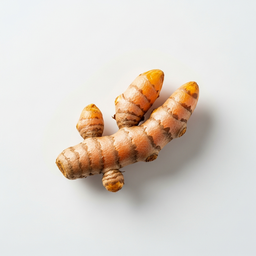 Turmeric
 Double joint support
Technical: Bone broth provides collagen type II peptides (glycine, proline) that support cartilage repair, plus glucosamine and chondroitin sulfate from the cooking process. Curcumin from turmeric modulates NF-κB signaling — involved in inflammatory processes that activates cartilage breakdown (via MMP enzymes). Together they offer cartilage building + protection against breakdown.
What does this mean for you? Add turmeric (with a pinch of black pepper) to your warm bone broth. The broth provides building material for your cartilage, the turmeric protects it from breakdown. Ideal for joint pain, osteoarthritis or sports injuries.
Bone Broth  Red Bell Pepper
 Vitamin C activates collagen synthesis
Technical: Bone broth contains hydrolyzed collagen (type I and III), but human collagen synthesis requires prolyl and lysyl hydroxylase — enzymes needing vitamin C as cofactor. Red pepper provides 127mg vitamin C per 100g (211% RDI), fully activating collagen synthesis.
What does this mean for you? Drink bone broth with pieces of red pepper alongside. Without vitamin C your body cannot convert broth collagen into your own collagen. Vitamin C contributes to normal collagen formation (EFSA-approved).
Recipes with Bone Broth
Discover delicious recipes featuring bone broth:
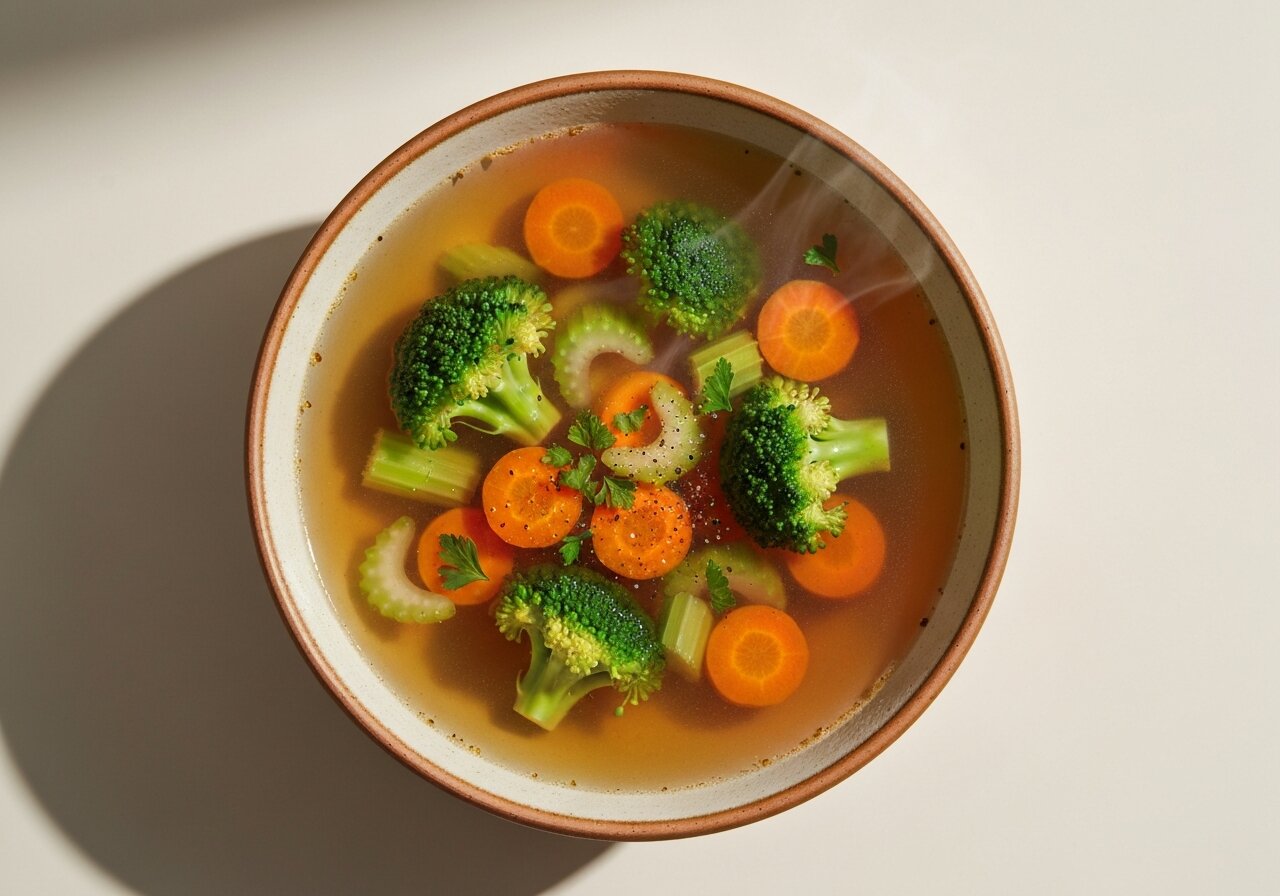 Bone Broth with Vegetables 30 min Clear broth soup with broccoli, carrot, celery and parsley
  120 kcal
  10g protein 3 synergies
 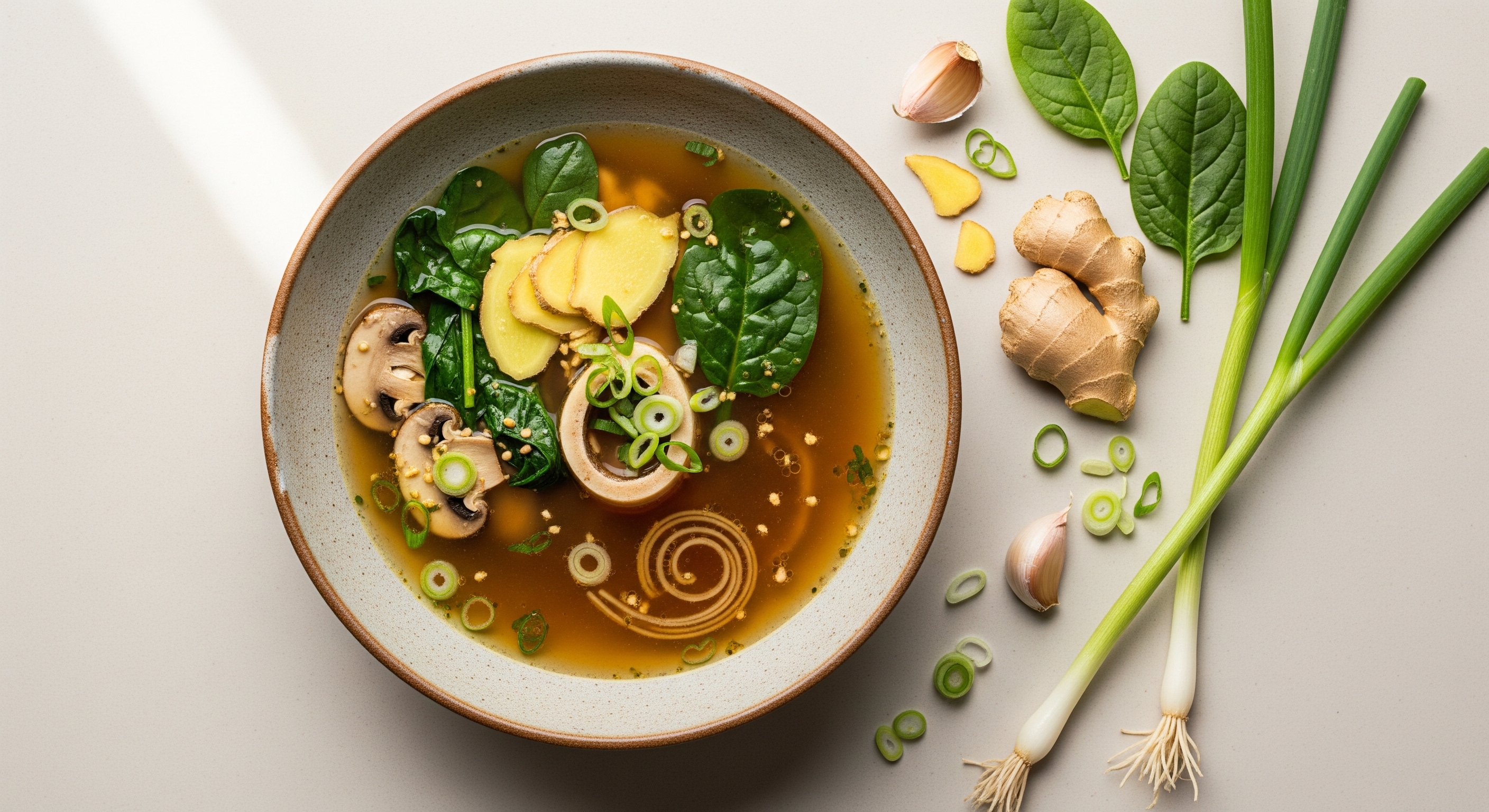 Bone Broth Soup with Ginger, Mushrooms and Spinach 22 min Light, savoury and gently warming 108 kcal 9g protein 2 synergies
 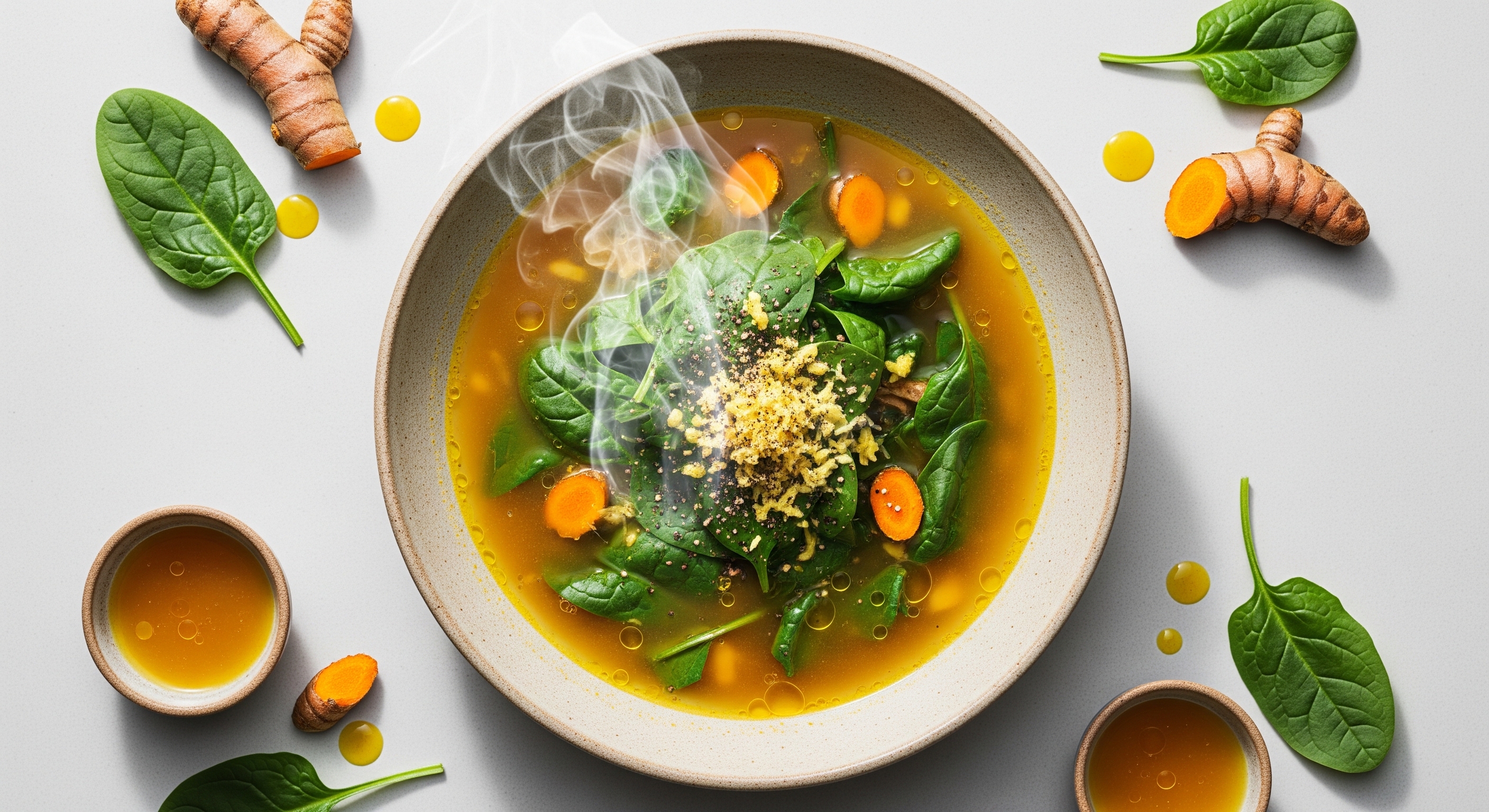 Bone Broth Soup with Turmeric and Spinach 20 min Light keto soup with ginger, garlic and lemon 120 kcal 12g protein 3 synergies
 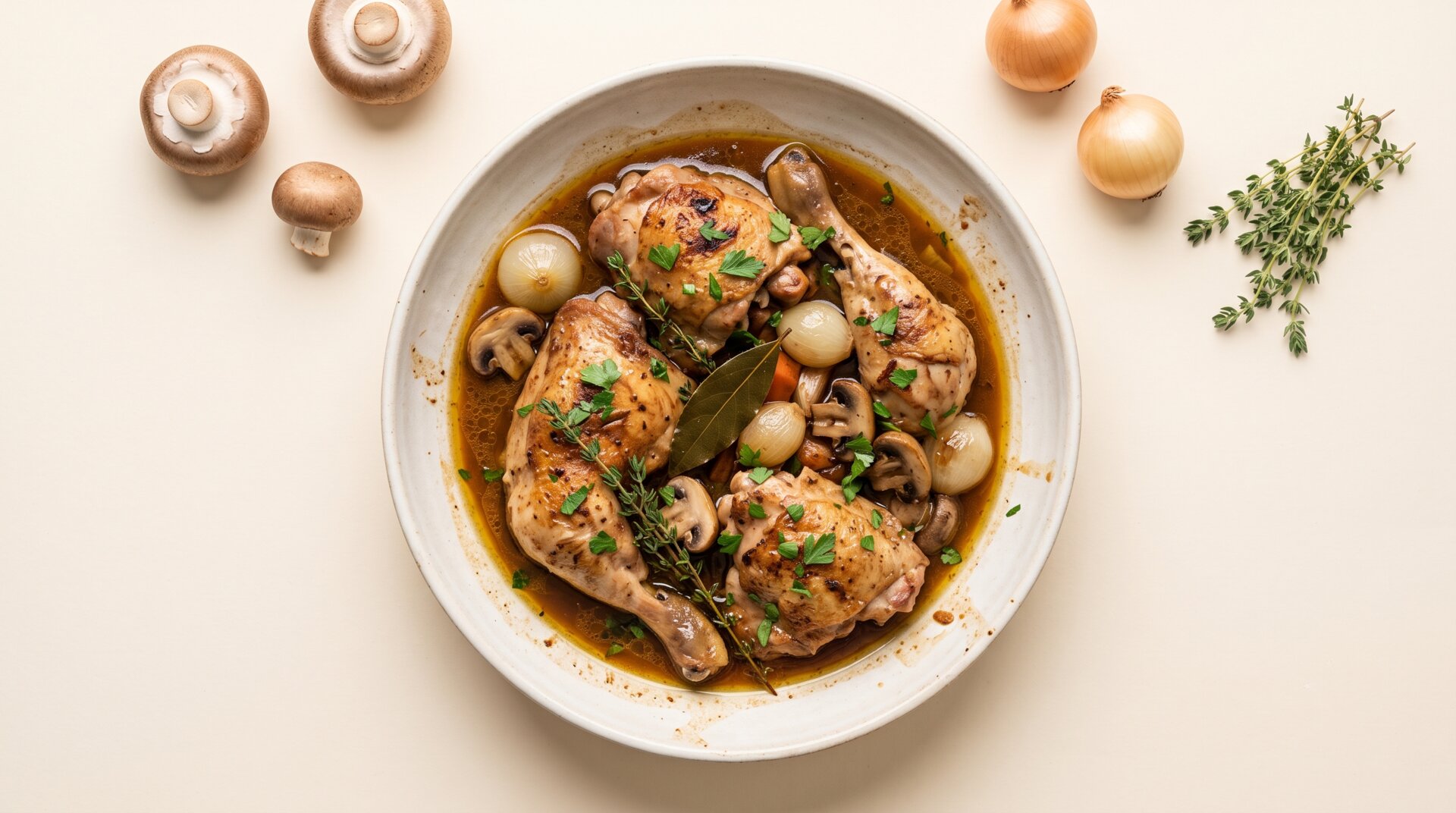 Chicken in Grape Juice 100 min Slow-braised chicken with herbs, vegetables and a rich sauce 410 kcal 45g protein 1 synergies
 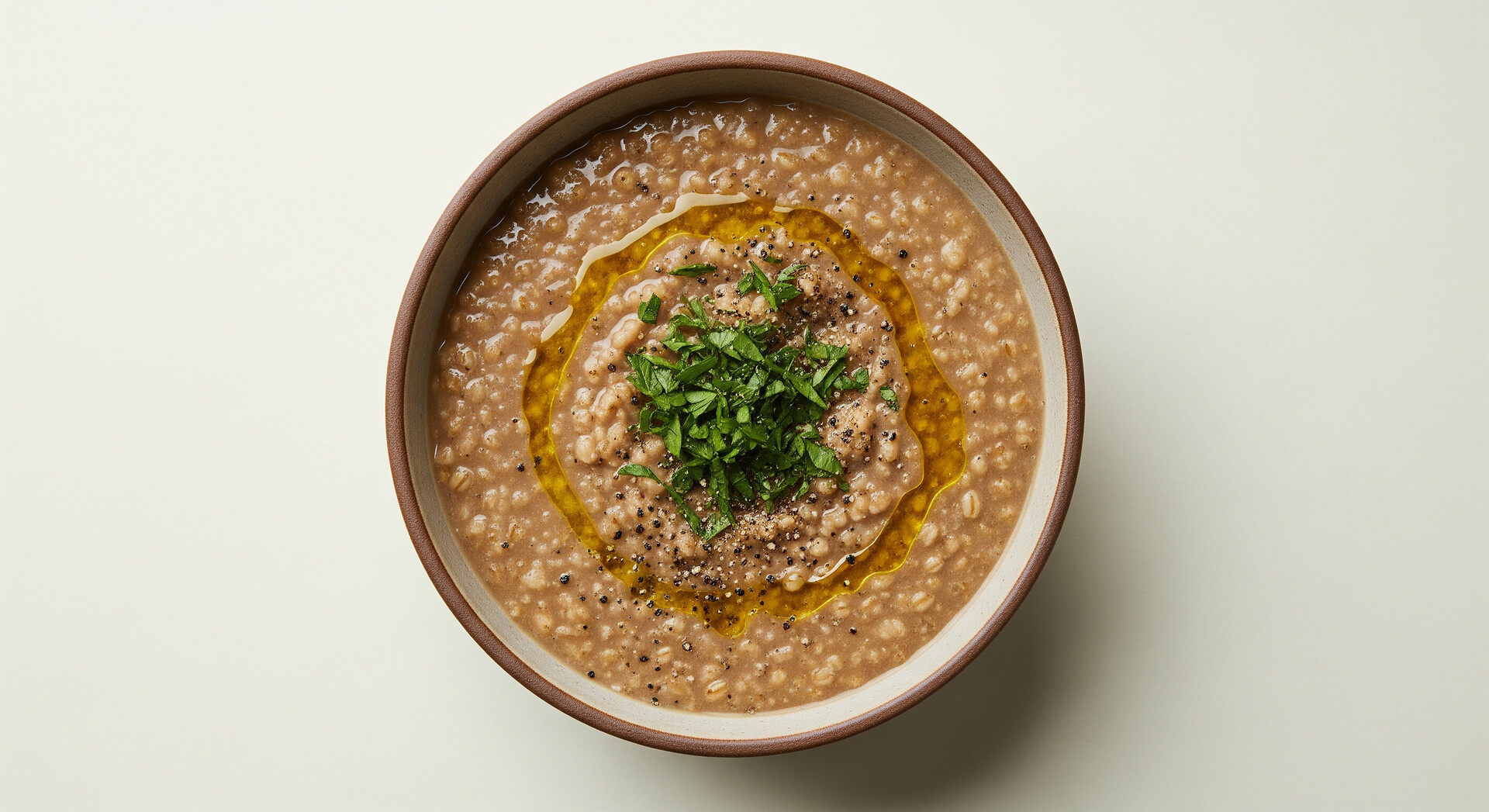 Khazir 35 min Nutritious barley soup from the Sunnah 180 kcal 6g protein 2 synergies
 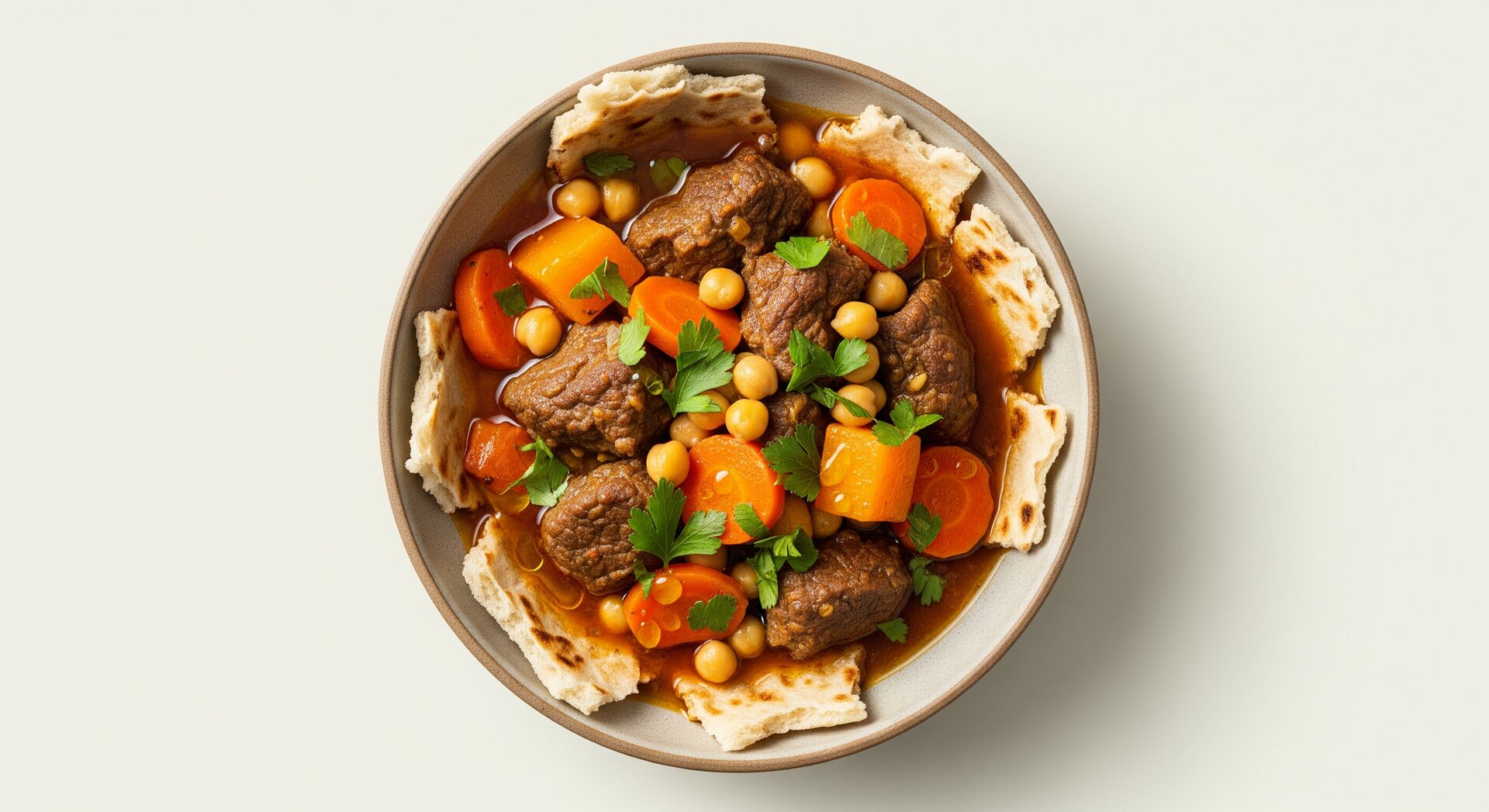 Tharid 70 min The beloved dish of the Prophet ﷺ 520 kcal 38g protein 3 synergies
  In the Kitchen
Storage
Location:Refrigerator
Shelf life:5 dagen (koelkast), 6 maanden (vriezer)
Well-simmered broth can gel in the fridge because of its natural gelatin. Freeze in 500 ml portions for later use.
Preparation
Use bones from a reliable source with water and vinegar (2 tbsp per liter). Chicken: 12-24 hours, beef: 24-48 hours. In a pressure cooker, 2-3 hours can be enough for a shorter preparation.
Conversions
Substitutes
Smart preparation
1Roast the bones first for 30 minutes at 200°C for more flavor.
Why?
Roasting creates Maillard aromas and gives the broth deeper flavor.
2Add a splash of vinegar to the cooking water.
Why?
Acid helps draw minerals and collagen-rich components out of the bones.
3Let bone broth simmer gently instead of boiling hard.
Why?
Gentle simmering gives a clearer broth and lets flavor compounds release gradually.
Caution / Warnings
Bone Broth is very safe, but there are scientific considerations:
Histamine intolerance Severe
The longer broth simmers, the higher its histamine content can become.
Advice:
If sensitive, choose a shorter-simmered broth, for example 2-3 hours in a pressure cooker, and start with a small portion.
Lead and bone quality Moderate
Heavy metals can accumulate in bone tissue, so the quality and origin of the bones matter.
Advice:
Prefer bones from a reliable source, such as organic or grass-fed animals, and vary your protein sources.
Glutamate sensitivity Mild
Long simmering times can lead to more free glutamate in the broth.
Advice:
Use smaller portions or choose a shorter preparation if you react sensitively to glutamate-rich foods.
Traditional use
Traditional Chinese Medicine
Bone broth in Chinese culinary traditions
In Chinese culinary traditions, bones and connective tissue have long been used for rich broths, soups and noodle dishes with deep umami and gentle gelatin.
Other
Bone broth in European culinary traditions
In European kitchens, bone broths form the base of stocks, consommés, soups and sauces, often made with vegetables, herbs and slowly simmered bones.
Summary
Bone broth is a full-bodied, savory broth made from bones and connective tissue. Long simmering gives it natural gelatin, collagen-rich components and amino acids such as glycine, proline and glutamine. Use it as a warm drink, a base for soup or sauce, or a cooking liquid for grains and stews.