- Medium
- 100 min
- 4 serv.
- 13 synergies
- Now at its best: Onion
A rustic French stew with tender chicken, mushrooms and pearl onions, slowly cooked in an aromatic sauce made from grape, broth and herbs. Rich in flavor and based entirely on natural ingredients.
The Dutch oven sizzles as the first pieces of chicken hit the hot surface and develop a deep golden crust within two minutes. Once the mushrooms, pearl onions and carrots take their place, the kitchen fills with the earthy scent of sautéed vegetables and fresh thyme. Then the moment everything changes: dark grape juice meets the hot bottom, the browned bits release and a sauce emerges that is simultaneously fruity and deep. Under a lid, chicken and vegetables simmer together until the meat nearly slides off the bone. The final fifteen minutes uncovered transform the sauce into a glossy, syrupy coating that clings to every fork. This is patience rewarded — a dish that perfumes the kitchen all evening and looks on the table as though a French grandmother prepared it.
- 25
- min prep
- 75
- min cook
- 100
- min total
Nutritional Synergies
This recipe combines ingredients that enhance each other:
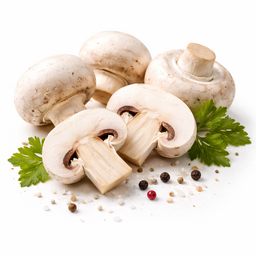 White Button Mushrooms
 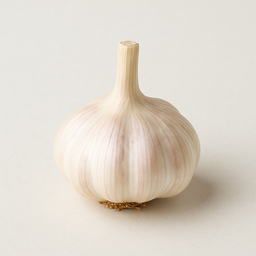 Garlic
 Beta-glucans + allicin activate complementary immune pathways
Technical: Mushrooms contain beta-glucans (polysaccharides) that activate macrophages and NK cells via Dectin-1 receptors — the innate immune system. Garlic's allicin stimulates T-cell proliferation and activates the Th1 response — the adaptive immune system. Together they activate two complementary branches of the immune system.
What does this mean for you? Sauté mushrooms with garlic — a combination that engages two different branches of the immune system. Cut garlic and wait 10 minutes before heating so allicin fully forms.
Immune System
White Button Mushrooms 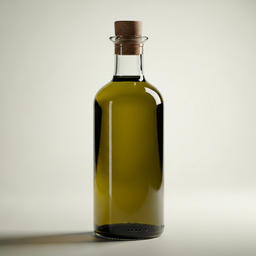 Olive Oil
 Increased absorption of ergothioneine and vitamin D
Technical: Mushrooms contain ergothioneine (0.4mg/100g, unique amino acid antioxidant) and vitamin D2 (7 IU/100g, up to 1110 IU after UV exposure). Ergothioneine is absorbed via the specific OCTN1 transporter. Vitamin D is fat-soluble — olive oil increases absorption up to 3x through micelle formation.
What does this mean for you? Sauté mushrooms in olive oil for optimal vitamin D absorption. Tip: place mushrooms in sunlight for 30 minutes first to increase vitamin D content up to 150x.
Immune SystemJoints
White Button Mushrooms 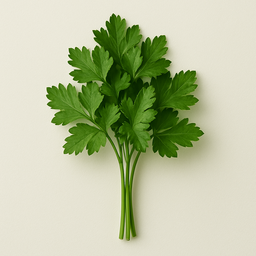 Parsley
 Vitamin C increases absorption of B vitamins and minerals
Technical: Mushrooms are rich in B vitamins (riboflavin 0.4mg, niacin 3.6mg per 100g), selenium (9.3μg) and copper (0.3mg). Parsley contains 133mg vitamin C per 100g and improves absorption of these micronutrients. Chlorophyll in parsley also neutralizes the earthy taste of mushrooms.
What does this mean for you? Always garnish your mushroom dishes with fresh parsley. This increases both nutritional value and freshness of flavor.
EnergyImmune System
White Button Mushrooms 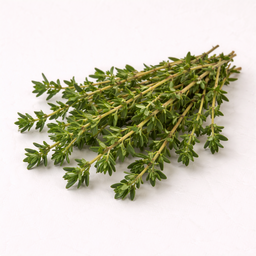 Thyme (Fresh)
 French classic combination: ergothioneine + thymol
Technical: Mushrooms contain ergothioneine (a distinctive antioxidant that accumulates in mitochondria) and B vitamins. Thyme contains thymol and carvacrol, aromatic compounds with antioxidant properties. Together they bring a range of plant compounds to your plate.
What does this mean for you? Sauté mushrooms with fresh thyme — a classic French combination from Provençal cuisine. Add thyme in the last minute for optimal aroma retention.
Anti-inflammatoryImmune System
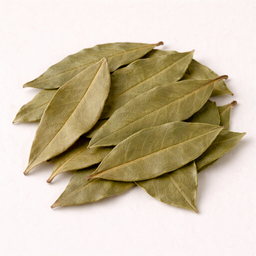 Bay leaves Garlic
 Eucalyptol + allicin for broad-spectrum bioactive action
Technical: Bay's 1,8-cineole contains bioactive compounds effective against gram-negative bacteria and fungi via membrane disruption. Garlic's allicin works via thiol blockade in enzymes of gram-positive and gram-negative pathogens. Together they offer the broadest bioactive spectrum of all kitchen herbs. Bay's tannins also enhance the antioxidant action of garlic's S-allylcysteine.
What does this mean for you? Bay leaf + garlic is the base of virtually every good broth or sauce. Historically this served as a preservation method — a tradition that also works exceptionally well for flavor.
Immune SystemDigestion
Bay leaves 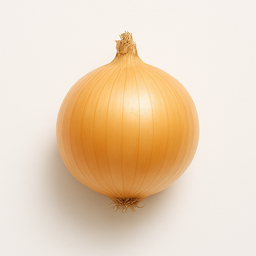 Pearl onions
 Cineole + quercetin: aromatic broth base
Technical: Bay leaf contains 1,8-cineole (eucalyptol, 50% of oil), an aromatic compound. Onion's quercetin (20mg/100g) is a flavonoid. Bay leaf also contains parthenolide, studied in research in relation to COX signaling. The combination is the base of broth and stews in every Mediterranean cuisine.
What does this mean for you? Always add bay leaves together with onions as the base of your broth or stew. The combination gives a warm, aromatic base to any dish.
Immune SystemAnti-inflammatory
Olive Oil 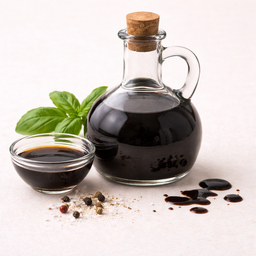 Balsamic Vinegar
 Italian vinaigrette: polyphenols + acetic acid influence glycemic response
Technical: Olive oil contains oleocanthal and hydroxytyrosol (polyphenols with antioxidant action). Balsamic contains polyphenols from grapes plus acetic acid that can influence glycemic response to meals through delayed gastric emptying. Together they offer antioxidant protection via complementary phenol compounds.
What does this mean for you? Use the classic 3:1 olive oil:balsamic ratio as salad dressing. This is not only delicious but also combines two sources of polyphenols with acetic acid that influences the glucose response after the meal.
Blood SugarHeartAnti-inflammatory
Olive Oil Garlic Aglio e olio: allicin + oleocanthal via complementary biochemical pathways
Technical: Garlic contains allicin (formed when cutting/crushing) that influences HMG-CoA reductase (involved in lipid metabolism). Olive oil contains oleocanthal that modulates COX-1/2 enzymes. Together they influence lipid metabolism and prostaglandin cascade via complementary biochemical pathways. The fat also helps absorb fat-soluble garlic compounds.
What does this mean for you? Gently warm garlic in olive oil (don't burn!) as the base for many dishes. This is why 'aglio e olio' pasta is so beloved — two bioactive compounds that reinforce each other.
HeartImmune System
Thyme (Fresh) Garlic Double bioactive action via complementary mechanisms
Technical: Thyme's thymol disrupts cell membranes of microorganisms via lipophilic insertion. Garlic's allicin inhibits microbial enzymes (cysteine proteases). Two independent bioactive mechanisms — membrane disruption (thyme) + enzyme inhibition (garlic) — provide broader spectrum coverage than each ingredient alone.
What does this mean for you? Use thyme and garlic together in sauces, soups and marinades. Two bioactive ingredients working through different routes — the foundation of Provençal cuisine.
Immune System
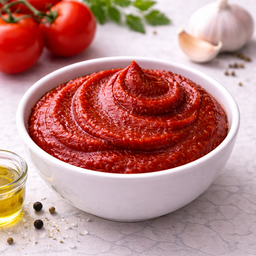 Tomato paste Garlic
 Concentrated lycopene + allicin for heart and immunity
Technical: Tomato puree is 6x more concentrated than fresh tomato (lycopene 28mg/100g vs 3-7mg fresh). The cooking process has already converted lycopene from trans to cis isomer, increasing bioavailability 2.5x. Garlic's allicin stimulates NO production (vasodilation) and inhibits LDL oxidation. Lycopene + allicin offer synergy in antioxidant support: lycopene neutralizes singlet oxygen in LDL, allicin supports vascular function.
What does this mean for you? Fry garlic and add tomato puree as the base of your sauce. The puree is the most concentrated source of bioavailable lycopene, and garlic enhances the antioxidant effect.
HeartSkin & Hair
Tomato paste Olive Oil Up to 4x more lycopene absorption through heating in oil
Technical: Tomato paste is 6x more concentrated than fresh tomato, making lycopene content very high. Heating has already released lycopene from cell walls (cis-isomer, better absorbable). Olive oil fats form micelles that efficiently transport this released lycopene through the gut wall — absorption increases up to 4x.
What does this mean for you? Always briefly fry tomato paste in olive oil before adding other ingredients. This maximizes lycopene absorption — the quintessential Italian cooking method.
HeartSkin & Hair
Pearl onions Garlic More than 20 organosulfur compounds in one soffritto
Technical: Onion contains diallyl disulfide and quercetin (20-40mg/100g). Garlic contains allicin, ajoene and S-allylcysteine. Together they provide more than 20 different organosulfur compounds that modulate NF-κB. Allium crops are intensively studied in nutrition science for their unique sulfur chemistry.
What does this mean for you? Start every dish with sautéed onion and garlic — not just for flavor, but for the unique concentration of organosulfur compounds. Cut garlic 10 minutes before heating to allow allicin formation.
DigestionImmune System
 Carrot Olive Oil
 Up to 5x more beta-carotene absorption
Technical: Carrot contains 8285μg beta-carotene per 100g, but bioavailability from raw carrot is only 3-4%. Heating + olive oil increases this to 20-25%. Oleic acid (73% of olive oil) forms mixed micelles that efficiently transport beta-carotene to enterocytes for absorption.
What does this mean for you? Roast carrots with olive oil or eat them in a salad with dressing. Without fat you absorb only 3% of beta-carotene — with olive oil up to 5x more.
Skin & HairFocusImmune System
Ingredients (13)
-
 Chicken — 1.2 kg in pieces, bone-in
 - White Button Mushrooms — 300 g halved
- Pearl onions — 12 pcs peeled
Instructions
- 1 Season the chicken with salt and pepper. Heat olive oil in a Dutch oven and brown the chicken on all sides. Remove.
- 2 In the same fat, sauté the mushrooms, pearl onions and carrots for 5 minutes until lightly colored.
Nutrition per serving
Indicative values per serving.
Timing & Suitability
Shelf life: 3 days in fridge