Bay Leaf
The quiet seasoning for stews and broths
What is this ingredient?
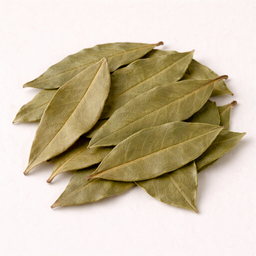
Bay leaf is a classic herb for slow-cooked dishes. It does not release its aroma immediately; instead, it gradually builds depth while simmering. That is why it is a staple in bouquet garni, broths, tomato sauces, bean dishes, and stews.
Its flavor mainly comes from aromatic compounds such as eucalyptol and eugenol. These give bay leaf its fresh, resinous scent with notes of eucalyptus, clove, and gentle bitterness. The leaf itself stays tough and sharp, even after long cooking, so whole leaves are removed before serving.
Practical use is simple: one or two leaves are usually enough for a whole pot. Bend or lightly tear the leaf for more aroma, let it infuse for at least 30 minutes, and count how many leaves you add so you can remove them all later.
How does it taste?
Woody-herbal and slightly bitter, with eucalyptus, menthol, and clove notes.
Pairs well with:
Pairs well with braised meatbeanstomatothymeand onions.
Did you know...?
- Olympic winners in ancient Greece wore laurel wreaths; that is where the word ‘laureate’ comes from.
- Bay leaves are among the herbs that often taste rounder and softer when dried.
Nutritional Value & Energy
Per 100g
Bay Leaf provides energy thanks to natural nutrients , buffered by fiber.
Per 100g
Minerals
Vitamins
Omega-3 fatty acids
More nutrients
Trace Minerals
What's in a serving?
Bay leaf naturally contains calcium (834 mg per 100 g dried powder). At typical spice usage (3–9 g), the contribution is limited.
Bay leaf naturally contains iron (43 mg per 100 g dried powder). At typical spice usage (3–9 g), the contribution is limited.
Bay leaf naturally contains manganese (8.2 mg per 100 g dried powder). At typical spice usage (3–9 g), the contribution is limited.
Bay leaf naturally contains vitamin B6 (1.7 mg per 100 g dried powder). At typical spice usage (3–9 g), the contribution is limited.
Bay leaf naturally contains folate (180 mcg per 100 g dried powder). At typical spice usage (3–9 g), the contribution is limited.
Bay leaf naturally contains vitamin A (309 mcg per 100 g dried powder). At typical spice usage (3–9 g), the contribution is limited.
Bay leaf naturally contains vitamin C (46.5 mg per 100 g dried powder). At typical spice usage (3–9 g), the contribution is limited.
Bay leaf naturally contains calcium (834 mg per 100 g dried powder). At typical spice usage (3–9 g), the contribution is limited.
Bay leaf naturally contains iron (43 mg per 100 g dried powder). At typical spice usage (3–9 g), the contribution is limited.
Bay leaf naturally contains magnesium (120 mg per 100 g dried powder). At typical spice usage (3–9 g), the contribution is limited.
Bay leaf naturally contains manganese (8.2 mg per 100 g dried powder). At typical spice usage (3–9 g), the contribution is limited.
Bay leaf naturally contains zinc (3.7 mg per 100 g dried powder). At typical spice usage (3–9 g), the contribution is limited.
Bay leaf naturally contains vitamin B6 (1.7 mg per 100 g dried powder). At typical spice usage (3–9 g), the contribution is limited.
Bay leaf naturally contains folate (180 mcg per 100 g dried powder). At typical spice usage (3–9 g), the contribution is limited.
Bay leaf naturally contains copper (0.4 mg per 100 g dried powder). At typical spice usage (3–9 g), the contribution is limited.
% of daily reference intake (DRI)
EU-approved nutrition claims
This ingredient contains nutrients for which EFSA-authorized health claims exist (at nutrient level, not ingredient-specific).
Approved health claims (EU)
Iron EU 432/2012
Iron contributes to normal energy-yielding metabolism
Contains 43mg/100g (threshold: ≥2.1mg/100g)
Iron EU 432/2012
Iron contributes to the reduction of tiredness and fatigue
Contains 43mg/100g (threshold: ≥2.1mg/100g)
Iron EU 432/2012
Iron contributes to normal cognitive function
Contains 43mg/100g (threshold: ≥2.1mg/100g)
Iron EU 432/2012
Iron contributes to normal formation of red blood cells and haemoglobin
Contains 43mg/100g (threshold: ≥2.1mg/100g)
Iron EU 432/2012
Iron contributes to normal oxygen transport in the body
Contains 43mg/100g (threshold: ≥2.1mg/100g)
Iron EU 432/2012
Iron contributes to the normal function of the immune system
Contains 43mg/100g (threshold: ≥2.1mg/100g)
Iron EU 432/2012
Iron has a role in the process of cell division
Contains 43mg/100g (threshold: ≥2.1mg/100g)
Manganese EU 432/2012
Manganese contributes to normal energy-yielding metabolism
Contains 8.2mg/100g (threshold: ≥0.3mg/100g)
Manganese EU 432/2012
Manganese contributes to the maintenance of normal bones
Contains 8.2mg/100g (threshold: ≥0.3mg/100g)
Manganese EU 432/2012
Manganese contributes to the normal formation of connective tissue
Contains 8.2mg/100g (threshold: ≥0.3mg/100g)
Manganese EU 432/2012
Manganese contributes to the protection of cells from oxidative stress
Contains 8.2mg/100g (threshold: ≥0.3mg/100g)
Comparison
vsspinazie
Bay leaf contains about 16× more iron per 100 g than spinach — but you use much less bay leaf per serving.
vsmelk
Bay leaf contains about 7× more calcium per 100 g than milk — but you use much less bay leaf per serving.
What's being researched?
Bay leaf in metabolic research
Bay leaves are studied in relation to glucose and lipid markers. The available clinical studies are small, so the results should mainly be read as research context.
Supported by: [2] Sayyah (2003) , [1] Muñiz-Márquez DB (2013)
Good Combinations (Synergy)
Combine bay leaf smartly to enhance the effect:
Bay Leaf 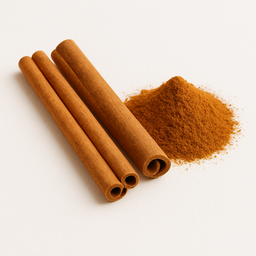 Cinnamon
 Glycemic supporting herbs for stews
Technical: Bay leaf contains 1,8-cineole and linalool that support the glycemic response via delayed carbohydrate digestion. Cinnamon's MHCP supports insulin signaling. Both herbs contain polyphenols with antioxidant action.
What does this mean for you? Bay leaf + cinnamon stick in stews — the herbs support your glycemic response and their compounds slowly leach into the cooking liquid.
Bay Leaf 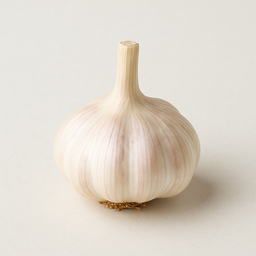 Garlic
 Eucalyptol + allicin for broad-spectrum bioactive action
Technical: Bay's 1,8-cineole contains bioactive compounds effective against gram-negative bacteria and fungi via membrane disruption. Garlic's allicin works via thiol blockade in enzymes of gram-positive and gram-negative pathogens. Together they offer the broadest bioactive spectrum of all kitchen herbs. Bay's tannins also enhance the antioxidant action of garlic's S-allylcysteine.
What does this mean for you? Bay leaf + garlic is the base of virtually every good broth or sauce. Historically this served as a preservation method — a tradition that also works exceptionally well for flavor.
Bay Leaf 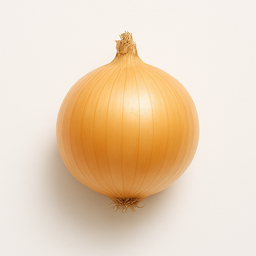 Onion
Onion Cineole + quercetin: aromatic broth base
Technical: Bay leaf contains 1,8-cineole (eucalyptol, 50% of oil), an aromatic compound. Onion's quercetin (20mg/100g) is a flavonoid. Bay leaf also contains parthenolide, studied in research in relation to COX signaling. The combination is the base of broth and stews in every Mediterranean cuisine.
What does this mean for you? Always add bay leaves together with onions as the base of your broth or stew. The combination gives a warm, aromatic base to any dish.
Recipes with Bay Leaf
Discover delicious recipes featuring bay leaf:
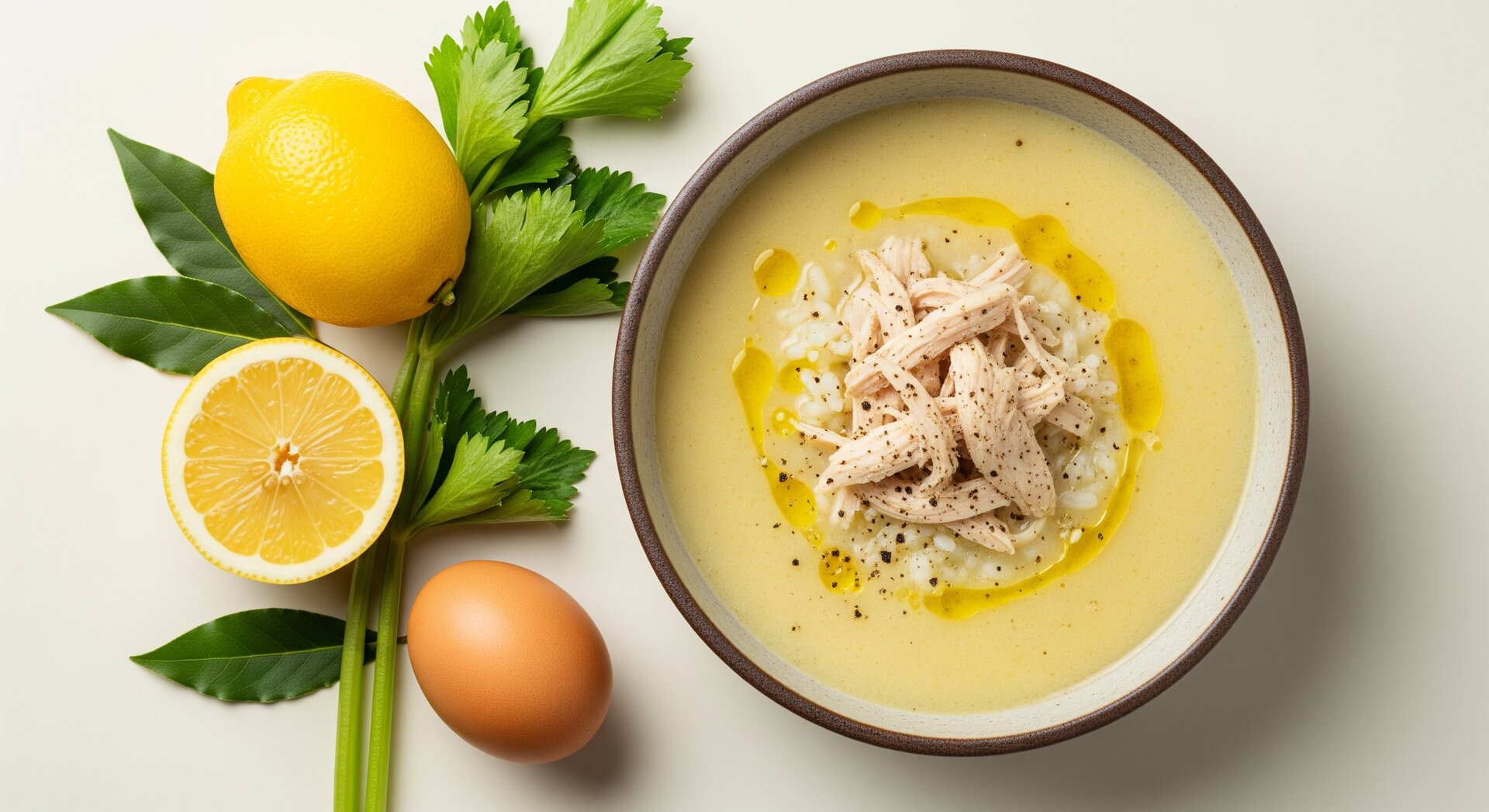 Avgolemono - Greek Lemon-Egg Soup with Chicken 40 min Velvety Greek soup with chicken, rice, lemon and egg
  410 kcal
  34g protein 3 synergies
 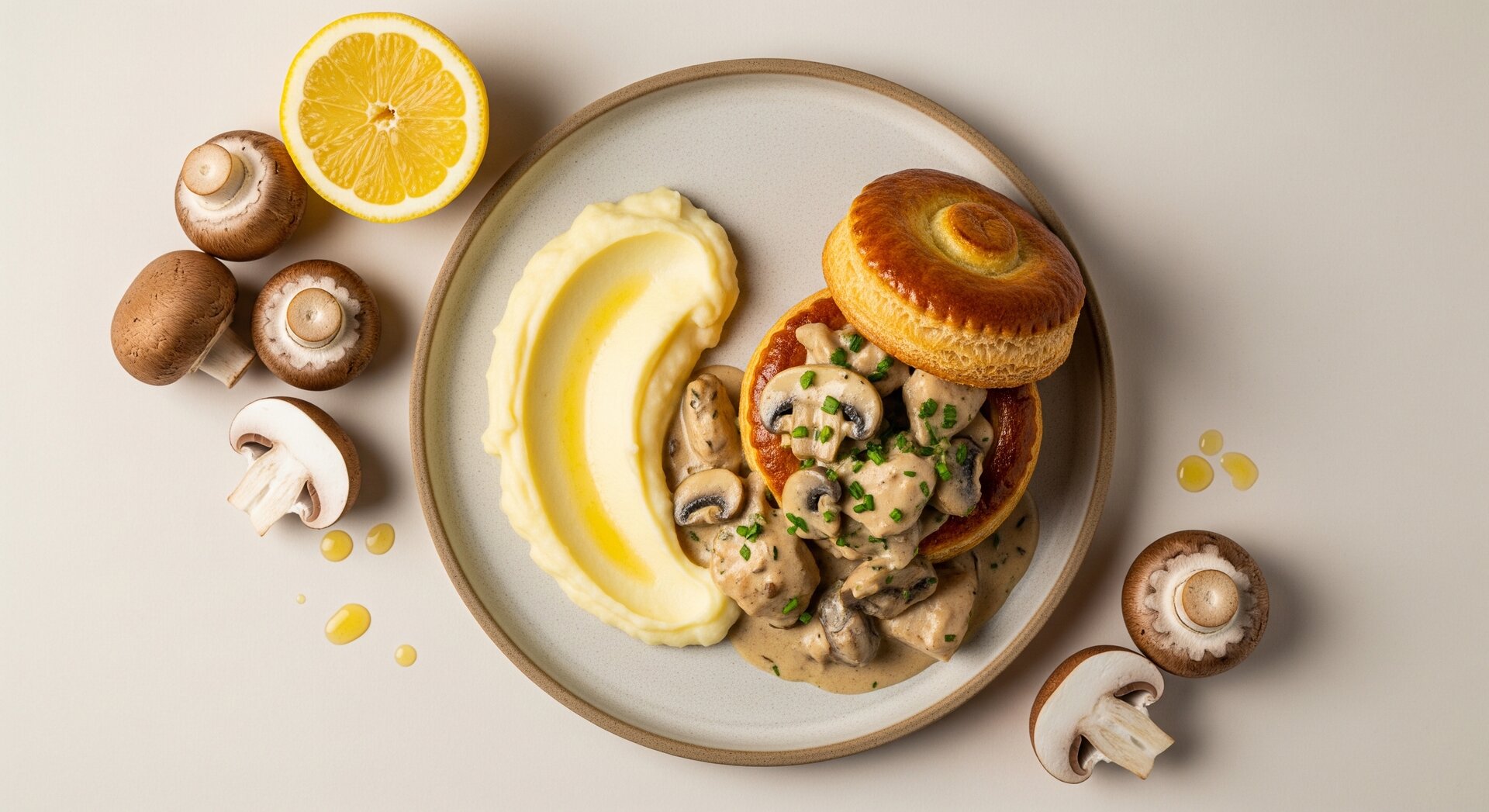 Belgian Vol-au-Vent with Mashed Potatoes 70 min Creamy chicken ragout with mushrooms, leek and soft mash 735 kcal 43g protein 2 synergies
 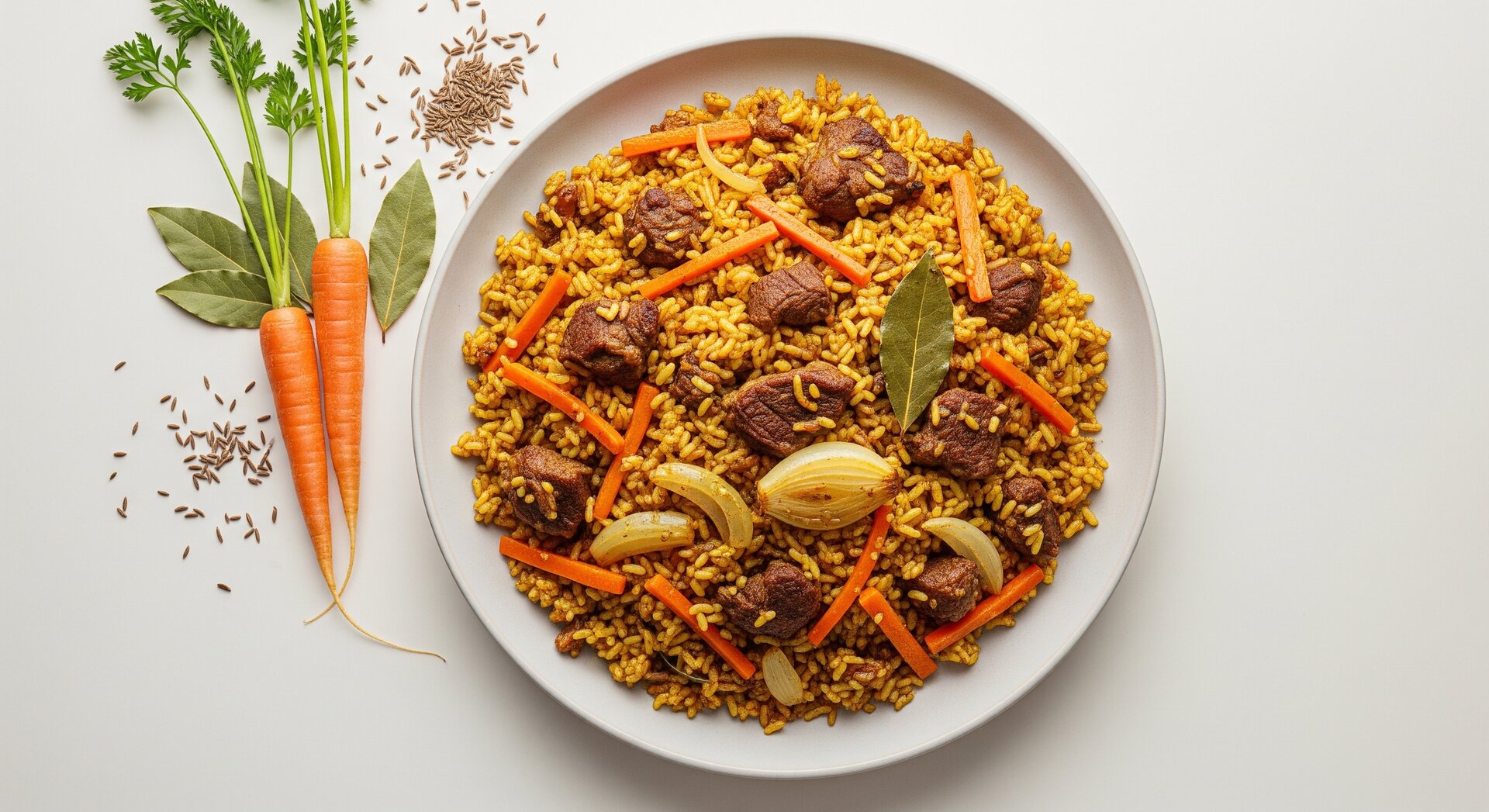 Central Asian Plov with Lamb 60 min Uzbek rice dish with lamb and carrot 679 kcal 43g protein 1 synergies
 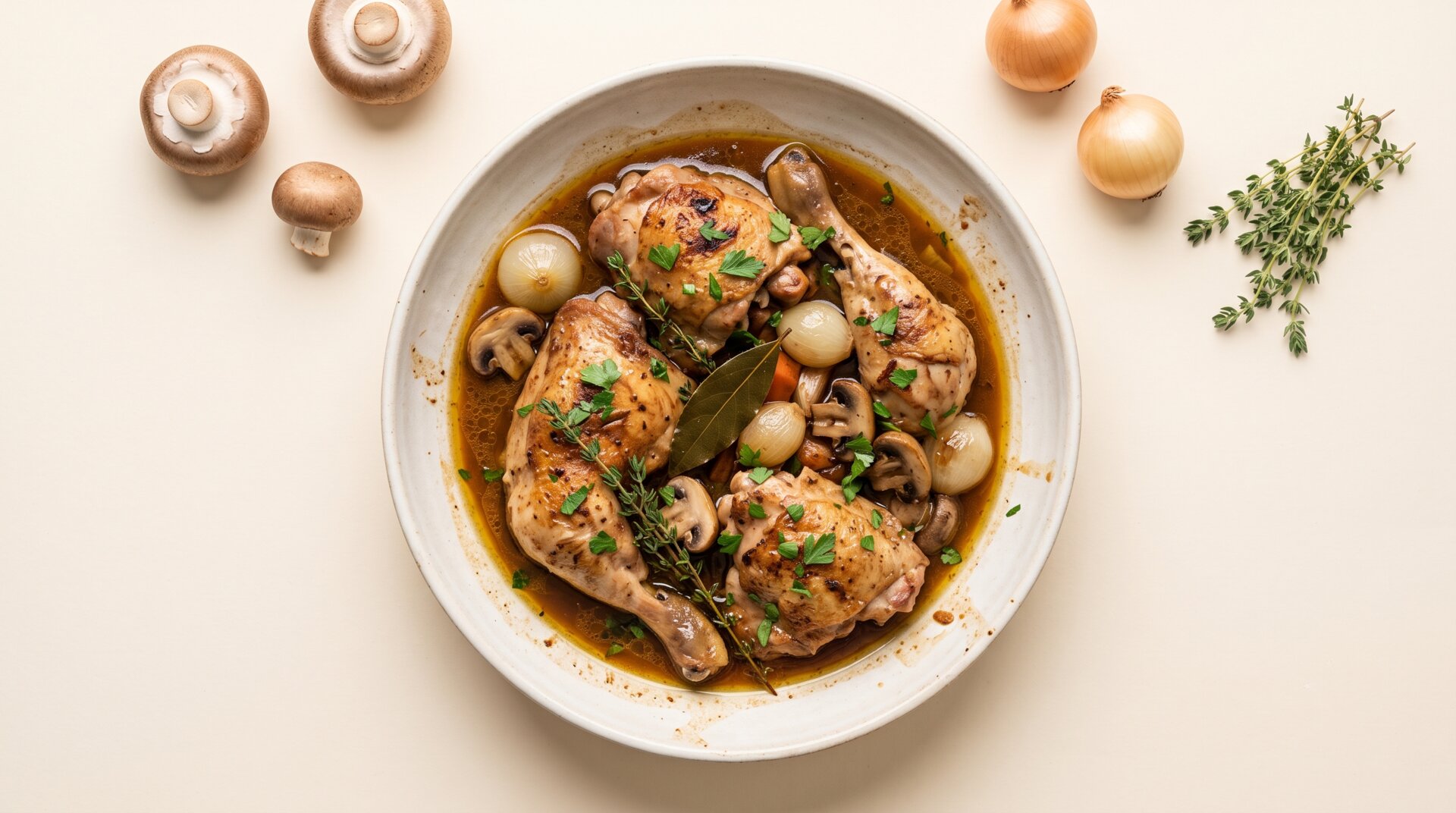 Chicken in Grape Juice 100 min Slow-braised chicken with herbs, vegetables and a rich sauce 410 kcal 45g protein 1 synergies
 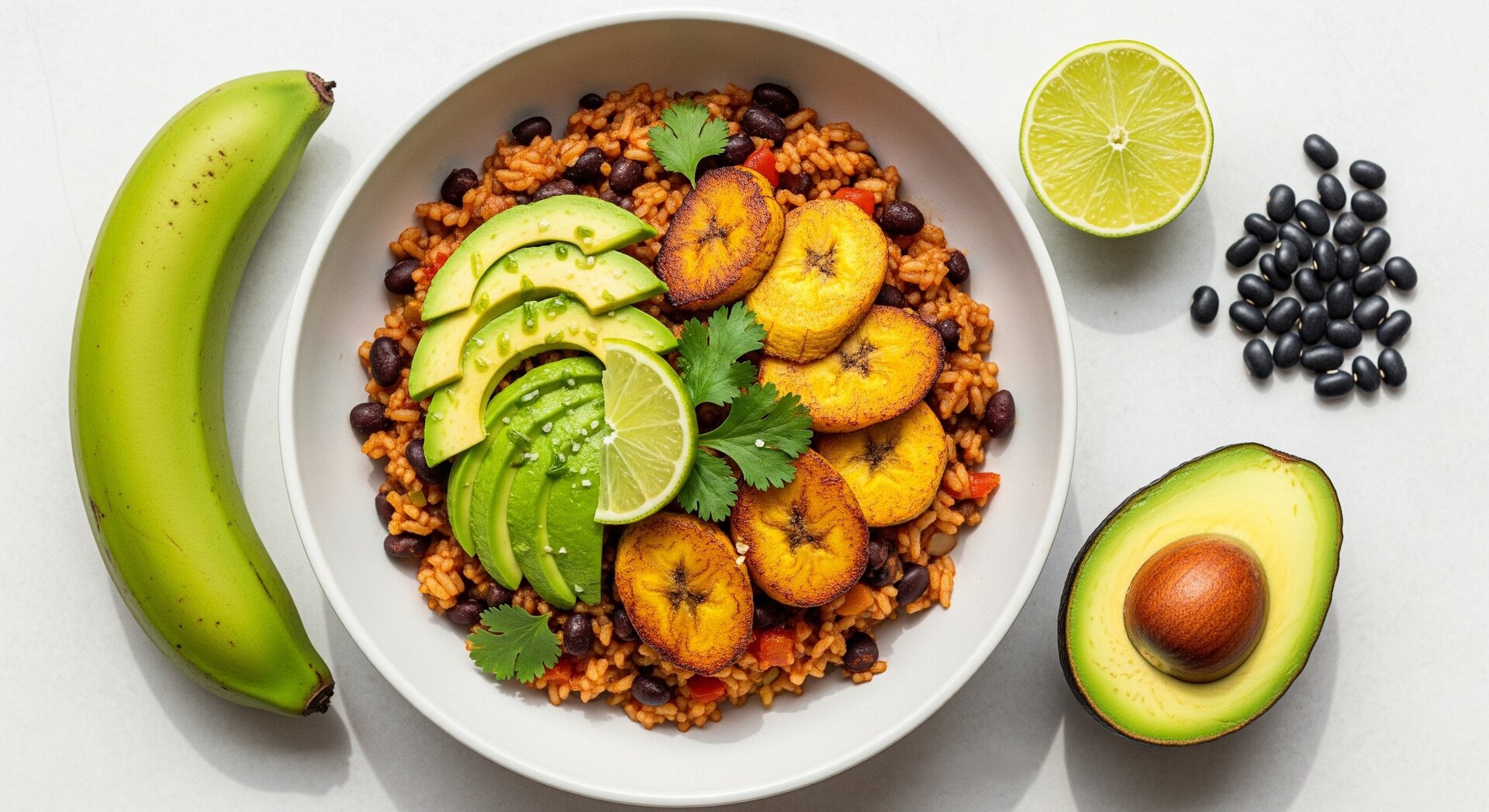 Cuban Moros y Cristianos Bowl 40 min Black beans and rice with sofrito, avocado and plantain 750 kcal 19g protein 2 synergies
 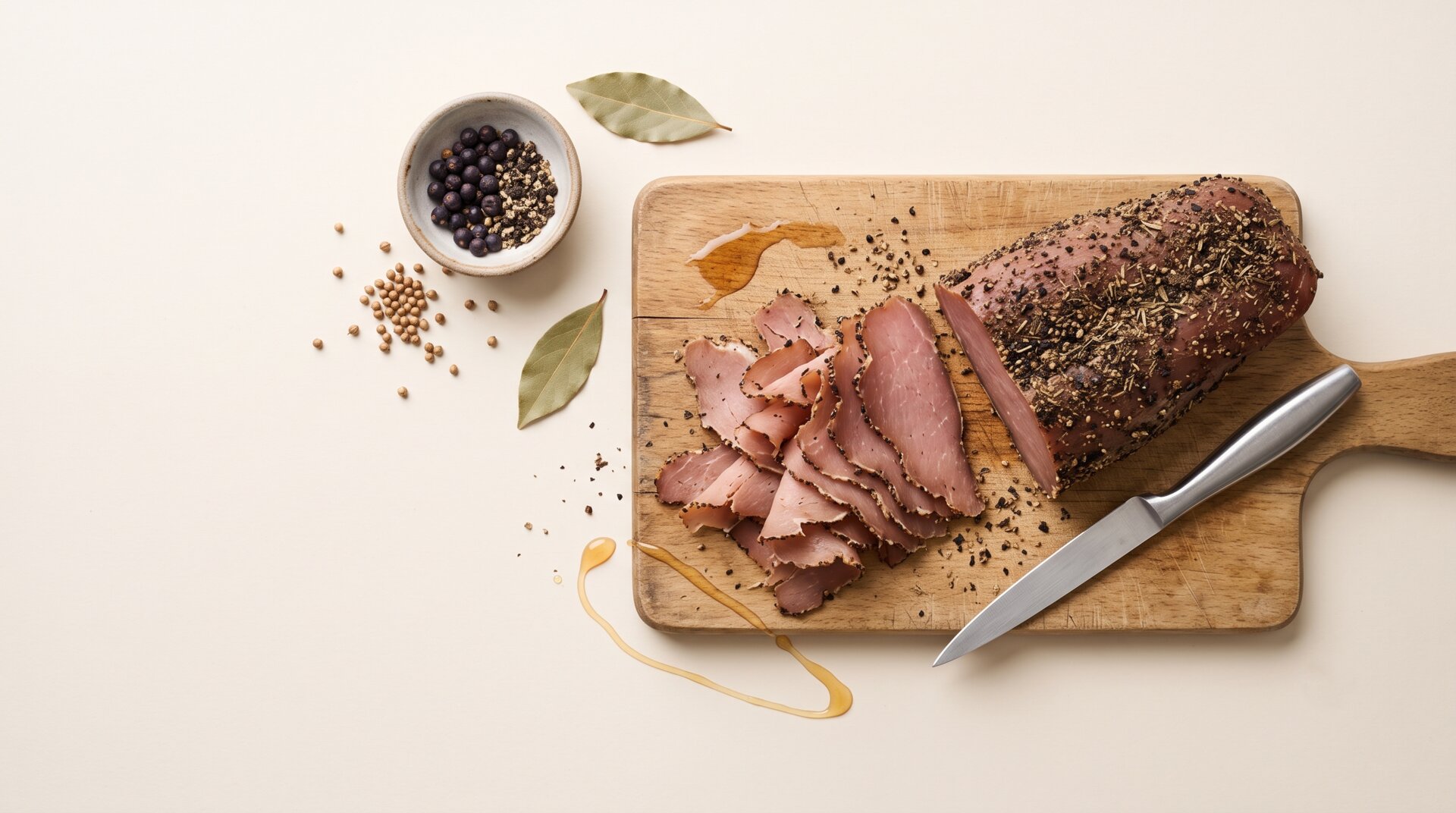 Turkey Filet d'Anvers Cold Cut 200 min Belgian delicacy as halal sandwich meat 50 kcal 10g protein 2 synergies
  In the Kitchen
Storage
Location:Pantry
Shelf life:1-2 jaar
Store airtight, dry, and dark. Old leaves turn brown and lose aroma; replace them when they barely release any scent.
Preparation
Lightly break or bend the leaf before adding it. Simmer for at least 30 minutes for a deep, rounded flavor, then remove the leaf before serving.
Conversions
Substitutes
Smart preparation
1Add bay leaves at the beginning of cooking.
Why?
The flavor releases slowly and needs time to infuse.
2Always remove bay leaves before serving.
Why?
The leaves do not soften and are unpleasant to bite into.
3Bend or tear a leaf before adding it to release more flavor.
Caution / Warnings
Bay Leaf is very safe, but there are scientific considerations:
Choking Hazard Severe
The leaf does not soften during cooking and has firm, sharp edges.
Advice:
Always remove whole leaves before serving.
Traditional use
Mediterranean
Sacred tree of Apollo
Laurel was sacred to Apollo in Greek mythology and was worn as a wreath by victors. In Roman cuisine, it was an important aromatic herb for broths and sauces.
Summary
Bay leaf is the quiet hero of broth, beans, and stews. One leaf gives a whole pot more depth, especially during slow cooking. Count how many leaves you add so you can remove them all before serving.