- Easy
- 30 min
- 4 serv.
- 8 synergies
- Now at its best: Broccoli
A simple, savoury soup based on bone broth with broccoli, carrot, celery, garlic, ginger, turmeric and fresh parsley.
This is the kind of soup that starts quietly with a pot of warm broth and slowly becomes fuller with everything that goes in. Carrot brings gentle sweetness, celery gives a fresh savoury base and the broccoli stays just firm enough to keep the soup lively. Garlic, ginger and turmeric infuse the broth with warmth without making it heavy. At the end, parsley makes the bowl fresher and greener. The result is clear, simple and homely: a light meal soup for days when you want something warm that tastes cared for without being creamy or heavy.
- 10
- min prep
- 20
- min cook
- 30
- min total
Nutritional Synergies
This recipe combines ingredients that enhance each other:
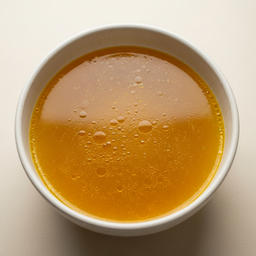 Bone broth
 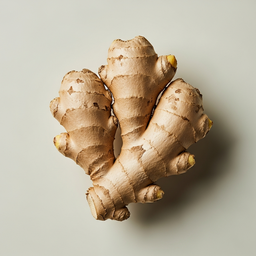 Fresh ginger
 Warming, nourishing broth
Technical: Bone broth contains gelatin, glycine and glutamine that support the gut wall. Ginger contains gingerols that modulate COX-2 and 5-LOX enzymes, plus zingibain — a proteolytic enzyme that improves protein digestion. Glycine from broth also has calming effects on the nervous system via NMDA receptors.
What does this mean for you? Cook fresh ginger slices in your bone broth — this is a beloved drink in many cultures. The combination soothes your gut, modulates the inflammatory response and supports recovery after exertion.
DigestionAnti-inflammatory
Bone broth 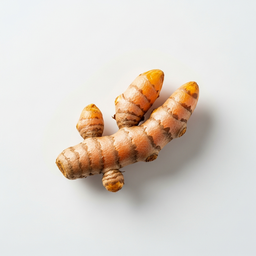 Ground turmeric
 Double joint support
Technical: Bone broth provides collagen type II peptides (glycine, proline) that support cartilage repair, plus glucosamine and chondroitin sulfate from the cooking process. Curcumin from turmeric modulates NF-κB signaling — involved in inflammatory processes that activates cartilage breakdown (via MMP enzymes). Together they offer cartilage building + protection against breakdown.
What does this mean for you? Add turmeric (with a pinch of black pepper) to your warm bone broth. The broth provides building material for your cartilage, the turmeric protects it from breakdown. Ideal for joint pain, osteoarthritis or sports injuries.
JointsAnti-inflammatory
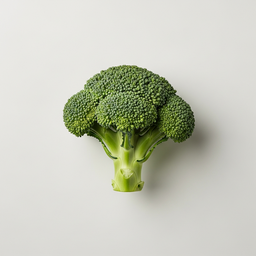 Broccoli
 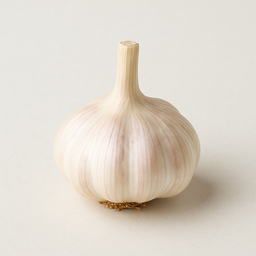 Garlic
 Double sulfur compounds for Nrf2 activation and phase-II enzymes
Technical: Broccoli contains sulforaphane (isothiocyanate) activating the Nrf2 pathway and inducing phase-II enzymes (glutathione S-transferase, quinone reductase). Garlic contains allicin and diallyl sulfide — also sulfur compounds activating the same Nrf2 pathway via thiol reaction. Both are sulfur-containing compounds working synergistically.
What does this mean for you? Briefly sauté garlic and add broccoli — a classic stir-fry base. Two sulfur-rich ingredients each activating the same Nrf2 pathway through their own route. Cut garlic 10 minutes before heating for maximum allicin.
AntioxidantsImmune SystemAnti-inflammatory
Garlic Fresh ginger Allicin + gingerols: complementary bioactive action
Technical: Garlic's allicin works via thiol enzyme inhibition — effective against gram-positive bacteria (Staphylococcus, Streptococcus). Ginger's gingerols and shogaols influence viral replication and stimulate interferon production. Together they cover both bacterial and viral pathways.
What does this mean for you? Garlic-ginger tea is a classic combination. Garlic works via thiol enzymes, ginger via interferon pathways. Cut both fresh for maximum active compounds — allicin only forms after 10 minutes of air exposure.
Immune System
Ground turmeric Fresh ginger Enhanced bioactive action via two pathways
Technical: Turmeric and ginger belong to the same plant family (Zingiberaceae). Curcumin (turmeric) modulates NF-kB, while gingerol (ginger) modulates COX-2 and LOX (lipoxygenase). Because they target different signaling pathways, they enhance each other's bioactive action.
What does this mean for you? Turmeric + ginger in curry, soup or tea — two related spices that work bioactively via different pathways. Broader together than alone.
Anti-inflammatoryJoints
Ground turmeric 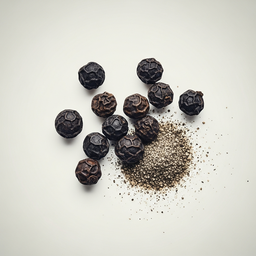 Black pepper
 Increases curcumin absorption by 2000%
Technical: Curcumin from turmeric has bioavailability below 1% due to rapid glucuronidation in the liver. Piperine from black pepper inhibits UGT (UDP-glucuronosyltransferase) and CYP3A4, preventing curcumin breakdown. This increases bioavailability by 2000% (20x). Use ratio ¼ teaspoon pepper to 1 teaspoon turmeric.
What does this mean for you? ALWAYS add black pepper when using turmeric. Without pepper your body absorbs virtually nothing — with pepper 20x more. This is the most important food synergy there is.
Anti-inflammatoryJointsFocus
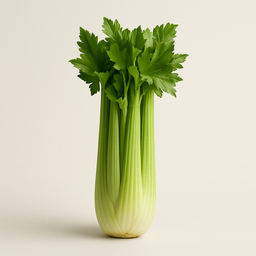 Celery stalks Fresh ginger
 Apigenin + gingerols: three complementary bioactive pathways
Technical: Celery contains apigenin (1.5mg/100g) and luteolin — flavonoids that modulate COX-2 and TNF-α. Ginger's 6-gingerol and 6-shogaol influence NF-κB and iNOS. Curcumin from turmeric interacts with more than 40 molecular targets. Together they work through three complementary biochemical pathways.
What does this mean for you? Celery-ginger-turmeric juice combines three ingredients each working through completely different mechanisms — a broader spectrum than each alone. Always add a pinch of black pepper to improve curcumin absorption.
Anti-inflammatoryJoints
Celery stalks Ground turmeric Apigenin + gingerols: three complementary bioactive pathways
Technical: Celery contains apigenin (1.5mg/100g) and luteolin — flavonoids that modulate COX-2 and TNF-α. Ginger's 6-gingerol and 6-shogaol influence NF-κB and iNOS. Curcumin from turmeric interacts with more than 40 molecular targets. Together they work through three complementary biochemical pathways.
What does this mean for you? Celery-ginger-turmeric juice combines three ingredients each working through completely different mechanisms — a broader spectrum than each alone. Always add a pinch of black pepper to improve curcumin absorption.
Anti-inflammatoryJoints
Ingredients (10)
- Bone broth — 1 L homemade or good-quality, preferably from halal chicken or beef
- Broccoli — 200 g cut into small florets
Instructions
- 1 Cut the broccoli into small florets, the carrots into thin slices and the celery into small pieces. Finely chop the garlic and grate the ginger.
- 2 Bring the bone broth gently to a boil in a saucepan.
Nutrition per serving
Indicative values per serving.
Timing & Suitability
Shelf life: 4 days in fridge
Tags & Diet
Allergens: Celery