
Eggs
Versatile protein source with vitamin B12, vitamin D, iodine and selenium
What is this ingredient?
Eggs are the reproductive cells of birds, usually chickens, and are also a highly versatile culinary ingredient. They consist of shell, white and yolk. The white provides mainly water and high-quality proteins, while the yolk contains fats, choline, carotenoids and several fat-soluble micronutrients.
Per 100 g, eggs provide about 13 g of protein and small amounts of carbohydrates. They naturally contain vitamin B12, vitamin D, vitamin A, folate, iodine and selenium. This makes them useful in breakfasts, salads, baked dishes, sauces, pastries and quick meals.
The yolk gives eggs their creamy taste and yellow color. That color mainly varies with the hen’s feed: more carotenoids in the feed often means a deeper-colored yolk. In cooking, eggs are technically versatile: they can bind, emulsify, hold air in foams and add structure to doughs or batters.
How does it taste?
Mild and creamy with a rich yolk flavor; the texture changes strongly by preparation, from soft-boiled to firmly fried.
Pairs well with:
Pairs well with buttertrufflechivesspinachtomato and toasted bread.
Varieties
Organic / Free-Range
Eggs from hens with outdoor access and organic feed. The yolk may be deeper orange because of carotenoids in the feed; omega-3 content mainly depends on the feed composition.
Omega-3 Enriched
Eggs from hens fed ingredients such as flaxseed or fish oil. They usually contain more omega-3 fatty acids than standard eggs, with variation by producer and feed recipe.
Barn / Standard
Eggs from hens kept indoors in barns without outdoor access. They remain culinarily versatile and nutritious, but yolk color and fatty acid composition can differ from free-range eggs.
Did you know...?
- A hen needs approximately 24-26 hours to produce one egg.
- Eggshell color is determined by the chicken breed and has no effect on taste.
- China produces more than 30% of all eggs worldwide.
Nutritional Value & Energy
Per 100g
Eggs provides energy thanks to natural nutrients .
Per 100g
Minerals
Vitamins
Omega-3 fatty acids
More nutrients
B-Vitamins
Trace Minerals
What's in a serving?
1 serving
Eggs naturally contain iodine (52 mcg per 100 g).
Eggs naturally contain selenium (30.7 mcg per 100 g).
Eggs naturally contain vitamin a (160 mcg per 100 g).
Eggs naturally contain vitamin b12 (0.89 mcg per 100 g).
Eggs naturally contain vitamin d (2 mcg per 100 g).
Eggs naturally contain folate (47 mcg per 100 g).
% of daily reference intake (DRI)
EU-approved nutrition claims
This ingredient contains nutrients for which EFSA-authorized health claims exist (at nutrient level, not ingredient-specific).
Approved health claims (EU)
Vitamin_b12 EU 432/2012
Vitamin B12 contributes to the normal function of the immune system
Contains 0.89mcg/100g (threshold: ≥0.375mcg/100g)
Vitamin_b12 EU 432/2012
Vitamin B12 contributes to the reduction of tiredness and fatigue
Contains 0.89mcg/100g (threshold: ≥0.375mcg/100g)
Vitamin_b12 EU 432/2012
Vitamin B12 contributes to the normal functioning of the nervous system
Contains 0.89mcg/100g (threshold: ≥0.375mcg/100g)
Vitamin_d EU 432/2012
Vitamin D contributes to the maintenance of normal bones
Contains 2mcg/100g (threshold: ≥0.75mcg/100g)
Vitamin_d EU 432/2012
Vitamin D contributes to the normal function of the immune system
Contains 2mcg/100g (threshold: ≥0.75mcg/100g)
Folate EU 432/2012
Folate contributes to normal blood formation
Contains 47mcg/100g (threshold: ≥30mcg/100g)
Vitamin_a EU 432/2012
Vitamin A contributes to the normal function of the immune system
Contains 160mcg/100g (threshold: ≥120mcg/100g)
Vitamin_a EU 432/2012
Vitamin A contributes to the maintenance of normal skin
Contains 160mcg/100g (threshold: ≥120mcg/100g)
Vitamin_a EU 432/2012
Vitamin A contributes to the maintenance of normal mucous membranes
Contains 160mcg/100g (threshold: ≥120mcg/100g)
Vitamin_a EU 432/2012
Vitamin A contributes to the maintenance of normal vision
Contains 160mcg/100g (threshold: ≥120mcg/100g)
Vitamin_a EU 432/2012
Vitamin A contributes to normal iron metabolism
Contains 160mcg/100g (threshold: ≥120mcg/100g)
Vitamin_a EU 432/2012
Vitamin A has a role in the process of cell specialisation
Contains 160mcg/100g (threshold: ≥120mcg/100g)
Folate EU 432/2012
Folate contributes to normal amino acid synthesis
Contains 47mcg/100g (threshold: ≥30mcg/100g)
Folate EU 432/2012
Folate contributes to normal homocysteine metabolism
Contains 47mcg/100g (threshold: ≥30mcg/100g)
Folate EU 432/2012
Folate contributes to normal psychological function
Contains 47mcg/100g (threshold: ≥30mcg/100g)
Folate EU 432/2012
Folate contributes to the normal function of the immune system
Contains 47mcg/100g (threshold: ≥30mcg/100g)
Folate EU 432/2012
Folate has a role in the process of cell division
Contains 47mcg/100g (threshold: ≥30mcg/100g)
Folate EU 432/2012
Folate contributes to maternal tissue growth during pregnancy
Contains 47mcg/100g (threshold: ≥30mcg/100g)
Vitamin_b12 EU 432/2012
Vitamin B12 contributes to normal energy-yielding metabolism
Contains 0.89mcg/100g (threshold: ≥0.375mcg/100g)
Vitamin_b12 EU 432/2012
Vitamin B12 contributes to normal homocysteine metabolism
Contains 0.89mcg/100g (threshold: ≥0.375mcg/100g)
Vitamin_b12 EU 432/2012
Vitamin B12 contributes to normal psychological function
Contains 0.89mcg/100g (threshold: ≥0.375mcg/100g)
Vitamin_b12 EU 432/2012
Vitamin B12 contributes to normal red blood cell formation
Contains 0.89mcg/100g (threshold: ≥0.375mcg/100g)
Vitamin_b12 EU 432/2012
Vitamin B12 has a role in the process of cell division
Contains 0.89mcg/100g (threshold: ≥0.375mcg/100g)
Vitamin_d EU 432/2012
Vitamin D contributes to normal absorption/utilisation of calcium and phosphorus
Contains 2mcg/100g (threshold: ≥0.75mcg/100g)
Vitamin_d EU 432/2012
Vitamin D contributes to normal blood calcium levels
Contains 2mcg/100g (threshold: ≥0.75mcg/100g)
Vitamin_d EU 432/2012
Vitamin D contributes to the maintenance of normal muscle function
Contains 2mcg/100g (threshold: ≥0.75mcg/100g)
Vitamin_d EU 432/2012
Vitamin D contributes to the maintenance of normal teeth
Contains 2mcg/100g (threshold: ≥0.75mcg/100g)
Vitamin_d EU 432/2012
Vitamin D has a role in the process of cell division
Contains 2mcg/100g (threshold: ≥0.75mcg/100g)
Selenium EU 432/2012
Selenium contributes to the maintenance of normal hair
Contains 30.7mcg/100g (threshold: ≥8.25mcg/100g)
Selenium EU 432/2012
Selenium contributes to the maintenance of normal nails
Contains 30.7mcg/100g (threshold: ≥8.25mcg/100g)
Selenium EU 432/2012
Selenium contributes to the normal function of the immune system
Contains 30.7mcg/100g (threshold: ≥8.25mcg/100g)
Selenium EU 432/2012
Selenium contributes to normal thyroid function
Contains 30.7mcg/100g (threshold: ≥8.25mcg/100g)
Selenium EU 432/2012
Selenium contributes to normal spermatogenesis
Contains 30.7mcg/100g (threshold: ≥8.25mcg/100g)
Selenium EU 432/2012
Selenium contributes to the protection of cells from oxidative stress
Contains 30.7mcg/100g (threshold: ≥8.25mcg/100g)
Iodine EU 432/2012
Iodine contributes to normal cognitive function
Contains 52mcg/100g (threshold: ≥22.5mcg/100g)
Iodine EU 432/2012
Iodine contributes to normal energy-yielding metabolism
Contains 52mcg/100g (threshold: ≥22.5mcg/100g)
Iodine EU 432/2012
Iodine contributes to normal functioning of the nervous system
Contains 52mcg/100g (threshold: ≥22.5mcg/100g)
Iodine EU 432/2012
Iodine contributes to the maintenance of normal skin
Contains 52mcg/100g (threshold: ≥22.5mcg/100g)
Iodine EU 432/2012
Iodine contributes to the normal production of thyroid hormones and normal thyroid function
Contains 52mcg/100g (threshold: ≥22.5mcg/100g)
Iodine EU 432/2012
Iodine contributes to the normal growth of children
Contains 52mcg/100g (threshold: ≥22.5mcg/100g)
What's being researched?
Eggs and the cholesterol debate
The relationship between egg consumption and cardiovascular risk is a widely discussed topic in nutrition research. Meta-analyses show no consistent increased risk with moderate intake in general populations, but results can differ by study group, dietary pattern and metabolic context.
Supported by: [2] Rong (2013) , [1] Zeisel (2009)
Eggs as a choline source
Eggs are studied as a dietary source of choline, a nutrient involved in normal body processes such as cell membranes and neurotransmitter formation. Research mainly looks at intake patterns, nutritional status and associations with cognitive outcomes.
Supported by: [2] Rong (2013)
Good Combinations (Synergy)
Combine eggs smartly to enhance the effect:
Eggs 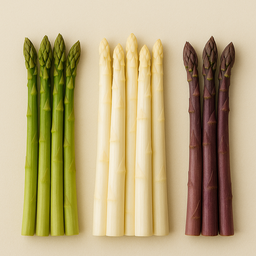 Asparagus
 3x better absorption of fat-soluble vitamins A, E, K
Technical: Asparagus contains 449μg vitamin K per 100g (374% RDI), plus vitamin A (756 IU) and vitamin E (1.1mg). Egg yolk provides 4.5g fat per egg including phospholipids that promote micelle formation, increasing fat-soluble vitamin absorption up to 3x.
What does this mean for you? Asparagus with poached egg isn't just a culinary classic — the yolk is literally needed to absorb asparagus vitamins. Without fat, up to 70% is lost.
Eggs 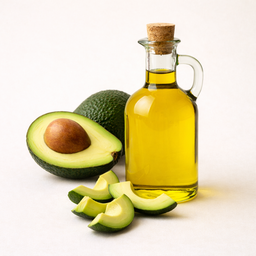 Avocado Oil
 High-heat cooking: increases carotenoid absorption from egg yolk
Technical: Egg yolk contains lutein and zeaxanthin (carotenoids that concentrate in the macula lutea) plus choline. Avocado oil has the highest smoke point (271°C) and contains 70% oleic acid. The extra fat increases carotenoid absorption by 3-5x without damaging the oil at high temperatures. Lutein is the primary macular pigment.
What does this mean for you? Fry eggs in avocado oil for optimal lutein absorption. The high smoke point prevents oil oxidation, while the fat makes carotenoids from egg yolk more absorbable.
Eggs 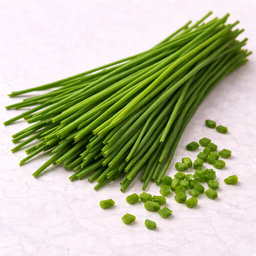 Chives
 Sulfur compounds support glutathione synthesis
Technical: Chives contain allyl sulfides (organosulfur compounds) that activate glutathione S-transferase. Eggs provide 272mg cysteine per 100g — the rate-limiting factor in glutathione synthesis. Glutathione (GSH) is the main intracellular antioxidant, crucial for phase-II enzymatic processes.
What does this mean for you? Chives on your eggs is more than garnish. Sulfur compounds from chives and cysteine from eggs together form building blocks for glutathione — your body's primary intracellular antioxidant.
Eggs 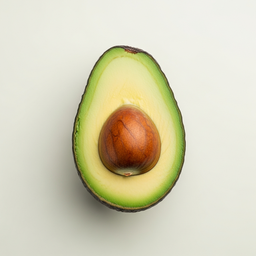 Avocado
 Double dose of healthy fats and choline
Technical: Eggs contain 147mg choline per egg (27% RDA), essential for the neurotransmitter acetylcholine (memory and focus). Avocado also provides choline (14mg/100g) plus monounsaturated fat that increases absorption of fat-soluble vitamins from the egg (A, D, E, K). Together they deliver a double choline dose plus optimal vitamin absorption.
What does this mean for you? Eat avocado toast with a fried or poached egg. More choline for your memory, and the avocado fat helps absorb all vitamins from the egg.
Eggs 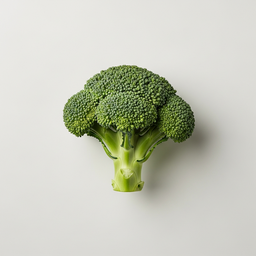 Broccoli
 Complete meal with all nutrients
Technical: Eggs provide fat, protein and fat-soluble vitamins (A, D, E, K). Broccoli contains vitamin K1, folate, vitamin C and sulforaphane. Egg fat increases absorption of broccoli's fat-soluble vitamin K1 by 3-5x. Meanwhile broccoli's vitamin C protects iron from the egg against oxidation. A complete nutrient exchange.
What does this mean for you? Scrambled eggs with broccoli is an ideal meal — the egg fat helps absorb vitamins from broccoli, the broccoli adds fiber and vitamin C that the egg lacks.
Eggs  Sesame Oil
 Choline + sesamol for brain and liver support
Technical: Eggs contain 147mg choline per egg (27% RDI), essential as precursor for the neurotransmitter acetylcholine and for liver metabolism. Sesame oil contains sesamol and sesamin — bioactive lignan antioxidants with membrane-stabilizing properties. The fats in sesame oil also help absorb fat-soluble vitamins from eggs.
What does this mean for you? Fry your eggs in sesame oil for Asian dishes like tamagoyaki. The nutty flavor combines perfectly and the bioactive compounds complement each other.
Eggs 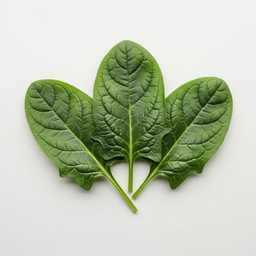 Spinach
 Increases vitamin E absorption by factor 4-7
Technical: Spinach contains vitamin E (2mg/100g), lutein and beta-carotene — all fat-soluble. A study showed that adding an egg (with 5g fat) to a raw vegetable salad increased vitamin E absorption by a factor of 4-7. The egg yolk creates a lipid emulsion serving as transport for these fat-soluble nutrients.
What does this mean for you? Always add an egg to your spinach salad or cook spinach with an egg. Without the egg fat you absorb up to 7x less vitamin E from the spinach.
Eggs 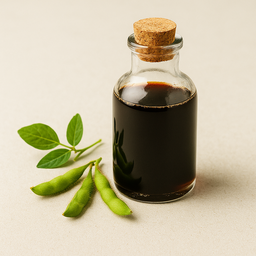 Tamari
 Complete proteins + fermented amino acids for muscle building
Technical: Eggs contain all 9 essential amino acids with the highest PDCAAS score (1.0). Tamari (fermented soy) adds free amino acids and glutamate that activate protein digestion. Fermentation also makes soy proteins more absorbable.
What does this mean for you? Make tamagoyaki (Japanese omelet) with tamari, or fry eggs with a splash of tamari. The umami flavor enhances the dish and improves protein utilization.
Eggs  Spring Onion
 Allyl sulfides + cysteine for glutathione production
Technical: Green onion contains allyl sulfides that induce glutathione S-transferase. Eggs provide 272mg cysteine per 100g — the rate-limiting precursor for glutathione (GSH) synthesis. Together they increase both production and utilization of glutathione, the body's main intracellular antioxidant.
What does this mean for you? Scrambled eggs or omelet with green onion is an ideal breakfast. Sulfur compounds from green onion activate glutathione S-transferase, while cysteine from eggs provides the building block for glutathione. Two ingredients, one biochemical system.
Eggs 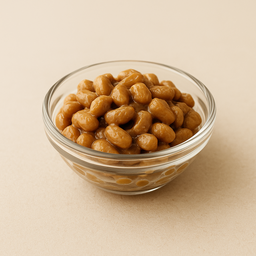 Natto
Natto Vitamin K2 + D synergy for calcium metabolism
Technical: Natto is the richest food source of vitamin K2 (menaquinone-7, 1100μg/100g). Eggs provide vitamin D3 (82 IU per egg) and choline. K2 activates osteocalcin (which directs calcium to bones) and MGP (which keeps calcium out of blood vessels), but needs vitamin D to enable calcium absorption in the gut in the first place. Without D, K2 doesn't work optimally.
What does this mean for you? Eat natto with your egg breakfast — this is a traditional Japanese breakfast. The K2 directs calcium to your bones, while vitamin D from the eggs enables calcium absorption in the gut.
Eggs  Brazil Nuts
 Complete thyroid support
Technical: Eggs provide tyrosine and iodine — building blocks for thyroid hormones T3 and T4. Brazil nuts are the richest natural source of selenium (1917μg/100g): just 2 nuts cover daily needs. Selenium activates the enzyme deiodinase that converts inactive T4 to active T3. Without selenium your thyroid can produce hormones but not activate them.
What does this mean for you? Eat 2 Brazil nuts with your morning egg. The egg provides the raw material, the Brazil nut the activator — together a complete thyroid breakfast.
Eggs  Red Bell Pepper
 Lutein + zeaxanthin from two sources with fat enhancement
Technical: Red pepper contains 1624μg lutein + zeaxanthin per 100g, eggs provide 353μg per yolk. Both carotenoids accumulate in the eye's macula and filter blue light. Egg yolk increases bioavailability of pepper's carotenoids by providing fats and phospholipids.
What does this mean for you? Make an omelet with red pepper for maximum lutein dose. The yolk not only contains its own lutein but also makes pepper's lutein more absorbable through its fats. Two sources, one fat matrix.
Eggs 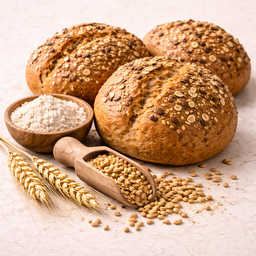 Whole Wheat Buns
 Complex carbs + complete protein for sustained energy
Technical: Whole grain rolls provide slow glucose from starch plus B-vitamins for energy metabolism. Eggs offer complete protein (6g per egg, PDCAAS 1.0) with all essential amino acids plus choline (147mg). The combination stabilizes blood sugar as protein modulates insulin response, while B-vitamins from both sources support mitochondrial energy metabolism.
What does this mean for you? An egg on whole grain bread is the perfect breakfast for stable energy all morning. The protein from the egg slows the absorption of carbohydrates from the bread.
Eggs 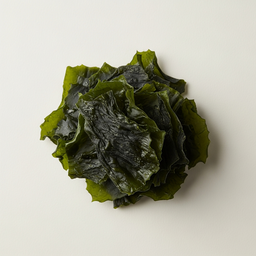 Seaweed
 Iodine + Tyrosine = building blocks for thyroid hormones
Technical: Thyroid hormones (T3 and T4) are synthesized from two building blocks: iodine and the amino acid tyrosine. Seaweed is the richest natural source of iodine (nori: 16-43μg per sheet, kelp: up to 2500μg/g). Eggs provide 0.4g tyrosine per egg, plus selenium (15.4μg) essential for the enzymes that convert T4 to the more active T3. Good to know: iodine contributes to the normal production of thyroid hormones and normal thyroid function (EFSA-approved).
What does this mean for you? An egg breakfast with a sheet of nori gives your thyroid exactly the two building blocks it needs — iodine from the seaweed, tyrosine from the egg.
Recipes with Eggs
Discover delicious recipes featuring eggs:
 Almond Cinnamon Cookies (Keto) 22 min Crispy cookies with almond flour and warm cinnamon, ready in 20 minutes
  120 kcal
  4g protein 1 synergies
  Almond Cinnamon Cookies with Coconut 22 min Crisp at the edges, soft inside 165 kcal 5g protein 2 synergies
 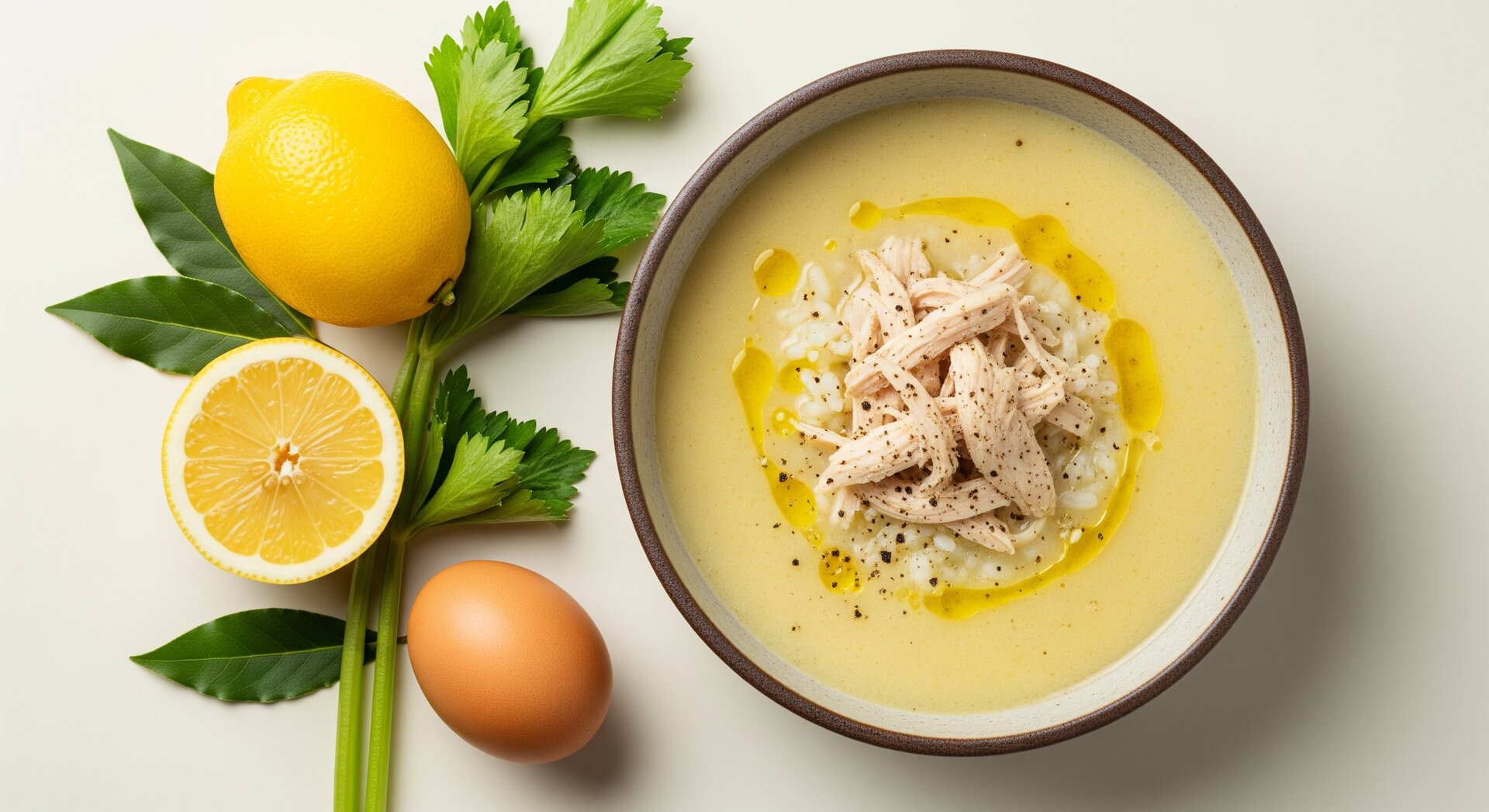 Avgolemono - Greek Lemon-Egg Soup with Chicken 40 min Velvety Greek soup with chicken, rice, lemon and egg 410 kcal 34g protein 3 synergies
 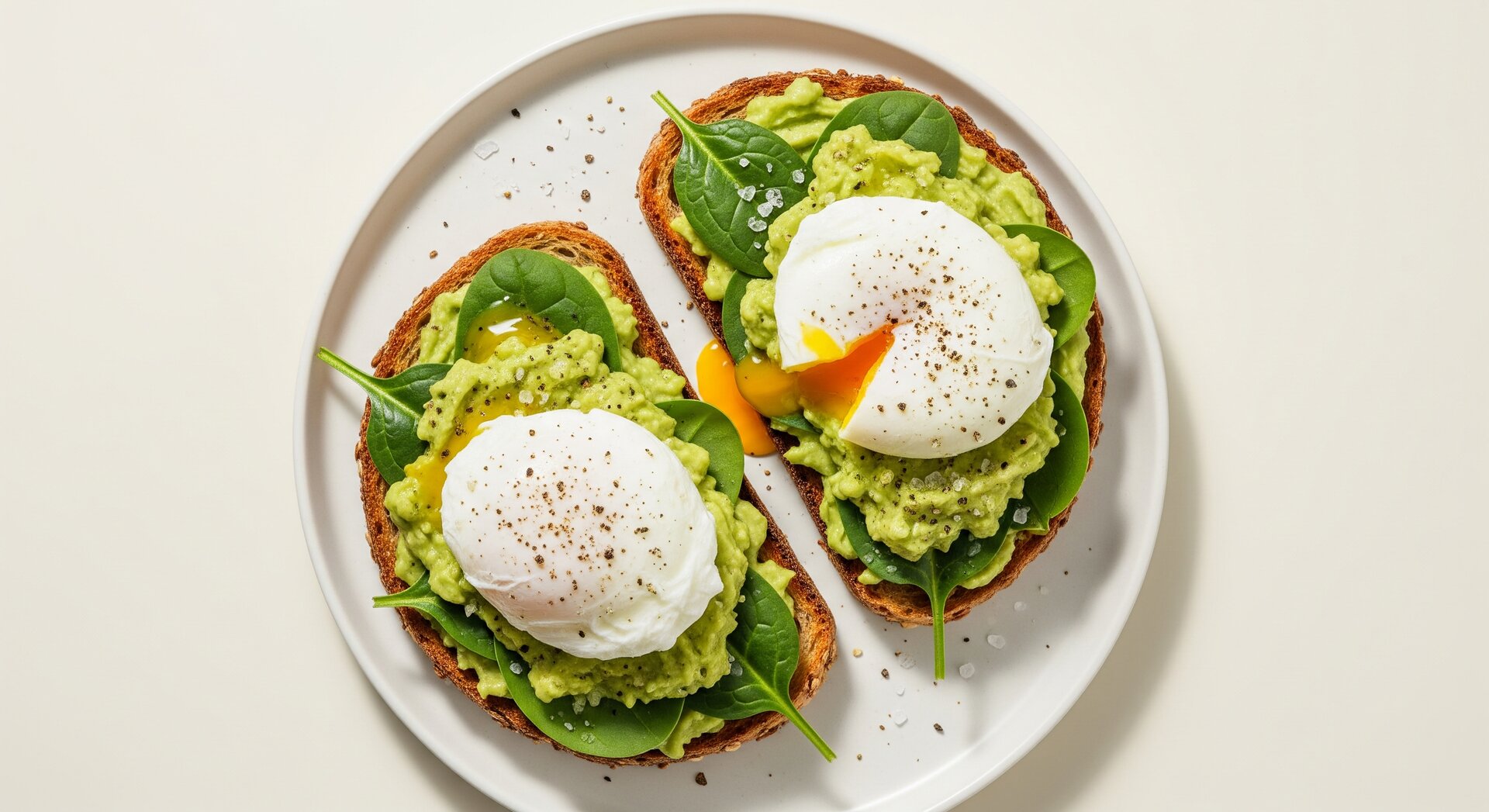 Avocado Toast with Egg and Spinach 15 min Nutritious toast with avocado, egg and spinach 520 kcal 20g protein 2 synergies
 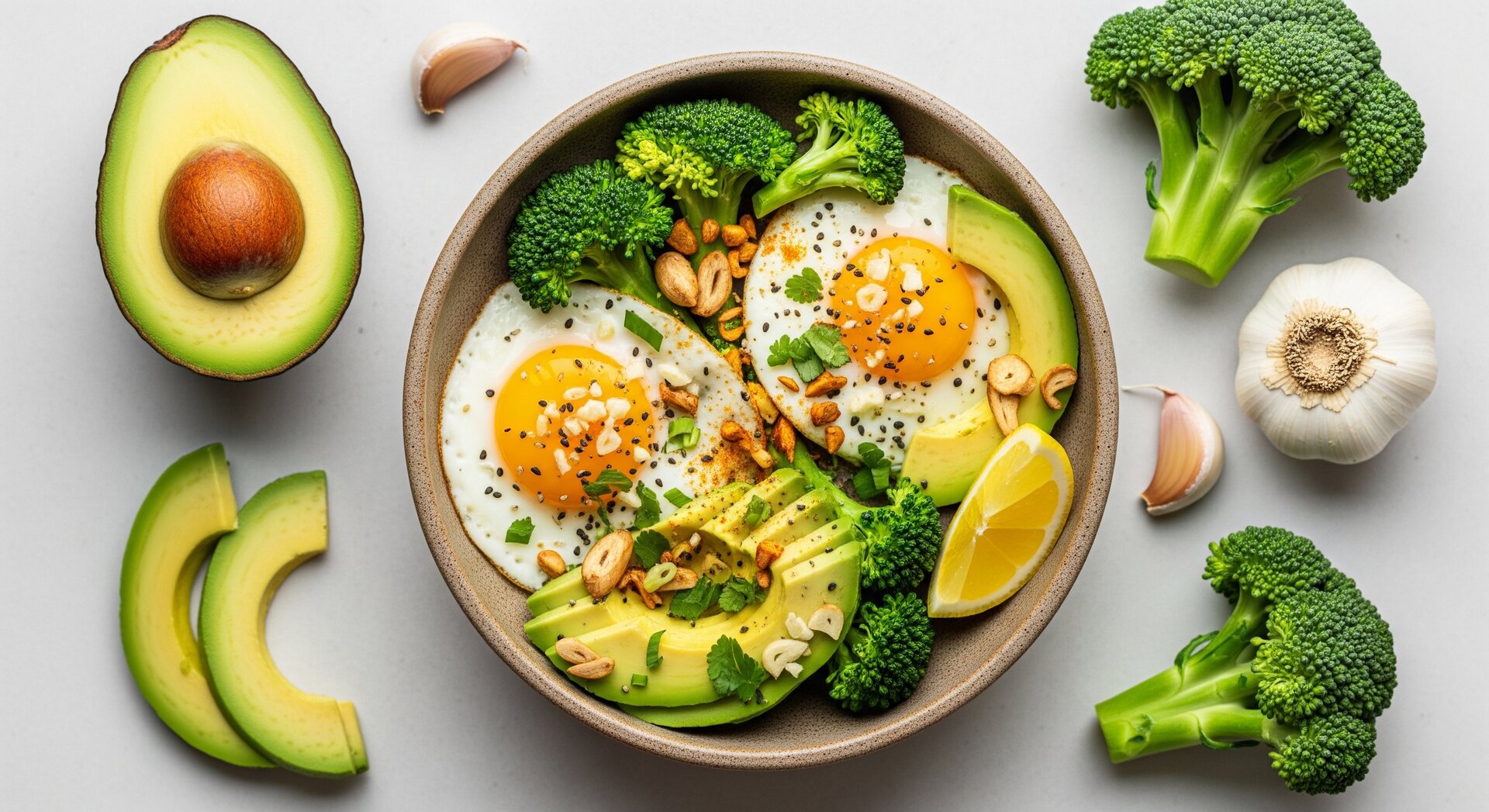 Avocado Eggs with Roasted Broccoli 15 min Golden turmeric and crispy broccoli 365 kcal 16g protein 2 synergies
 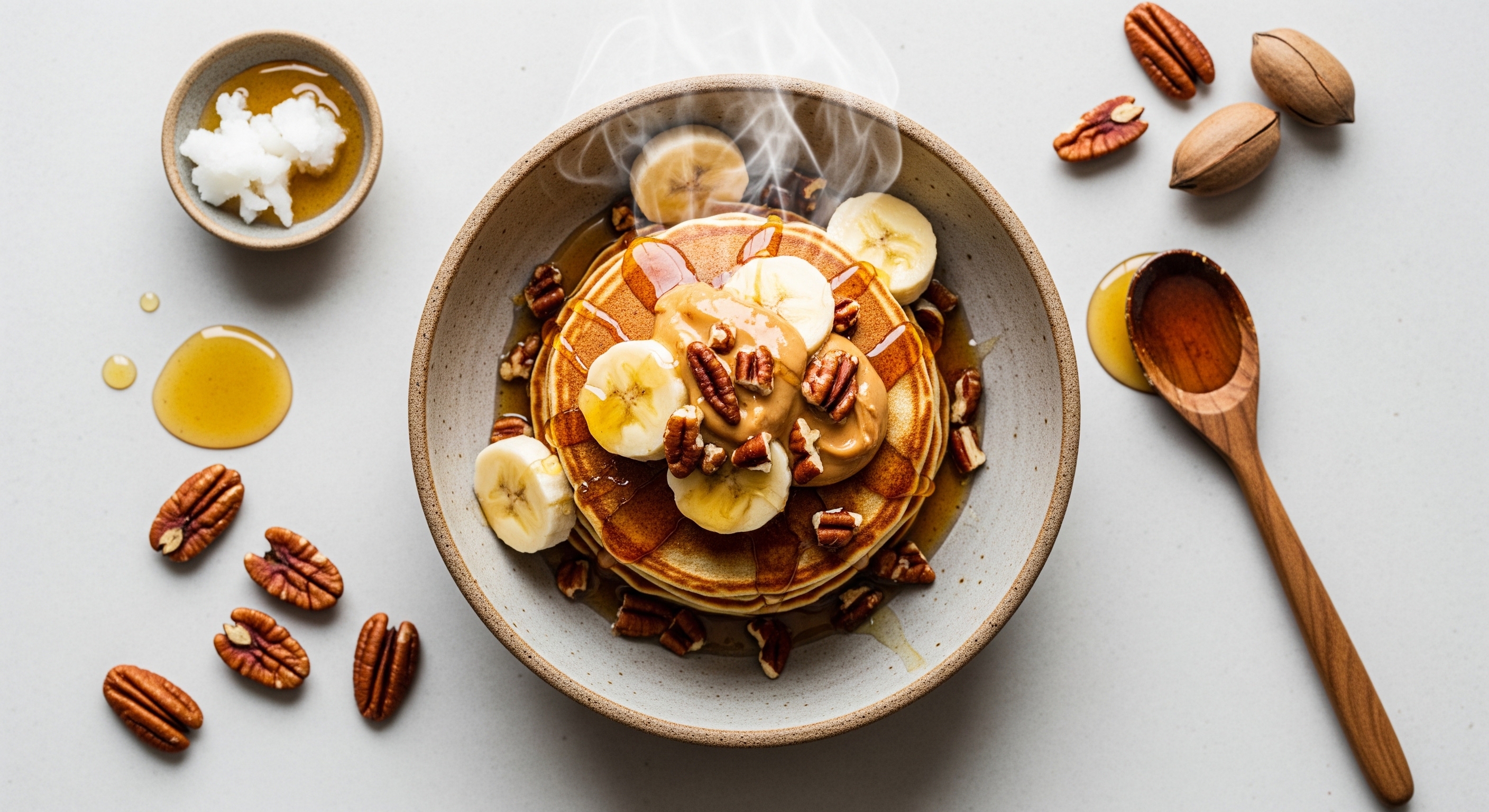 Banana Pancakes with Nuts & Honey 25 min Fluffy oat pancakes with crunchy pecan nuts and golden honey 738 kcal 25g protein 2 synergies
  In the Kitchen
Storage
Location:Refrigerator
Shelf life:3-5 weken (koelkast), test met watertest
Store eggs refrigerated, preferably point-side down. Freshness test: a very fresh egg sinks in water, while an older egg stands more upright or floats. Room-temperature eggs are easier to separate for baking.
Preparation
For many preparations, set white with a soft yolk works well: the texture stays creamy and the egg is heated enough for normal kitchen use. Avoid raw eggs unless you use pasteurized egg.
Conversions
Substitutes
Smart preparation
1Use room-temperature eggs for baking and cold eggs for poaching.
2Shock hard-boiled eggs immediately in ice water.
Why?
This stops the cooking process and makes peeling easier.
3Whisk egg whites in a grease-free bowl for maximum volume.
Why?
Even a trace of fat prevents egg white from becoming properly stiff.
4Add a splash of vinegar to poaching water for neater eggs.
Why?
Vinegar helps the white set faster around the yolk.
Caution / Warnings
Eggs is very safe, but there are scientific considerations:
Raw eggs and food safety Moderate
Raw or undercooked eggs can contain pathogens such as salmonella, especially relevant for vulnerable groups such as young children, older adults, pregnant people and people with reduced immunity.
Advice:
Preferably heat eggs until the white is set and use pasteurized egg for raw preparations. Store eggs refrigerated and prevent cross-contamination between shell, hands, utensils and other ingredients.
Egg allergy Severe
Egg allergy is a known food allergy, especially in children. Both white and yolk can contain allergenic proteins, and egg may also be present in baked goods, sauces, pasta or breaded products.
Advice:
Avoid egg and products containing egg if an allergy has been diagnosed. Check labels carefully and discuss reintroduction or tolerance only with a qualified healthcare professional.
Traditional use
Traditional Chinese Medicine
Eggs in Chinese food culture
In Chinese food culture, eggs are used in dishes such as tea eggs, steamed egg custard and festive red eggs. They often symbolize new beginnings, family and celebration.
Ayurveda
Eggs in Ayurvedic food culture
In Ayurvedic food culture, eggs are traditionally viewed as rich and filling food. They are often used in hearty meals and combined with spices, grains or vegetables depending on the meal context.
Summary
Eggs are a versatile kitchen staple: they provide protein with all essential amino acids and naturally contain choline, vitamin B12, vitamin D, iodine and selenium. The yolk carries much of the flavor, color and micronutrients; the white provides structure in omelets, baked goods and foams. Use them boiled, fried, poached or as a binder in doughs and sauces. Pair with vegetables, herbs and whole grains for a complete meal.