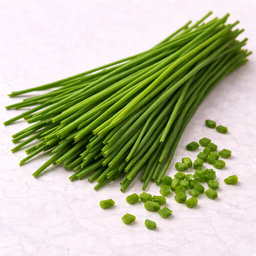
Chives
Mild Onion with Allicin
What is this ingredient?
Chives are the mildest member of the allium family (onion, garlic, leek). Despite the subtler taste, they contain the same bioactive sulfur compounds that give allium vegetables their properties.
## Allicin & Sulfur Compounds
Like garlic, chives produce allicin when cut. Ankri & Mirelman (1999) in Microbes and Infection showed that allicin has broad-spectrum bioactive properties that are being studied in laboratory research for interactions with bacteria, fungi, and viruses.
## Vitamin K Champion
With 213 μg vitamin K per 100g, chives are an excellent source. Cockayne et al. (2006) documented that adequate vitamin K intake is essential for bone health and blood clotting.
## Allium vegetables and cardiovascular research
Allium vegetables are a subject of cardiovascular research. Ried et al. (2008) in BMC Cardiovascular Disorders confirmed that allium sulfur compounds are being studied for their potential effects on blood vessels in clinical research.
How does it taste?
Mildly onion-like with a fresh, grassy aroma. Softer and more elegant than onion.
Pairs well with:
Pairs well with cream cheeseeggpotatosalmon and sour cream.
Did you know...?
- In the Middle Ages, chives were hung on beds to ward off evil spirits.
- Chives are the smallest member of the onion family (Allium).
Nutritional Value & Energy
Per 100g
Chives is low in calories thanks to natural nutrients , buffered by fiber.
Per 100g
Minerals
Vitamins
Omega-3 fatty acids
More nutrients
B-Vitamins
Trace Minerals
What's in a serving?
1 serving
Chives naturally contains vitamin c (58 mg per 100 g).
Chives naturally contains vitamin a (218 mcg per 100 g).
Chives naturally contains vitamin k (213 mcg per 100 g).
Chives naturally contains folate (105 mcg per 100 g).
% of daily reference intake (DRI)
EU-approved nutrition claims
This ingredient contains nutrients for which EFSA-authorized health claims exist (at nutrient level, not ingredient-specific).
Approved health claims (EU)
Vitamin_c EU 432/2012
Vitamin C contributes to the normal function of the immune system
Contains 58mg/100g (threshold: ≥12mg/100g)
Vitamin_c EU 432/2012
Vitamin C contributes to the reduction of tiredness and fatigue
Contains 58mg/100g (threshold: ≥12mg/100g)
Vitamin_c EU 432/2012
Vitamin C contributes to normal collagen formation for the normal function of skin
Contains 58mg/100g (threshold: ≥12mg/100g)
Folate EU 432/2012
Folate contributes to normal blood formation
Contains 105mcg/100g (threshold: ≥30mcg/100g)
Vitamin_a EU 432/2012
Vitamin A contributes to the normal function of the immune system
Contains 218mcg/100g (threshold: ≥120mcg/100g)
Vitamin_a EU 432/2012
Vitamin A contributes to the maintenance of normal skin
Contains 218mcg/100g (threshold: ≥120mcg/100g)
Vitamin_a EU 432/2012
Vitamin A contributes to the maintenance of normal mucous membranes
Contains 218mcg/100g (threshold: ≥120mcg/100g)
Vitamin_a EU 432/2012
Vitamin A contributes to the maintenance of normal vision
Contains 218mcg/100g (threshold: ≥120mcg/100g)
Vitamin_a EU 432/2012
Vitamin A contributes to normal iron metabolism
Contains 218mcg/100g (threshold: ≥120mcg/100g)
Vitamin_a EU 432/2012
Vitamin A has a role in the process of cell specialisation
Contains 218mcg/100g (threshold: ≥120mcg/100g)
Folate EU 432/2012
Folate contributes to normal amino acid synthesis
Contains 105mcg/100g (threshold: ≥30mcg/100g)
Folate EU 432/2012
Folate contributes to normal homocysteine metabolism
Contains 105mcg/100g (threshold: ≥30mcg/100g)
Folate EU 432/2012
Folate contributes to normal psychological function
Contains 105mcg/100g (threshold: ≥30mcg/100g)
Folate EU 432/2012
Folate contributes to the normal function of the immune system
Contains 105mcg/100g (threshold: ≥30mcg/100g)
Folate EU 432/2012
Folate has a role in the process of cell division
Contains 105mcg/100g (threshold: ≥30mcg/100g)
Folate EU 432/2012
Folate contributes to maternal tissue growth during pregnancy
Contains 105mcg/100g (threshold: ≥30mcg/100g)
Vitamin_c EU 432/2012
Vitamin C contributes to normal collagen formation for the normal function of blood vessels
Contains 58mg/100g (threshold: ≥12mg/100g)
Vitamin_c EU 432/2012
Vitamin C contributes to normal collagen formation for the normal function of bones
Contains 58mg/100g (threshold: ≥12mg/100g)
Vitamin_c EU 432/2012
Vitamin C contributes to normal collagen formation for the normal function of cartilage
Contains 58mg/100g (threshold: ≥12mg/100g)
Vitamin_c EU 432/2012
Vitamin C contributes to normal collagen formation for the normal function of gums
Contains 58mg/100g (threshold: ≥12mg/100g)
Vitamin_c EU 432/2012
Vitamin C contributes to normal collagen formation for the normal function of teeth
Contains 58mg/100g (threshold: ≥12mg/100g)
Vitamin_c EU 432/2012
Vitamin C contributes to normal energy-yielding metabolism
Contains 58mg/100g (threshold: ≥12mg/100g)
Vitamin_c EU 432/2012
Vitamin C contributes to normal functioning of the nervous system
Contains 58mg/100g (threshold: ≥12mg/100g)
Vitamin_c EU 432/2012
Vitamin C contributes to normal psychological function
Contains 58mg/100g (threshold: ≥12mg/100g)
Vitamin_c EU 432/2012
Vitamin C contributes to the protection of cells from oxidative stress
Contains 58mg/100g (threshold: ≥12mg/100g)
Vitamin_c EU 432/2012
Vitamin C contributes to the regeneration of the reduced form of vitamin E
Contains 58mg/100g (threshold: ≥12mg/100g)
Vitamin_c EU 432/2012
Vitamin C increases iron absorption
Contains 58mg/100g (threshold: ≥12mg/100g)
Vitamin_c EU 432/2012
Vitamin C contributes to maintain the normal function of the immune system during and after intense physical exercise
Contains 58mg/100g (threshold: ≥12mg/100g)
Vitamin_k EU 432/2012
Vitamin K contributes to normal blood clotting
Contains 213mcg/100g (threshold: ≥11.25mcg/100g)
Vitamin_k EU 432/2012
Vitamin K contributes to the maintenance of normal bones
Contains 213mcg/100g (threshold: ≥11.25mcg/100g)
What's being researched?
Sulfur compounds and bioactive properties in laboratory research
Sulfur compounds in chives are being studied for potential bioactive properties in laboratory research. Preclinical studies suggest activity against certain microorganisms, but clinical evidence is limited.
Supported by: [1] Ankri S (1999)
Good Combinations (Synergy)
Combine chives smartly to enhance the effect:
Chives  Eggs
Eggs Sulfur compounds support glutathione synthesis
Technical: Chives contain allyl sulfides (organosulfur compounds) that activate glutathione S-transferase. Eggs provide 272mg cysteine per 100g — the rate-limiting factor in glutathione synthesis. Glutathione (GSH) is the main intracellular antioxidant, crucial for phase-II enzymatic processes.
What does this mean for you? Chives on your eggs is more than garnish. Sulfur compounds from chives and cysteine from eggs together form building blocks for glutathione — your body's primary intracellular antioxidant.
Chives  Yogurt
 Prebiotic FOS feed lactobacilli in yogurt
Technical: Chives contain fructo-oligosaccharides (FOS) that act as prebiotics for Lactobacillus and Bifidobacterium in yogurt. Allyl sulfides in chives act selectively — they inhibit pathogenic bacteria while not affecting lactobacilli growth.
What does this mean for you? Mix fresh chives into yogurt for a dip or dressing. Prebiotic fibers from chives feed the lactobacilli in yogurt, while allyl sulfides work selectively. A synbiotic combination in one bite.
Chives  Salmon
 Allyl sulfides + EPA/DHA omega-3: complementary vascular pathways
Technical: Chives contain allyl sulfides that influence platelet aggregation signaling (similar to garlic but milder). Salmon provides 2.2g EPA+DHA omega-3 per 100g — EPA and DHA contribute to normal heart function (EFSA-approved at 250mg/day intake). Together they influence vascular physiology through complementary pathways: organosulfur compounds and omega-3 fatty acids.
What does this mean for you? Garnish salmon with fresh chives — a classic combination. Sulfur compounds from chives and EPA/DHA from salmon are complementary bioactive compounds. EPA and DHA contribute to normal heart function.
Recipes with Chives
Discover delicious recipes featuring chives:
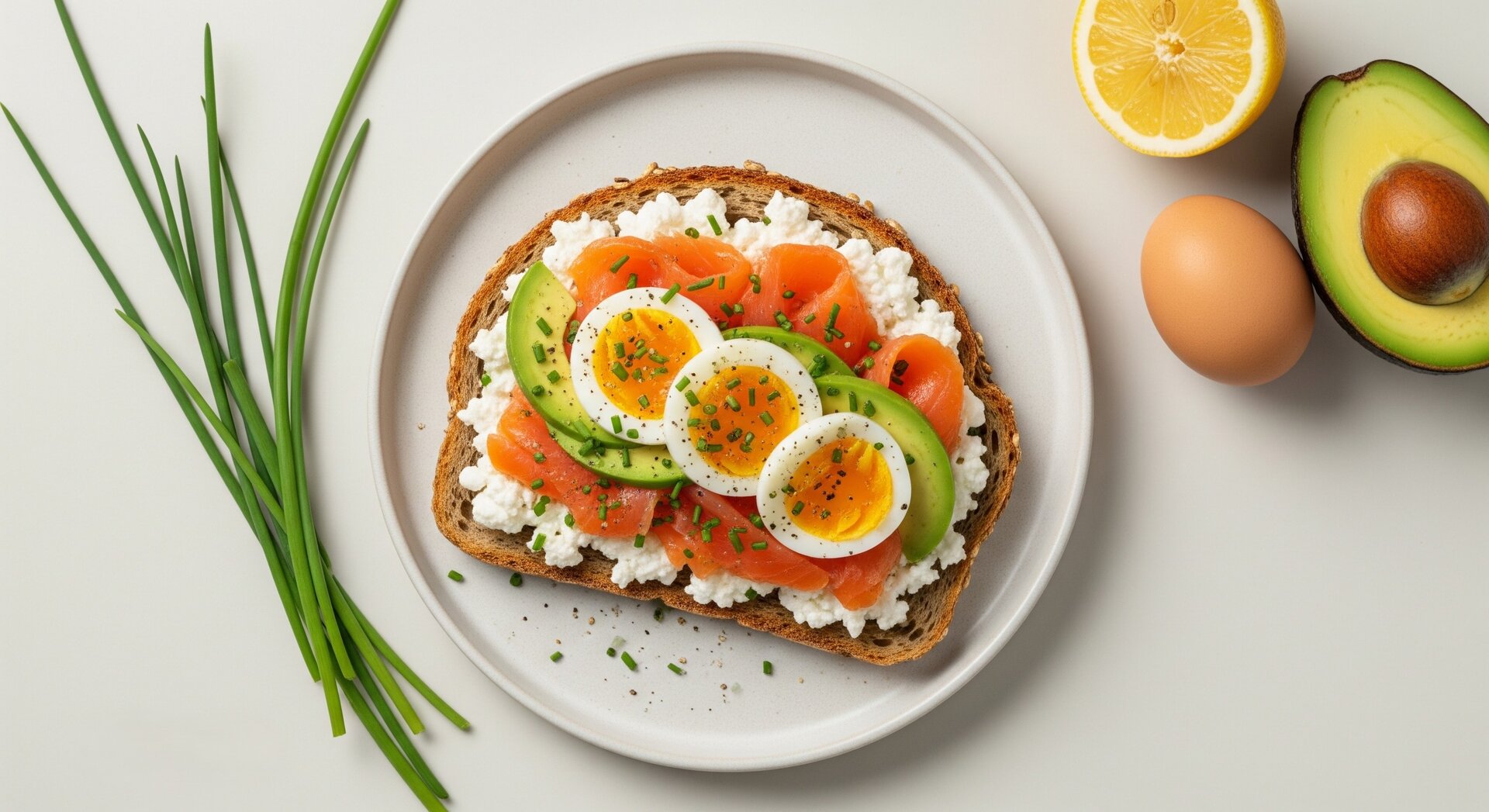 Belgian Open Sandwich with Salmon, Egg and Cottage Cheese 25 min Generously topped open sandwich with three protein sources
  492 kcal
  35g protein 1 synergies
 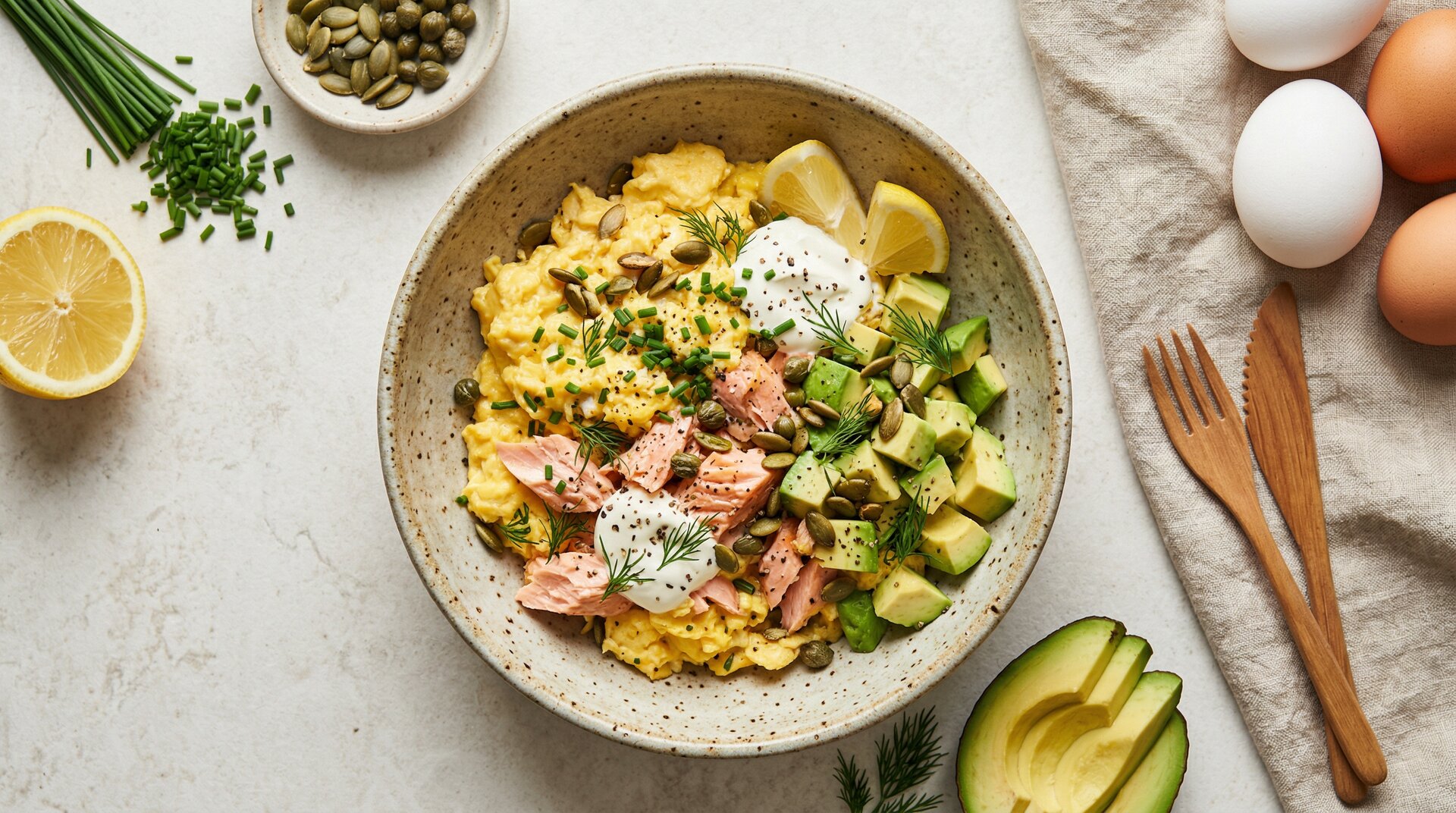 Keto Egg Scramble with Avocado, Salmon & Ghee 15 min Keto breakfast with ingredients that may contribute to muscle building and focus 724 kcal 38g protein 2 synergies
 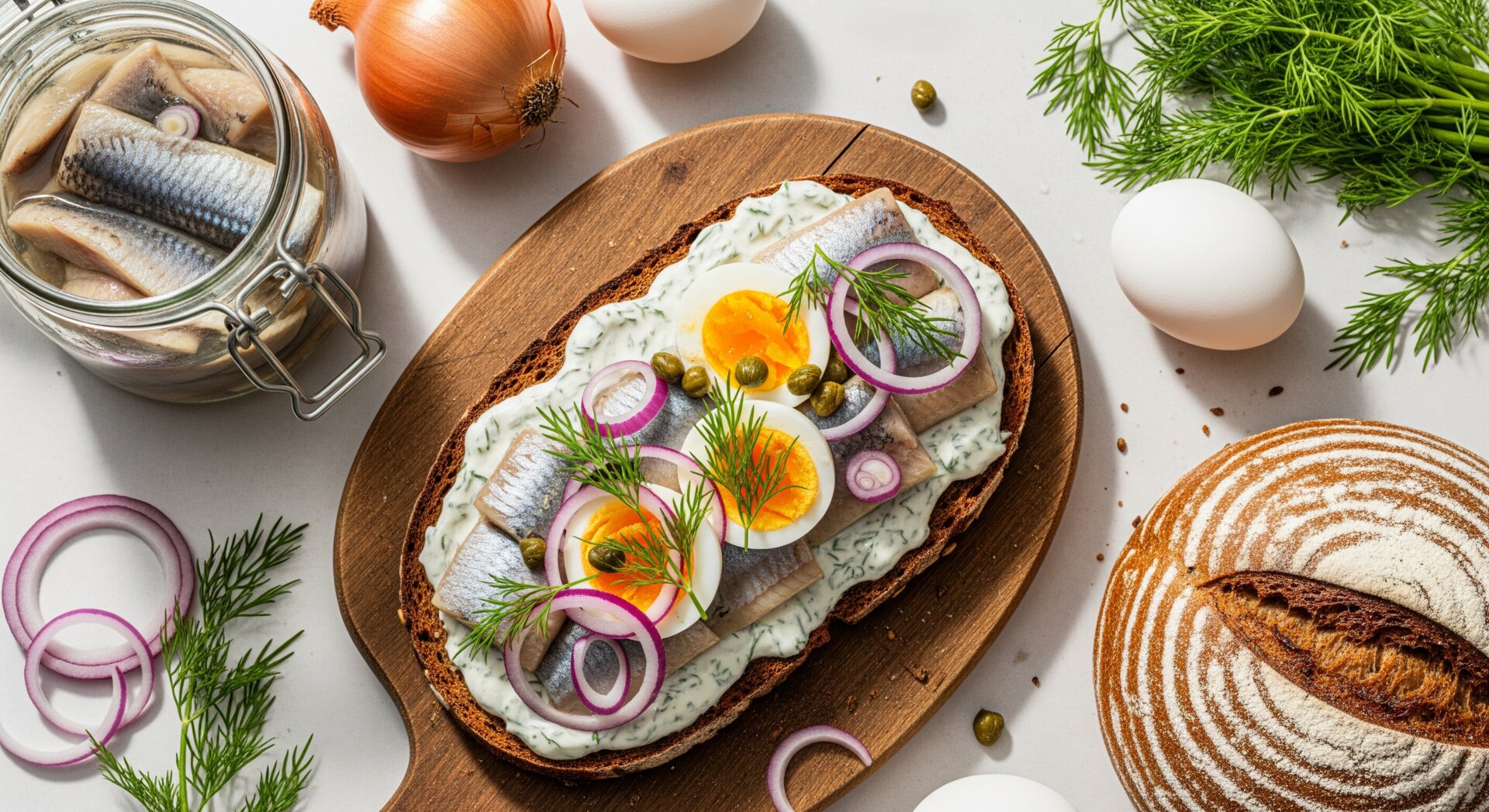 Scandinavian Herring with Rye Bread 25 min Open rye sandwich with herring, egg, dill and mustard cream 610 kcal 36g protein 2 synergies
 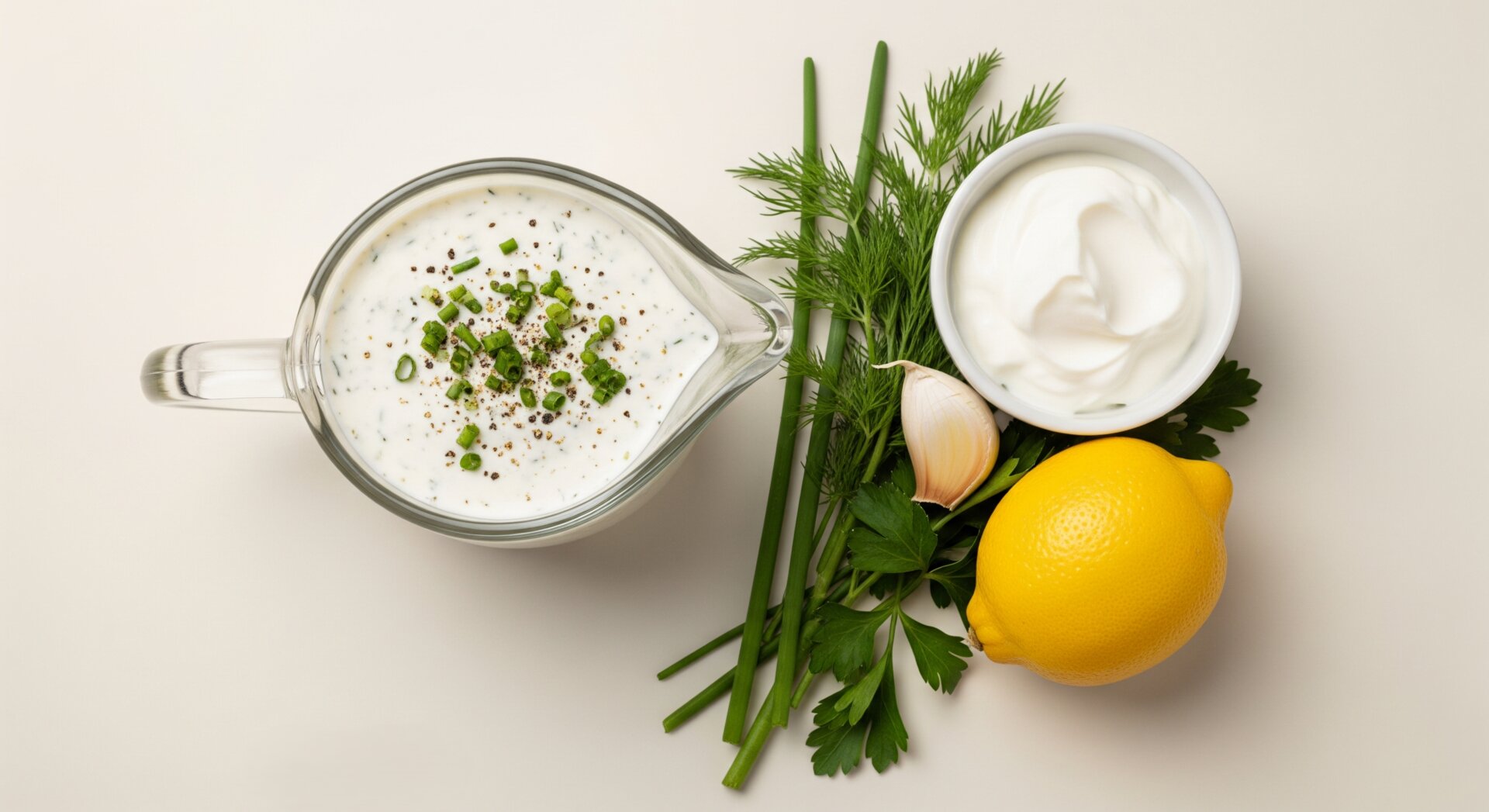 Yogurt Ranch Dressing 10 min Creamy, herby and full of flavor 30 kcal 3g protein 2 synergies
  In the Kitchen
Storage
Location:Refrigerator
Shelf life:1 week vers, 6 maanden ingevroren
Preparation
Use raw as garnish. Don't heat for long to preserve allicin.
Conversions
Substitutes
Smart preparation
1Snip chives with sharp scissors instead of chopping.
Why?
Chopping with a dull knife bruises the stems and makes them slimy.
2Add chives only at the last moment to hot dishes.
Why?
Heat quickly destroys the delicate flavor and color.
Caution / Warnings
Chives is very safe, but there are scientific considerations:
Blood Thinners (Warfarin) Moderate
High vitamin K content may affect blood thinner effectiveness
Traditional use
Traditional Chinese Medicine
Chinese herbal medicine
In Chinese medicine, chives have been used for over 3000 years to promote digestion and as a mild antiseptic.
Summary
Chives provide allicin (a bioactive sulfur compound) and are an excellent source of vitamin K (213 μg/100g) for bone health. Sulfur compounds support the heart.