- Easy
- 15 min
- 2 serv.
- 12 synergies
- Now at its best: Salmon
Silky scrambled eggs on a bed of ripe avocado, finished with slices of smoked salmon, capers, dill and a squeeze of lemon. Ghee gives the eggs a nutty richness and pumpkin seeds add crunch.
The ghee sizzles gently in the pan as the egg and crème fraîche mixture slides in. Using a spatula you fold large, soft curds — don't stir, fold — until the eggs are just set but still glossy. On the plate goes the avocado first, then the steaming scrambled eggs, and on top slices of cold smoked salmon that warm slightly from the heat. The capers give salty bursts, the dill a fresh anise note, and the lemon zest pulls everything together. Pumpkin seeds at the end: crunch against all that softness.
- 10
- min prep
- 5
- min cook
- 15
- min total
Nutritional Synergies
This recipe combines ingredients that enhance each other:
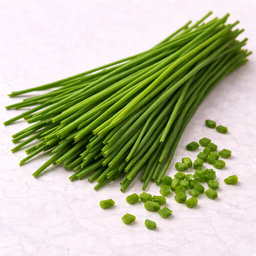 Chives
 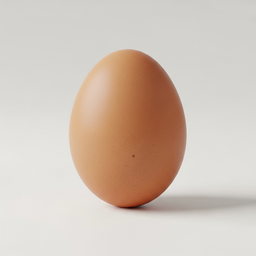 Eggs
Eggs Sulfur compounds support glutathione synthesis
Technical: Chives contain allyl sulfides (organosulfur compounds) that activate glutathione S-transferase. Eggs provide 272mg cysteine per 100g — the rate-limiting factor in glutathione synthesis. Glutathione (GSH) is the main intracellular antioxidant, crucial for phase-II enzymatic processes.
What does this mean for you? Chives on your eggs is more than garnish. Sulfur compounds from chives and cysteine from eggs together form building blocks for glutathione — your body's primary intracellular antioxidant.
AntioxidantsImmune System
Chives 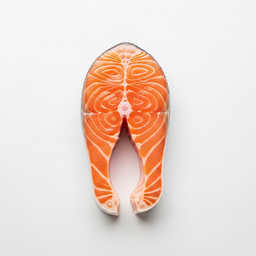 Salmon
 Allyl sulfides + EPA/DHA omega-3: complementary vascular pathways
Technical: Chives contain allyl sulfides that influence platelet aggregation signaling (similar to garlic but milder). Salmon provides 2.2g EPA+DHA omega-3 per 100g — EPA and DHA contribute to normal heart function (EFSA-approved at 250mg/day intake). Together they influence vascular physiology through complementary pathways: organosulfur compounds and omega-3 fatty acids.
What does this mean for you? Garnish salmon with fresh chives — a classic combination. Sulfur compounds from chives and EPA/DHA from salmon are complementary bioactive compounds. EPA and DHA contribute to normal heart function.
HeartAnti-inflammatory
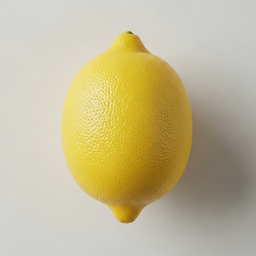 Lemon
Lemon 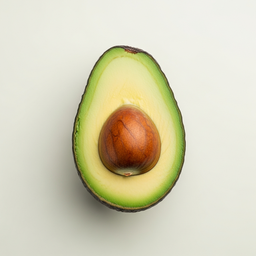 Avocado
 Prevents oxidation and preserves nutritional value
Technical: Avocado contains polyphenol oxidase (PPO) — an enzyme that upon oxygen exposure oxidizes polyphenols into brown melanins. Vitamin C from lemon (53mg per 100g) is a reductant that inhibits the PPO reaction by reducing quinones back to diphenols as electron donor. Additionally, the low pH (citric acid) protects unsaturated fats (oleic acid) against lipid peroxidation.
What does this mean for you? Always sprinkle cut avocado with lemon juice — this preserves not only the green color but also protects the healthy fats and antioxidants. Works in guacamole, salads and on toast.
Heart
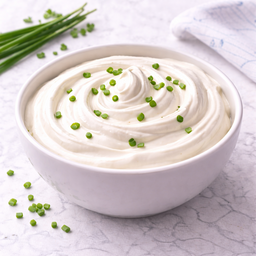 Crème Fraîche Lemon
 Stable sour cream that doesn't curdle when heated
Technical: Crème fraîche has a fat percentage of 30-40%, higher than sour cream (10-20%). This higher fat content stabilizes protein micelles, preventing curdling when heated. Lemon juice (citric acid) lowers pH and adds freshness without destabilizing the protein. Dill contains limonene and carvone, aromatic compounds that give dishes freshness and aroma.
What does this mean for you? Use crème fraîche (not sour cream) in warm sauces with lemon and dill — perfect with fish and potato dishes. The higher fat content prevents curdling when cooking.
General Wellness
Crème Fraîche Salmon Scandinavian trio: saturated fat protects omega-3 + terpenes for digestion
Technical: Crème fraîche contains 30-40% fat (of which 60% saturated) that stabilizes omega-3 from salmon (EPA 0.7g + DHA 1.2g per 100g) against oxidation during heating. Saturated fat protects unsaturated fatty acids as it doesn't oxidize itself. Dill contains limonene and carvone (terpenes) that increase lipase activity by 25% → better fat digestion. Studies show saturated + unsaturated fat together are better absorbed than unsaturated fat alone.
What does this mean for you? Salmon with crème fraîche-dill sauce is more than comfort food — the saturated fat protects the valuable omega-3 and the dill supports digestion. A functional Scandinavian feast.
HeartFocusAnti-inflammatory
Crème Fraîche 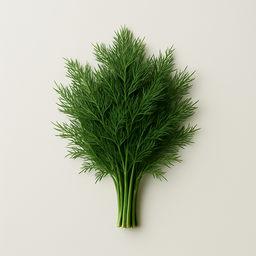 Dill
Dill Scandinavian trio: saturated fat protects omega-3 + terpenes for digestion
Technical: Crème fraîche contains 30-40% fat (of which 60% saturated) that stabilizes omega-3 from salmon (EPA 0.7g + DHA 1.2g per 100g) against oxidation during heating. Saturated fat protects unsaturated fatty acids as it doesn't oxidize itself. Dill contains limonene and carvone (terpenes) that increase lipase activity by 25% → better fat digestion. Studies show saturated + unsaturated fat together are better absorbed than unsaturated fat alone.
What does this mean for you? Salmon with crème fraîche-dill sauce is more than comfort food — the saturated fat protects the valuable omega-3 and the dill supports digestion. A functional Scandinavian feast.
HeartFocusAnti-inflammatory
Dill Salmon Scandinavian classic with antioxidant boost
Technical: Dill contains flavonoids (kaempferol, vicenin) and monoterpenes (limonene, carvone) with antioxidant action. Salmon provides EPA and DHA omega-3 fatty acids with bioactive action via prostaglandin modulation. Dill's antioxidants protect vulnerable omega-3 fatty acids from oxidation.
What does this mean for you? Dill + salmon is the classic Scandinavian combination — not just for flavor, but also because the antioxidants in dill protect the omega-3 fatty acids from oxidation.
HeartAnti-inflammatory
Eggs Avocado Double dose of healthy fats and choline
Technical: Eggs contain 147mg choline per egg (27% RDA), essential for the neurotransmitter acetylcholine (memory and focus). Avocado also provides choline (14mg/100g) plus monounsaturated fat that increases absorption of fat-soluble vitamins from the egg (A, D, E, K). Together they deliver a double choline dose plus optimal vitamin absorption.
What does this mean for you? Eat avocado toast with a fried or poached egg. More choline for your memory, and the avocado fat helps absorb all vitamins from the egg.
Focus
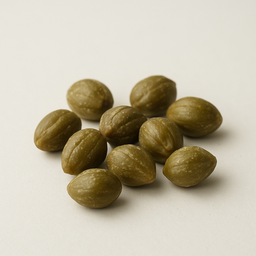 Capers Lemon
 Quercetin + vitamin C for antioxidant and capillary support
Technical: Capers contain the highest concentration of quercetin of all foods (180-230mg/100g — 10x more than onions). Quercetin is a flavonoid that inhibits LDL oxidation and stabilizes mast cells. Lemon's vitamin C regenerates oxidized quercetin back to active form. Quercetin + vitamin C work synergistically as antioxidant. The combination is the base of Mediterranean fish and salad dishes.
What does this mean for you? Capers with lemon juice over fish or salad is a top antioxidant combination in the kitchen. Capers contain 10x more quercetin than onions — a surprising source.
HeartAnti-inflammatorySkin & Hair
Salmon Lemon Improves digestion and iron absorption
Technical: Salmon contains 20g protein per 100g that is optimally digested at low stomach pH. Citric acid lowers stomach pH and activates pepsinogen → pepsin (the primary protein-digesting enzyme). Protein digestion becomes 15-20% more efficient. Vitamin C from lemon also protects omega-3 fatty acids (2.5g per 100g) against lipid peroxidation and improves non-heme iron absorption.
What does this mean for you? Sprinkle your salmon fillet with lemon juice — not just for flavor. The citric acid helps your body better digest the proteins and fats. Add the juice just before serving, not during cooking (vitamin C is heat-sensitive).
DigestionEnergy
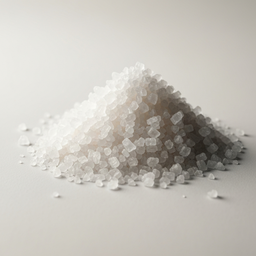 Sea Salt Avocado
 Minerals improve flavor perception and electrolyte balance
Technical: Sea salt contains trace minerals (magnesium, potassium, calcium) besides sodium. Tomato is rich in potassium (237mg/100g) and lycopene. Avocado adds magnesium (29mg) and potassium (485mg). Together they form a broad electrolyte profile: sodium (salt) + potassium (tomato/avocado) + magnesium (avocado) — essential for fluid balance and nerve function.
What does this mean for you? Sprinkle tomato and avocado with a pinch of sea salt. This is more than flavor — the minerals complement each other for a complete electrolyte balance.
HeartEnergy
Sea Salt Lemon Trace minerals + vitamin C for electrolytes and immune system
Technical: Unrefined sea salt contains 80+ trace elements (magnesium 0.5%, potassium 0.4%, calcium 0.1%, plus iodine, zinc, selenium in trace amounts) alongside sodium. Lemon's vitamin C improves absorption of non-heme iron and zinc from sea salt. Sodium + potassium together regulate cellular osmosis. Vitamin C is also essential for collagen synthesis where sea salt minerals serve as cofactors.
What does this mean for you? A glass of warm water with a pinch of unrefined sea salt and lemon juice in the morning is an effective hydration ritual. The minerals + vitamin C start your day with good electrolyte balance.
EnergyImmune System
Ingredients (11)
+8 more ingredientsInstructions
- 1 Halve the avocados, remove the pit and slice the flesh. Divide between plates and drizzle with some lemon juice to prevent browning.
Nutrition per serving
Indicative values per serving.
Timing & Suitability
Shelf life: 1 days in fridge
Tags & Diet
Allergens: Eggs, Dairy, Fish