Capers
Briny flower buds rich in quercetin
What is this ingredient?
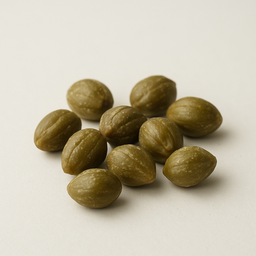
Capers are unopened flower buds of the caper bush, usually preserved in salt, brine, or vinegar. They are known for their concentrated briny flavor and contain notable amounts of quercetin and rutin, two flavonoids often described in nutrition research. Analyses report values up to about 180 mg quercetin per 100 g, depending on origin and processing. Smaller capers, such as nonpareilles, are especially prized in cooking for their delicate texture. Rinse them before use to soften the salty taste.
How does it taste?
Intensely briny and mildly sour with a sharp, flower-bud mustard-like tang.
Pairs well with:
Pairs well with lemonbuttersalmonpastaanchoviesolivesand fresh herbs.
Did you know...?
- Capers are the unopened flower buds of the Capparis spinosa shrub.
- The Italian island of Pantelleria is world-famous for its capers with PGI status.
Nutritional Value & Energy
Per 100g
Capers is low in calories thanks to natural nutrients , buffered by fiber.
Per 100g
Minerals
Vitamins
Omega-3 fatty acids
More nutrients
Trace Minerals
What's in a serving?
1 serving
Capers naturally contain vitamin K (24.6 mcg per 100 g).
% of daily reference intake (DRI)
EU-approved nutrition claims
This ingredient contains nutrients for which EFSA-authorized health claims exist (at nutrient level, not ingredient-specific).
Approved health claims (EU)
Vitamin_k EU 432/2012
Vitamin K contributes to normal blood clotting
Contains 24.6mcg/100g (threshold: ≥11.25mcg/100g)
Vitamin_k EU 432/2012
Vitamin K contributes to the maintenance of normal bones
Contains 24.6mcg/100g (threshold: ≥11.25mcg/100g)
What's being researched?
Quercetin in capers
Capers are described in nutrition research as a concentrated source of quercetin, a flavonoid with antioxidant properties. Research looks at natural variation in content, absorption in the body, and the role of processing such as brining, salting, and rinsing.
Supported by: [2] Mlcek (2016)
Good Combinations (Synergy)
Combine capers smartly to enhance the effect:
Capers 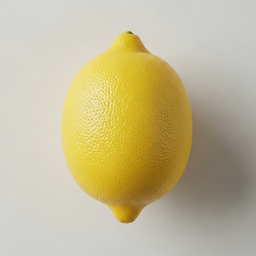 Lemon
Lemon Quercetin + vitamin C for antioxidant and capillary support
Technical: Capers contain the highest concentration of quercetin of all foods (180-230mg/100g — 10x more than onions). Quercetin is a flavonoid that inhibits LDL oxidation and stabilizes mast cells. Lemon's vitamin C regenerates oxidized quercetin back to active form. Quercetin + vitamin C work synergistically as antioxidant. The combination is the base of Mediterranean fish and salad dishes.
What does this mean for you? Capers with lemon juice over fish or salad is a top antioxidant combination in the kitchen. Capers contain 10x more quercetin than onions — a surprising source.
Capers 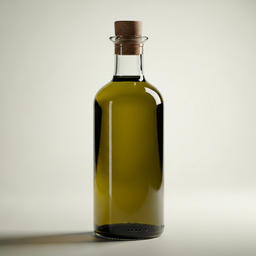 Olive Oil
 Fat makes quercetin from capers absorbable
Technical: Capers contain 180mg quercetin per 100g — the highest content of all foods. Quercetin is a fat-soluble flavonoid with bioactive properties. Without fat, quercetin binds to dietary fiber and is excreted undigested. Olive oil's oleic acid forms mixed micelles that increase quercetin absorption up to 200%.
What does this mean for you? Always use capers with olive oil — in pasta puttanesca, salads or fish. Without olive oil, most quercetin is lost.
Capers 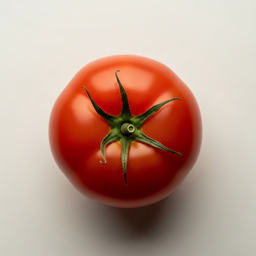 Tomato
 Quercetin + lycopene for dual antioxidant action
Technical: Capers contain 180-230mg quercetin per 100g — the highest of all foods. Tomato provides lycopene (3-7mg/100g), a carotenoid that neutralizes singlet oxygen. Quercetin and lycopene work in different phases: quercetin is hydrophilic (aqueous phase antioxidant), lycopene is lipophilic (lipid phase antioxidant). Together they cover the complete antioxidant spectrum. The combination appears in Sicilian cuisine (caponata, pasta alla norma).
What does this mean for you? Sprinkle capers over tomato sauce, bruschetta or salad. The combination is a Sicilian secret — maximum antioxidant protection with minimal effort.
Recipes with Capers
Discover delicious recipes featuring capers:
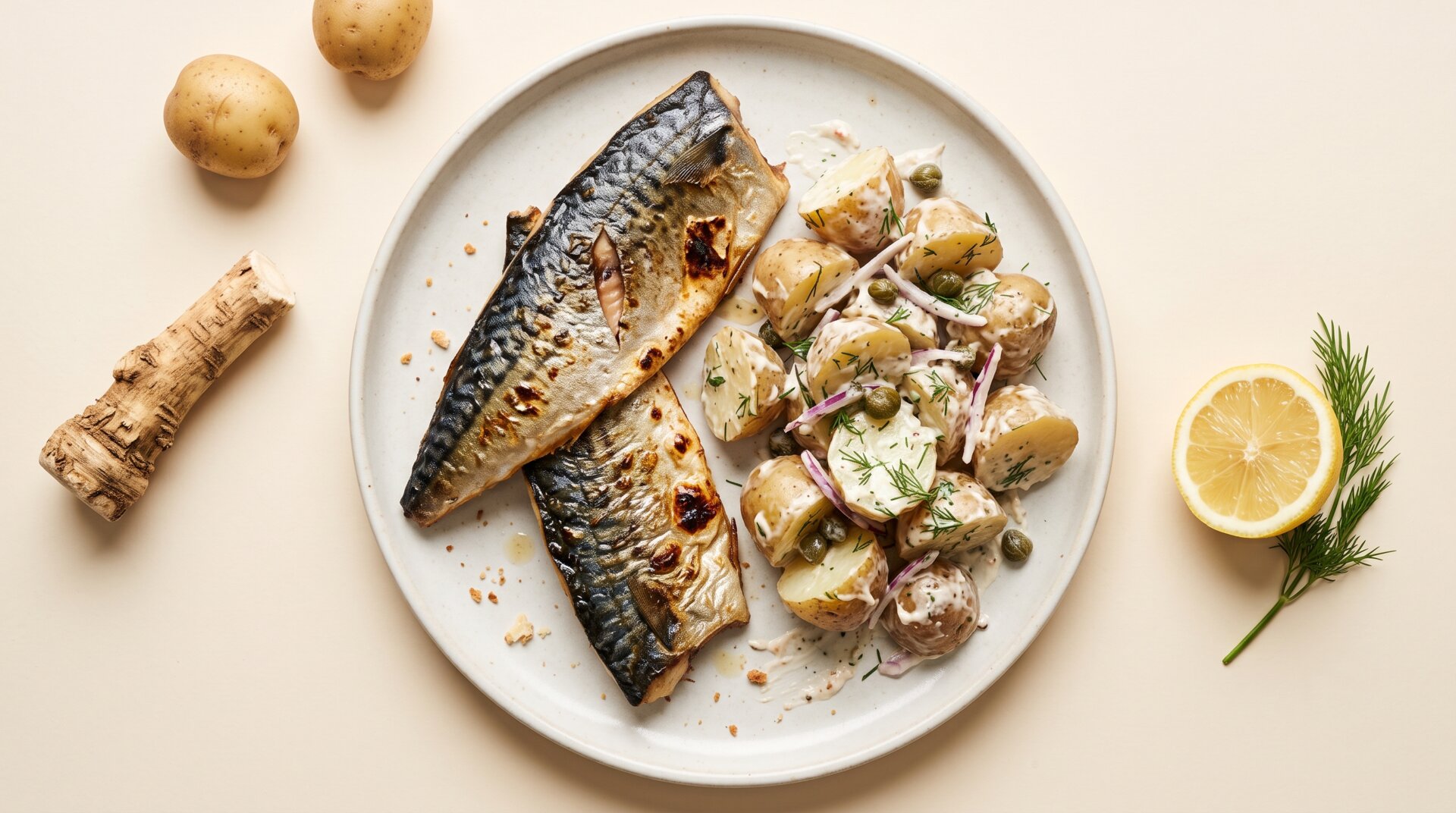 Pan-Fried Mackerel with Potato Salad and Horseradish 40 min Omega-3 rich mackerel with spicy horseradish
  667 kcal
  36g protein 2 synergies
 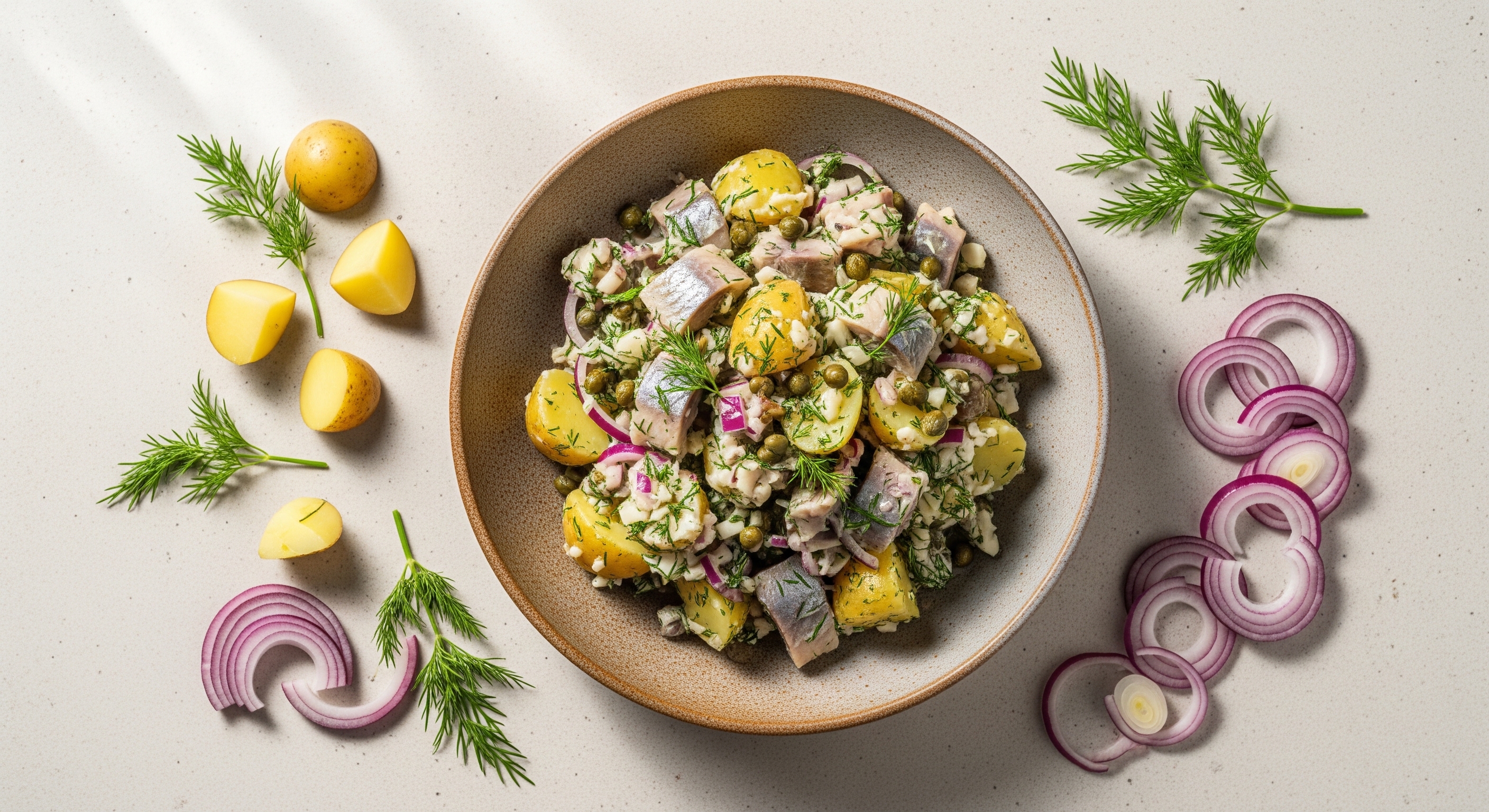 Herring Potato Salad with Dill and Capers 35 min Dutch potato salad with matjes herring, fresh dill and briny capers 520 kcal 28g protein 2 synergies
 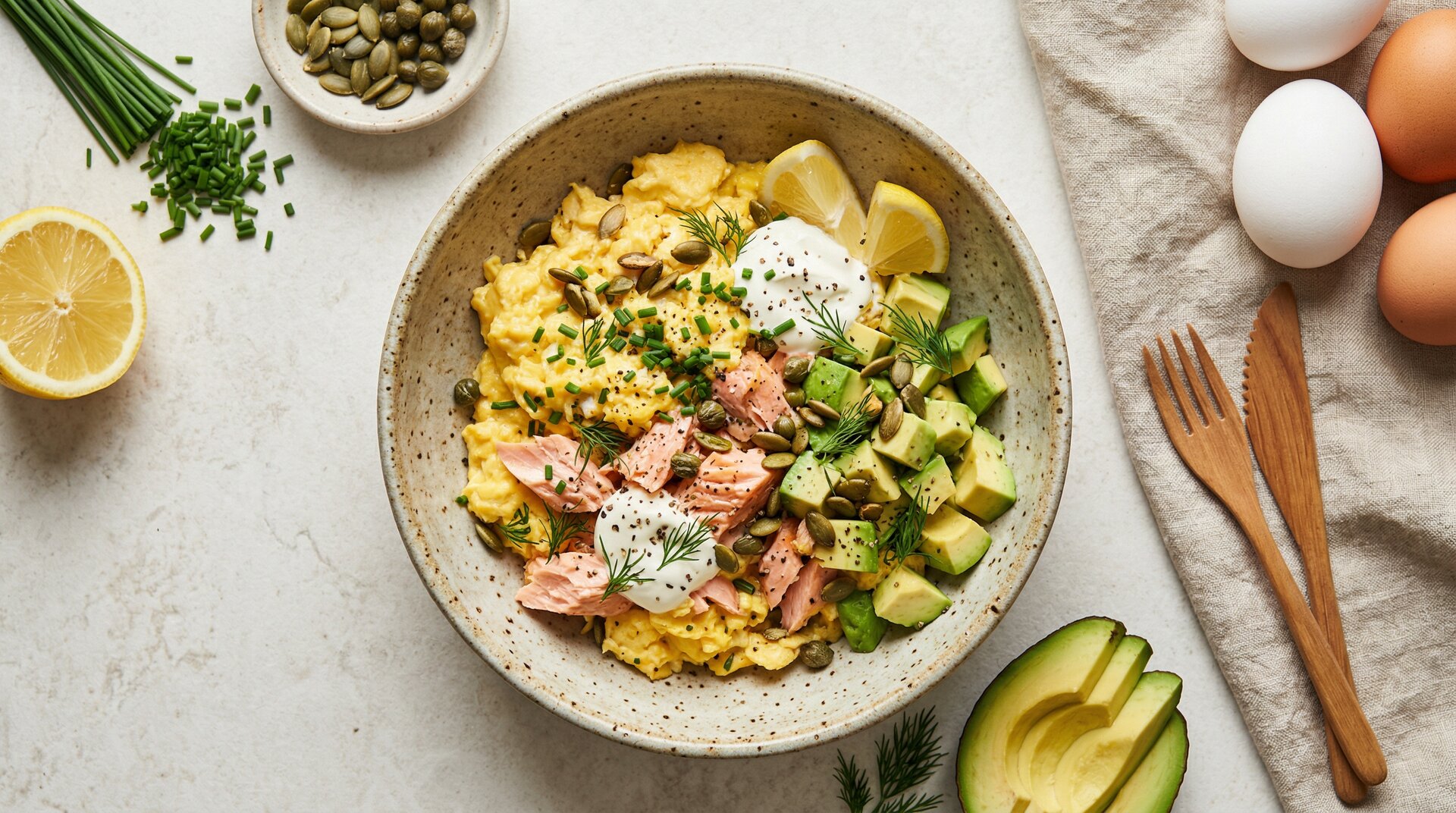 Keto Egg Scramble with Avocado, Salmon & Ghee 15 min Keto breakfast with ingredients that may contribute to muscle building and focus 724 kcal 38g protein 2 synergies
 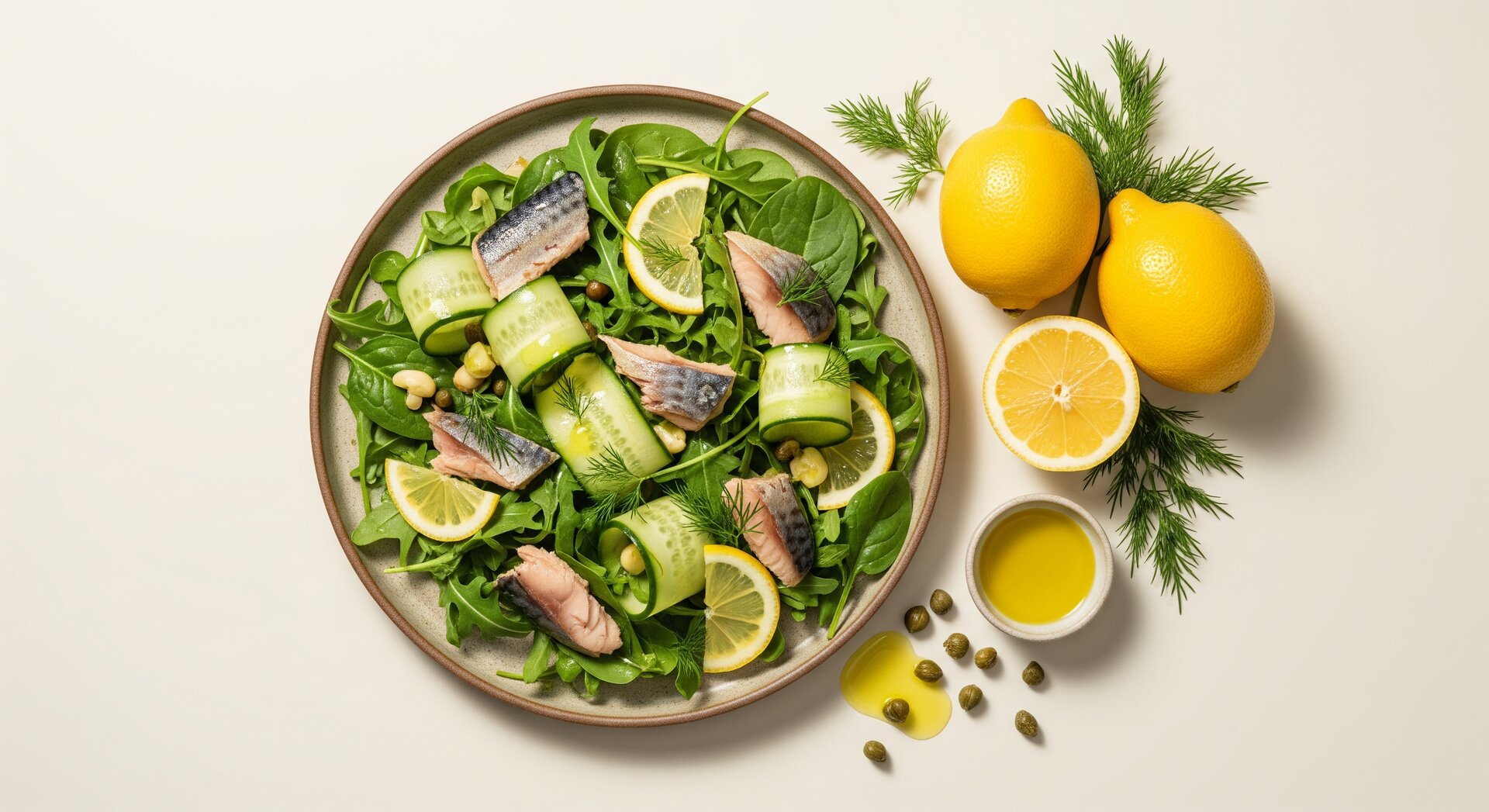 Mackerel Salad with Lemon 10 min Mediterranean salad with smoked mackerel, avocado and capers 480 kcal 24g protein 2 synergies
 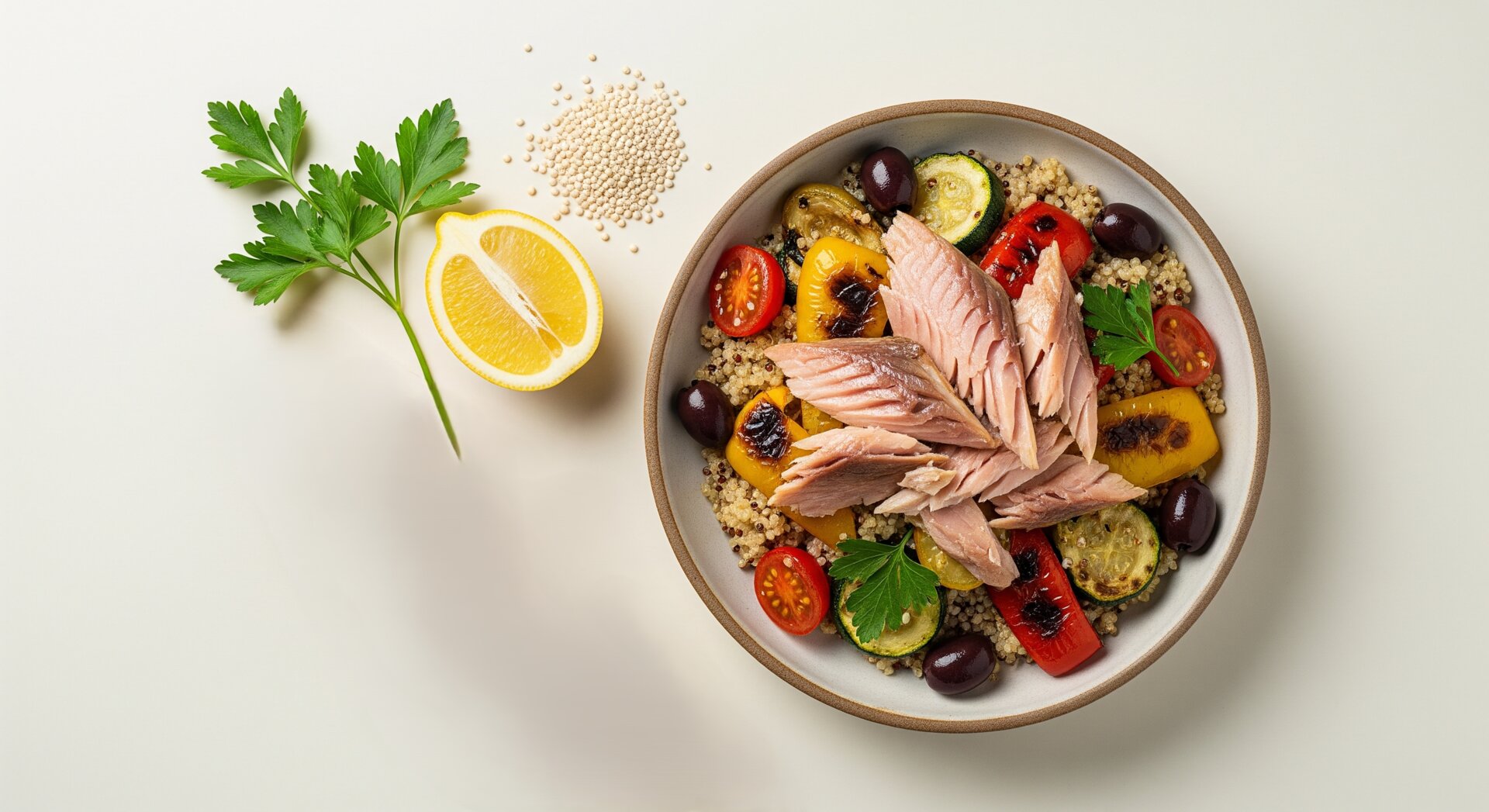 Mediterranean Mackerel with Quinoa 35 min Savory fish meal with quinoa, olives and lemon 760 kcal 34g protein 2 synergies
 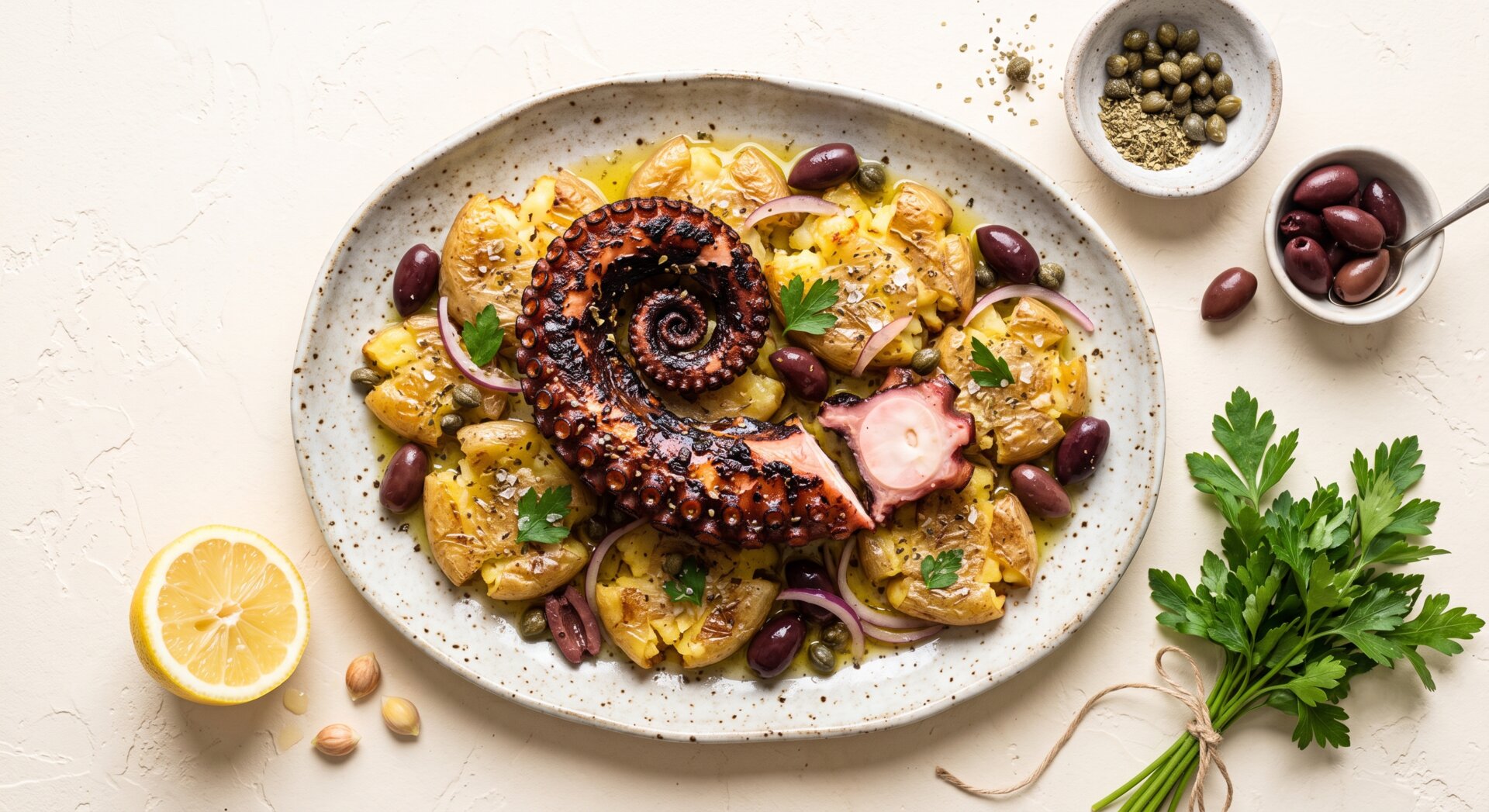 Mediterranean Octopus with Crispy Potatoes 90 min Tender octopus with golden potatoes, olives, capers and lemon-parsley dressing 420 kcal 31g protein 2 synergies
  In the Kitchen
Storage
Location:Refrigerator
Shelf life:1+ jaar ongeopend, 6 maanden geopend in koelkast
Store capers in their own brine, salt, or olive oil in the fridge. Make sure they stay submerged once the jar is opened. Dry salt-preserved capers keep well for a long time when stored cool, dry, and tightly sealed.
Preparation
Always rinse capers before use to remove excess salt or acidity. Preferably add them at the end so their bright, briny flavor stays clear. They work well in pasta puttanesca, vitello tonnato, fish sauces, salads, tapenade, and lemon-butter sauces.
Substitutes
Smart preparation
1Rinse salt-packed capers well; briefly soak vinegar-packed capers.
Why?
This removes excess salt or acidity for a more balanced flavor.
2Add capers at the end; prolonged cooking diminishes the flavor.
3Fry capers until crisp in olive oil for a crunchy garnish.
Caution / Warnings
Capers is very safe, but there are scientific considerations:
High blood pressure Severe
Capers are very high in sodium: 2964 mg per 100 g, about 123% of the reference intake. Even after rinsing, the salt content remains considerable.
Advice:
With high blood pressure: use very sparingly, for example no more than 1 tablespoon, always rinse well, and optionally soak them in water for 15 minutes.
Kidney problems Moderate
The high sodium content can be important for people who need to limit their salt intake for medical reasons.
Advice:
Consult a doctor if you have kidney disease. Always rinse capers thoroughly and keep the portion small.
Traditional use
Mediterranean
Capers in Mediterranean tradition
Capers have been picked and preserved in the Mediterranean since antiquity. Greek and Roman sources describe them as a briny seasoning for bread, fish, sauces, and simple dishes.
Summary
Capers are small pickled flower buds with a notably briny, bright flavor. They naturally contain quercetin and rutin; analyses report values up to about 180 mg quercetin per 100 g, though you usually eat them in small portions. Their main point of attention is salt: 100 g provides about 123% of the reference intake for sodium. Always rinse them well before use. Small capers, such as nonpareilles, have a delicate texture and are loved in Mediterranean dishes.