- Medium
- 90 min
- 4 serv.
- 10 synergies
- Now at its best: Potato
Slow-cooked octopus with crispy potatoes, Kalamata olives, capers, red onion and a bright dressing of lemon, olive oil, oregano and parsley. A sunny Mediterranean dish with plenty of flavour and a generous serving of protein.
This dish is all about contrast: octopus slowly cooked until tender in its own juices, potatoes crisped until golden, and a bright dressing that lifts everything. The olives and capers bring that typical salty Mediterranean depth, while red onion and lemon cut through the richer flavour of the octopus. On the plate it feels almost like a Greek seaside taverna: simple, satisfying, clean in flavour and just luxurious enough for a special dinner without becoming heavy.
- 15
- min prep
- 75
- min cook
- 90
- min total
Nutritional Synergies
This recipe combines ingredients that enhance each other:
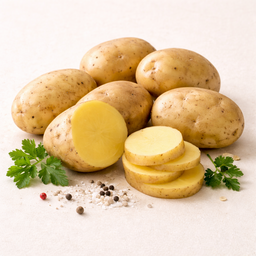 Waxy potatoes
 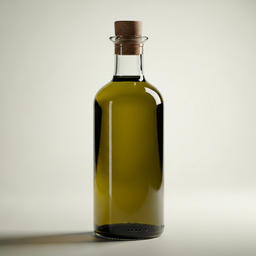 Extra virgin olive oil
 Olive oil improves carotenoid absorption from yellow potatoes
Technical: Yellow potato varieties contain up to 400μg carotenoids per 100g, including lutein and violaxanthin. These are fat-soluble and only 5-10% absorbed without fat. Olive oil's oleic acid (73%) forms mixed micelles increasing absorption up to 3x.
What does this mean for you? Roast or fry potatoes in olive oil — this significantly increases carotenoid absorption. Choose yellow varieties for maximum effect.
General WellnessSkin & Hair
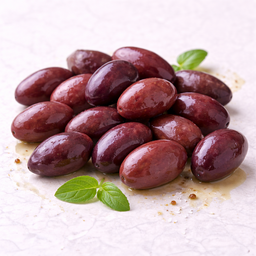 Kalamata olives
 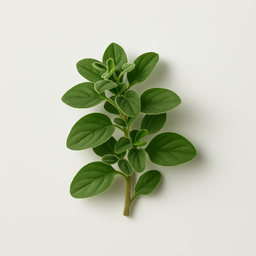 Dried oregano
 Three polyphenol pathways in one Greek salad
Technical: Kalamata olives contain hydroxytyrosol (3.5mg/100g) and oleuropein — polyphenols from the phenol class. Tomato provides lycopene (2573μg/100g), a carotenoid. Oregano contains carvacrol and thymol, terpene compounds. This trio forms a polyphenol-carotenoid-terpene complex working through three different biochemical pathways.
What does this mean for you? Greek salad (tomato, olives, oregano) is a culinary classic combining three entirely different categories of bioactive compounds. Each ingredient delivers a different type of polyphenol — broader together than apart.
HeartAnti-inflammatory
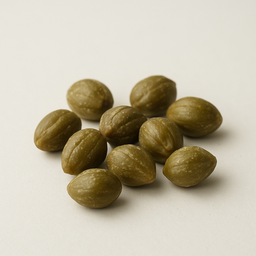 Capers Extra virgin olive oil
 Fat makes quercetin from capers absorbable
Technical: Capers contain 180mg quercetin per 100g — the highest content of all foods. Quercetin is a fat-soluble flavonoid with bioactive properties. Without fat, quercetin binds to dietary fiber and is excreted undigested. Olive oil's oleic acid forms mixed micelles that increase quercetin absorption up to 200%.
What does this mean for you? Always use capers with olive oil — in pasta puttanesca, salads or fish. Without olive oil, most quercetin is lost.
Anti-inflammatoryImmune System
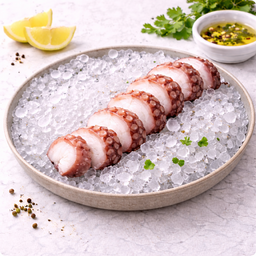 Octopus
 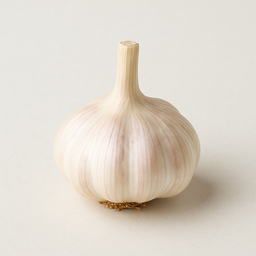 Garlic
 Taurine + allicin: bioactive compounds via complementary pathways
Technical: Octopus contains taurine (up to 1.6g per 100g) — an aminosulfonic acid that functions as osmolyte and antioxidant. Garlic contains allicin that influences HMG-CoA reductase (involved in lipid metabolism) and stimulates vasodilation via the NO pathway. Taurine and allicin work via complementary biochemical pathways.
What does this mean for you? Pulpo a la gallega with garlic oil is a Spanish/Portuguese dish where the bioactive compounds from octopus (taurine) and garlic (allicin) work together. Use raw or lightly cooked garlic — allicin breaks down at high temperatures.
HeartFocusAnti-inflammatory
Octopus Extra virgin olive oil Olive oil improves fat-soluble vitamin absorption from octopus
Technical: Octopus contains vitamin A (150 IU), vitamin E (1.2mg) and coenzyme Q10 — all fat-soluble but octopus itself is very lean (1.0g fat/100g). Olive oil provides fats needed for micelle formation and absorption of these fat-soluble nutrients. Olive oil's polyphenols also protect sensitive omega-3 in octopus.
What does this mean for you? Octopus is very lean — always serve with olive oil to absorb fat-soluble vitamins. Grilled octopus with olive oil, garlic and paprika is a Mediterranean dish that's both tasty and nutritious.
HeartGeneral Wellness
Extra virgin olive oil Garlic Aglio e olio: allicin + oleocanthal via complementary biochemical pathways
Technical: Garlic contains allicin (formed when cutting/crushing) that influences HMG-CoA reductase (involved in lipid metabolism). Olive oil contains oleocanthal that modulates COX-1/2 enzymes. Together they influence lipid metabolism and prostaglandin cascade via complementary biochemical pathways. The fat also helps absorb fat-soluble garlic compounds.
What does this mean for you? Gently warm garlic in olive oil (don't burn!) as the base for many dishes. This is why 'aglio e olio' pasta is so beloved — two bioactive compounds that reinforce each other.
HeartImmune System
Dried oregano Extra virgin olive oil Fat makes carvacol and thymol absorbable
Lambert JD et al. (2004) in Molecular Nutrition & Food Research showed that dietary fats enhance absorption of phenolic compounds from herbs.
Technical: Oregano contains carvacrol (60-74%) and thymol (1-5%) — potent phenolic compounds with broad bioactivity, traditionally valued in food preservation. These compounds are fat-soluble and poorly absorbed without fat. Olive oil dissolves them and significantly increases their bioavailability. This explains why oregano oil always comes in a carrier oil.
What does this mean for you? Cook oregano in olive oil or make oregano-olive oil dressing. The bioactive compounds in oregano are fat-soluble — without oil you barely absorb them.
Immune SystemDigestion
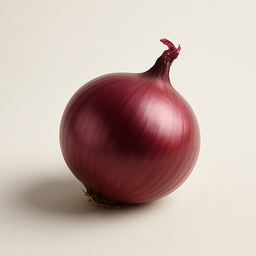 Red onion Extra virgin olive oil
 Fat increases bioavailability of quercetin from red onion
Technical: Red onion contains 32-65mg quercetin per 100g — the richest food source. Quercetin is poorly water-soluble (2μg/mL) but dissolves well in fats. Olive oil increases quercetin oral bioavailability by 50-70% through lipid-based lymphatic transport instead of the portal vein.
What does this mean for you? Sauté red onion in olive oil (soffritto) for maximum quercetin absorption. Oil dissolves quercetin and improves transport to your bloodstream. Caramelizing also enhances flavor.
Anti-inflammatoryHeart
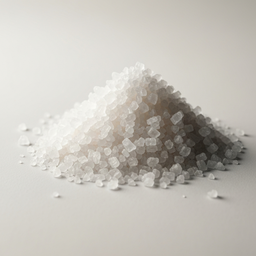 Sea salt Extra virgin olive oil
 Minerals + polyphenols for cellular balance
Technical: Sea salt's sodium is essential for the sodium-potassium pump (Na+/K+-ATPase) that regulates every body cell. Olive oil's oleuropein and hydroxytyrosol provide antioxidant protection for cell membranes. The combination supports cell integrity: sea salt regulates ion balance, olive oil protects the membrane. In Mediterranean cuisine, coarse sea salt + olive oil is the most basic flavor profile.
What does this mean for you? Freshly ground sea salt with extra virgin olive oil is the simplest and most nutritious finishing of any dish. The combination provides the basic needs of your cells: minerals for function, polyphenols for protection.
HeartGeneral Wellness
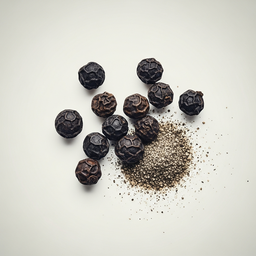 Black pepper Extra virgin olive oil
 Fat increases piperine absorption and enhances polyphenols
Technical: Piperine is fat-soluble and absorbed 2-3x better with dietary fat. Olive oil's oleocanthal and piperine both modulate COX signal transduction through different mechanisms, providing additive bioactive effect.
What does this mean for you? Grind fresh pepper over salads with olive oil dressing. The combination enhances both pepper absorption and bioactive action.
Anti-inflammatoryHeartDigestion
Ingredients (12)
+9 more ingredientsInstructions
- 1 Place the octopus in a large heavy pot without adding water. Add 2 whole garlic cloves, cover and cook over low heat for 45-60 minutes until tender.
- 2 Meanwhile, boil the potato wedges in salted water for 12-15 minutes until just tender. Drain and let them steam dry well.
Nutrition per serving
Indicative values per serving.
Timing & Suitability
Shelf life: 2 days in fridge
Tags & Diet
Allergens: Mollusks