Asparagus
The Prebiotic Folate Source
What is this ingredient?
Asparagus (Asparagus officinalis) is one of the most nutrient-dense vegetables known. They are exceptionally rich in folate - 4 spears provide 22% of daily needs, essential for DNA synthesis and pregnancy. Additionally, asparagus contains inulin, a fructooligosaccharide (FOS) that serves as food for beneficial gut bacteria. Studies show that the prebiotic effect of inulin stimulates Bifidobacteria growth by 5-10x. Asparagus also contains saponins, bioactive compounds that are being studied in preclinical research, and is a natural diuretic due to asparagine. Note: the smell of your urine after eating asparagus is genetically determined - not everyone can smell it!
How does it taste?
Fresh, green and mildly grassy with a delicate sweet undertone.
Pairs well with:
Pairs well with hollandaiselemonparmesanegg and butter.
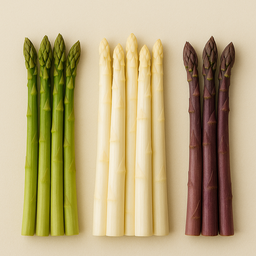
Varieties
Green Asparagus
Most common, rich flavor, highest chlorophyll
White Asparagus
Grown underground, milder, typically Dutch/German
Purple Asparagus
Sweeter, more anthocyanins, rarer
Did you know...?
- White and green asparagus are the same plant; white ones grow underground without sunlight.
- Asparagus can grow up to 10 cm per day under ideal conditions.
- An asparagus plant can keep producing for up to 20 years after planting.
Nutritional Value & Energy
Per 100g
Asparagus is low in calories thanks to natural nutrients , buffered by fiber.
Per 100g
Minerals
Vitamins
Omega-3 fatty acids
More nutrients
B-Vitamins
Trace Minerals
What's in a serving?
1 serving
Asparagus naturally contains folate (52 mcg per 100 g).
Asparagus naturally contains iron (5 mg per 100 g).
Asparagus naturally contains vitamin e (8 mg per 100 g).
Asparagus naturally contains vitamin k (52 mcg per 100 g).
% of daily reference intake (DRI)
EU-approved nutrition claims
This ingredient contains nutrients for which EFSA-authorized health claims exist (at nutrient level, not ingredient-specific).
Approved health claims (EU)
Iron EU 432/2012
Iron contributes to normal energy-yielding metabolism
Contains 2.14mg/100g (threshold: ≥2.1mg/100g)
Iron EU 432/2012
Iron contributes to the reduction of tiredness and fatigue
Contains 2.14mg/100g (threshold: ≥2.1mg/100g)
Folate EU 432/2012
Folate contributes to normal blood formation
Contains 52mcg/100g (threshold: ≥30mcg/100g)
Folate EU 432/2012
Folate contributes to normal amino acid synthesis
Contains 52mcg/100g (threshold: ≥30mcg/100g)
Folate EU 432/2012
Folate contributes to normal homocysteine metabolism
Contains 52mcg/100g (threshold: ≥30mcg/100g)
Folate EU 432/2012
Folate contributes to normal psychological function
Contains 52mcg/100g (threshold: ≥30mcg/100g)
Folate EU 432/2012
Folate contributes to the normal function of the immune system
Contains 52mcg/100g (threshold: ≥30mcg/100g)
Folate EU 432/2012
Folate has a role in the process of cell division
Contains 52mcg/100g (threshold: ≥30mcg/100g)
Folate EU 432/2012
Folate contributes to maternal tissue growth during pregnancy
Contains 52mcg/100g (threshold: ≥30mcg/100g)
Vitamin_k EU 432/2012
Vitamin K contributes to normal blood clotting
Contains 52mcg/100g (threshold: ≥11.25mcg/100g)
Vitamin_k EU 432/2012
Vitamin K contributes to the maintenance of normal bones
Contains 52mcg/100g (threshold: ≥11.25mcg/100g)
Iron EU 432/2012
Iron contributes to normal cognitive function
Contains 2.14mg/100g (threshold: ≥2.1mg/100g)
Iron EU 432/2012
Iron contributes to normal formation of red blood cells and haemoglobin
Contains 2.14mg/100g (threshold: ≥2.1mg/100g)
Iron EU 432/2012
Iron contributes to normal oxygen transport in the body
Contains 2.14mg/100g (threshold: ≥2.1mg/100g)
Iron EU 432/2012
Iron contributes to the normal function of the immune system
Contains 2.14mg/100g (threshold: ≥2.1mg/100g)
Iron EU 432/2012
Iron has a role in the process of cell division
Contains 2.14mg/100g (threshold: ≥2.1mg/100g)
Comparison
vsspinazie
Asparagus contains about 2× more iron per 100g than spinach.
What's being researched?
Saponins and their bioactive properties in preclinical research
Saponins in asparagus are being studied for potential bioactive properties in relation to inflammatory processes. Preclinical studies show promising results, but human research is still limited.
Supported by: [2] Zhang F (2024)
Glutathione and cellular research
Asparagus is a source of glutathione, an antioxidant being studied for protective effects against oxidative stress. Observational evidence is promising.
Supported by: [2] Zhang F (2024)
Good Combinations (Synergy)
Combine asparagus smartly to enhance the effect:
Asparagus 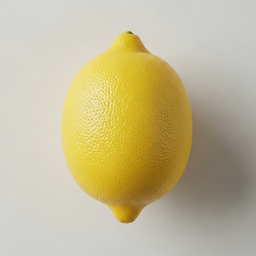 Lemon
Lemon Vitamin C stabilizes folate and improves iron absorption
Technical: Asparagus is a top folate source (149μg/100g, 37% RDI) and contains 2.1mg non-heme iron per 100g. Folate is unstable and degrades through oxidation. Vitamin C from lemon (53mg/100g) protects folate as antioxidant and reduces Fe³⁺ to Fe²⁺, increasing iron absorption via DMT-1 from 2-5% to 10-15%.
What does this mean for you? Sprinkle asparagus with lemon juice — this protects valuable folate and doubles iron absorption. Folate is essential for cell production and DNA synthesis.
Asparagus  Eggs
Eggs 3x better absorption of fat-soluble vitamins A, E, K
Technical: Asparagus contains 449μg vitamin K per 100g (374% RDI), plus vitamin A (756 IU) and vitamin E (1.1mg). Egg yolk provides 4.5g fat per egg including phospholipids that promote micelle formation, increasing fat-soluble vitamin absorption up to 3x.
What does this mean for you? Asparagus with poached egg isn't just a culinary classic — the yolk is literally needed to absorb asparagus vitamins. Without fat, up to 70% is lost.
Asparagus 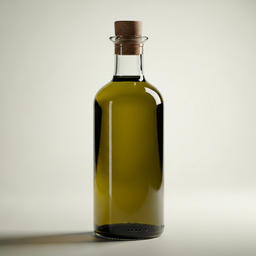 Olive Oil
 Fat essential for absorption of asparagus' vitamin K, A and E
Technical: Asparagus contains 41.6μg vitamin K (35% RDI), 756 IU vitamin A and 1.1mg vitamin E per 100g — all fat-soluble. Without fat only 5-10% is absorbed. Olive oil's monounsaturated fats form micelles in the small intestine increasing absorption 3-5x.
What does this mean for you? Grilled asparagus with olive oil isn't just tasty but essential for good vitamin absorption. Without fat you miss most of asparagus' nutritional value.
Recipes with Asparagus
Discover delicious recipes featuring asparagus:
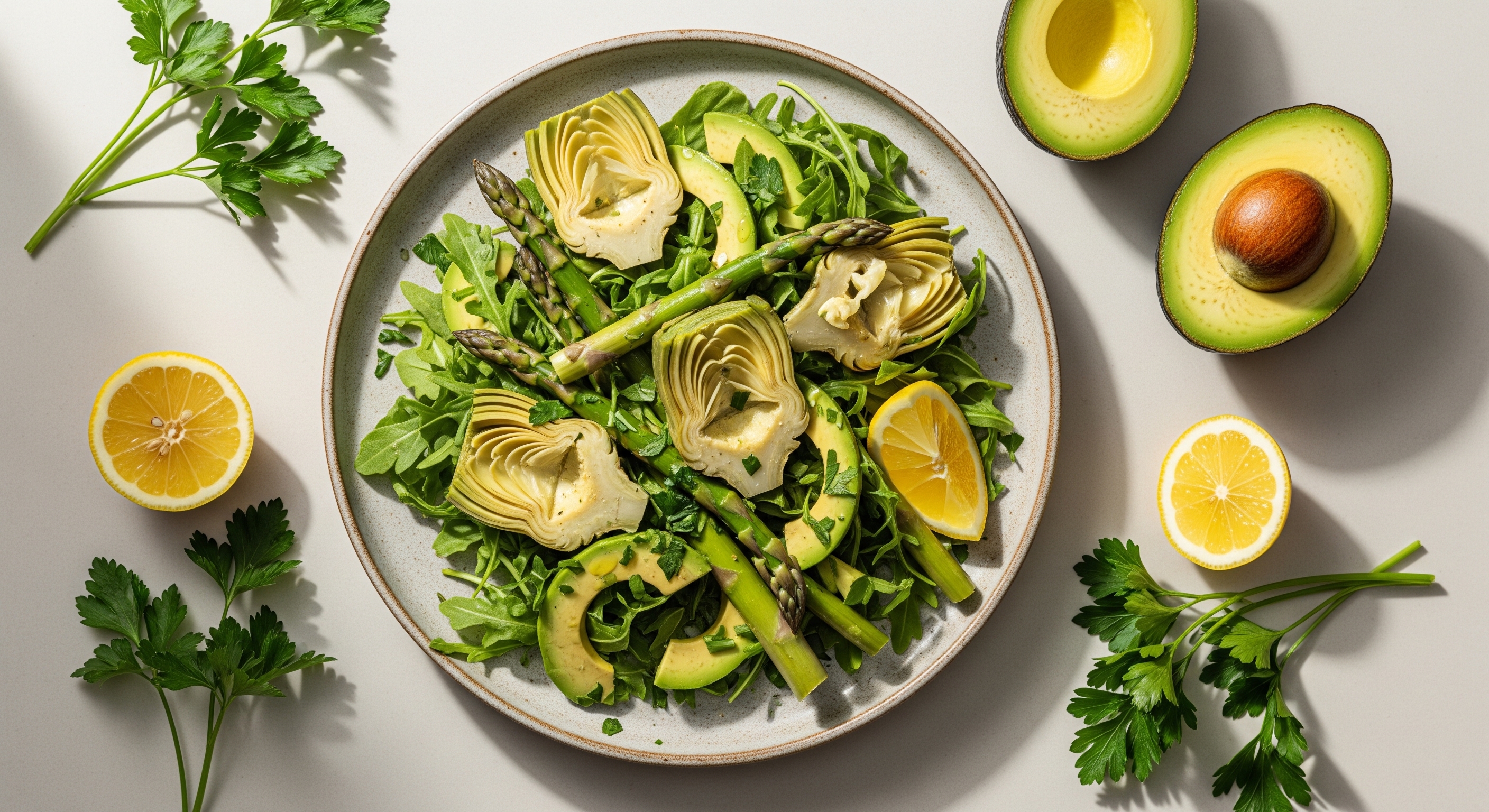 Artichoke, Asparagus and Avocado Salad 23 min Lemony, green and silky
  300 kcal
  6g protein 2 synergies
 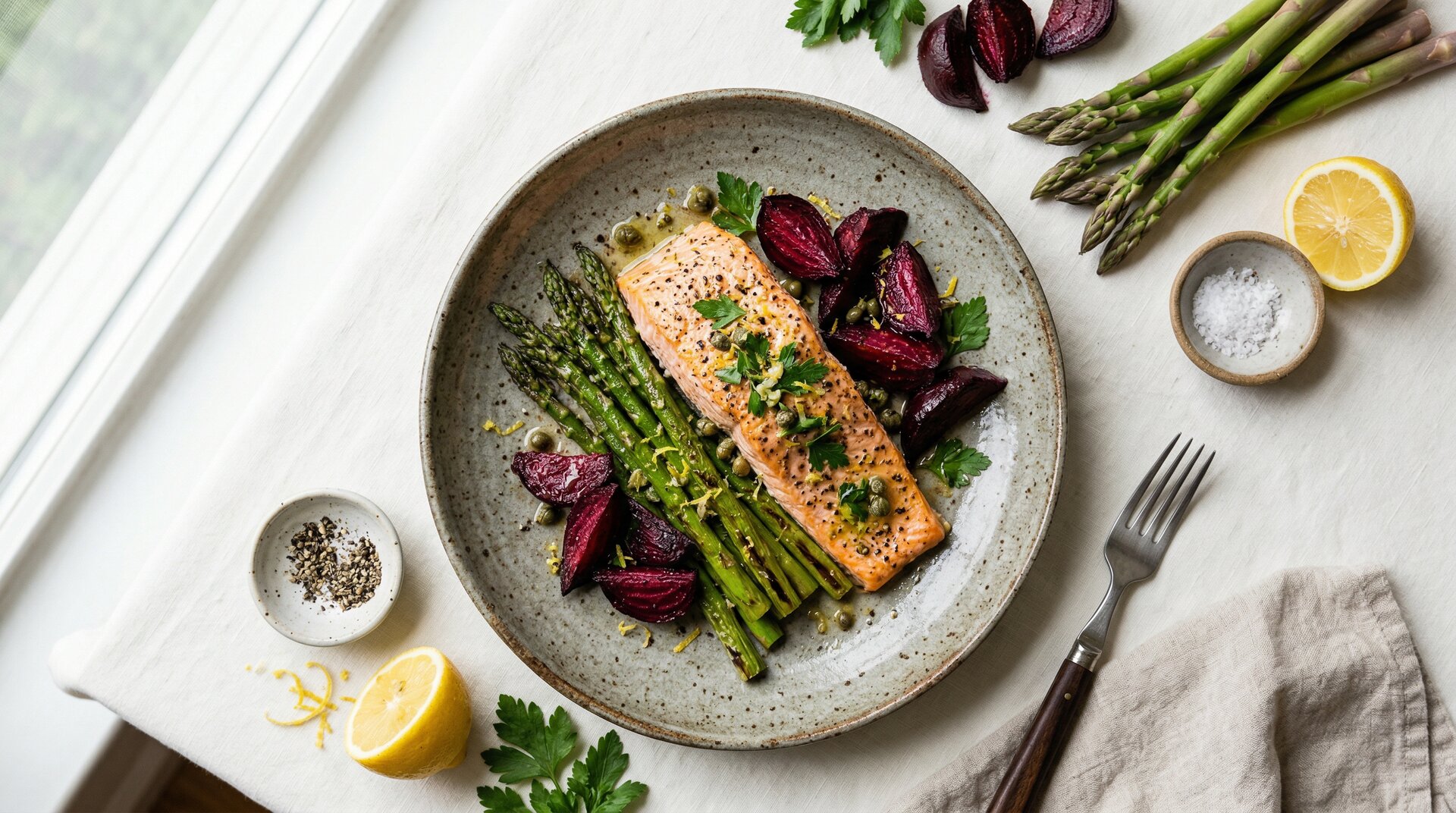 Salmon with Asparagus, Lemon and Beetroot 30 min Bright, warm and oven-roasted 441 kcal 29g protein 3 synergies
  In the Kitchen
Storage
Location:Refrigerator
Shelf life:3-5 dagen in koelkast
Store upright with wet cloth around stems or wrap bottom in damp paper towel. Don't wash before storage.
Preparation
Brief blanching (3-4 min) or grilling preserves nutrients and texture. DON'T overcook! Keep crispy. BEST SYNERGY: serve with poached egg - the fat improves vitamin absorption.
Conversions
Substitutes
Smart preparation
1Peel white asparagus from tip downward; green ones don't need peeling.
2Bend the stalk until it snaps to find the woody part.
Why?
The asparagus snaps exactly where the tender part begins.
3Cook asparagus upright with the tips above the water.
Why?
The tips cook faster and won't become too soft this way.
Caution / Warnings
Asparagus is very safe, but there are scientific considerations:
Gout Moderate
Asparagus contains moderate amounts of purines
Advice:
During active gout: limit consumption. With stable gout, moderate consumption is usually safe
Kidney Stones Mild
The diuretic effect can be problematic with certain kidney stone types
Advice:
With oxalate kidney stones: drink extra water when consuming asparagus
Traditional use
Mediterranean
Egyptian and Greek traditional use
Asparagus was used as an offering in Egypt around 3000 BCE. Greek physicians like Hippocrates prescribed asparagus for urinary tract complaints.
Ayurveda
Shatavari in Ayurveda
The wild asparagus species Shatavari (Asparagus racemosus) is one of the most important herbs in Ayurveda, traditionally used as a nourishing tonic.
Summary
Asparagus is a folate powerhouse and prebiotic hero. The inulin feeds your good gut bacteria, while the high folate contributes to normal homocysteine metabolism. BEST SYNERGY: eat with an egg - the fat improves absorption of fat-soluble vitamins A, E and K. Pro-tip: cook briefly (3-4 min) to preserve nutrients.