- Easy
- 23 min
- 2 serv.
- 7 synergies
- Now at its best: Parsley
A fresh, savoury salad with artichoke hearts, quickly pan-cooked asparagus, creamy avocado and peppery rocket. Ideal as a light lunch or an elegant plate on a warm evening when you want something lively and refined without spending long in the kitchen.
This salad feels like the first light plate after a run of heavier meals. The asparagus takes on just enough colour in the pan to smell gently nutty, the artichoke hearts bring a soft earthy note, and the avocado makes everything smooth and rounded without taking away the freshness. Rocket adds peppery lift, parsley keeps it green and lively, and the lemon dressing pulls everything together with a bright, sunlit sharpness. The result is a plate that feels both refined and generous: fresh, juicy, slightly bitter and just rich enough to savour slowly.
- 15
- min prep
- 8
- min cook
- 23
- min total
Nutritional Synergies
This recipe combines ingredients that enhance each other:
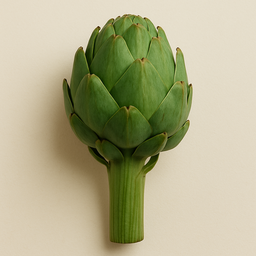 Artichoke
 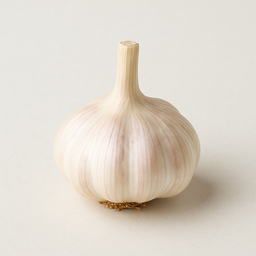 Garlic
 Double liver support via cynarin and allicin
Technical: Artichoke's cynarin is involved in bile formation and stabilizes liver cell membranes (membrane-stabilizing). Garlic's allicin and diallyl disulfide activate phase-II enzymes (glutathione S-transferase) in the liver via the Nrf2 pathway. Together they provide complementary liver support: cynarin via bile stimulation, allicin via Nrf2-mediated phase-II enzyme induction.
What does this mean for you? Artichoke with garlic butter is a culinary classic that also supports your liver doubly. Cynarin is involved in bile formation, allicin activates phase-II enzymes. Ideal as a starter.
AntioxidantsDigestion
Artichoke 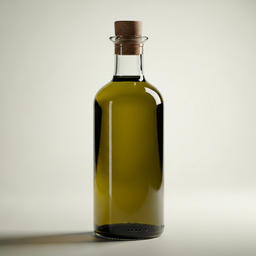 Olive Oil
 Maximum bile stimulation for fat digestion
Technical: Artichoke contains cynarin and chlorogenic acid that influence bile formation (choleretic effect) by 127%. Olive oil activates cholecystokinin (CCK) release, causing the gallbladder to contract and release bile. Together they optimize fat digestion and cholesterol clearance.
What does this mean for you? Dip artichoke leaves in olive oil dressing — you stimulate both bile production and release simultaneously. Ideal as a starter before fat-rich meals.
DigestionAntioxidants
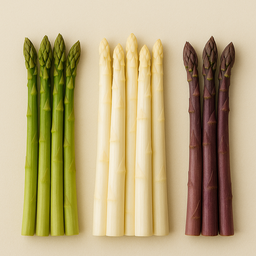 Asparagus Olive Oil
 Fat essential for absorption of asparagus' vitamin K, A and E
Technical: Asparagus contains 41.6μg vitamin K (35% RDI), 756 IU vitamin A and 1.1mg vitamin E per 100g — all fat-soluble. Without fat only 5-10% is absorbed. Olive oil's monounsaturated fats form micelles in the small intestine increasing absorption 3-5x.
What does this mean for you? Grilled asparagus with olive oil isn't just tasty but essential for good vitamin absorption. Without fat you miss most of asparagus' nutritional value.
JointsSkin & Hair
Olive Oil Garlic Aglio e olio: allicin + oleocanthal via complementary biochemical pathways
Technical: Garlic contains allicin (formed when cutting/crushing) that influences HMG-CoA reductase (involved in lipid metabolism). Olive oil contains oleocanthal that modulates COX-1/2 enzymes. Together they influence lipid metabolism and prostaglandin cascade via complementary biochemical pathways. The fat also helps absorb fat-soluble garlic compounds.
What does this mean for you? Gently warm garlic in olive oil (don't burn!) as the base for many dishes. This is why 'aglio e olio' pasta is so beloved — two bioactive compounds that reinforce each other.
HeartImmune System
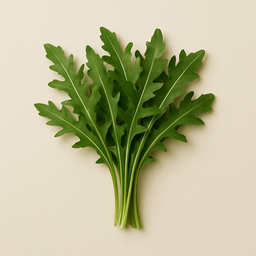 Arugula Olive Oil
 Fat increases absorption of arugula's beta-carotene and vitamin K
Technical: Arugula contains 3747μg beta-carotene and 109μg vitamin K per 100g — both fat-soluble. Olive oil forms mixed micelles increasing absorption 3-5x. Arugula also contains glucosinolates (glucoerucin) converted to sulforaphane — a hydrophobic molecule also better absorbed with fat.
What does this mean for you? Arugula with olive oil dressing isn't just tasty for its peppery character — the oil is necessary to properly absorb fat-soluble vitamins and glucosinolates.
Skin & HairImmune System
 Sea Salt
 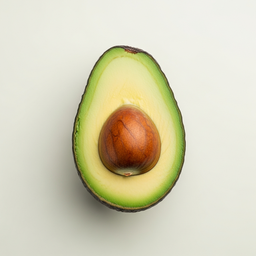 Avocado
 Minerals improve flavor perception and electrolyte balance
Technical: Sea salt contains trace minerals (magnesium, potassium, calcium) besides sodium. Tomato is rich in potassium (237mg/100g) and lycopene. Avocado adds magnesium (29mg) and potassium (485mg). Together they form a broad electrolyte profile: sodium (salt) + potassium (tomato/avocado) + magnesium (avocado) — essential for fluid balance and nerve function.
What does this mean for you? Sprinkle tomato and avocado with a pinch of sea salt. This is more than flavor — the minerals complement each other for a complete electrolyte balance.
HeartEnergy
Sea Salt Olive Oil Minerals + polyphenols for cellular balance
Technical: Sea salt's sodium is essential for the sodium-potassium pump (Na+/K+-ATPase) that regulates every body cell. Olive oil's oleuropein and hydroxytyrosol provide antioxidant protection for cell membranes. The combination supports cell integrity: sea salt regulates ion balance, olive oil protects the membrane. In Mediterranean cuisine, coarse sea salt + olive oil is the most basic flavor profile.
What does this mean for you? Freshly ground sea salt with extra virgin olive oil is the simplest and most nutritious finishing of any dish. The combination provides the basic needs of your cells: minerals for function, polyphenols for protection.
HeartGeneral Wellness
Ingredients (9)
- Artichoke — 200 g artichoke hearts, drained and halved
- Asparagus — 200 g green asparagus, tough ends trimmed
Instructions
- 1 Pat the artichoke hearts dry and snap off the woody ends of the asparagus. If the asparagus is thick, halve it lengthwise so it cooks evenly.
Nutrition per serving
Indicative values per serving.
Timing & Suitability
Shelf life: 1 days in fridge