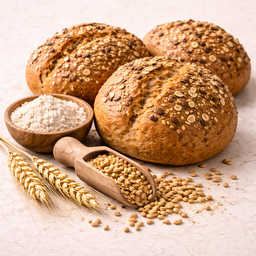
Whole Wheat Buns
Fiber-Rich Buns
What is this ingredient?
Whole wheat buns are made from flour where the entire wheat kernel is ground, including the fiber-rich bran and nutrient-dense germ. This makes them significantly healthier than white buns.
## Nutritional Benefits
With 6g fiber per 100g (vs 2g for white) and a glycemic index of ~50 (vs ~75 for white), whole wheat buns are a better choice for stable blood sugar. They also contain 3x more magnesium and iron.
## Satiety
The higher fiber content provides longer satiety. Studies show that whole grain bread consumption reduces hunger and lowers total calorie intake throughout the day.
## Combination with Protein
Whole wheat buns with a protein-rich filling (like a lean beef or chicken burger patty) provide a complete meal with slow carbohydrates, protein and fiber.
How does it taste?
Full and grainy with a slightly nutty flavor and firm crust.
Pairs well with:
Pairs well with hummusavocadocheesemustard and honey.
Did you know...?
- The word 'whole grain' literally means that all parts of the grain kernel are preserved.
- In the Netherlands, more than 800 million bread rolls are eaten annually.
Nutritional Value & Energy
Per 100g
Whole Wheat Buns provides energy thanks to natural nutrients , buffered by fiber.
Per 100g
Minerals
Vitamins
Omega-3 fatty acids
More nutrients
B-Vitamins
Trace Minerals
Low GI means blood sugar doesn't spike quickly.
What's in a serving?
1 serving (dry)
Whole Wheat Buns naturally contains iron (2.8 mg per 100 g).
Whole Wheat Buns naturally contains zinc (1.8 mg per 100 g).
Whole Wheat Buns naturally contains magnesium (60 mg per 100 g).
Whole Wheat Buns naturally contains folate (30 mcg per 100 g).
Whole Wheat Buns naturally contains selenium (25 mcg per 100 g).
% of daily reference intake (DRI)
EU-approved nutrition claims
This ingredient contains nutrients for which EFSA-authorized health claims exist (at nutrient level, not ingredient-specific).
Approved health claims (EU)
Magnesium EU 432/2012
Magnesium contributes to normal muscle function
Contains 60mg/100g (threshold: ≥56.25mg/100g)
Magnesium EU 432/2012
Magnesium contributes to the reduction of tiredness and fatigue
Contains 60mg/100g (threshold: ≥56.25mg/100g)
Magnesium EU 432/2012
Magnesium contributes to normal functioning of the nervous system
Contains 60mg/100g (threshold: ≥56.25mg/100g)
Zinc EU 432/2012
Zinc contributes to the normal function of the immune system
Contains 1.8mg/100g (threshold: ≥1.5mg/100g)
Zinc EU 432/2012
Zinc contributes to the maintenance of normal skin
Contains 1.8mg/100g (threshold: ≥1.5mg/100g)
Iron EU 432/2012
Iron contributes to normal energy-yielding metabolism
Contains 2.8mg/100g (threshold: ≥2.1mg/100g)
Iron EU 432/2012
Iron contributes to the reduction of tiredness and fatigue
Contains 2.8mg/100g (threshold: ≥2.1mg/100g)
Folate EU 432/2012
Folate contributes to normal blood formation
Contains 30mcg/100g (threshold: ≥30mcg/100g)
Folate EU 432/2012
Folate contributes to normal amino acid synthesis
Contains 30mcg/100g (threshold: ≥30mcg/100g)
Folate EU 432/2012
Folate contributes to normal homocysteine metabolism
Contains 30mcg/100g (threshold: ≥30mcg/100g)
Folate EU 432/2012
Folate contributes to normal psychological function
Contains 30mcg/100g (threshold: ≥30mcg/100g)
Folate EU 432/2012
Folate contributes to the normal function of the immune system
Contains 30mcg/100g (threshold: ≥30mcg/100g)
Folate EU 432/2012
Folate has a role in the process of cell division
Contains 30mcg/100g (threshold: ≥30mcg/100g)
Folate EU 432/2012
Folate contributes to maternal tissue growth during pregnancy
Contains 30mcg/100g (threshold: ≥30mcg/100g)
Magnesium EU 432/2012
Magnesium contributes to normal energy-yielding metabolism
Contains 60mg/100g (threshold: ≥56.25mg/100g)
Magnesium EU 432/2012
Magnesium contributes to electrolyte balance
Contains 60mg/100g (threshold: ≥56.25mg/100g)
Magnesium EU 432/2012
Magnesium contributes to normal protein synthesis
Contains 60mg/100g (threshold: ≥56.25mg/100g)
Magnesium EU 432/2012
Magnesium contributes to normal psychological function
Contains 60mg/100g (threshold: ≥56.25mg/100g)
Magnesium EU 432/2012
Magnesium contributes to the maintenance of normal bones
Contains 60mg/100g (threshold: ≥56.25mg/100g)
Magnesium EU 432/2012
Magnesium contributes to the maintenance of normal teeth
Contains 60mg/100g (threshold: ≥56.25mg/100g)
Magnesium EU 432/2012
Magnesium has a role in the process of cell division
Contains 60mg/100g (threshold: ≥56.25mg/100g)
Iron EU 432/2012
Iron contributes to normal cognitive function
Contains 2.8mg/100g (threshold: ≥2.1mg/100g)
Iron EU 432/2012
Iron contributes to normal formation of red blood cells and haemoglobin
Contains 2.8mg/100g (threshold: ≥2.1mg/100g)
Iron EU 432/2012
Iron contributes to normal oxygen transport in the body
Contains 2.8mg/100g (threshold: ≥2.1mg/100g)
Iron EU 432/2012
Iron contributes to the normal function of the immune system
Contains 2.8mg/100g (threshold: ≥2.1mg/100g)
Iron EU 432/2012
Iron has a role in the process of cell division
Contains 2.8mg/100g (threshold: ≥2.1mg/100g)
Zinc EU 432/2012
Zinc contributes to normal acid-base metabolism
Contains 1.8mg/100g (threshold: ≥1.5mg/100g)
Zinc EU 432/2012
Zinc contributes to normal carbohydrate metabolism
Contains 1.8mg/100g (threshold: ≥1.5mg/100g)
Zinc EU 432/2012
Zinc contributes to normal cognitive function
Contains 1.8mg/100g (threshold: ≥1.5mg/100g)
Zinc EU 432/2012
Zinc contributes to normal DNA synthesis
Contains 1.8mg/100g (threshold: ≥1.5mg/100g)
Zinc EU 432/2012
Zinc contributes to normal fertility and reproduction
Contains 1.8mg/100g (threshold: ≥1.5mg/100g)
Zinc EU 432/2012
Zinc contributes to normal macronutrient metabolism
Contains 1.8mg/100g (threshold: ≥1.5mg/100g)
Zinc EU 432/2012
Zinc contributes to normal metabolism of fatty acids
Contains 1.8mg/100g (threshold: ≥1.5mg/100g)
Zinc EU 432/2012
Zinc contributes to normal metabolism of vitamin A
Contains 1.8mg/100g (threshold: ≥1.5mg/100g)
Zinc EU 432/2012
Zinc contributes to normal protein synthesis
Contains 1.8mg/100g (threshold: ≥1.5mg/100g)
Zinc EU 432/2012
Zinc contributes to the maintenance of normal bones
Contains 1.8mg/100g (threshold: ≥1.5mg/100g)
Zinc EU 432/2012
Zinc contributes to the maintenance of normal hair
Contains 1.8mg/100g (threshold: ≥1.5mg/100g)
Zinc EU 432/2012
Zinc contributes to the maintenance of normal nails
Contains 1.8mg/100g (threshold: ≥1.5mg/100g)
Zinc EU 432/2012
Zinc contributes to the maintenance of normal testosterone levels in the blood
Contains 1.8mg/100g (threshold: ≥1.5mg/100g)
Zinc EU 432/2012
Zinc contributes to the maintenance of normal vision
Contains 1.8mg/100g (threshold: ≥1.5mg/100g)
Zinc EU 432/2012
Zinc contributes to the protection of cells from oxidative stress
Contains 1.8mg/100g (threshold: ≥1.5mg/100g)
Zinc EU 432/2012
Zinc has a role in the process of cell division
Contains 1.8mg/100g (threshold: ≥1.5mg/100g)
Selenium EU 432/2012
Selenium contributes to the maintenance of normal hair
Contains 25mcg/100g (threshold: ≥8.25mcg/100g)
Selenium EU 432/2012
Selenium contributes to the maintenance of normal nails
Contains 25mcg/100g (threshold: ≥8.25mcg/100g)
Selenium EU 432/2012
Selenium contributes to the normal function of the immune system
Contains 25mcg/100g (threshold: ≥8.25mcg/100g)
Selenium EU 432/2012
Selenium contributes to normal thyroid function
Contains 25mcg/100g (threshold: ≥8.25mcg/100g)
Selenium EU 432/2012
Selenium contributes to normal spermatogenesis
Contains 25mcg/100g (threshold: ≥8.25mcg/100g)
Selenium EU 432/2012
Selenium contributes to the protection of cells from oxidative stress
Contains 25mcg/100g (threshold: ≥8.25mcg/100g)
What's being researched?
Whole grain and cardiovascular risk
The association between whole grain consumption and reduced cardiovascular risk is one of the best-supported areas in nutrition research. Large meta-analyses show consistent inverse associations.
Supported by: [1] Aune (2016) , [2] He M (2010)
Good Combinations (Synergy)
Combine whole wheat buns smartly to enhance the effect:
Whole Wheat Buns 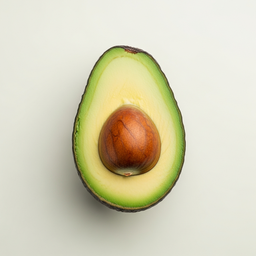 Avocado
 Complex carbs + healthy fats for lasting satiety
Technical: Whole grain rolls provide slow carbohydrates (GI ~55) and B-vitamins (thiamine 0.4mg, niacin 4.7mg). Avocado adds 15g monounsaturated fats and 7g fiber per 100g. Studies show the combination of complex carbs + avocado fat extends satiety by 40% via cholecystokinin (CCK) and peptide YY signaling.
What does this mean for you? Avocado on whole grain bread is a classic for good reason — it's one of the most satiating breakfast combinations. Add a pinch of sea salt and chili flakes for extra flavor.
Whole Wheat Buns  Eggs
Eggs Complex carbs + complete protein for sustained energy
Technical: Whole grain rolls provide slow glucose from starch plus B-vitamins for energy metabolism. Eggs offer complete protein (6g per egg, PDCAAS 1.0) with all essential amino acids plus choline (147mg). The combination stabilizes blood sugar as protein modulates insulin response, while B-vitamins from both sources support mitochondrial energy metabolism.
What does this mean for you? An egg on whole grain bread is the perfect breakfast for stable energy all morning. The protein from the egg slows the absorption of carbohydrates from the bread.
Whole Wheat Buns  Olive Oil
 Whole grain fiber + oleic acid slow glucose absorption
Technical: Whole grain rolls contain 6-8g fiber per 100g that slow gastric emptying. Olive oil's oleic acid (73%) activates the ileal brake mechanism via GLP-1 secretion, reducing glycemic response by 20-30%. The combination of insoluble fiber + monounsaturated fat creates a double inhibitory effect on carbohydrate digestion.
What does this mean for you? Dip your whole grain roll in good olive oil instead of butter. Your blood sugar rises much more gradually, keeping you satisfied longer without energy crashes.
Recipes with Whole Wheat Buns
Discover delicious recipes featuring whole wheat buns:
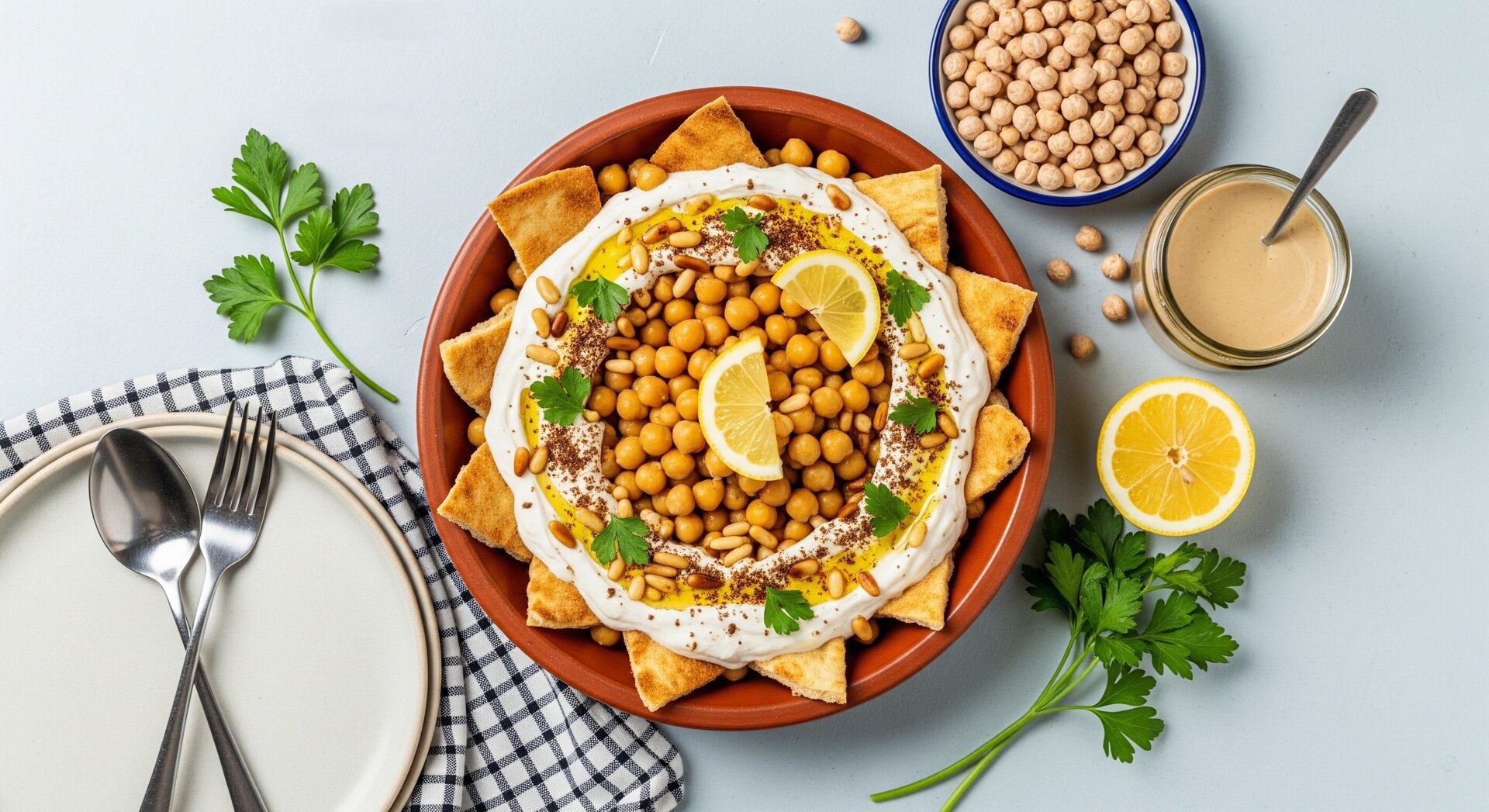 Arabic Fatteh with Chickpeas and Yogurt 25 min Layered Levantine breakfast with crispy bread and tahini
  605 kcal
  24g protein 2 synergies
  Belgian Uitsmijter with Aged Cheese and Tomato 18 min Classic Belgian lunch with fried egg and aged cheese 823 kcal 55g protein 2 synergies
  Belgian Vol-au-Vent with Mashed Potatoes 70 min Creamy chicken ragout with mushrooms, leek and soft mash 735 kcal 43g protein 2 synergies
 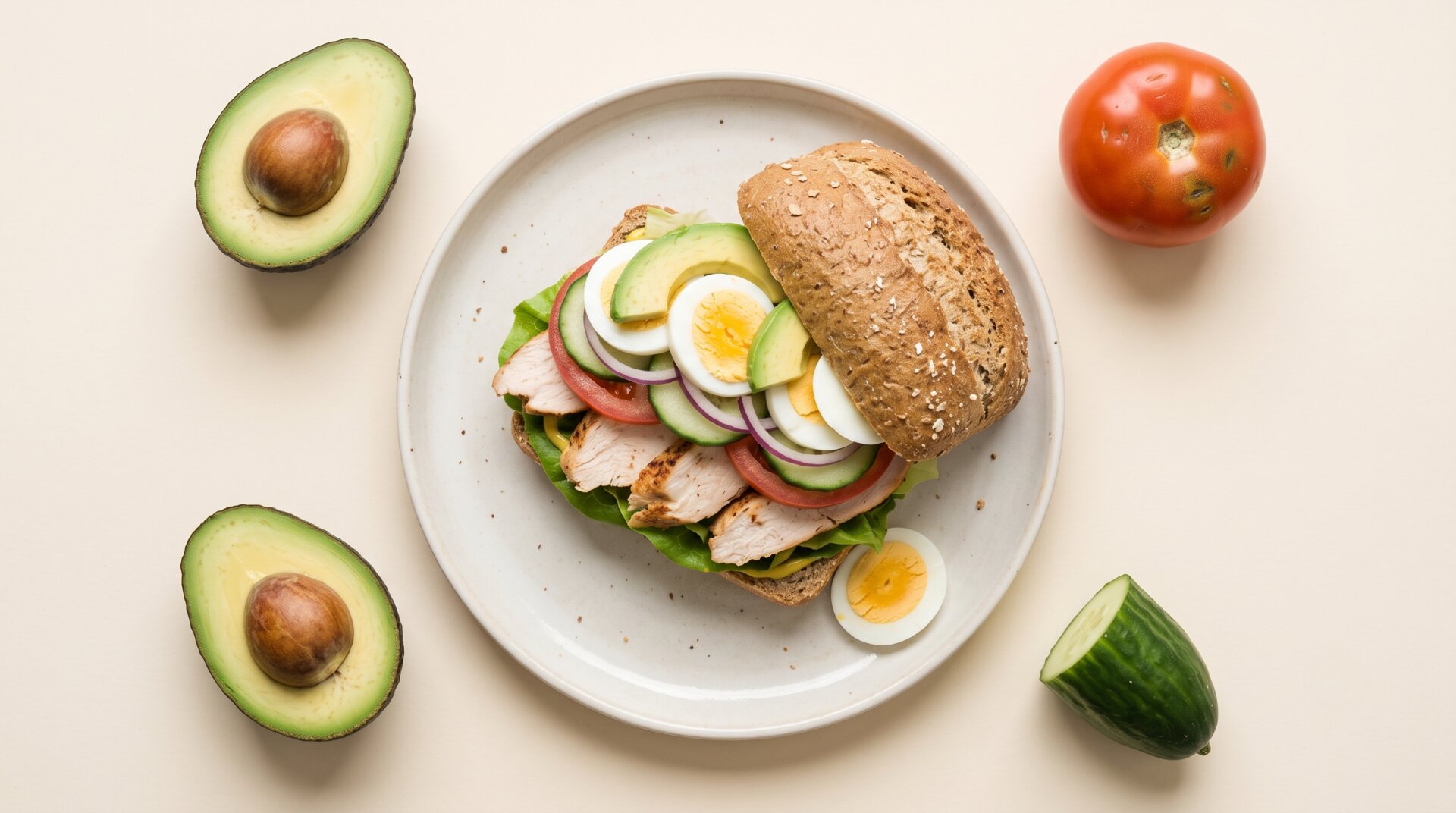 Deluxe Healthy Sandwich with Chicken and Avocado 30 min Dutch healthy sandwich with chicken, avocado and egg 764 kcal 54g protein 2 synergies
  Fattoush Salad with Grilled Chicken and Sumac 35 min Lebanese bread salad with grilled chicken, radish and sumac dressing 660 kcal 48g protein 1 synergies
 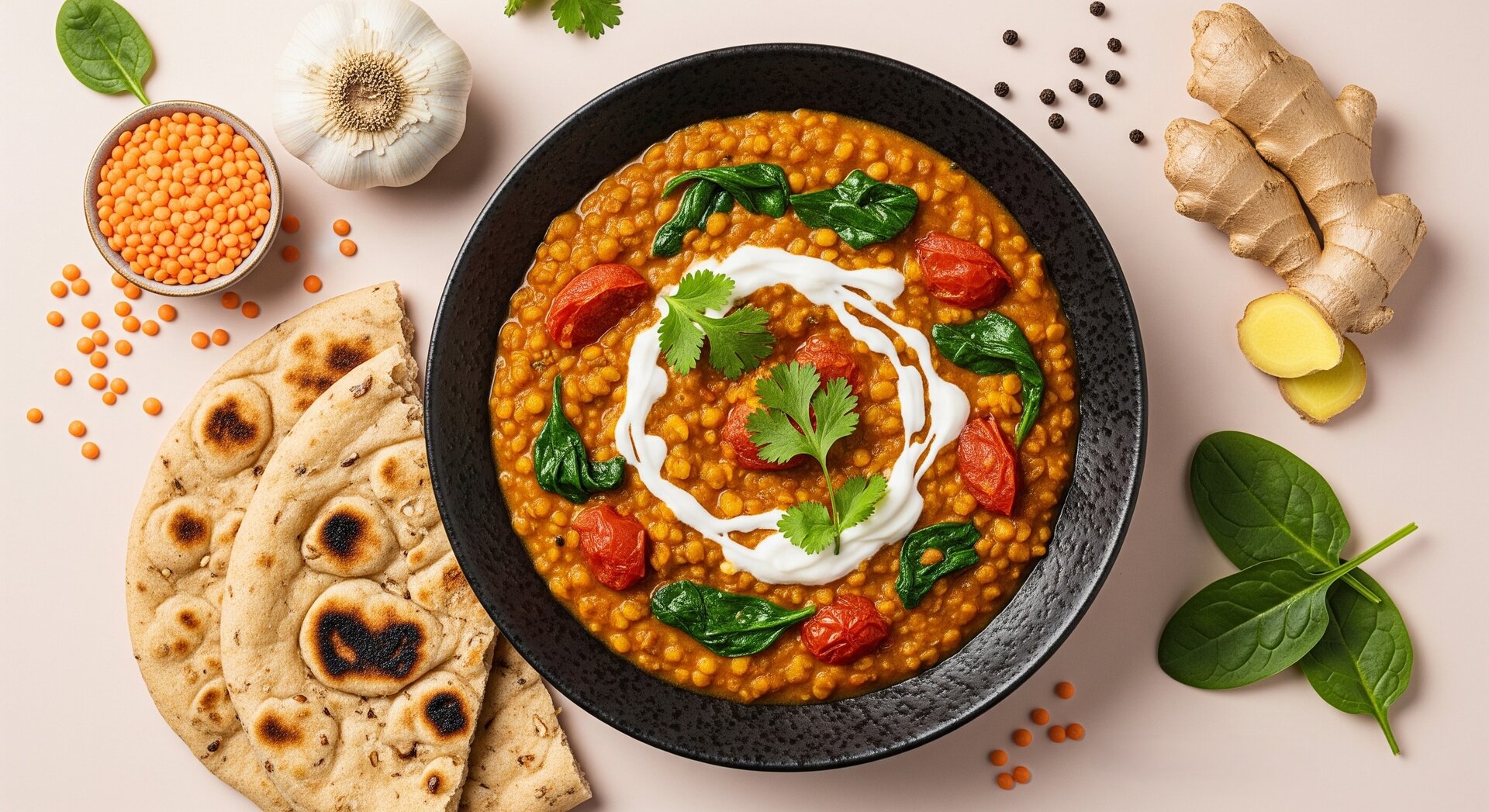 Indian Dhal with Spinach and Whole Grain Naan 35 min Creamy lentil soup with turmeric and fresh spinach 725 kcal 41g protein 2 synergies
  In the Kitchen
Storage
Location:Pantry
Shelf life:3-5 dagen bij kamertemperatuur, 3 maanden in vriezer
Freeze individually for portioning. Thaw at room temperature or warm in oven (180°C, 5 min).
Preparation
Halve and grill or toast the cut side for a crispy surface. Warm in oven at 180°C for 5 minutes.
Conversions
Substitutes
Smart preparation
1Briefly warm whole wheat rolls in the oven (180°C, 5 min).
Why?
Reheating makes the outside crispy again.
2Sprinkle water on the rolls before reheating.
Why?
The water creates steam that makes the crust crispy.
Caution / Warnings
Whole Wheat Buns is very safe, but there are scientific considerations:
Gluten Intolerance/Celiac Disease Severe
Whole wheat buns contain gluten from wheat
Advice:
Use gluten-free buns or lettuce wraps as alternative
Summary
Always choose whole wheat buns over white: 3x more fiber, 3x more iron and a 33% lower GI. Perfect for burgers and sandwiches. They contain ferulic acid (antioxidant) and magnesium for heart and blood pressure. Tip: warm them briefly in the oven for best flavor.