Mango
The King of Fruits
What is this ingredient?
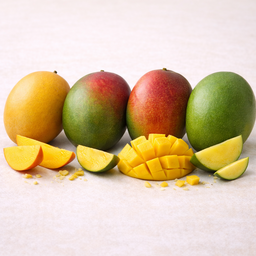
Mango has been cultivated for more than 4000 years and is known in India as the 'King of Fruits'. The fruit stands out for its orange flesh, which is linked to carotenoids such as beta-carotene. Mango is eaten worldwide as fresh fruit and in chutneys, smoothies, salads and desserts.
What makes mango interesting from a culinary and botanical perspective is mangiferin: a xanthone glycoside found mainly in the peel, seed and leaves of the mango tree and studied as part of mango's polyphenol profile. The fruit also contains vitamin C and folate, and ripe mango has a soft, juicy texture with a pronounced tropical aroma.
During ripening, natural enzymes convert part of the starch into sugars. That is why mango becomes sweeter and softer as it ripens. For the best flavor, choose a fruit that yields slightly to pressure and smells sweet near the stem. Eat the peel only when the mango is well washed and you tolerate the peel well, because some people react sensitively to compounds in the skin.
How does it taste?
Lusciously sweet and tropical with peach and citrus accents.
Pairs well with:
Pairs well with limechilicoconutcilantro and sticky rice.
Varieties
Alphonso
Indian premium variety, very sweet, aromatic, golden color
Kent
Large, sweet, low-fiber flesh, dark green skin with red blush
Tommy Atkins
Most exported variety, medium sweet, firmer and more fibrous
Keitt
Late season, tart-sweet, green skin often stays green when ripe
Did you know...?
- The mango is the national fruit of India, Pakistan, and the Philippines.
- Mangoes have been cultivated in India for over 5,000 years and hold an important place in art, cuisine and rituals.
- The paisley print is inspired by the shape of the mango and is called 'ambi' in India.
Nutritional Value & Energy
Per 100g
Mango provides energy thanks to natural nutrients .
Per 100g
Minerals
Vitamins
Omega-3 fatty acids
More nutrients
B-Vitamins
Trace Minerals
Low GI means blood sugar doesn't spike quickly.
Low GL means minimal impact on your blood sugar per serving.
What's in a serving?
1 serving
Mango naturally contains folate (43 mcg per 100 g).
Mango naturally contains vitamin C (36.4 mg per 100 g).
% of daily reference intake (DRI)
EU-approved nutrition claims
This ingredient contains nutrients for which EFSA-authorized health claims exist (at nutrient level, not ingredient-specific).
Approved health claims (EU)
Vitamin_c EU 432/2012
Vitamin C contributes to the normal function of the immune system
Contains 36.4mg/100g (threshold: ≥12mg/100g)
Vitamin_c EU 432/2012
Vitamin C contributes to the reduction of tiredness and fatigue
Contains 36.4mg/100g (threshold: ≥12mg/100g)
Vitamin_c EU 432/2012
Vitamin C contributes to normal collagen formation for the normal function of skin
Contains 36.4mg/100g (threshold: ≥12mg/100g)
Folate EU 432/2012
Folate contributes to normal blood formation
Contains 43mcg/100g (threshold: ≥30mcg/100g)
Folate EU 432/2012
Folate contributes to normal amino acid synthesis
Contains 43mcg/100g (threshold: ≥30mcg/100g)
Folate EU 432/2012
Folate contributes to normal homocysteine metabolism
Contains 43mcg/100g (threshold: ≥30mcg/100g)
Folate EU 432/2012
Folate contributes to normal psychological function
Contains 43mcg/100g (threshold: ≥30mcg/100g)
Folate EU 432/2012
Folate contributes to the normal function of the immune system
Contains 43mcg/100g (threshold: ≥30mcg/100g)
Folate EU 432/2012
Folate has a role in the process of cell division
Contains 43mcg/100g (threshold: ≥30mcg/100g)
Folate EU 432/2012
Folate contributes to maternal tissue growth during pregnancy
Contains 43mcg/100g (threshold: ≥30mcg/100g)
Vitamin_c EU 432/2012
Vitamin C contributes to normal collagen formation for the normal function of blood vessels
Contains 36.4mg/100g (threshold: ≥12mg/100g)
Vitamin_c EU 432/2012
Vitamin C contributes to normal collagen formation for the normal function of bones
Contains 36.4mg/100g (threshold: ≥12mg/100g)
Vitamin_c EU 432/2012
Vitamin C contributes to normal collagen formation for the normal function of cartilage
Contains 36.4mg/100g (threshold: ≥12mg/100g)
Vitamin_c EU 432/2012
Vitamin C contributes to normal collagen formation for the normal function of gums
Contains 36.4mg/100g (threshold: ≥12mg/100g)
Vitamin_c EU 432/2012
Vitamin C contributes to normal collagen formation for the normal function of teeth
Contains 36.4mg/100g (threshold: ≥12mg/100g)
Vitamin_c EU 432/2012
Vitamin C contributes to normal energy-yielding metabolism
Contains 36.4mg/100g (threshold: ≥12mg/100g)
Vitamin_c EU 432/2012
Vitamin C contributes to normal functioning of the nervous system
Contains 36.4mg/100g (threshold: ≥12mg/100g)
Vitamin_c EU 432/2012
Vitamin C contributes to normal psychological function
Contains 36.4mg/100g (threshold: ≥12mg/100g)
Vitamin_c EU 432/2012
Vitamin C contributes to the protection of cells from oxidative stress
Contains 36.4mg/100g (threshold: ≥12mg/100g)
Vitamin_c EU 432/2012
Vitamin C contributes to the regeneration of the reduced form of vitamin E
Contains 36.4mg/100g (threshold: ≥12mg/100g)
Vitamin_c EU 432/2012
Vitamin C increases iron absorption
Contains 36.4mg/100g (threshold: ≥12mg/100g)
Vitamin_c EU 432/2012
Vitamin C contributes to maintain the normal function of the immune system during and after intense physical exercise
Contains 36.4mg/100g (threshold: ≥12mg/100g)
What's being researched?
Mangiferin and polyphenol research
Mangiferin, a xanthone in mango, is being studied as part of the fruit’s polyphenol profile. In-vitro and animal studies provide insight into possible pathways, but human data on absorption and effect size remain limited.
Supported by: [4] Masibo M (2008) , [3] Lebaka VR (2021)
Ripening, enzymes and fiber
Amylase enzymes play a role in converting starch into sugars during mango ripening. Research on mango fiber and polyphenols mainly looks at nutritional properties and possible links with digestive comfort.
Supported by: [3] Lebaka VR (2021)
Good Combinations (Synergy)
Combine mango smartly to enhance the effect:
Mango 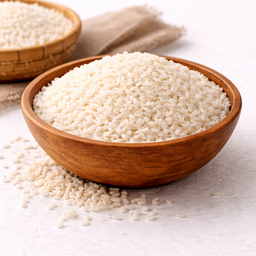 Sticky Rice
 Thai classic dessert with energy boost
Technical: Sticky rice provides slow carbohydrates, mango provides quick sugars plus beta-carotene. Cooked in coconut milk for fat absorption of vitamin A.
What does this mean for you? Khao niao mamuang (sticky rice with mango) is not only delicious but also nutritious - carbohydrates for energy, vitamin A for immunity.
Mango 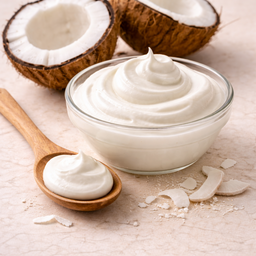 Coconut Cream
 Coconut fat increases beta-carotene absorption from mango
Technical: Mango is one of the richest sources of beta-carotene (provitamin A), which is fat-soluble. Coconut cream's high fat content (34%) effectively forms micelles that increase beta-carotene absorption up to 6x compared to fat-free consumption.
What does this mean for you? Mango with coconut cream in a smoothie or Thai dessert — the coconut fat ensures you get up to 6x more vitamin A from the mango.
Mango 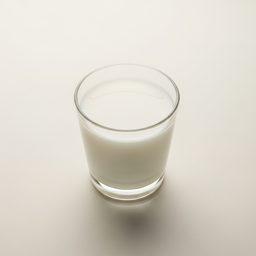 Coconut Milk
 Coconut fat increases beta-carotene absorption from mango
Technical: Mango is one of the richest sources of beta-carotene (provitamin A), which is fat-soluble. Coconut milk's MCTs (medium-chain triglycerides) are rapidly absorbed and form micelles that increase beta-carotene absorption up to 6x.
What does this mean for you? Mango with coconut milk (as in a smoothie or Thai dessert) is more than delicious — the coconut fat ensures you get up to 6x more vitamin A from the mango.
Mango 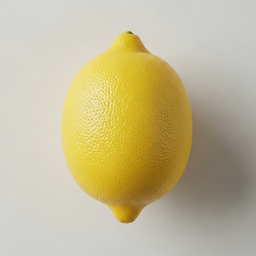 Lemon
Lemon Vitamin C protects beta-carotene from oxidation
Technical: Mango is rich in beta-carotene (640μg/100g) and other carotenoids that are sensitive to oxidation. Vitamin C from citrus fruits (lime: 29mg, lemon: 53mg per 100g) acts as an antioxidant and protects these carotenoids. Additionally, the acidic environment increases stability.
What does this mean for you? Sprinkle fresh mango with lime or lemon juice. This preserves not only the color but also the nutritional value. Perfect in smoothies, salsas or fruit salads.
Mango 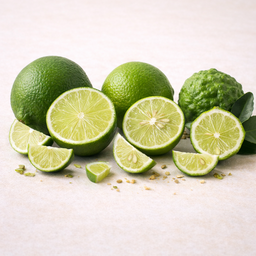 Lime
Lime Vitamin C protects beta-carotene from oxidation
Technical: Mango is rich in beta-carotene (640μg/100g) and other carotenoids that are sensitive to oxidation. Vitamin C from citrus fruits (lime: 29mg, lemon: 53mg per 100g) acts as an antioxidant and protects these carotenoids. Additionally, the acidic environment increases stability.
What does this mean for you? Sprinkle fresh mango with lime or lemon juice. This preserves not only the color but also the nutritional value. Perfect in smoothies, salsas or fruit salads.
Mango 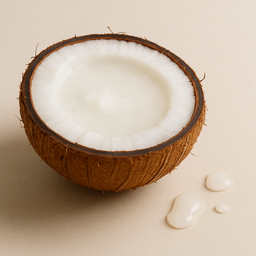 Coconut Oil
 Coconut fat improves beta-carotene absorption from mango by 3-6x
Fat-soluble carotenoids require fat for absorption (PMID: 15927929)
Technical: Mango contains 640ug beta-carotene per 100g plus other carotenoids — fat-soluble compounds. Coconut oil (MCT, 50% lauric acid) forms mixed micelles increasing intestinal absorption of carotenoids by 300-600%. Desiccated coconut provides the same fats in a fiber-rich matrix. Minimum 3-5g fat is needed for effective absorption.
What does this mean for you? Serve mango with desiccated coconut or a splash of coconut oil in a smoothie. The tropical combination is not just delicious but also functional: the coconut fat ensures you actually absorb the beta-carotene from the mango. Perfect in smoothie bowls, curries or as dessert.
Mango 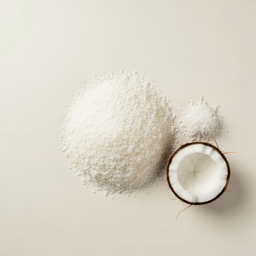 Desiccated Coconut
 Coconut fat improves beta-carotene absorption from mango by 3-6x
Fat-soluble carotenoids require fat for absorption (PMID: 15927929)
Technical: Mango contains 640ug beta-carotene per 100g plus other carotenoids — fat-soluble compounds. Coconut oil (MCT, 50% lauric acid) forms mixed micelles increasing intestinal absorption of carotenoids by 300-600%. Desiccated coconut provides the same fats in a fiber-rich matrix. Minimum 3-5g fat is needed for effective absorption.
What does this mean for you? Serve mango with desiccated coconut or a splash of coconut oil in a smoothie. The tropical combination is not just delicious but also functional: the coconut fat ensures you actually absorb the beta-carotene from the mango. Perfect in smoothie bowls, curries or as dessert.
Mango 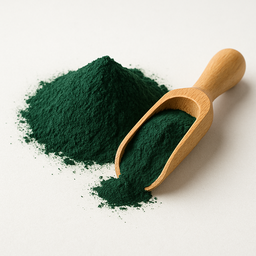 Spirulina
 Vitamin C from mango increases iron absorption + masks taste
Technical: Spirulina contains 28mg iron per 100g (158% RDI). Mango contains 36mg vitamin C per 100g that reduces Fe³⁺ to absorbable Fe²⁺, increasing iron absorption 3-6x. The sweet tropical flavor effectively masks spirulina's strong seaweed taste.
What does this mean for you? Blend spirulina with mango for a tropical smoothie that's both delicious and nutritious.
Recipes with Mango
Discover delicious recipes featuring mango:
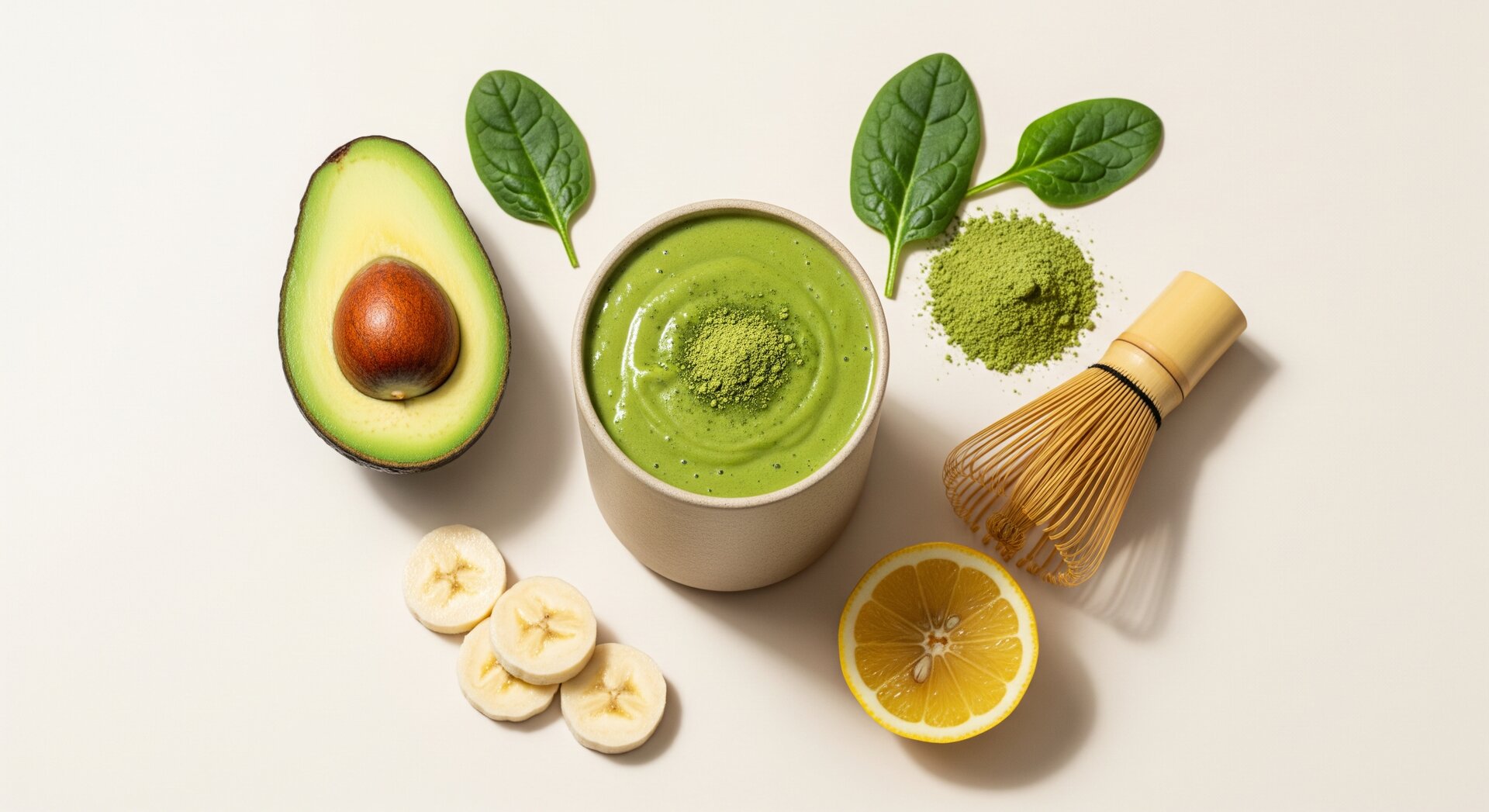 Avocado Matcha Smoothie 5 min Creamy green smoothie with matcha, avocado and spinach
  340 kcal
  6g protein 2 synergies
 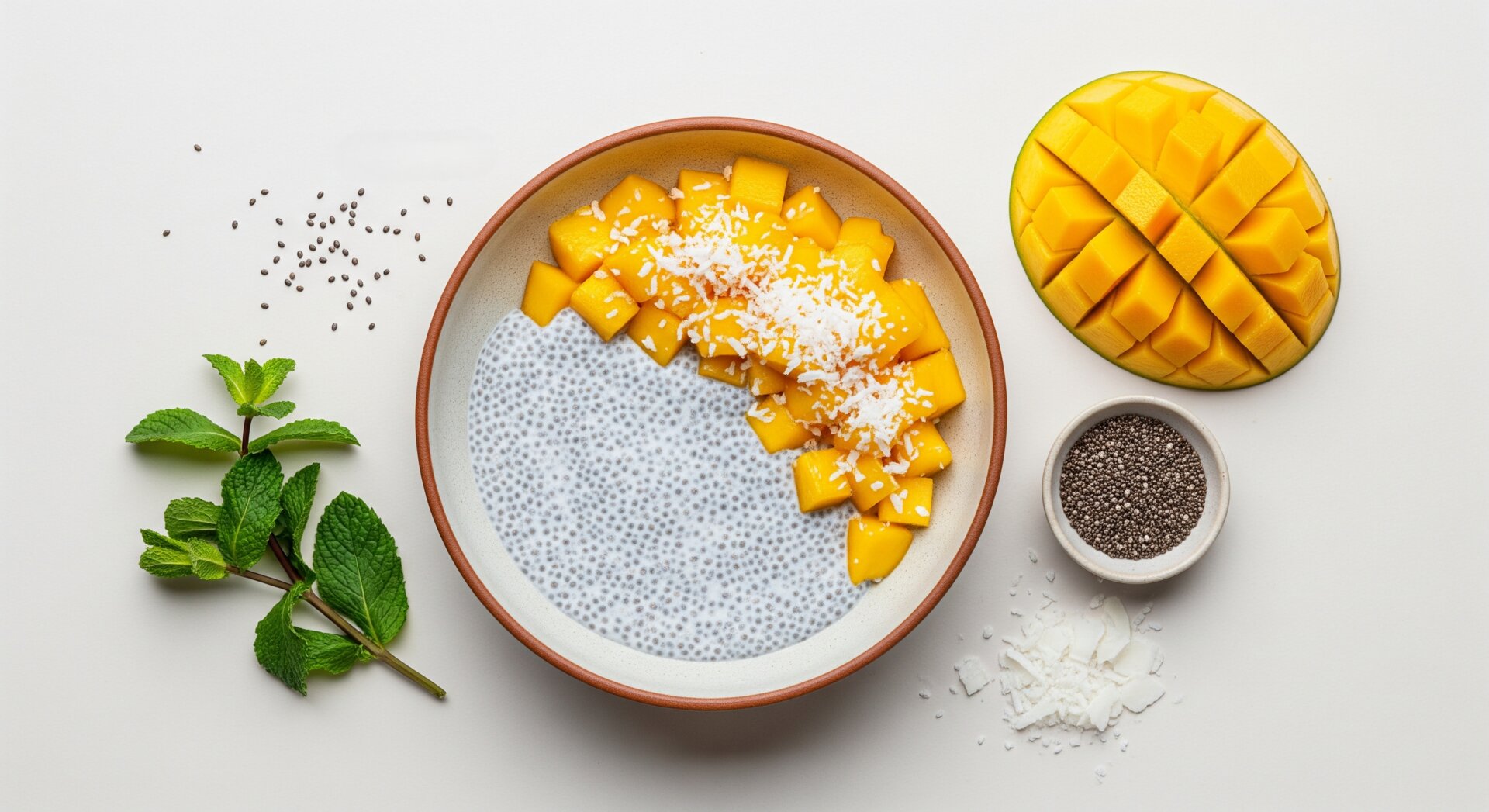 Chia Pudding Mango Coconut 250 min Tropical overnight pudding with fresh mango, coconut milk and mint leaves 320 kcal 5g protein 1 synergies
 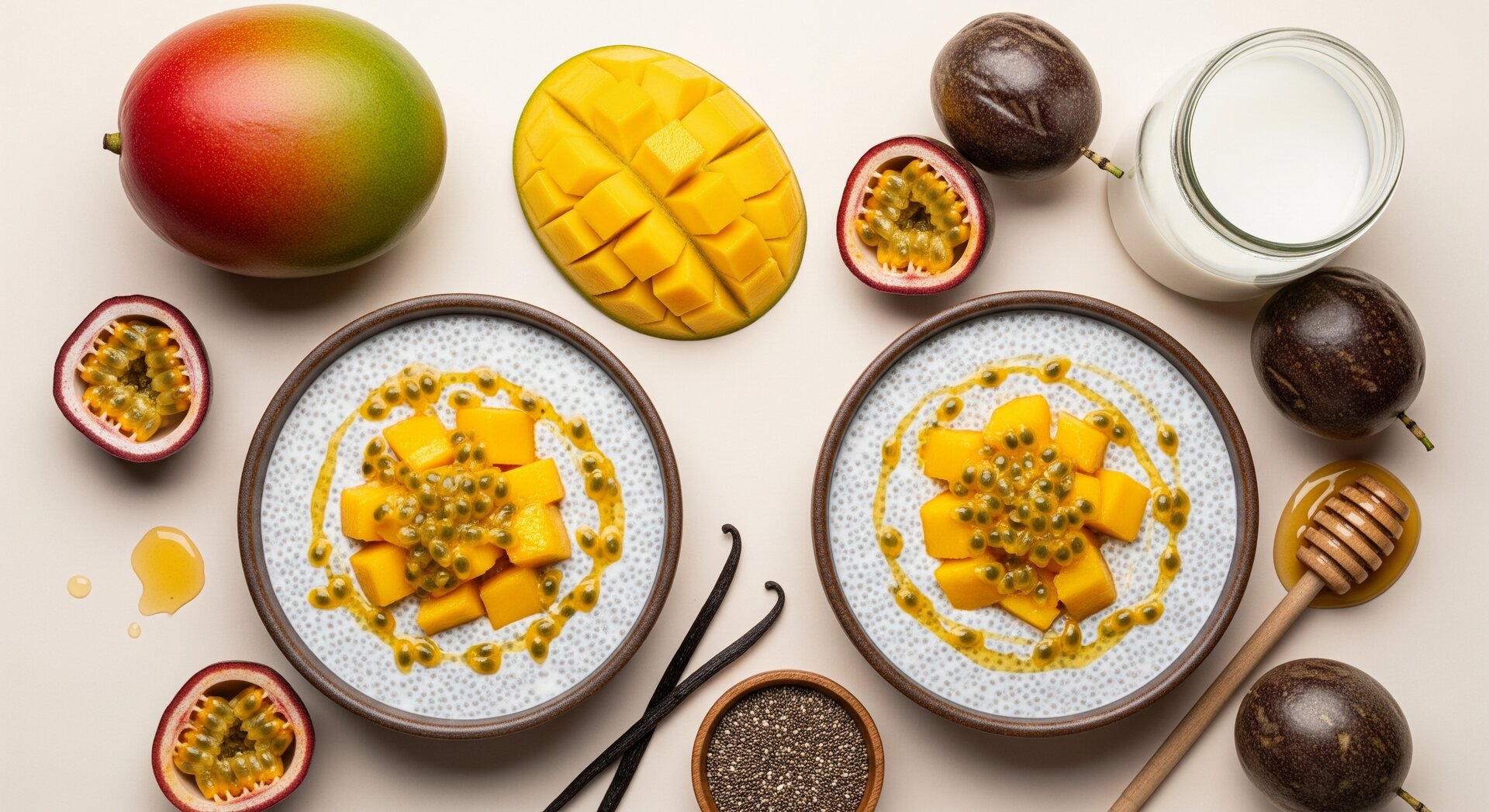 Chia Seed Pudding with Mango 10 min Tropical overnight pudding with passion fruit 380 kcal 8g protein 2 synergies
 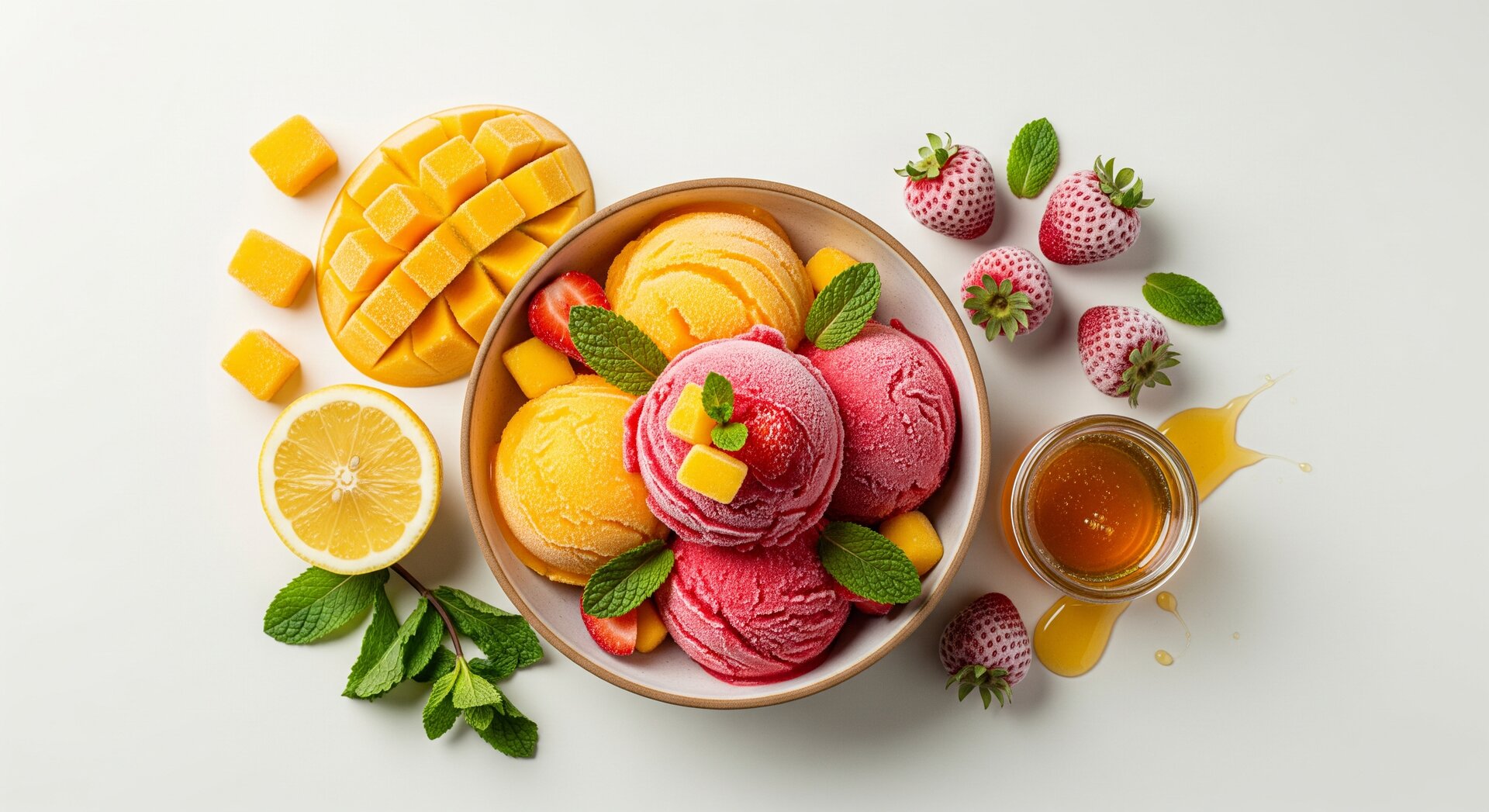 Fruit Sorbet Mango Strawberry 10 min Refreshing fruit sorbet with mango and strawberries 90 kcal 1g protein 1 synergies
 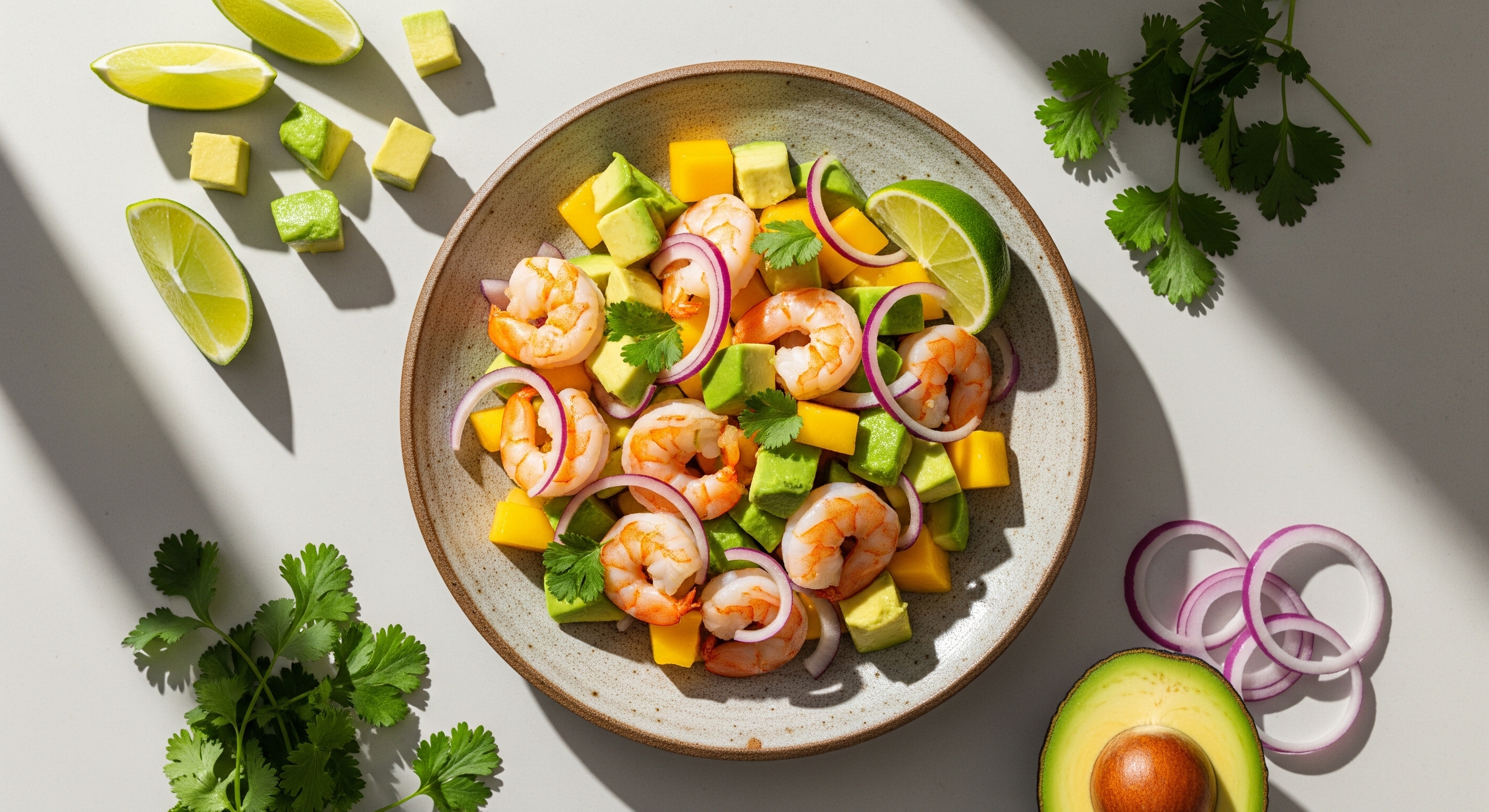 Shrimp Avocado Mango Salad with Lime 20 min Tropical salad with pan-fried shrimp, creamy avocado and sweet mango 520 kcal 28g protein 2 synergies
 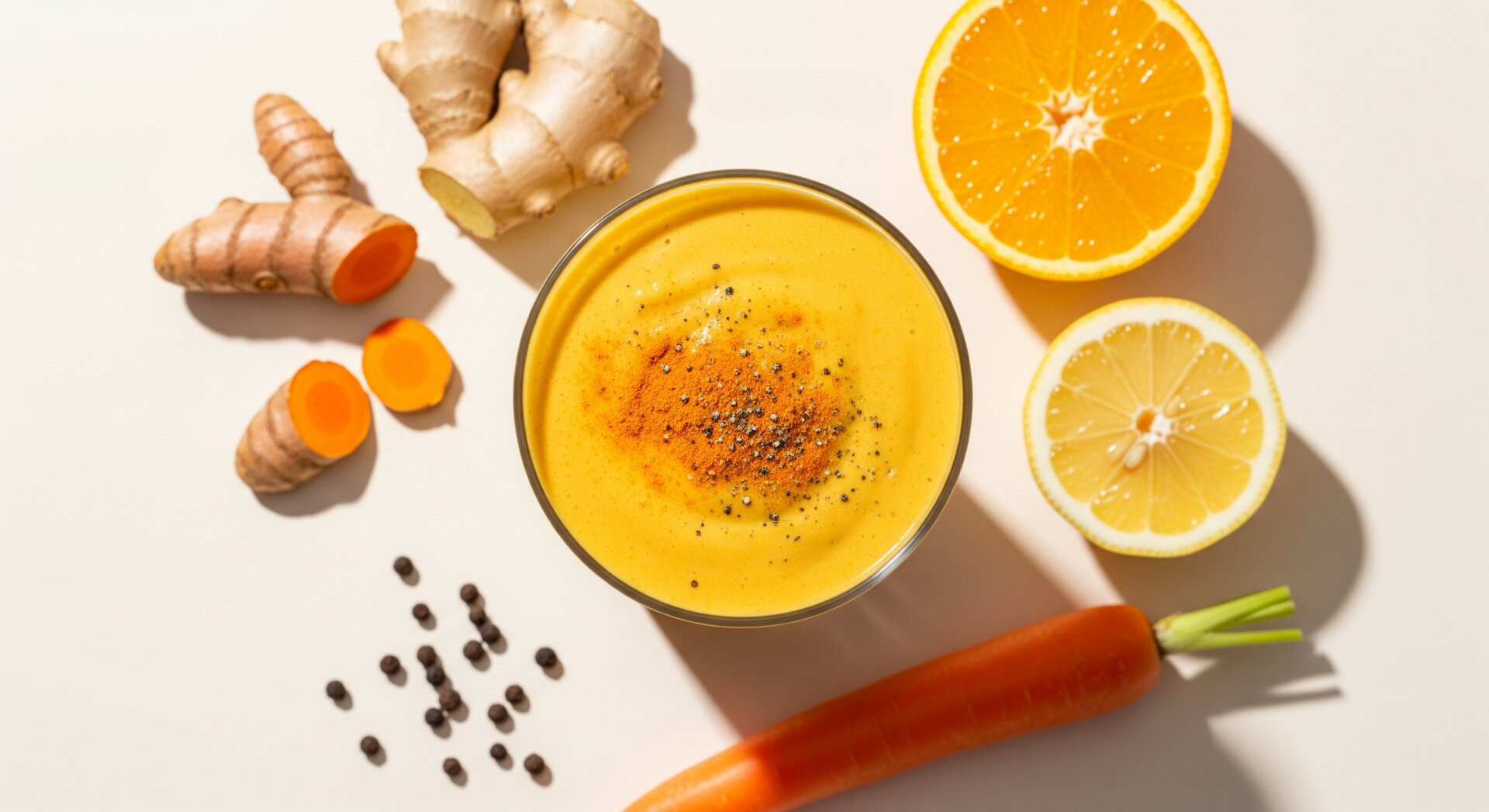 Golden Turmeric-Ginger Smoothie 5 min Bright orange smoothie with turmeric, ginger, carrot and mango 280 kcal 4g protein 3 synergies
  In the Kitchen
Storage
Location:Pantry
Shelf life:3-5 dagen (rijp, kamertemperatuur), 5-7 dagen (koelkast na rijping)
Let unripe mangoes ripen at room temperature. A ripe mango yields slightly to pressure and smells sweet near the stem. Store ripe mangoes in the refrigerator to keep them longer. Cut mango: seal airtight and keep in the refrigerator for up to 2 days. Mango cubes can be frozen for smoothies.
Preparation
Eat mango raw for its fresh tropical flavor. Cut vertically along the flat pit, score the flesh in a diamond pattern and turn the peel inside out. Combine mango with lime, chili, coconut or yogurt. The peel contains more mangiferin, but eat it only if the mango is well washed and you tolerate the peel well.
Conversions
Substitutes
Smart preparation
1Cut along both sides of the flat pit to get two cheeks.
2Score the flesh in a crosshatch pattern and invert the skin.
Why?
This gives you neat cubes without cutting directly from the skin.
3Use a glass to slide the flesh off the skin.
Caution / Warnings
Mango is very safe, but there are scientific considerations:
Mango allergy (urushiol) Moderate
Mango peel contains urushiol-like compounds that may trigger contact irritation around the mouth in sensitive people. Cross-reaction with cashew or other plants from the Anacardiaceae family is possible.
Advice:
Peel mango carefully and wash your hands after peeling. With known sensitivity, it is better to eat only the flesh or avoid mango.
Diabetes or blood sugar management Moderate
Mango contains natural sugars and has a medium glycemic index. Large portions may be less suitable when you strictly monitor carbohydrate intake.
Advice:
Choose a smaller portion, for example 80-100 g, and optionally combine with yogurt, nuts or a meal so the portion fits better into your daily plan.
Latex allergy (cross-reactivity) Mild
People with latex allergy may react more sensitively to mango because of similar protein structures.
Advice:
Test carefully with a small amount and watch for symptoms such as itching, swelling or irritation.
Traditional use
Ayurveda
Ayurvedic king of fruits
In Ayurveda, mango has been described for centuries as the 'king of fruits'. Ripe mango is valued culinarily for its sweet flavor, soft texture and place in festive dishes.
Southeast Asian
Southeast Asian ceremonial fruit
In Hinduism and Buddhism, the mango tree has symbolic meaning. In South and Southeast Asia, ripe and unripe mangoes have been used for centuries in chutneys, pickles, drinks and desserts.
Summary
Mango is a tropical fruit with a rich sweet flavor, vitamin C, folate and carotenoids. Mangiferin is found mainly in the peel, seed and leaves of the mango tree and is often discussed in research as part of the polyphenol profile. Mango works well in smoothies, fruit salads, salsas and desserts. With diabetes or carbohydrate monitoring, watch portion size. The peel can irritate sensitive people, so wash your hands after peeling.