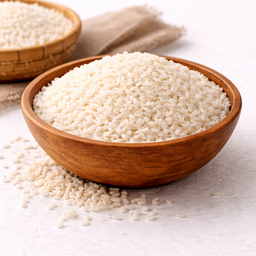
Sticky Rice
the traditional Asian rice
What is this ingredient?
Sticky rice (Oryza sativa var. glutinosa) is a unique rice variety that becomes sticky after cooking. Despite the name 'glutinous,' sticky rice contains NO gluten — the term refers to the glue-like texture.
## Starch Chemistry
The secret lies in nearly 100% amylopectin and virtually no amylose. Bao & Bergman (2004) explained that amylopectin forms branched chains creating a sticky network.
## Glycemic Response
Sticky rice has a very high GI (87-98). Brand-Miller et al. (2003) showed this leads to rapid blood sugar rise.
## Traditional Preparation
Authentic preparation requires soaking (4+ hours) and steaming — not boiling. Steaming in bamboo basket gives the best result.
How does it taste?
Gently sweet and neutral with a sticky, chewy texture.
Pairs well with:
Pairs well with mangococonutsesamesoy sauce and pandan leaf.
Did you know...?
- Sticky rice contains almost exclusively amylopectin starch, which makes it so sticky.
- In Laos, sticky rice is the staple food with people eating about 170 kg per person per year.
Nutritional Value & Energy
Per 100g
Sticky Rice provides energy thanks to natural nutrients .
Per 100g
Minerals
Vitamins
More nutrients
B-Vitamins
Trace Minerals
What's in a serving?
1 serving (dry)
% of daily reference intake (DRI)
EU-approved nutrition claims
There are currently no EFSA-authorized health claims specific for Sticky Rice.
What's being researched?
Sticky rice and starch digestibility
The high amylopectin content of sticky rice and its rapid digestion are studied in relation to glycemic response. Studies show a higher glycemic index compared to non-sticky rice varieties.
Supported by: [2] Ludwig DS (2002)
Good Combinations (Synergy)
Combine sticky rice smartly to enhance the effect:
Sticky Rice 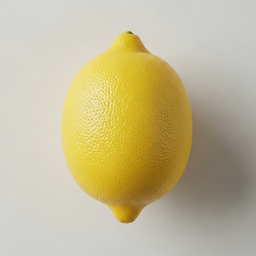 Lemon
Lemon Citrus improves mineral absorption from sticky rice
Technical: Sticky rice contains magnesium and iron but also phytates. Citric acid chelates minerals and overcomes phytate inhibition.
What does this mean for you? Sprinkle sticky rice with lime (as in Thai dishes) or serve with citrus salad.
Sticky Rice 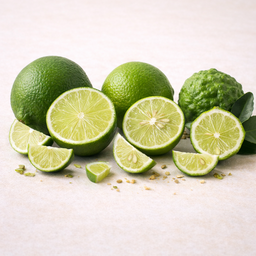 Lime
Lime Citrus improves mineral absorption from sticky rice
Technical: Sticky rice contains magnesium and iron but also phytates. Citric acid chelates minerals and overcomes phytate inhibition.
What does this mean for you? Sprinkle sticky rice with lime (as in Thai dishes) or serve with citrus salad.
Sticky Rice 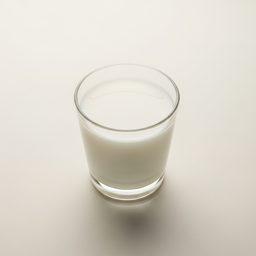 Coconut Milk
 MCTs lower glycemic impact of sticky rice
Technical: Sticky rice has a high GI (86-90). Coconut milk's MCTs and fiber significantly slow carbohydrate absorption.
What does this mean for you? Cook sticky rice in coconut milk (traditional Thai method) for lower blood sugar spike.
Sticky Rice 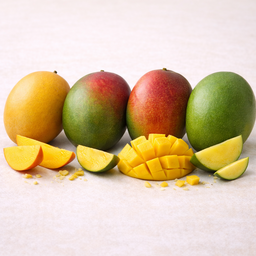 Mango
Mango Thai classic dessert with energy boost
Technical: Sticky rice provides slow carbohydrates, mango provides quick sugars plus beta-carotene. Cooked in coconut milk for fat absorption of vitamin A.
What does this mean for you? Khao niao mamuang (sticky rice with mango) is not only delicious but also nutritious - carbohydrates for energy, vitamin A for immunity.
Recipes with Sticky Rice
Discover delicious recipes featuring sticky rice:
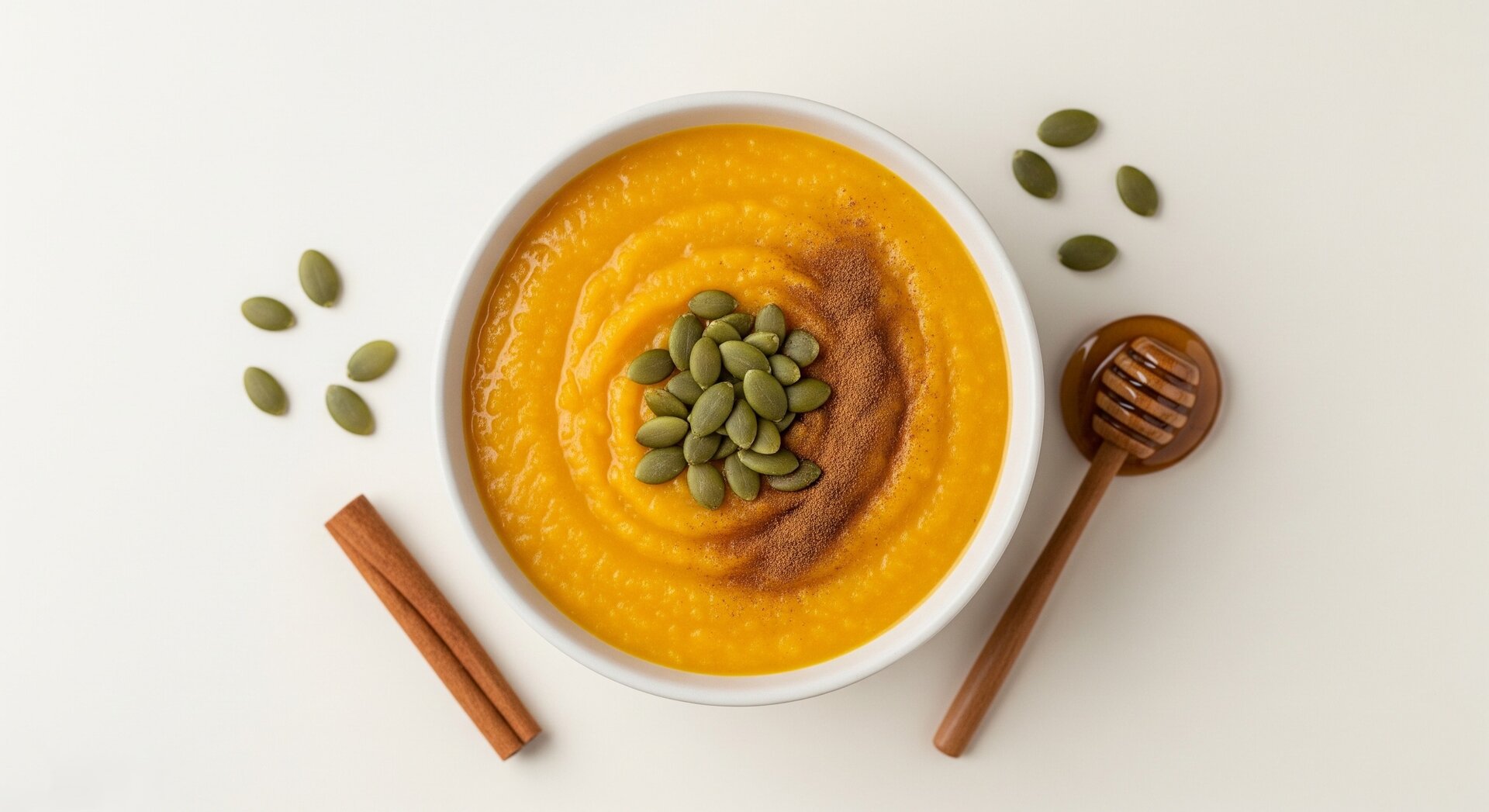 Korean Hobak Juk (Pumpkin Congee) 50 min Soft Korean pumpkin porridge with cinnamon and honey
  157 kcal
  5g protein 1 synergies
 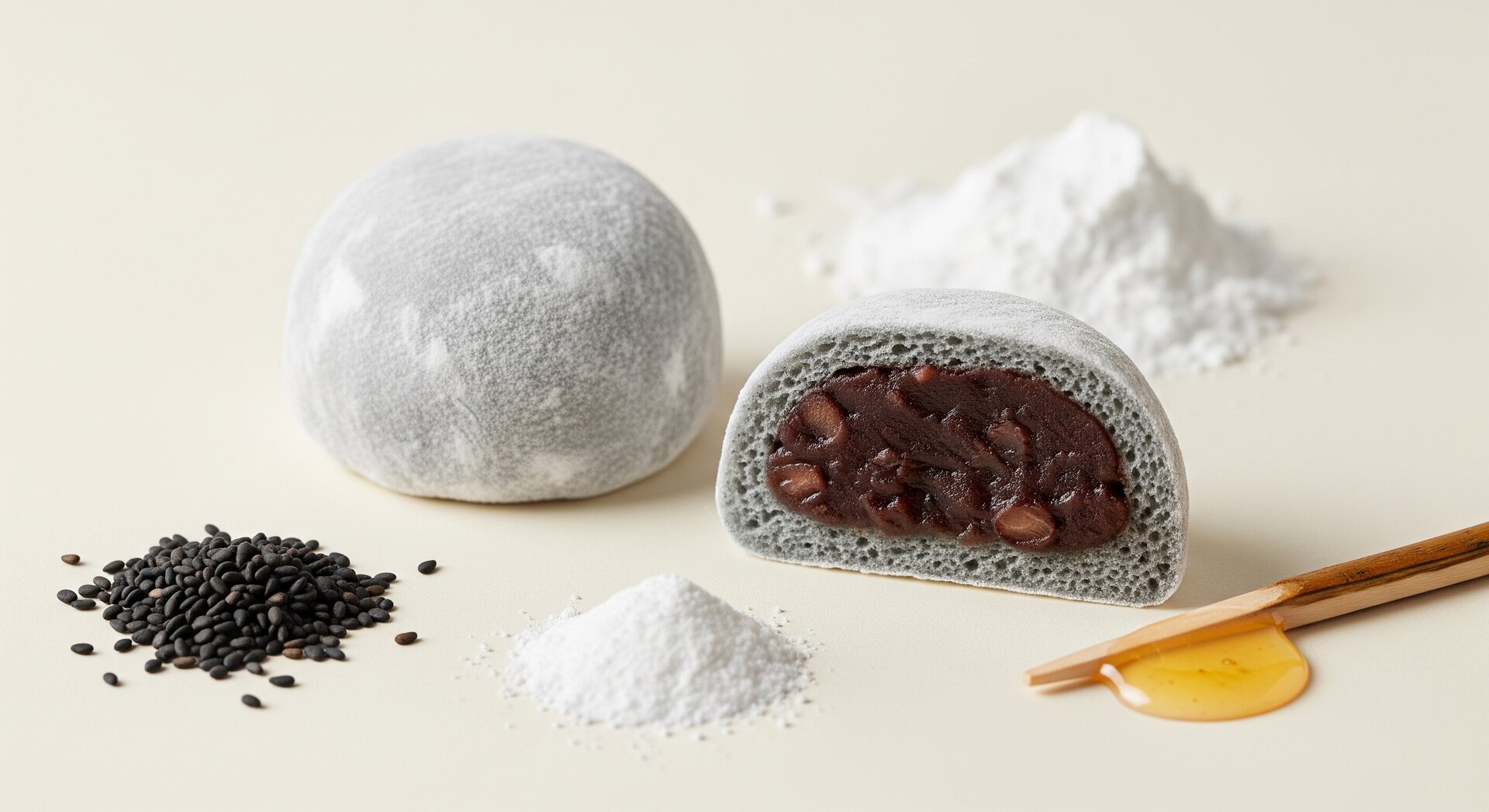 Black Sesame Mochi with Red Bean Paste 31 min Soft Japanese mochi with sesame and sweet anko filling 253 kcal 5g protein 2 synergies
  In the Kitchen
Storage
Location:Pantry
Shelf life:1-2 jaar droog
Preparation
Soak 4+ hours, then steam. Don't boil.
Conversions
Substitutes
Smart preparation
1Soak sticky rice for at least 4 hours, preferably overnight in cold water.
Why?
Without soaking, sticky rice will not cook properly and stays hard.
2Steam sticky rice in a bamboo steamer, do not boil it.
Why?
Boiling makes sticky rice too gluey and mushy.
3Spread steamed sticky rice on a tray to cool down.
Caution / Warnings
Sticky Rice is very safe, but there are scientific considerations:
Diabetes Severe
Very high GI (87-98) causes rapid blood sugar spike
Traditional use
Southeast Asian
Laotian and Thai staple food
Sticky rice has been the staple food of Laos and Northern Thailand for over 4000 years. It is eaten by hand and plays a central role in religious ceremonies and festivals.
Summary
Sticky rice contains nearly 100% amylopectin. Very high GI makes it ideal for quick energy but unsuitable for diabetics.