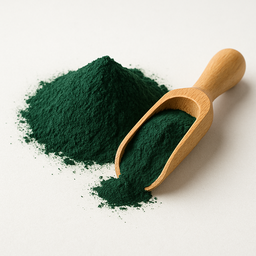
Spirulina
Protein-rich blue-green algae
What is this ingredient?
Spirulina is dried biomass from Arthrospira algae and typically contains 60–70% protein. This makes it a concentrated ingredient, especially in small portions as a powder in smoothies, yogurt or juice.
Its distinctive blue-green color comes from phycocyanin and chlorophyll. Phycocyanin is a blue pigment studied in nutrition and cell research for its antioxidative properties; this makes spirulina interesting for its composition, not as a replacement for medical treatment.
Per 100 g, spirulina contains a lot of protein, iron, magnesium, potassium, folate and several micronutrients. In practice, you usually use 1–3 g at a time, so the actual contribution per portion is smaller than the per-100 g values suggest. The B12-like compounds in spirulina are mostly pseudo-B12 and are therefore not a reliable B12 source for humans.
How does it taste?
Strongly grassy and seaweed-like with a mineral, slightly briny undertone.
Pairs well with:
Pairs well with bananapineapplecoconut waterlime and mango.
Did you know...?
- The Aztecs harvested spirulina from Lake Texcoco and called it ‘tecuitlatl’.
- NASA has studied spirulina as a potential food for astronauts on long missions.
Nutritional Value & Energy
Per 100g
Spirulina provides energy thanks to natural nutrients , buffered by fiber.
Per 100g
Minerals
Vitamins
Omega-3 fatty acids
More nutrients
Trace Minerals
What's in a serving?
1 serving
Spirulina naturally contains iron (28.5 mg per 100 g).
Spirulina naturally contains calcium (120 mg per 100 g).
Spirulina naturally contains zinc (2 mg per 100 g).
Spirulina naturally contains magnesium (195 mg per 100 g).
Spirulina naturally contains potassium (1363 mg per 100 g).
Spirulina naturally contains vitamin E (5 mg per 100 g).
Spirulina naturally contains vitamin K (25.5 mcg per 100 g).
Spirulina naturally contains folate (94 mcg per 100 g).
% of daily reference intake (DRI)
EU-approved nutrition claims
This ingredient contains nutrients for which EFSA-authorized health claims exist (at nutrient level, not ingredient-specific).
Approved health claims (EU)
Magnesium EU 432/2012
Magnesium contributes to normal muscle function
Contains 195mg/100g (threshold: ≥56.25mg/100g)
Magnesium EU 432/2012
Magnesium contributes to the reduction of tiredness and fatigue
Contains 195mg/100g (threshold: ≥56.25mg/100g)
Magnesium EU 432/2012
Magnesium contributes to normal functioning of the nervous system
Contains 195mg/100g (threshold: ≥56.25mg/100g)
Zinc EU 432/2012
Zinc contributes to the normal function of the immune system
Contains 2mg/100g (threshold: ≥1.5mg/100g)
Zinc EU 432/2012
Zinc contributes to the maintenance of normal skin
Contains 2mg/100g (threshold: ≥1.5mg/100g)
Iron EU 432/2012
Iron contributes to normal energy-yielding metabolism
Contains 28.5mg/100g (threshold: ≥2.1mg/100g)
Iron EU 432/2012
Iron contributes to the reduction of tiredness and fatigue
Contains 28.5mg/100g (threshold: ≥2.1mg/100g)
Calcium EU 432/2012
Calcium is needed for the maintenance of normal bones
Contains 120mg/100g (threshold: ≥120mg/100g)
Potassium EU 432/2012
Potassium contributes to the maintenance of normal blood pressure
Contains 1363mg/100g (threshold: ≥300mg/100g)
Folate EU 432/2012
Folate contributes to normal blood formation
Contains 94mcg/100g (threshold: ≥30mcg/100g)
Folate EU 432/2012
Folate contributes to normal amino acid synthesis
Contains 94mcg/100g (threshold: ≥30mcg/100g)
Folate EU 432/2012
Folate contributes to normal homocysteine metabolism
Contains 94mcg/100g (threshold: ≥30mcg/100g)
Folate EU 432/2012
Folate contributes to normal psychological function
Contains 94mcg/100g (threshold: ≥30mcg/100g)
Folate EU 432/2012
Folate contributes to the normal function of the immune system
Contains 94mcg/100g (threshold: ≥30mcg/100g)
Folate EU 432/2012
Folate has a role in the process of cell division
Contains 94mcg/100g (threshold: ≥30mcg/100g)
Folate EU 432/2012
Folate contributes to maternal tissue growth during pregnancy
Contains 94mcg/100g (threshold: ≥30mcg/100g)
Vitamin_e EU 432/2012
Vitamin E contributes to the protection of cells from oxidative stress
Contains 5mg/100g (threshold: ≥1.8mg/100g)
Vitamin_k EU 432/2012
Vitamin K contributes to normal blood clotting
Contains 25.5mcg/100g (threshold: ≥11.25mcg/100g)
Vitamin_k EU 432/2012
Vitamin K contributes to the maintenance of normal bones
Contains 25.5mcg/100g (threshold: ≥11.25mcg/100g)
Calcium EU 432/2012
Calcium is needed for the maintenance of normal teeth
Contains 120mg/100g (threshold: ≥120mg/100g)
Calcium EU 432/2012
Calcium contributes to normal blood clotting
Contains 120mg/100g (threshold: ≥120mg/100g)
Calcium EU 432/2012
Calcium contributes to normal energy-yielding metabolism
Contains 120mg/100g (threshold: ≥120mg/100g)
Calcium EU 432/2012
Calcium contributes to normal muscle function
Contains 120mg/100g (threshold: ≥120mg/100g)
Calcium EU 432/2012
Calcium contributes to normal neurotransmission
Contains 120mg/100g (threshold: ≥120mg/100g)
Calcium EU 432/2012
Calcium contributes to the normal function of digestive enzymes
Contains 120mg/100g (threshold: ≥120mg/100g)
Calcium EU 432/2012
Calcium has a role in the process of cell division and specialisation
Contains 120mg/100g (threshold: ≥120mg/100g)
Magnesium EU 432/2012
Magnesium contributes to normal energy-yielding metabolism
Contains 195mg/100g (threshold: ≥56.25mg/100g)
Magnesium EU 432/2012
Magnesium contributes to electrolyte balance
Contains 195mg/100g (threshold: ≥56.25mg/100g)
Magnesium EU 432/2012
Magnesium contributes to normal protein synthesis
Contains 195mg/100g (threshold: ≥56.25mg/100g)
Magnesium EU 432/2012
Magnesium contributes to normal psychological function
Contains 195mg/100g (threshold: ≥56.25mg/100g)
Magnesium EU 432/2012
Magnesium contributes to the maintenance of normal bones
Contains 195mg/100g (threshold: ≥56.25mg/100g)
Magnesium EU 432/2012
Magnesium contributes to the maintenance of normal teeth
Contains 195mg/100g (threshold: ≥56.25mg/100g)
Magnesium EU 432/2012
Magnesium has a role in the process of cell division
Contains 195mg/100g (threshold: ≥56.25mg/100g)
Iron EU 432/2012
Iron contributes to normal cognitive function
Contains 28.5mg/100g (threshold: ≥2.1mg/100g)
Iron EU 432/2012
Iron contributes to normal formation of red blood cells and haemoglobin
Contains 28.5mg/100g (threshold: ≥2.1mg/100g)
Iron EU 432/2012
Iron contributes to normal oxygen transport in the body
Contains 28.5mg/100g (threshold: ≥2.1mg/100g)
Iron EU 432/2012
Iron contributes to the normal function of the immune system
Contains 28.5mg/100g (threshold: ≥2.1mg/100g)
Iron EU 432/2012
Iron has a role in the process of cell division
Contains 28.5mg/100g (threshold: ≥2.1mg/100g)
Zinc EU 432/2012
Zinc contributes to normal acid-base metabolism
Contains 2mg/100g (threshold: ≥1.5mg/100g)
Zinc EU 432/2012
Zinc contributes to normal carbohydrate metabolism
Contains 2mg/100g (threshold: ≥1.5mg/100g)
Zinc EU 432/2012
Zinc contributes to normal cognitive function
Contains 2mg/100g (threshold: ≥1.5mg/100g)
Zinc EU 432/2012
Zinc contributes to normal DNA synthesis
Contains 2mg/100g (threshold: ≥1.5mg/100g)
Zinc EU 432/2012
Zinc contributes to normal fertility and reproduction
Contains 2mg/100g (threshold: ≥1.5mg/100g)
Zinc EU 432/2012
Zinc contributes to normal macronutrient metabolism
Contains 2mg/100g (threshold: ≥1.5mg/100g)
Zinc EU 432/2012
Zinc contributes to normal metabolism of fatty acids
Contains 2mg/100g (threshold: ≥1.5mg/100g)
Zinc EU 432/2012
Zinc contributes to normal metabolism of vitamin A
Contains 2mg/100g (threshold: ≥1.5mg/100g)
Zinc EU 432/2012
Zinc contributes to normal protein synthesis
Contains 2mg/100g (threshold: ≥1.5mg/100g)
Zinc EU 432/2012
Zinc contributes to the maintenance of normal bones
Contains 2mg/100g (threshold: ≥1.5mg/100g)
Zinc EU 432/2012
Zinc contributes to the maintenance of normal hair
Contains 2mg/100g (threshold: ≥1.5mg/100g)
Zinc EU 432/2012
Zinc contributes to the maintenance of normal nails
Contains 2mg/100g (threshold: ≥1.5mg/100g)
Zinc EU 432/2012
Zinc contributes to the maintenance of normal testosterone levels in the blood
Contains 2mg/100g (threshold: ≥1.5mg/100g)
Zinc EU 432/2012
Zinc contributes to the maintenance of normal vision
Contains 2mg/100g (threshold: ≥1.5mg/100g)
Zinc EU 432/2012
Zinc contributes to the protection of cells from oxidative stress
Contains 2mg/100g (threshold: ≥1.5mg/100g)
Zinc EU 432/2012
Zinc has a role in the process of cell division
Contains 2mg/100g (threshold: ≥1.5mg/100g)
Potassium EU 432/2012
Potassium contributes to normal functioning of the nervous system
Contains 1363mg/100g (threshold: ≥300mg/100g)
Potassium EU 432/2012
Potassium contributes to normal muscle function
Contains 1363mg/100g (threshold: ≥300mg/100g)
Comparison
vsspinazie
Spirulina contains about 11× more iron per 100 g than spinach.
vsbanaan
Spirulina contains about 4× more potassium per 100 g than banana.
What's being researched?
Phycocyanin in spirulina
Phycocyanin, the blue pigment in spirulina, is studied in nutrition and cell research for its antioxidative properties and possible role in immune markers. Clinical evidence varies by dose, product quality and target group.
Supported by: [1] AlFadhly NKZ (2022) , [3] Selmi (2011)
Spirulina and lipid profile
Spirulina is studied in research on cholesterol, triglycerides and other lipid profile markers. The findings are interesting, but depend on study duration, dose and baseline diet.
Supported by: [1] AlFadhly NKZ (2022)
Good Combinations (Synergy)
Combine spirulina smartly to enhance the effect:
Spirulina 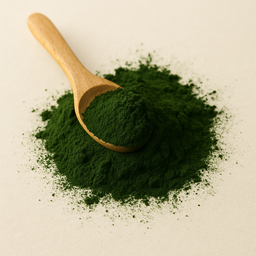 Chlorella
 Complementary algae: chelation + protein and B12
Technical: Chlorella contains sporopollenin in its cell wall binding heavy metals (Pb, Hg, Cd). Spirulina provides 57g protein per 100g, C-phycocyanin (a blue pigment studied in research) and pseudo-B12. Together they offer complementary benefits: chlorella's cell wall binds metals, spirulina nourishes. Chlorella's broken cell wall technology makes both algae more digestible.
What does this mean for you? Chlorella + spirulina together (popular as 'green blend') gives you the best of both algae. Chlorella brings the fibre-rich cell wall, spirulina the protein and pigments. Together in a smoothie with fruit.
Spirulina  Banana
 Perfect smoothie base: complete proteins + quick energy
Technical: Spirulina contains 57g complete protein per 100g (all 9 essential amino acids) plus B12 and iron. Banana provides quick carbohydrates (22g per 100g) and potassium (358mg). The carbohydrates improve amino acid uptake via insulin response.
What does this mean for you? Blend 1 teaspoon spirulina with a banana for a powerful pre- or post-workout smoothie. The banana also masks spirulina's strong taste.
Spirulina 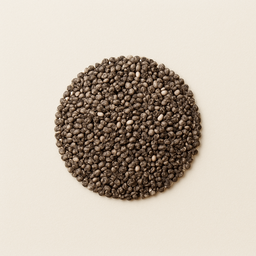 Chia Seeds
 Nutrient-dense combination: complete protein + omega-3
Technical: Spirulina provides 57g complete protein per 100g with all 9 essential amino acids. Chia seeds add 18g ALA omega-3 per 100g plus 34g fiber. The combination offers omega-3 fatty acids AND muscle-building protein in one.
What does this mean for you? Add 1 teaspoon spirulina + 1 tablespoon chia seeds to your smoothie or overnight oats. This is one of the most nutrient-dense combinations you can make.
Spirulina 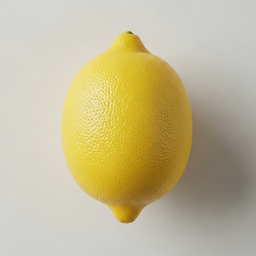 Lemon
Lemon Vitamin C increases iron absorption from spirulina up to 6x
Vitamin C significantly increases non-heme iron absorption (PMID: 2507689)
Technical: Spirulina is one of the richest plant-based iron sources (28mg per 100g, 158% RDI). This is non-heme iron with low bioavailability (5-12%). Vitamin C from citrus reduces Fe³⁺ to Fe²⁺ and prevents phytate binding, increasing absorption by 3-6x.
What does this mean for you? Always add lemon juice to your spirulina smoothie or mix spirulina in a citrus-based dressing. This makes the difference between 'taking spirulina' and 'actually utilizing spirulina'.
Spirulina 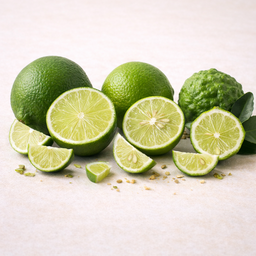 Lime
Lime Vitamin C increases iron absorption from spirulina up to 6x
Vitamin C significantly increases non-heme iron absorption (PMID: 2507689)
Technical: Spirulina is one of the richest plant-based iron sources (28mg per 100g, 158% RDI). This is non-heme iron with low bioavailability (5-12%). Vitamin C from citrus reduces Fe³⁺ to Fe²⁺ and prevents phytate binding, increasing absorption by 3-6x.
What does this mean for you? Always add lemon juice to your spirulina smoothie or mix spirulina in a citrus-based dressing. This makes the difference between 'taking spirulina' and 'actually utilizing spirulina'.
Spirulina  Mango
Mango Vitamin C from mango increases iron absorption + masks taste
Technical: Spirulina contains 28mg iron per 100g (158% RDI). Mango contains 36mg vitamin C per 100g that reduces Fe³⁺ to absorbable Fe²⁺, increasing iron absorption 3-6x. The sweet tropical flavor effectively masks spirulina's strong seaweed taste.
What does this mean for you? Blend spirulina with mango for a tropical smoothie that's both delicious and nutritious.
Recipes with Spirulina
Discover delicious recipes featuring spirulina:
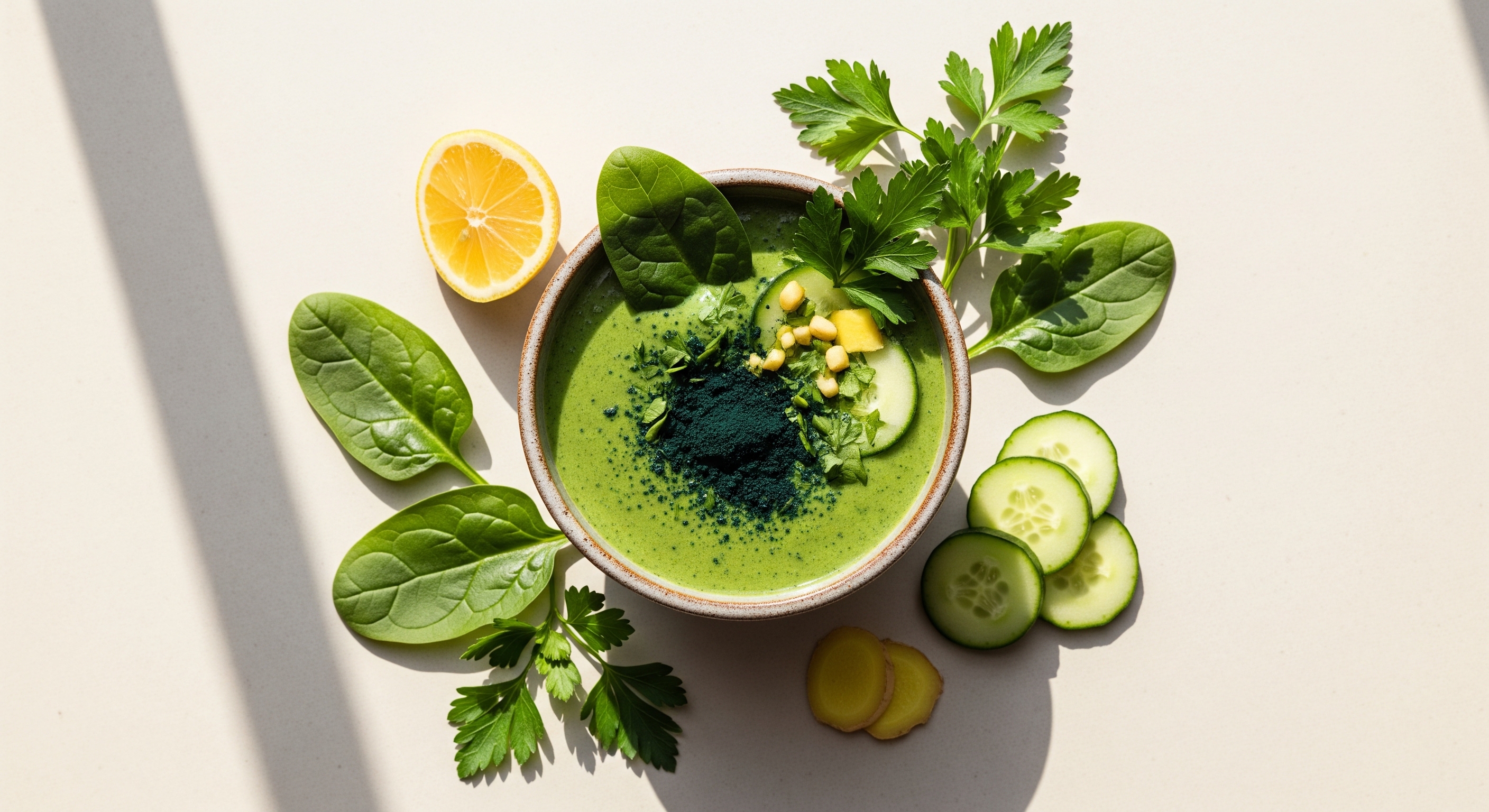 Fresh Green Smoothie with Apple, Parsley and Spirulina 5 min Fresh, herbaceous and citrus-bright
  97 kcal
  4g protein 2 synergies
 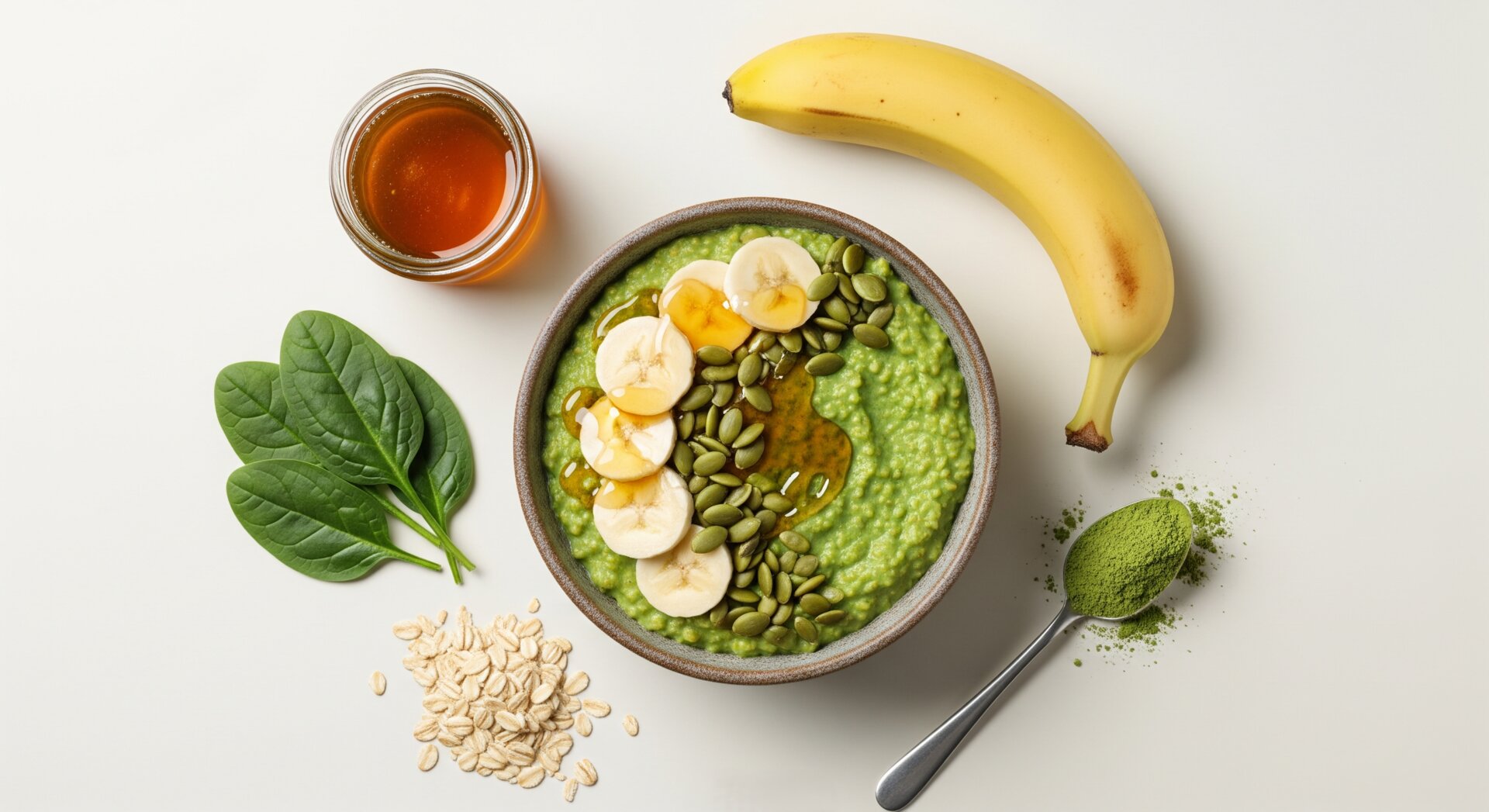 Green Oatmeal with Matcha and Spirulina 13 min Warm oatmeal porridge with spinach, matcha and a touch of honey 320 kcal 10g protein 1 synergies
 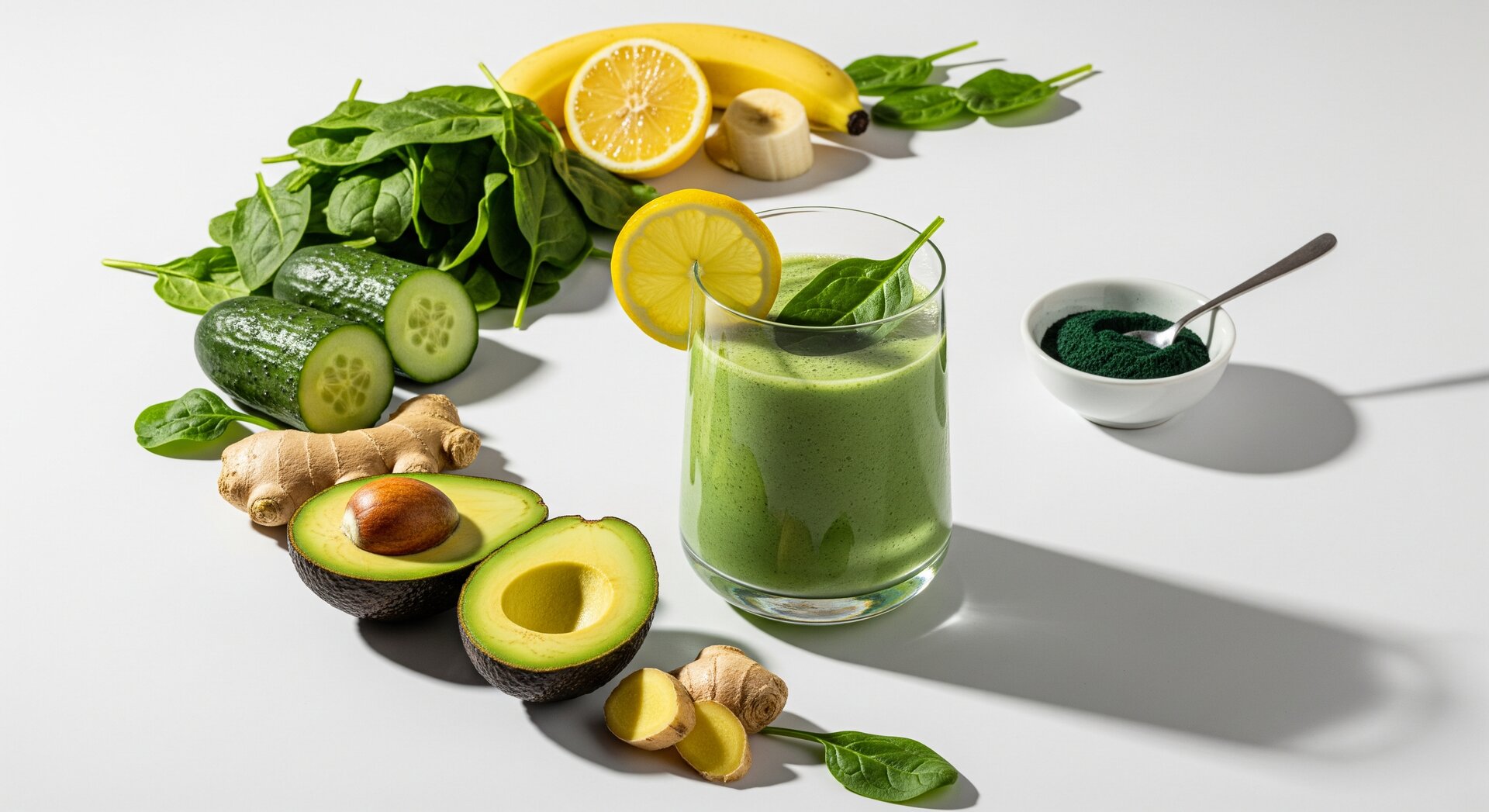 Green Smoothie with Avocado and Spirulina 5 min Refreshing green smoothie with cucumber, ginger and coconut water 280 kcal 6g protein 2 synergies
 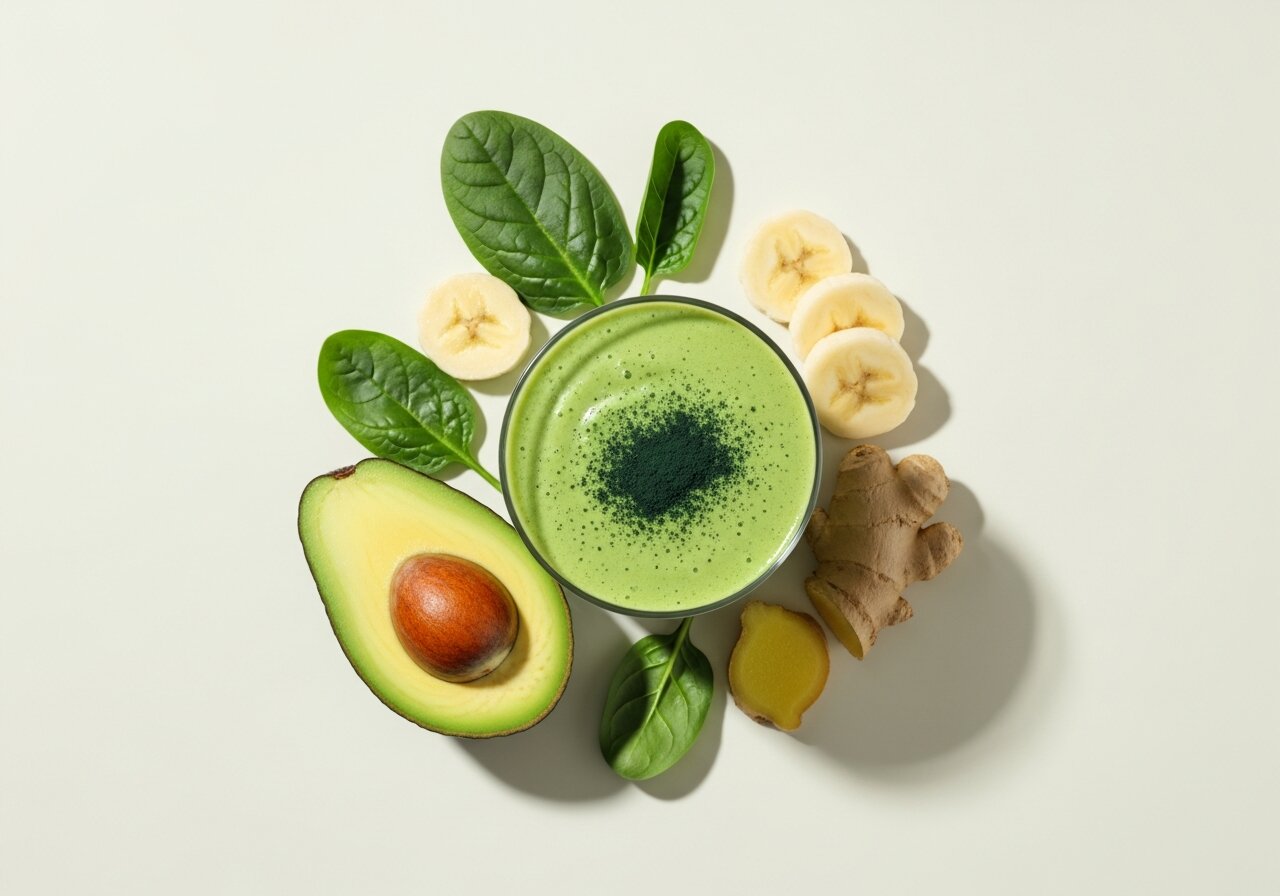 Green Spinach Avocado Smoothie 5 min Fresh green smoothie with spinach, avocado, banana and ginger 280 kcal 5g protein 2 synergies
 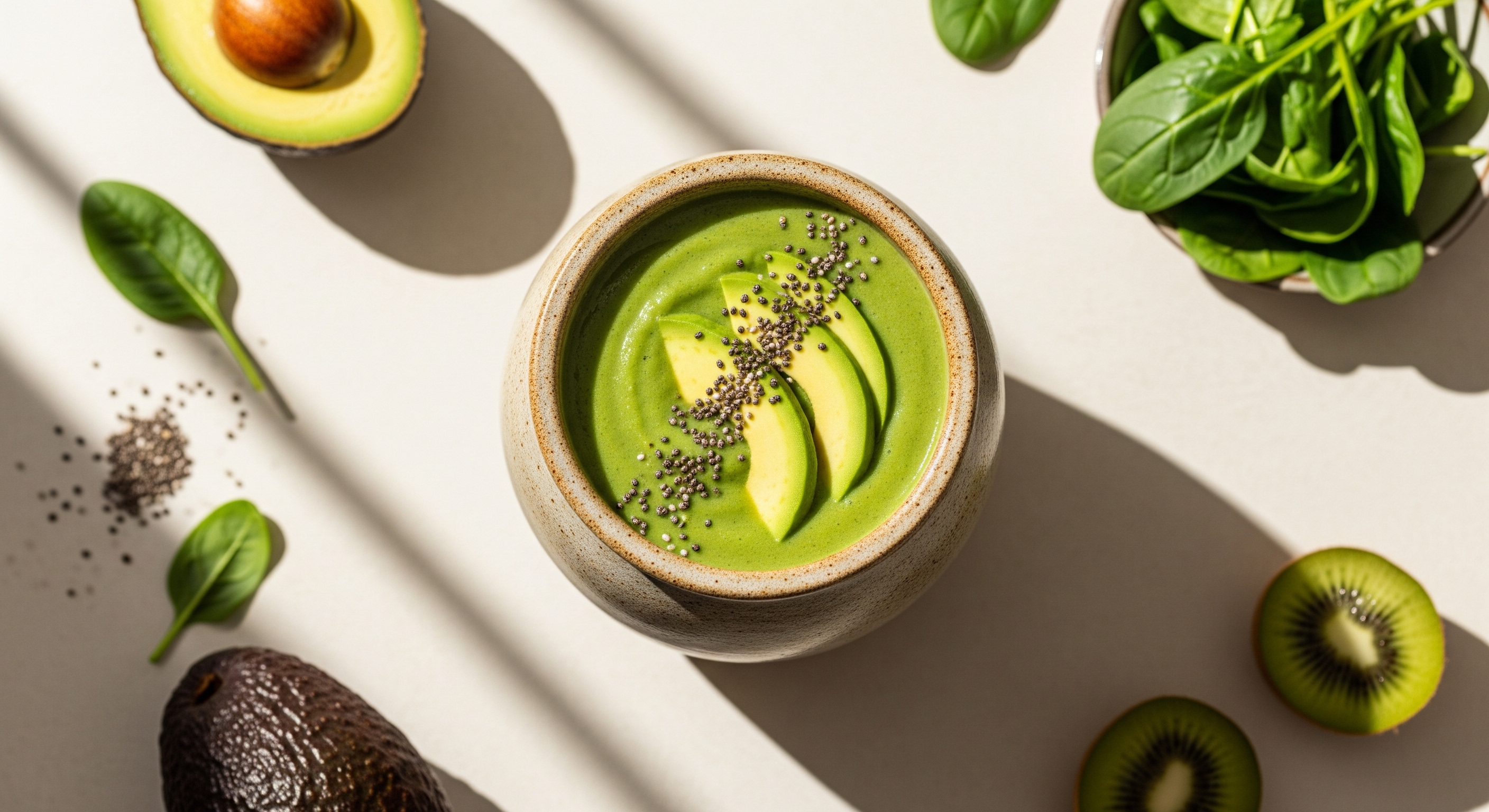 Green Spirulina Quinoa Bowl 25 min Fresh and nourishing with avocado and spinach 445 kcal 16g protein 2 synergies
 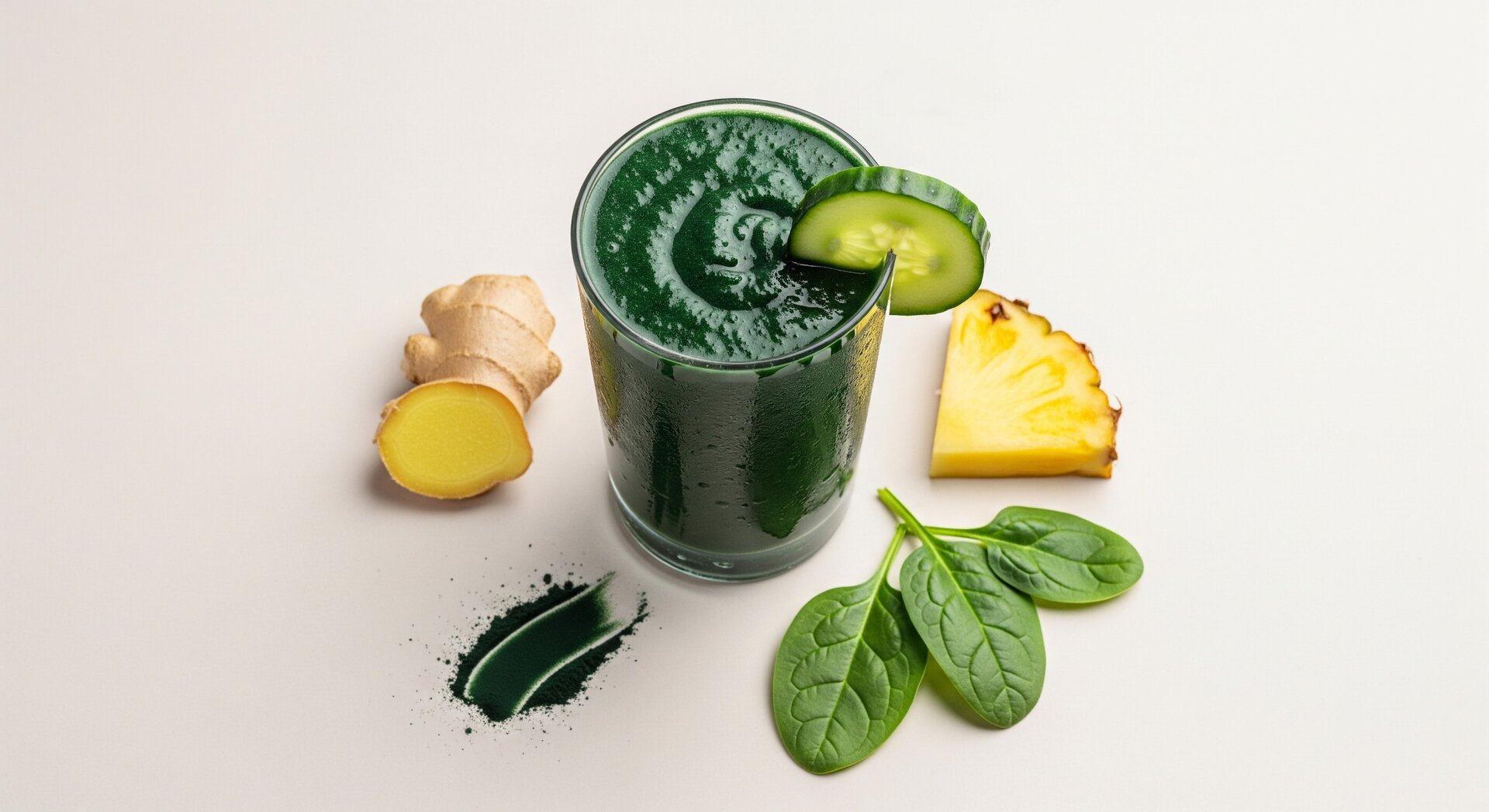 Spirulina Green Smoothie with Ginger 5 min Green smoothie with pineapple, apple and coconut water 190 kcal 15g protein 1 synergies
  In the Kitchen
Storage
Location:Pantry
Shelf life:2-3 jaar in poedervorm, 1 jaar na openen
Store dry, dark and cool. Close the package well, because moisture and air can make the flavor and color decline faster. A glass jar is useful if you use the powder often.
Preparation
Do not heat if you want to preserve the color and fresh algae taste. Add to smoothies, yogurt, juices, dressings or energy balls. The flavor is intense: start with a small amount and build up slowly.
Conversions
Substitutes
Smart preparation
1Mix spirulina powder into smoothies with strongly flavored fruit.
Why?
The intense algae taste becomes softer with mango, banana or pineapple.
2Start with half a teaspoon and build up; the taste is pronounced.
3Preferably add spirulina to cold or lukewarm preparations.
Why?
This better preserves the color and fresh algae taste.
Caution / Warnings
Spirulina is very safe, but there are scientific considerations:
Autoimmune diseases Severe
Caution is advised with autoimmune diseases because spirulina has been associated in research with changes in immune markers.
Advice:
Do not use on your own initiative with autoimmune diseases; discuss it with a doctor first, especially with active symptoms or medication.
Phenylketonuria (PKU) Severe
Spirulina contains protein and therefore phenylalanine, an amino acid that people with PKU must strictly manage.
Advice:
With PKU: avoid spirulina unless your care team explicitly advises otherwise.
Immunosuppressants Moderate
Extra caution is needed when using immunosuppressants because spirulina has been linked in research with immune markers.
Advice:
Consult a doctor or pharmacist before combining spirulina with immunosuppressive medication.
Traditional use
African
Spirulina among the Kanembu in Chad
The Kanembu people around Lake Chad have harvested spirulina, locally known as dihe, from alkaline lakes for centuries and dry it into cakes as a nutritious ingredient.
Indigenous
Spirulina among the Aztecs
The Aztecs harvested spirulina, known as tecuitlatl, from Lake Texcoco and used it as a protein-rich ingredient in bread-like cakes.
Summary
Spirulina is a concentrated blue-green algae powder with a lot of protein and minerals such as iron, magnesium and potassium per 100 g. Since you usually use only 1–3 g, the serving remains small. The taste is intensely grassy and seaweed-like; pair it with banana, mango, pineapple or lime. Choose a tested product from a reliable producer and use extra caution with autoimmune diseases, PKU or immunosuppressive medication.