Coconut Cream
Creamy plant-based base
What is this ingredient?
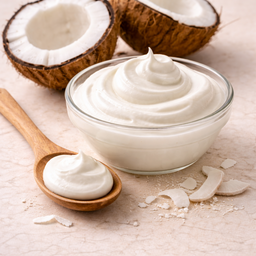
Coconut cream is made by grating and pressing ripe coconut flesh, then separating the thick, fat-rich portion from the more watery part. This makes coconut cream fuller and creamier than coconut milk and gives dishes a pronounced coconut flavor.
## Fatty acid profile
Coconut cream contains a high amount of fat, mostly saturated fatty acids. A notable part is lauric acid, a medium-chain fatty acid often discussed in research on coconut products. In cooking, this fat profile creates a rich texture, good body in curries and a creamy mouthfeel in desserts.
## MCT fatty acids
Coconut products contain medium-chain triglycerides (MCTs). These fatty acids are metabolized differently from long-chain fatty acids and are often studied in the context of energy metabolism and ketogenic eating patterns. Coconut cream remains an energy-dense ingredient, so portion size still matters.
## Saturated fat
Coconut cream is relatively high in saturated fat. Use it mainly as a flavorful base or finishing ingredient, for example in Thai curry, creamy soup, chocolate mousse or coconut whipped cream. For everyday cooking, it is wise to vary it with other fat sources such as olive oil, nuts and seeds.
How does it taste?
Intensely coconutty, thick and creamy with a gentle natural sweetness.
Pairs well with:
Pairs well with limelemongrassgingerchilicacaomango and green curry paste.
Did you know...?
- Coconut cream usually contains noticeably more fat than coconut milk, so it creates a creamy texture more quickly.
- If a can of coconut milk stands undisturbed long enough, the thick coconut cream can rise to the top.
Nutritional Value & Energy
Per 100g
Coconut Cream provides energy thanks to natural nutrients , buffered by fiber.
Per 100g
Minerals
Vitamins
Omega-3 fatty acids
More nutrients
Trace Minerals
What's in a serving?
1 serving
Coconut cream naturally contains manganese (0.9 mg per 100 g).
% of daily reference intake (DRI)
EU-approved nutrition claims
This ingredient contains nutrients for which EFSA-authorized health claims exist (at nutrient level, not ingredient-specific).
Approved health claims (EU)
Manganese EU 432/2012
Manganese contributes to normal energy-yielding metabolism
Contains 0.9mg/100g (threshold: ≥0.3mg/100g)
Manganese EU 432/2012
Manganese contributes to the maintenance of normal bones
Contains 0.9mg/100g (threshold: ≥0.3mg/100g)
Manganese EU 432/2012
Manganese contributes to the normal formation of connective tissue
Contains 0.9mg/100g (threshold: ≥0.3mg/100g)
Manganese EU 432/2012
Manganese contributes to the protection of cells from oxidative stress
Contains 0.9mg/100g (threshold: ≥0.3mg/100g)
What's being researched?
Coconut cream and MCT fatty acids
The medium-chain triglyceride (MCT) content in coconut cream is studied in relation to fatty acid metabolism and energy balance. MCTs are handled differently from long-chain fatty acids, but the role of coconut products within a complete dietary pattern remains an area of research and debate.
Supported by: [2] Cardoso (2015) , [3] St-Onge (2003)
Good Combinations (Synergy)
Combine coconut cream smartly to enhance the effect:
Coconut Cream 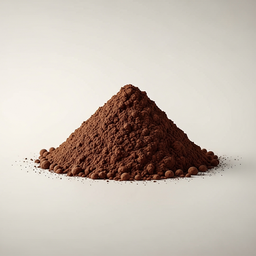 Raw cacao
 MCT fats improve absorption of cocoa flavanols
Technical: Cocoa contains epicatechin and catechin, polyphenols with low bioavailability. Coconut cream's MCT fats (medium-chain triglycerides) form mixed micelles that improve intestinal absorption of these flavanols. Additionally, the creamy coconut fat gives the mousse a velvety texture.
What does this mean for you? Chocolate mousse from cocoa + coconut cream is more than a dessert — the coconut fat improves absorption of cocoa's bioactive polyphenols. A tasty combination with biochemical added value.
Coconut Cream 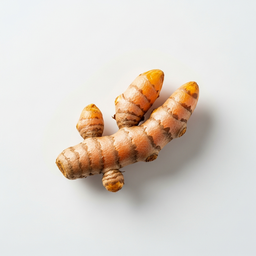 Turmeric
 Coconut fat significantly increases curcumin absorption
Technical: Curcumin is fat-soluble with low bioavailability (<1%) in aqueous solution. Coconut cream contains 34% fat (of which 50% lauric acid), forming lipid micelles that transport curcumin through the intestinal wall. The higher fat content of cream versus milk makes this even more effective.
What does this mean for you? Use coconut cream instead of coconut milk for golden milk or curry with turmeric — the extra fat ensures better absorption of curcumin.
Coconut Cream 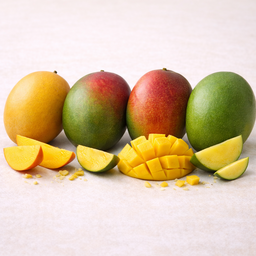 Mango
Mango Coconut fat increases beta-carotene absorption from mango
Technical: Mango is one of the richest sources of beta-carotene (provitamin A), which is fat-soluble. Coconut cream's high fat content (34%) effectively forms micelles that increase beta-carotene absorption up to 6x compared to fat-free consumption.
What does this mean for you? Mango with coconut cream in a smoothie or Thai dessert — the coconut fat ensures you get up to 6x more vitamin A from the mango.
Recipes with Coconut Cream
Discover delicious recipes featuring coconut cream:
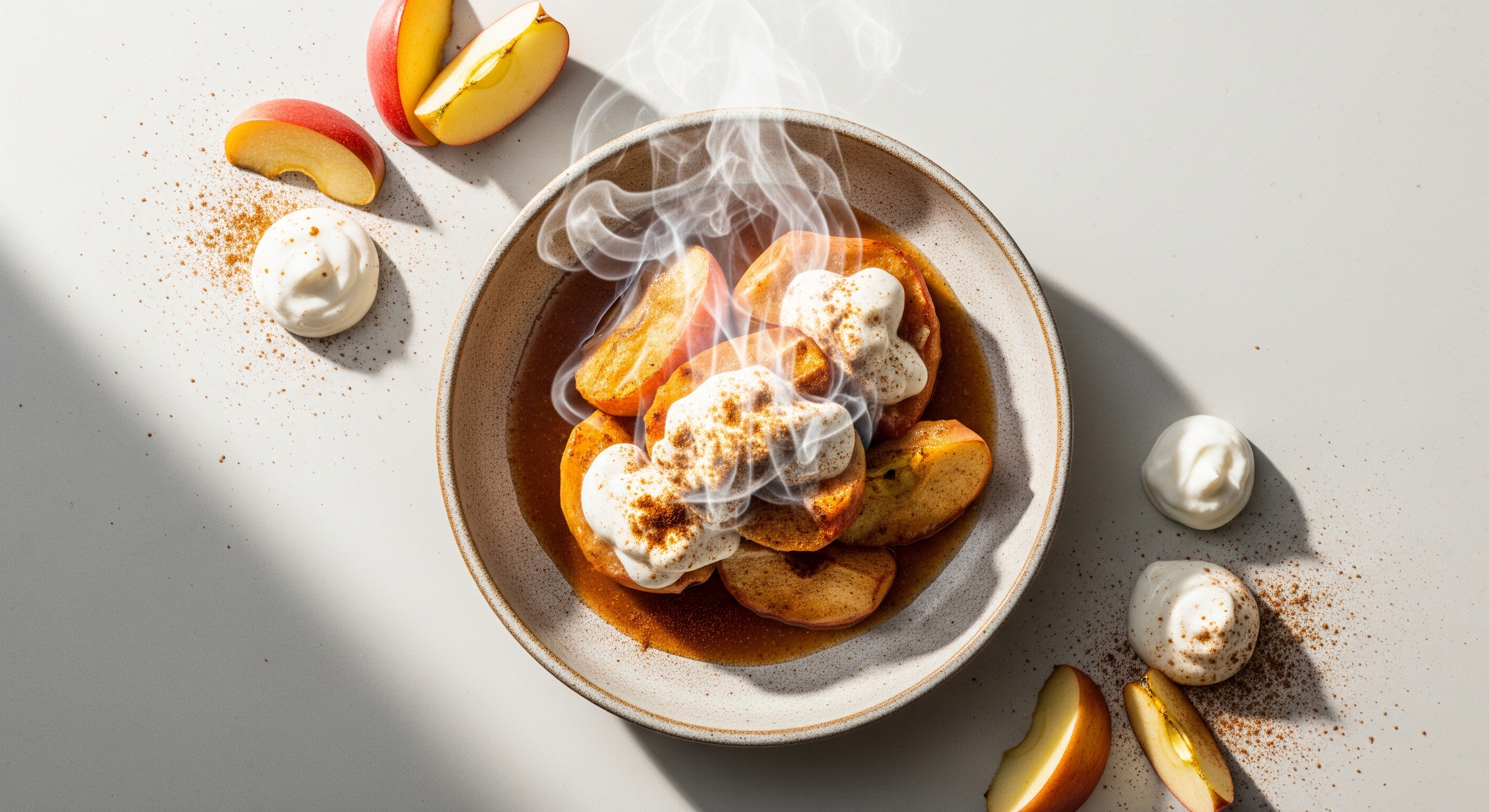 Baked Cinnamon Apple with Coconut Cream 45 min Warm paleo dessert with spiced apple and creamy coconut cream
  215 kcal
  3g protein 1 synergies
 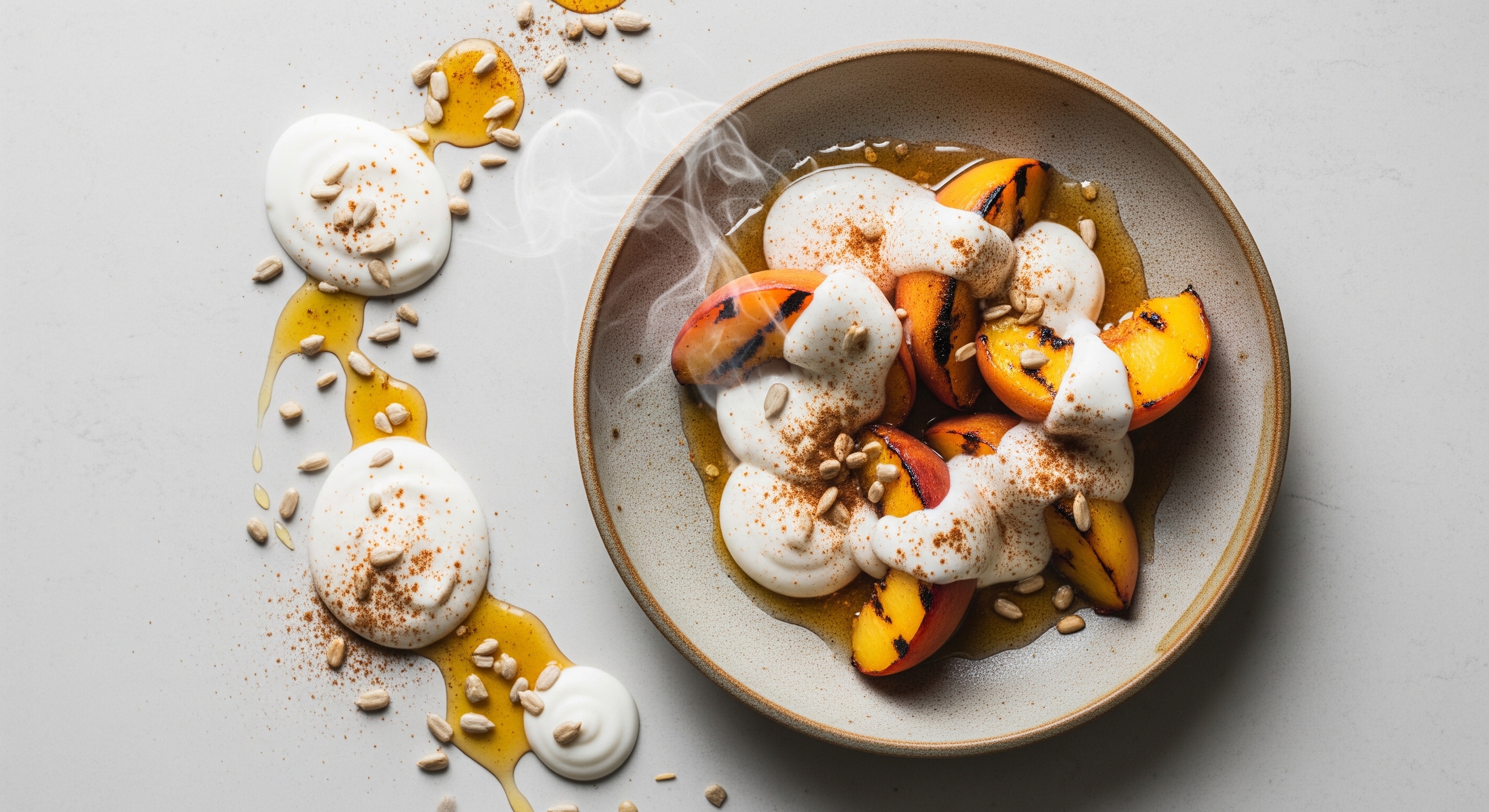 Grilled Peach with Coconut Cream & Honey 13 min Simple paleo dessert with ingredients that may contribute to digestive health and general wellness 185 kcal 3g protein 1 synergies
 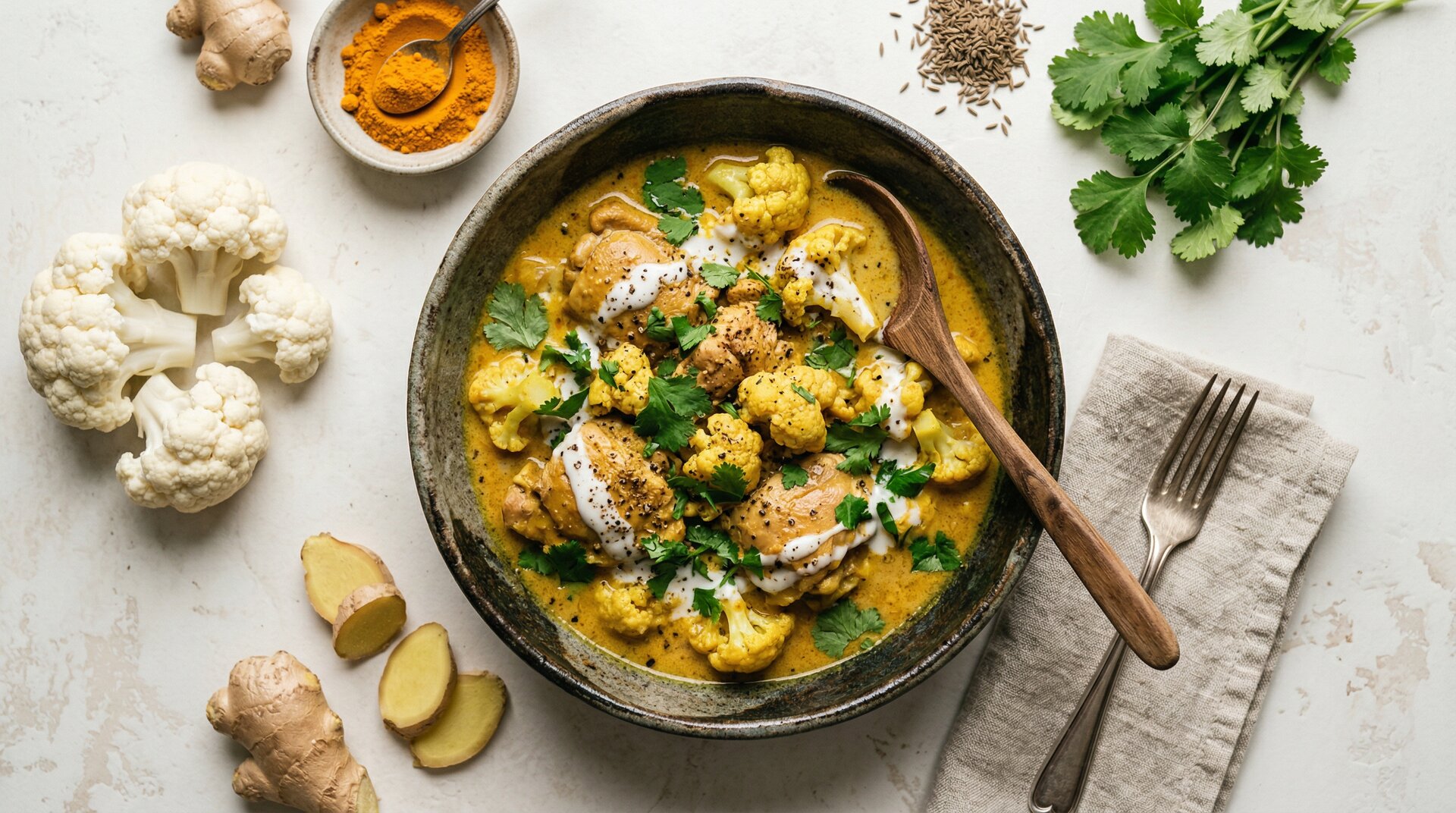 Chicken Cauliflower Curry with Coconut Cream and Turmeric (Keto) 40 min Creamy keto curry with chicken, cauliflower, ginger and coconut 620 kcal 40g protein 2 synergies
 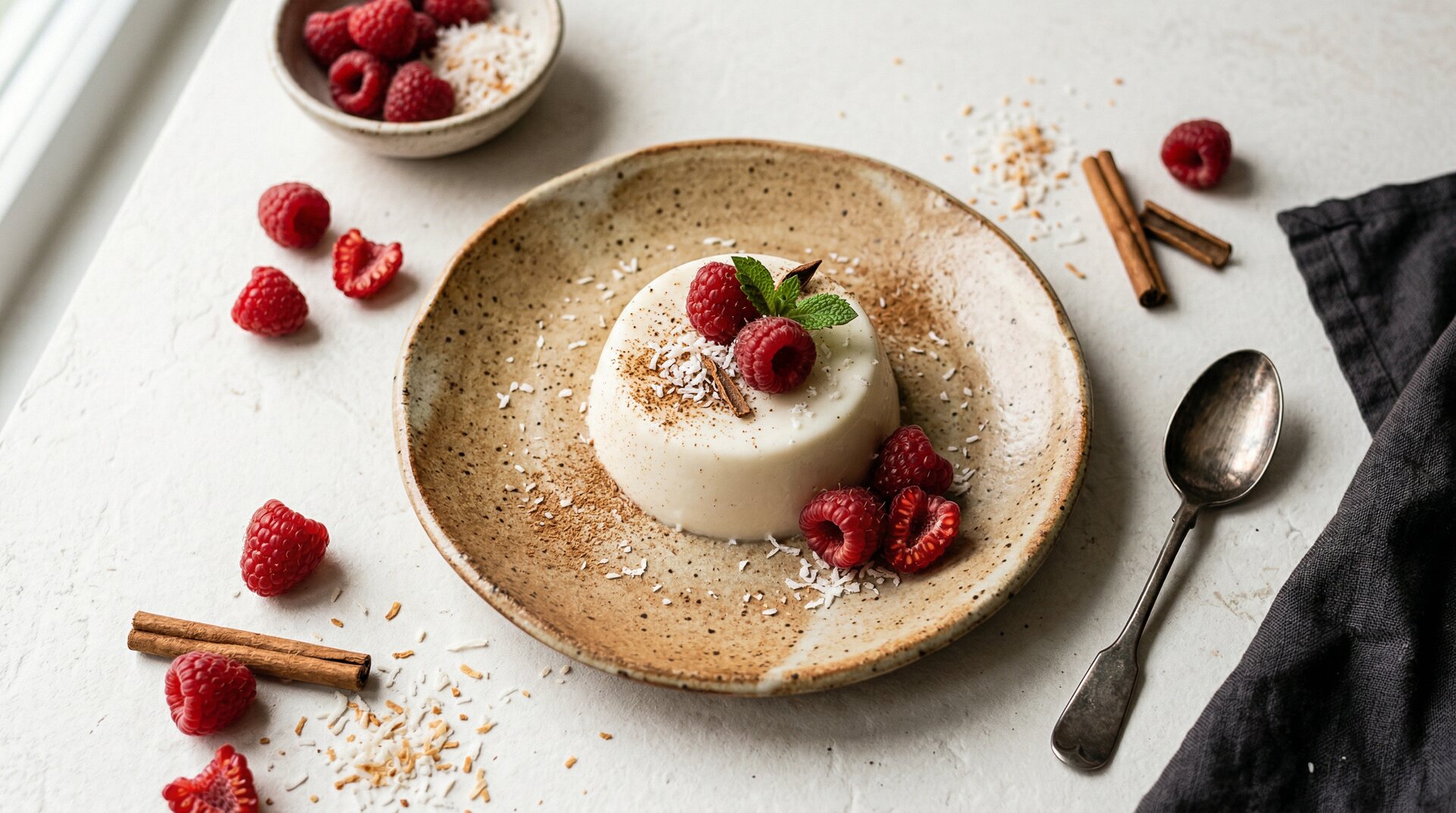 Coconut Panna Cotta (Keto) 135 min Silky panna cotta with coconut milk, cinnamon and fresh raspberries 280 kcal 3g protein 1 synergies
 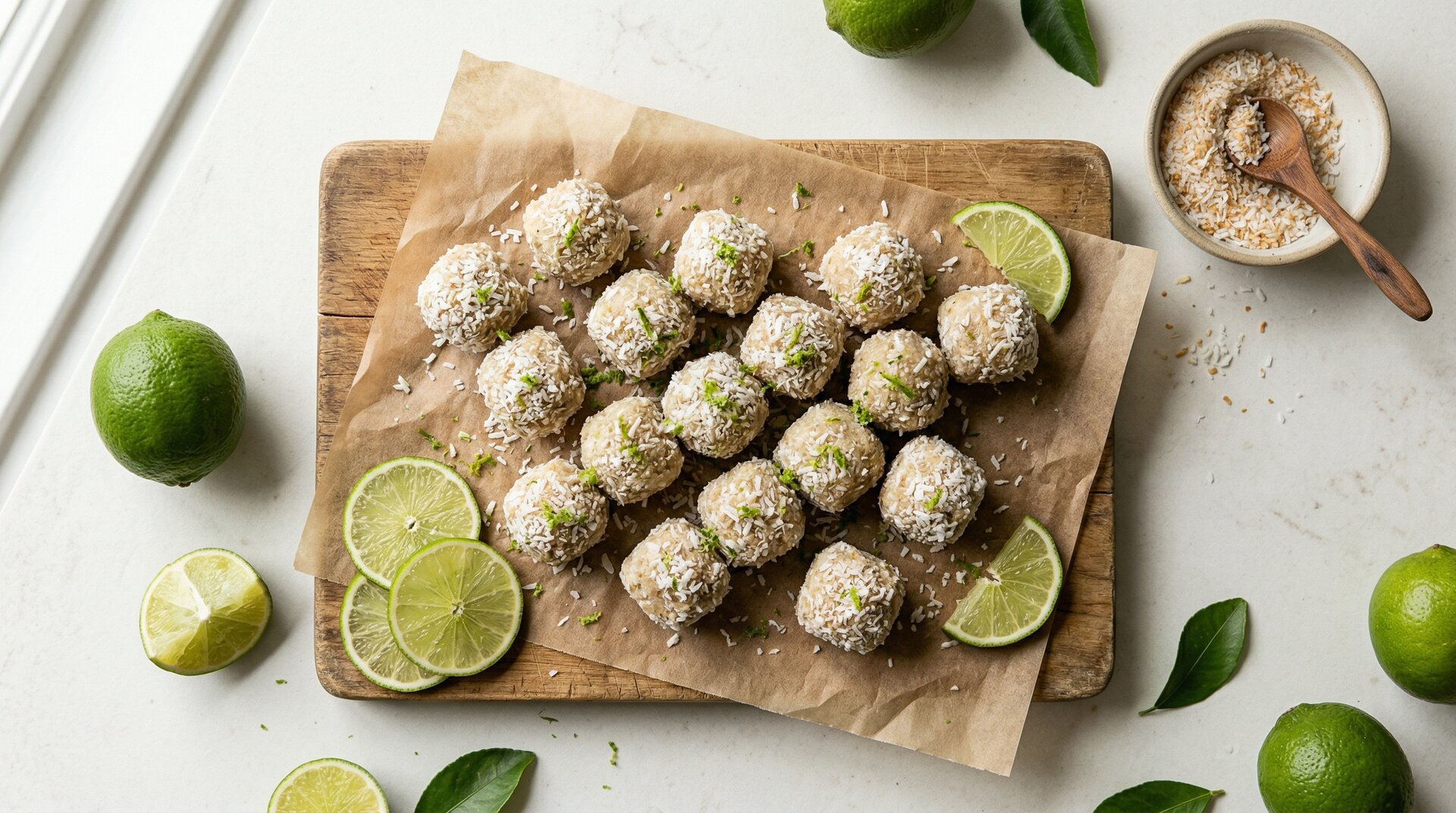 Coconut Lime Freezer Bites 140 min Keto coconut bites with lime, vanilla and sea salt 640 kcal 3g protein 1 synergies
 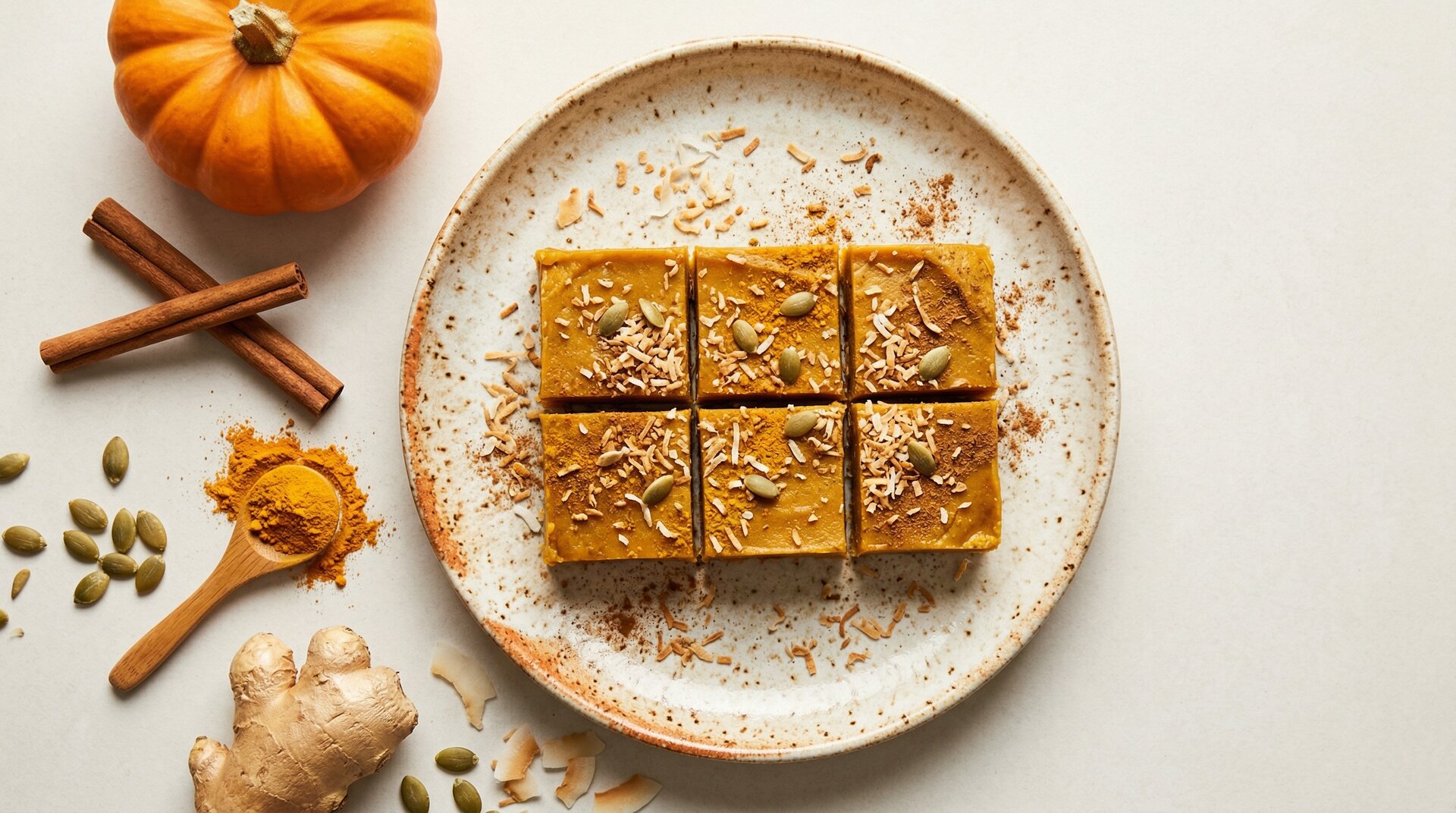 Coconut Pumpkin Fudge with Turmeric 15 min Creamy paleo fudge made with coconut cream and pumpkin puree with warm spices 110 kcal 1g protein 2 synergies
  In the Kitchen
Storage
Location:Pantry
Shelf life:1-2 jaar (ongeopend), 3 dagen in koelkast na openen
Store unopened in the pantry. After opening, keep in a clean glass jar in the fridge and use within a few days. Chill the can undisturbed if you want to scoop the thick cream separately.
Preparation
Add coconut cream preferably at the end of cooking and warm it gently. It works well in curries, soups, desserts, sauces and whipped coconut topping.
Conversions
Substitutes
Smart preparation
1Chill coconut cream well and then scoop off the firm part.
Why?
The firm part can be whipped lighter for desserts and toppings.
2Do not shake the can before opening if you only want to use the solid part.
3Add coconut cream only at the end to curries and warm it gently.
Why?
Long or hard boiling can make the sauce oily and reduce the creamy texture.
Caution / Warnings
Coconut Cream is very safe, but there are scientific considerations:
High LDL cholesterol or fat-restricted diet Mild
Coconut cream is high in saturated fat. With a fat-restricted diet or elevated LDL levels, it fits better as a small flavoring ingredient than as a large base portion.
Advice:
Use small portions, for example 1-3 tablespoons per dish, and vary with other fat sources such as olive oil, nuts, seeds or lower-fat yogurt alternatives.
Traditional use
Southeast Asian
Coconut cream in Southeast Asia
Coconut cream is an essential ingredient in the traditional cuisines of Thailand, Indonesia, Malaysia and the Philippines. It is used in both sweet and savory dishes, from curries and stews to desserts and drinks.
Ayurveda
Coconut in Ayurveda
In Ayurvedic food traditions, coconut is often described as cooling and nourishing. In practice, coconut cream is used to make dishes softer, rounder and creamier.
Summary
Coconut cream is a thick, creamy coconut base for curries, soups, desserts and dairy-free whipped cream. It is high in fat and quickly adds body and tropical flavor. Lauric acid and MCT fatty acids are part of coconut's natural fat profile, but coconut cream remains energy-dense and high in saturated fat. Use it mindfully in portions, for example a few tablespoons in sauce or dessert. Chill the can if you want to scoop out the firm part separately.