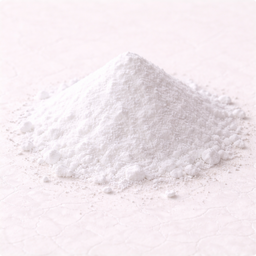
Baking Soda
Classic leavening agent for light baking
What is this ingredient?
Baking soda (sodium bicarbonate, NaHCO₃) is a naturally occurring mineral best known in the kitchen as a leavening agent. When it comes into contact with an acidic ingredient, such as apple cider vinegar, lemon juice, yogurt or buttermilk, CO₂ is formed. Those tiny gas bubbles help batters and doughs become lighter during baking.
The powder is alkaline (pH around 8.4), which gives it a clear role in baking recipes: it can balance acidic ingredients, encourage browning and influence the texture of certain preparations. Unlike many baking powders, baking soda contains no added acid, so you combine it yourself with an acidic ingredient in the recipe.
Practical use: combine 1/4 teaspoon baking soda with about 1/2 teaspoon acid, such as apple cider vinegar or lemon juice, to replace 1 teaspoon baking powder. Add the acidic ingredient preferably late and bake right away, so the leavening reaction is not lost.
How does it taste?
Slightly salty and alkaline, with a mineral note and a dry aftertaste when too much is used.
Pairs well with:
Pairs well with lemonvinegaryogurtbuttermilkbuttercacao and brown sugar in baking.
Did you know...?
- Baking soda (sodium bicarbonate) was first produced industrially in 1846.
- Ancient Egyptians used natron, a natural mineral mixture containing sodium salts, in mummification and cleaning.
Nutritional Value & Energy
Per 100g
Baking Soda is low in calories thanks to natural nutrients .
Per 100g
Minerals
Vitamins
Omega-3 fatty acids
More nutrients
Trace Minerals
EU-approved nutrition claims
There are currently no EFSA-authorized health claims specific to baking soda.
What's being researched?
Sodium bicarbonate in acid-base research
Sodium bicarbonate is discussed in research as an alkaline compound within acid-base balance and sports contexts. For kitchen use, the most relevant points are dosage, reaction with acidic ingredients, leavening action and the high sodium content.
Supported by: [2] Hewawaduge C (2020) , [1] McNaughton (2008)
Good Combinations (Synergy)
Combine baking soda smartly to enhance the effect:
Baking Soda  Lemon
Lemon Bicarbonate + citric acid for alkalizing effervescent effect
Technical: NaHCO₃ + citric acid (C₆H₈O₇) reacts to sodium citrate + CO₂ + H₂O. Sodium citrate is an alkalizing salt that raises urine pH and helps dissolve uric acid crystals. CO₂ bubbles accelerate gastric emptying. Citrate chelates calcium. The effervescent reaction also improves solubility of other supplements taken simultaneously.
What does this mean for you? A glass of water with baking soda + lemon juice is a homemade effervescent that alkalizes your body. Drink it between meals for alkalizing effect, not during meals (reduces digestion).
Baking Soda  Honey
Honey Alkalizing bicarbonate + bioactive honey for stomach
Technical: Baking soda (NaHCO3) neutralizes stomach acid (HCl + NaHCO3 -> NaCl + H2O + CO2) and temporarily raises stomach pH. Honey coats the esophagus and stomach wall with protective film and delivers glucose oxidase for local bioactive action. Together they offer: acid neutralization (baking soda) + mucosal protection (honey).
What does this mean for you? Mix half a teaspoon baking soda + a teaspoon honey in a glass of warm water. A traditional combination pairing acid neutralization with mucosal protection.
Baking Soda  Yogurt
 Acid-base reaction for natural leavening
Technical: Sodium bicarbonate (NaHCO₃) is a base that reacts with acid (citric acid from lemon or lactic acid from yogurt) to form CO₂ gas, water and sodium citrate. This acid-base reaction produces gas bubbles that leaven dough. The reaction starts immediately upon contact, so batter must be baked quickly for optimal rise.
What does this mean for you? Use baking soda with lemon juice or yogurt for quick leavening in pancakes, scones or quick breads. Mix and bake immediately — the bubbles escape quickly.
Recipes with Baking Soda
Discover delicious recipes featuring baking soda:
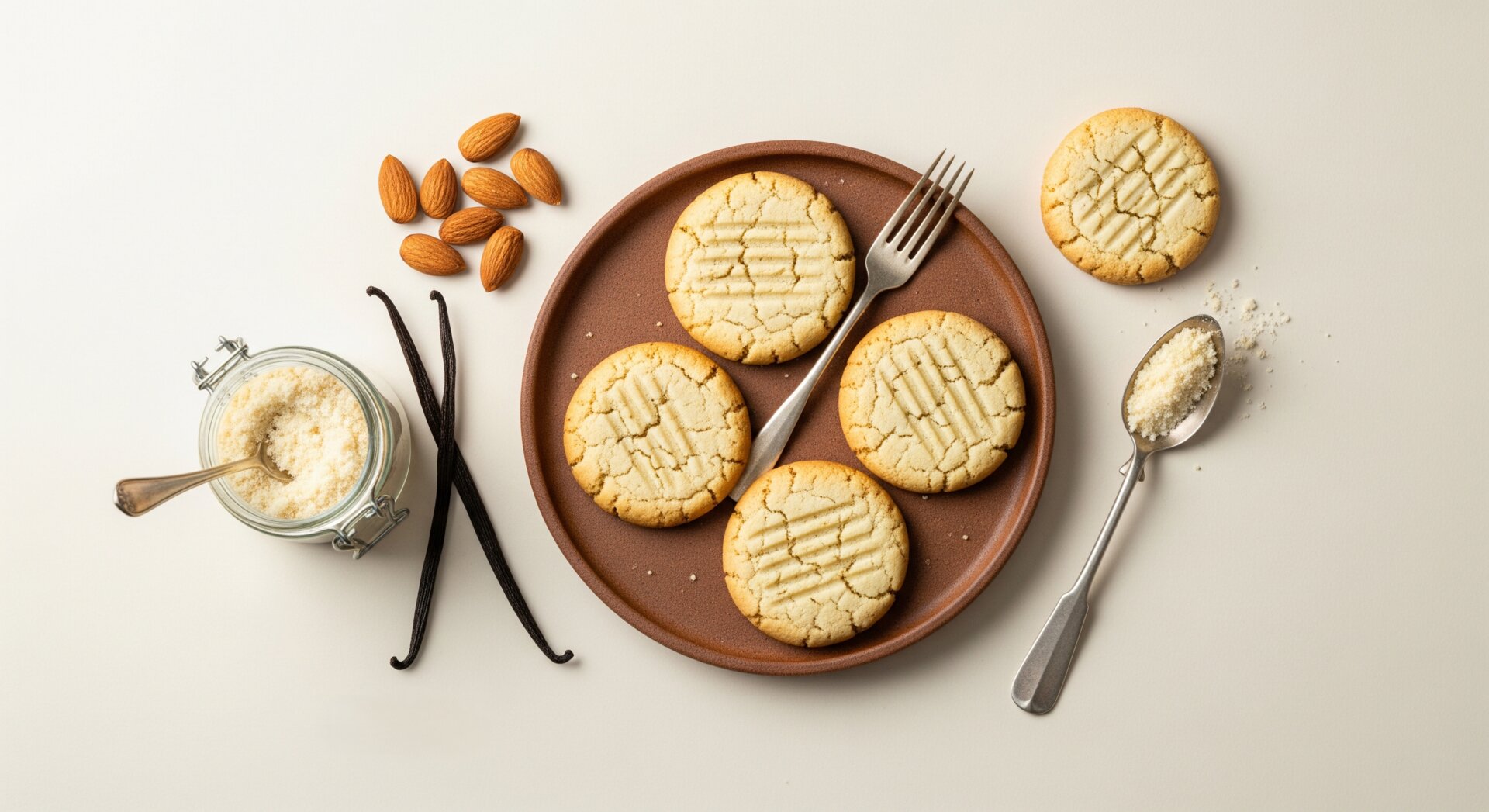 Almond Flour Vanilla Cookies 27 min Simple crumbly cookies made with almond flour, without gluten or dairy
  95 kcal
  2g protein 2 synergies
 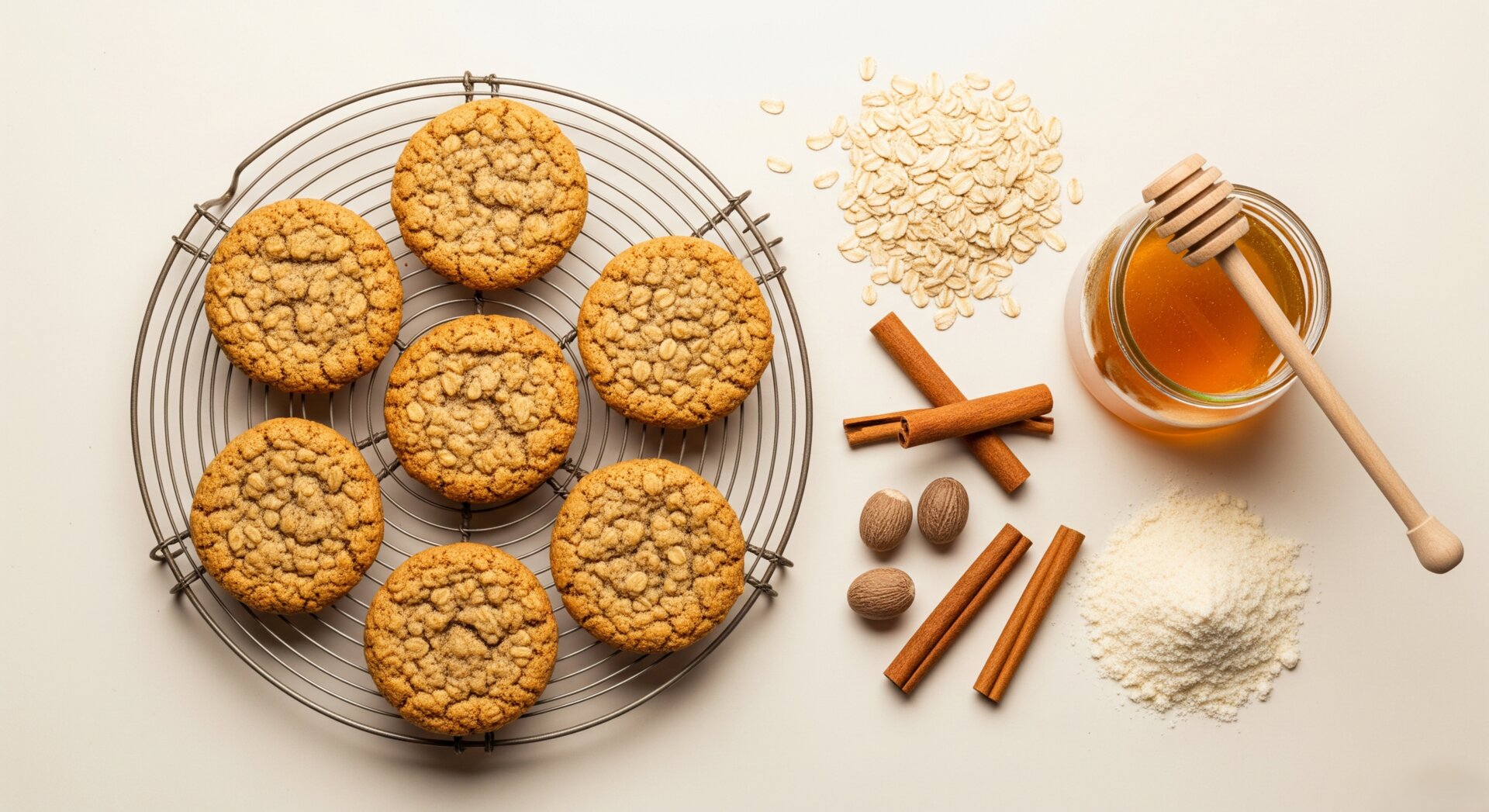 Oatmeal Cinnamon Cookies 24 min Soft oat cookies with cinnamon, nutmeg and ginger 110 kcal 2g protein 2 synergies
  Chickpea Chocolate Chip Cookies 25 min Soft chocolate chip cookies built on chickpeas and peanut butter, no wheat flour 165 kcal 6g protein 2 synergies
  Moroccan Beghrir with Honey 60 min Fluffy honeycomb pancakes with butter and honey 320 kcal 8g protein 1 synergies
  In the Kitchen
Storage
Location:Pantry
Shelf life:Onbeperkt indien droog bewaard
Store airtight and dry. Test freshness with a little vinegar or lemon juice: active baking soda will fizz right away.
Preparation
Combine 1/4 tsp baking soda with 1/2 tsp acid (apple cider vinegar, lemon juice, yogurt or buttermilk) to replace 1 tsp baking powder. Mix the dry ingredients first, then add the wet ingredients, and add the acid as the final step just before baking.
Conversions
Substitutes
Smart preparation
1Add a pinch of baking soda to the cooking water for dried legumes.
Why?
The alkaline water helps the structure soften faster, which can shorten cooking time.
2Do not mix baking soda and acid too early in batter or dough.
Why?
The CO₂ bubbles form immediately; if you wait too long to bake, part of the leavening effect is lost.
3Use about half a teaspoon per 250 g flour when the recipe contains enough acidic ingredients.
Caution / Warnings
Baking Soda is very safe, but there are scientific considerations:
High blood pressure Moderate
Baking soda is very high in sodium; extra sodium can be unfavorable when you need to follow a salt-restricted diet.
Advice:
Use small amounts in baking recipes and discuss your personal salt or sodium intake with a doctor or dietitian.
Kidney problems Moderate
With kidney problems, high sodium intake may require extra attention, even when the ingredient is used only in small amounts.
Advice:
With chronic kidney disease, consult a doctor or dietitian about suitable use and total sodium intake.
Summary
Baking soda is a pure, single-ingredient option for light, airy baking. Use it when your recipe also contains an acid, such as lemon juice, apple cider vinegar, yogurt or buttermilk. Guideline: 1/4 tsp baking soda + about 1/2 tsp acid can replace 1 tsp baking powder. Add the acid late and bake right away, because the CO₂ reaction starts immediately. Note the very high sodium value and measure carefully.