Filo Pastry
Paper-thin Mediterranean pastry for crisp layers
What is this ingredient?
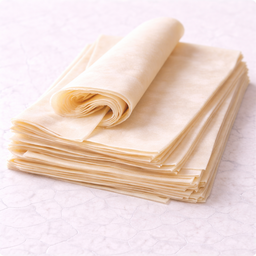
Filo dough, also known as phyllo or filo, is a paper-thin pastry used for centuries in Mediterranean, Balkan and Middle Eastern cooking. The name comes from the Greek word ‘phyllon’, meaning ‘leaf’, referring to the sheet’s paper-like thinness.
## Nutritional value
Filo pastry is built differently from puff pastry: the dough itself usually does not contain layers of butter, so each sheet remains relatively light. One sheet of about 19 g provides roughly 57 calories, mainly from wheat-flour carbohydrates. The final dish depends greatly on how much oil, butter, nuts, cheese or syrup you use between the layers.
## Culinary use
Filo is essential for classics such as baklava, börek, spanakopita and Moroccan briwat or bastilla. The secret is to work quickly and carefully: the sheets dry out fast, so keep them under a slightly damp towel while you assemble the dish. Brush the layers thinly with oil or melted butter for golden, delicate, crisp layers.
How does it taste?
Neutral and lightly wheat-like; after baking it becomes crisp, golden and subtly toasted.
Pairs well with:
Pairs well with fetaspinachchopped nutshoneycinnamon and savory herb fillings.
Did you know...?
- Traditional filo dough is rolled so thin that you can almost read a newspaper through it.
- The word ‘filo’ comes from the Greek ‘phyllo’, meaning ‘leaf’.
Nutritional Value & Energy
Per 100g
Filo Pastry provides energy thanks to natural nutrients .
Per 100g
Minerals
Vitamins
Omega-3 fatty acids
More nutrients
Trace Minerals
What's in a serving?
1 serving (dry)
Filo pastry naturally contains iron (2.5 mg per 100 g).
Filo pastry naturally contains folate (30 mcg per 100 g).
% of daily reference intake (DRI)
EU-approved nutrition claims
This ingredient contains nutrients for which EFSA-authorized health claims exist at nutrient level, not specifically for filo pastry as an ingredient.
Approved health claims (EU)
Iron EU 432/2012
Iron contributes to normal energy-yielding metabolism
Contains 2.5mg/100g (threshold: ≥2.1mg/100g)
Iron EU 432/2012
Iron contributes to the reduction of tiredness and fatigue
Contains 2.5mg/100g (threshold: ≥2.1mg/100g)
Folate EU 432/2012
Folate contributes to normal blood formation
Contains 30mcg/100g (threshold: ≥30mcg/100g)
Folate EU 432/2012
Folate contributes to normal amino acid synthesis
Contains 30mcg/100g (threshold: ≥30mcg/100g)
Folate EU 432/2012
Folate contributes to normal homocysteine metabolism
Contains 30mcg/100g (threshold: ≥30mcg/100g)
Folate EU 432/2012
Folate contributes to normal psychological function
Contains 30mcg/100g (threshold: ≥30mcg/100g)
Folate EU 432/2012
Folate contributes to the normal function of the immune system
Contains 30mcg/100g (threshold: ≥30mcg/100g)
Folate EU 432/2012
Folate has a role in the process of cell division
Contains 30mcg/100g (threshold: ≥30mcg/100g)
Folate EU 432/2012
Folate contributes to maternal tissue growth during pregnancy
Contains 30mcg/100g (threshold: ≥30mcg/100g)
Iron EU 432/2012
Iron contributes to normal cognitive function
Contains 2.5mg/100g (threshold: ≥2.1mg/100g)
Iron EU 432/2012
Iron contributes to normal formation of red blood cells and haemoglobin
Contains 2.5mg/100g (threshold: ≥2.1mg/100g)
Iron EU 432/2012
Iron contributes to normal oxygen transport in the body
Contains 2.5mg/100g (threshold: ≥2.1mg/100g)
Iron EU 432/2012
Iron contributes to the normal function of the immune system
Contains 2.5mg/100g (threshold: ≥2.1mg/100g)
Iron EU 432/2012
Iron has a role in the process of cell division
Contains 2.5mg/100g (threshold: ≥2.1mg/100g)
What's being researched?
Filo dough in research on lighter pastry preparations
Filo dough is often discussed in nutrition research as an alternative to richer pastries such as puff pastry. The dough itself has a lower fat content, but the final profile depends on filling, added fat and portion size.
Supported by: [1] Estruch R (2020)
Good Combinations (Synergy)
Combine filo pastry smartly to enhance the effect:
Filo Pastry 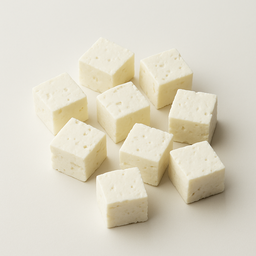 Feta Cheese
 Spanakopita: crispy + creamy + minerals
Technical: Phyllo dough baked in olive oil or butter provides fat-soluble carriers. Spinach contains 483μg vitamin K per 100g (fat-soluble) and 2.7mg iron. Feta provides 493mg calcium per 100g. The fat from baked phyllo increases vitamin K absorption by 3-5x. The combination of iron (spinach) + calcium (feta) + vitamin K (spinach) supports both bones and blood formation.
What does this mean for you? Spanakopita (Greek spinach-feta pie) is more than comfort food — it's a nutritionally smart combination. The crispy phyllo provides not only texture but also the fat needed to absorb vitamin K from the spinach.
Filo Pastry 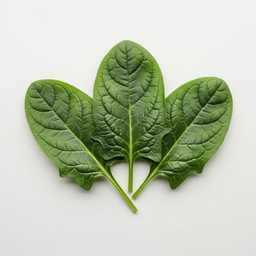 Spinach
 Spanakopita: crispy + creamy + minerals
Technical: Phyllo dough baked in olive oil or butter provides fat-soluble carriers. Spinach contains 483μg vitamin K per 100g (fat-soluble) and 2.7mg iron. Feta provides 493mg calcium per 100g. The fat from baked phyllo increases vitamin K absorption by 3-5x. The combination of iron (spinach) + calcium (feta) + vitamin K (spinach) supports both bones and blood formation.
What does this mean for you? Spanakopita (Greek spinach-feta pie) is more than comfort food — it's a nutritionally smart combination. The crispy phyllo provides not only texture but also the fat needed to absorb vitamin K from the spinach.
Filo Pastry 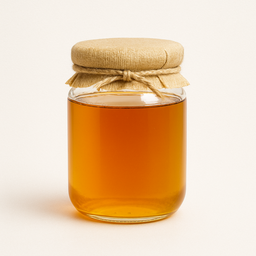 Honey
Honey Crispy pastry + enzymatic honey in classic baklava synergy
Technical: Filo dough contains thin layers of wheat flour (10g protein/100g) that undergo a Maillard reaction when baked. Raw honey contains diastase and invertase enzymes plus antioxidants (pinocembrin, chrysin). The enzymes in honey help digest the baked starch. Honey's fructose (38%) has a lower GI (19) than sucrose (65), moderating the glycemic impact of the dough.
What does this mean for you? Baklava (filo dough + nuts + honey) is healthier in moderate portions than you'd think. Choose raw honey for the most enzymes and use organic filo dough for fewer additives.
Filo Pastry 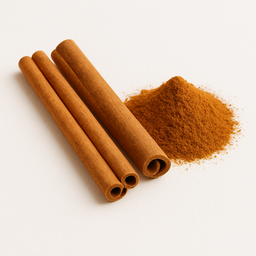 Cinnamon
 Cinnamon's glycemic regulation tempers fast carbs from pastry
Technical: Filo dough is made from refined flour with high GI (75-85). Cinnamon's cinnamaldehyde activates AMPK (AMP-activated protein kinase) that stimulates glucose uptake in muscles without insulin. MHCP (methylhydroxychalcone polymer) improves insulin receptor signaling by 20x. With filo pastry, 1g cinnamon reduces the glycemic peak by 15-25%.
What does this mean for you? Sprinkle generous cinnamon over filo pastries like börek or strudel. The cinnamon doesn't just make it tastier but also tempers the blood sugar spike that white dough normally causes.
Recipes with Filo Pastry
Discover delicious recipes featuring filo pastry:
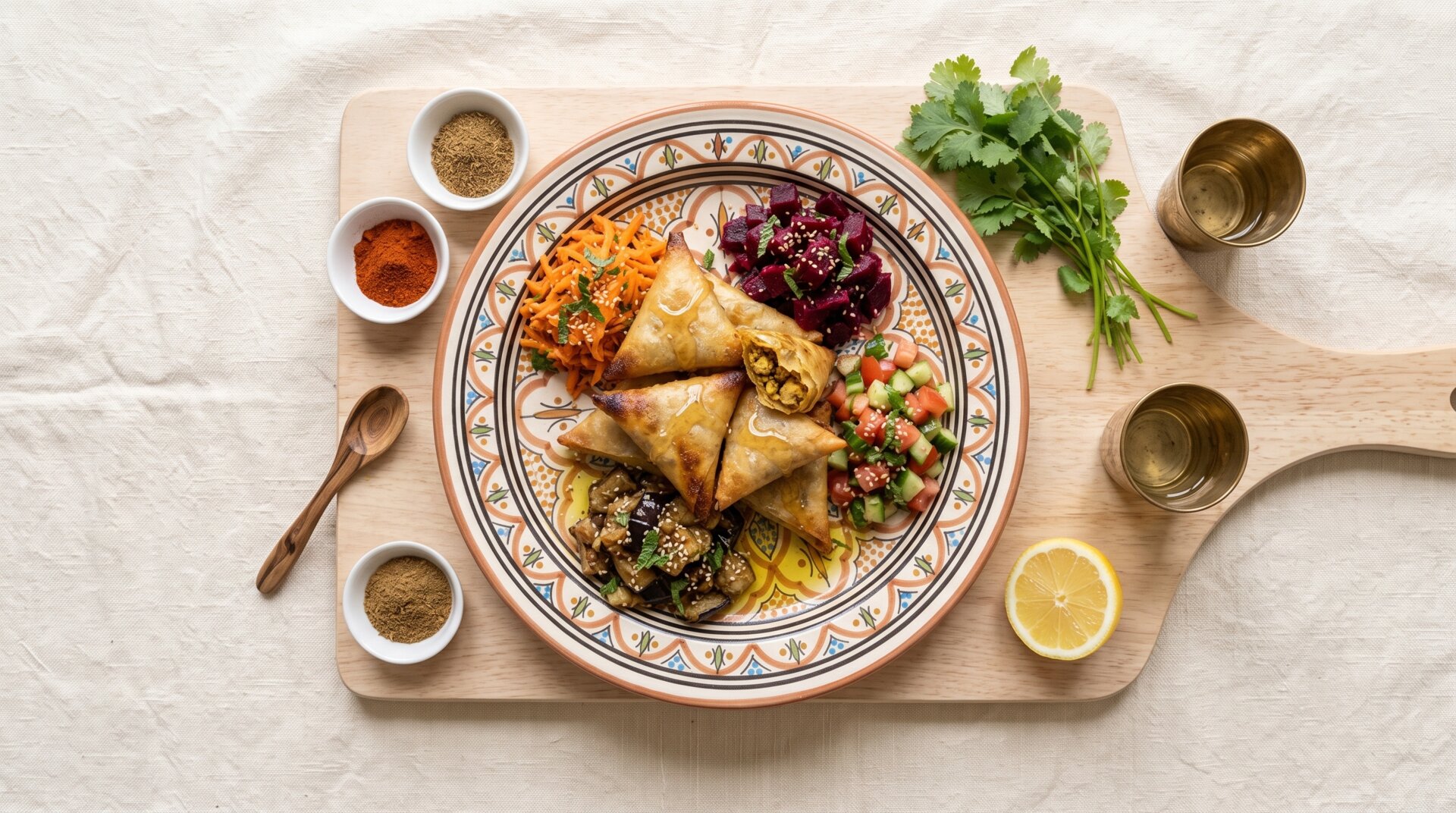 Moroccan Mezze Platter with Briwat 75 min Colourful selection of salads and crispy briwat
  420 kcal
  18g protein 4 synergies
  In the Kitchen
Storage
Location:Refrigerator
Shelf life:1 week (gekoeld), 3 maanden (bevroren)
Preparation
Work quickly and cover unused sheets with a damp tea towel. Brush each layer thinly with oil or melted butter and bake until the layers are golden and crisp.
Conversions
Substitutes
Smart preparation
1Let filo dough thaw completely in the fridge, not on the counter.
Why?
Thawing too quickly makes the sheets sticky and hard to separate.
2Cover unused sheets with a slightly damp tea towel.
Why?
Filo dough dries out within minutes and then tears easily.
3Brush each sheet thinly with melted butter or oil before stacking.
Caution / Warnings
Filo Pastry is very safe, but there are scientific considerations:
Gluten Intolerance / Celiac Disease Severe
Filo pastry is usually made from wheat flour and therefore contains gluten.
Advice:
Avoid with celiac disease or medically diagnosed gluten intolerance. Consider rice paper or certified gluten-free filo pastry as an alternative.
Summary
Filo pastry is a light, crisp alternative to puff pastry when you want thin layers without a heavy dough structure. It works well in Mediterranean and North African dishes such as baklava, spanakopita, börek and briwat.