- Medium
- 75 min
- 6 serv.
- 26 synergies
- Now at its best: Honey
A beautiful mezze platter with four different Moroccan salads, crispy chicken briwat and goat cheese honey briwat. Perfect as a festive appetizer or light meal.
A table full of little bowls — that is the image this dish conjures. Crispy triangles of briwat, golden-brown and glistening with oil, sit between bowls of carrot salad with cinnamon and mint, beetroot salad with cumin, a fresh tomato salad, and zaalouk still warm and smoky from the grilled aubergine. The chicken briwat are savoury, spiced with cumin and paprika, the pastry so thin it cracks on the first bite. The cheese briwat are a different story: soft goat cheese melting with honey into something both salty and sweet, with a hint of mint for freshness. Lay everything on a big platter, scatter sesame seeds and fresh herbs over the top, and place it in the centre of the table. This is food for sharing — hands reaching across the plate, bread dipped into sauces, conversations that start on their own when the platter is full of colour.
- 45
- min prep
- 30
- min cook
- 75
- min total
Nutritional Synergies
This recipe combines ingredients that enhance each other:
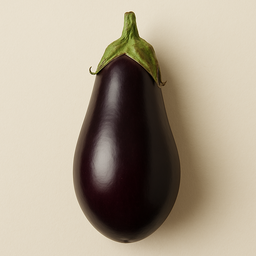 Eggplant
 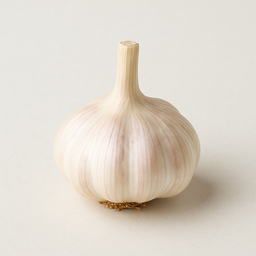 Garlic
 Chlorogenic acid + allicin: complementary NF-κB modulation
Technical: Eggplant contains chlorogenic acid (NF-κB modulation) and nasunin (iron chelator influencing lipid peroxidation). Garlic's allicin (formed when cut) has bioactive action via thiol enzyme inhibition. Together they modulate NF-κB signaling through complementary pathways.
What does this mean for you? Baba ganoush or imam bayıldı — classic combinations that have existed for centuries. Cut garlic 10 minutes before heating for maximum allicin formation.
Immune SystemAnti-inflammatory
Eggplant 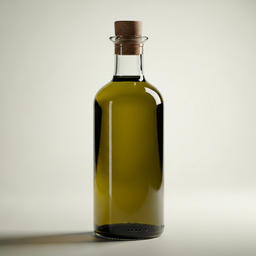 Olive oil for frying
 Fat makes nasunin (purple antioxidant) absorbable
Technical: Nasunin in the purple eggplant skin is a fat-soluble anthocyanin that crosses the blood-brain barrier. Olive oil's unsaturated fats (73% oleic acid) form micelles that increase nasunin absorption up to 3x.
What does this mean for you? Eggplant absorbs oil like a sponge — that's actually an advantage! The oil makes nasunin absorbable. Fry in olive oil for maximum effect.
FocusHeart
Eggplant 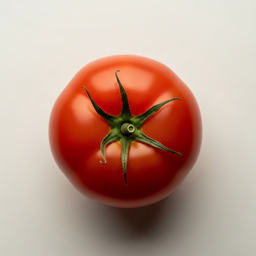 Ripe tomatoes
 Nasunin + lycopene: complementary carotenoid-polyphenol pathways
Technical: Nasunin (eggplant) and lycopene (tomato) work through different mechanisms. Nasunin chelates iron, influencing lipid peroxidation, while lycopene quenches singlet oxygen. Studies show combined polyphenols and carotenoids work synergistically — the combination works through complementary mechanisms. With olive oil, both are optimally absorbed.
What does this mean for you? Parmigiana, ratatouille, zaalouk — Mediterranean and North African dishes always combine eggplant, tomato and olive oil. Culinary tradition backed by science.
HeartSkin & HairAnti-inflammatory
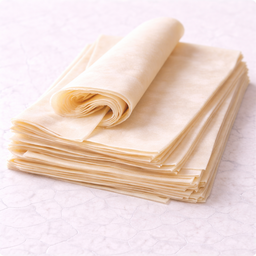 Warka/Brik pastry sheets
 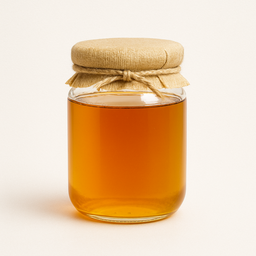 Honey
Honey Crispy pastry + enzymatic honey in classic baklava synergy
Technical: Filo dough contains thin layers of wheat flour (10g protein/100g) that undergo a Maillard reaction when baked. Raw honey contains diastase and invertase enzymes plus antioxidants (pinocembrin, chrysin). The enzymes in honey help digest the baked starch. Honey's fructose (38%) has a lower GI (19) than sucrose (65), moderating the glycemic impact of the dough.
What does this mean for you? Baklava (filo dough + nuts + honey) is healthier in moderate portions than you'd think. Choose raw honey for the most enzymes and use organic filo dough for fewer additives.
EnergyDigestion
Warka/Brik pastry sheets 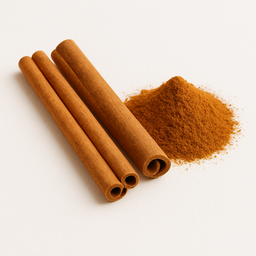 Cinnamon
 Cinnamon's glycemic regulation tempers fast carbs from pastry
Technical: Filo dough is made from refined flour with high GI (75-85). Cinnamon's cinnamaldehyde activates AMPK (AMP-activated protein kinase) that stimulates glucose uptake in muscles without insulin. MHCP (methylhydroxychalcone polymer) improves insulin receptor signaling by 20x. With filo pastry, 1g cinnamon reduces the glycemic peak by 15-25%.
What does this mean for you? Sprinkle generous cinnamon over filo pastries like börek or strudel. The cinnamon doesn't just make it tastier but also tempers the blood sugar spike that white dough normally causes.
Blood SugarEnergy
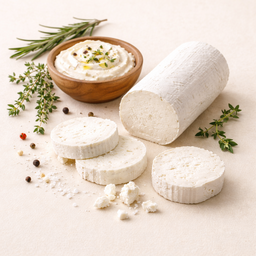 Soft goat cheese Honey
 MCFAs from goat cheese + prebiotics from honey for quick energy and gut flora
Technical: Goat cheese contains 30-35% medium-chain fatty acids (MCFAs) that go directly to the liver and are quickly converted to energy, without being stored in fat tissue. Honey contains oligosaccharides and fructo-oligosaccharides (FOS) acting as prebiotics feeding beneficial gut bacteria. Together: quick energy within 30 minutes plus nourishment for your gut flora.
What does this mean for you? Spread goat cheese with honey on toast as breakfast or pre-workout snack. The cheese gives quick energy, the honey feeds your good gut bacteria.
EnergyDigestion
Honey Olive oil for frying Dual bioactive action via chrysin + oleocanthal
Technical: Honey contains chrysin and olive oil oleocanthal — bioactive phenolic compounds studied in research in connection with NF-κB and COX signaling. Together they provide plant compounds through two independent routes.
What does this mean for you? A dressing of honey and olive oil is not just tasty — the chrysin and oleocanthal work through two different routes in your body.
Anti-inflammatoryHeartJoints
Honey 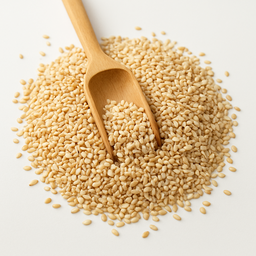 Sesame seeds
 Honey antioxidants + sesame lignans for antioxidant support
Technical: Honey's water-soluble antioxidants (phenolic acids, flavonoids) and sesame seed's fat-soluble lignans (sesamin) provide antioxidant support in different compartments. Honey's fructose provides quick energy, sesame's fats and proteins give sustained satiety.
What does this mean for you? Sesame seeds with honey (as in Japanese dishes) combines quick energy with sustained satiety and broad antioxidant support.
EnergyAnti-inflammatorySkin & Hair
Cinnamon Honey Traditional warm combination of cinnamon and honey
Technical: Cinnamon contains cinnamaldehyde and proanthocyanidins with bioactive action via cell wall disruption. Honey's glucose oxidase produces hydrogen peroxide with bioactive action, while honey's high viscosity forms a physical barrier. Two independent bioactive mechanisms that work more broadly together.
What does this mean for you? Cinnamon + honey in warm tea — a classic combination. Both have bioactive action via different pathways — broader together than alone.
Immune System
Garlic Honey Fermented: allicin + bee defensin in traditional condiment
Technical: Raw garlic contains alliin converted by alliinase to allicin — an organosulfur compound with bioactive properties — when cut. Raw honey contains hydrogen peroxide, bee defensin-1 and methylglyoxal. Fermenting garlic in honey increases bioavailability of S-allylcysteine (SAC), a more stable bioactive metabolite.
What does this mean for you? Submerge raw garlic cloves in raw honey and ferment for 2-4 weeks. You get a traditional condiment with concentrated bioactive compounds — an ancient fermentation technique that increases bioavailability.
Immune System
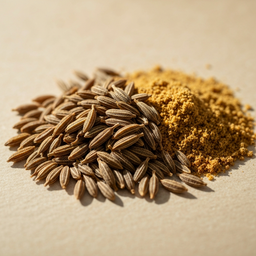 Cumin Garlic
 Double digestive support: enzymes + bioactive compounds
Technical: Cumin promotes digestive enzyme activity (amylase, lipase, protease) and increases bile flow. Garlic's allicin has broad bioactivity targeting pathogenic gut bacteria while sparing beneficial ones.
What does this mean for you? Fry garlic and cumin together as base for curries, soups and stews. Classic combination in virtually every cuisine in the world.
DigestionImmune System
Cumin Olive oil for frying Fat activates volatile oils and increases cuminaldehyde absorption
Technical: Cumin's active compounds (cuminaldehyde, cymene, terpinene) are volatile, fat-soluble compounds. Frying in olive oil extracts and stabilizes these compounds, and the fat improves their gut absorption.
What does this mean for you? Briefly fry cumin in olive oil before adding other ingredients (tadka/tempering). This is why Indian and Middle Eastern cuisines always fry cumin in oil.
DigestionAnti-inflammatoryBlood Sugar
Cumin 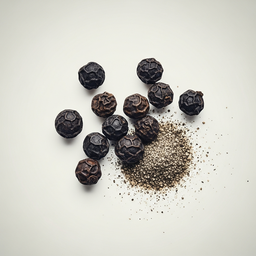 Black pepper
 Piperine increases absorption of cumin's active compounds 2-3x
Technical: Cumin contains cuminaldehyde and thymoquinone with digestive-promoting and bioactive properties. Piperine from black pepper inhibits CYP3A4 enzymes, reducing breakdown and improving absorption 2-3x.
What does this mean for you? Always add black pepper to dishes with cumin. This is why many spice blends (garam masala, ras el hanout) contain both.
DigestionAnti-inflammatory
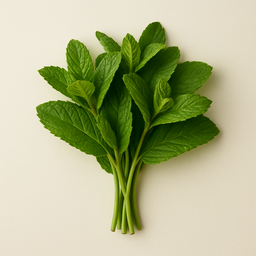 Fresh mint
  Cucumber
 Ultimate cooling: menthol + water-rich food
Technical: Mint contains menthol (40-50% of essential oil) that activates TRPM8 cooling receptors - you feel cooling without temperature drop. Cucumber is 96% water and provides electrolytes. Together they offer both physiological and sensory cooling.
What does this mean for you? Add fresh mint to cucumber water or raita. Ideal in hot weather, after exercise, or for hot flashes. The combination works better than either ingredient alone.
DigestionStress ReliefEnergy
Olive oil for frying Garlic Aglio e olio: allicin + oleocanthal via complementary biochemical pathways
Technical: Garlic contains allicin (formed when cutting/crushing) that influences HMG-CoA reductase (involved in lipid metabolism). Olive oil contains oleocanthal that modulates COX-1/2 enzymes. Together they influence lipid metabolism and prostaglandin cascade via complementary biochemical pathways. The fat also helps absorb fat-soluble garlic compounds.
What does this mean for you? Gently warm garlic in olive oil (don't burn!) as the base for many dishes. This is why 'aglio e olio' pasta is so beloved — two bioactive compounds that reinforce each other.
HeartImmune System
Olive oil for frying Sesame seeds Olive oil fats improve absorption of sesame seed minerals and lignans
Technical: Olive oil's monounsaturated fats (oleic acid) improve absorption of fat-soluble lignans from sesame seeds. Additionally, olive oil polyphenols (oleocanthal) and sesame lignans form a broader antioxidant spectrum.
What does this mean for you? Use olive oil in dishes with sesame seeds — for example in an Asian salad or as a base for tahini dressing.
HeartAnti-inflammatorySkin & Hair
Olive oil for frying Ripe tomatoes Mediterranean golden rule: fat increases lycopene absorption 4x
Fat significantly increases lycopene bioavailability (PMID: 15927929)
Technical: Tomatoes contain lycopene (3-7mg per 100g), a carotenoid with strong antioxidant action. Lycopene is fat-soluble with only 10-15% absorption without fat. Olive oil increases this to 40-60% (2.5-4x improvement). Cooking further increases lycopene bioavailability.
What does this mean for you? Always add olive oil to tomato dishes — sauces, salads, bruschetta. This is why Mediterranean cuisine is so healthy. Cooked tomatoes with olive oil = maximum lycopene.
HeartSkin & Hair
 Paprika Olive oil for frying
 3x better carotenoid absorption with fats
Technical: Paprika powder is extremely rich in carotenoids: beta-carotene, capsanthin and cryptoxanthin. These are all fat-soluble with only 5-10% absorption without fat. Olive oil or butter create micelles increasing absorption up to 3x. Additionally, vitamin E from olive oil protects carotenoids from oxidation.
What does this mean for you? Always briefly fry paprika powder in oil or butter before adding liquid. This activates the color and increases vitamin absorption up to 3x — the basis of Hungarian goulash.
Skin & HairImmune System
 Cooked beetroot Soft goat cheese
 Protein + minerals complement betalains
Technical: Goat cheese provides 22g protein and 500mg calcium per 100g. The fats (21g) in cheese increase absorption of fat-soluble betalains from beetroot. The salty taste also balances the earthy sweetness of the beet.
What does this mean for you? Combine roasted beetroot with crumbled goat cheese or feta, walnuts and some balsamic. A classic salad that's also nutritionally well-composed — cheese fat makes betalains more absorbable.
HeartMuscle Gain
Cooked beetroot Cumin Iron + digestive enzymes: minerals and digestion
Technical: Red beet contains 0.8mg iron per 100g plus betalains (bioactive pigments). Cumin activates digestive enzyme release and increases nutrient absorption. Cumin also contains iron (66mg/100g dried) and thymol that modulates NF-κB signaling.
What does this mean for you? Sprinkle roasted beets with ground cumin. The earthy flavors combine perfectly and iron sources stack up. Ideal in salads or as a side dish.
DigestionEnergyAnti-inflammatory
 Onion Garlic
 More than 20 organosulfur compounds in one soffritto
Technical: Onion contains diallyl disulfide and quercetin (20-40mg/100g). Garlic contains allicin, ajoene and S-allylcysteine. Together they provide more than 20 different organosulfur compounds that modulate NF-κB. Allium crops are intensively studied in nutrition science for their unique sulfur chemistry.
What does this mean for you? Start every dish with sautéed onion and garlic — not just for flavor, but for the unique concentration of organosulfur compounds. Cut garlic 10 minutes before heating to allow allicin formation.
DigestionImmune System
Onion Ripe tomatoes Quercetin + lycopene: synergistic polyphenol-carotenoid combination
Technical: Quercetin from onion (20-40mg/100g) and lycopene from tomato (2573μg/100g) work through different mechanisms. Quercetin chelates metal ions and modulates lipid peroxidation, lycopene quenches singlet oxygen. Combined polyphenols and carotenoids work synergistically — the combination works through complementary mechanisms.
What does this mean for you? Tomato sauce with onion is the base of nearly every Mediterranean cuisine — and rightly so. Quercetin and lycopene enhance each other's action through complementary biochemical pathways. Cooking in olive oil makes carotenoids more absorbable.
HeartAnti-inflammatory
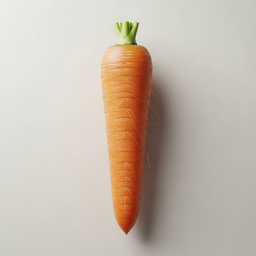 Carrot Olive oil for frying
 Up to 5x more beta-carotene absorption
Technical: Carrot contains 8285μg beta-carotene per 100g, but bioavailability from raw carrot is only 3-4%. Heating + olive oil increases this to 20-25%. Oleic acid (73% of olive oil) forms mixed micelles that efficiently transport beta-carotene to enterocytes for absorption.
What does this mean for you? Roast carrots with olive oil or eat them in a salad with dressing. Without fat you absorb only 3% of beta-carotene — with olive oil up to 5x more.
Skin & HairFocusImmune System
 Sea salt Ripe tomatoes
 Minerals improve flavor perception and electrolyte balance
Technical: Sea salt contains trace minerals (magnesium, potassium, calcium) besides sodium. Tomato is rich in potassium (237mg/100g) and lycopene. Avocado adds magnesium (29mg) and potassium (485mg). Together they form a broad electrolyte profile: sodium (salt) + potassium (tomato/avocado) + magnesium (avocado) — essential for fluid balance and nerve function.
What does this mean for you? Sprinkle tomato and avocado with a pinch of sea salt. This is more than flavor — the minerals complement each other for a complete electrolyte balance.
HeartEnergy
Sea salt Olive oil for frying Minerals + polyphenols for cellular balance
Technical: Sea salt's sodium is essential for the sodium-potassium pump (Na+/K+-ATPase) that regulates every body cell. Olive oil's oleuropein and hydroxytyrosol provide antioxidant protection for cell membranes. The combination supports cell integrity: sea salt regulates ion balance, olive oil protects the membrane. In Mediterranean cuisine, coarse sea salt + olive oil is the most basic flavor profile.
What does this mean for you? Freshly ground sea salt with extra virgin olive oil is the simplest and most nutritious finishing of any dish. The combination provides the basic needs of your cells: minerals for function, polyphenols for protection.
HeartGeneral Wellness
Black pepper Olive oil for frying Fat increases piperine absorption and enhances polyphenols
Technical: Piperine is fat-soluble and absorbed 2-3x better with dietary fat. Olive oil's oleocanthal and piperine both modulate COX signal transduction through different mechanisms, providing additive bioactive effect.
What does this mean for you? Grind fresh pepper over salads with olive oil dressing. The combination enhances both pepper absorption and bioactive action.
Anti-inflammatoryHeartDigestion
Ingredients (23)
- Warka/Brik pastry sheets — 12 pcs or filo pastry as alternative
-
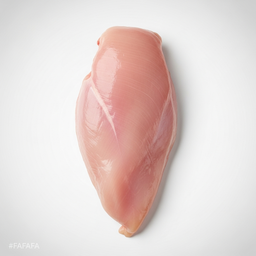 Chicken breast — 250 g for chicken briwat
 - Soft goat cheese — 150 g for cheese briwat
- Honey — 3 tbsp
- Onion — 2 pcs 1 for chicken, 1 for salads
Instructions
- 1 **CHICKEN BRIWAT:** Poach chicken breast 15 min in salted water. Cool and shred finely.
- 2 Sauté 1 onion with garlic. Add chicken, cumin, paprika, cinnamon and cilantro. Let cool.
Nutrition per serving
Indicative values per serving.
Timing & Suitability
Shelf life: 2 days in fridge
Tags & Diet
Allergens: Gluten, Dairy, Sesame