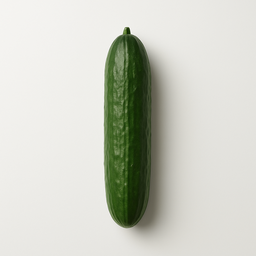
Cucumber
Ultimate Hydration
What is this ingredient?
Cucumber belongs to the gourd family (Cucurbitaceae) and is botanically a fruit. With 95% water, it's one of the most hydrating foods. The skin contains most nutrients, including silicon (important for connective tissue) and lignans with antioxidant properties. Cucumber also contains fisetin, a flavonoid being studied in laboratory research for its potential effects on the nervous system.
How does it taste?
Cool, watery and refreshing with a mild, slightly grassy taste.
Pairs well with:
Pairs well with dillyogurtmintsesame and rice vinegar.
Did you know...?
- Cucumbers are about 96% water, the highest percentage of any vegetable.
- The phrase 'cool as a cucumber' has scientific basis: the inside is cooler than the outside air.
Nutritional Value & Energy
Per 100g
Cucumber is low in calories thanks to natural nutrients .
Per 100g
Minerals
Vitamins
Omega-3 fatty acids
More nutrients
B-Vitamins
Trace Minerals
What's in a serving?
1 serving
Cucumber naturally contains vitamin k (21 mcg per 100 g).
% of daily reference intake (DRI)
EU-approved nutrition claims
This ingredient contains nutrients for which EFSA-authorized health claims exist (at nutrient level, not ingredient-specific).
Approved health claims (EU)
Vitamin_k EU 432/2012
Vitamin K contributes to normal blood clotting
Contains 21mcg/100g (threshold: ≥11.25mcg/100g)
Vitamin_k EU 432/2012
Vitamin K contributes to the maintenance of normal bones
Contains 21mcg/100g (threshold: ≥11.25mcg/100g)
What's being researched?
Hydration and skin health
The high water content and cucurbitacins in cucumber are being studied for potential skin hydration benefits. Traditional use is being scientifically evaluated, but robust clinical evidence is limited.
Supported by: [2] Price CT (2013)
Flavonoids and antioxidant activity
Flavonoids in cucumber skin are being studied for antioxidant activity. Concentration is higher in the skin than in the flesh, but clinical relevance requires further investigation.
Supported by: [1] Khan N (2013)
Good Combinations (Synergy)
Combine cucumber smartly to enhance the effect:
Cucumber 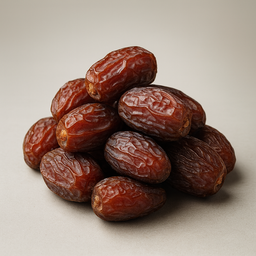 Dates
Dates Prophetic combination: heat of dates balanced by coolness of cucumber
Narrated by Anas ibn Malik: 'The Prophet ﷺ used to eat cucumber with fresh dates' (Bukhari 5447, Muslim 2043)
Technical: Dates are calorie-dense (277 kcal/100g) and 'warming' in the Arab culinary tradition. Cucumber is water-rich (96%) and 'cooling'. The combination balances the intense sweetness of dates, while cucumber adds electrolytes (potassium, magnesium) and hydration.
What does this mean for you? This is a Sunnah practice: the Prophet ﷺ ate fresh dates with cucumber. Ideal when breaking fast - dates restore blood sugar, cucumber hydrates.
Cucumber 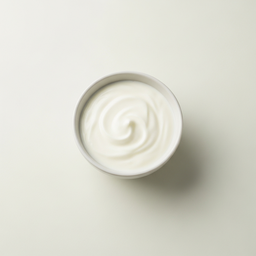 Yogurt
 Tzatziki: hydration + probiotics for digestion
Technical: Cucumber is 96% water and contains silicon (involved in collagen synthesis), potassium (147mg/100g) and cucurbitacins — bioactive triterpenoids. Yogurt provides probiotics (Lactobacillus, Streptococcus thermophilus) that feed gut flora. Cucumber's cooling action also reduces TRPV1 receptor stimulation by capsaicin.
What does this mean for you? Tzatziki with spicy food isn't coincidence — cucumber cools, yogurt soothes, and probiotics support digestion. Serve with spicy dishes for optimal comfort.
Cucumber 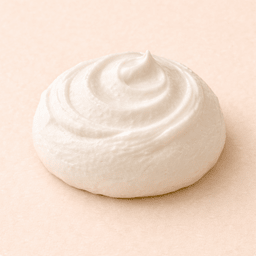 Labneh
 Synbiotic: cucumber prebiotic fibers + labneh concentrated probiotics
Strained yogurt (labneh) contains 2-3x higher probiotic concentrations than regular yogurt
Technical: Labneh contains concentrated probiotics (10⁸-10⁹ CFU/g) through the straining process — 2-3x higher than regular yogurt. Cucumber peel contains indigestible cellulose and hemicellulose serving as prebiotic substrate. The high water content of cucumber (96%) also creates a favorable hydration environment for bacterial fermentation in the colon.
What does this mean for you? Labneh with cucumber (traditional Middle Eastern breakfast) is a synbiotic combination. The fibers from cucumber peel feed the concentrated probiotics from labneh — an ancient tradition with scientific logic.
Cucumber 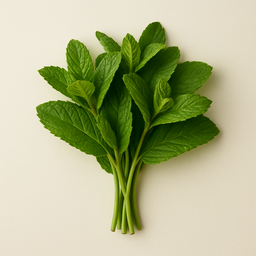 Mint
Mint Ultimate cooling: menthol + water-rich food
Technical: Mint contains menthol (40-50% of essential oil) that activates TRPM8 cooling receptors - you feel cooling without temperature drop. Cucumber is 96% water and provides electrolytes. Together they offer both physiological and sensory cooling.
What does this mean for you? Add fresh mint to cucumber water or raita. Ideal in hot weather, after exercise, or for hot flashes. The combination works better than either ingredient alone.
Cucumber 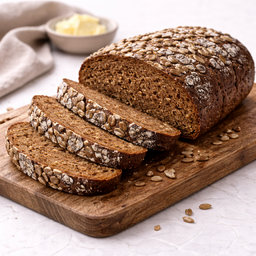 Rye bread
 Hydration + fiber for digestion
Technical: Rye bread's insoluble fiber needs water for effective function. Cucumber (96% water) provides hydration plus silica for the gut lining.
What does this mean for you? Rye bread with cucumber (traditional Scandinavian) is a combination where the cucumber provides the water that the rye fibers need. Simple, crunchy and effective.
Recipes with Cucumber
Discover delicious recipes featuring cucumber:
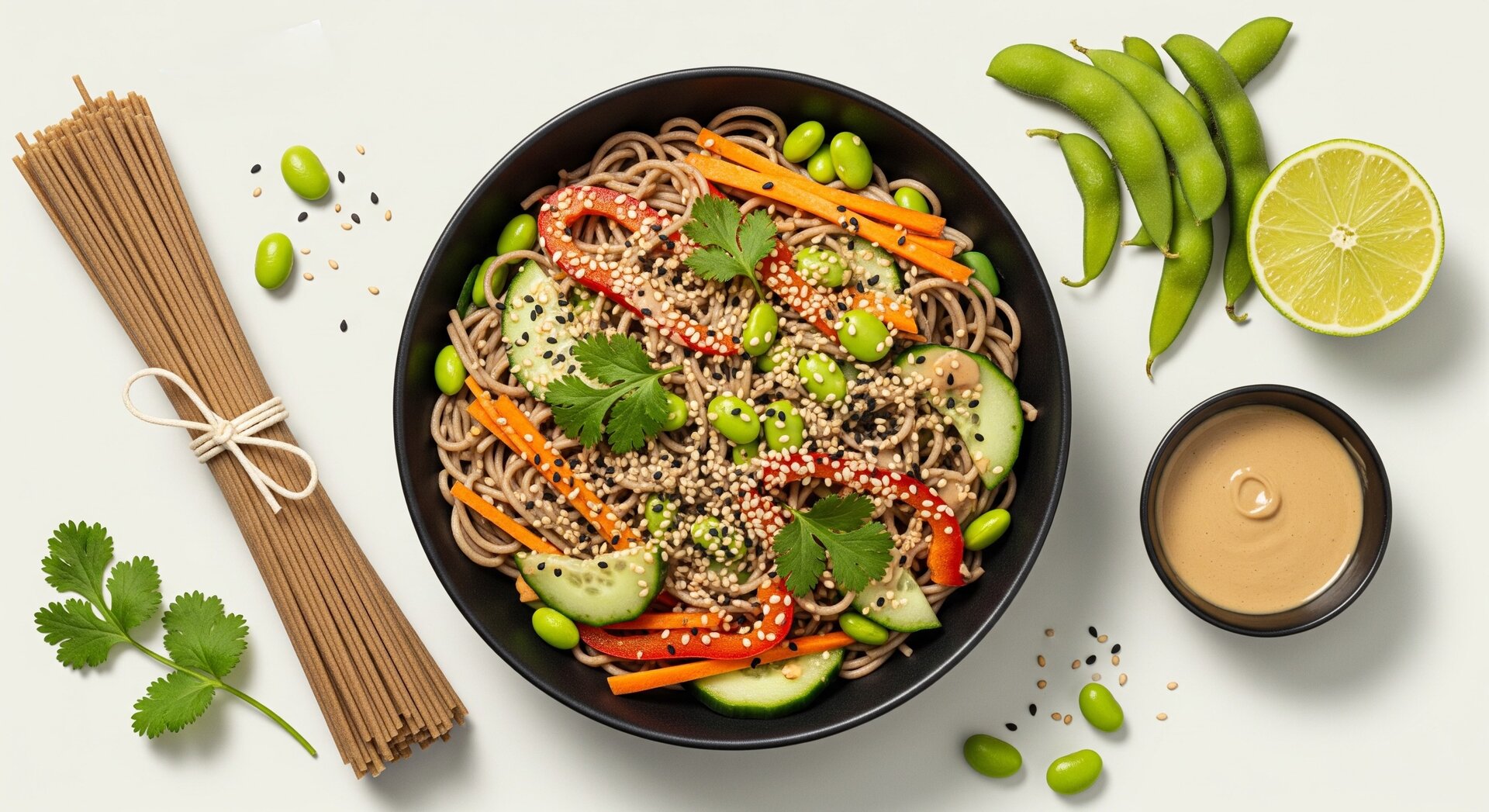 Asian Sesame-Soba Noodle Salad with Edamame 25 min Cold noodle salad with sesame dressing and edamame
  751 kcal
  31g protein 1 synergies
 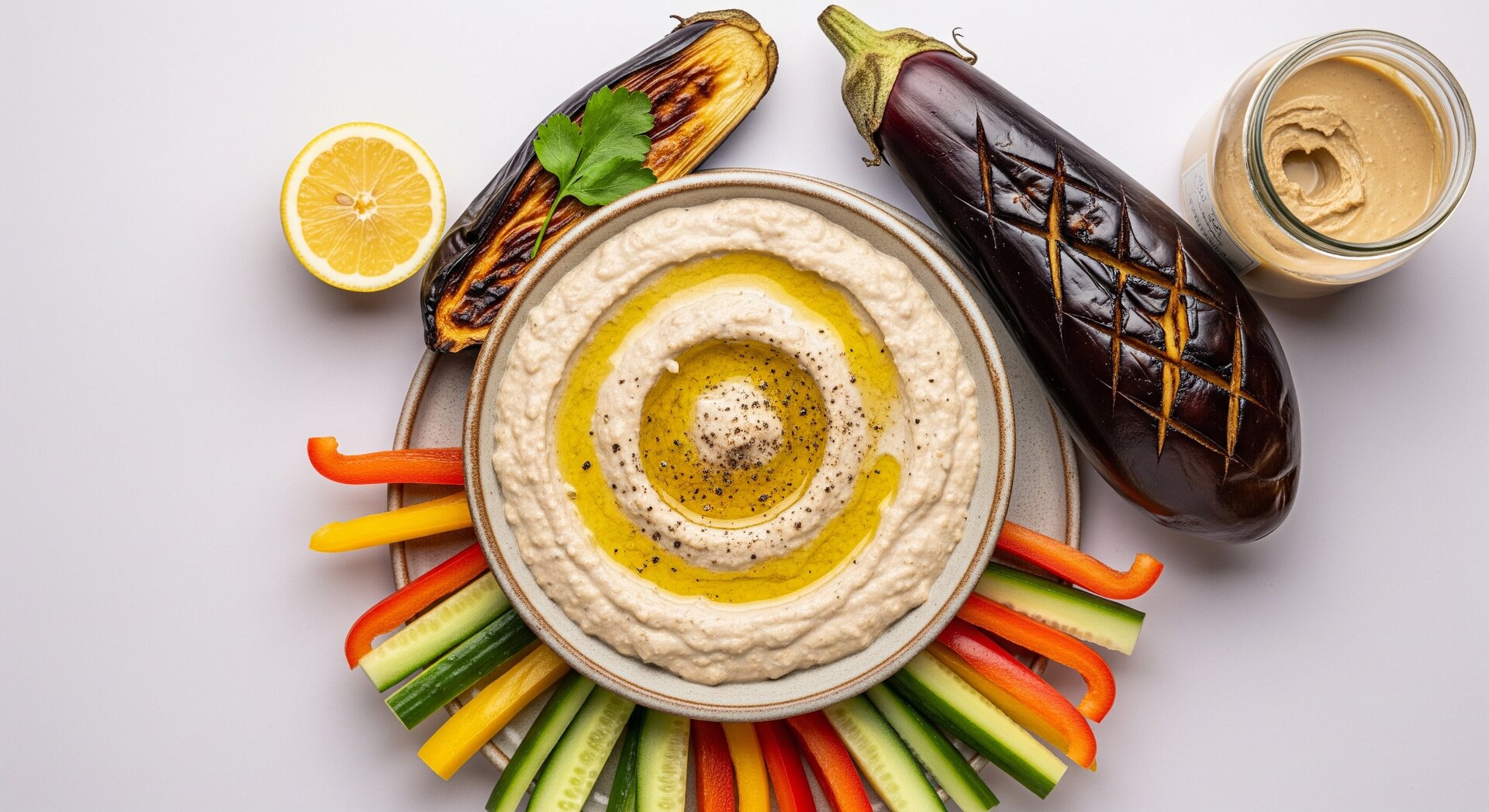 Baba Ganoush with Vegetable Sticks 40 min Roasted eggplant dip with fresh vegetables 216 kcal 5g protein 1 synergies
 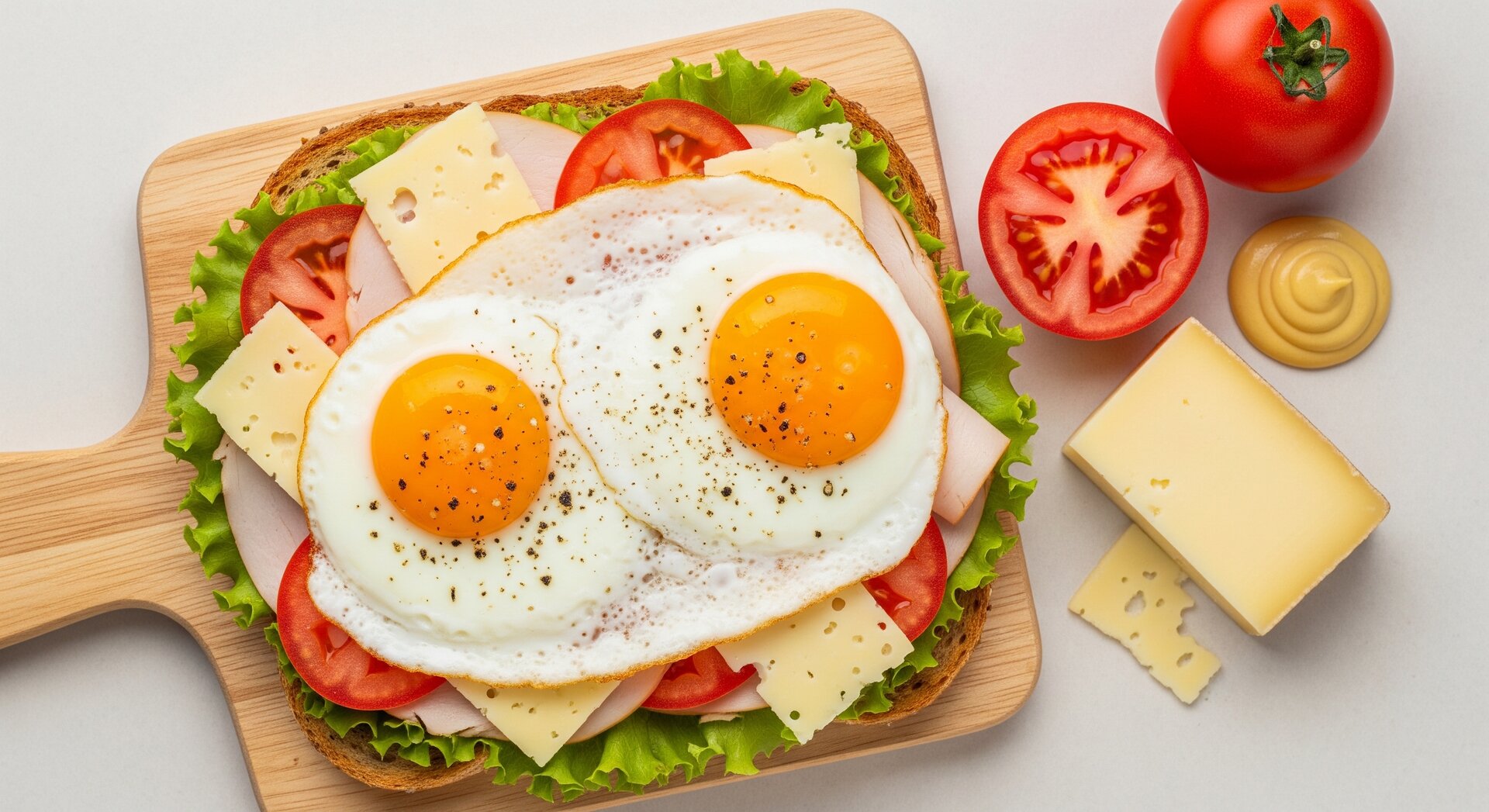 Belgian Uitsmijter with Aged Cheese and Tomato 18 min Classic Belgian lunch with fried egg and aged cheese 823 kcal 55g protein 2 synergies
 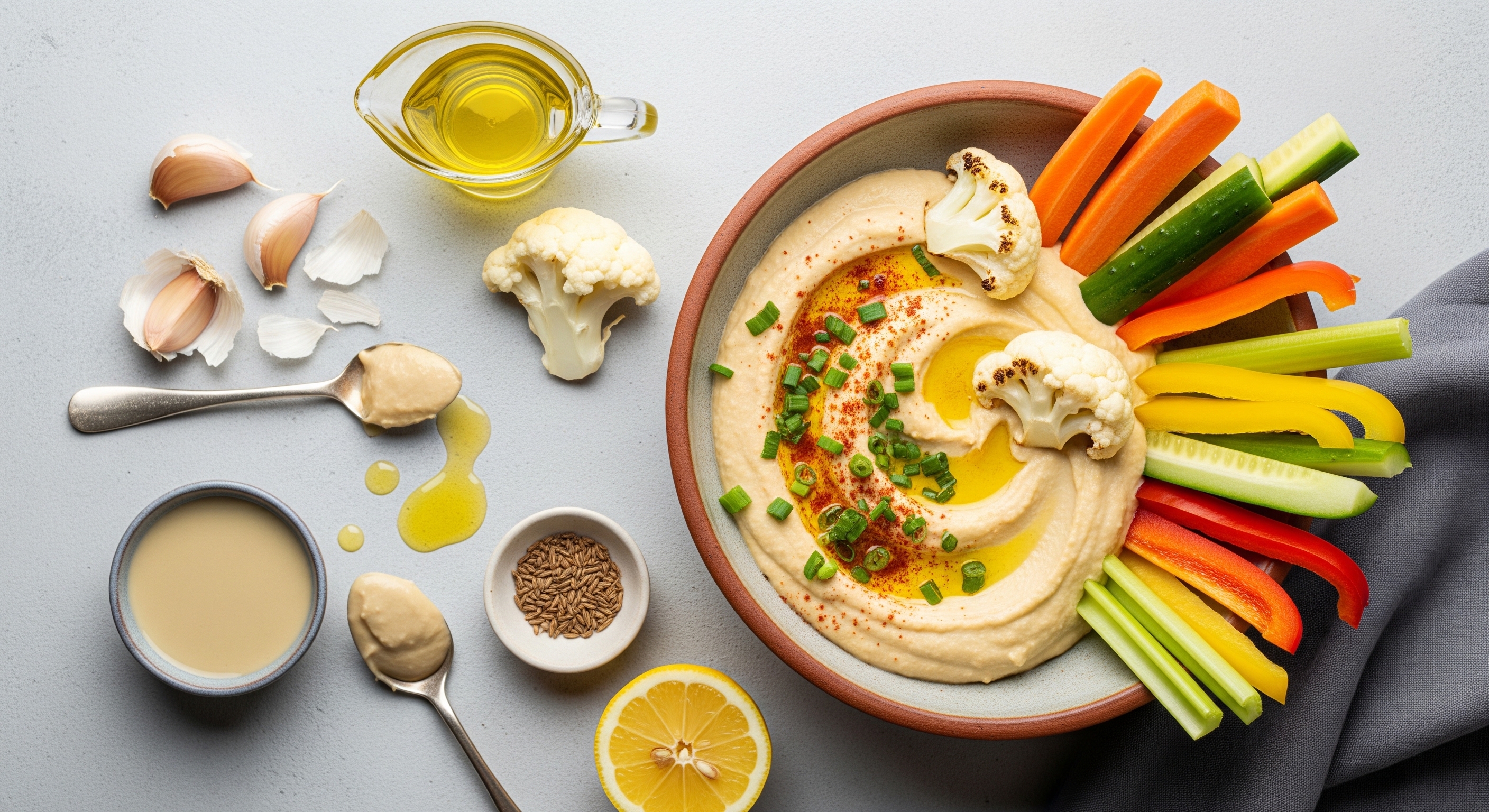 Cauliflower Hummus with Veggie Sticks 25 min Creamy low-carb dip with crunchy vegetables 105 kcal 3g protein 1 synergies
 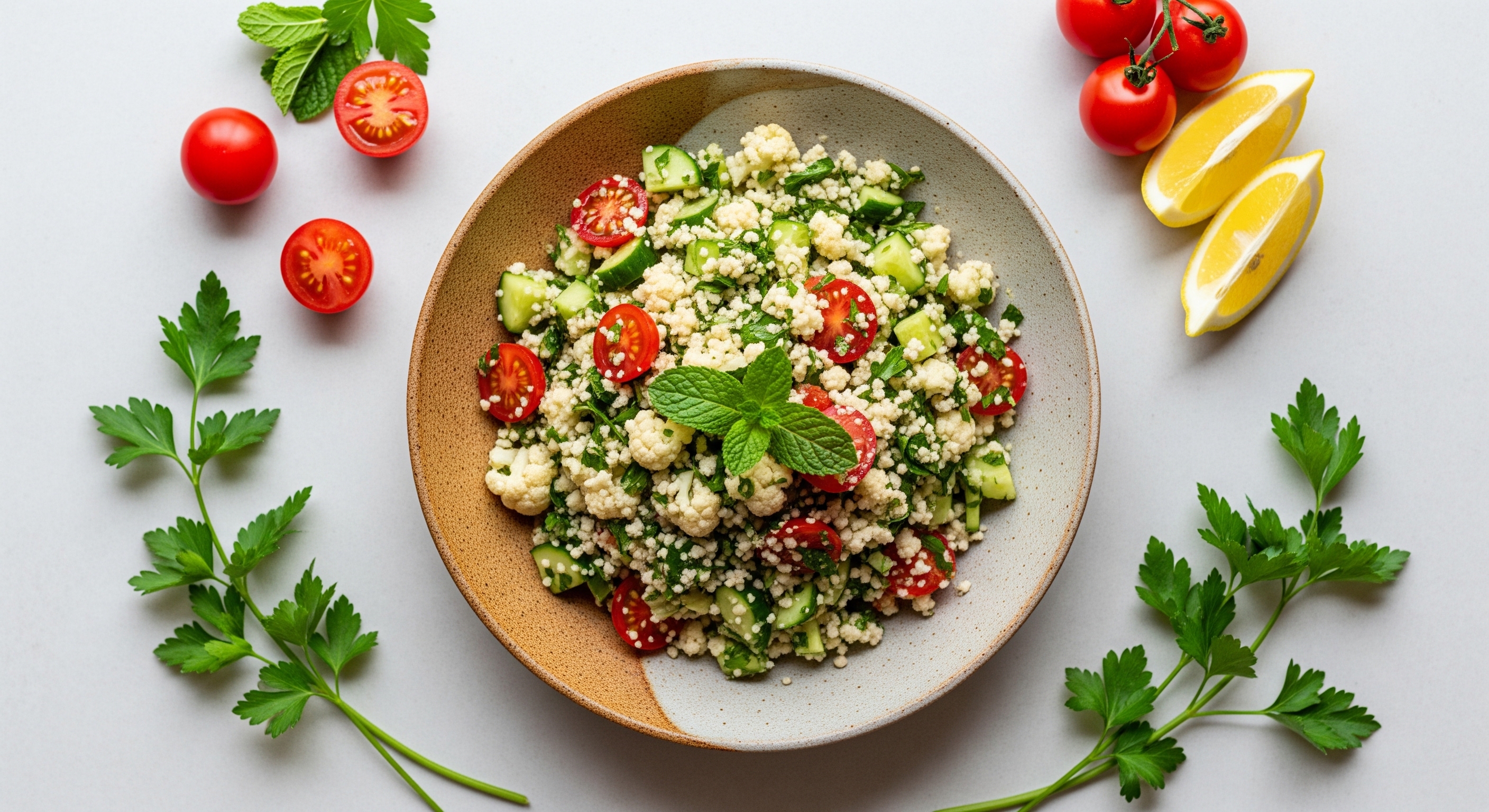 Cauliflower Tabbouleh with Parsley and Mint 20 min Fresh, herby and light 130 kcal 2.5g protein 3 synergies
 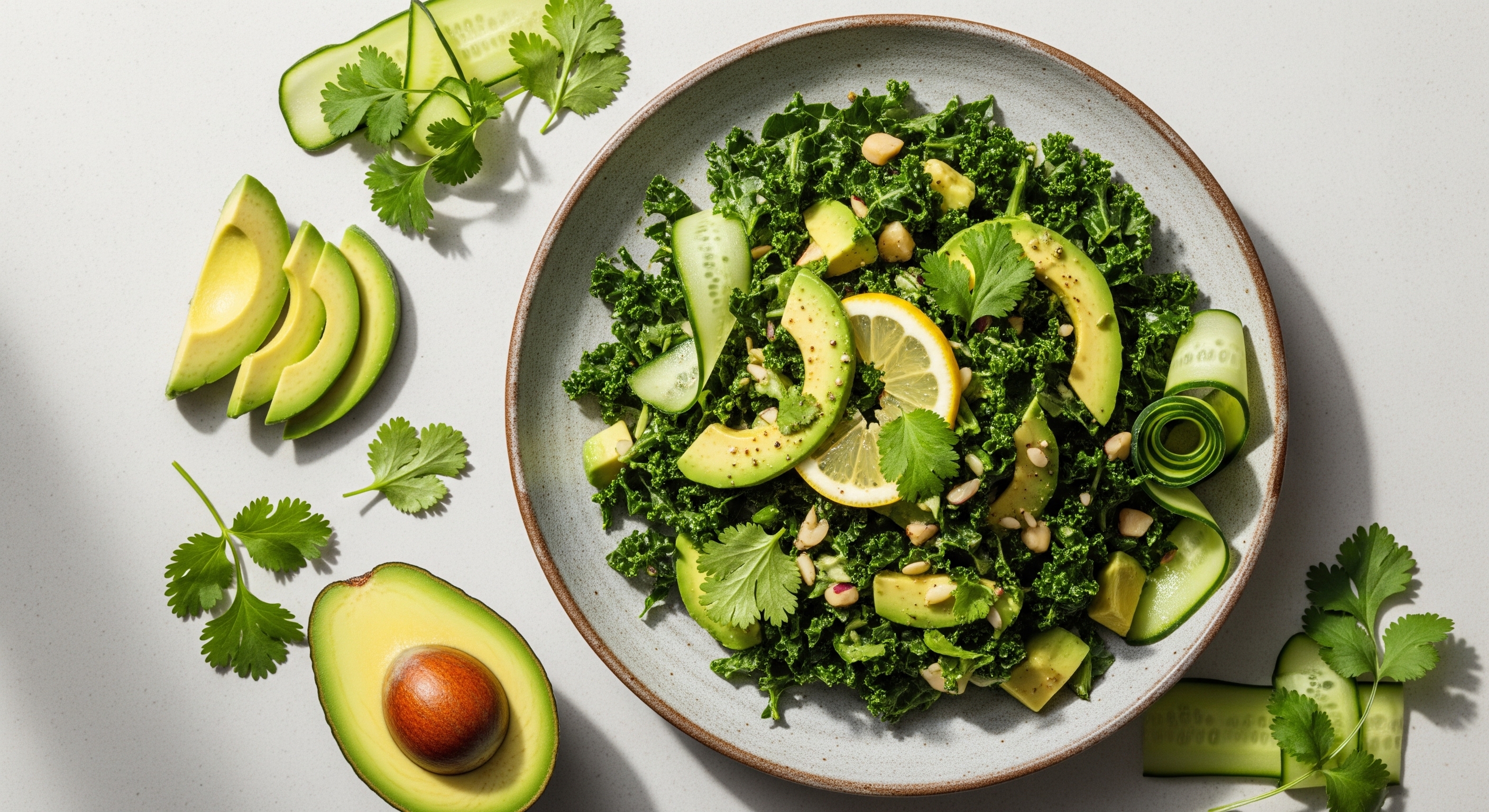 Kale Salad with Avocado, Cucumber and Coriander 15 min Fresh, green and creamy-crisp 344 kcal 8g protein 2 synergies
  In the Kitchen
Storage
Location:Refrigerator
Shelf life:1 week
Store in the crisper, not next to tomatoes or bananas (ethylene accelerates spoilage). Wrap cut cucumber in plastic wrap.
Preparation
Usually eaten raw. Can also be briefly stir-fried or pickled. For best hydration: eat with skin.
Conversions
Substitutes
Smart preparation
1Scoop out the seeds with a spoon for salads without excess moisture.
2Sprinkle sliced cucumber with salt and drain for tzatziki.
Why?
This prevents the yogurt from becoming too watery.
3Don't store cucumber next to tomatoes or fruit in the fridge.
Why?
Ethylene gas from fruit accelerates cucumber spoilage.
Caution / Warnings
Cucumber is very safe, but there are scientific considerations:
Gourd Allergy Moderate
People allergic to melon or watermelon may show cross-reactions
Advice:
With known allergy to other gourds, be careful with cucumber
Traditional use
Ayurveda
Ayurvedic cooling food
In Ayurveda, cucumber is considered one of the most cooling foods, ideal for calming Pitta and quenching thirst in heat.
Mediterranean
Ancient Egyptian and Roman use
Cucumbers were cultivated in ancient Egypt and recommended by Roman physicians for skin conditions and as a fever reducer.
Summary
Cucumber is the ultimate hydrating snack - 95% water with virtually no calories. Eat the skin for its silicon content (a trace mineral naturally found in connective tissue) and the flavonoid fisetin. Perfect as a healthy snack, in salads, or as a refreshing ingredient in water.