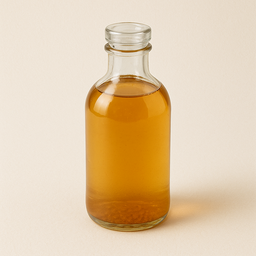
Apple Cider Vinegar
Fermented apple vinegar with bright, tangy depth
What is this ingredient?
Apple cider vinegar (ACV) is made through double fermentation. First, yeasts convert the sugars from apples into alcohol, creating cider. Then acetic acid bacteria convert that alcohol into acetic acid, the compound that gives apple cider vinegar its sharp tang and preserving character.
What to look for: cloudy apple cider vinegar 'with the mother' contains visible sediment from fermentation cultures, proteins and enzymes. This gives the vinegar a more robust, artisanal character. Clear apple cider vinegar is filtered and often tastes cleaner and more streamlined, which can be useful in light dressings or sauces where you want less sediment.
How does it taste?
Sharp-sour with a fruity apple note and slightly fermented depth.
Pairs well with:
Pairs well with honeymustardolive oillettuce and red onion.
Varieties
With the Mother (Unfiltered)
Cloudy vinegar with stringy sediment from fermentation cultures, proteins and enzymes. Gives dressings, marinades and drinks a distinctly artisanal character.
Filtered (Clear)
Clear filtered vinegar without visible 'mother'. It keeps the typical acetic tang and is useful when you want a clean, clear dressing or sauce.
Organic
Made from organically grown apples. Often available as an unfiltered version with mother, but also as clear vinegar for mild, fruity preparations.
Did you know...?
- Vinegar was valued in antiquity as a tangy seasoning and preserving ingredient; apple cider vinegar is a fruity version within that long fermentation tradition.
- Apple cider vinegar is created by double fermentation: first apple sugar to alcohol, then alcohol to acetic acid.
Nutritional Value & Energy
Per 100ml
Apple Cider Vinegar is low in calories thanks to natural nutrients .
Per 100g
Minerals
Vitamins
Omega-3 fatty acids
More nutrients
Trace Minerals
EU-approved nutrition claims
There are currently no EFSA-authorized health claims specific to apple cider vinegar.
What's being researched?
Apple cider vinegar and glucose response after meals
Apple cider vinegar is studied in research on glucose response after carbohydrate-rich meals. The available clinical studies are small and mainly show modest, meal-related effects.
Supported by: [2] Ostman (2005) , [1] Johnston (2004)
Good Combinations (Synergy)
Combine apple cider vinegar smartly to enhance the effect:
Apple Cider Vinegar 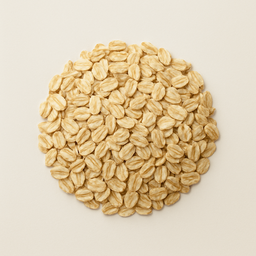 Oatmeal
 Dual glycemic slowdown via beta-glucans + acetic acid
Technical: Oatmeal contains beta-glucans (soluble fibers) that form a gel in the gut, slowing carbohydrate absorption. Apple cider vinegar's acetic acid (5%) inhibits the enzyme alpha-amylase, slowing starch breakdown. Together they reduce glycemic response by 30-40% through two independent mechanisms.
What does this mean for you? Add 1 tablespoon apple cider vinegar to your oatmeal water while cooking, or drink it diluted 15 minutes before breakfast. You feel satisfied longer thanks to slower carbohydrate processing.
Apple Cider Vinegar 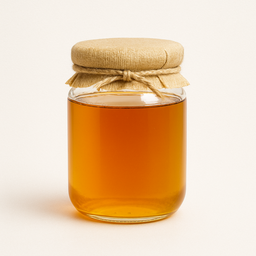 Honey
Honey Classic wellness drink: acetic acid + prebiotics + enzymes
Technical: Apple cider vinegar contains acetic acid that supports digestion. Honey contains prebiotic oligosaccharides and enzymes (amylase, invertase). The combination supports digestion and provides a broad spectrum of bioactive compounds.
What does this mean for you? Mix 1 tablespoon apple cider vinegar with 1 teaspoon raw honey in warm (not hot!) water. Drink 15-20 minutes before a meal. This is a traditional wellness drink found in many cultures.
Apple Cider Vinegar 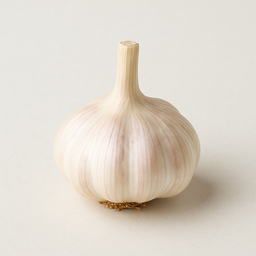 Garlic
 Acetic acid preserves allicin and extends shelf life
Technical: Allicin, garlic's active compound, is unstable and degrades quickly. Acetic acid from apple cider vinegar lowers pH, keeping allicin intact longer. Additionally, acetic acid and allicin work through different mechanisms (membrane disruption vs. thiol reaction), providing a broader spectrum of bioactive compounds.
What does this mean for you? Combine garlic with apple cider vinegar in dressings or marinades — the vinegar keeps garlic's bioactive compounds intact longer.
Apple Cider Vinegar 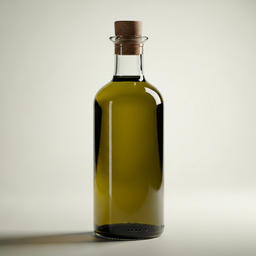 Olive Oil
 Perfect salad dressing for mineral and vitamin absorption
Technical: Apple cider vinegar's acetic acid lowers stomach pH, increasing solubility of minerals (iron, calcium, zinc) from the salad. Olive oil's unsaturated fats form micelles that make fat-soluble vitamins (A, D, E, K) and carotenoids from leafy greens absorbable — without fat only 5-10% is absorbed. Together they optimize both mineral and vitamin absorption.
What does this mean for you? The classic vinaigrette (3 parts olive oil, 1 part apple cider vinegar) is scientifically the best salad dressing you can make.
Apple Cider Vinegar 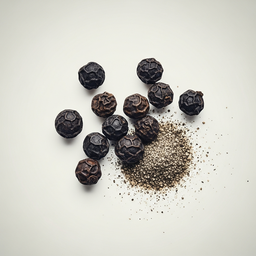 Black Pepper
 Acetic acid + piperine for dual bioavailability enhancement
Technical: Apple cider vinegar's acetic acid lowers stomach pH for better mineral absorption. Black pepper's piperine affects CYP3A4 and P-glycoprotein in the gut, allowing more nutrients to reach the bloodstream. Together they improve absorption of other nutrients in the meal.
What does this mean for you? Add apple cider vinegar and black pepper to marinades and dressings — they help your body absorb more nutrients from the entire meal.
Recipes with Apple Cider Vinegar
Discover delicious recipes featuring apple cider vinegar:
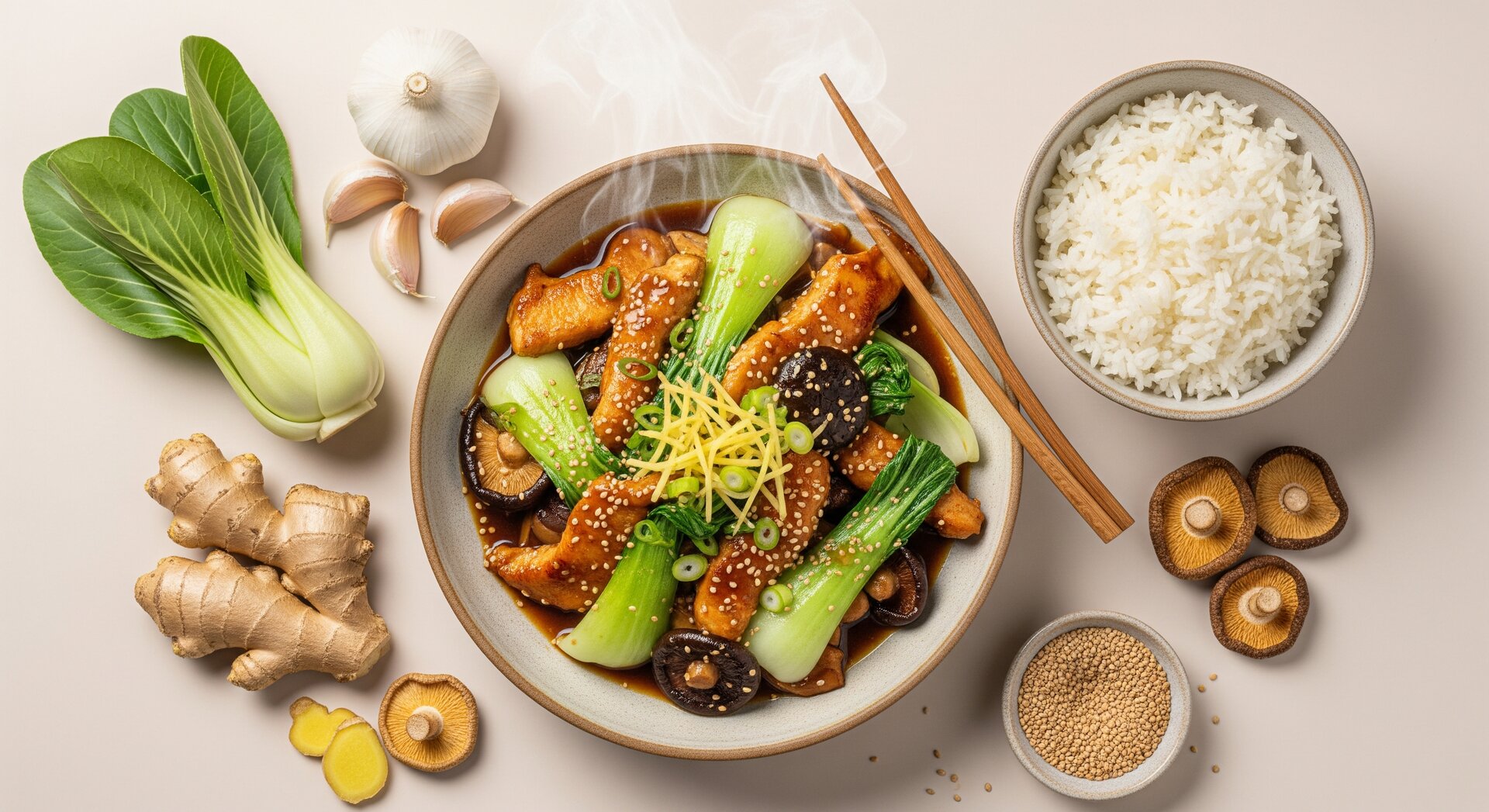 Ginger Chicken with Shiitake and Bok Choy 30 min Asian stir-fry with ginger, mushrooms and sesame
  380 kcal
  42g protein 2 synergies
  Homemade Ketchup 30 min With dates, spices and real tomato 25 kcal 0g protein 1 synergies
 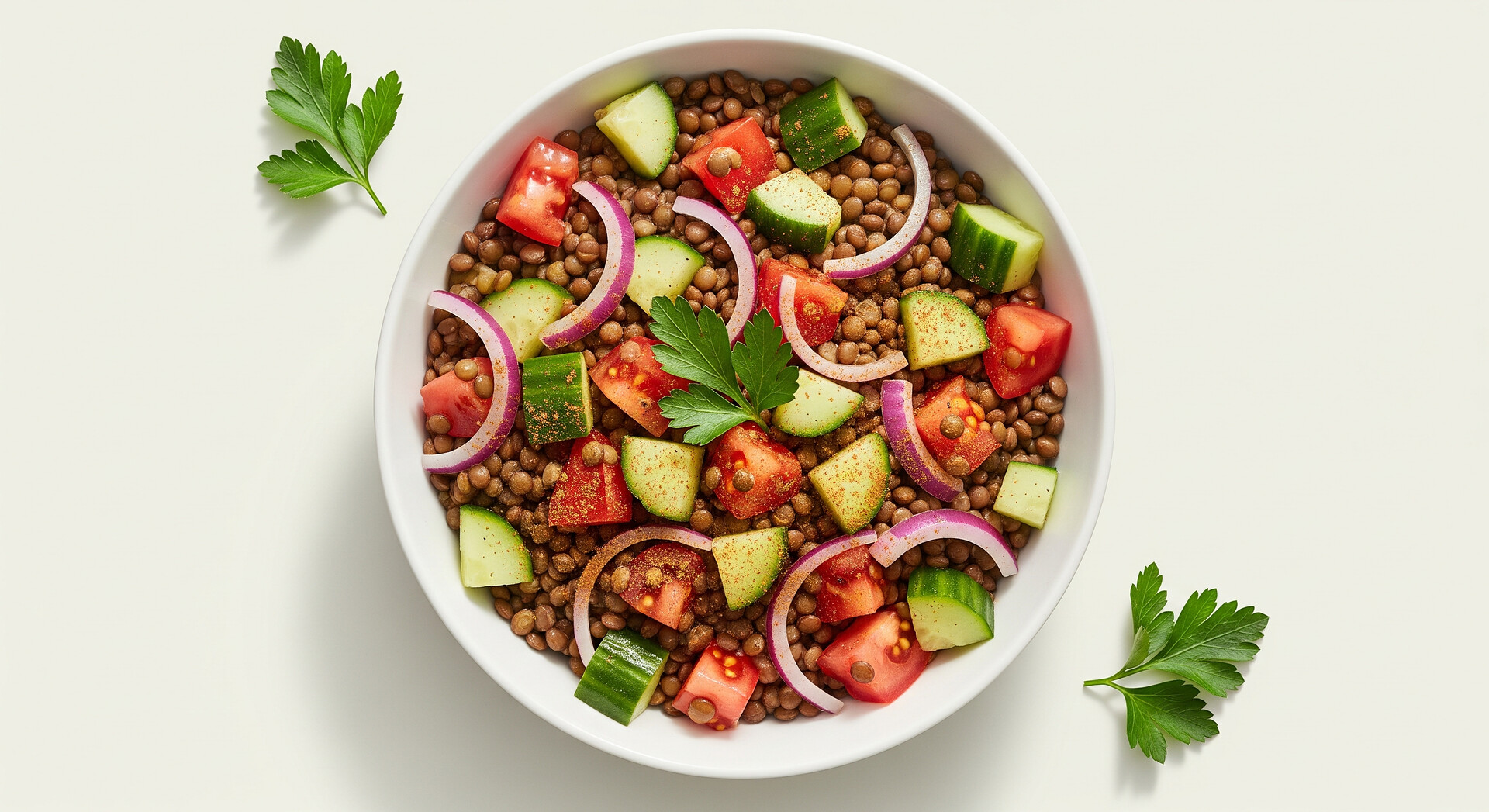 Lentil Salad with Apple Cider Vinegar Dressing 15 min Savory lentil salad with apple cider vinegar dressing 320 kcal 14g protein 2 synergies
 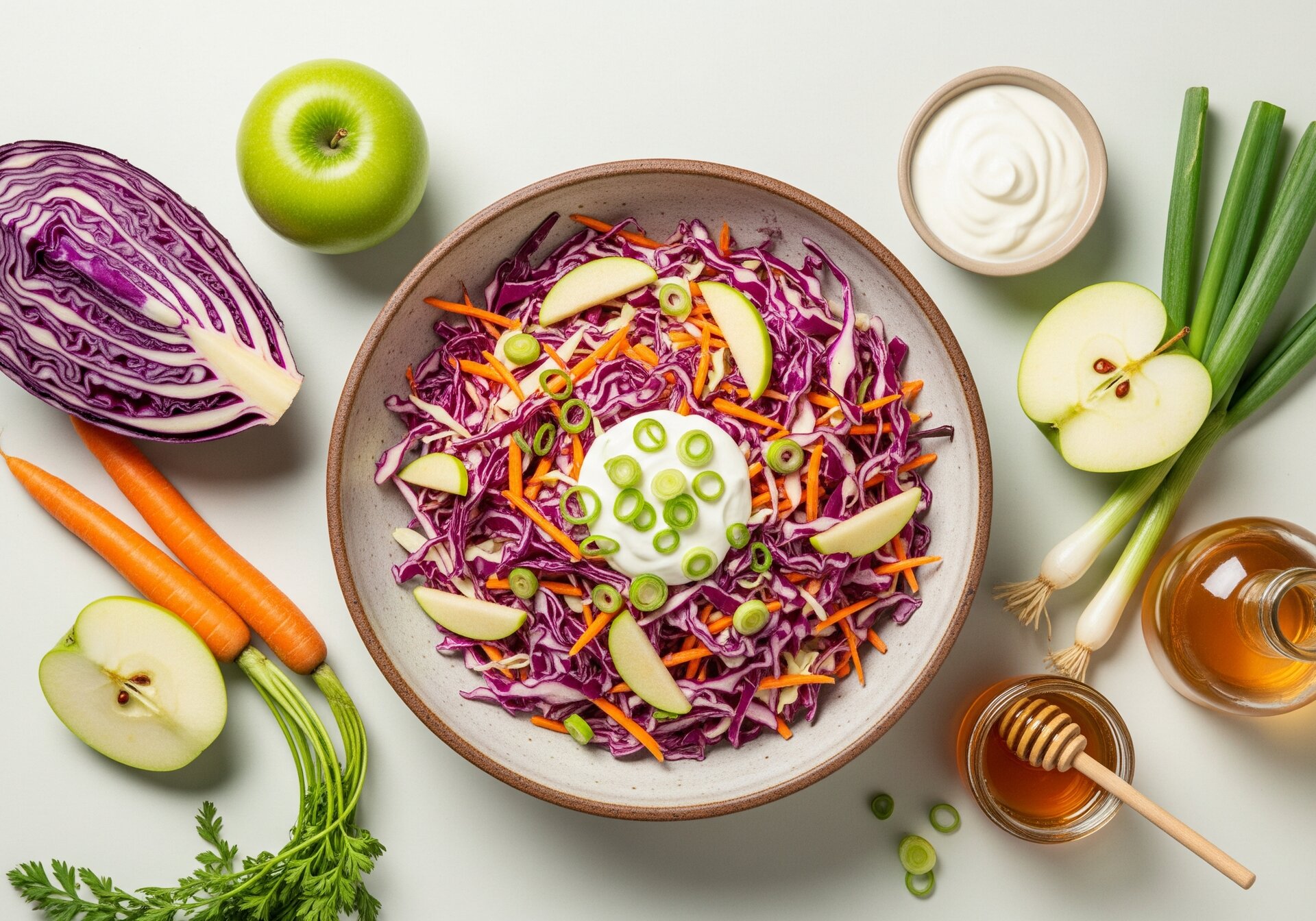 Red Cabbage Coleslaw 45 min Crunchy coleslaw with apple cider vinegar dressing 100 kcal 3g protein 1 synergies
 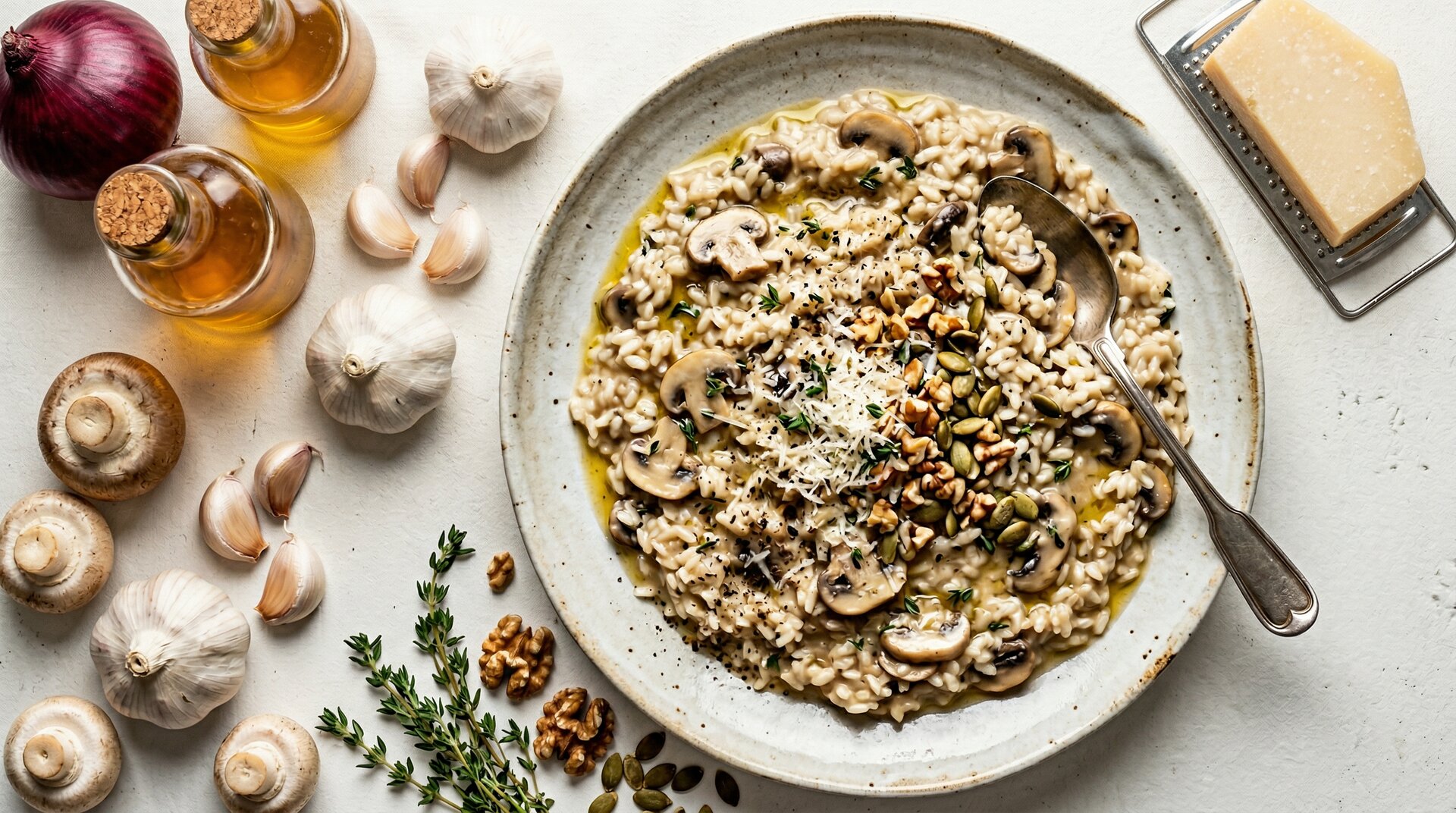 Creamy Mushroom Risotto with Truffle Oil and Parmesan 45 min Soft risotto with sautéed mushrooms, nuts and a fragrant finish 745 kcal 23g protein 2 synergies
 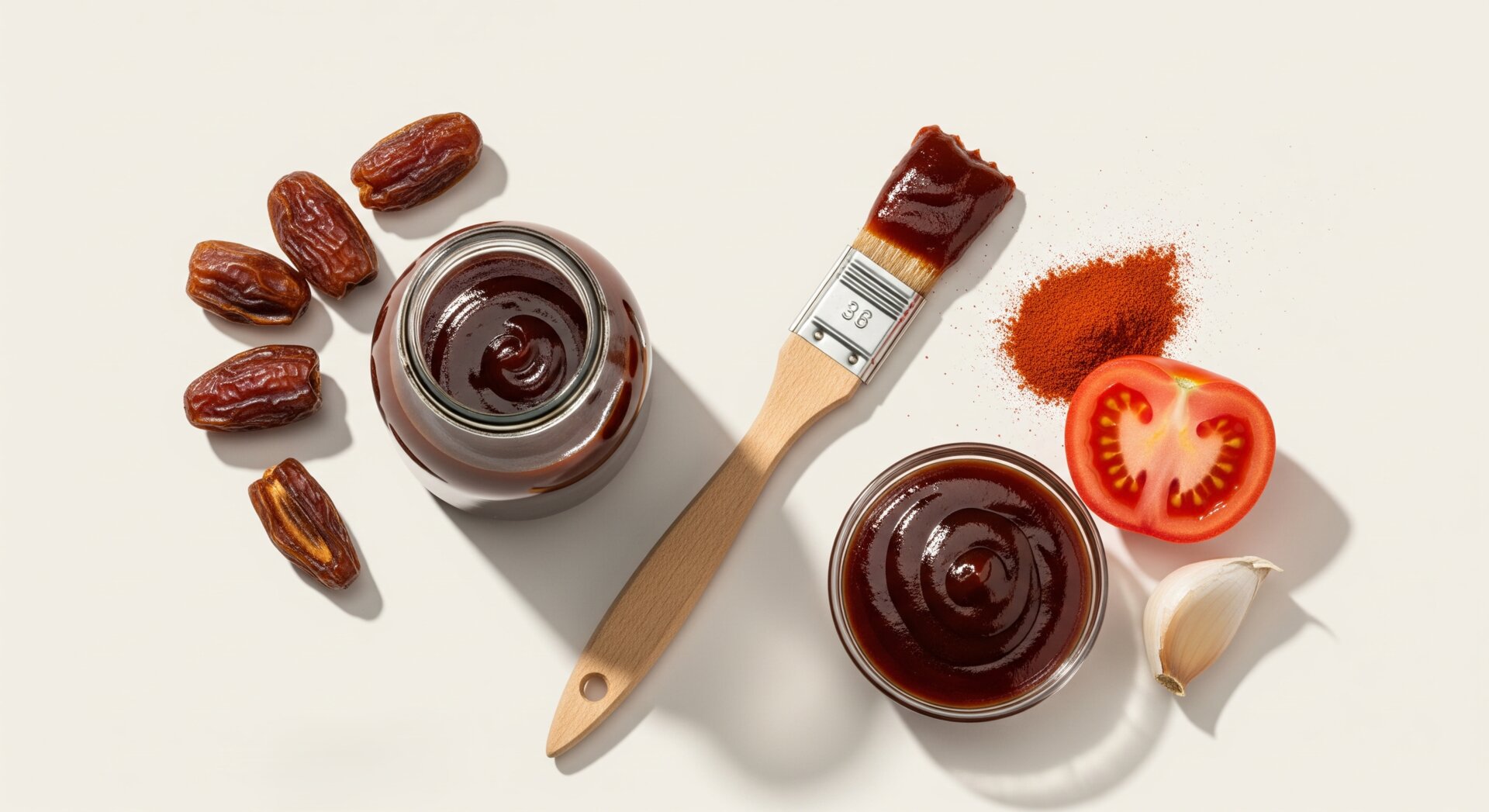 Smoky BBQ Sauce 35 min Sweetened with dates, smoked with paprika 30 kcal 0g protein 1 synergies
  In the Kitchen
Storage
Location:Pantry
Shelf life:2+ jaar (onbeperkt houdbaar)
Store at room temperature, tightly closed and away from direct sunlight. Cloudy vinegar with 'mother' may form natural sediment; shake gently before use if you want to distribute it.
Preparation
Use apple cider vinegar diluted in vinaigrettes, marinades, pickles and sauces. Do not drink it undiluted; dilute, for example, 1:10 with water and rinse with water afterward if using it as a drink.
Conversions
Substitutes
Smart preparation
1Always dilute apple cider vinegar before using it in dressings, marinades or drinks.
Why?
Undiluted apple cider vinegar is very acidic and can overpower a dish.
2Use apple cider vinegar with 'mother' when you want a cloudier, more artisanal fermentation character.
3Add a splash of apple cider vinegar to soups, stews or sauces for a fresh lift.
Caution / Warnings
Apple Cider Vinegar is very safe, but there are scientific considerations:
Tooth erosion from acidity Severe
Apple cider vinegar is acidic and may affect tooth enamel when used undiluted or very frequently.
Advice:
Do not drink it undiluted. Dilute, for example, 1 part vinegar with 10 parts water, optionally drink with a straw and rinse with water afterward.
Kidney patients and potassium restriction Moderate
Apple cider vinegar contains small amounts of potassium. With severe kidney problems, potassium restriction may be part of personalized nutrition advice.
Advice:
With kidney disease, follow your doctor’s or dietitian’s advice, especially if you are on a potassium-restricted diet.
Stomach ulcers or sensitive stomach Moderate
With existing stomach ulcers or a sensitive stomach, the acidity of apple cider vinegar may irritate mucous membranes.
Advice:
Avoid use with active stomach ulcers or discuss it with your doctor first.
Traditional use
Other
Apple Cider Vinegar in Household Kitchen Traditions
Apple cider vinegar has been used for generations in European and American kitchens for pickles, dressings, chutneys, marinades and simple preservation of seasonal produce.
Summary
Apple cider vinegar is a simple kitchen vinegar with a bright, fruity-tangy taste. Use it diluted in vinaigrettes, marinades, pickles or as a small acidic lift in soups and sauces. Choose cloudy vinegar 'with the mother' for a more robust fermentation character, or filtered vinegar for a clear, clean taste. Never drink apple cider vinegar undiluted: dilute it well and rinse with water afterward.