- Easy
- 45 min
- 6 serv.
- 3 synergies
- Now at its best: Carrot
Crunchy coleslaw of red cabbage, carrot and apple with a light dressing of apple cider vinegar, honey and Dijon mustard. Fresh, full of texture and perfect as a side dish or at a barbecue.
Coleslaw doesn't have to be a sticky mayonnaise affair. This version proves it.
Red cabbage, thinly shaved — so thin it's almost translucent. Carrot in coarse gratings. Apple in matchsticks that give a little sweetness with every bite. Spring onion for freshness.
The dressing is the heart: apple cider vinegar, a touch of honey, Dijon mustard and a hint of cumin. No mayonnaise. Light, sharp, just sweet enough to tame the bitterness of the cabbage.
And then the best part: you put it in the fridge. After half an hour everything changes. The cabbage softens just a touch, the dressing soaks in, the flavours meld together. After a night it's even better.
Four ingredients and a dressing. Sometimes that's all you need.
- 15
- min prep
- 0
- min cook
- 45
- min total
Nutritional Synergies
This recipe combines ingredients that enhance each other:
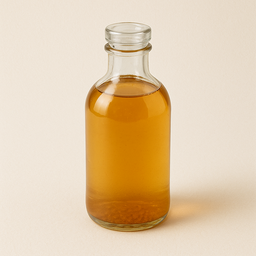 Apple Cider Vinegar
 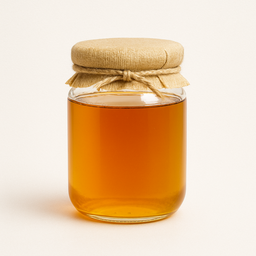 Honey
Honey Classic wellness drink: acetic acid + prebiotics + enzymes
Technical: Apple cider vinegar contains acetic acid that supports digestion. Honey contains prebiotic oligosaccharides and enzymes (amylase, invertase). The combination supports digestion and provides a broad spectrum of bioactive compounds.
What does this mean for you? Mix 1 tablespoon apple cider vinegar with 1 teaspoon raw honey in warm (not hot!) water. Drink 15-20 minutes before a meal. This is a traditional wellness drink found in many cultures.
DigestionBlood SugarImmune System
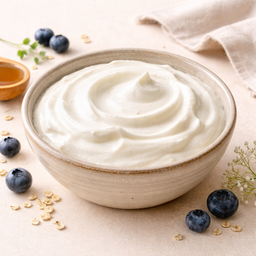 Greek Yogurt Honey
 Prebiotic honey feeds probiotic bacteria in yogurt (synbiotic effect)
Synbiotics improve probiotic survival (PMID: 16633129)
Technical: Greek yogurt contains live probiotics (Lactobacillus, Streptococcus). Honey contains oligosaccharides and FOS acting as prebiotics. This 'synbiotic' — pre- and probiotics together — increases survival and colonization of probiotic bacteria in the gut by 10-100x. The prebiotic fibers give bacteria nutrition to multiply.
What does this mean for you? Add raw honey to your Greek yogurt. The honey doesn't just sweeten — it literally feeds the good bacteria from the yogurt so they survive in your gut.
DigestionImmune System
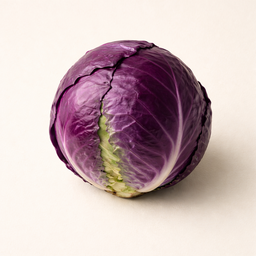 Red Cabbage
 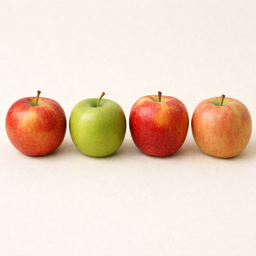 Apple
Apple Double anthocyanin source: two complementary polyphenols
Technical: Red cabbage contains 322mg anthocyanins per 100g (mainly cyanidin glycosides) and apples contain 13-75mg anthocyanins in the skin. Anthocyanins cross the blood-brain barrier and stimulate BDNF expression. Together they provide a high concentration of anthocyanins from two sources, each contributing a different glycoside profile.
What does this mean for you? Red cabbage with apple (classic Dutch!) delivers a high concentration of anthocyanins from two sources. Eat the apple peel — that's where most of it is. Add vinegar to stabilize the anthocyanins.
HeartFocus
Instructions
- 1 Slice the red cabbage very thinly with a mandoline or sharp knife.
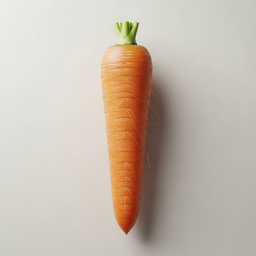
- 2 Coarsely grate the carrot and cut the apple into thin matchsticks.
Nutrition per serving
Indicative values per serving.
Timing & Suitability
Shelf life: 3 days in fridge
Tags & Diet
Allergens: Dairy