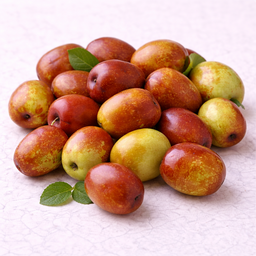
Jujubes
Chinese red dates
What is this ingredient?
## Asian fruit with a long culinary history
Jujubes, also known as Chinese red dates, have been cultivated in China and surrounding regions for more than 4,000 years. Fresh jujubes are crisp and apple-like, while dried jujubes become dark red, sweet and gently chewy. In Asian cuisines they appear in tea, rice porridge, desserts, broths and festive dishes, adding both sweetness and a recognizable red-fruit aroma.
## Jujubosides in research
Jujube contains saponins known as jujubosides. These compounds are found especially in seeds and extracts and are studied in preclinical research in relation to GABA-related signaling and rest-related parameters. Such results usually concern concentrated extracts and are not the same as a direct claim for normal fruit portions.
## Sweet, compact and versatile
Thanks to their natural sweetness, dried jujubes work well in warm drinks, soups, compotes and fillings. Fresh jujubes naturally provide vitamin C and have a crisp bite; dried ones are more convenient for the pantry and for tea. Soak dried jujubes before use when you want a softer texture.
How does it taste?
Apple-like sweet when fresh, date-like and caramelized when dried.
Pairs well with:
Pairs well with gingerhoneycinnamontea and rice.
Did you know...?
- Jujubes have been cultivated in China for over 4,000 years and are known as 'red dates'.
- The American candy 'Jujubes' is named after the fruit but contains no actual jujube.
Nutritional Value & Energy
Per 100g
Jujubes provides energy thanks to natural nutrients .
Per 100g
Minerals
Vitamins
More nutrients
Trace Minerals
What's in a serving?
1 serving
Jujubes naturally contain vitamin C (69 mg per 100 g).
% of daily reference intake (DRI)
EU-approved nutrition claims
This ingredient contains nutrients for which EFSA-authorized health claims exist (at nutrient level, not ingredient-specific).
Approved health claims (EU)
Vitamin_c EU 432/2012
Vitamin C contributes to the normal function of the immune system
Contains 69mg/100g (threshold: ≥12mg/100g)
Vitamin_c EU 432/2012
Vitamin C contributes to the reduction of tiredness and fatigue
Contains 69mg/100g (threshold: ≥12mg/100g)
Vitamin_c EU 432/2012
Vitamin C contributes to normal collagen formation for the normal function of skin
Contains 69mg/100g (threshold: ≥12mg/100g)
Vitamin_c EU 432/2012
Vitamin C contributes to normal collagen formation for the normal function of blood vessels
Contains 69mg/100g (threshold: ≥12mg/100g)
Vitamin_c EU 432/2012
Vitamin C contributes to normal collagen formation for the normal function of bones
Contains 69mg/100g (threshold: ≥12mg/100g)
Vitamin_c EU 432/2012
Vitamin C contributes to normal collagen formation for the normal function of cartilage
Contains 69mg/100g (threshold: ≥12mg/100g)
Vitamin_c EU 432/2012
Vitamin C contributes to normal collagen formation for the normal function of gums
Contains 69mg/100g (threshold: ≥12mg/100g)
Vitamin_c EU 432/2012
Vitamin C contributes to normal collagen formation for the normal function of teeth
Contains 69mg/100g (threshold: ≥12mg/100g)
Vitamin_c EU 432/2012
Vitamin C contributes to normal energy-yielding metabolism
Contains 69mg/100g (threshold: ≥12mg/100g)
Vitamin_c EU 432/2012
Vitamin C contributes to normal functioning of the nervous system
Contains 69mg/100g (threshold: ≥12mg/100g)
Vitamin_c EU 432/2012
Vitamin C contributes to normal psychological function
Contains 69mg/100g (threshold: ≥12mg/100g)
Vitamin_c EU 432/2012
Vitamin C contributes to the protection of cells from oxidative stress
Contains 69mg/100g (threshold: ≥12mg/100g)
Vitamin_c EU 432/2012
Vitamin C contributes to the regeneration of the reduced form of vitamin E
Contains 69mg/100g (threshold: ≥12mg/100g)
Vitamin_c EU 432/2012
Vitamin C increases iron absorption
Contains 69mg/100g (threshold: ≥12mg/100g)
Vitamin_c EU 432/2012
Vitamin C contributes to maintain the normal function of the immune system during and after intense physical exercise
Contains 69mg/100g (threshold: ≥12mg/100g)
What's being researched?
Saponins and sleep-related parameters
Jujubosides in jujubes are being studied in preclinical models around GABA-related signaling and rest-related parameters. Traditional use is being scientifically evaluated, but human data for normal fruit portions remain limited.
Supported by: [1] Wang M (2025) , [2] Peng WH (2000)
Vitamin C and polyphenols
Jujubes naturally contain vitamin C and various polyphenols. The combined antioxidant profile is being studied, but clinical studies with ordinary fruit portions are still limited.
Supported by: [3] Bai L (2016)
Good Combinations (Synergy)
Combine jujubes smartly to enhance the effect:
Jujubes 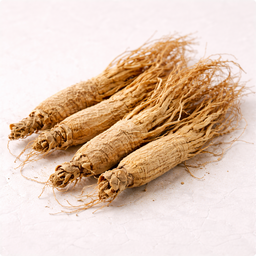 Ginseng
 Classic Korean combination for daytime energy and nighttime sleep
Technical: Ginseng contains ginsenosides (Rb1, Rg1), studied in research in relation to energy metabolism. Jujubes (Chinese dates) contain saponins and flavonoids. Both provide bioactive plant compounds.
What does this mean for you? Ginseng-jujube tea is a classic Korean drink. The ginseng supports your energy during the day, the jujubes your relaxation in the evening — two pathways that don't conflict.
Jujubes 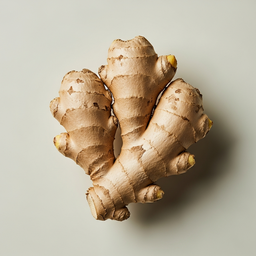 Ginger
 Jujubosides + gingerols for sleep support and digestion
Technical: Jujubes contain jujubosides (saponins, 0.5-1.2% dry weight) that modulate GABA-A receptors. Clinical studies show 42 minutes longer sleep with 500mg jujube extract. Ginger's gingerol (80-300mg/100g fresh) promotes gastric motility via serotonin 5-HT3 and muscarinic receptors and speeds gastric emptying. The combination: jujubes for GABAergic sleep modulation, ginger for digestion — so you can sleep comfortably.
What does this mean for you? Simmer dried jujubes with fresh ginger in water for an evening tea (traditional East Asian combination). The jujubes give gentle sweetness, the ginger warmth. The tea supports both your digestion and your nighttime rest.
Jujubes 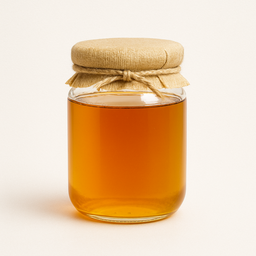 Honey
Honey GABAergic alkaloids + glucose for sleep and nocturnal glycemic balance
Technical: Jujubes contain sanjoinine and spinosin — isoquinoline alkaloids that inhibit GABA transaminase, increasing GABA concentration in CNS by 20-30%. Honey provides glucose (35g/100g) for tryptophan transport across blood-brain barrier plus prebiotic oligosaccharides (4-5%). Glucose from honey stabilizes blood sugar during sleep preventing nocturnal awakening from hypoglycemia. Honey's enzymes (glucose oxidase, diastase) are bioactive components.
What does this mean for you? Dissolve 2-3 jujubes in warm water with a teaspoon of honey as evening drink. The jujubes promote GABA for relaxation, the honey stabilizes your blood sugar all night. Traditional Chinese sleep recipe.
 In the Kitchen
Storage
Location:Pantry
Shelf life:6-12 maanden gedroogd
Preparation
Add jujubes to soups, tea, rice porridge and compotes. They are traditional in ginseng chicken soup and other Asian broths. Soak dried jujubes for about 30 minutes for a softer texture.
Conversions
Substitutes
Smart preparation
1Wash fresh jujubes and eat them like an apple; the skin is edible.
2Soak dried jujubes for at least 2 hours before using in tea or soup.
3Remove the pit by cutting the jujube open lengthwise.
Caution / Warnings
Jujubes is very safe, but there are scientific considerations:
Sedatives or sleep medication Moderate
Jujube extracts are studied in relation to rest-related signaling pathways. Caution is sensible when using sedatives or sleep medication.
Advice:
Discuss regular intake with a doctor or pharmacist if you use this kind of medication.
Diabetes Mild
Jujubes contain natural sugars. Portion size and total carbohydrate intake remain important.
Advice:
Use small portions and optionally combine them with a protein or fat source for a balanced snack.
Traditional use
Traditional Chinese Medicine
Chinese Da Zao culinary tradition
Jujubes (Da Zao) have been used for centuries in Chinese teas, soups, rice porridge and sweet dishes. In classical food culture they are valued for their red color, gentle sweetness and warm aroma.
Islamic tradition
Sidr in Islamic tradition
The jujube tree (sidr) is mentioned in the Quran and hadith. Sidr honey and leaves carry special cultural and spiritual meaning in various Islamic communities.
Summary
Jujubes are sweet, apple-like fruits that are crisp when fresh and date-like when dried. They are often used in tea, soups and rice dishes. Research mainly looks at jujubosides in seeds and extracts; normal portions are best seen as a culinary ingredient. Be cautious when using sedatives or sleep medication.