Sage
Aromatic Mediterranean herb with camphor-like, earthy notes
What is this ingredient?
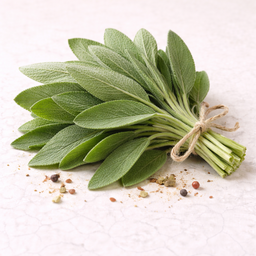
The name ‘Salvia’ is often linked with Latin words around preservation and wellbeing, which fits sage’s long place in Mediterranean culinary traditions. The grey-green leaves have a pronounced aroma: warm, camphor-like, mildly bitter, and resinous. That is why a small amount is usually enough to add depth to a dish.
In research on sage extract, scientists study areas such as memory, attention, and mood in healthy adults. These studies use standardized extracts and are not the same as adding a few leaves to a pan, but they help explain why sage is often discussed in the context of cognitive performance.
Sage also appears in research around hot flashes during menopause. The published studies mainly concern specific preparations or extracts, not unrestricted culinary use. For Tayb, the public text therefore stays educational and factual: sage contains aromatic terpenes, rosmarinic acid, and bitter compounds, and is traditionally used in warm drinks and savory dishes.
Culinarily, sage shines in brown butter, with pumpkin, pasta, white beans, pork, and hearty baked dishes. Fry the leaves gently in butter or oil so the aroma infuses the fat. Use small amounts: too much sage can quickly become bitter and dominant.
How does it taste?
Warm, camphor-like and mildly bitter with a velvety, earthy flavor.
Pairs well with:
Pairs well with butterpumpkinporkwhite beans and pasta.
Varieties
Common sage
Salvia officinalis — the most widely used culinary species, recognizable by grey-green, velvety leaves and a pronounced aroma.
Spanish sage
Salvia lavandulaefolia — a species with a milder taste and generally less thujone; also studied for aroma, attention, and memory.
Tricolor sage
Decorative variety with purple-green-white leaves and a milder taste; attractive in the garden and usable in the same dishes.
Did you know...?
- The Latin name ‘Salvia’ is often linked with words around preservation, wellbeing, and strength.
- Sage was considered a special herb by the Romans and was often harvested with care.
Nutritional Value & Energy
Per 100g
Sage provides energy thanks to natural nutrients , buffered by fiber.
Per 100g
Minerals
Vitamins
Omega-3 fatty acids
More nutrients
Trace Minerals
What's in a serving?
Sage naturally contains iron (28.1 mg per 100 g dried powder). At typical spice usage (3–9 g), the contribution is limited.
Sage naturally contains calcium (1652 mg per 100 g dried powder). At typical spice usage (3–9 g), the contribution is limited.
Sage naturally contains magnesium (428 mg per 100 g dried powder). At typical spice usage (3–9 g), the contribution is limited.
Sage naturally contains vitamin K (1714 mcg per 100 g dried powder). At typical spice usage (3–9 g), the contribution is limited.
Sage naturally contains vitamin B6 (2.7 mg per 100 g dried powder). At typical spice usage (3–9 g), the contribution is limited.
Sage naturally contains folate (274 mcg per 100 g dried powder). At typical spice usage (3–9 g), the contribution is limited.
Sage naturally contains iron (28.1 mg per 100 g dried powder). At typical spice usage (3–9 g), the contribution is limited.
Sage naturally contains calcium (1652 mg per 100 g dried powder). At typical spice usage (3–9 g), the contribution is limited.
Sage naturally contains zinc (4.7 mg per 100 g dried powder). At typical spice usage (3–9 g), the contribution is limited.
Sage naturally contains magnesium (428 mg per 100 g dried powder). At typical spice usage (3–9 g), the contribution is limited.
Sage naturally contains potassium (1070 mg per 100 g dried powder). At typical spice usage (3–9 g), the contribution is limited.
Sage naturally contains vitamin K (1714 mcg per 100 g dried powder). At typical spice usage (3–9 g), the contribution is limited.
Sage naturally contains vitamin B6 (2.7 mg per 100 g dried powder). At typical spice usage (3–9 g), the contribution is limited.
Sage naturally contains vitamin C (32.4 mg per 100 g dried powder). At typical spice usage (3–9 g), the contribution is limited.
Sage naturally contains folate (274 mcg per 100 g dried powder). At typical spice usage (3–9 g), the contribution is limited.
% of daily reference intake (DRI)
EU-approved nutrition claims
This ingredient contains nutrients for which EFSA-authorized health claims exist (at nutrient level, not ingredient-specific).
Approved health claims (EU)
Iron EU 432/2012
Iron contributes to normal energy-yielding metabolism
Contains 28.1mg/100g (threshold: ≥2.1mg/100g)
Iron EU 432/2012
Iron contributes to the reduction of tiredness and fatigue
Contains 28.1mg/100g (threshold: ≥2.1mg/100g)
Calcium EU 432/2012
Calcium is needed for the maintenance of normal bones
Contains 1652mg/100g (threshold: ≥120mg/100g)
Vitamin_b6 EU 432/2012
Vitamin B6 contributes to normal cysteine synthesis
Contains 2.7mg/100g (threshold: ≥0.21mg/100g)
Vitamin_b6 EU 432/2012
Vitamin B6 contributes to normal energy-yielding metabolism
Contains 2.7mg/100g (threshold: ≥0.21mg/100g)
Vitamin_b6 EU 432/2012
Vitamin B6 contributes to normal functioning of the nervous system
Contains 2.7mg/100g (threshold: ≥0.21mg/100g)
Vitamin_b6 EU 432/2012
Vitamin B6 contributes to normal homocysteine metabolism
Contains 2.7mg/100g (threshold: ≥0.21mg/100g)
Vitamin_b6 EU 432/2012
Vitamin B6 contributes to normal protein and glycogen metabolism
Contains 2.7mg/100g (threshold: ≥0.21mg/100g)
Vitamin_b6 EU 432/2012
Vitamin B6 contributes to normal psychological function
Contains 2.7mg/100g (threshold: ≥0.21mg/100g)
Vitamin_b6 EU 432/2012
Vitamin B6 contributes to normal red blood cell formation
Contains 2.7mg/100g (threshold: ≥0.21mg/100g)
Vitamin_b6 EU 432/2012
Vitamin B6 contributes to the normal function of the immune system
Contains 2.7mg/100g (threshold: ≥0.21mg/100g)
Vitamin_b6 EU 432/2012
Vitamin B6 contributes to the regulation of hormonal activity
Contains 2.7mg/100g (threshold: ≥0.21mg/100g)
Vitamin_b6 EU 432/2012
Vitamin B6 contributes to the reduction of tiredness and fatigue
Contains 2.7mg/100g (threshold: ≥0.21mg/100g)
Vitamin_k EU 432/2012
Vitamin K contributes to normal blood clotting
Contains 1714mcg/100g (threshold: ≥11.25mcg/100g)
Vitamin_k EU 432/2012
Vitamin K contributes to the maintenance of normal bones
Contains 1714mcg/100g (threshold: ≥11.25mcg/100g)
Calcium EU 432/2012
Calcium is needed for the maintenance of normal teeth
Contains 1652mg/100g (threshold: ≥120mg/100g)
Calcium EU 432/2012
Calcium contributes to normal blood clotting
Contains 1652mg/100g (threshold: ≥120mg/100g)
Calcium EU 432/2012
Calcium contributes to normal energy-yielding metabolism
Contains 1652mg/100g (threshold: ≥120mg/100g)
Calcium EU 432/2012
Calcium contributes to normal muscle function
Contains 1652mg/100g (threshold: ≥120mg/100g)
Calcium EU 432/2012
Calcium contributes to normal neurotransmission
Contains 1652mg/100g (threshold: ≥120mg/100g)
Calcium EU 432/2012
Calcium contributes to the normal function of digestive enzymes
Contains 1652mg/100g (threshold: ≥120mg/100g)
Calcium EU 432/2012
Calcium has a role in the process of cell division and specialisation
Contains 1652mg/100g (threshold: ≥120mg/100g)
Iron EU 432/2012
Iron contributes to normal cognitive function
Contains 28.1mg/100g (threshold: ≥2.1mg/100g)
Iron EU 432/2012
Iron contributes to normal formation of red blood cells and haemoglobin
Contains 28.1mg/100g (threshold: ≥2.1mg/100g)
Iron EU 432/2012
Iron contributes to normal oxygen transport in the body
Contains 28.1mg/100g (threshold: ≥2.1mg/100g)
Iron EU 432/2012
Iron contributes to the normal function of the immune system
Contains 28.1mg/100g (threshold: ≥2.1mg/100g)
Iron EU 432/2012
Iron has a role in the process of cell division
Contains 28.1mg/100g (threshold: ≥2.1mg/100g)
Comparison
vsmelk
Sage contains about 13× more calcium per 100 g than milk — but you use much less sage per serving.
vsspinazie
Sage contains about 10× more iron per 100 g than spinach — but you use much less sage per serving.
vsbanaan
Sage contains about 3× more potassium per 100 g than banana — but you use much less sage per serving.
What's being researched?
Sage and cognitive research
Sage extract is studied in research on memory, attention, and alertness. Most data concern standardized extracts, not loose culinary leaves.
Supported by: [5] Miroddi M (2014) , [2] Nieman KM (2021) , [1] Scholey AB (2008)
Sage and menopause research
Sage preparations are studied for hot flashes and sweating during menopause. The studies use specific preparations; this is not the same as unrestricted culinary use.
Supported by: [3] Bommer S (2011) , [4] Abdnezhad R (2023)
Good Combinations (Synergy)
Combine sage smartly to enhance the effect:
Sage 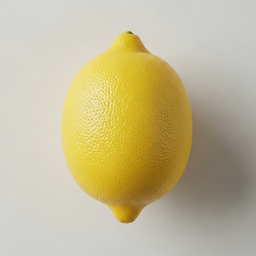 Lemon
Lemon Thujone + vitamin C for cognition and antioxidant protection
Technical: Sage (Salvia officinalis) contains thujone and rosmarinic acid that modulate acetylcholinesterase. This supports acetylcholine availability in the brain. Lemon provides vitamin C that contributes to the protection of cells from oxidative stress.
What does this mean for you? Sage tea with lemon is a traditional herbal drink. The sage supports acetylcholine balance, the lemon adds vitamin C — a clever duo.
Sage 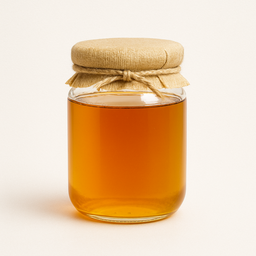 Honey
Honey Classic sage-honey tea with bioactive compounds
Technical: Sage contains thujone and carnosic acid — phenolic compounds with broad bioactivity against Gram-positive microorganisms (Streptococcus, Staphylococcus). Honey's glucose oxidase produces hydrogen peroxide, and honey's osmolality dehydrates microorganisms. Together they cover a broader bioactive spectrum than each ingredient alone.
What does this mean for you? Make sage-honey tea as a warm drink. The sage contains bioactive phenolic compounds, the honey a smooth, sweet layer — a traditional combination.
Sage 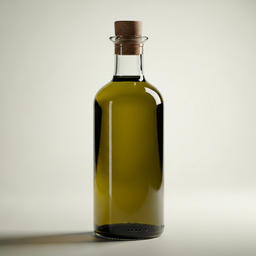 Olive Oil
 Olive oil extracts fat-soluble terpenes from sage
Technical: Sage's active terpenes (thujone, camphor, 1,8-cineole) and diterpenes (carnosol, carnosic acid) are fat-soluble. Olive oil dissolves these compounds 3-5x more effectively than water. Carnosol and carnosic acid are powerful antioxidants that inhibit LDL oxidation — the first step of atherosclerosis. The combination of sage antioxidants + olive oil polyphenols offers complementary antioxidant vascular support.
What does this mean for you? Briefly fry sage in olive oil (salvia fritta) for maximum extraction of active compounds. Fried sage in olive oil over pasta or risotto is an Italian classic that's both delicious and healthy.
Recipes with Sage
Discover delicious recipes featuring sage:
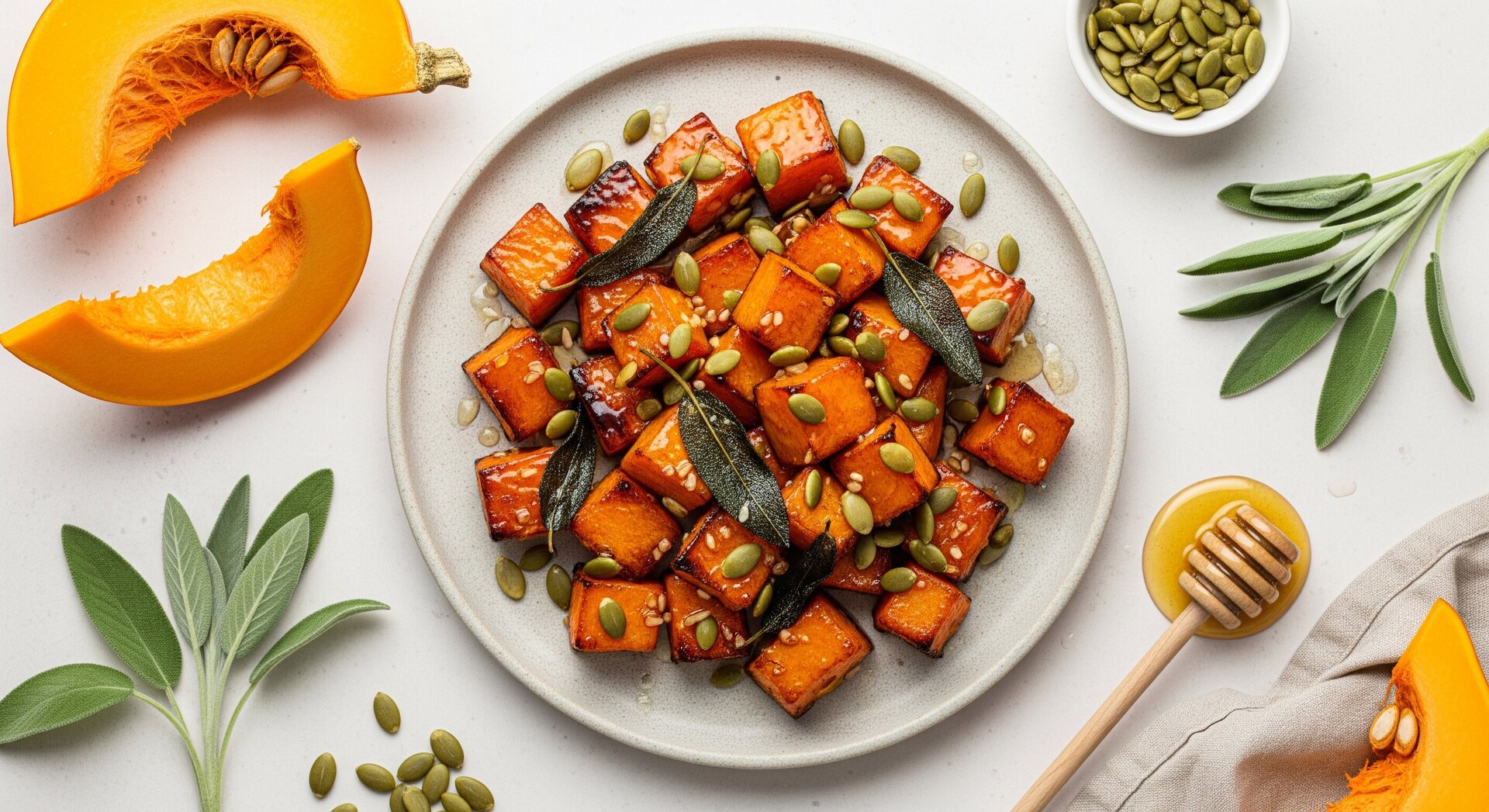 Roasted Pumpkin with Sage and Pumpkin Seeds 50 min Autumn classic with crunchy seeds and honey glaze from the oven
  230 kcal
  8g protein 1 synergies
 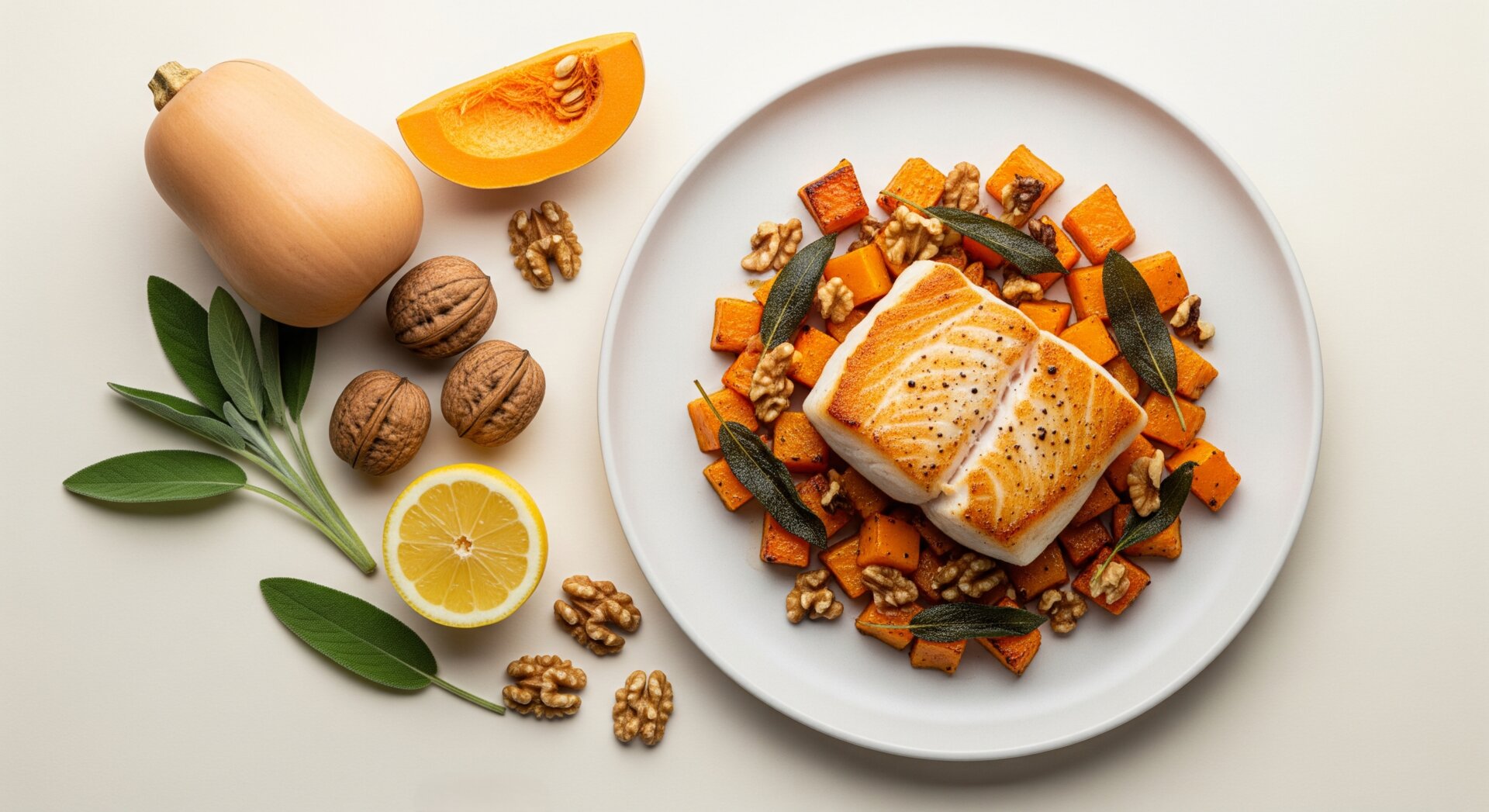 Halibut with Pumpkin and Walnuts 45 min Pan-fried halibut on roasted pumpkin with crispy walnuts and sage 485 kcal 38g protein 2 synergies
  In the Kitchen
Storage
Location:Refrigerator
Shelf life:1 week vers, 1-2 jaar gedroogd
Fresh: wrap in damp paper towel and store in a bag or container in the fridge. Dried: keep airtight, dark, and cool so the aroma lasts longer.
Preparation
Fry sage over low heat in butter or oil until the leaves turn crisp and the fat becomes fragrant. Do not let it burn: sage then becomes sharply bitter. Pair with pumpkin, pasta, pork, white beans, or savory baked dishes.
Conversions
Substitutes
Smart preparation
1Fry sage leaves in butter until crispy for a fragrant garnish.
Why?
Fried sage turns crisp and the butter absorbs its warm, herbal aroma.
2Use sage sparingly; the flavor is very dominant.
3Add sage early to stews or baked dishes, but fry fresh leaves separately if you want them crisp.
Caution / Warnings
Sage is very safe, but there are scientific considerations:
Pregnancy Severe
Concentrated sage products contain thujone and other aromatic compounds; large amounts are not recommended during pregnancy.
Advice:
Use sage during pregnancy only in normal culinary amounts and avoid sage oil or concentrated extracts.
Epilepsy Moderate
High intakes of thujone from concentrated products may be unsuitable for people who are sensitive to seizures.
Advice:
Use only culinary amounts and avoid sage oil or concentrated sage extracts.
Diabetes medication Mild
Concentrated sage products may influence glucose values, especially when combined with medication.
Advice:
Normal culinary amounts are generally different from supplements; discuss supplements or extracts with your doctor if you use diabetes medication.
Traditional use
Mediterranean
Special herb in Roman culinary culture
The Romans regarded sage as a special herb and used it both around rituals and in cooking. The name ‘salvia’ is often linked with Latin words around preservation and wellbeing.
Indigenous
White sage in North American ceremonies
White sage (Salvia apiana) is a different species from culinary sage. It has a cultural and spiritual role for several Indigenous communities in North America; using it calls for respect for that context.
Summary
Sage is a strongly aromatic culinary herb with warm, camphor-like, and mildly bitter notes. Use it sparingly in brown butter, with pumpkin, pasta, white beans, or savory baked dishes. Sage also appears in research on attention, memory, and hot flashes, mainly as a standardized extract. Be cautious with concentrated products during pregnancy or with epilepsy.