- Medium
- 45 min
- 2 serv.
- 10 synergies
- Now at its best: Pumpkin
Tender halibut on a bed of roasted pumpkin with crunchy walnuts and a hint of sage. An autumnal dish with rich, warm flavors.
The pumpkin goes into the oven first: cubes tossed with olive oil, garlic and a pinch of salt, twenty-five minutes at two hundred degrees until the edges begin to caramelize and the center is soft enough to press with a fork. Then the walnuts — ten minutes of roasting alongside is enough to make them crunchy without burning.
The halibut you cook separately. Pat dry, hot pan, olive oil. Four minutes per side, no more. The outside should be golden while the inside is still just translucent — residual heat does the rest. In the last minute, the sage leaves join the pan, where they crisp up in the fish-oil mixture.
Everything comes together on the plate: sweet pumpkin underneath, fish on top, walnuts and crispy sage scattered over, a generous squeeze of lemon juice and some zest to finish. This is autumn on a plate — warm, hearty, and just rich enough.
- 15
- min prep
- 30
- min cook
- 45
- min total
Nutritional Synergies
This recipe combines ingredients that enhance each other:
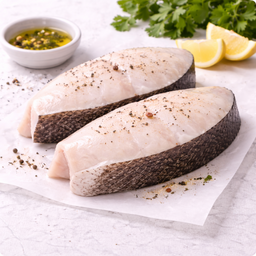 Halibut fillet
 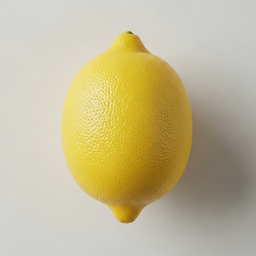 Lemon
Lemon Vitamin C protects omega-3 and improves iron absorption
Technical: Halibut is a lean fish with 23g high-quality protein per 100g and contains omega-3 fatty acids (0.7g per 100g) plus selenium (36μg). The proteins are better digested in a slightly acidic environment — citric acid lowers stomach pH and activates pepsin (protein-digesting enzyme). Vitamin C protects omega-3 from oxidation and improves non-heme iron absorption.
What does this mean for you? Sprinkle halibut with lemon before serving. The Mediterranean fish preparation method with lemon is not only tasty but helps your body better digest the proteins and keep the omega-3 intact.
HeartMuscle GainEnergy
Halibut fillet 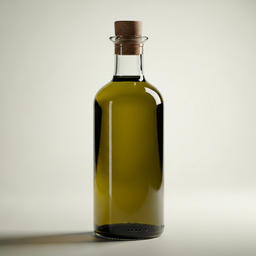 Olive oil
 Fat improves absorption of halibut's vitamin D and omega-3
Technical: Halibut contains 200 IU vitamin D per 100g and omega-3 fatty acids (EPA+DHA). Vitamin D is fat-soluble — extra olive oil increases absorption via micelle formation. Oleic acid from olive oil also activates CCK (cholecystokinin) release, improving emulsification of fish oil for better omega-3 absorption.
What does this mean for you? Pan-fry halibut in olive oil or serve with an olive oil vinaigrette. The additional fat maximizes absorption of vitamin D and omega-3 from this nutritious fish.
JointsHeart
Olive oil Lemon Oleic acid + citric acid: complementary pathways for glycemic response
Technical: Lemon contains citric acid that slows gastric emptying, causing carbohydrates from the meal to be absorbed more slowly. Olive oil's fats reinforce this effect by further influencing glycemic response. Together they influence the postprandial glucose response via two complementary mechanisms. Olive oil's oleocanthal and lemon's vitamin C additionally provide complementary antioxidant action.
What does this mean for you? A simple dressing of olive oil and lemon juice over your salad is one of the smartest combinations you can make. The two mechanisms (delayed gastric emptying + fat slowing) work together to influence the glucose response after your meal.
EnergyDigestion
Olive oil 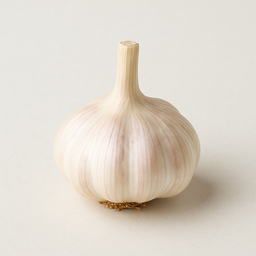 Garlic
 Aglio e olio: allicin + oleocanthal via complementary biochemical pathways
Technical: Garlic contains allicin (formed when cutting/crushing) that influences HMG-CoA reductase (involved in lipid metabolism). Olive oil contains oleocanthal that modulates COX-1/2 enzymes. Together they influence lipid metabolism and prostaglandin cascade via complementary biochemical pathways. The fat also helps absorb fat-soluble garlic compounds.
What does this mean for you? Gently warm garlic in olive oil (don't burn!) as the base for many dishes. This is why 'aglio e olio' pasta is so beloved — two bioactive compounds that reinforce each other.
HeartImmune System
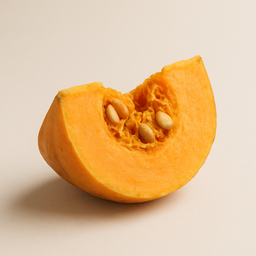 Butternut squash Olive oil
 Fat essential for absorption of pumpkin's rich beta-carotene
Technical: Pumpkin contains 3100μg beta-carotene per 100g — an excellent provitamin A source. Beta-carotene is fat-soluble and only 3-5% absorbed without fat. Olive oil increases bioavailability 5-7x through micelle formation. Heating pumpkin also breaks cell walls, releasing even more beta-carotene.
What does this mean for you? Always roast pumpkin with olive oil — this is the best way to absorb beta-carotene. Roasted pumpkin with olive oil, garlic and sage is a delicious and nutritious side dish.
Skin & HairImmune System
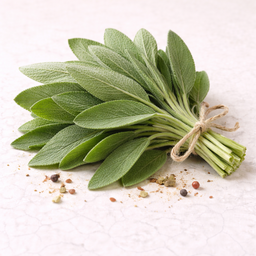 Fresh sage Lemon
 Thujone + vitamin C for cognition and antioxidant protection
Technical: Sage (Salvia officinalis) contains thujone and rosmarinic acid that modulate acetylcholinesterase. This supports acetylcholine availability in the brain. Lemon provides vitamin C that contributes to the protection of cells from oxidative stress.
What does this mean for you? Sage tea with lemon is a traditional herbal drink. The sage supports acetylcholine balance, the lemon adds vitamin C — a clever duo.
FocusAnti-inflammatory
Fresh sage Olive oil Olive oil extracts fat-soluble terpenes from sage
Technical: Sage's active terpenes (thujone, camphor, 1,8-cineole) and diterpenes (carnosol, carnosic acid) are fat-soluble. Olive oil dissolves these compounds 3-5x more effectively than water. Carnosol and carnosic acid are powerful antioxidants that inhibit LDL oxidation — the first step of atherosclerosis. The combination of sage antioxidants + olive oil polyphenols offers complementary antioxidant vascular support.
What does this mean for you? Briefly fry sage in olive oil (salvia fritta) for maximum extraction of active compounds. Fried sage in olive oil over pasta or risotto is an Italian classic that's both delicious and healthy.
HeartFocus
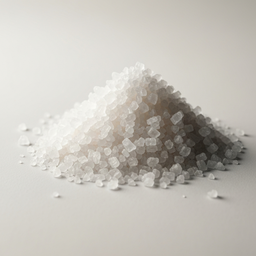 Sea salt Lemon
 Trace minerals + vitamin C for electrolytes and immune system
Technical: Unrefined sea salt contains 80+ trace elements (magnesium 0.5%, potassium 0.4%, calcium 0.1%, plus iodine, zinc, selenium in trace amounts) alongside sodium. Lemon's vitamin C improves absorption of non-heme iron and zinc from sea salt. Sodium + potassium together regulate cellular osmosis. Vitamin C is also essential for collagen synthesis where sea salt minerals serve as cofactors.
What does this mean for you? A glass of warm water with a pinch of unrefined sea salt and lemon juice in the morning is an effective hydration ritual. The minerals + vitamin C start your day with good electrolyte balance.
EnergyImmune System
Sea salt Olive oil Minerals + polyphenols for cellular balance
Technical: Sea salt's sodium is essential for the sodium-potassium pump (Na+/K+-ATPase) that regulates every body cell. Olive oil's oleuropein and hydroxytyrosol provide antioxidant protection for cell membranes. The combination supports cell integrity: sea salt regulates ion balance, olive oil protects the membrane. In Mediterranean cuisine, coarse sea salt + olive oil is the most basic flavor profile.
What does this mean for you? Freshly ground sea salt with extra virgin olive oil is the simplest and most nutritious finishing of any dish. The combination provides the basic needs of your cells: minerals for function, polyphenols for protection.
HeartGeneral Wellness
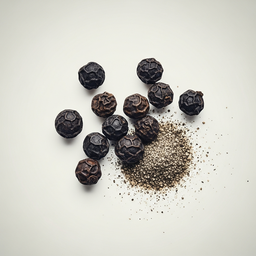 Black pepper Olive oil
 Fat increases piperine absorption and enhances polyphenols
Technical: Piperine is fat-soluble and absorbed 2-3x better with dietary fat. Olive oil's oleocanthal and piperine both modulate COX signal transduction through different mechanisms, providing additive bioactive effect.
What does this mean for you? Grind fresh pepper over salads with olive oil dressing. The combination enhances both pepper absorption and bioactive action.
Anti-inflammatoryHeartDigestion
Ingredients (9)
+7 more ingredientsInstructions
- 1 Preheat the oven to 200°C.
- 2 Toss pumpkin cubes with 2 tablespoons olive oil, garlic, salt and pepper. Spread on a baking sheet.
Nutrition per serving
Indicative values per serving.
Timing & Suitability
Shelf life: 1 days in fridge
Tags & Diet
Allergens: Fish, Nuts