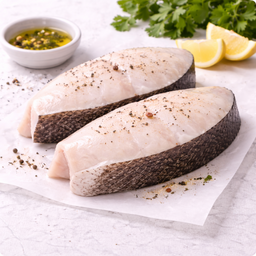
Halibut
Lean Fish with High Protein
What is this ingredient?
Halibut (Hippoglossus hippoglossus) is the largest flatfish in the world and can grow up to 2.5 meters long. This fish from the cold waters of the North Atlantic and North Pacific Oceans is known for its exceptionally firm, white flesh and mild-sweet flavor.
## Selenium Powerhouse
With 45.6 mcg selenium per 100 grams, one serving of halibut provides nearly 85% of the daily recommended amount. Rayman (2012) in The Lancet shows that selenium is essential for thyroid function, DNA synthesis and protection against oxidative stress. Selenium also activates selenoproteins crucial for the immune system.
## High-Quality Protein
Halibut contains 22.5 grams of complete protein per 100 grams with all essential amino acids. The protein has a high PDCAAS score (Protein Digestibility Corrected Amino Acid Score) of 1.0, meaning it's fully digestible and usable for muscle building.
## Omega-3 Profile
Although halibut is a lean fish, it still contains significant amounts of omega-3 fatty acids (400 mg EPA+DHA per 100g). Research by Mozaffarian (2006) confirms that even moderate omega-3 intake provides cardiovascular benefits.
## Sustainability Consideration
Wild Atlantic halibut is vulnerable to overfishing. Choose MSC-certified Pacific halibut or farmed varieties for a more sustainable choice.
How does it taste?
Mild, fine and buttery with a meaty, firm character.
Pairs well with:
Pairs well with lemon buttercapersasparagusdill and white wine.
Did you know...?
- Halibut can live over 50 years and grow up to 2.5 meters long and 300 kilograms.
- The name 'heilbot' literally means 'holy flatfish', as it was eaten on holy feast days.
Nutritional Value & Energy
Per 100g
Halibut provides energy thanks to natural nutrients .
Per 100g
Minerals
Vitamins
Omega-3 fatty acids
More nutrients
B-Vitamins
Trace Minerals
What's in a serving?
1 serving
Halibut naturally contains potassium (490 mg per 100 g).
Halibut naturally contains phosphorus (236 mg per 100 g).
Halibut naturally contains selenium (36.5 mcg per 100 g).
Halibut naturally contains vitamin b6 (0.5 mg per 100 g).
Halibut naturally contains vitamin b12 (1.2 mcg per 100 g).
Halibut naturally contains vitamin d (4.7 mcg per 100 g).
% of daily reference intake (DRI)
EU-approved nutrition claims
This ingredient contains nutrients for which EFSA-authorized health claims exist (at nutrient level, not ingredient-specific).
Approved health claims (EU)
Vitamin_b12 EU 432/2012
Vitamin B12 contributes to the normal function of the immune system
Contains 1.2mcg/100g (threshold: ≥0.375mcg/100g)
Vitamin_b12 EU 432/2012
Vitamin B12 contributes to the reduction of tiredness and fatigue
Contains 1.2mcg/100g (threshold: ≥0.375mcg/100g)
Vitamin_b12 EU 432/2012
Vitamin B12 contributes to the normal functioning of the nervous system
Contains 1.2mcg/100g (threshold: ≥0.375mcg/100g)
Vitamin_d EU 432/2012
Vitamin D contributes to the maintenance of normal bones
Contains 4.7mcg/100g (threshold: ≥0.75mcg/100g)
Vitamin_d EU 432/2012
Vitamin D contributes to the normal function of the immune system
Contains 4.7mcg/100g (threshold: ≥0.75mcg/100g)
Potassium EU 432/2012
Potassium contributes to the maintenance of normal blood pressure
Contains 490mg/100g (threshold: ≥300mg/100g)
Niacin EU 432/2012
Niacin contributes to normal energy-yielding metabolism
Contains 6.5mg/100g (threshold: ≥2.4mg/100g)
Niacin EU 432/2012
Niacin contributes to normal functioning of the nervous system
Contains 6.5mg/100g (threshold: ≥2.4mg/100g)
Niacin EU 432/2012
Niacin contributes to normal psychological function
Contains 6.5mg/100g (threshold: ≥2.4mg/100g)
Niacin EU 432/2012
Niacin contributes to the maintenance of normal mucous membranes
Contains 6.5mg/100g (threshold: ≥2.4mg/100g)
Niacin EU 432/2012
Niacin contributes to the maintenance of normal skin
Contains 6.5mg/100g (threshold: ≥2.4mg/100g)
Niacin EU 432/2012
Niacin contributes to the reduction of tiredness and fatigue
Contains 6.5mg/100g (threshold: ≥2.4mg/100g)
Vitamin_b6 EU 432/2012
Vitamin B6 contributes to normal cysteine synthesis
Contains 0.5mg/100g (threshold: ≥0.21mg/100g)
Vitamin_b6 EU 432/2012
Vitamin B6 contributes to normal energy-yielding metabolism
Contains 0.5mg/100g (threshold: ≥0.21mg/100g)
Vitamin_b6 EU 432/2012
Vitamin B6 contributes to normal functioning of the nervous system
Contains 0.5mg/100g (threshold: ≥0.21mg/100g)
Vitamin_b6 EU 432/2012
Vitamin B6 contributes to normal homocysteine metabolism
Contains 0.5mg/100g (threshold: ≥0.21mg/100g)
Vitamin_b6 EU 432/2012
Vitamin B6 contributes to normal protein and glycogen metabolism
Contains 0.5mg/100g (threshold: ≥0.21mg/100g)
Vitamin_b6 EU 432/2012
Vitamin B6 contributes to normal psychological function
Contains 0.5mg/100g (threshold: ≥0.21mg/100g)
Vitamin_b6 EU 432/2012
Vitamin B6 contributes to normal red blood cell formation
Contains 0.5mg/100g (threshold: ≥0.21mg/100g)
Vitamin_b6 EU 432/2012
Vitamin B6 contributes to the normal function of the immune system
Contains 0.5mg/100g (threshold: ≥0.21mg/100g)
Vitamin_b6 EU 432/2012
Vitamin B6 contributes to the regulation of hormonal activity
Contains 0.5mg/100g (threshold: ≥0.21mg/100g)
Vitamin_b6 EU 432/2012
Vitamin B6 contributes to the reduction of tiredness and fatigue
Contains 0.5mg/100g (threshold: ≥0.21mg/100g)
Vitamin_b12 EU 432/2012
Vitamin B12 contributes to normal energy-yielding metabolism
Contains 1.2mcg/100g (threshold: ≥0.375mcg/100g)
Vitamin_b12 EU 432/2012
Vitamin B12 contributes to normal homocysteine metabolism
Contains 1.2mcg/100g (threshold: ≥0.375mcg/100g)
Vitamin_b12 EU 432/2012
Vitamin B12 contributes to normal psychological function
Contains 1.2mcg/100g (threshold: ≥0.375mcg/100g)
Vitamin_b12 EU 432/2012
Vitamin B12 contributes to normal red blood cell formation
Contains 1.2mcg/100g (threshold: ≥0.375mcg/100g)
Vitamin_b12 EU 432/2012
Vitamin B12 has a role in the process of cell division
Contains 1.2mcg/100g (threshold: ≥0.375mcg/100g)
Vitamin_d EU 432/2012
Vitamin D contributes to normal absorption/utilisation of calcium and phosphorus
Contains 4.7mcg/100g (threshold: ≥0.75mcg/100g)
Vitamin_d EU 432/2012
Vitamin D contributes to normal blood calcium levels
Contains 4.7mcg/100g (threshold: ≥0.75mcg/100g)
Vitamin_d EU 432/2012
Vitamin D contributes to the maintenance of normal muscle function
Contains 4.7mcg/100g (threshold: ≥0.75mcg/100g)
Vitamin_d EU 432/2012
Vitamin D contributes to the maintenance of normal teeth
Contains 4.7mcg/100g (threshold: ≥0.75mcg/100g)
Vitamin_d EU 432/2012
Vitamin D has a role in the process of cell division
Contains 4.7mcg/100g (threshold: ≥0.75mcg/100g)
Phosphorus EU 432/2012
Phosphorus contributes to normal energy-yielding metabolism
Contains 236mg/100g (threshold: ≥105mg/100g)
Phosphorus EU 432/2012
Phosphorus contributes to the normal function of cell membranes
Contains 236mg/100g (threshold: ≥105mg/100g)
Phosphorus EU 432/2012
Phosphorus contributes to the maintenance of normal bones
Contains 236mg/100g (threshold: ≥105mg/100g)
Phosphorus EU 432/2012
Phosphorus contributes to the maintenance of normal teeth
Contains 236mg/100g (threshold: ≥105mg/100g)
Selenium EU 432/2012
Selenium contributes to the maintenance of normal hair
Contains 36.5mcg/100g (threshold: ≥8.25mcg/100g)
Selenium EU 432/2012
Selenium contributes to the maintenance of normal nails
Contains 36.5mcg/100g (threshold: ≥8.25mcg/100g)
Selenium EU 432/2012
Selenium contributes to the normal function of the immune system
Contains 36.5mcg/100g (threshold: ≥8.25mcg/100g)
Selenium EU 432/2012
Selenium contributes to normal thyroid function
Contains 36.5mcg/100g (threshold: ≥8.25mcg/100g)
Selenium EU 432/2012
Selenium contributes to normal spermatogenesis
Contains 36.5mcg/100g (threshold: ≥8.25mcg/100g)
Selenium EU 432/2012
Selenium contributes to the protection of cells from oxidative stress
Contains 36.5mcg/100g (threshold: ≥8.25mcg/100g)
Potassium EU 432/2012
Potassium contributes to normal functioning of the nervous system
Contains 490mg/100g (threshold: ≥300mg/100g)
Potassium EU 432/2012
Potassium contributes to normal muscle function
Contains 490mg/100g (threshold: ≥300mg/100g)
What's being researched?
Halibut and omega-3 fatty acids
The omega-3 content of halibut is studied as part of broader fish research. Halibut contains moderate EPA/DHA amounts compared to fattier fish, but also provides high-quality protein with little fat.
Supported by: [3] Mozaffarian D (2006)
Good Combinations (Synergy)
Combine halibut smartly to enhance the effect:
Halibut 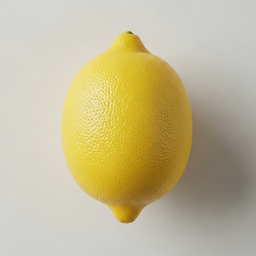 Lemon
Lemon Vitamin C protects omega-3 and improves iron absorption
Technical: Halibut is a lean fish with 23g high-quality protein per 100g and contains omega-3 fatty acids (0.7g per 100g) plus selenium (36μg). The proteins are better digested in a slightly acidic environment — citric acid lowers stomach pH and activates pepsin (protein-digesting enzyme). Vitamin C protects omega-3 from oxidation and improves non-heme iron absorption.
What does this mean for you? Sprinkle halibut with lemon before serving. The Mediterranean fish preparation method with lemon is not only tasty but helps your body better digest the proteins and keep the omega-3 intact.
Halibut 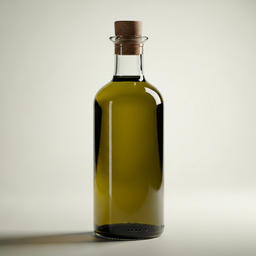 Olive Oil
 Fat improves absorption of halibut's vitamin D and omega-3
Technical: Halibut contains 200 IU vitamin D per 100g and omega-3 fatty acids (EPA+DHA). Vitamin D is fat-soluble — extra olive oil increases absorption via micelle formation. Oleic acid from olive oil also activates CCK (cholecystokinin) release, improving emulsification of fish oil for better omega-3 absorption.
What does this mean for you? Pan-fry halibut in olive oil or serve with an olive oil vinaigrette. The additional fat maximizes absorption of vitamin D and omega-3 from this nutritious fish.
Recipes with Halibut
Discover delicious recipes featuring halibut:
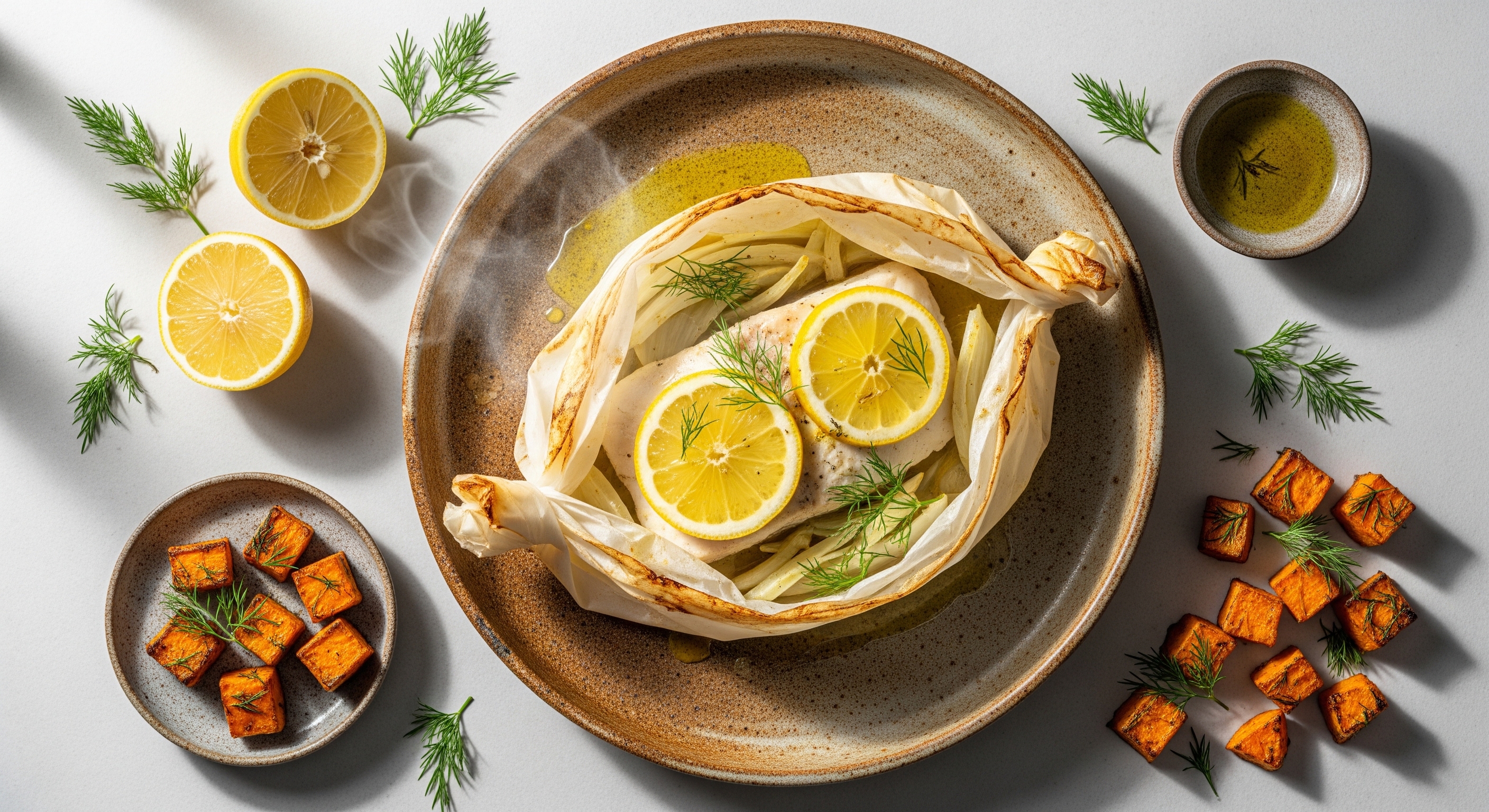 Halibut en Papillote with Lemon and Fennel 35 min Halibut steamed in parchment with fennel, dill and cherry tomatoes
  600 kcal
  40g protein 2 synergies
 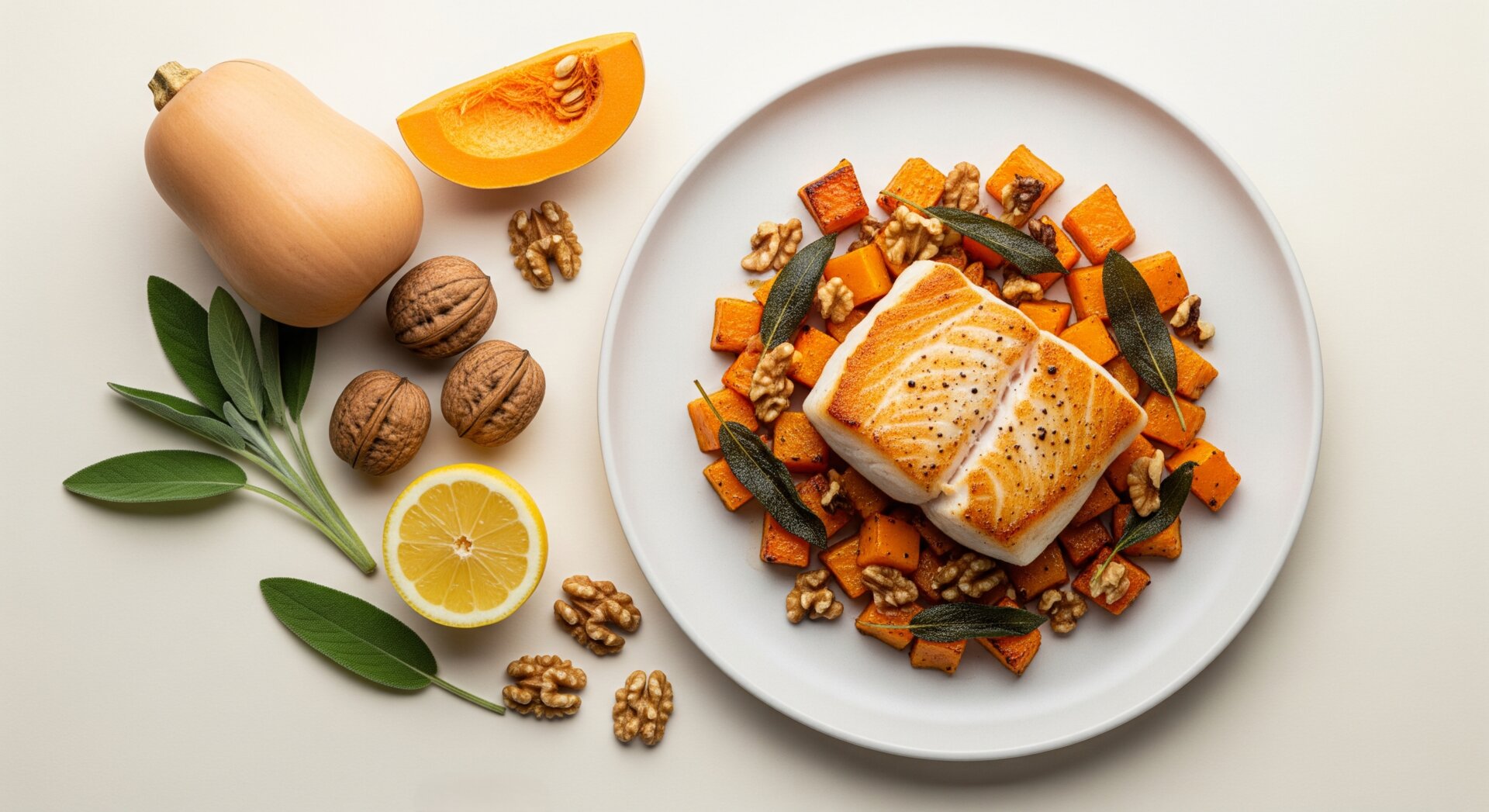 Halibut with Pumpkin and Walnuts 45 min Pan-fried halibut on roasted pumpkin with crispy walnuts and sage 485 kcal 38g protein 2 synergies
 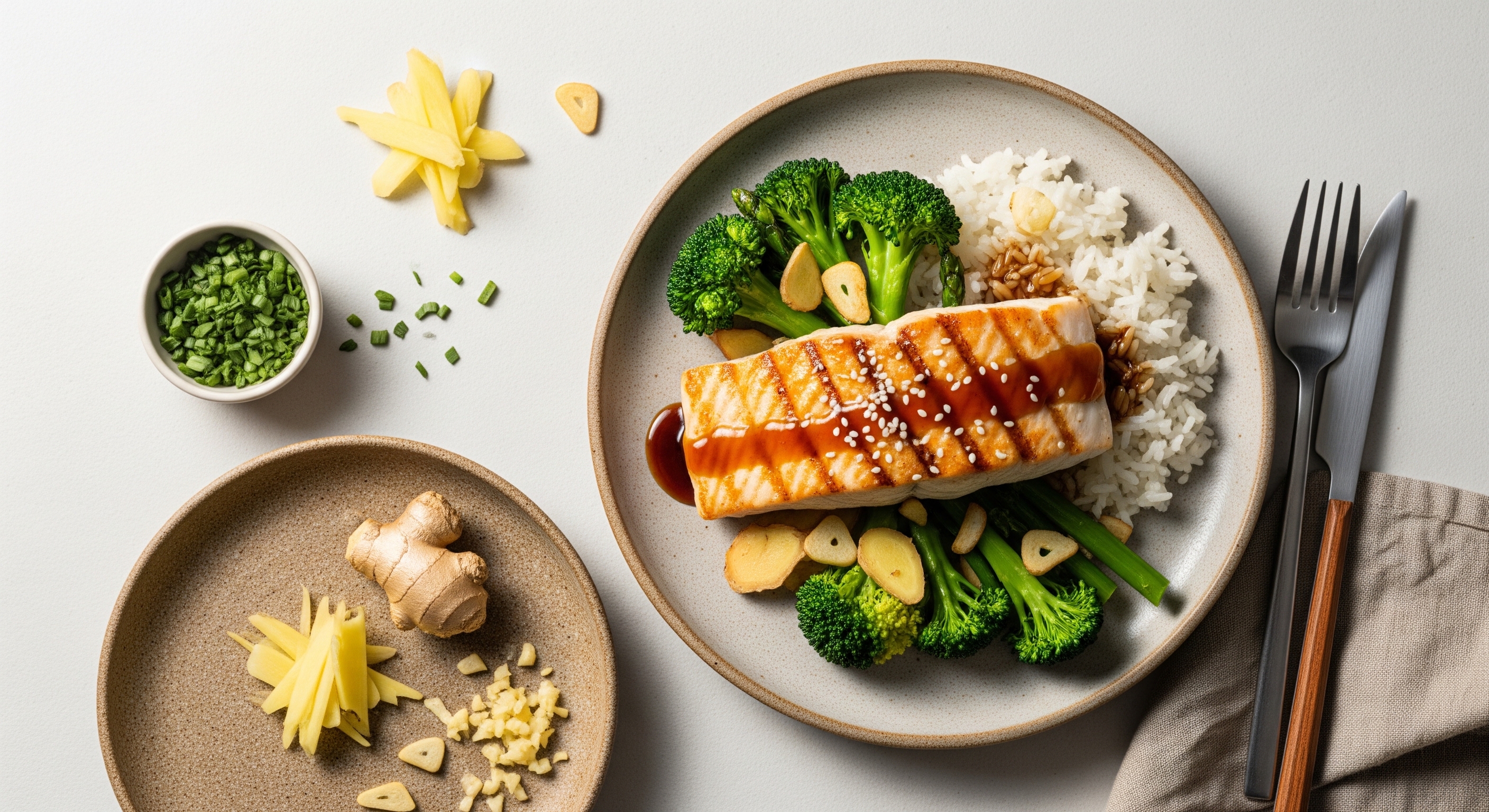 Halibut Teriyaki Bowl with Vegetables 35 min Japanese bowl with crispy pan-fried halibut and vegetables in teriyaki glaze 580 kcal 38g protein 2 synergies
  In the Kitchen
Storage
Location:Refrigerator
Shelf life:1-2 dagen vers, 3 maanden ingevroren
Preparation
Poach, pan-fry or grill. Ideal medium cooked to retain moisture.
Conversions
Substitutes
Smart preparation
1Fry halibut skin-side down on medium-high heat.
2Flip halibut only once during cooking.
Why?
Frequent flipping disrupts the crust and causes it to fall apart.
3Halibut is done when the flesh is opaque and flakes easily.
Caution / Warnings
Halibut is very safe, but there are scientific considerations:
Fish Allergy Severe
Halibut can cause allergic reactions in people with fish allergy
Gout Moderate
Contains purines that may increase uric acid levels in sensitive individuals
Summary
Halibut is a lean fish with exceptionally high selenium and protein content. Supports thyroid function, muscle building and immune system.