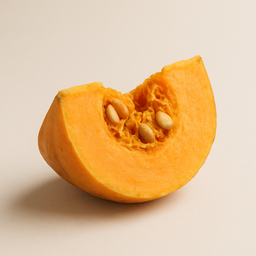
Pumpkin
The Gentle Stomach Friend
What is this ingredient?
Pumpkin (Cucurbita maxima) is one of the most nutritious yet mildest vegetables. The orange flesh is extremely rich in beta-carotene (7384 µg/100g), the precursor to vitamin A. Pumpkin is particularly suitable for people with sensitive stomachs because it contains few fibers and is easily digestible. The soothing effect on the gastrointestinal tract makes it an ideal recovery food after illness. The seeds are separately valuable for zinc and prostate support. Combine with fat (olive oil, butter) — this way the fat-soluble beta-carotene comes into its own during preparation.
How does it taste?
Sweet, earthy and nutty with a velvety texture when roasted.
Pairs well with:
Pairs well with sagecinnamonnutmegbrown butter and gorgonzola.
Sunnah
Anas ibn Malik narrates that the Prophet ﷺ liked pumpkin (qar') and would seek it out in the dish.
Bukhari & Muslim #Sahih al-Bukhari 5379, Sahih Muslim 2041
Varieties
Butternut Squash
Sweet, creamy, ideal for soup and puree
Hokkaido/Red Kuri
Edible skin, chestnut flavor, perfect for roasting
Muscat Pumpkin
Large, sweet flesh, traditional for stews
Did you know...?
- The pumpkin is botanically a fruit and belongs to the cucumber family.
- Antarctica is the only continent where pumpkins do not grow.
- The tradition of carving pumpkins at Halloween comes from an Irish folktale about 'Stingy Jack'.
Nutritional Value & Energy
Per 100g
Pumpkin is low in calories thanks to natural nutrients .
Per 100g
Minerals
Vitamins
Omega-3 fatty acids
More nutrients
B-Vitamins
Trace Minerals
What's in a serving?
1 serving
Pumpkin naturally contains vitamin A (426 mcg per 100 g).
Pumpkin naturally contains vitamin C (15 mg per 100 g).
Pumpkin naturally contains vitamin E (7 mg per 100 g).
% of daily reference intake (DRI)
EU-approved nutrition claims
This ingredient contains nutrients for which EFSA-authorized health claims exist (at nutrient level, not ingredient-specific).
Approved health claims (EU)
Vitamin_c EU 432/2012
Vitamin C contributes to the normal function of the immune system
Contains 15mg/100g (threshold: ≥12mg/100g)
Vitamin_c EU 432/2012
Vitamin C contributes to the reduction of tiredness and fatigue
Contains 15mg/100g (threshold: ≥12mg/100g)
Vitamin_c EU 432/2012
Vitamin C contributes to normal collagen formation for the normal function of skin
Contains 15mg/100g (threshold: ≥12mg/100g)
Vitamin_a EU 432/2012
Vitamin A contributes to the normal function of the immune system
Contains 426mcg/100g (threshold: ≥120mcg/100g)
Vitamin_a EU 432/2012
Vitamin A contributes to the maintenance of normal skin
Contains 426mcg/100g (threshold: ≥120mcg/100g)
Vitamin_a EU 432/2012
Vitamin A contributes to the maintenance of normal mucous membranes
Contains 426mcg/100g (threshold: ≥120mcg/100g)
Vitamin_a EU 432/2012
Vitamin A contributes to the maintenance of normal vision
Contains 426mcg/100g (threshold: ≥120mcg/100g)
Vitamin_a EU 432/2012
Vitamin A contributes to normal iron metabolism
Contains 426mcg/100g (threshold: ≥120mcg/100g)
Vitamin_a EU 432/2012
Vitamin A has a role in the process of cell specialisation
Contains 426mcg/100g (threshold: ≥120mcg/100g)
Vitamin_c EU 432/2012
Vitamin C contributes to normal collagen formation for the normal function of blood vessels
Contains 15mg/100g (threshold: ≥12mg/100g)
Vitamin_c EU 432/2012
Vitamin C contributes to normal collagen formation for the normal function of bones
Contains 15mg/100g (threshold: ≥12mg/100g)
Vitamin_c EU 432/2012
Vitamin C contributes to normal collagen formation for the normal function of cartilage
Contains 15mg/100g (threshold: ≥12mg/100g)
Vitamin_c EU 432/2012
Vitamin C contributes to normal collagen formation for the normal function of gums
Contains 15mg/100g (threshold: ≥12mg/100g)
Vitamin_c EU 432/2012
Vitamin C contributes to normal collagen formation for the normal function of teeth
Contains 15mg/100g (threshold: ≥12mg/100g)
Vitamin_c EU 432/2012
Vitamin C contributes to normal energy-yielding metabolism
Contains 15mg/100g (threshold: ≥12mg/100g)
Vitamin_c EU 432/2012
Vitamin C contributes to normal functioning of the nervous system
Contains 15mg/100g (threshold: ≥12mg/100g)
Vitamin_c EU 432/2012
Vitamin C contributes to normal psychological function
Contains 15mg/100g (threshold: ≥12mg/100g)
Vitamin_c EU 432/2012
Vitamin C contributes to the protection of cells from oxidative stress
Contains 15mg/100g (threshold: ≥12mg/100g)
Vitamin_c EU 432/2012
Vitamin C contributes to the regeneration of the reduced form of vitamin E
Contains 15mg/100g (threshold: ≥12mg/100g)
Vitamin_c EU 432/2012
Vitamin C increases iron absorption
Contains 15mg/100g (threshold: ≥12mg/100g)
Vitamin_c EU 432/2012
Vitamin C contributes to maintain the normal function of the immune system during and after intense physical exercise
Contains 15mg/100g (threshold: ≥12mg/100g)
Vitamin_e EU 432/2012
Vitamin E contributes to the protection of cells from oxidative stress
Contains 7mg/100g (threshold: ≥1.8mg/100g)
What's being researched?
Beta-carotene and antioxidant protection
The high beta-carotene content in pumpkin is being studied for antioxidant protection. Studies confirm high bioavailability, especially after heating, but clinical endpoints require more research.
Supported by: [2] Stahl (2012)
Pumpkin seeds and metabolic health
Pumpkin seeds are being studied for potential effects on metabolic parameters including blood sugar and lipid profile. Small clinical studies show promising results.
Supported by: [1] Borecka M (2025)
Good Combinations (Synergy)
Combine pumpkin smartly to enhance the effect:
Pumpkin 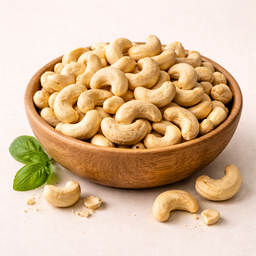 Cashew nuts
 Double zinc dose: cofactor for 300+ enzymes
Technical: Cashew nuts contain 5.8mg zinc per 100g (39% RDA). Pumpkin seeds (pepitas) are a top source with 7.6mg zinc (51% RDA). Together they provide 6-13mg zinc depending on portion. Zinc is cofactor for 300+ enzymes, including those involved in T-cell activation, antibody production and collagen synthesis. Zinc contributes to the normal function of the immune system (EFSA). Plant zinc is less well absorbed (15-40%), but the high dose compensates.
What does this mean for you? Mix cashews with pumpkin seeds as trail mix or in salads. Double zinc source — zinc contributes to the normal function of the immune system (EFSA).
Pumpkin 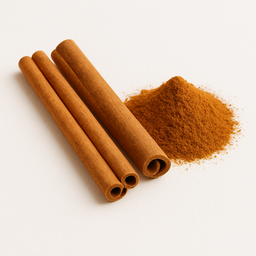 Cinnamon
 Beta-carotene + cinnamaldehyde: provitamin A and GLUT4 modulation
Technical: Pumpkin contains 3100μg beta-carotene per 100g — provitamin A contributing to normal immune system function (EFSA-approved) — and resistant fibers. Cinnamon's cinnamaldehyde modulates GLUT4 translocation and influences glycemic response. Together they provide provitamin A and glycemic modulation.
What does this mean for you? Pumpkin soup with cinnamon is an autumn classic. Cinnamon influences the glycemic response of pumpkin's carbohydrates. Add olive oil for beta-carotene absorption — it's fat-soluble.
Pumpkin 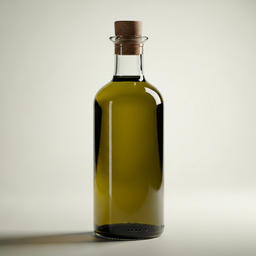 Olive Oil
 Fat essential for absorption of pumpkin's rich beta-carotene
Technical: Pumpkin contains 3100μg beta-carotene per 100g — an excellent provitamin A source. Beta-carotene is fat-soluble and only 3-5% absorbed without fat. Olive oil increases bioavailability 5-7x through micelle formation. Heating pumpkin also breaks cell walls, releasing even more beta-carotene.
What does this mean for you? Always roast pumpkin with olive oil — this is the best way to absorb beta-carotene. Roasted pumpkin with olive oil, garlic and sage is a delicious and nutritious side dish.
Recipes with Pumpkin
Discover delicious recipes featuring pumpkin:
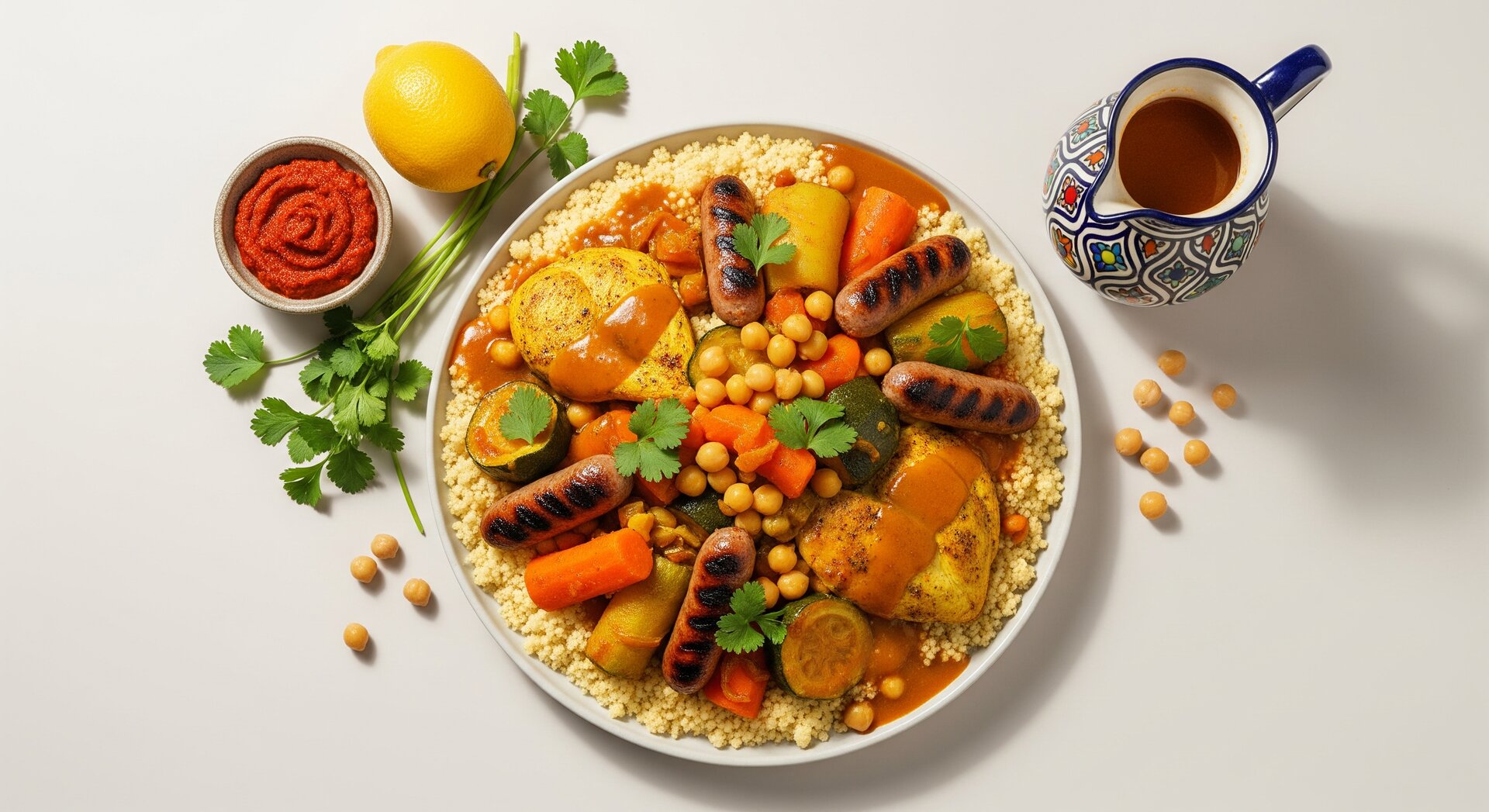 Royal Couscous with Chicken and Merguez 70 min Festive North African classic
  580 kcal
  38g protein 3 synergies
 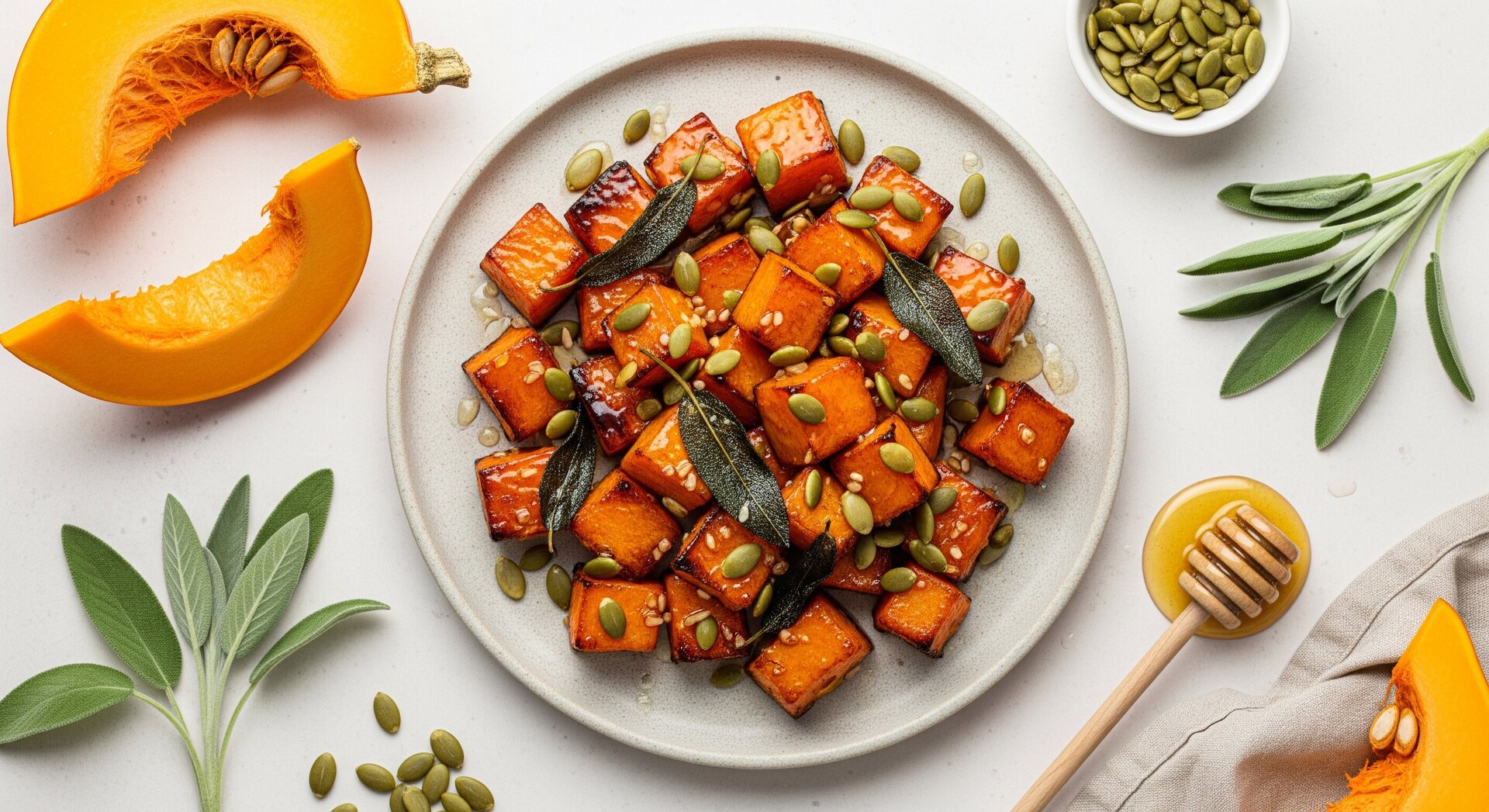 Roasted Pumpkin with Sage and Pumpkin Seeds 50 min Autumn classic with crunchy seeds and honey glaze from the oven 230 kcal 8g protein 1 synergies
 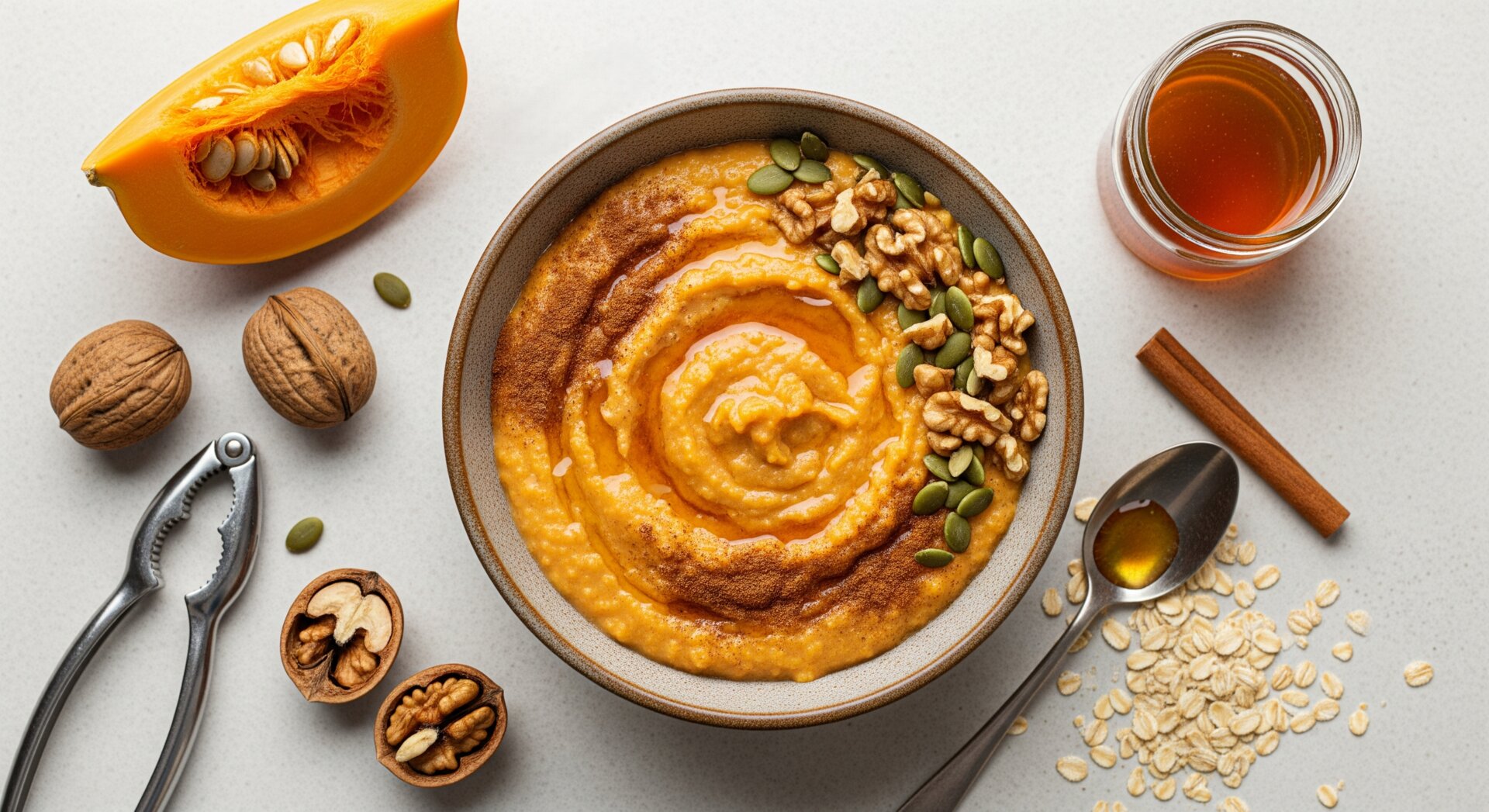 Oatmeal with Pumpkin and Nuts 15 min Autumnal oatmeal porridge with pumpkin, walnuts and cinnamon 380 kcal 10g protein 2 synergies
 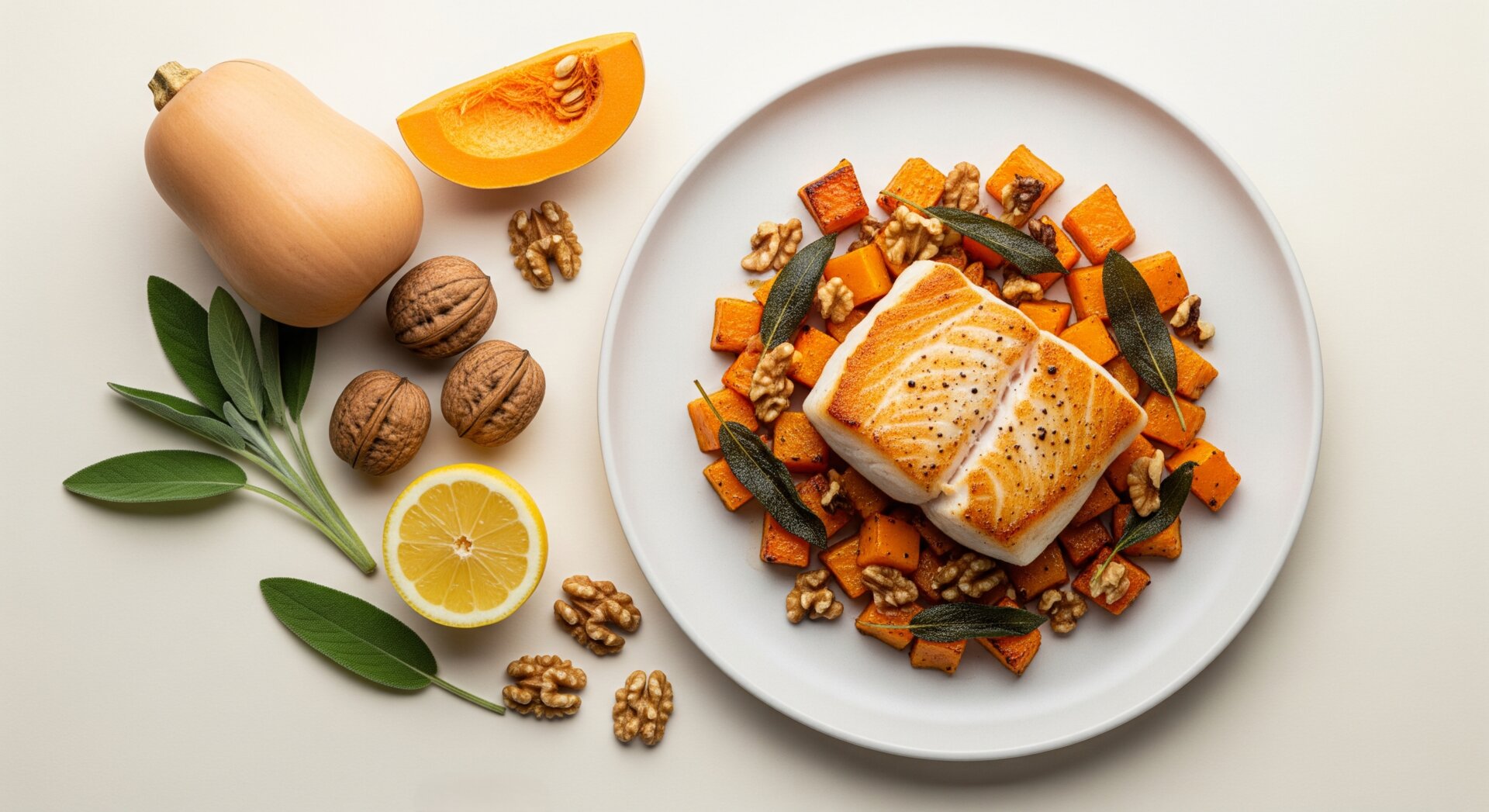 Halibut with Pumpkin and Walnuts 45 min Pan-fried halibut on roasted pumpkin with crispy walnuts and sage 485 kcal 38g protein 2 synergies
 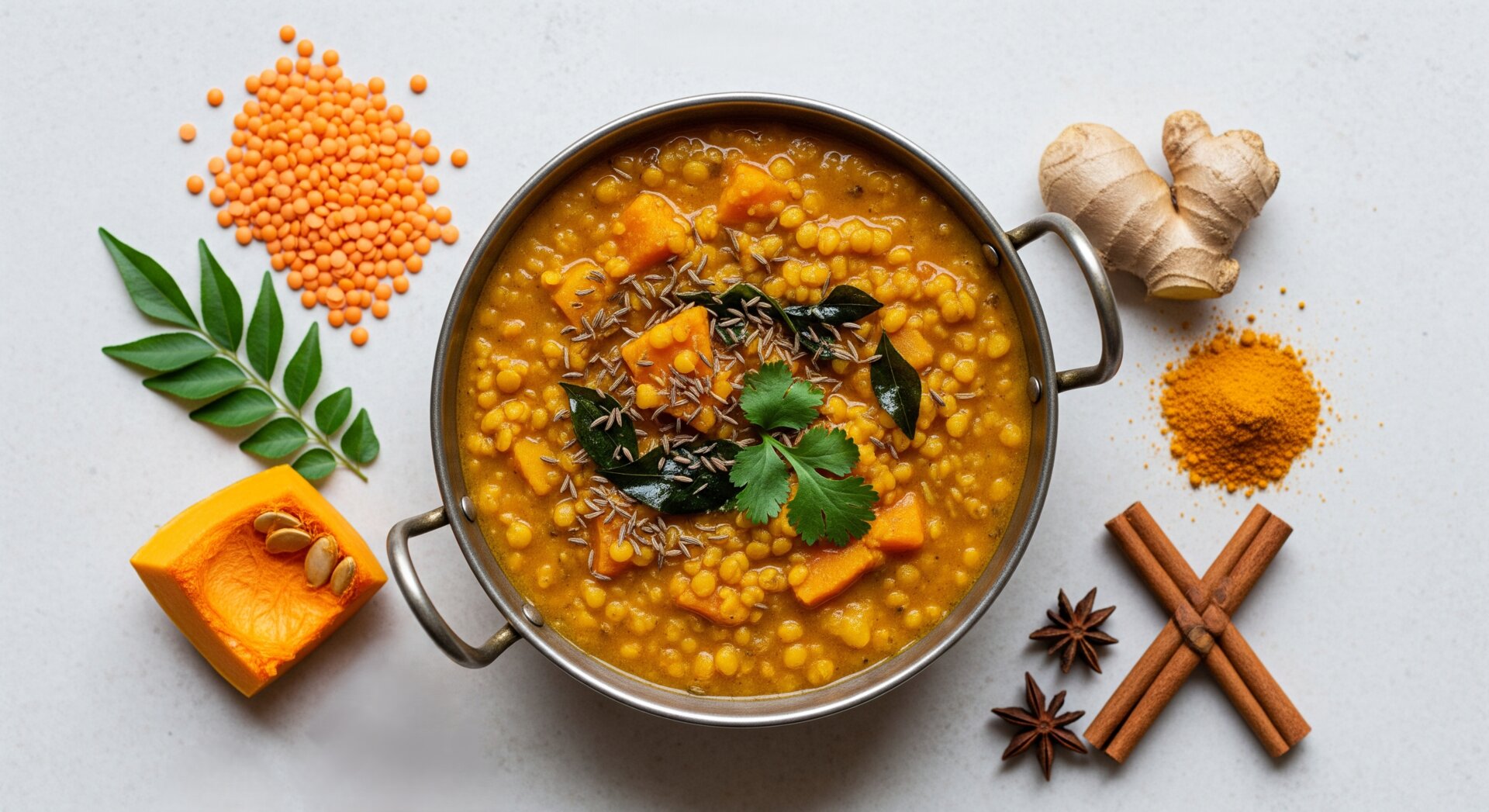 Indian Dal with Pumpkin and Ginger 50 min Creamy red lentil dal with pumpkin and fresh tadka 380 kcal 16g protein 3 synergies
 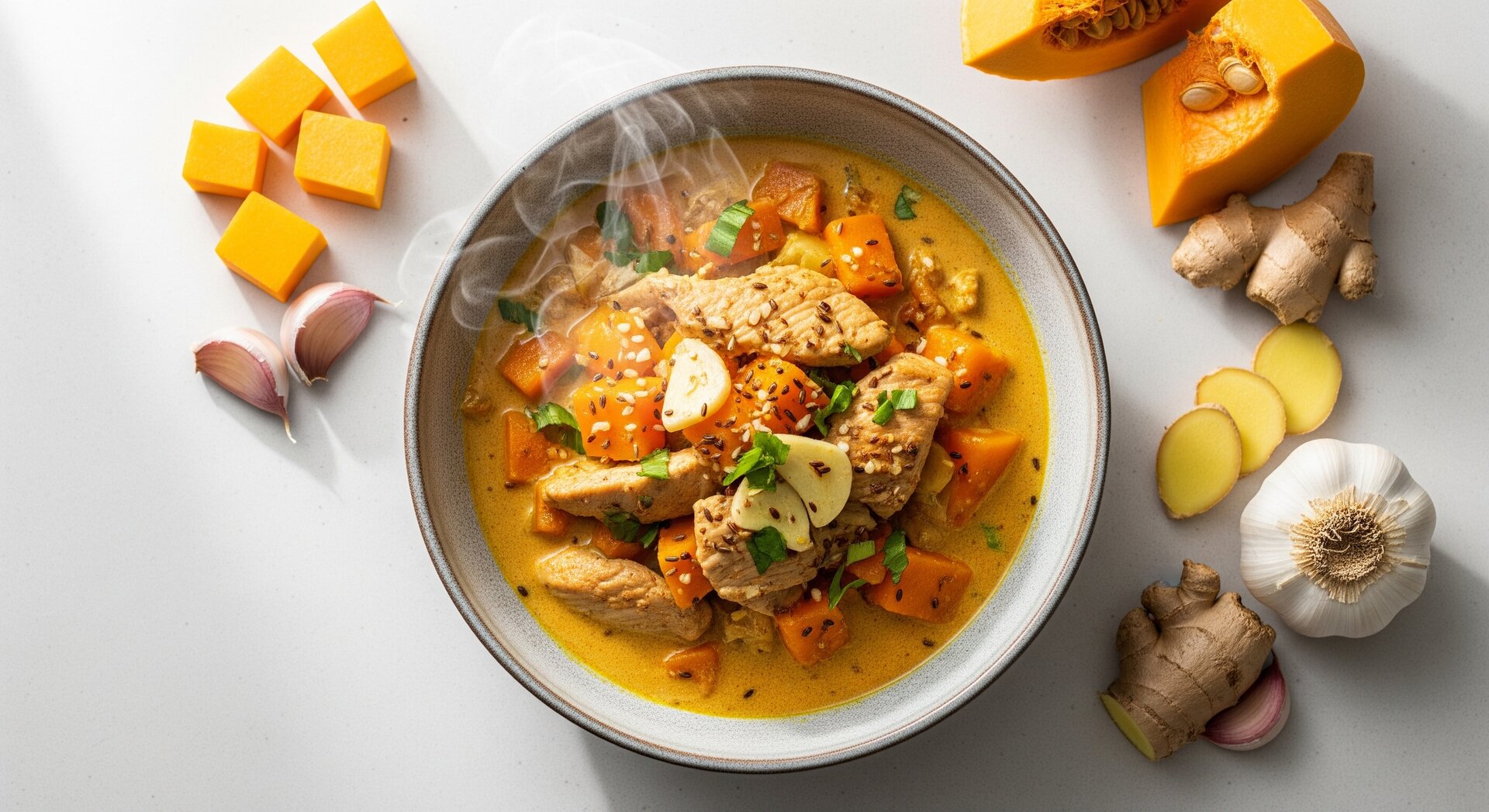 Turkey Pumpkin Curry with Coconut Milk (Paleo) 40 min Creamy curry with turkey, pumpkin, ginger and turmeric 680 kcal 44g protein 2 synergies
  In the Kitchen
Storage
Location:Pantry
Shelf life:2-3 maanden heel, 1 week aangesneden in koelkast
Store whole pumpkin in cool, dry place. Cut pumpkin in plastic wrap in refrigerator.
Preparation
Roasting brings out sweetness. Puree for soup. CRUCIAL: always serve with fat for beta-carotene absorption. BEST SYNERGY: lentils (vitamin C in pumpkin helps absorb iron from lentils).
Conversions
Substitutes
Smart preparation
1Microwave pumpkin for 2 minutes to make cutting easier.
2Roast pumpkin seeds with olive oil and salt as a snack.
3Butternut squash skin doesn't need removing; it softens when cooked.
Caution / Warnings
Pumpkin is very safe, but there are scientific considerations:
Carotenodermia (Orange Skin) Mild
Extreme consumption can temporarily color skin orange
Advice:
Harmless and reversible. Reduce pumpkin/carrot consumption and color disappears
Traditional use
Indigenous
Native American staple food
Pumpkin has been cultivated in the Americas for over 7500 years as part of the 'Three Sisters'. Indigenous peoples used pumpkin seeds as a remedy against intestinal parasites.
Traditional Chinese Medicine
Chinese Nan Gua
In Chinese medicine, pumpkin (Nan Gua) is considered a qi-strengthening and spleen-tonifying food that warms the digestion.
Summary
Pumpkin is one of the mildest vegetables, perfect for sensitive stomachs or during recovery. Extremely rich in beta-carotene for skin and eyes. ALWAYS combine with fat (olive oil, butter) - otherwise you barely absorb the beta-carotene!