- Easy
- 50 min
- 4 serv.
- 5 synergies
- Now at its best: Pumpkin
Soft pumpkin pieces from the oven, glazed with honey and topped with toasted pumpkin seeds and fresh sage.
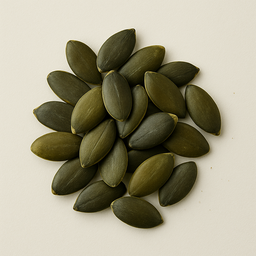
The oven does most of the work here. Pumpkin pieces go in with olive oil, sage, and a pinch of salt — and come out half an hour later with browned edges and an almost caramel sweetness. Halfway through, the kitchen already fills with that typical autumn scent: warm pumpkin, buttery sage, a hint of honey. You toast the pumpkin seeds separately in a dry pan until they start to pop and smell nutty. Scatter them over just before serving — that contrast between soft flesh and crunchy seeds is what makes this dish. Simple, seasonal, and exactly right alongside anything from a stew to a simple salad.
- 15
- min prep
- 35
- min cook
- 50
- min total
Nutritional Synergies
This recipe combines ingredients that enhance each other:
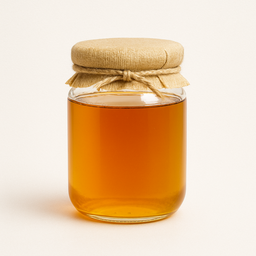 honey
honey 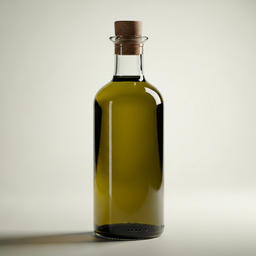 olive oil
 Dual bioactive action via chrysin + oleocanthal
Technical: Honey contains chrysin and olive oil oleocanthal — bioactive phenolic compounds studied in research in connection with NF-κB and COX signaling. Together they provide plant compounds through two independent routes.
What does this mean for you? A dressing of honey and olive oil is not just tasty — the chrysin and oleocanthal work through two different routes in your body.
Anti-inflammatoryHeartJoints
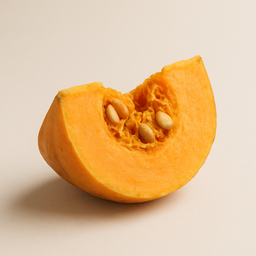 pumpkin olive oil
 Fat essential for absorption of pumpkin's rich beta-carotene
Technical: Pumpkin contains 3100μg beta-carotene per 100g — an excellent provitamin A source. Beta-carotene is fat-soluble and only 3-5% absorbed without fat. Olive oil increases bioavailability 5-7x through micelle formation. Heating pumpkin also breaks cell walls, releasing even more beta-carotene.
What does this mean for you? Always roast pumpkin with olive oil — this is the best way to absorb beta-carotene. Roasted pumpkin with olive oil, garlic and sage is a delicious and nutritious side dish.
Skin & HairImmune System
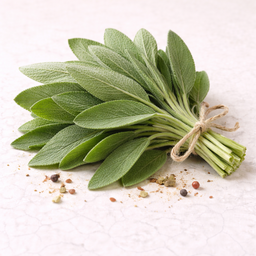 fresh sage honey
 Classic sage-honey tea with bioactive compounds
Technical: Sage contains thujone and carnosic acid — phenolic compounds with broad bioactivity against Gram-positive microorganisms (Streptococcus, Staphylococcus). Honey's glucose oxidase produces hydrogen peroxide, and honey's osmolality dehydrates microorganisms. Together they cover a broader bioactive spectrum than each ingredient alone.
What does this mean for you? Make sage-honey tea as a warm drink. The sage contains bioactive phenolic compounds, the honey a smooth, sweet layer — a traditional combination.
Immune SystemGeneral Wellness
fresh sage olive oil Olive oil extracts fat-soluble terpenes from sage
Technical: Sage's active terpenes (thujone, camphor, 1,8-cineole) and diterpenes (carnosol, carnosic acid) are fat-soluble. Olive oil dissolves these compounds 3-5x more effectively than water. Carnosol and carnosic acid are powerful antioxidants that inhibit LDL oxidation — the first step of atherosclerosis. The combination of sage antioxidants + olive oil polyphenols offers complementary antioxidant vascular support.
What does this mean for you? Briefly fry sage in olive oil (salvia fritta) for maximum extraction of active compounds. Fried sage in olive oil over pasta or risotto is an Italian classic that's both delicious and healthy.
HeartFocus
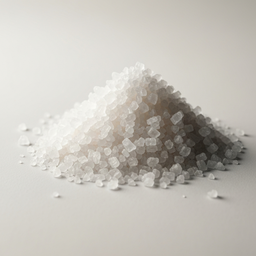 sea salt olive oil
 Minerals + polyphenols for cellular balance
Technical: Sea salt's sodium is essential for the sodium-potassium pump (Na+/K+-ATPase) that regulates every body cell. Olive oil's oleuropein and hydroxytyrosol provide antioxidant protection for cell membranes. The combination supports cell integrity: sea salt regulates ion balance, olive oil protects the membrane. In Mediterranean cuisine, coarse sea salt + olive oil is the most basic flavor profile.
What does this mean for you? Freshly ground sea salt with extra virgin olive oil is the simplest and most nutritious finishing of any dish. The combination provides the basic needs of your cells: minerals for function, polyphenols for protection.
HeartGeneral Wellness
Instructions
- 1 Preheat oven to 200°C. Peel pumpkin and cut into 2.5 cm cubes.
Nutrition per serving
Indicative values per serving.
Timing & Suitability
Shelf life: 2 days in fridge